

Sophie Powers: "Performing before Charli XCX in South Korea was a true full circle moment" Interview with the Los Angeles artist who has just released the single Klepto
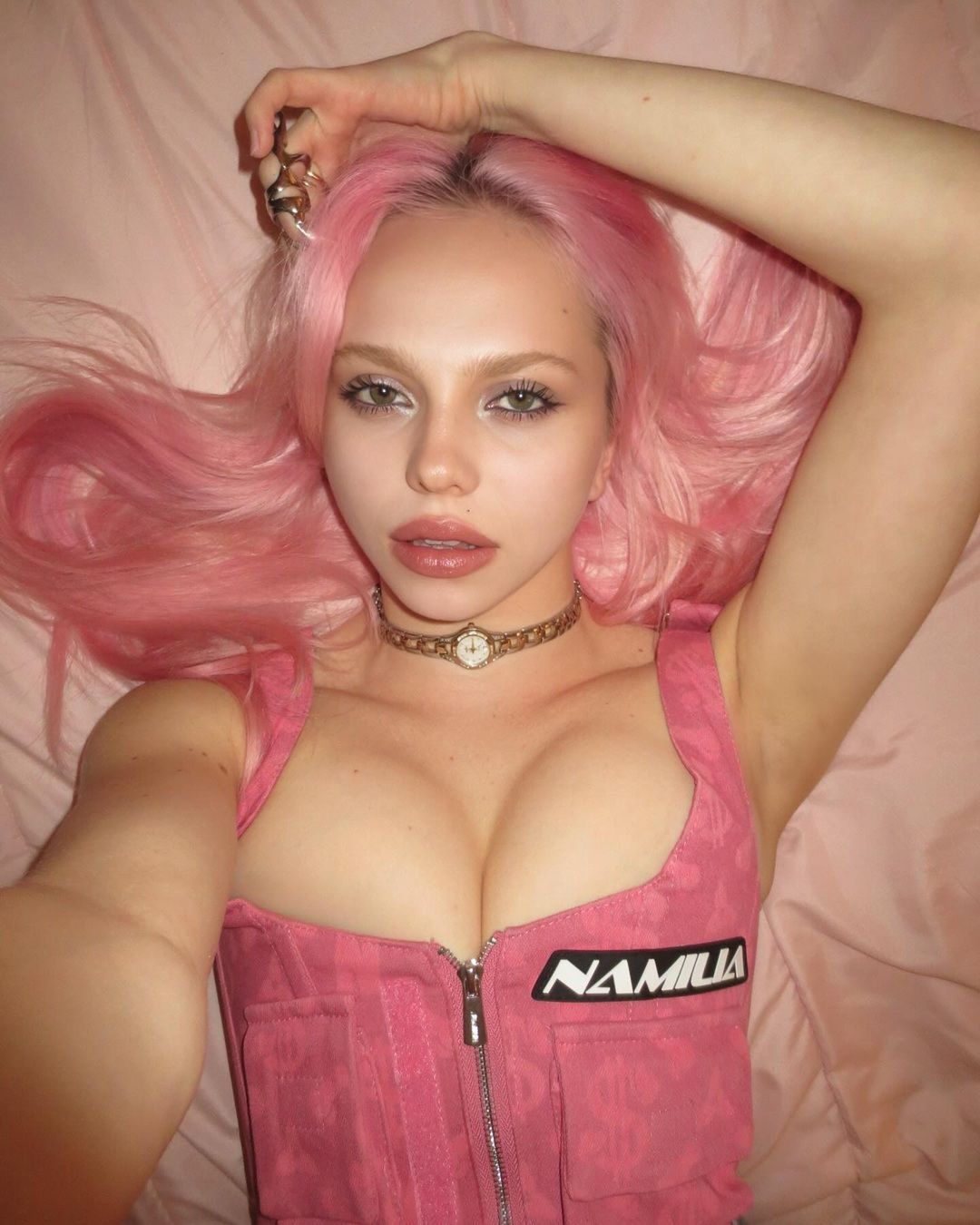
At just 21 years old, Los Angeles–based artist Sophie Powers is rapidly establishing herself as one of alt-pop’s most exciting rising voices. Known for her bold approach that combines music and fashion, Sophie gives a voice to those who reject convention, bringing raw and authentic emotion to a pop landscape that often feels detached. Born in Toronto and raised in a deeply musical family, she honed her talent from an early age, moving to Los Angeles at just 16 to pursue her ambitions. Following the success of her debut EP Red in Revenge and recent singles like muddy and the edgy spiderwebs, her single Klepto was released on February 26. With her distinctive mix of dark-pop, hypnotic energy, apocalyptic glamour, and intense emotion, Sophie continues to build a world that is uniquely, unmistakably her own.
Interview with Sophie Powers
What was your inspiration for the single Klepto and what was it like collaborating with Lexie Liu?
I love Lexie. She radiates this super cool "black cat" energy, while I feel more like a golden retriever in comparison. Our friendship really grew through this collaboration, and I have immense respect for her, both as an artist and as a person. We immediately connected over being inspired by the Y2K divas who sang almost selfishly about wanting to be in the spotlight, and we wanted to bring that same energy into our music.
Your aesthetic blends apocalyptic glamour with eerie soundscapes. How do you translate your music into fashion and visual imagery?
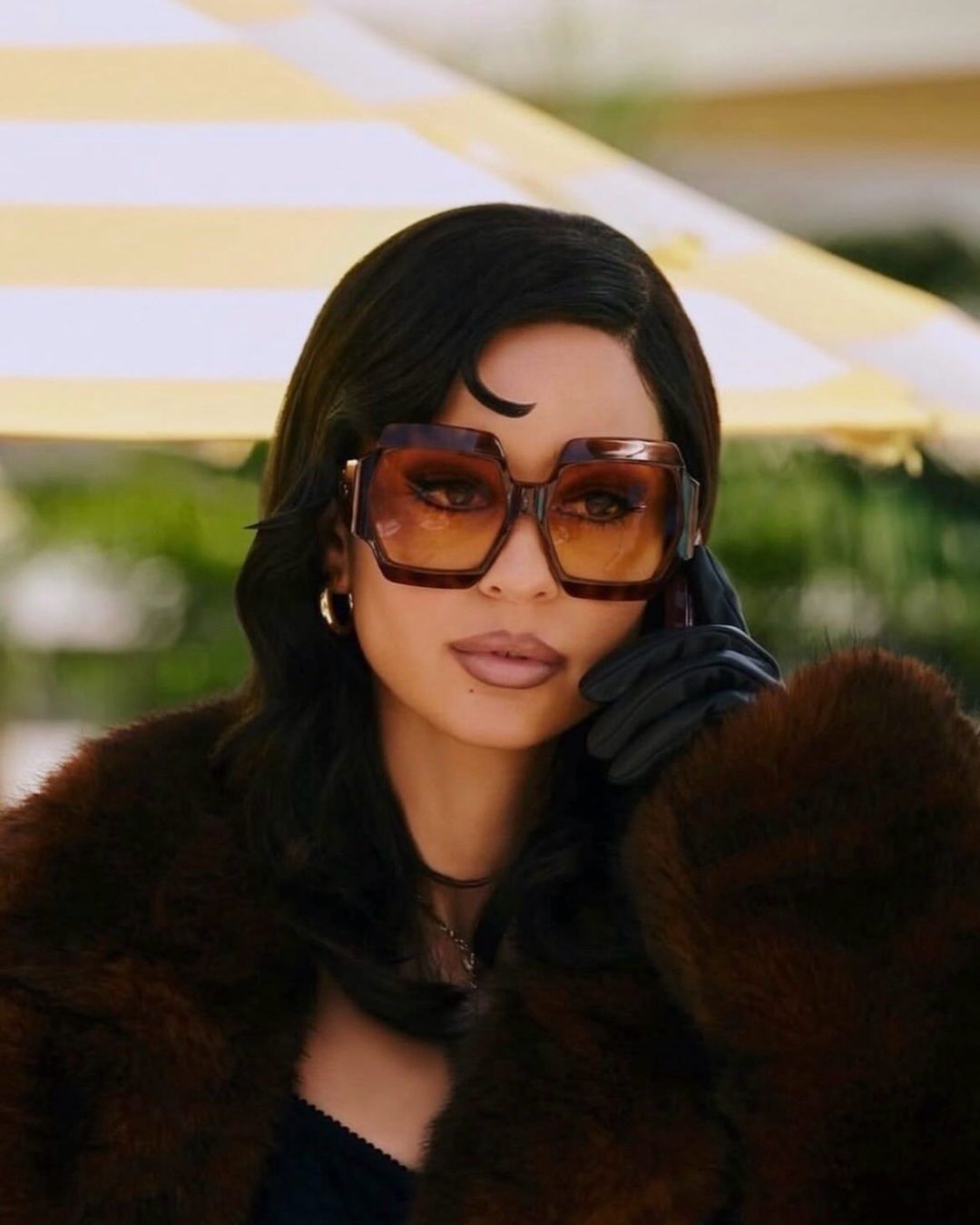
I leave as much room as possible for interpretation, but I experience very intense synesthesia, so all the images have to match the color that the song has for me, both visually and sonically. It’s hard to explain, but color theory is a key tool I use to turn the images in my head into something real. I’m so happy to have incredible creative teams helping me make these visions a reality.
At just 21, you’ve already shared the stage with YUNGBLUD, Charli XCX, and others. What has been the most unforgettable moment so far?
I think performing before Charli in South Korea was one of the craziest moments: I was on a giant screen in front of 20,000 people, just like I had always dreamed when imagining bringing my music to the stage. It was a true full circle moment. Also, performing with YUNGBLUD at the end of his tour was incredibly fun.
What message do you hope the audience takes from your music?
I hope they feel free to express themselves and don’t feel ashamed of their emotions or the way they think creatively.
You’ve described your creative approach as boundary-pushing and totally authentic. How did moving to Los Angeles at 16 influence your artistic voice?
When you move so young, you have to grow up fast, especially working in an adult environment. Maybe that’s why I feel much older than my age, and many of my friends are one to five years older than me. Los Angeles is a beautiful, diverse city, and I’m happy to call it home. People here aren’t afraid to say what they think, and I really like that.
Your debut EP Red in Revenge and the follow-up Glitch: Lvl 1 explore emotional chaos and identity. How did these experiences influence Spiderwebs?
Actually, I recorded Spiderwebs around the same time I was writing the first EP, five years ago. Today I feel more emotionally stable and comfortable talking about those experiences, which is why I was ready to release the song. Those EPs helped me grow and feel more confident as an adult.
You’ve collaborated with artists like Grimes, Dillon Francis, and Baby Tate. How have these collaborations influenced your approach to music and creativity?
I’ve learned so much, both artistically and professionally. Perhaps a bit selfishly, I’d say especially creatively, because as an artist I always want to discover new methods and forms of creation. It’s fascinating to observe other people’s creative processes when writing or producing a song. Collaborating has taught me that there isn’t just one way to write or produce a great track. In fact, using the same formula every time makes things mechanical and mathematical rather than artistic. That’s the most important thing I’ve learned.
You’re both a musician and a fashion designer, moving between different creative worlds. How do you balance these roles while keeping your vision intact?
I’m a musician first and a fashion designer second. Keeping this priority clear makes it easier to manage both roles. I’m sure that one day the order might flip, but for now this distinction helps me keep them separate. That said, my musical vision is still closely tied to the style choices I make. Fashion is the icing on the cake: the cake is the song, it’s the music. But who knows where this universe might take you.