

What we see on TikTok happened first on the dancefloor Why is retro better?
TikTok has been the gravitational center of global trends for years and continues to confirm itself as such: a synthesizing machine, capable of archiving aesthetics, sounds and languages in fast and viral formats, quickly... perhaps too quickly. The audience, still marked by the discomfort of the pandemic, no longer settles for simply observing or replicating content, but wants to re-live what they see and reinterpret it in a personal way rooted in the same empiricism. The paradigm therefore shifts, translating into an increasingly evident turn: content is no longer created to be published, but is published because something has already happened. Nightlife, in this sense, is returning to being one of the main sources of cultural inspiration. Not as a scenario to monitor, but as an experience to consume. The feed becomes a consequence, no longer the origin: the documentary record of a generation returning to experience the celebratory expressions of the moment clubbing, living it to the fullest while preserving it through photos and videos, often with a retro aesthetic.
The return of the dancefloor: skin, chaos, presence
After years of experiences filtered through a screen, clubbing is reclaiming its original role: a space for gathering, freedom, and loss of control, centered on rediscovering a collective dimension that the digital world, by its very nature, can never replicate. It is no coincidence that raves, festivals, and DJ sets - even in non-institutional contexts - are becoming central again. From industrial warehouses repurposed in European suburbs, to temporary locations shared via private chats, to micro-festivals that emerge almost spontaneously outside official circuits, a parallel ecosystem is taking shape. If there is one format that has never truly lost relevance, it is festivals. The desire to participate, to be physically present, to live for several days immersed in a collective experience has never disappeared - in fact, it has strengthened. Events like Coachella continue to be among the most sought-after in the world, not only for the line-up but for what they represent: a precise, recognizable, almost suspended imaginary. Coachella, in particular, has managed over the years to build a coherent aesthetic that blends boho, Y2K, and 1970s retro influences, becoming a perfect balance between real experience and shareable content. And this is precisely one of the key points: festivals naturally lend themselves to generating content with a vintage aesthetic.
@sotrueian I AM DREAMINGGGGG OH MY GOD #justinbieber #coachella #beautyandabeat #coachella2026 #festival original sound - ian
Here, aesthetics are not constructed but lived: saturated environments, bodies moving to the rhythm, and, even without direction, you might witness an Apple Dance or a Lush Life Dance learned on screens and then brought back onto the dancefloor, just as happened with Michael Jackson and Thriller. It is a dimension almost opposite to the digital one, at times chaotic, but precisely for this reason authentic. Think of long DJ sets with no interruptions, where a progressive narrative is built instead of a sequence of immediate drops, or the “empty” moments, those that would be cut online but become essential on the dancefloor to create tension. Sound itself changes purpose radically: it no longer needs to “work” in a few seconds, but to sustain hours of experience without losing momentum, much like maintaining attention in a video longer than 15 seconds. Tracks that might seem repetitive online become hypnotic in a physical context, like a constant kick or a slowly evolving synth: elements that only make sense when experienced over time in the chronology of a night.
@djkogis presave link in my bio guys #remix #katyperry #edm #dj Hot N Cold - Kogis
The return of the 90s and Y2K attitude
In this context, the return of past bands that shaped the history of music genres and tracks that conveyed collectivity appears less like a simple reunion and more like a genuine resurfacing. Oasis, and their actual or even symbolic return in recent times, intercepts a collective need to go back to a specific imaginary: that of direct, unfiltered music, built to be sung and lived together rather than merely consumed. And in an era dominated by metrics, algorithms, and fragmentation, this dimension becomes desirable again. Two examples? Oasis and Planet Funk.
The Planet Funk phenomenon can be read as a clear example of how music and sociality were intertwined in the late 1990s and early 2000s. Gen Z is left with space to interpret and rewrite that imaginary. All of this was born in a pre-digital era, before hyper-connectivity and constant screen mediation, now observed with curiosity. Our generation wonders what nightlife was really like: how people met, how they danced, how shared experiences were built without necessarily documenting them. In this new wave, this spontaneous dimension resurfaces—and this is precisely what makes it so fascinating today.
Beauty and haircare: no to perfection
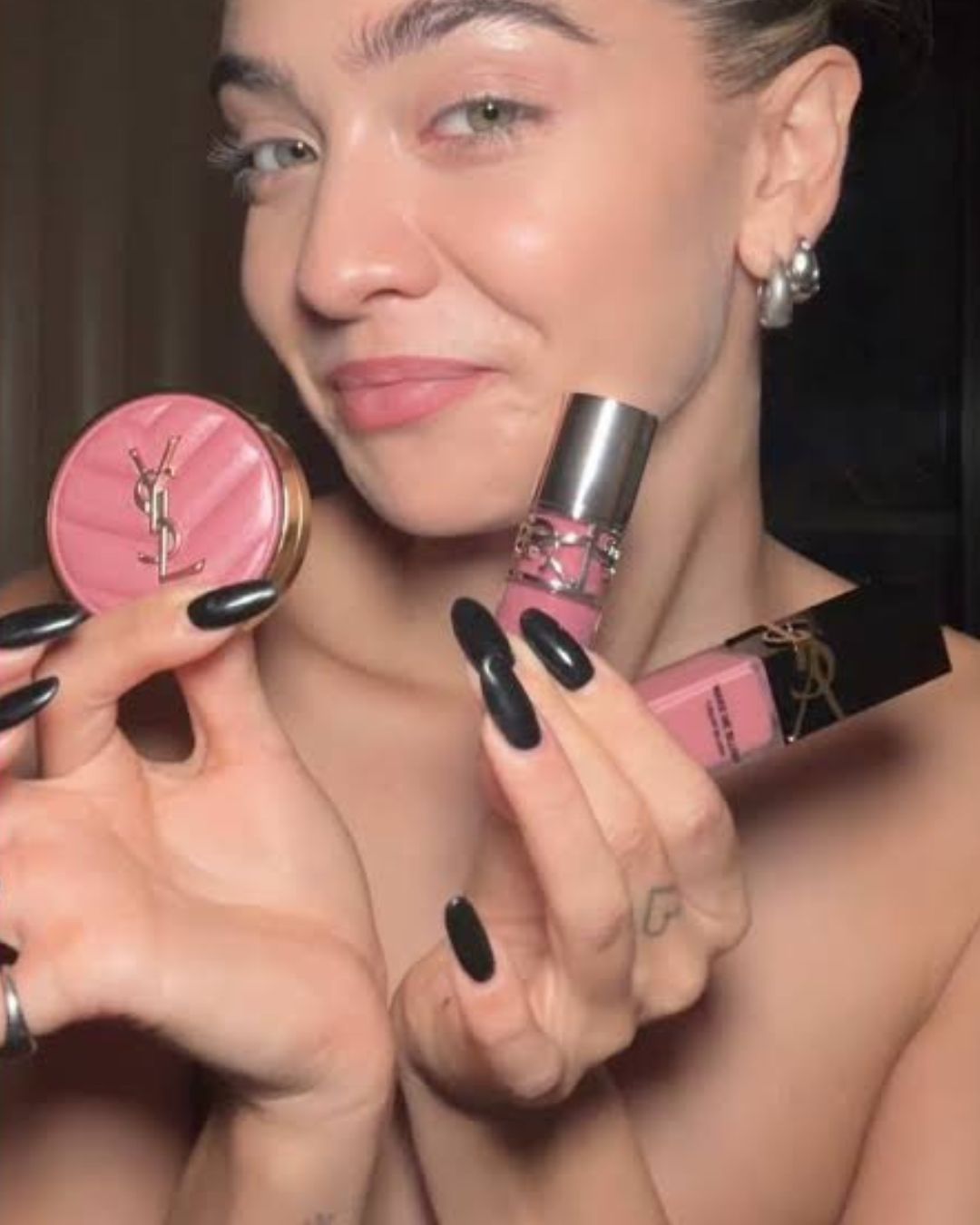
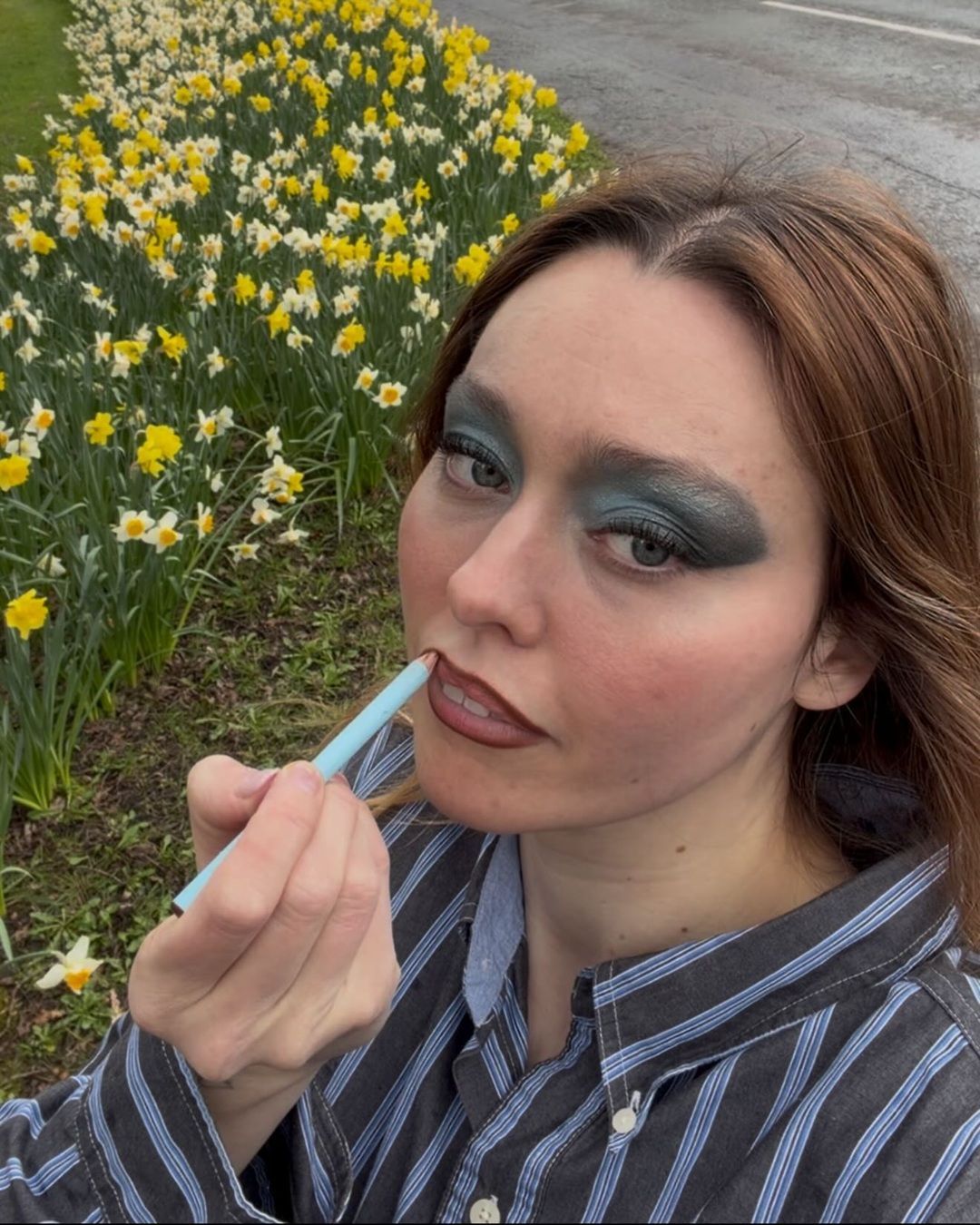
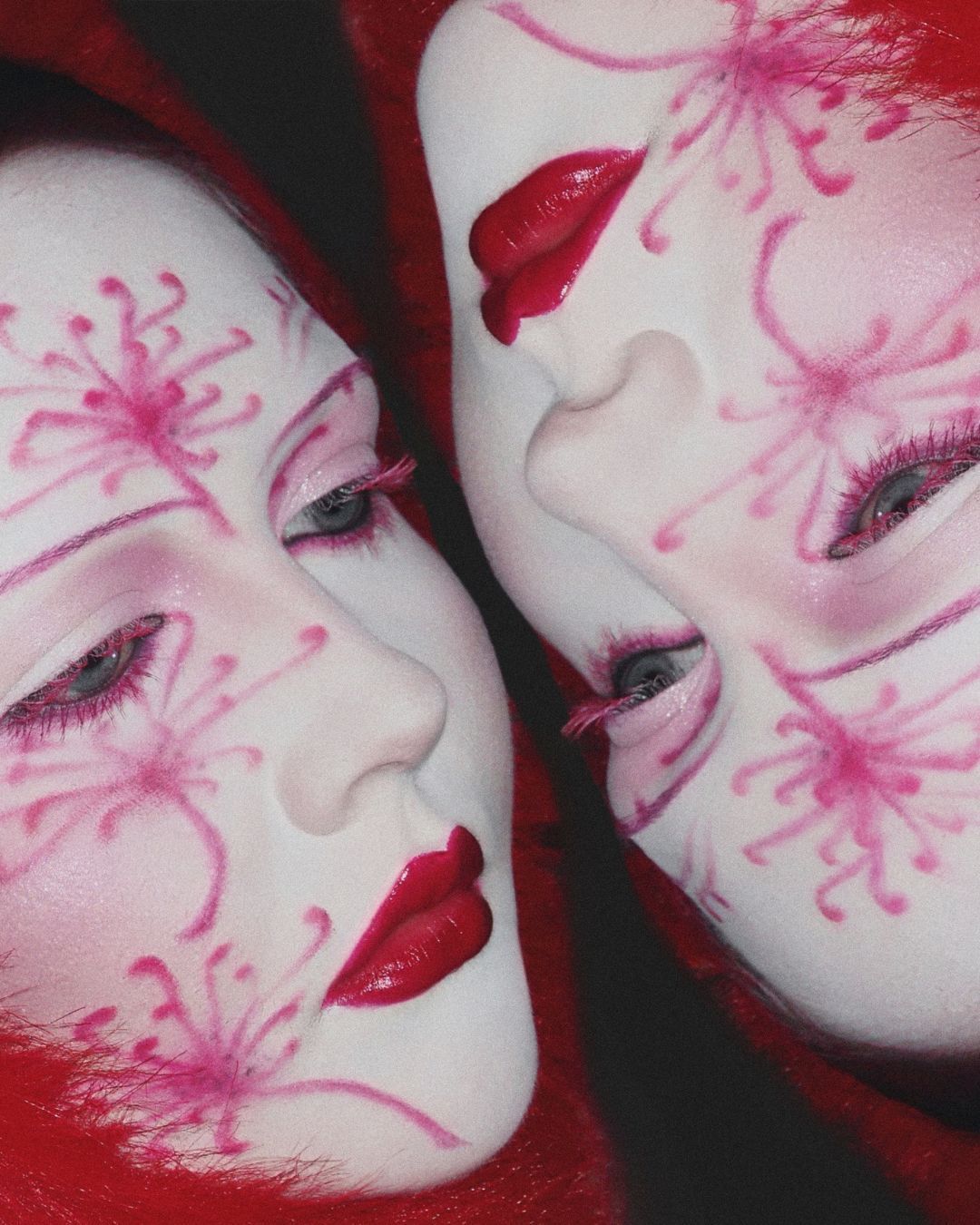
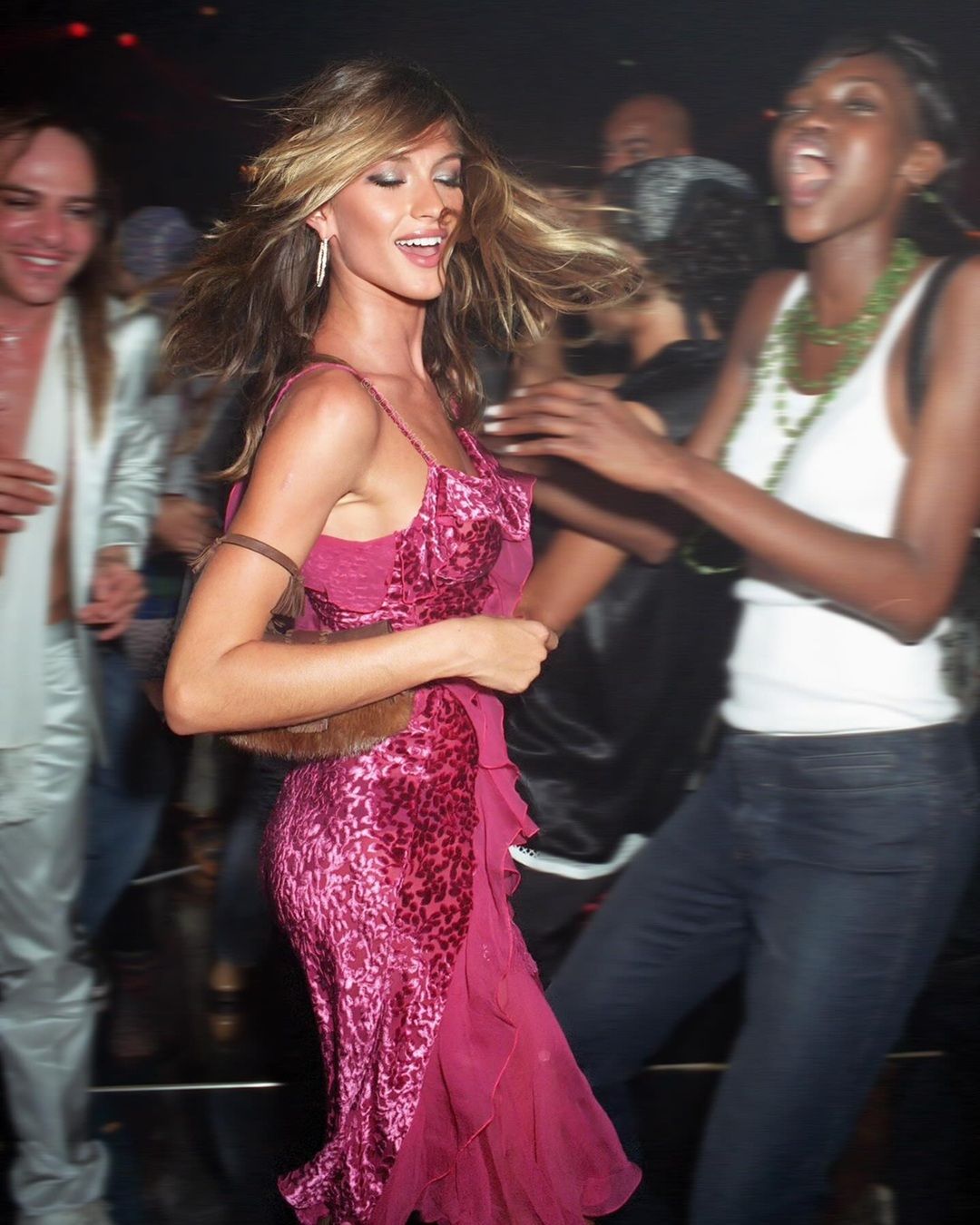
In this return to physicality, beauty also changes direction. Makeup is no longer designed to withstand a camera perfectly, but to evolve throughout the night. Glitter, graphic eyeliner, glowing skin (not only Charlotte Tilbury, but also sweat): elements that are not meant to remain intact, but to transform. Makeup smudges and blends, and when captured later, it perfectly reflects the essence of a moment truly lived, a night post. It is a beauty culture that moves away from perfection to return to being experiential, both for the feed and, above all, for the dancefloor: the digital world arrives later with its flash-lit videos and saturated colors.
@paramountplusaustralia Still the most iconic dance scene in cinema #13GoingOn30
original sound - Paramount+ Australia
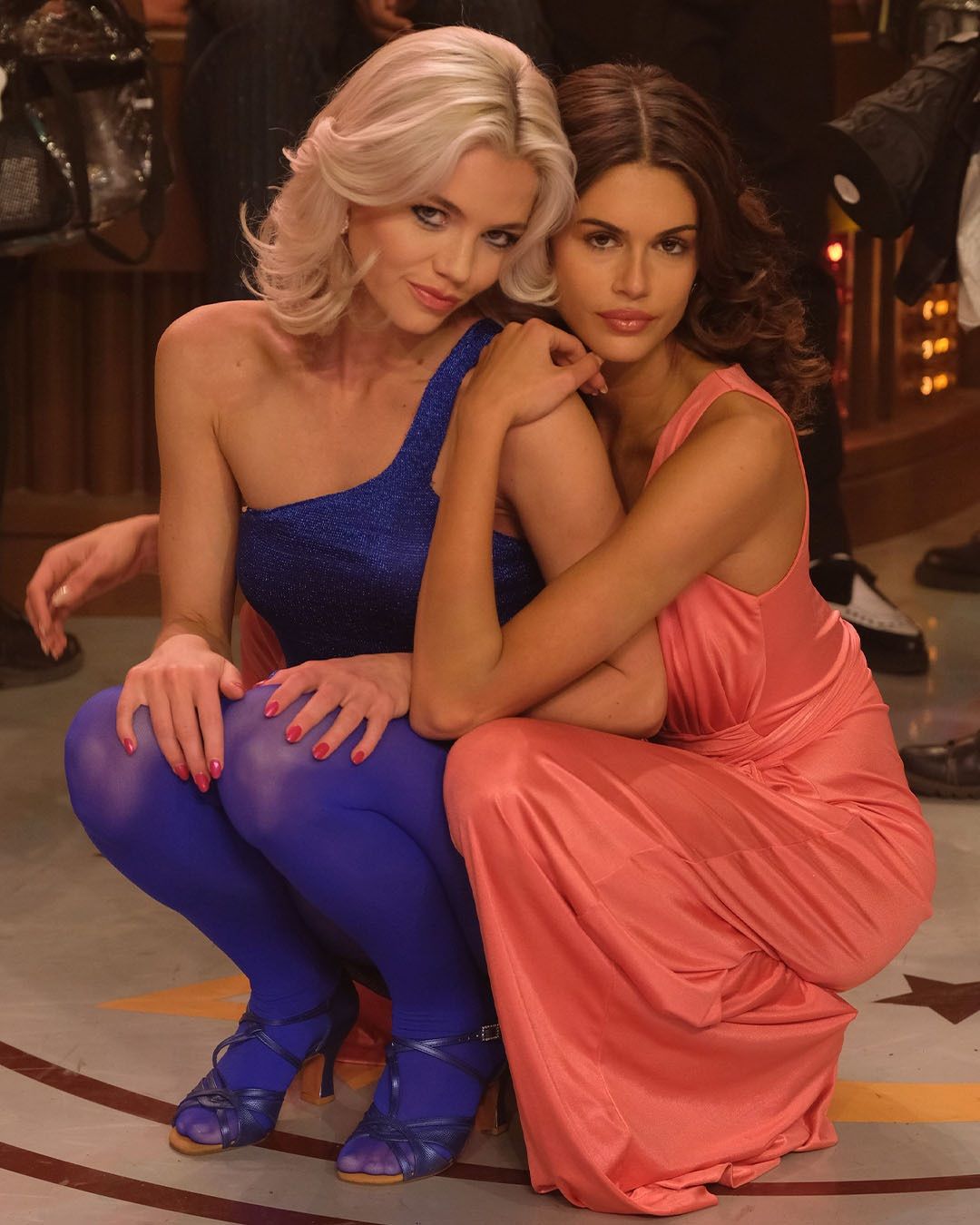
But above all, it must be admitted that the first instinct for a nightlife look still leans toward the past. Whether it’s the 2000s or a slightly hippie vibe, we want to reconnect with that world. The one that perhaps our parents told us about.