














































Photosensitizing skincare products to use with caution in summer From retinol to fruit acids: are you sure you need to give them up?
Every summer, the same thing happens. The sun comes out, temperatures rise, beach days begin, and the same question inevitably returns: should I stop using retinol? Can I still use acids? Is vitamin C photosensitizing or not? The confusion is real and, honestly, understandable. The truth is that very few skincare ingredients are actually incompatible with summer. Some can make the skin more sensitive and require a little extra care, but that doesn’t mean you need to banish them until September. In most cases, it’s simply a matter of using them more mindfully and, above all, never forgetting sunscreen.
Photosensitizing skincare products to use with caution during summer
What does photosensitizing mean?
Let’s start with the basics: what does photosensitizing actually mean? When we talk about photosensitizing products, we mean substances that can increase the skin’s reactivity to UV rays, making it more prone to redness, irritation, or dark spots.
Retinol and retinoids: can you use them in summer?
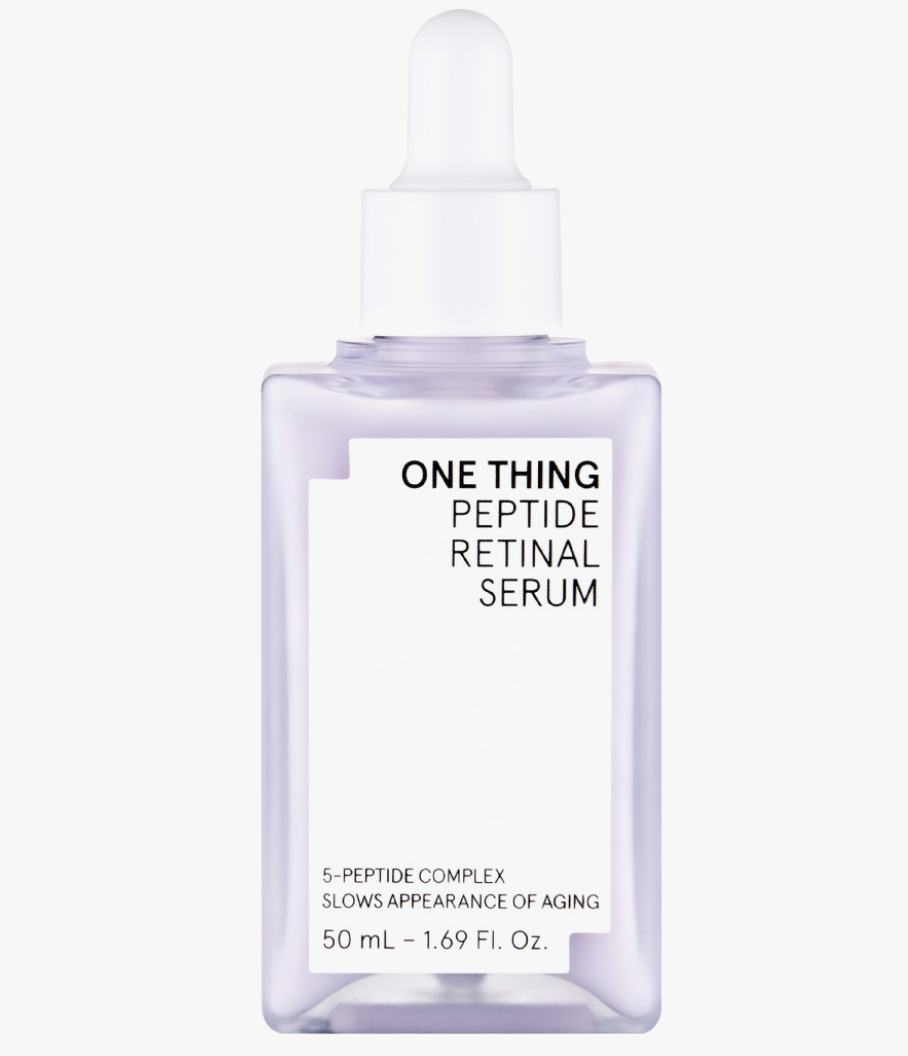
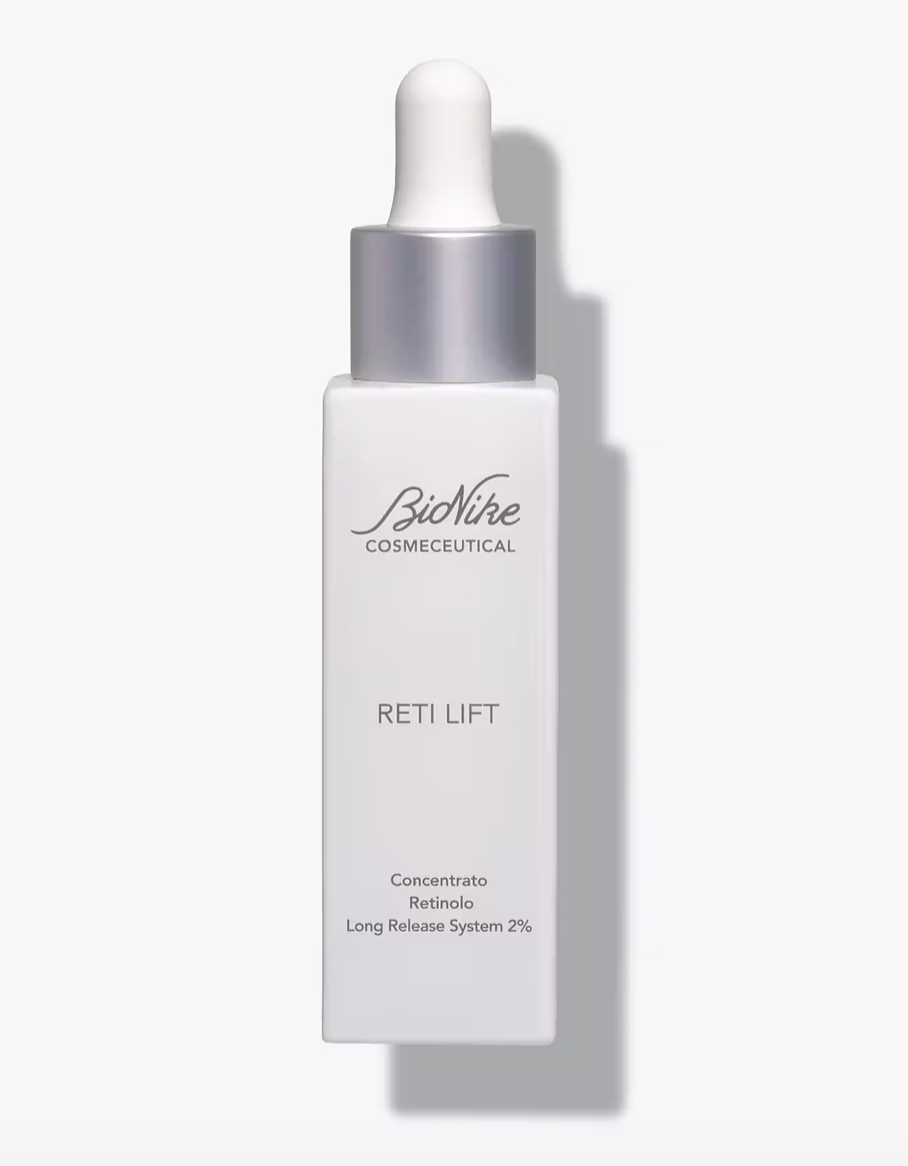
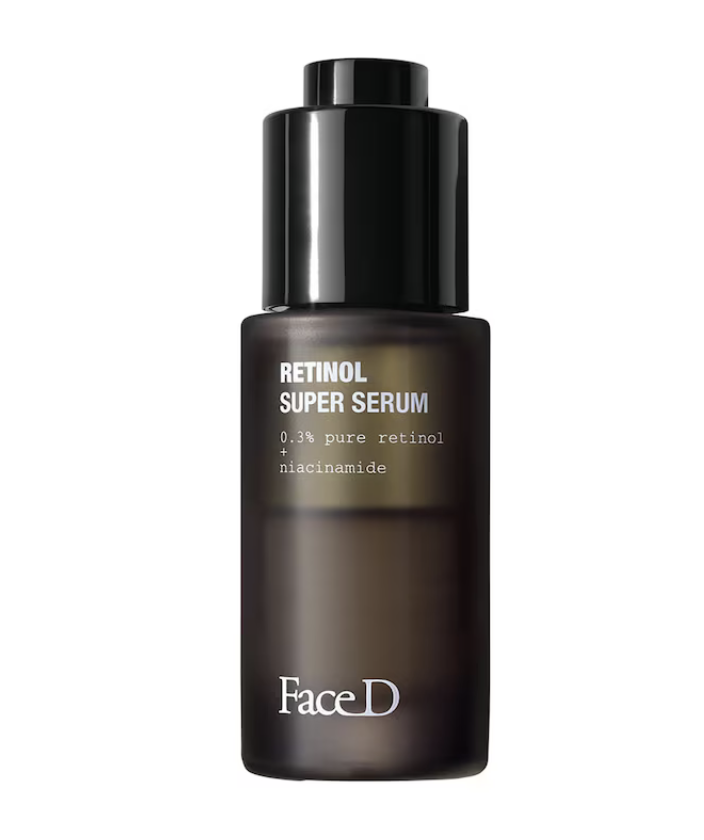
When it comes to ingredients that require extra attention during summer, retinol is probably the first one that comes to mind. Loved for its ability to improve skin texture, acne, and signs of aging, retinol accelerates cell turnover, which can make the skin more delicate, especially if you’ve recently started using it or already have a compromised skin barrier. That doesn’t mean it’s off-limits during the warmer months. Many dermatologists agree that it can still be used in summer, as long as it’s applied at night and paired with strict sun protection during the day. However, if you spend long hours outdoors, frequently go to the beach, or have skin that irritates easily, it may be worth reducing its use or considering a switch to bakuchiol, a plant-derived active often considered the gentler alternative to retinol. It’s not photosensitizing, making it suitable for both morning and evening application.
Exfoliating acids
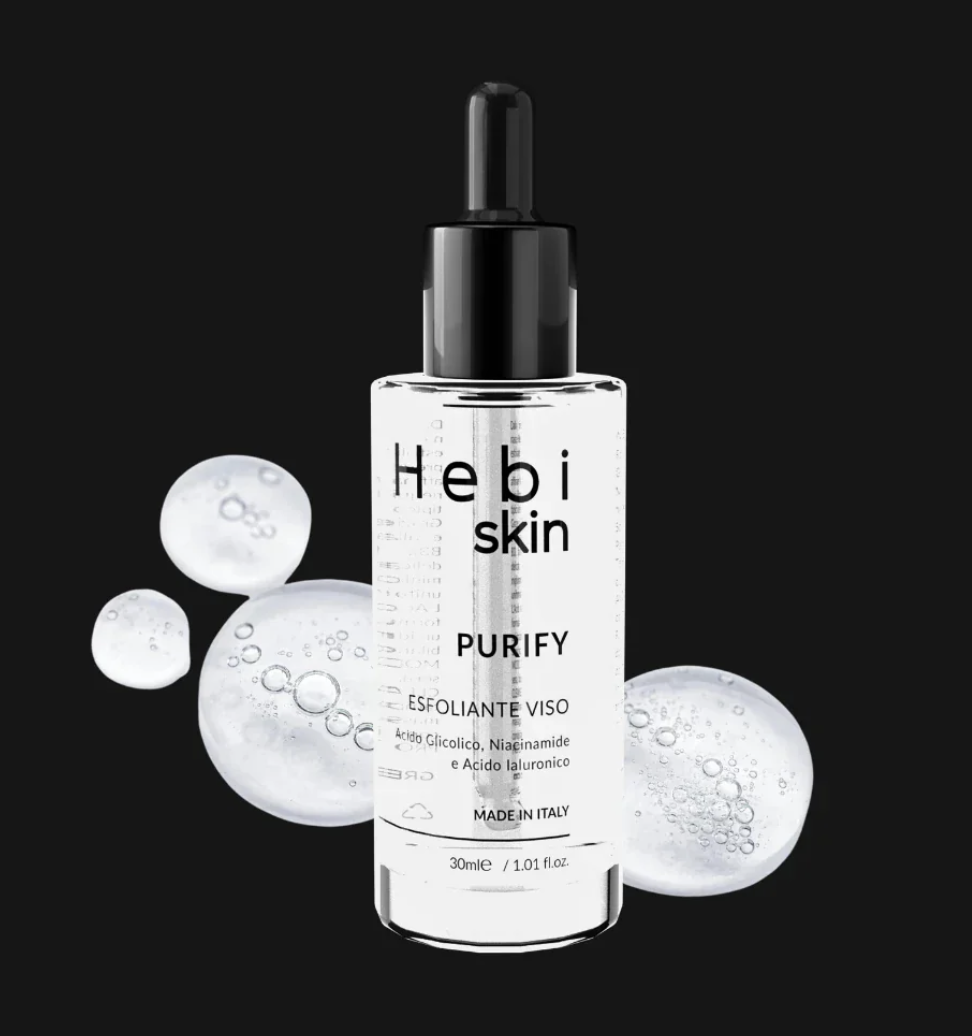
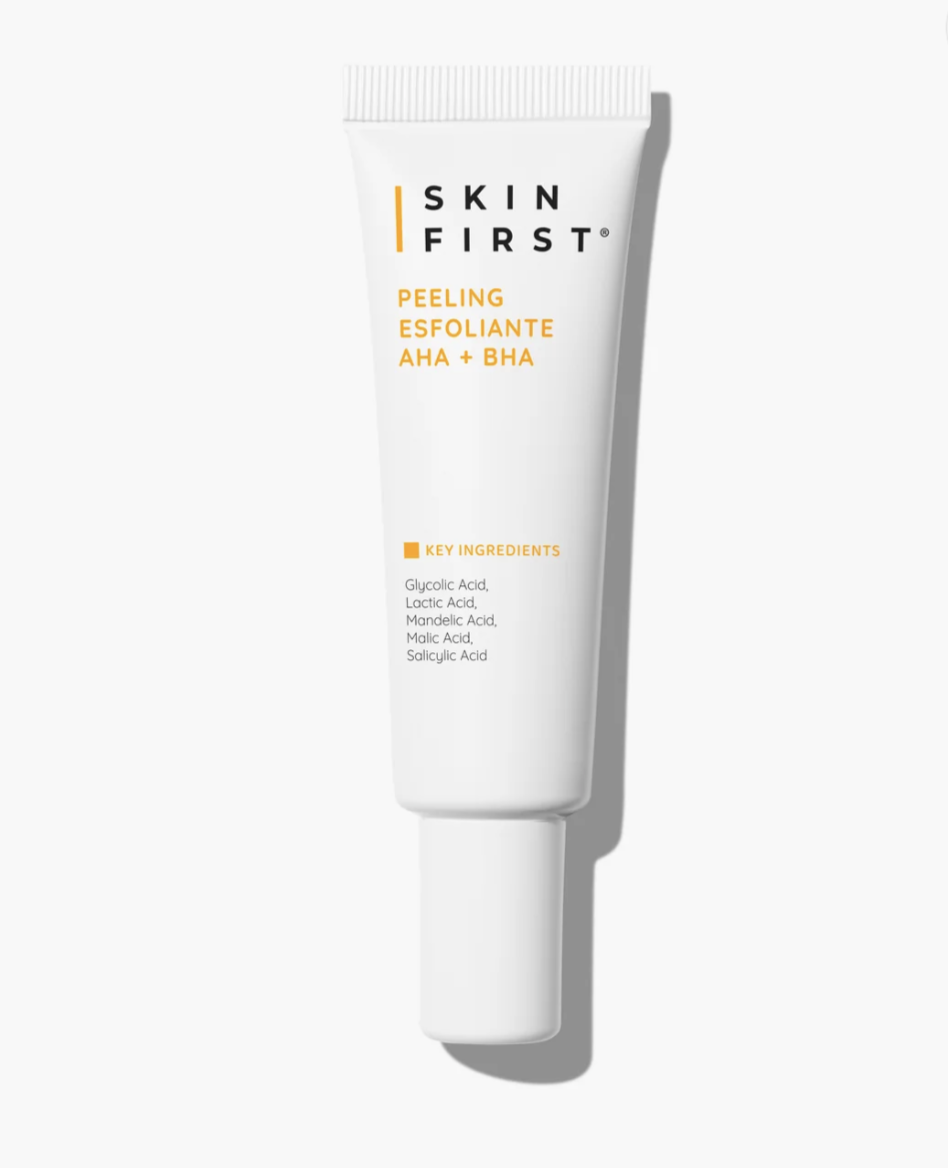
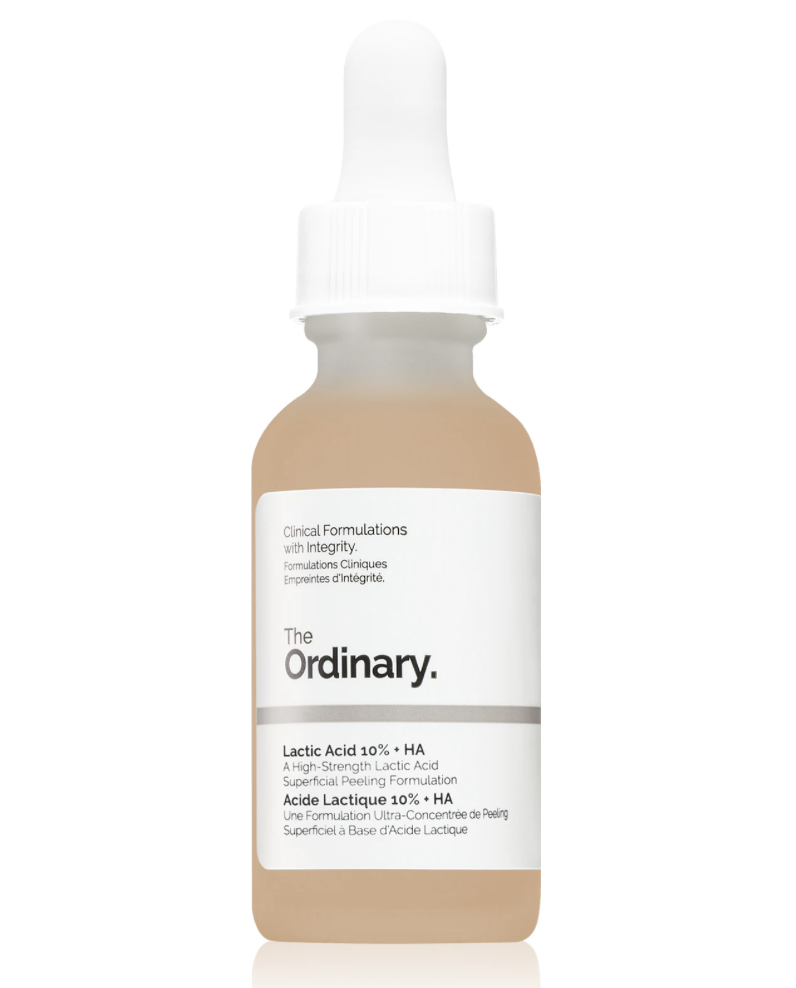
What’s better than applying exfoliating acids and waking up the next day with skin that looks smoother, brighter, and visibly clearer? We’re talking about glycolic acid, lactic acid, mandelic acid, and all the other fruit acids that work wonders for refining texture, boosting radiance, and eliminating the dullness that often lingers through winter. The catch is that because they accelerate cell turnover and reveal fresher skin underneath, they can also increase the skin’s sensitivity to UV rays. That’s why it makes sense to be a little more cautious with them during summer. There’s no need to stop using them entirely, but it’s wise to use them more strategically: reduce the frequency and definitely avoid scheduling a peel the night before spending a full day at the beach. Think of them as part of a smarter routine, one that fits days spent indoors with a fan rather than hours under direct sunlight.
Vitamin C: the false enemy
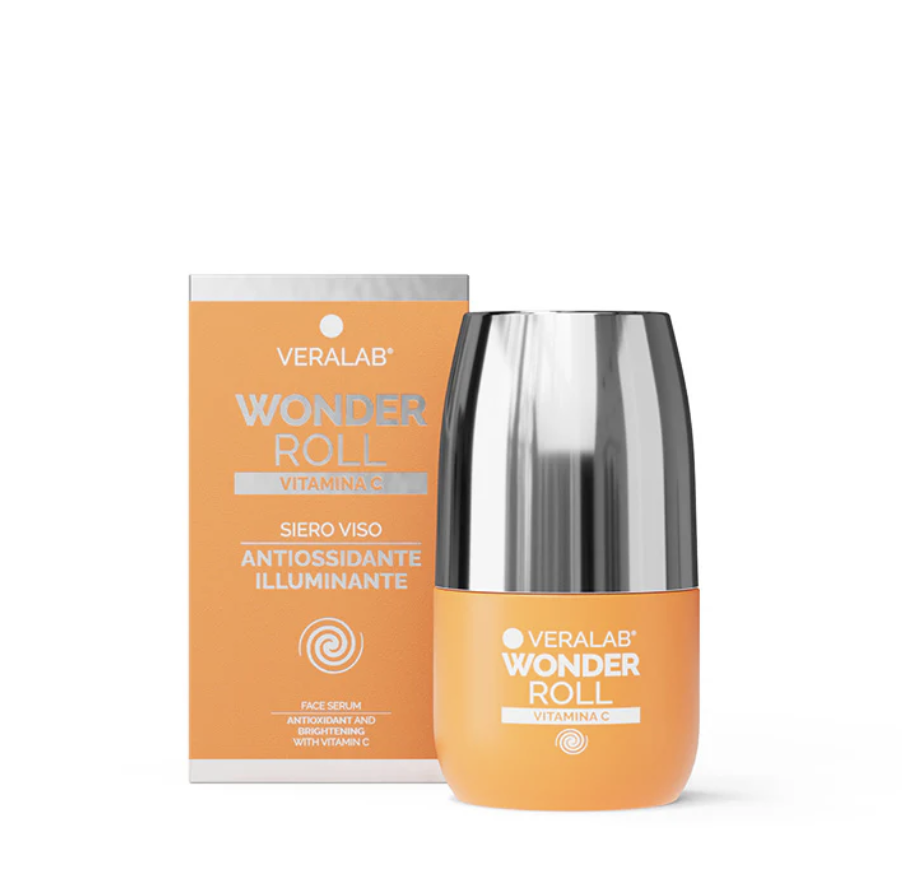
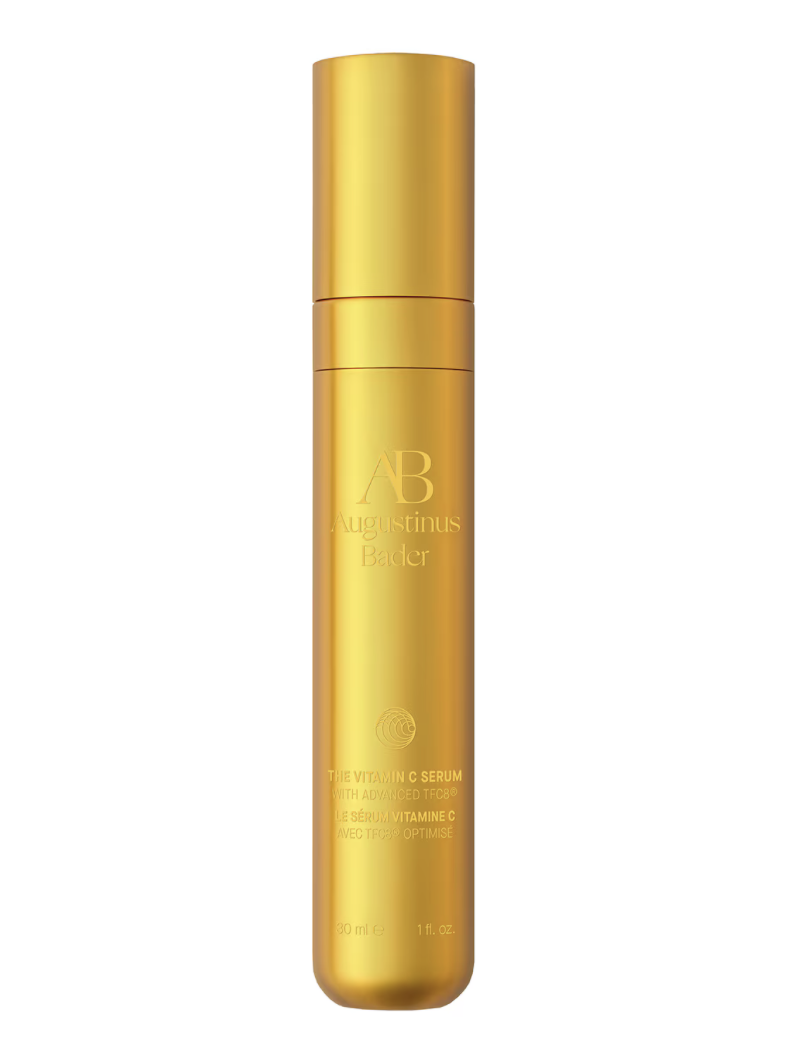
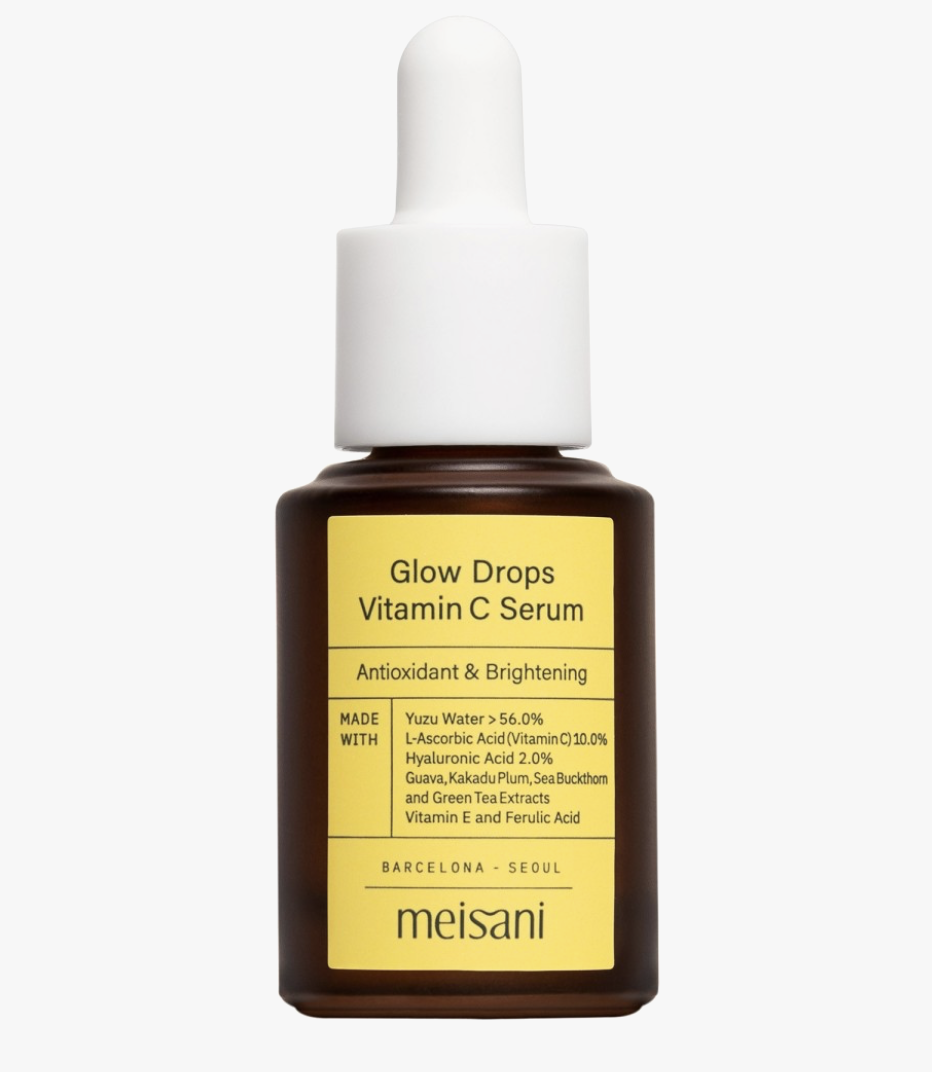
Vitamin C is one of those ingredients that returns to the center of skincare debates every summer, often surrounded by misinformation. The confusion usually comes from mixing up the concepts of photosensitive and photosensitizing. In the case of vitamin C, it is photosensitive, meaning it can degrade and lose effectiveness when exposed to light and air. That does not mean it makes your skin more sensitive to the sun. This is also why vitamin C products are often packaged in dark bottles or opaque containers to protect the formula from deterioration. In other words, it is not photosensitizing. In fact, it’s one of the best active ingredients to use during summer, as it helps combat oxidative stress caused by UV rays and pollution while promoting a brighter, more even complexion.
Be careful with essential oils
It’s also worth paying attention to essential oils found in skincare products such as creams and serums, as some can trigger phototoxic reactions. Among the most common culprits are citrus oils such as bergamot, lemon, and lime. Applying products that contain high concentrations of these ingredients and then exposing your skin to sunlight may increase the risk of irritation or hyperpigmentation.
The number one rule: sunscreen
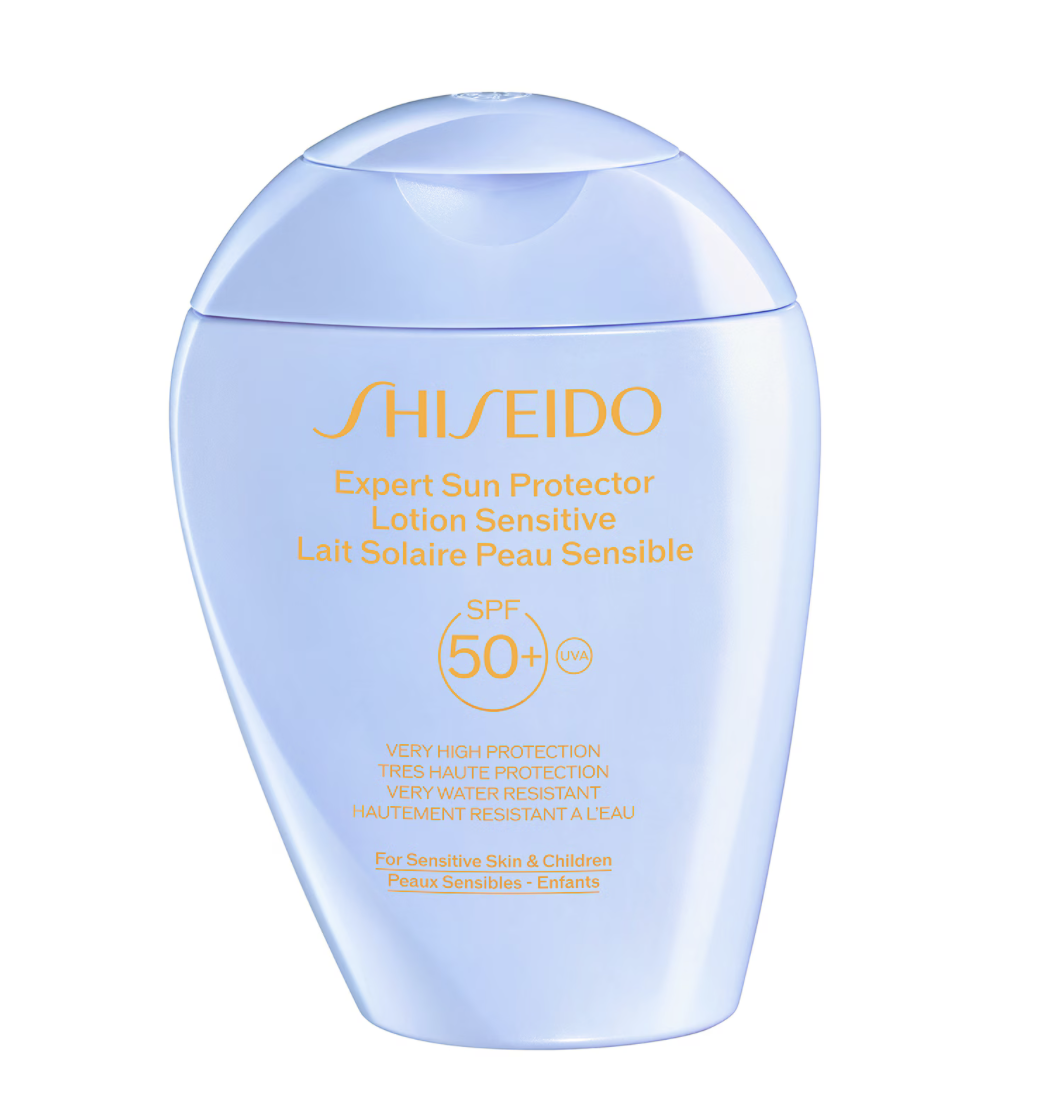
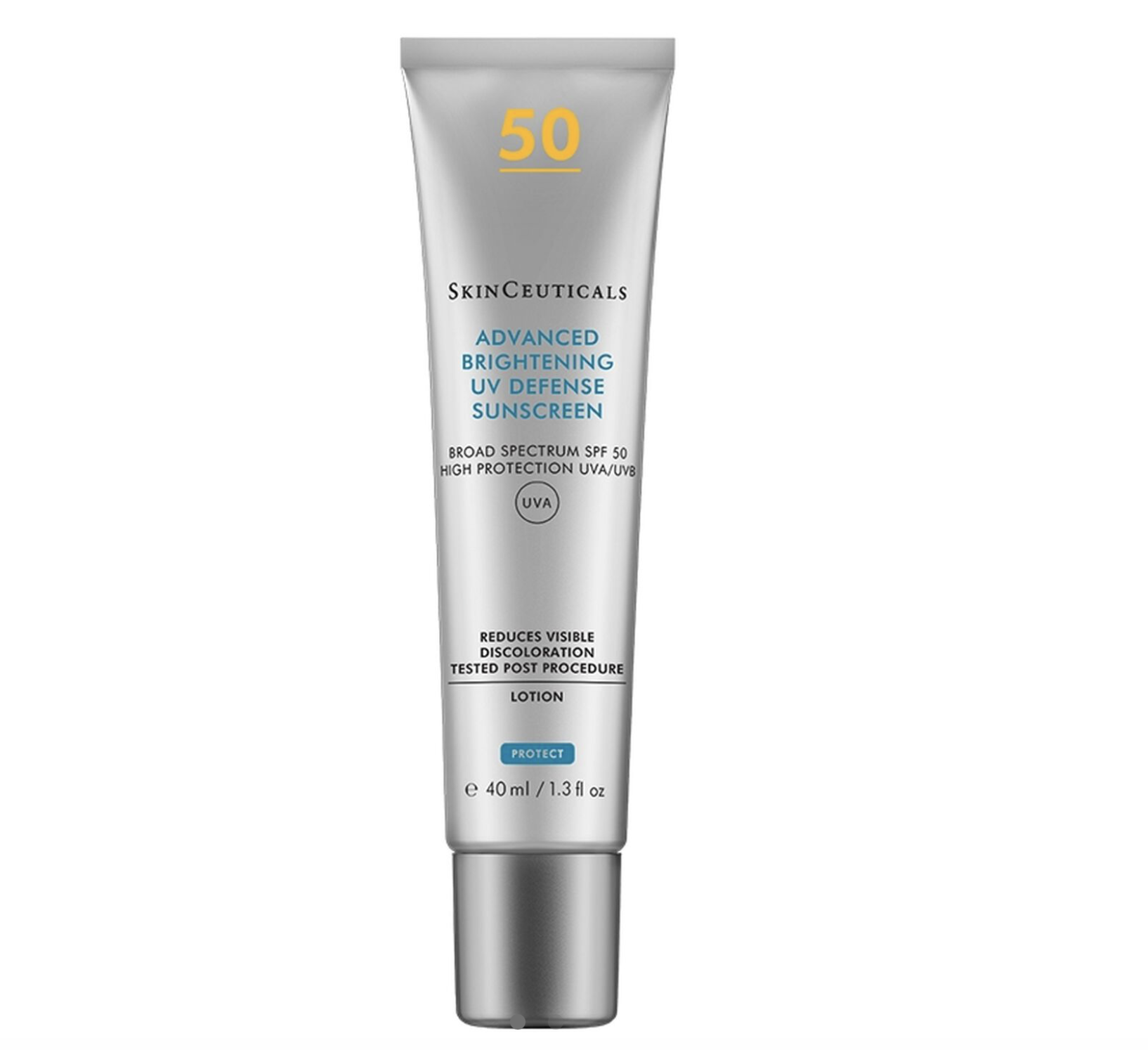
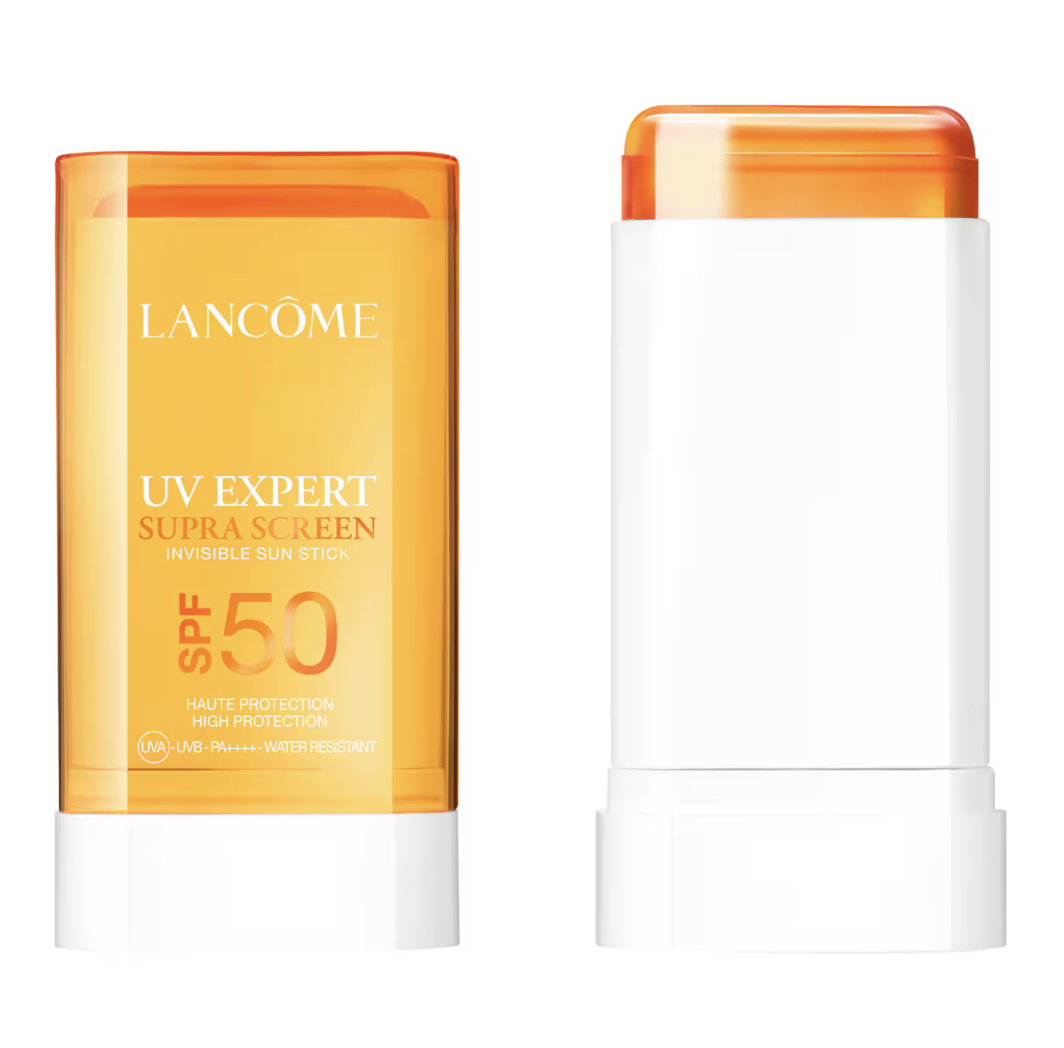
Every summer, we focus on which ingredients to avoid, pause, or replace. Then we step outside without SPF and undo all that effort in one move. The reality is that retinol, acids, and most other active ingredients can coexist perfectly well with summer, but on one condition: sun protection must be taken seriously and applied consistently, every single day.
What to read next

Vanilla fragrances are here to stay
Despite everything, they are still the number one choice among female consumers

Liu Jo presents “The Gigi Hadid Edit”
The project that transforms selection into an identity gesture