



































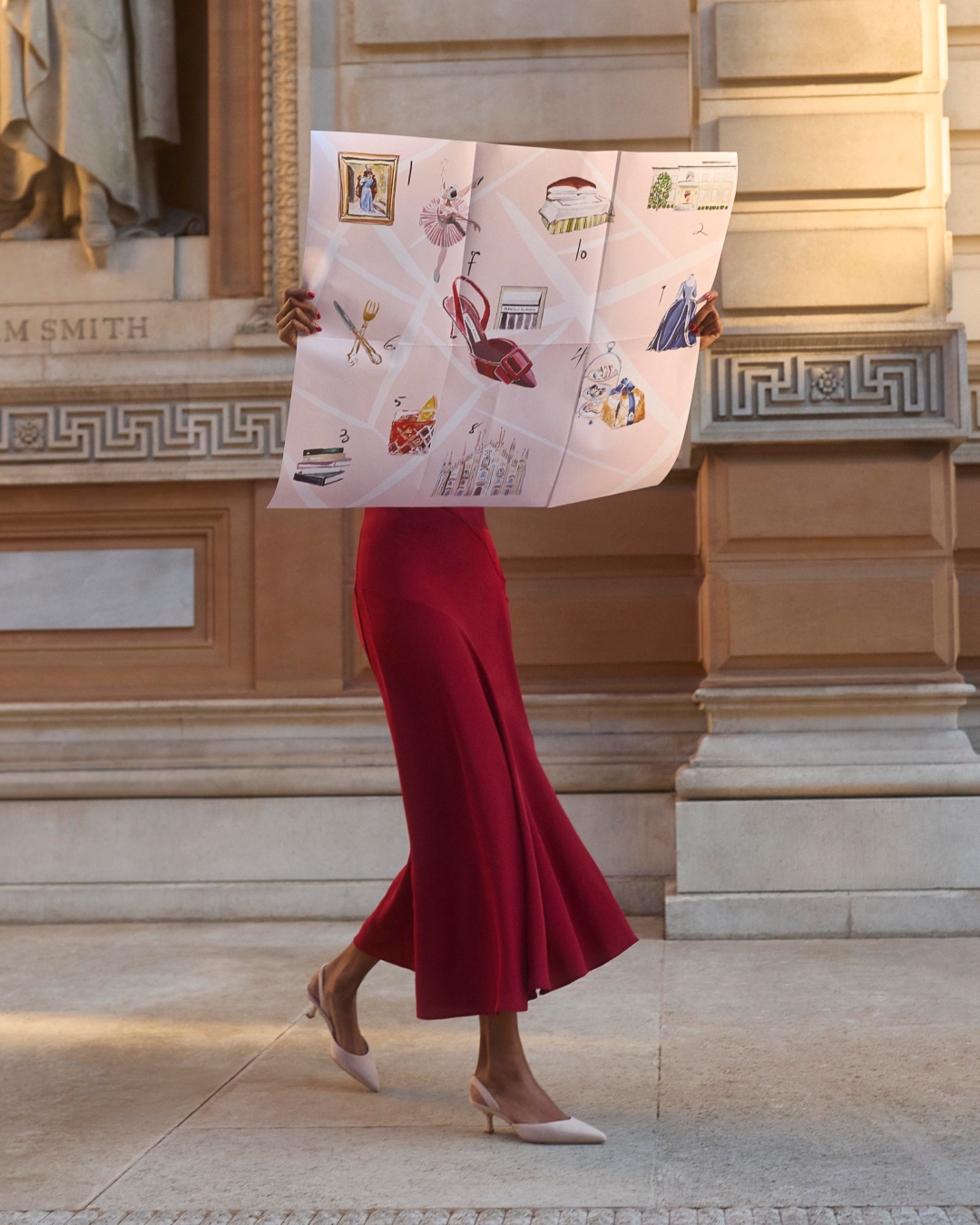
"Milan teaches you how to look": walking through Manolo Blahnik's city with Kristina Blahnik Between craftsmanship, memory and a distinctly European identity, Kristina Blahnik reflects on the city that helped shape Manolo Blahnik's creative language.
Some interviews take place around a table, while others require an entire city. To tell the story of Manolo Blahnik, Kristina Blahnik chose the latter. No collection presentation, no meeting room—just a walk through Milan, tracing the places that have, over the years, become part of her uncle's creative vocabulary. Because before there are shoes, there is a way of looking at the world. And for Manolo Blahnik, Milan is one of the places where that perspective truly took shape.
“Every city brings out a different passion in Manolo,” Kristina Blahnik tells me as we walk through the city centre. “There is always a common thread: a search for tradition, historic beauty, and places of cultural significance. Then every city adds something uniquely its own.”
Milan, however, holds a particularly special place in his memory. Not only because this is where his shoes are made, but also because it was here that one of the most significant encounters of his life helped shape the way he thinks about design. During a dinner hosted by Anna Piaggi, Manolo Blahnik found himself seated next to Luchino Visconti. Kristina still recalls the story as something of a manifesto for his creative philosophy. Ever since, that principle has remained unchanged: always begin with tradition in order to transform it into something contemporary.
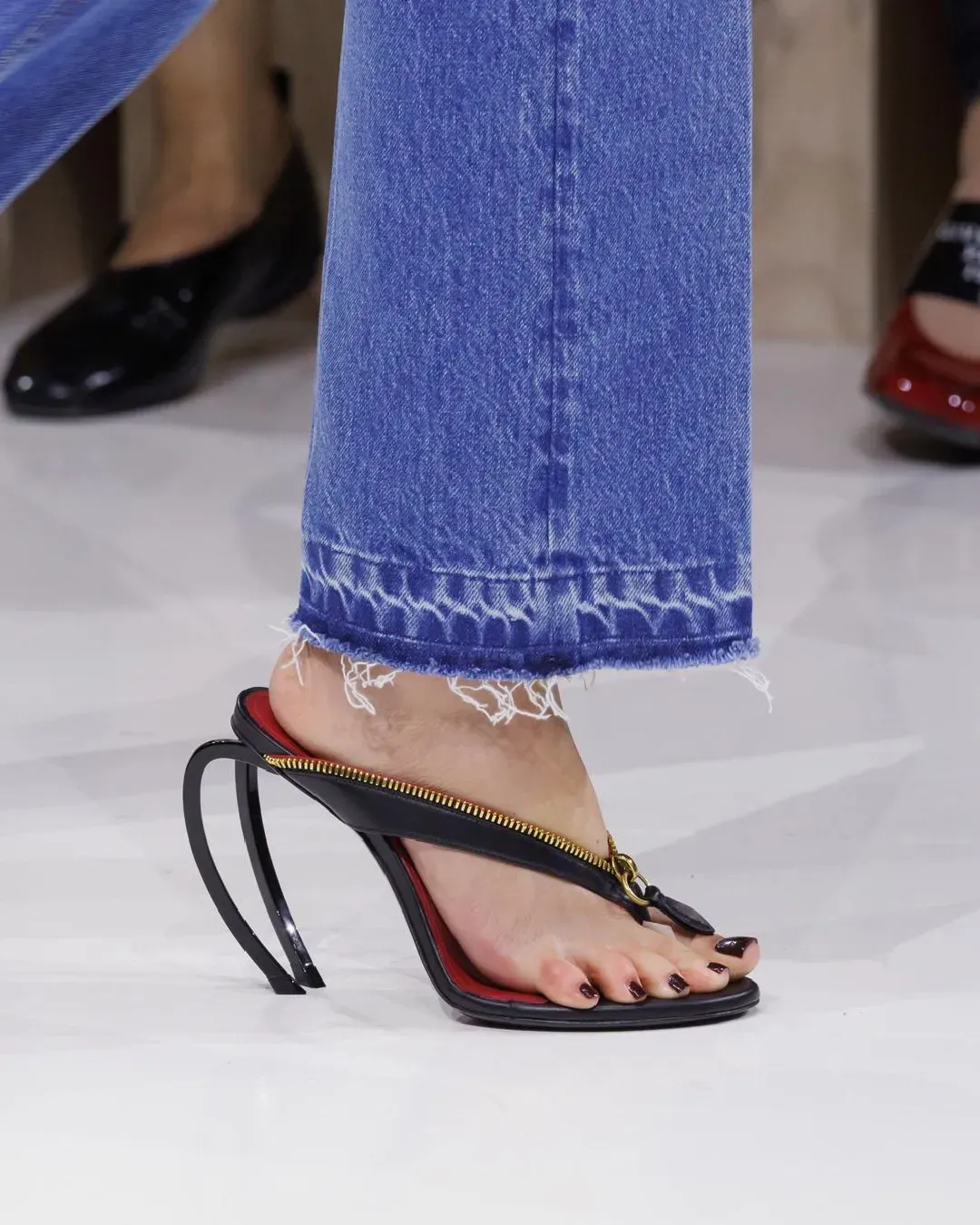
“Milan is where the shoes come to life,” she explains. “This is where Manolo perfected his craft. He feels deeply at home here, and every time he returns, it's a joy.” Walking through the city with her, it becomes clear how the brand has always built its identity far removed from the speed at which fashion is consumed today. Art, architecture, cinema and craftsmanship are not storytelling devices—they are the starting point of the entire creative process. The shoes come afterwards.
When I ask why Manolo Blahnik is so often described as one of fashion's last romantics, Kristina immediately shifts the conversation away from nostalgia and toward authenticity. “The thing we're most proud of is that there's no façade. Manolo is exactly the person he appears to be,” she says. “He's playful, incredibly cultured, endlessly curious, and never afraid to express his point of view. I don't think there's anything about his personality that people don't genuinely know.”
More than a larger-than-life figure, Manolo Blahnik remains a remarkably consistent presence. In an industry where founders often become almost mythical characters, his greatest strength seems to lie in having preserved his humanity. Yet there is one aspect that, according to Kristina, continues to be surprisingly overlooked. “People often forget that Manolo is Spanish,” she says with a smile. “Recently, even a Spanish person was surprised to learn that. He's Spanish, which means he's deeply Latin. At the same time, we're a British brand. Many people think we're American because the United States is such a major market for us, but we're actually a European brand, with a truly European soul.”
Perhaps that's the definition that best sums up our walk: a European brand in the truest sense of the word. Not only because it manufactures in Italy, was established in the United Kingdom, and is rooted in Spanish culture, but because it continues to shape its identity through an ongoing dialogue with cities that have turned material culture into a language of their own. In this story, Milan is not simply a backdrop. It is one of the places where Manolo Blahnik learned that beauty is never created from scratch—it is observed, preserved, and only then reinterpreted.
What to read next

How Ploom* Flavour Garden Went, Between Ernia's Live Set and Four Immersive Worlds
Music, new talent and immersive installations: on October 15th, Superstudio Milano transformed into a great garden of creativity
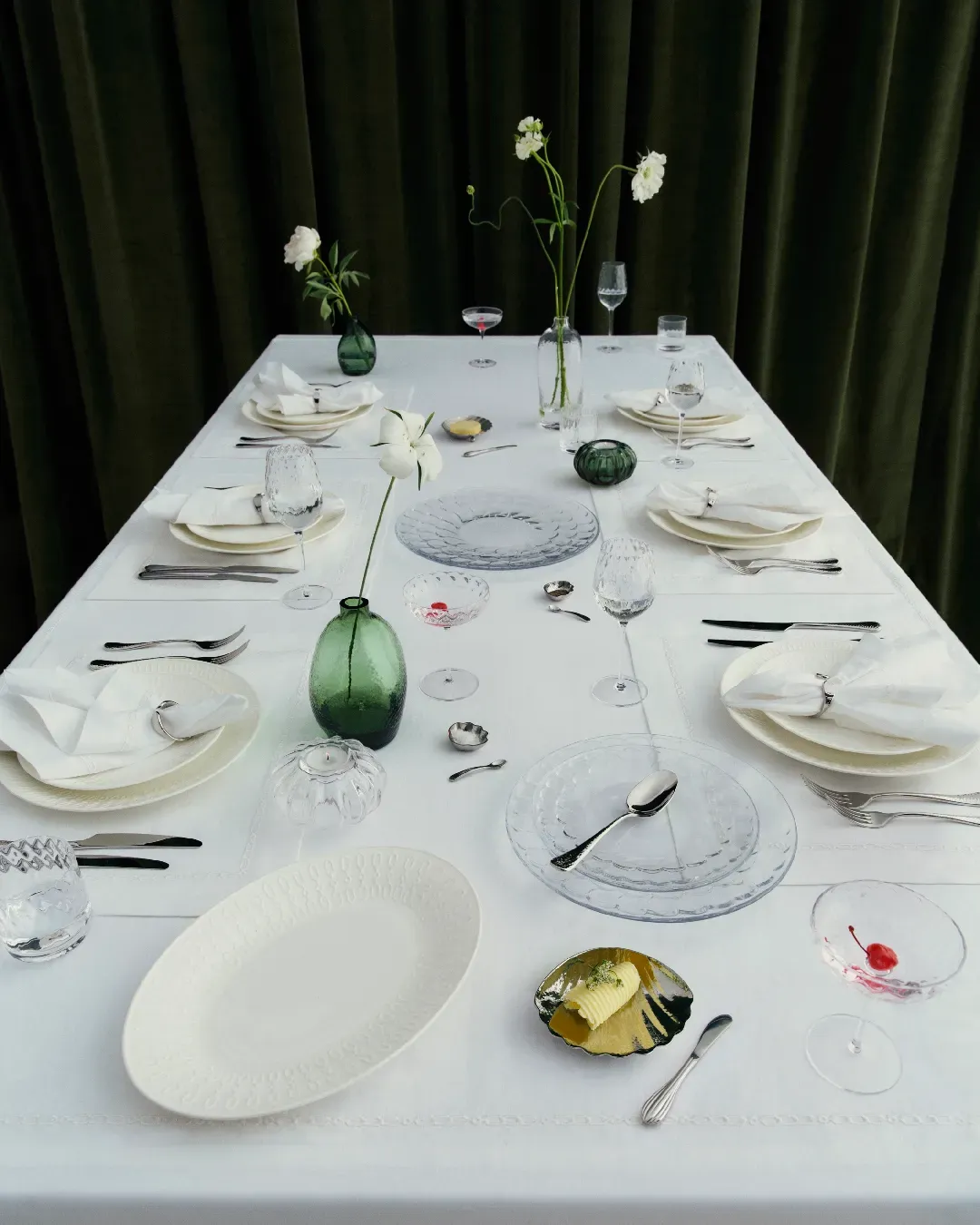
Westwing and Victoria Beckham have collaborated on a tableware line
The English designer explores the world of the table
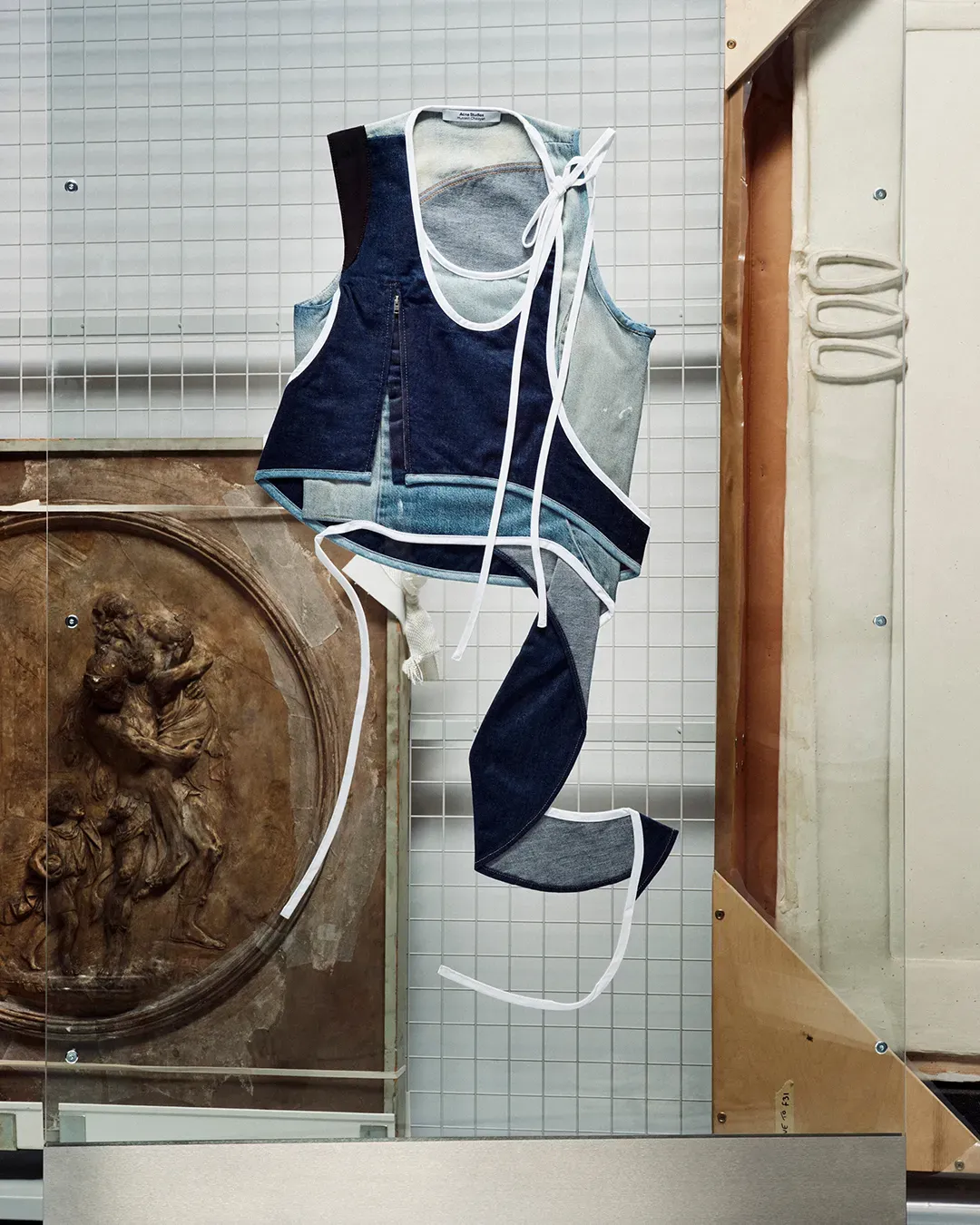
Acne Studios announces a collaboration with Hussein Chalayan
A capsule inspired by the designer's most iconic collections and a dedicated volume published by Acne Studios