

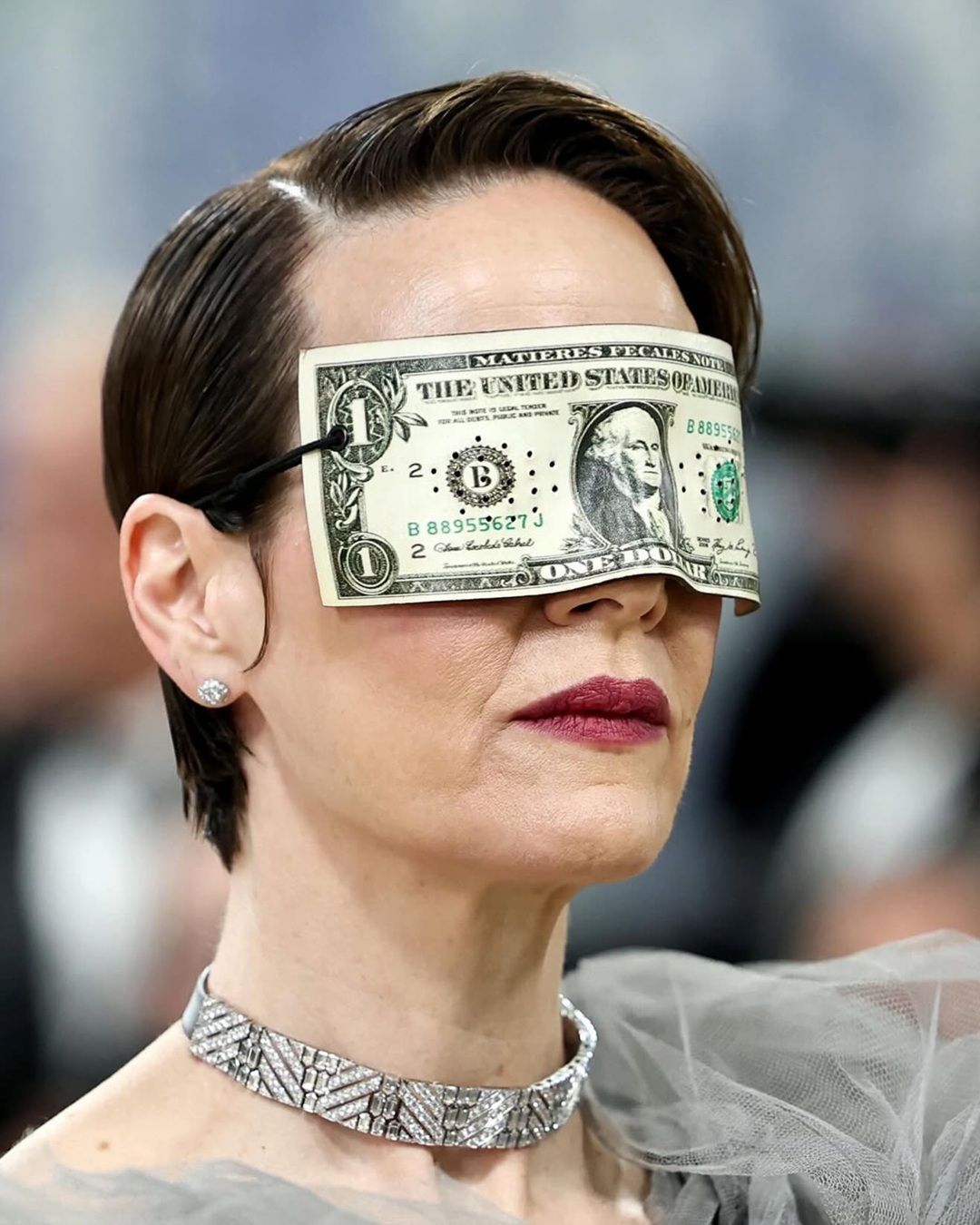
What does It mean to be a sellout? Why the line between art, advertising, and commercial success has never been blurrier, and why being called a sellout no longer carries the same weight
Being labeled a sellout has always been every artist's worst nightmare. It only took one wrong move, a partnership with the wrong brand, signing an unfortunate deal, or participating in something perceived as "too commercial", to lose credibility in the eyes of audiences and supporters. For decades, it was almost a moral issue. There was a clear ideological divide between art and money, and choosing the latter was seen as a betrayal of one's creativity and artistic integrity. Today, however, that distinction has become far more complicated.
When even geat filmmakers sell products
In recent months, Martin Scorsese appeared in a commercial supporting an AI startup focused on filmmaking. Meanwhile, Timothée Chalamet, long regarded as the future of American arthouse cinema, starred in an advertisement for a sports betting platform. The campaign came just months after his Oscar push for Marty Supreme and years of carefully cultivating the image of a serious actor, famously declaring: "I'm in the pursuit of greatness. I want to be one of the greats." Despite how counterproductive these choices may have seemed, and despite appearing to undermine carefully crafted personal brands, neither suffered meaningful consequences. A few angry tweets, several outraged YouTube videos, the usual online backlash with an extremely short life cycle, and then... nothing. No reputational crisis. No boycotts. No lasting accusations.
Has the meaning of "sellout" changed?
A decade ago, decisions like these would likely have triggered a major PR crisis. Today, they barely make headlines. Is it because the idea of being a sellout has fundamentally changed? Or because the boundary between artists and marketing has become increasingly impossible to define? The relationship between art and commerce has always existed. Films, music, and books have always required some form of marketing to reach audiences. Whether it was a small newspaper listing or a worldwide poster campaign, promotion has always been part of the creative process. The illusion of separation was largely symbolic, but it felt real. The roles were clearly divided: advertisers on one side, artists on the other. Actors certainly appeared in commercials, but these were usually highly produced campaigns with carefully developed creative concepts rather than extensions of their personal brands.
The rise of the celebrity brand
Today, those two worlds increasingly overlap. Artists are no longer simply artists. Actors, musicians, and directors have become celebrities, brands, companies, and fully developed media ecosystems. They produce content, invest in startups, launch businesses, and create their own product lines. At times, it almost feels as though making art has become a way to eventually sell products. The market no longer exists on the margins of cultural production, it is embedded within it. The success of a film, television series, or album depends not only on its artistic quality but also on its ability to compete within today's media ecosystem. We've become accustomed to increasingly obvious product placement in movies and television. Interviews, brand partnerships, and commercial collaborations are no longer optional extras to creative work, they have become an essential part of it.
The romantic myth of the pure artist
Cases like those involving Scorsese and Chalamet are particularly fascinating because they challenge the image of the artist that many of us still want to believe in, even though it clearly belongs to another era. We like to imagine that behind the public persona is someone capable of remaining above commercial logic, someone guided solely by artistic vision and creative conviction. Someone who creates art out of necessity rather than financial convenience. The problem is that this belief is largely a romantic fantasy. It isn't reality, and perhaps it never truly was.
Culture has always been an industry
The music, film, and publishing industries have always been industries before they were art forms. Some of history's greatest directors made commercials, David Lynch alone directed around thirty advertisements, and many of Hollywood's biggest icons have participated in collaborations that, in retrospect, seem surprisingly commercial. The difference today is visibility. Thanks to, or because of, the internet, every sponsorship, every partnership, and every commercial agreement unfolds in public. And if there's one thing the internet rarely does, it's forget. A celebrity's public image, artistic output, and private identity have become inseparable, constantly scrutinized by audiences who can witness every business decision in real time.
Integrity or consistency? The real difference today
Does this mean we should stop questioning artists' moral integrity? Probably not. Some partnerships will always feel dissonant, particularly when they contradict the values a public figure has spent years building throughout their career. Perhaps, rather than framing the discussion around the familiar debate of separating the art from the artist, it makes more sense to focus on consistency, authenticity, and credibility in a cultural landscape where art, branding, and advertising now move together. After all, cinema has always been a business. Celebrities have always been products to some extent. And art has always had to negotiate with the market. The only real difference is that today, we're watching the negotiation happen live.