


























The controversy over Millie Bobby Brown's statements tells us a lot about our relationship with animals And with veganism
Actress Millie Bobby Brown has ended up at the center of controversy after some of her statements about food and veganism went viral again. In an old video, over a plate of quinoa, he joked: “It tastes vegan.” In recent weeks, returning to the subject during an interview, he has specified that he has nothing against the vegan community, but he has reiterated that he does not love quinoa, adding with irony that “it's what vegans eat.”
The controversy sparked by Millie Bobby Brown over vegans and meat
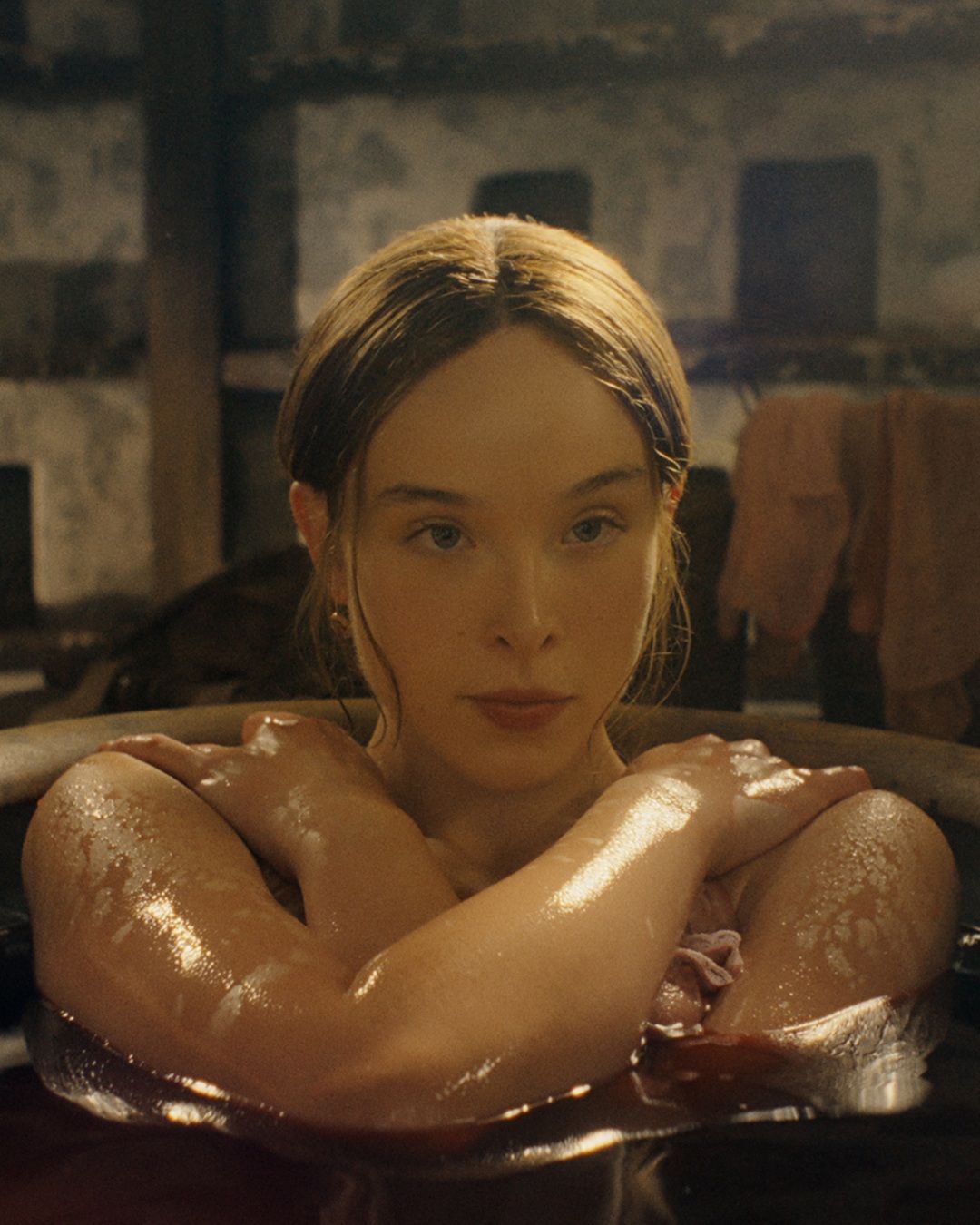
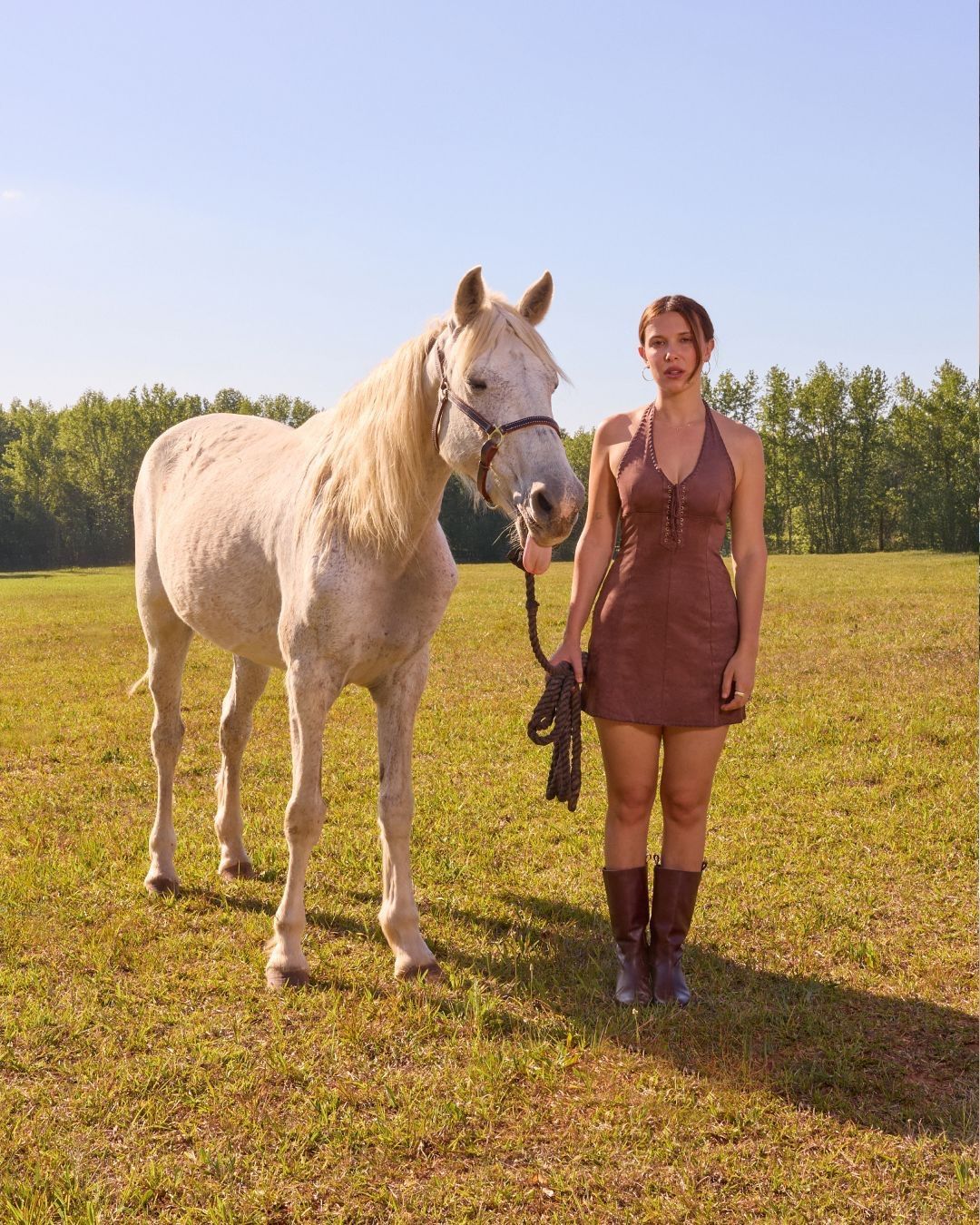
While promoting the new film Enola Holmes 3, Brown underwent a 'lie detector test' together with her colleague Louis Partridge. At one point she was asked if she would eat an animal raised by herself. The actress, who lives on a farm and houses dozens of animals, replied that she would never eat some of them, such as horses or sheep, but she admitted to eating chicken, even though she also raised chickens. The video quickly went viral and reopened a much larger discussion of the individual case. On the one hand, there are those who have accused Brown of inconsistency: how can you declare that you love animals deeply and continue to eat some of them? On the other hand, many people have judged the web's reaction to be disproportionate, claiming that millions of individuals experience this same conflict on a daily basis without necessarily making them hypocrites.
The cognitive dissonance of those who love animals and then eat them
In reality, the story of Millie Bobby Brown is interesting precisely because it highlights a very widespread contradiction. Most people feel affection for animals, but at the same time they consume animal products. It is a form of cognitive dissonance also studied by psychology: two apparently incompatible beliefs coexist, which our brain can still hold together. We love dogs, we are outraged at cases of mistreatment, but we rarely wonder about the conditions under which the animals intended for our food are raised.
Vegans vs omnivores: a battle royal?
However, the platforms certainly reward sharp contrasts: either you are vegan or you are a hypocrite. Either defend Millie Bobby Brown or you attack her. Even veganism continues to be surrounded by numerous stereotypes. Vegans are often portrayed as moralistic, judgmental, or overly rigid, yet research shows that much of the resistance to veganism stems more from social perception than from diet itself.
@plantbasednews Millie Bobby Brown has doubled down after saying that quinoa “smells like a vegan.” Brown, the star of Stranger Things, Enola Holmes, and 2024’s Damsel, explained in a recent interview that she wasn’t “hating on the vegan community” when she made the comments originally, but added that quinoa “is what you eat.” Brown’s feelings on quinoa resurfaced in May. When Plant Based News (PBN) shared a clip of the 2024 interview in June, it received tens of thousands of interactions, many of which highlighted the fact that Brown is a self-professed animal lover. She lives on a farm with over 60 animals, but does still eat meat and animal products.
original sound - Plant Based News
The real question is: what is the bare nerve of our society?
Eating habits are influenced by culture, education, family, traditions and even economic possibilities. Changing them is often a gradual process, not a sudden decision. Perhaps the most interesting question is not whether Millie Bobby Brown was wrong or not, but the question is why a discussion over a quinoa dish or a chicken can trigger a worldwide debate. Probably because it touches a bare nerve in our society.