













Beauty Generations: what's really changed between Millennials and Gen Z? Is our relationship with beauty really that different? We talked about it with three Gen Z beauty creators
@itsmontserratzertuche Differences between millennials and gen z #lookcurrent #tiktokover30 #2023trends original sound - Itsmontserratzertuche
@beatriceecossuu 10 curiosità che non sapete di me
suono originale - Bea cossu
TikTok is the new beauty advisor
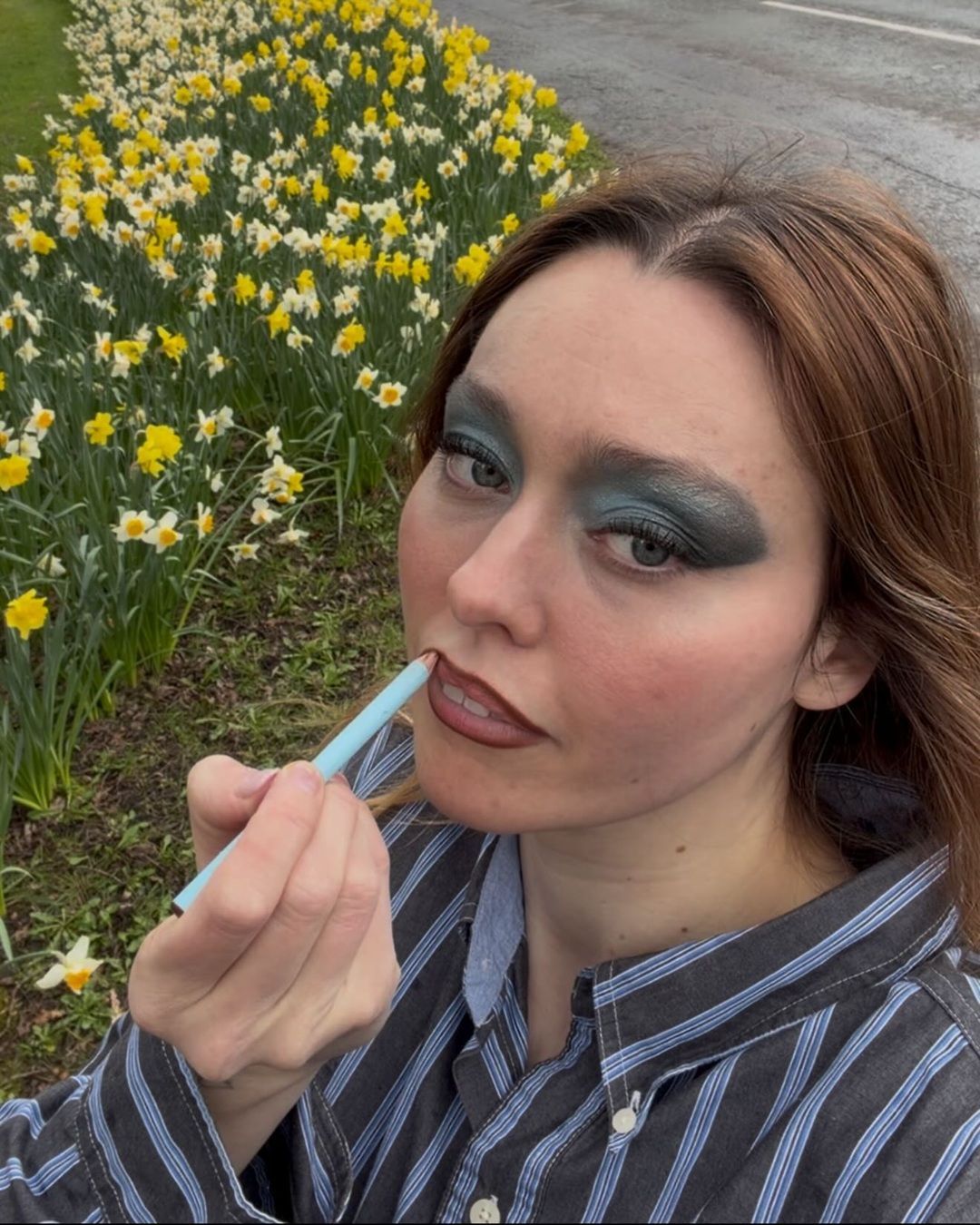
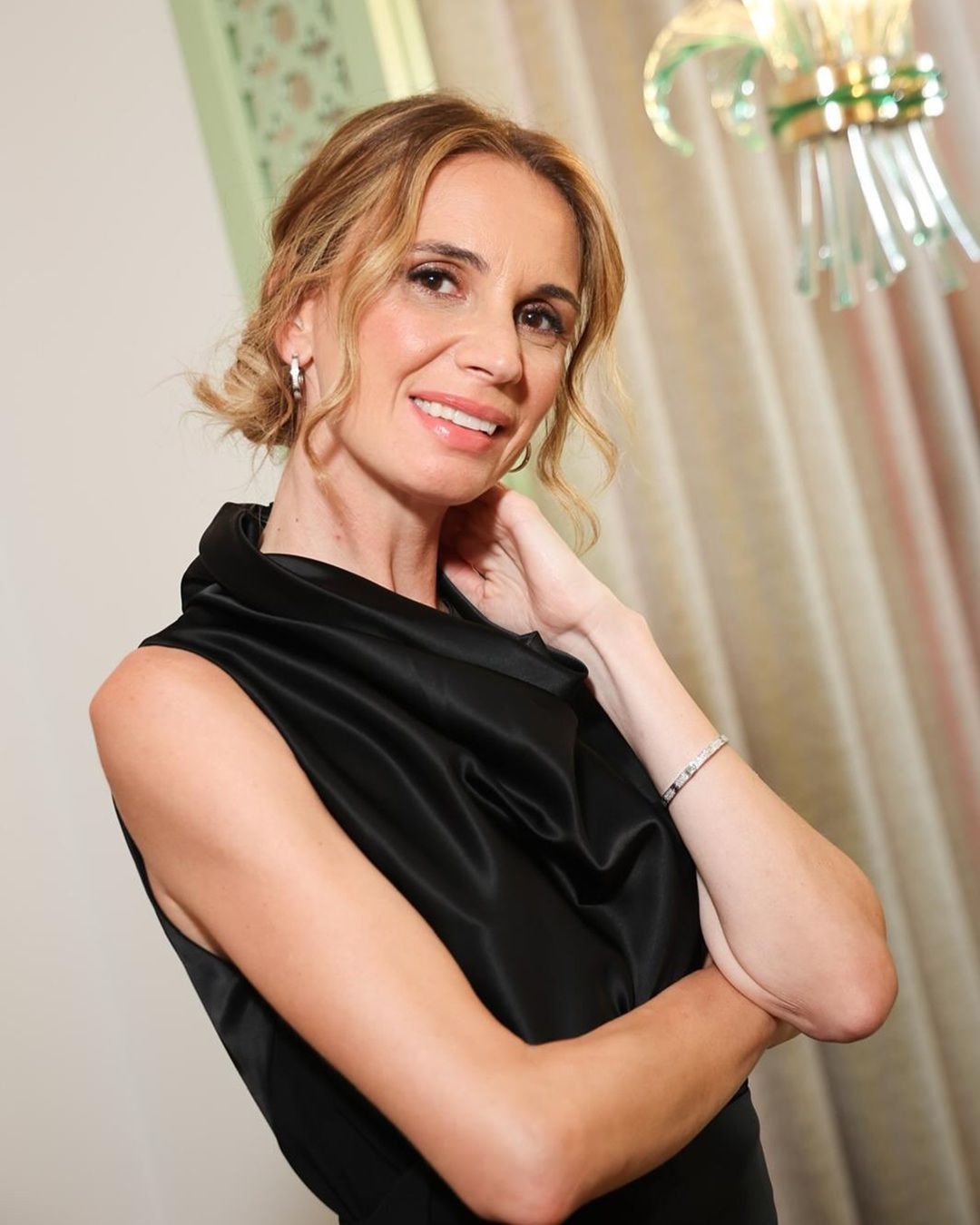
If Millennials walked into a beauty store after reading a blog review or watching a YouTube tutorial, today's product discovery almost always begins on social media. That's exactly what Simona Floresta, who has 32,000 Instagram followers and 691,000 TikTok likes, tells me. She openly admits how much TikTok influences her beauty choices. "I discover almost everything through social media, and sometimes I even get FOMO over a product." She says she first discovered brands like Merit and Kosas this way. That doesn't mean she buys blindly. "More than once I've bought a viral product only to be disappointed. If it didn't suit my skin or the shade wasn't flattering, I'd give it to a friend or my mum." The platforms change. The algorithms evolve. But that familiar feeling of being convinced you absolutely need the latest viral product, only to realize it wasn't right for you, probably belongs to every generation.
@simonafloresta E tu cosa ne pensi? Hai mai provato i profumi solidi di sol de jainero? #unpopularopionion #profumi #soldejaneiroperfume audio originale - With simoflore
The pursuit of perfection hasn't disappeared
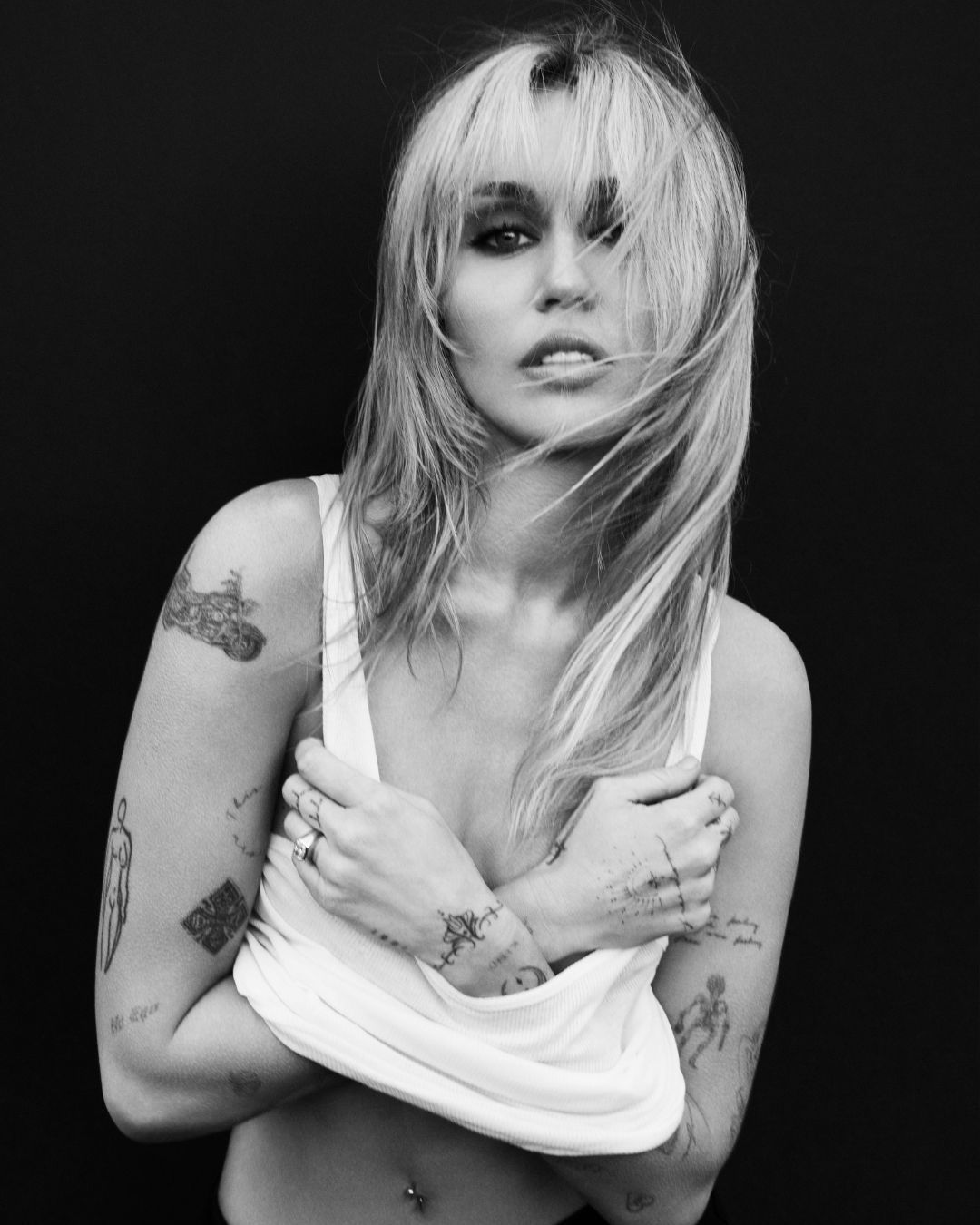
The answer that stayed with me the most came from Giorgy Colella, who has 58,000 Instagram followers and 24 million TikTok likes. I asked whether her generation still feels the need to appear perfect or whether the goal has finally become authenticity. I was expecting a reassuring answer. Instead, she surprised me. "I think my generation still has a strong need to appear and feel perfect. Even though people talk much more about authenticity and self-acceptance today, the obsession with aesthetic perfection is still deeply rooted." It's a reflection that goes far beyond beauty. Giorgy points to the growing popularity of cosmetic procedures among increasingly younger people as one of the clearest signs that the pressure surrounding physical appearance remains incredibly intense. Perhaps we Millennials romanticized Gen Z. We saw lighter make-up, the return of freckles, glowing skin, and minimalist skincare, and assumed that their relationship with their own reflection had changed too. In reality, the aesthetic codes have evolved, but the need to feel good enough hasn't necessarily disappeared.
More than beauty, the language has changed
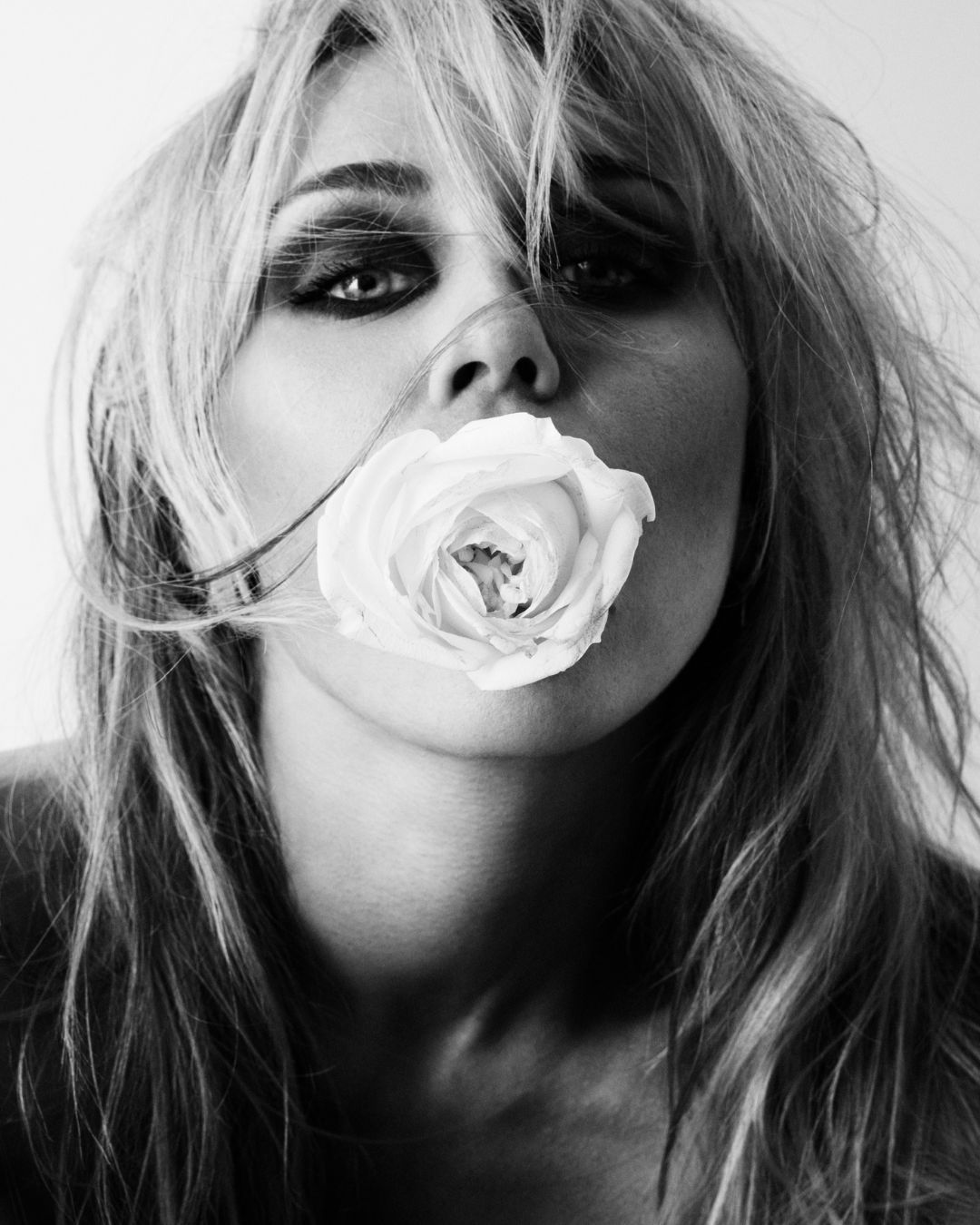
Even the products tell the story of this evolution. For Giorgy, the essentials are fragrance, protective hair oil, and sunscreen, choices that speak more about prevention and self-care than concealment. Beatrice, meanwhile, hopes one trend never makes a comeback: the ultra-thin eyebrows of the early 2000s. And honestly, who could blame her? Every generation has its own beauty trauma. By the end of these conversations, I realized this wasn't really an article about who experiences beauty in a healthier way. We Millennials grew up trying to transform ourselves through make-up. Gen Z grew up telling their stories through social media. We had YouTube. They have TikTok. We waited for our favourite creator to upload a tutorial. They scroll through dozens of videos before they've even had breakfast.
The real difference isn't what's inside the beauty bag
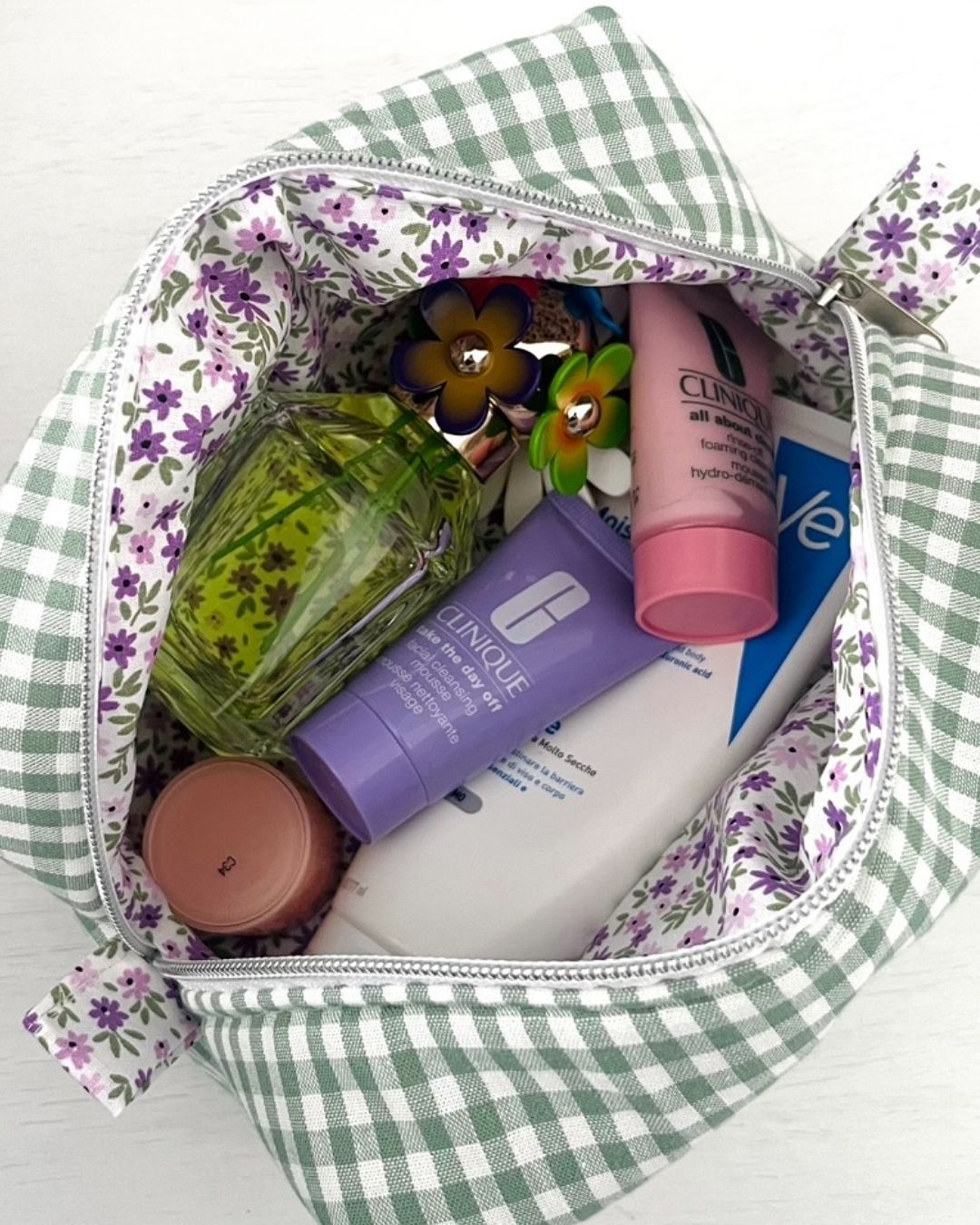
I thought I was writing an article about the differences between Millennials and Gen Z. Instead, I ended up writing one about their similarities. The products change. The platforms change. The trends change. But the question remains remarkably familiar: How much of our self-worth do we still place in the reflection staring back at us in the mirror? The real difference isn't what's inside the beauty bag. It's the speed at which the rules keep changing. We Millennials learned to live alongside beauty standards. Gen Z has to learn how to navigate them while those standards are constantly shifting, right before their eyes, on the screen of a smartphone. And despite everything, every generation is still searching for the very same balance: feeling like they're enough without constantly chasing yet another "better" version of themselves.