Are we still interested in Black Friday? The shopping ritual continues amid endless sales, beauty wish lists, and little luxuries
Just like Christmas, Black Friday seems to arrive earlier every year. By the time we start thinking about gifts, brands have already flooded our inboxes with promotions, early access deals and eye-watering discounts. Black Week becomes Black November, then Cyber Monday rolls around, and suddenly it’s hard to tell whether we’re experiencing a special event or a permanent discount season. And yet, despite the promotional calendar stretching so far that it has almost lost all suspense, the ritual still works. In 2025, according to estimates by Confcommercio, Black Friday sales in Italy generated around €4.9 billion, up 19.5% from the previous year. Online sales accounted for €2.6 billion, while physical stores brought in €2.3 billion. In other words, shopping carts weren’t exactly left empty. For many, it was also a way to get ahead on Christmas shopping and, at least in theory, avoid the last-minute gift rush. Black Friday 2026, scheduled for November 27, is therefore gearing up to return with the same old question: a deal worth grabbing or yet another invitation to buy something we didn’t know we wanted?
Discounts, FOMO and the thrill of feeling clever: the Black Friday 2026 is upon us
The problem is that when everything is on sale, discounts risk becoming less special. Deals start earlier, last longer and often look pretty much the same, while we develop a certain immunity to newsletters with subject lines like “LAST CHANCE.” But let’s be clear, that doesn’t mean we’ve stopped shopping. According to PwC, 94% of Italians surveyed for Black Friday 2026 say they are likely to shop during the promotional period, with an expected average spend of €260. The difference is that today we want to feel better prepared. Almost everyone checks whether a discount is genuine, compares prices across retailers, and the most meticulous among us track price histories before clicking “buy.” Saving money, in other words, has become a little test of commercial intelligence. It’s not enough to bring something home. We need to be able to say we paid less for it. And yet, between countdowns, limited-time offers and products that seem about to disappear, FOMO keeps creeping in. The promise of the perfect deal can turn a carefully curated wishlist into a series of purchases that seem considerably less urgent once they arrive at our doorstep. The line between smart shopping and impulse buying is a thin one, especially when a crossed-out price makes us feel like winners before we’ve even opened the package.
Beauty Black Friday: little luxury waiting for november
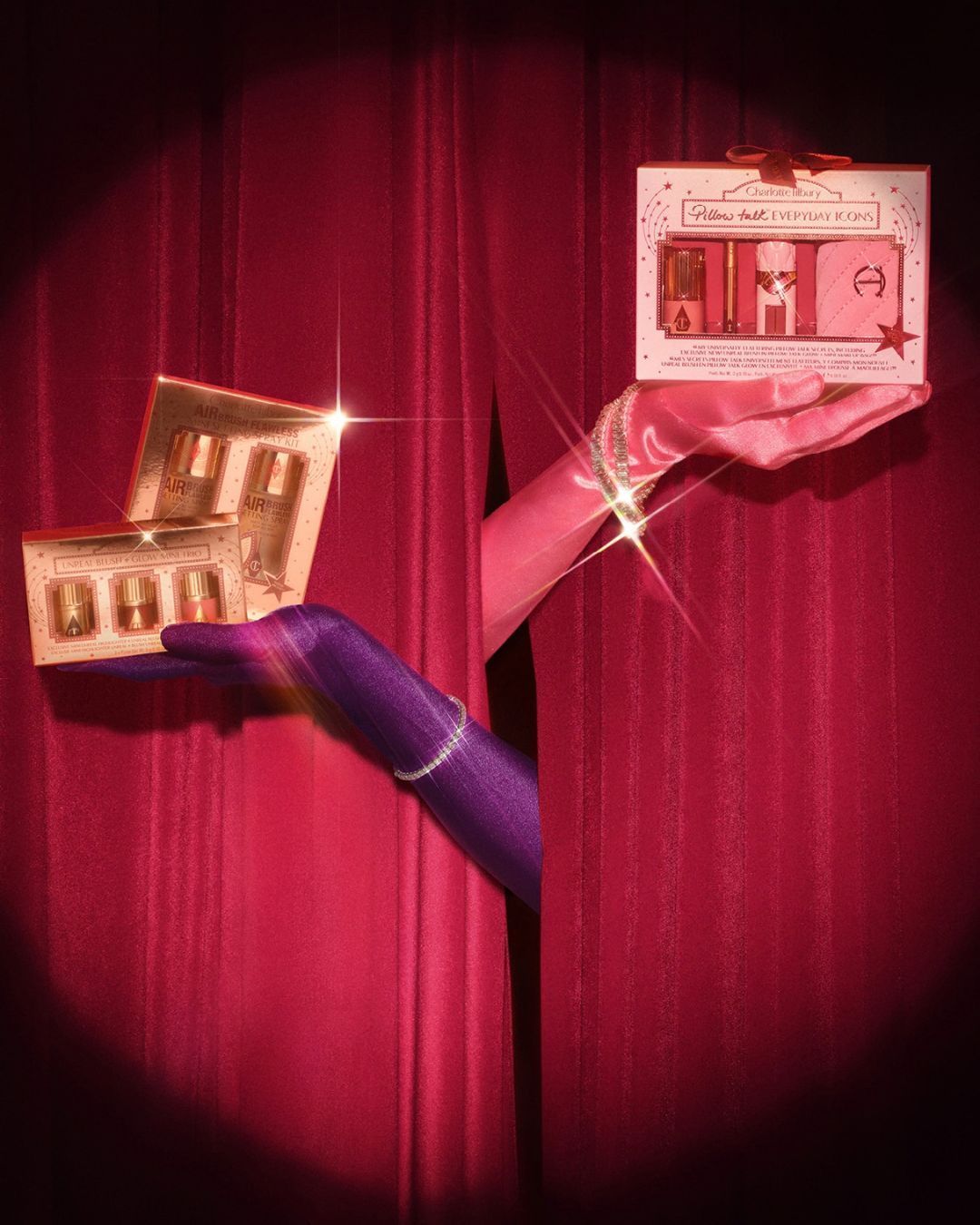
If there’s one sector where Black Friday can still turn desire into a purchase, it’s beauty. Fragrances, skincare, make-up, haircare and beauty tech are products we covet, use and can easily add to a wishlist or give to someone else. November is therefore the moment when that expensive serum, the fragrance saved in our favourites, the LED hair mask or the latest Dyson tool can become a “considered purchase.” Suddenly, saving money becomes an elegant excuse to treat ourselves to something we might otherwise have left in our cart at full price. According to NIQ, beauty sales in Europe grew by 45% during Black Friday week 2025 compared with an average week, while online sales increased by 145%. And what about Italy? The same research reveals that the most sought-after products in Italy during last year’s Black Friday were haircare accessories and devices. In a category where high prices make discounts particularly tempting, a deal can almost feel like an investment. Meanwhile, Christmas beauty gift sets, special-edition collections and loyalty programmes make the season even more appealing. It’s not just about saving money, but getting something extra: more products, more points, more perceived value. Black Friday beauty deals work this way too, turning a little luxury into an accessible treat and the shopping cart into a kind of discount-funded self-care, provided we can tell the difference between what we genuinely want and what an algorithm has decided we should want.
Is Black Friday dead? Maybe it just got a new glow
Black Friday doesn’t seem to be going anywhere, but perhaps it’s no longer the event we fell in love with a few years ago. Promotions are no longer exceptional, consumers are more budget-conscious, and the desire to save money coexists with growing shopping fatigue. In 2026, shopping can still be fun, but that doesn’t necessarily mean filling the cart until it overflows. It might mean waiting for the right moment to buy something we genuinely want, getting a head start on a few gifts or walking away from an offer that isn’t quite as irresistible as it seems. Meanwhile, the conversation cannot ignore the environmental impact of shipping, returns and packaging, nor the working conditions of those employed in warehouses during the promotional marathon, even when we’d rather not think about it while tracking our parcels. Talking about responsible consumption, sustainability and financial literacy doesn’t have to ruin the party. Perhaps it can simply give it a more contemporary meaning. Maybe Black Friday still makes sense, but only if we change our perspective. Less compulsive hunting for the lowest price, more conscious wishlisting.
What to read next
We want to be glowy and beautiful like in that French show
The one with the good lighting, you know what we are talking about
November's Beauty Playlist is dedicated to our comfort zone
This month's moods, soundtracked by Joe Cocker, Cesare Cremonini and Malika Ayane, Dream Tunes, Alex Warren, Noah Kahan and Norah Jones.
We don't even trust water anymore
The purity economy is transforming beauty routines into a quest for control over everything we can’t see