
























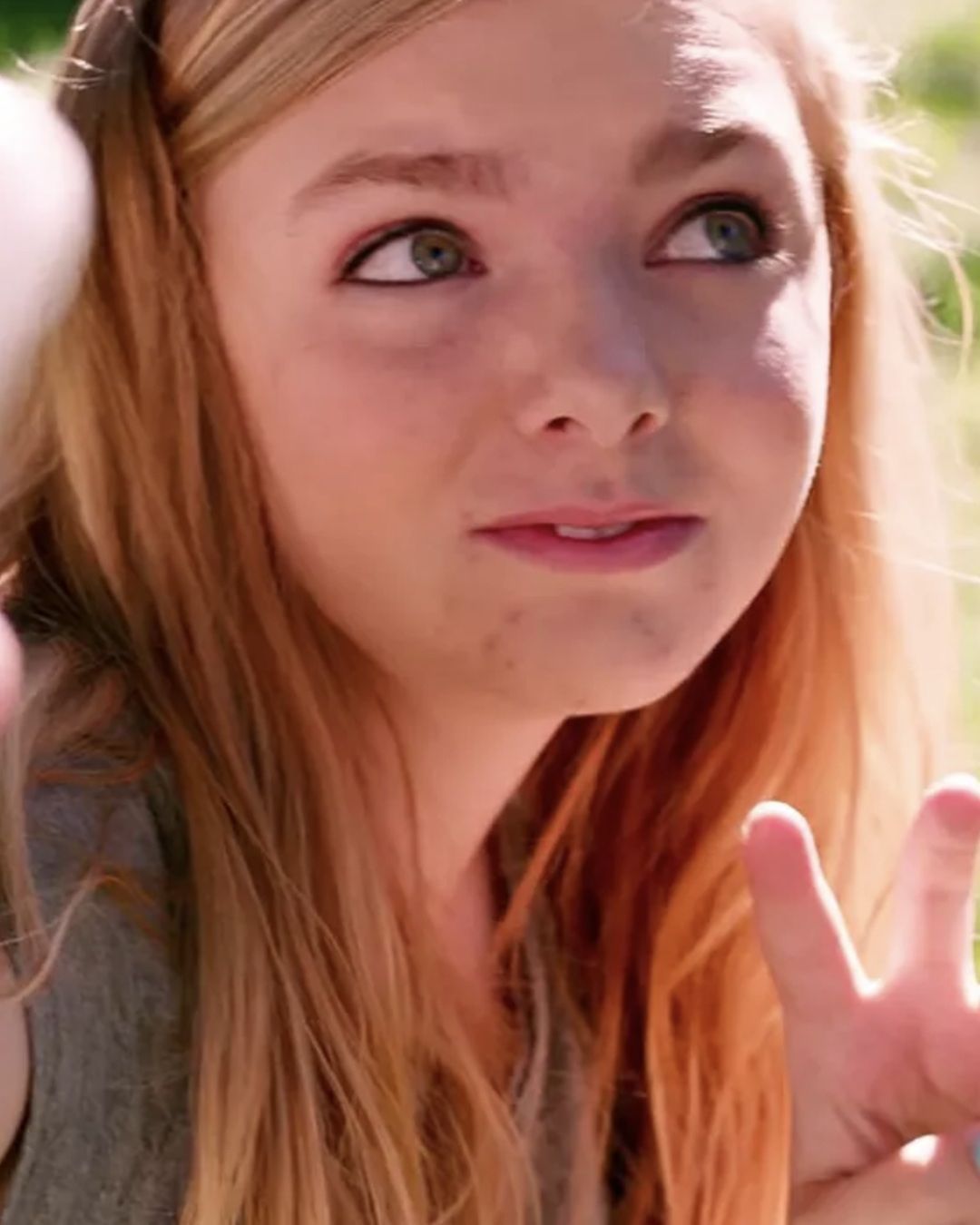




#ChangeTheCompliment: the Dove e Parole O_Stiles initiative that invites us to change the way we compliment little girls We are not only 'beautiful', but creative, courageous, intelligent and much more, we just don't hear it very often
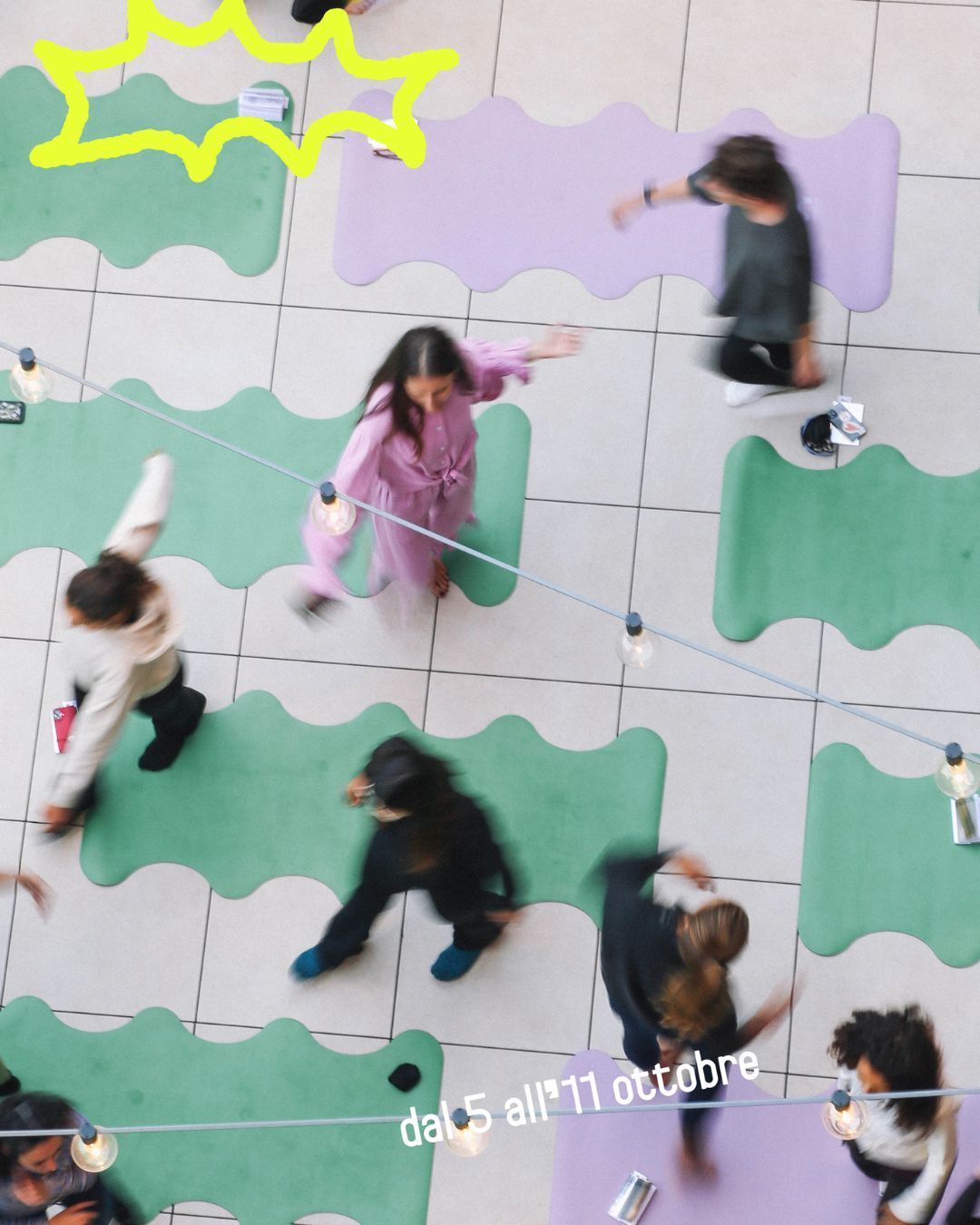
If we were to think about the compliment received most often when we were little, the 'you are beautiful' or the 'how pretty you' of our relatives or family friends immediately come to mind. October 11 will be the International Day of Girls and the beauty brand Dove has teamed up with the association Parole O_Stiles to make us reflect precisely on this: “an invitation, addressed to adults, to review the way in which girls are congratulated, shifting attention from physical appearance to talents, abilities, character.” The initiative is linked to Dove's Self-Esteem project, which involved more than 90,000 classes and more than 2 million students, and to Paroleo_STILI's commitment to conscious and responsible communication.
How do you access the guide and what does it consist of?
This is the 'change the compliment' guide, a concrete and free tool designed to change the way we compliment the girls in our lives. The basic method is simple: “observe what the child does, recognize the skills she is putting in place and formulate a specific compliment, linked to real behavior and not only to her appearance.” Within the “instructions” you will find: five practical ones for formulating more conscious compliments, but also an exercise to train yourself to change habits one day at a time, and a small lexicon that you can use to change the traditional compliments on the appearance. Where can I find this guide? You can download it for free on the beauty brand's portal.
But is an awareness-raising initiative really necessary?
It should be specified that #ChangeTheCompliment does not ask adults to stop telling a child that she is' pretty 'or 'pretty'. It invites us to go further, enriching our vocabulary with words that also recognize the courage, creativity, and determination of those in front of us. In the Italian scenario, the data are clear and offer an insight into how physical appearance continues to profoundly influence the way in which women and girls perceive themselves. 75% of Italian women and girls, for example, declare that they have medium-low self-esteem and Italy is second to last in the international ranking out of 17 countries. On the other hand, 87% of Italian women and 62% of Italian girls have medium-low levels of self-esteem towards their bodies. Finally, 60.7% of Italian girls are not satisfied with their appearance, compared to 50.5% of teenagers overall.
Do words have a power on our self-esteem?
In 2004, 4% of Italian women declared themselves willing to give up a bit of intelligence to be more beautiful and in twenty years, this figure has almost tripled: In fact, 11% was registered in 2024. This shows how the words we use with our daughters, grandchildren and students play a fundamental role in the construction of a determined collective imagination that concerns themselves and their possibilities. Very young women are exposed to different expectations and stereotypes right from their first years of life and this is why paying attention to our daily language could change things. "Words are bridges or walls. Girls soon learn to understand what adults see and value in them, and this can profoundly affect the way they learn to look at themselves. The right compliment can become a small space for growth. With Dove, which has been working on self-esteem for years, and with the experience of Parole O_Stiles on the conscious use of words, #ChangeTheCompliment wants to offer some inspiration to look at and tell the girls with a wider perspective, finally" said Rosy Russo, founder and president of the association Parole O_Stiles.