
What the Giulia Cecchettin case taught us Nearly three years after the femicide, ahead of November 25
On November 18, 2023, in a wooded area near Lake Barcis, the body of Giulia Cecchettin, 22, was found, murdered by her ex-boyfriend Filippo Turetta. That evening, her sister Elena spoke on live television and refused to use the most convenient label, "monster": she called things by their real name, male violence and patriarchy. Since then, Giulia’s murder has ceased to be just a news story and has become a collective question.
Before the surge of the term femicide: what the Giulia Cecchettin case taught us in 2023
The public debate almost always ignites afterward. After the body is found, after the arrest, after the funeral. Counting the victims is necessary, yet it always comes too late. Femicide is the end of a story, almost never the beginning. Before it comes control, isolation, jealousy mistaken for love, and "no"s ignored. The numbers bear this out. In the first nine months of 2026, according to Italy’s Interior Ministry, 67 women were killed in the country, yet only 15 cases were officially classified as femicides: a narrower tally that makes the phenomenon appear smaller than it actually is. In the first half of the year, formal police warnings for domestic abuse rose by 24.1%, and according to Istat, nearly one in three women (31.9%) has experienced physical or sexual violence in her lifetime. The women killed are merely the tip of the iceberg. Beneath the surface lies everything else.
A collective responsibility
Gender-based violence is not a private matter, nor is it merely a public order issue, because it cuts across schools, cities, and the culture we grow up in. The first step is consent. Knowing what a healthy relationship looks like is the only way to recognize when it ceases to be one. According to Istat, among women with a partner, 12.6% experience controlling behavior, 10.6% suffer severe isolation, and 6.6% face economic abuse: forms of violence that leave no bruises and therefore remain invisible. Relationship and sex education in schools is essential to recognizing them in time. Not least because violence starts early: 14.9% of women experienced it before the age of 16, and among them, the share of those who suffer it again in adulthood rises to 57.2%.
A world built around patriarchy
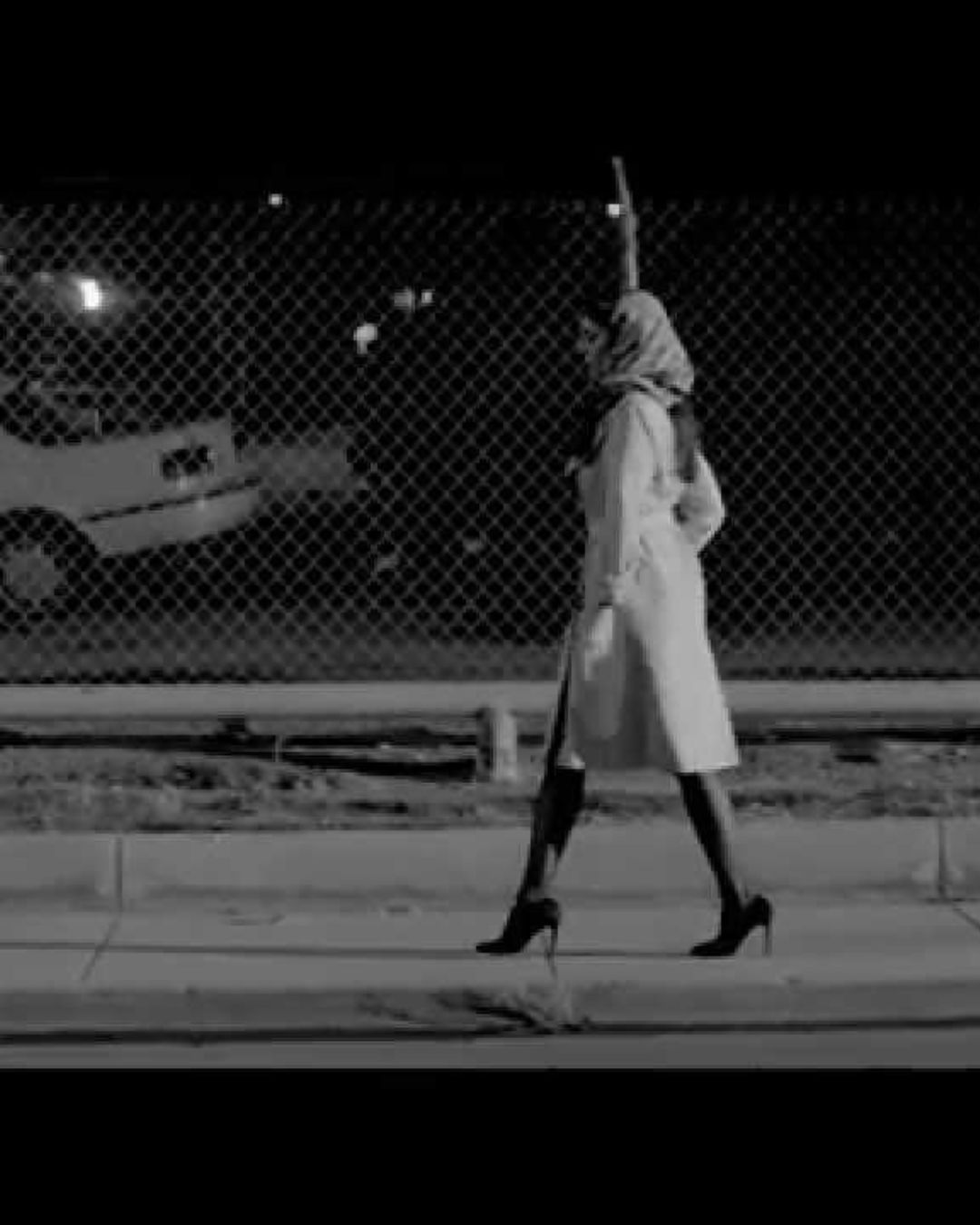
Then come the reports, which only matter if someone answers. In Italy, there are 409 anti-violence centers. Over the past decade, the share of women turning to specialized services has doubled, from 4.4% to 8.7%, and in 2025 alone, 25,970 victims contacted the 1522 helpline. More women are finding the strength to speak out, yet more than nine in ten still face violence without specialized support. Then there are our cities, which we walk through with keys clutched between our fingers and a "made it home" text ready to send to our friends. Women’s safety does not come from more restrictions, but from well-lit streets, frequent night transit, and lived-in public spaces. Finally, there is masculinity. Turetta was not an exception, but the product of a culture that confuses love with possession, a culture so deeply ingrained that even today, only 36.3% of victims consider the abuse suffered at the hands of a partner to be a crime (up from 30.1% in 2014). As long as male violence is framed as a women’s issue, it will remain unresolved.
Looking ahead to November 25
November 25 is the day we count those we have lost, but it is also the day when the highest number of women reach out for help: in 2025, on that single day alone, the 1522 helpline received nearly 800 calls. Talking about it saves lives. This year, let’s make it the day we learn to recognize the warning signs. Elena asked us to make noise: the noise that truly counts is the kind that comes beforehand. If you are experiencing violence, you can call 1522, a free helpline active 24/7, also available via chat.
What to read next

Stiamo Fresche has published a brochure on egg freezing
In collaboration with GEEN and Eva in Rosso, to answer questions and clear up doubts

Why walking home alone still feels terrifying
From fake phone calls to ISTAT data showing that 22% of Italian women avoid the night