







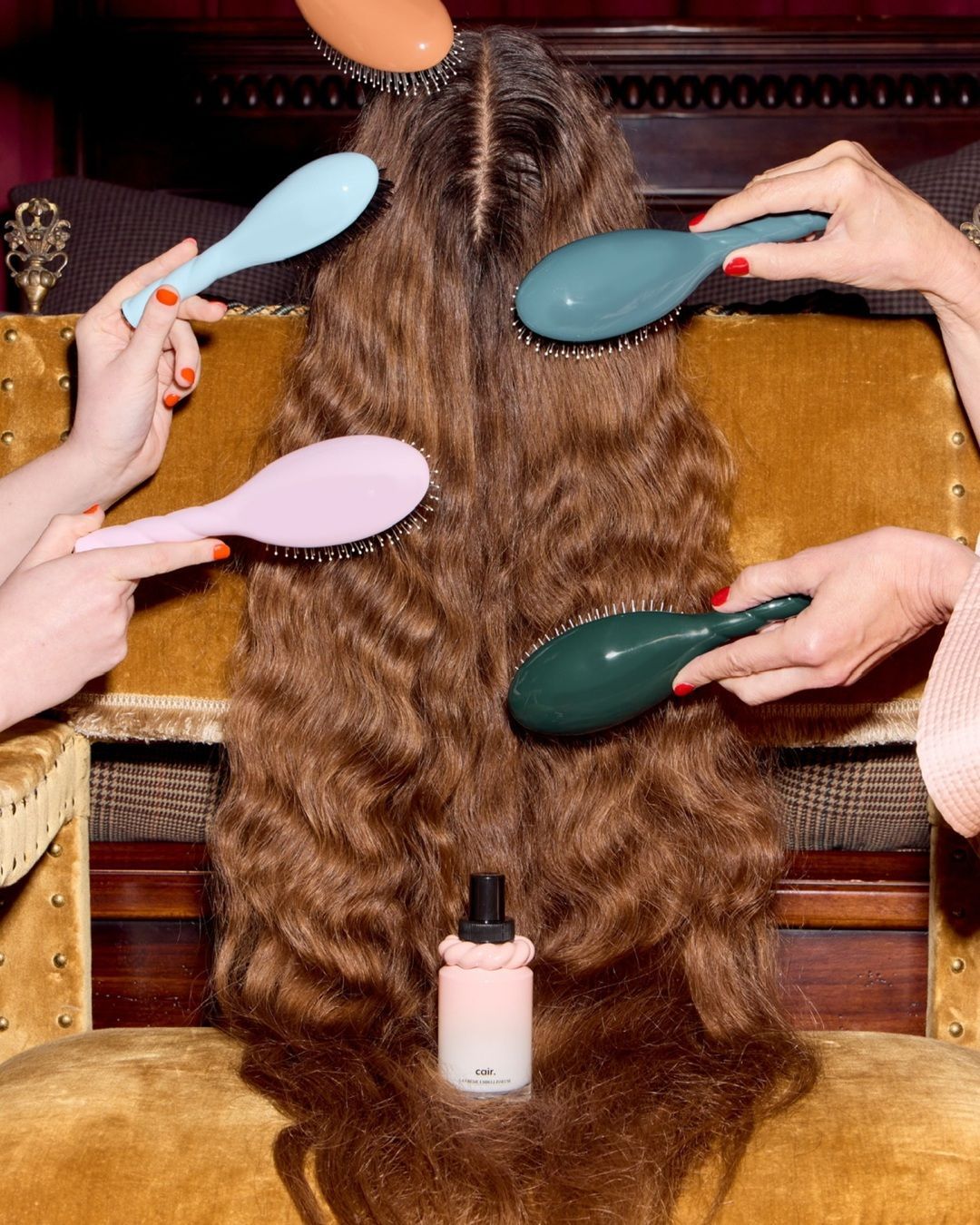
Your hairbrush is the new luxury (and it costs as much as a vintage handbag) Between hair skinification, TikTok, and items built to last a lifetime, the hairbrush has become the most coveted beauty accessory of the moment
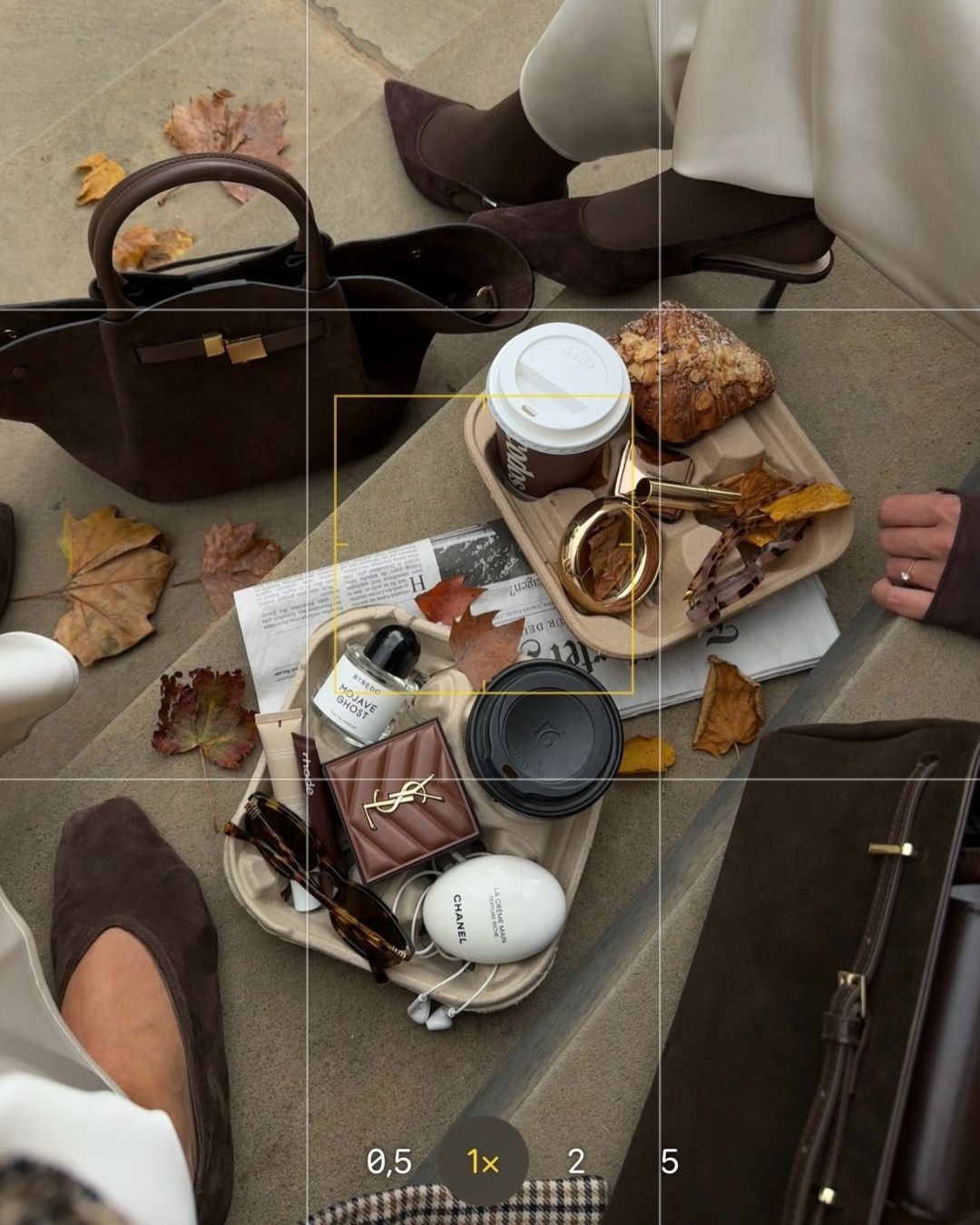
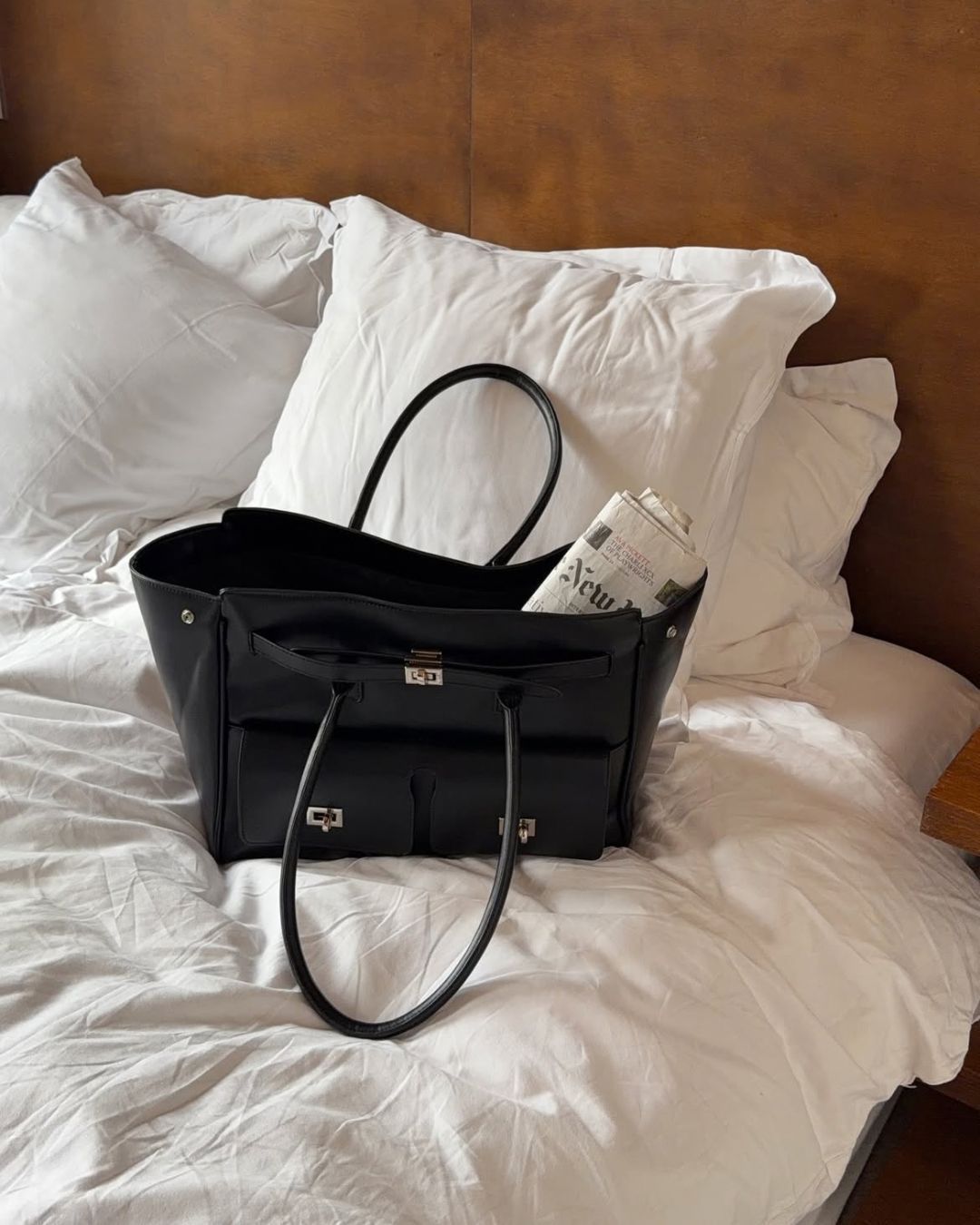
Opening a Birkin, a Margaux, or a Le 5 à 7 in 2025 almost always reveals the same essentials: AirPods, Rhode lip gloss, a pair of sunglasses, maybe a Labubu charm, and, increasingly, a hairbrush. Not tucked away at the bottom of the bag, but proudly on display, featured in What's in My Bag? videos and the meticulously curated vanities that fill TikTok and Instagram. Not just any hairbrush, of course. A Mason Pearson with its iconic red cushion, or a La Bonne Brosse in butter yellow, pistachio, or cherry red, so beautiful it seems designed to be photographed before it was ever meant to detangle hair. It's curious that beauty has found its newest object of desire in what was once the least glamorous tool of all. The hairbrush has gone from being an invisible accessory to becoming the latest marker of taste. More understated than a handbag, more personal than a fragrance, and infinitely more integrated into everyday life. After all, contemporary luxury seems to have changed its address. It no longer resides solely in spectacular purchases, but in the objects that accompany us every single day: a handmade ceramic mug, a Japanese kitchen knife, a heavyweight linen bathrobe, a vintage moka pot, or a hairbrush built to last thirty years. It's the philosophy of little luxuries: small investments that transform an ordinary gesture into something quietly ritualistic.
Hair skinification made us want a €300 hairbrush
The revolution began with the scalp. Over the past few years, haircare has evolved far beyond styling, moving increasingly closer to skincare. Serums, exfoliating acids, peptides, scrubs, barrier treatments, fermented ingredients, and ten-step routines have turned the scalp into a second face. The so-called hair skinification trend has changed not only the products we use, but also the way we think about our tools. If the scalp becomes the center of the routine, then the hairbrush takes on an entirely new meaning. It no longer exists simply to detangle or smooth a blowout. Instead, it becomes a tool capable of distributing natural oils along the hair shaft, gently stimulating microcirculation, reducing breakage, and enhancing shine. In other words, it becomes a treatment. It's no surprise, then, that TikTok is overflowing with 30 Days Hair Brushing Challenge videos, before-and-after transformations, and evening routines dedicated entirely to brushing. The hashtag #hairbrush has now surpassed hundreds of millions of views, while the global hairbrush market is worth more than $7 billion and continues to grow. The result is that an incredibly ordinary gesture has once again become a daily ritual, carrying the same aura as 5 a.m. morning routines, matcha whisked with a chasen, or applying an LED face mask while watching a TV series. The difference is that the hairbrush has always been there. We've simply started paying attention to it again.
Why everyone wants a Mason Pearson, the Birkin of haircare
Every generation has its own object of desire. Gen Z has decided that theirs could be a hairbrush invented during the Industrial Revolution. Mason Pearson was founded in 1885 by the English engineer whose name it still bears. Nearly 150 years later, it continues to be manufactured using a process that has remained essentially unchanged. Its famous pneumatic rubber cushion, revolutionary at the time and still patented today, allows the bristles to follow the contours of the head, distributing natural oils without breaking the hair. The boar bristles have come from the same supplier since the 1940s, and every brush is still finished by hand. Perhaps the most interesting thing about Mason Pearson, however, is everything the company doesn't do. It doesn't host extravagant events. It doesn't flood TikTok with influencers. It doesn't send PR packages. It simply produces around 200,000 brushes a year, and that's it. Hairdressers, word of mouth, and TikTok have done the rest, rebranding it within months as the Birkin of hairbrushes, the Rolls-Royce of haircare, the only beauty object capable of winning over Kim Kardashian, Kate Moss, Phoebe Dynevor, and Jennifer Aniston alike. That's because Mason Pearson remains a family-owned company that prefers to think of itself as a manufacturer rather than a brand. Perhaps it's precisely this stubborn refusal to play by modern marketing rules that makes it so desirable today.
Hairbrushes are the new it-bags of the beauty routine
Mason Pearson remains the undisputed benchmark, but above all, it represents the starting point of a new language of desire. Because today, the point is no longer simply owning a good hairbrush. It's choosing the one that best expresses the way you inhabit your beauty routine. Much like fragrances or collectible design objects, every brand constructs its own aesthetic universe, transforming an everyday tool into an extension of personal taste. It's difficult to explain the success of La Bonne Brosse without mentioning its visual identity. Its soft curves, milky color palette, and biodegradable cellulose acetate handle seem to belong to the same world as acetate hair clips, cellulose combs, Assouline books casually left open on coffee tables, and perfume bottles chosen as much for how they complement a room as for their scent. The same can be said for Japan's ReFa, which has turned scalp massage into a daily ritual through minimalist design and shiatsu-inspired technology. L'Officine Universelle Buly revives the elegance of nineteenth-century dressing tables with wooden brushes and natural bristles intended to age gracefully over time. Historic Italian brand Jäneke continues to prove that an object originally designed for professional hairstyling backstage can become a design icon, while italian label Muitomas captures the growing appetite for essential, tactile tools built to last. Then there's the social media side of the phenomenon. Tangle Teezer transformed the concept of the detangling brush into a global bestseller thanks to its flexible bristles. Crown Affair has built an entire aesthetic universe around the ideas of everyday ritual and minimalism, while Oribe has brought the same sophisticated visual language that made its haircare line iconic into the world of accessories. And then there's Killabrush. The new brand, known for brushes that, according to Vogue, are capable of eliminating microorganisms, promises to push the conversation even further, blending viral aesthetics with "tech" narratives around everyday rituals.
The vanity it's the new living room
Perhaps the real reason luxury hairbrushes are having such a golden moment has little to do with hair at all. It has to do with space. TikTok has transformed the vanity into a room within the room. No longer just a corner of the bathroom, it has become a personal stage set filled with mirrors, perfumes, hair clips, skincare products, jewelry, and carefully selected objects. The beauty routine is now displayed, photographed, and shared. A La Bonne Brosse, with its colorful acetate and retro silhouette, or a Mason Pearson functions much like a designer lamp or a Murano glass vase. They are tools, certainly, but they are also decorative objects. It's hardly surprising that brands like Guerlain have launched their own premium hairbrush developed with Japanese company S-Heart-S, or that Sisley, Crown Affair, Oribe, and even Dyson have begun treating hair tools as genuine objects of desire. Ultimately, the new obsession with hairbrushes reveals something deeper: contemporary luxury increasingly hides within a gesture repeated every morning. Ten strokes in front of the mirror, a hairbrush built to last a lifetime, and the perhaps illusory, but undeniably irresistible, feeling that taking care of yourself may be the most accessible way to indulge in something truly precious.
What to read next
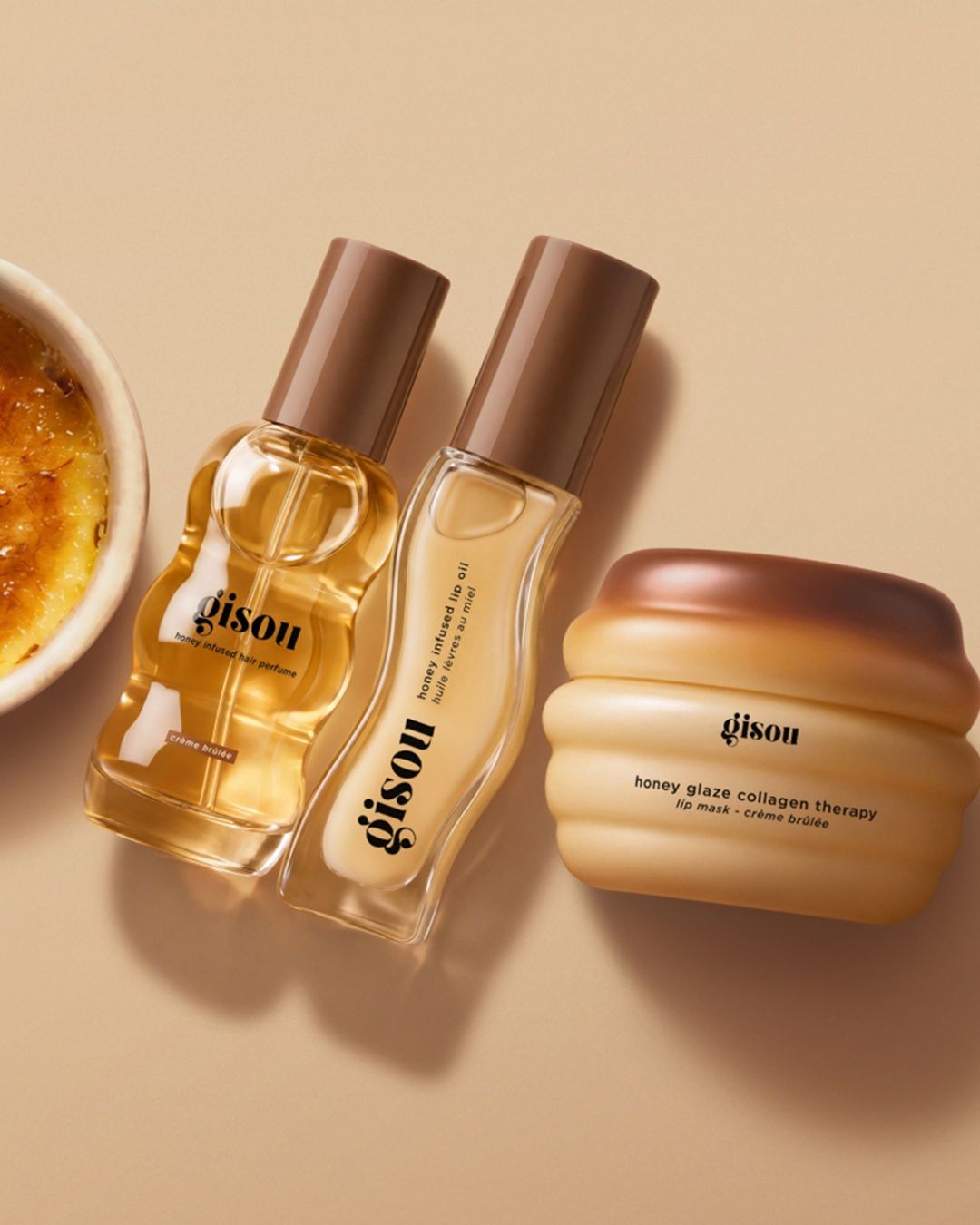
Gisou turns crème brûlée into a beauty collection
Autumn tastes like vanilla, caramel and freshly scented hair