
How men’s hair became serious play Between celebrities, TikTok, and self-care culture, guys’ hair is no longer staying in place (and that’s a good thing)
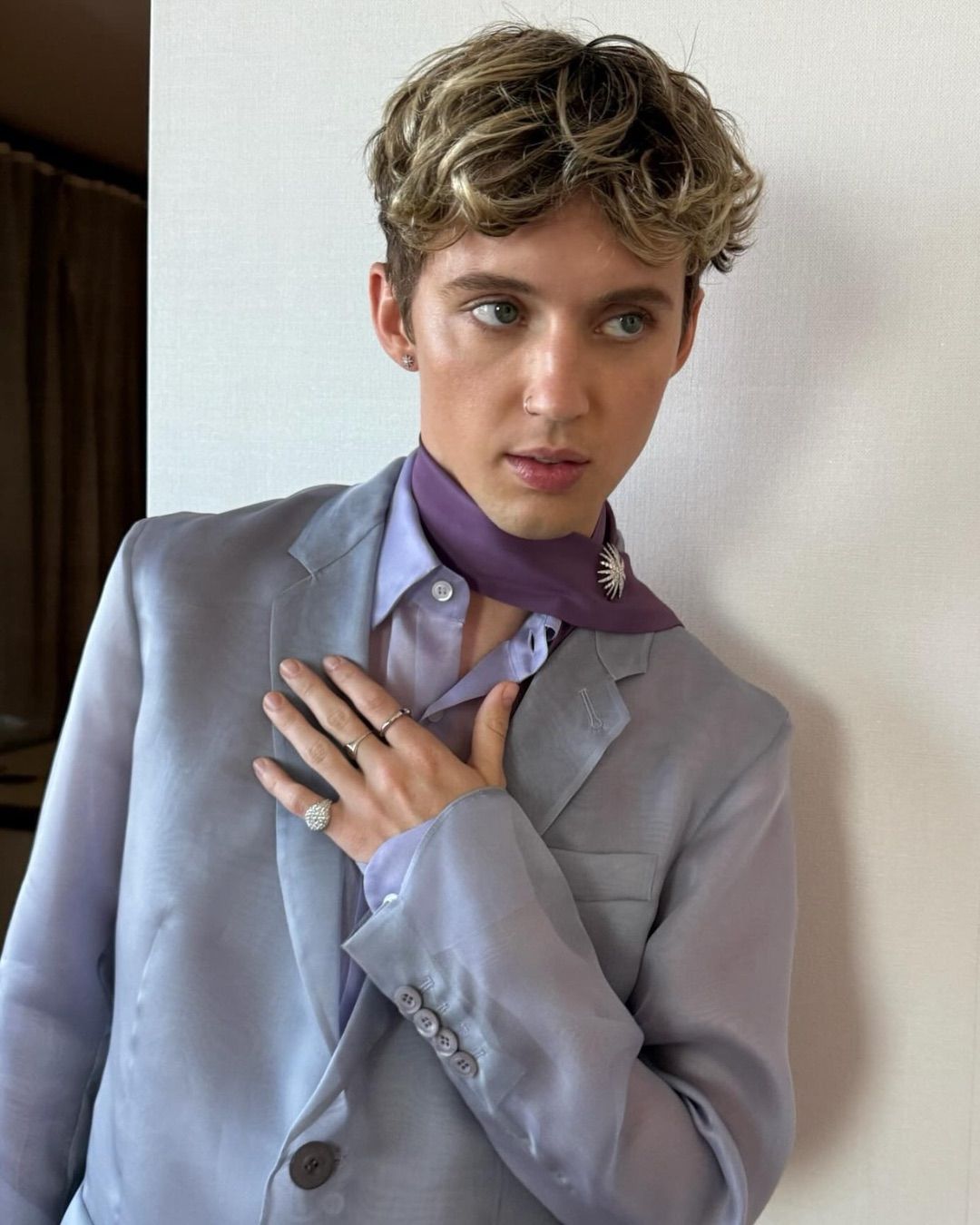
Take a look around, at friends, colleagues, strangers on the subway, your brother. Guys’ hair no longer stays in place. And no, it’s not a problem to fix: it’s a space to explore. Fringes grazing the eyes, curls left loose, mullets popping up where you least expect them, bold bleaching, uneven lengths, styling that only appears casual. Men’s hairstyling today is pure creative freedom, a fluid language, constantly evolving, suspended between play and identity. You see it everywhere, but especially in motion. In videos, on red carpets, backstage, in fancams slowed down to obsession. Every gesture becomes aesthetic, every strand a reference. It’s no longer just celebrity territory. It’s a widespread, democratic shift in paradigm. You don’t go to the barber anymore to “tidy up,” but to try something new. And you walk out with an updated version of yourself, ready to change again. It’s the triumph of the temporary. And yes, guys are having fun. You can tell.
From skincare to hair: the arc of self-care
To really understand what’s happening with men’s hair, you have to move beyond the logic of trends and into culture. In recent years, the concept of male self-care has expanded significantly, gradually encompassing every aspect of everyday aesthetics and moving from the margins to the mainstream. First skincare, with its serums, creams, and routines shared on TikTok. Then fragrance, fitness, mindful wellness. Hair was the next step, but no one expected it to become the most interesting one. Because this isn’t just about care. It’s about play, experimentation, changing without too many consequences. Male grooming has turned into a fluid language, a visual grammar through which to modulate one’s presence, where the haircut is no longer a fixed choice but a variable. Today you can have long, messy hair in January, a short, clean cut in March, and an ironic mullet in June. Change is no longer the exception, it’s the rule.
Celebrity as accidental hairstylists
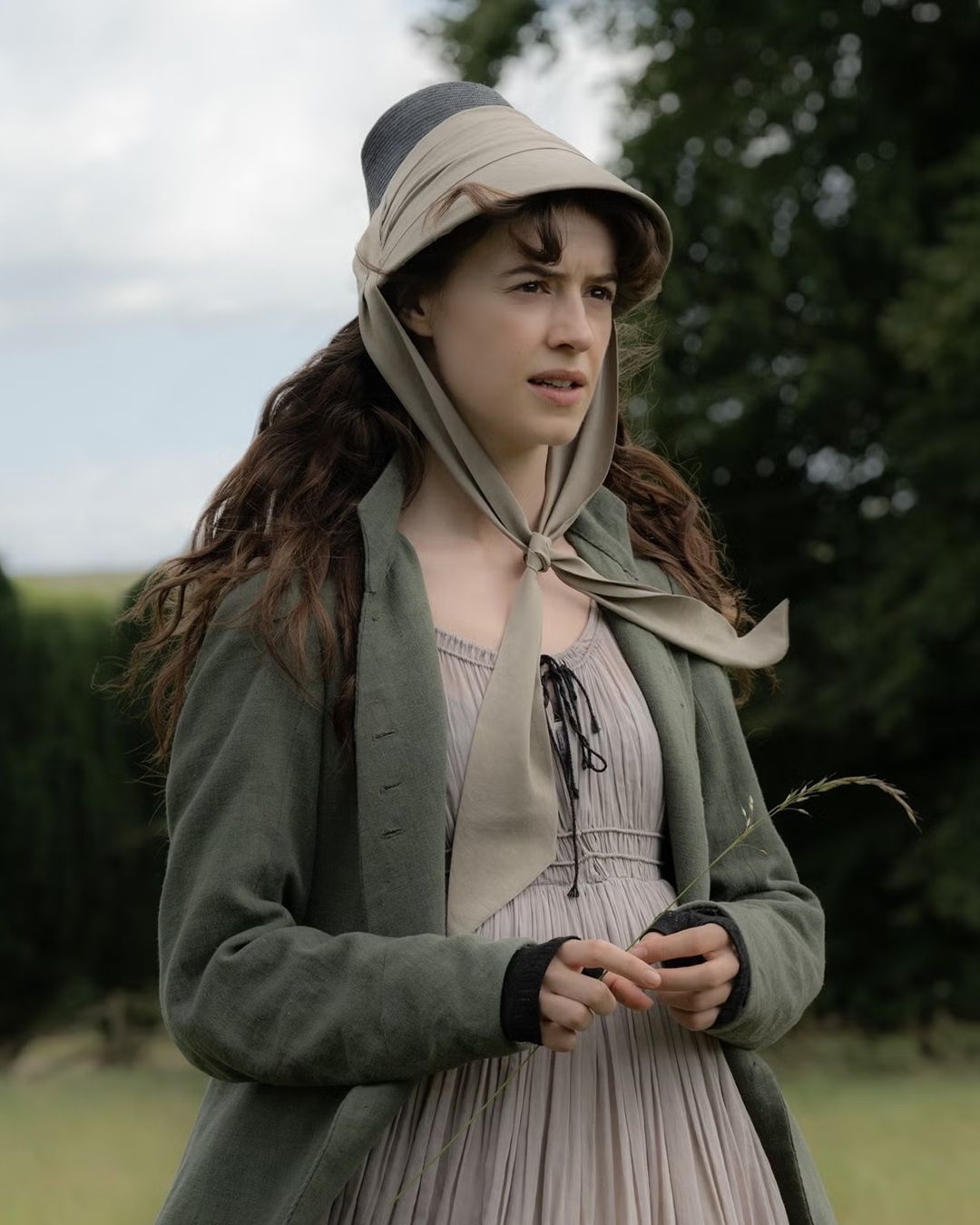
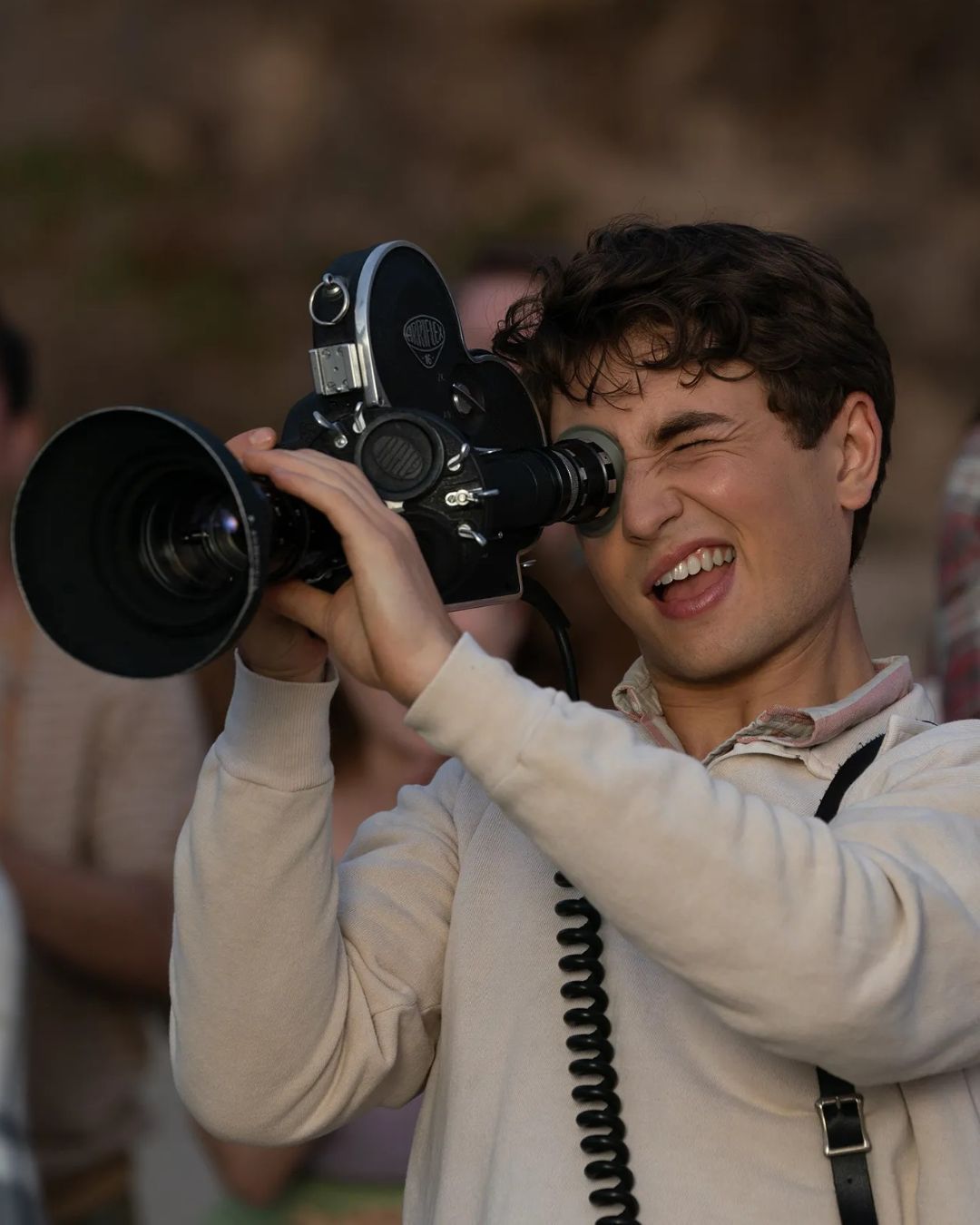
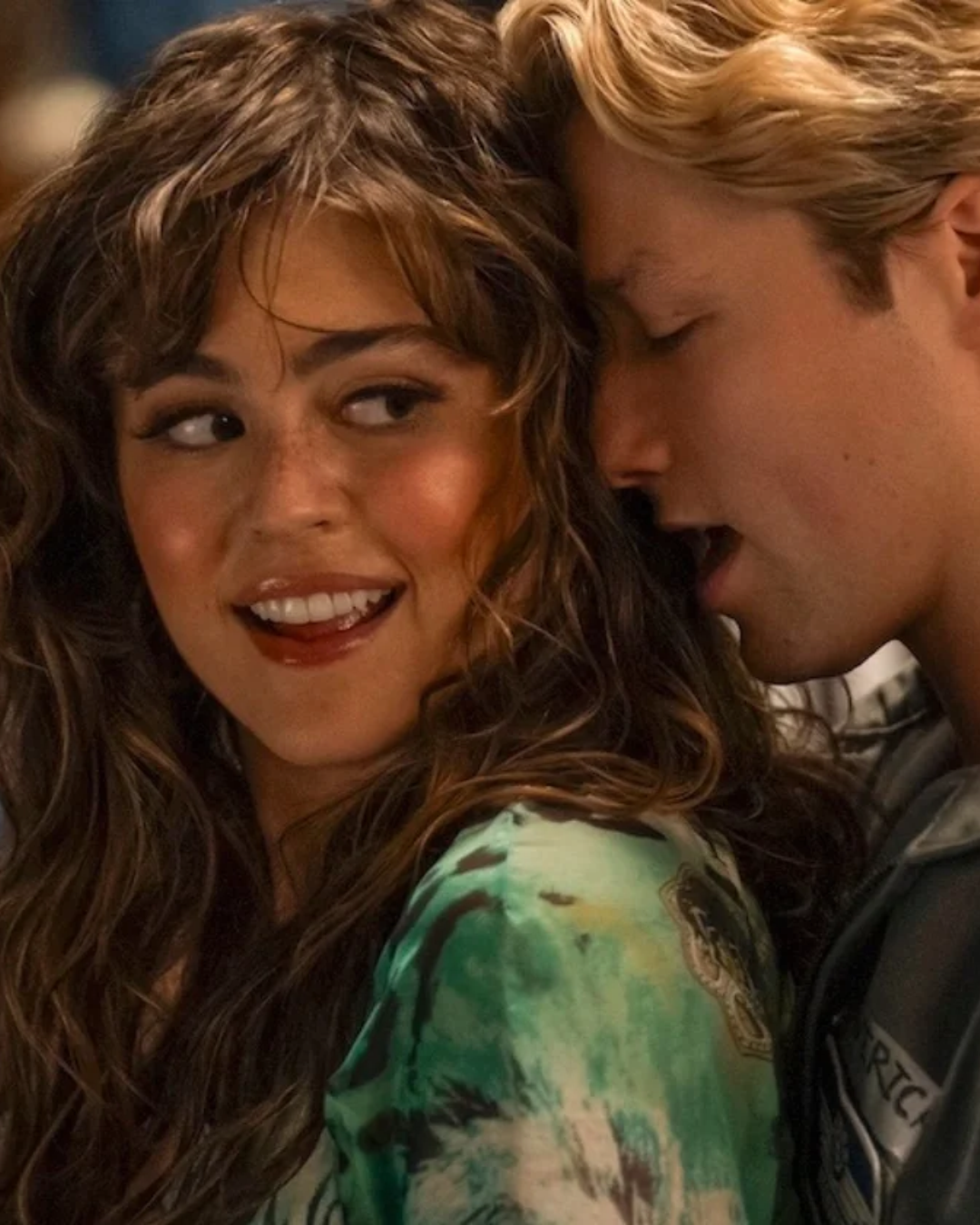
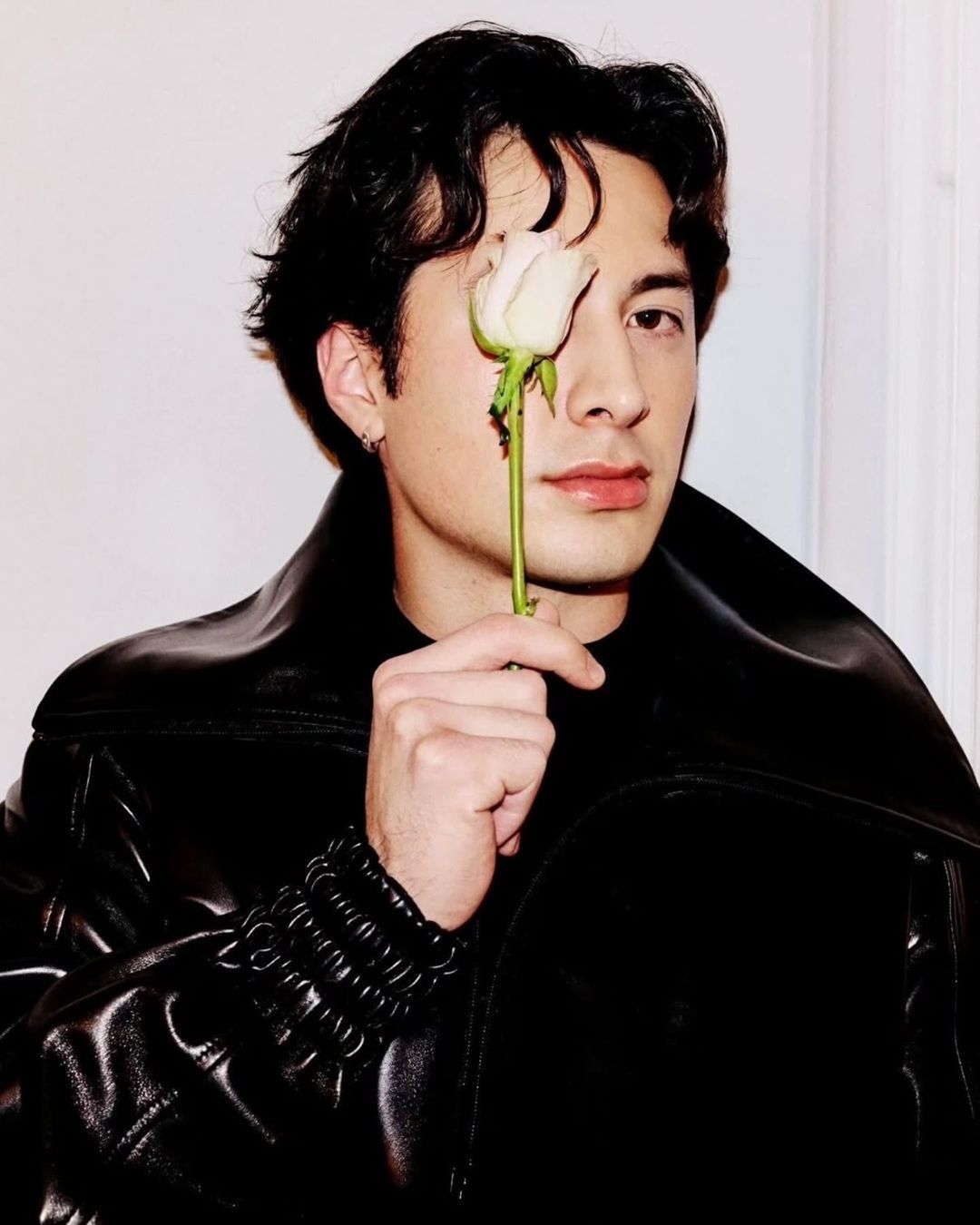
In this landscape, celebrities function less as models to imitate and more as aesthetic accelerators. They don’t dictate anymore, they open up possibilities. And above all, they show that change is part of the game. Just look at figures like Hudson Williams, with his heartthrob haircut that feels like it came out of a Sofia Coppola film but updated for today’s feed, or Connor Storrie, who plays with curls, adapting them to his outfits and turning hair into a dynamic accessory. Joe Keery, long associated with a signature hairstyle, surprised everyone with a sudden bleach, proving that even what seems iconic can be rewritten. Then there’s Jacob Elordi and his soft mullet, Paul Mescal with a more restrained, everyday version, Cameron Winter of Geese and Sombr, who wear curly, lived-in fringes with an almost indie attitude, far removed from the rigidity of traditional grooming. Different images, but they all say the same thing: men’s hair is no longer a fixed sign, but something in progress.
TikTok and the aesthetics of movement
If celebrities spark the hype, TikTok turns it into a system. Here, hair trends are born, explode, and fade within the time of a scroll. But more importantly, this is where hair lives. It’s not static. It moves, reacts, changes. Fancams, before-and-afters, improvised tutorials turn the haircut into a performance. It doesn’t just have to “look good”, it has to work while you move, while you turn your head, while someone films you without you knowing. Curls and strands must respond to motion, react to light, look alive. The result? Natural textures, soft volume, uneven lengths win. Total control gives way to a more interesting balance between construction and spontaneity. This completely rewrites the rules, and democratizes the process. You don’t need a red carpet to experiment. A mirror, a phone, an internet connection, and a bit of courage are enough.
The new codes: natural, but not too much
The trends are clear: more length, more movement, more imperfection. Hair grows longer, softer, less rigid, more alive. It needs to fall, shift, react. It’s a direct response to years of obsessive precision, millimetric fades, total control. Today, control still exists, but it’s hidden. Everything has to look natural, but nothing really is. It’s built, calibrated, achieved through layered cuts, invisible products, and styling that looks casual. Even color is opening up, with bleaching, highlights, sudden changes (remember Joe Keery at the Golden Globes with platinum blond hair?). It’s not fully mainstream yet, but it’s increasingly present. One caveat: color requires maintenance, attention, care.
Current trends: between nostalgia and reinvention
Men’s haircuts in 2026 take the past and rewrite it with less reverence and more lightness. It’s not revival, it’s remix. And above all, it’s fun. The mullet leads the scene, but reshuffled and updated, without the arrogance of the ’80s. Today it’s softer, shorter, more wearable, a tamed version that works as well on the red carpet as in everyday life. Jacob Elordi wears it long and fluid, almost elegant. Paul Mescal keeps it more contained, a baby mullet that works off the red carpet too. Connor Storrie interprets it in a curly, effortless way, with a messy fringe and a texture that looks natural but is carefully crafted. Alongside the mullet, the return of the mod cut marks another interesting direction: full fringes, rounded volume, longer sideburns for an aesthetic that draws on the ’60s and ’90s at once, filtered through a new lightness. It’s never too precise, never too clean. It’s lived-in, but stylish. The secret lies in layering, cuts that create movement without losing structure. It looks messy, but never really is. Then there’s the curtain cut, the classic ’90s heartthrob style: strands falling over the eyes, medium length, a perpetually effortless vibe. Hudson Williams gives it a contemporary twist, with that mix of romance and nonchalance that makes it instantly recognizable. The shag pushes the idea of movement even further: soft layers, longer lengths, a slightly rock aesthetic that works precisely because it’s never over-constructed. Finally, almost counterintuitively yet perfectly coherent, the French crop makes a return, shorter, cleaner, but textured. Perfect for experimenting while staying in your comfort zone. The keyword? Versatility.
It’s not vanity, it’s language
In the end, the real transformation is this: men’s hair has become a language. It tells stories of influences, tastes, moments, transitions. And above all, it tells the story of not being final. Of changing your mind, your look, your aesthetic without needing to explain yourself. In a world that constantly demands consistency, hair offers an elegant escape, a free zone where you can experiment without lasting consequences. Maybe that’s why guys are having so much fun. Because finally, they can, and they’ve realized that today, curls and fringes don’t just say who you are, but who you might be tomorrow.
What to read next
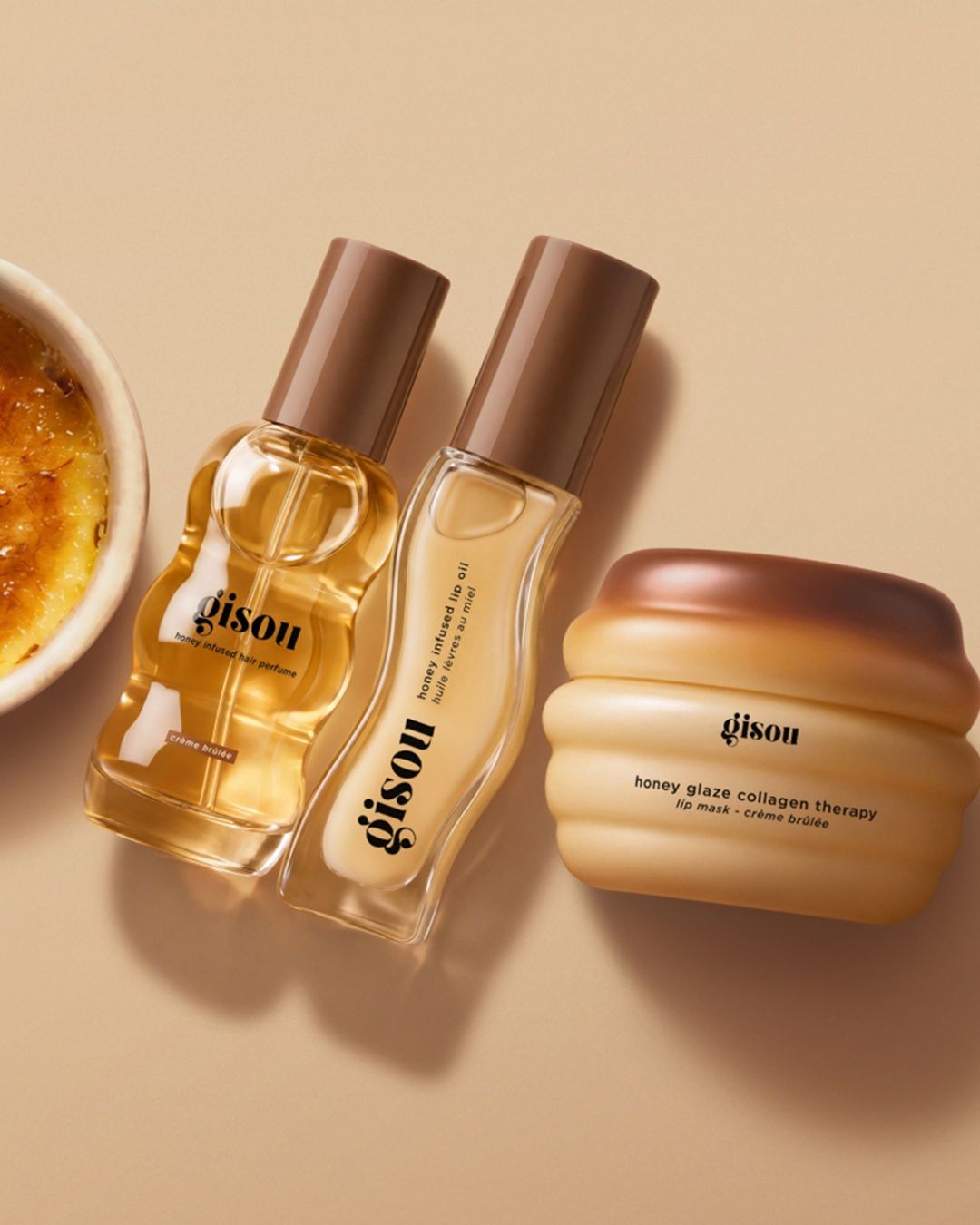
Gisou turns crème brûlée into a beauty collection
Autumn tastes like vanilla, caramel and freshly scented hair