





















Fragrance as identity: the new olfactory languages of Gen Z Fragrances are becoming something more than mere accessories to wear
For years, perfume has been presented as an accessory mainly associated with seduction. Just think about the beauty ads that are still shown on TV today, all built around a very specific fantasy made of aspirational sensuality, luxury and aesthetic perfection. But this language seems to be becoming less and less effective with younger generations. Gen Z is not simply looking for a good and seductive perfume, but for a fragrance that communicates something deeper.
Perfume as identity for Gen Z
The new language of perfumery
At a time when every aspect of personality is constantly exposed online, scent has also become part of digital identity-building. Fragrances are no longer chosen based on seasonality or simply on how good they smell, but rather on what they are able to evoke. It’s no surprise, then, that the language of perfumery has radically changed in recent years. Especially on social media, people no longer describe perfumes only through olfactory notes, but through images, emotions and cultural archetypes. A perfume today can evoke the pages of a book flipped through in an old library, afternoons spent playing with dolls, or the kind of nostalgia felt inside a dream. And this is exactly how younger generations connect with fragrances.
Perfume as an extension of the self
One of the most interesting aspects of the relationship between Gen Z and perfumery is that people are increasingly choosing fragrances that align with their worldview. Perfume is no longer separate from political, aesthetic or ethical identity, but part of the same narrative as the clothes we wear, the music we listen to and the causes we support. That’s why expressions like dark feminine energy, rockstar girlfriend/messy girl perfume or skin scent are now commonly used to describe fragrances. These categories do not describe the composition itself, but rather place it within an imaginary people can identify with, through which they want to be perceived by others. Those who identify with the clean girl aesthetic, for example, tend to gravitate toward clean and musky fragrances, which become symbols of discipline and everyday minimalism. Skin scents that evoke fresh skin, delicate soap and white linen become the olfactory equivalent of a lifestyle built around matcha, pilates and perfectly curated morning routines. It’s an idea of order that also passes through scent, as if fragrance had to reinforce a carefully controlled version of the self. On the opposite end, gourmand fragrances featuring vanilla, caramel and tonka bean tell a completely different story. Many viral TikTok perfumes play exactly on this dimension: they evoke sweet, almost childlike memories and an immediate sense of comfort. For a generation raised amid global crises, economic uncertainty and digital overstimulation, smelling sweet also becomes a form of self-soothing, a kind of emotional care. Alongside these two extremes, more "dirty", smoky, woody and metallic fragrances are also making a comeback, tied to indie and anti-perfection aesthetics. These scents reject the idea of the flawless girl created by mainstream beauty culture and deliberately distance themselves from overly polished and performative beauty standards, embracing a wilder and less domesticated identity instead.
The boom of niche fragrance brands
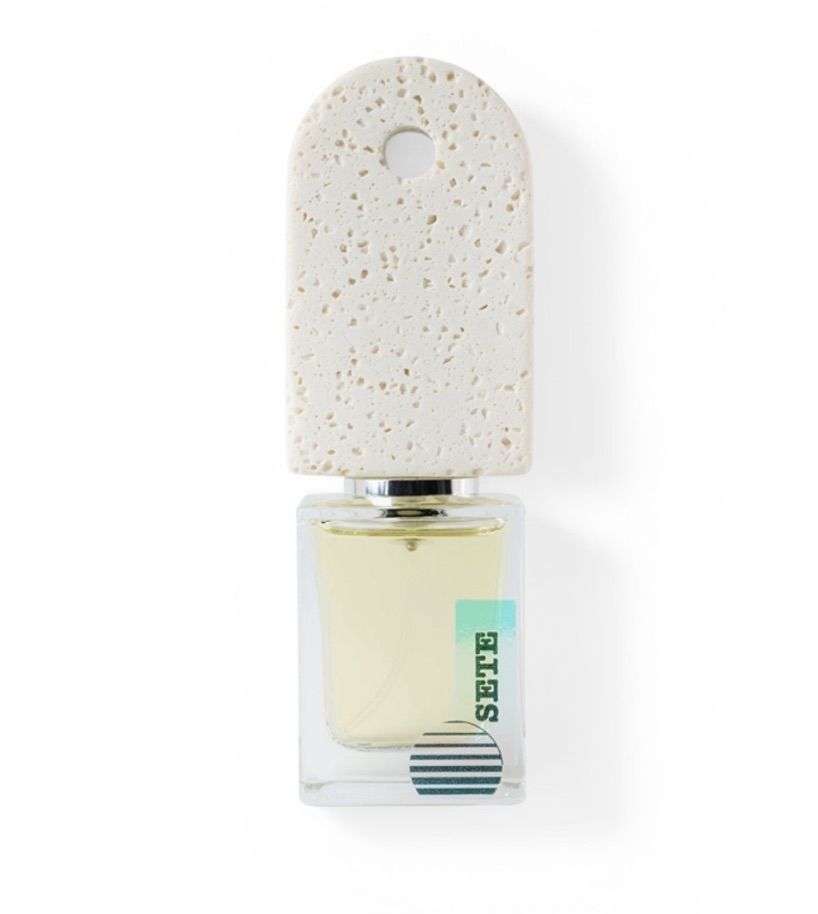
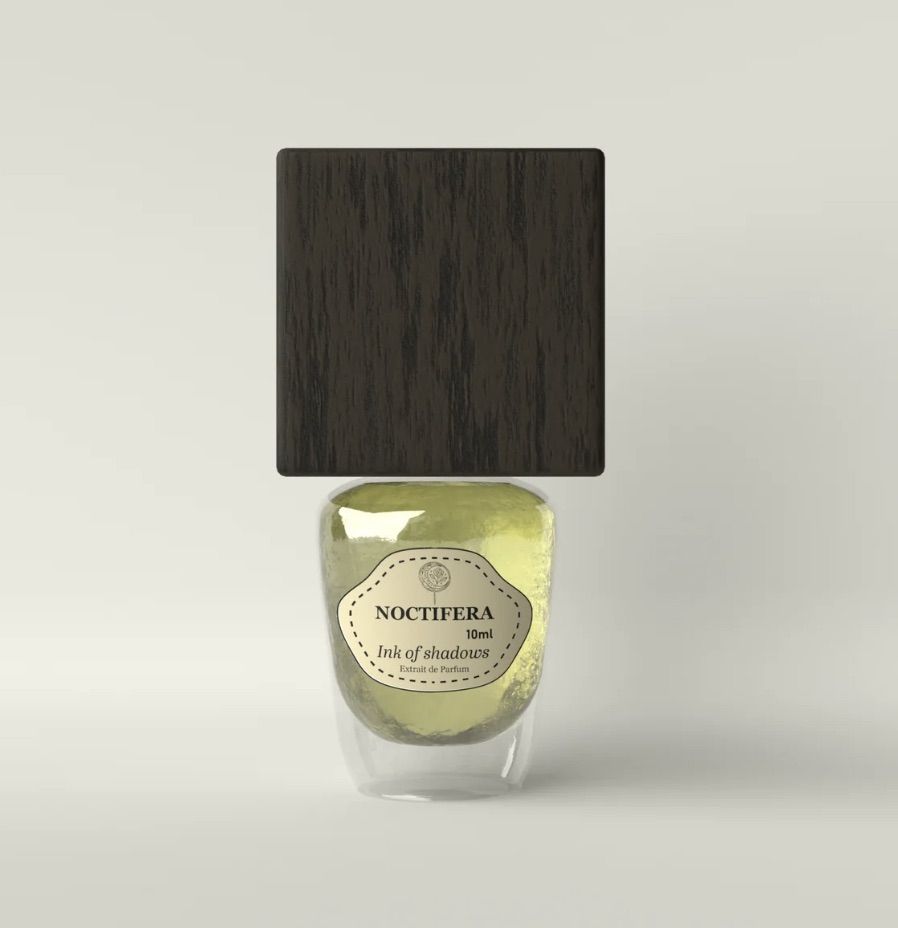
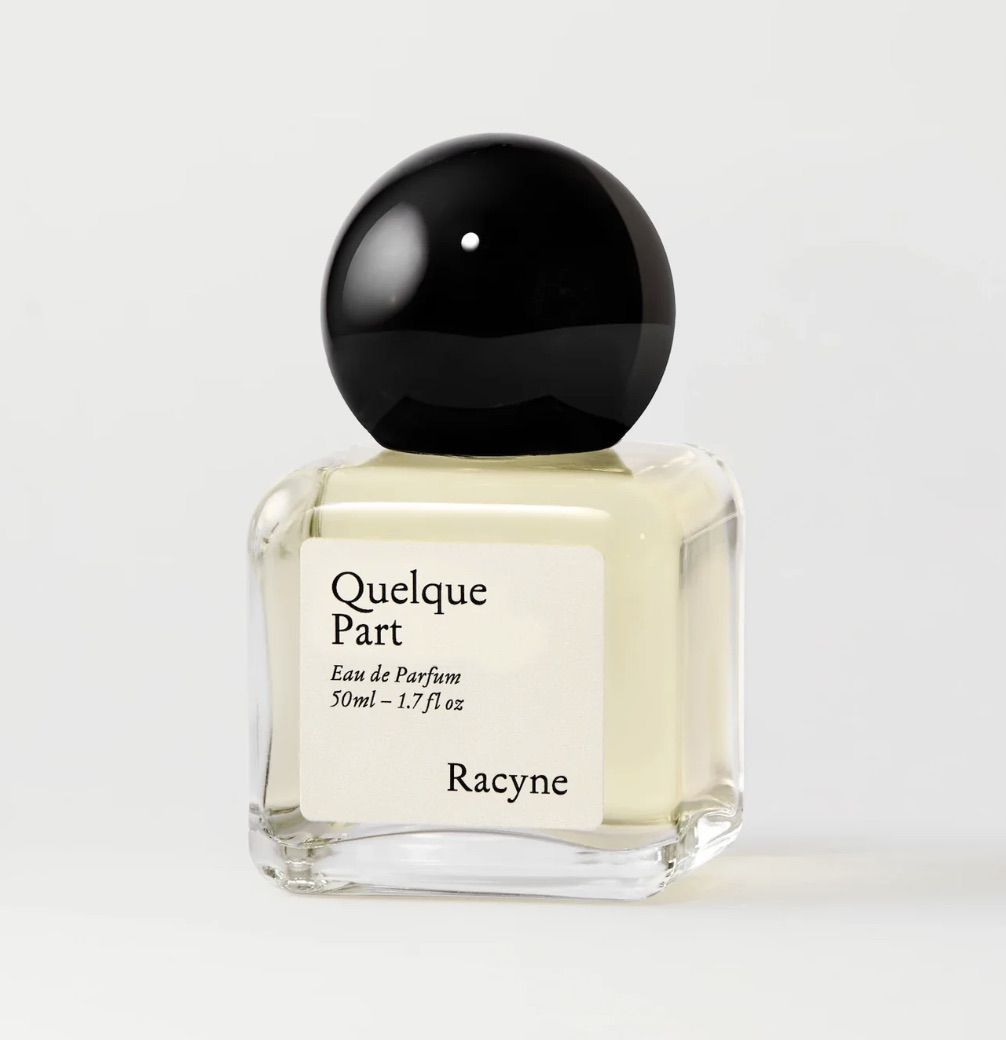
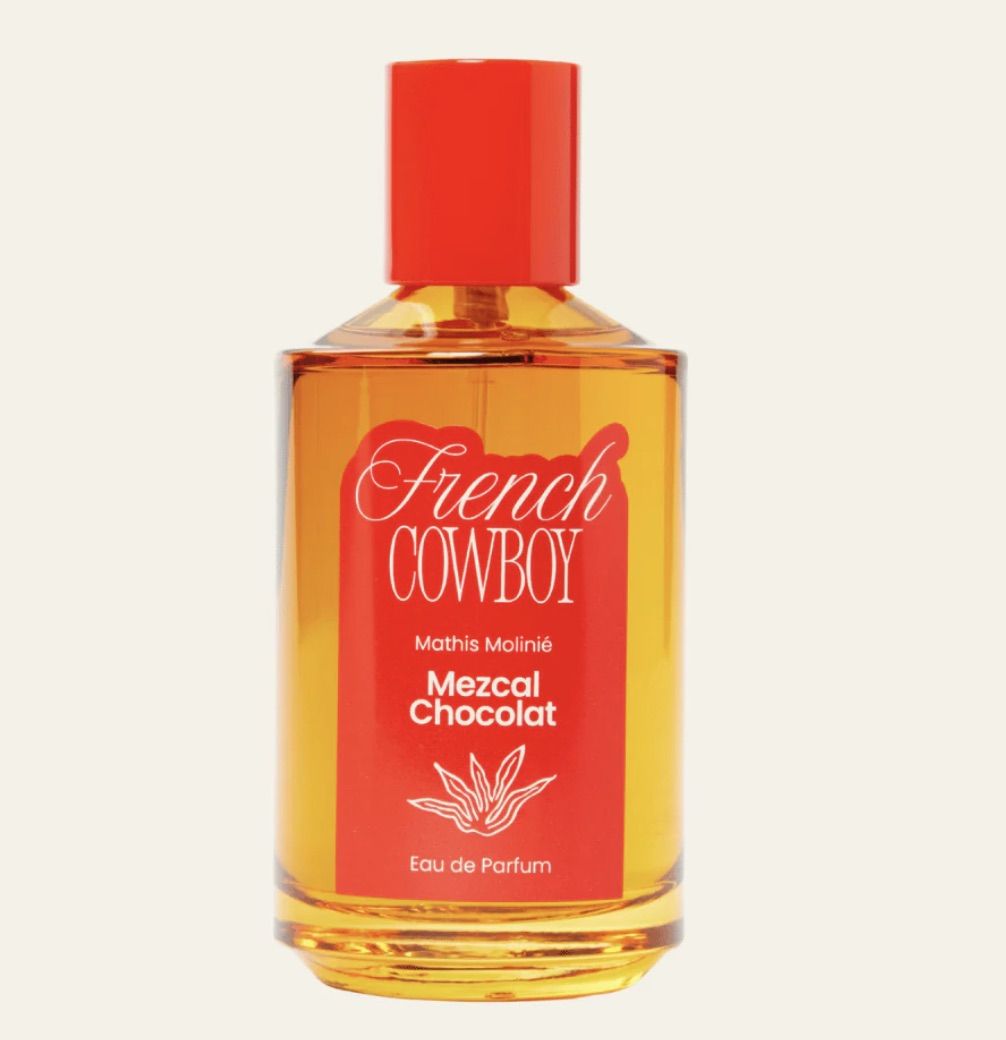
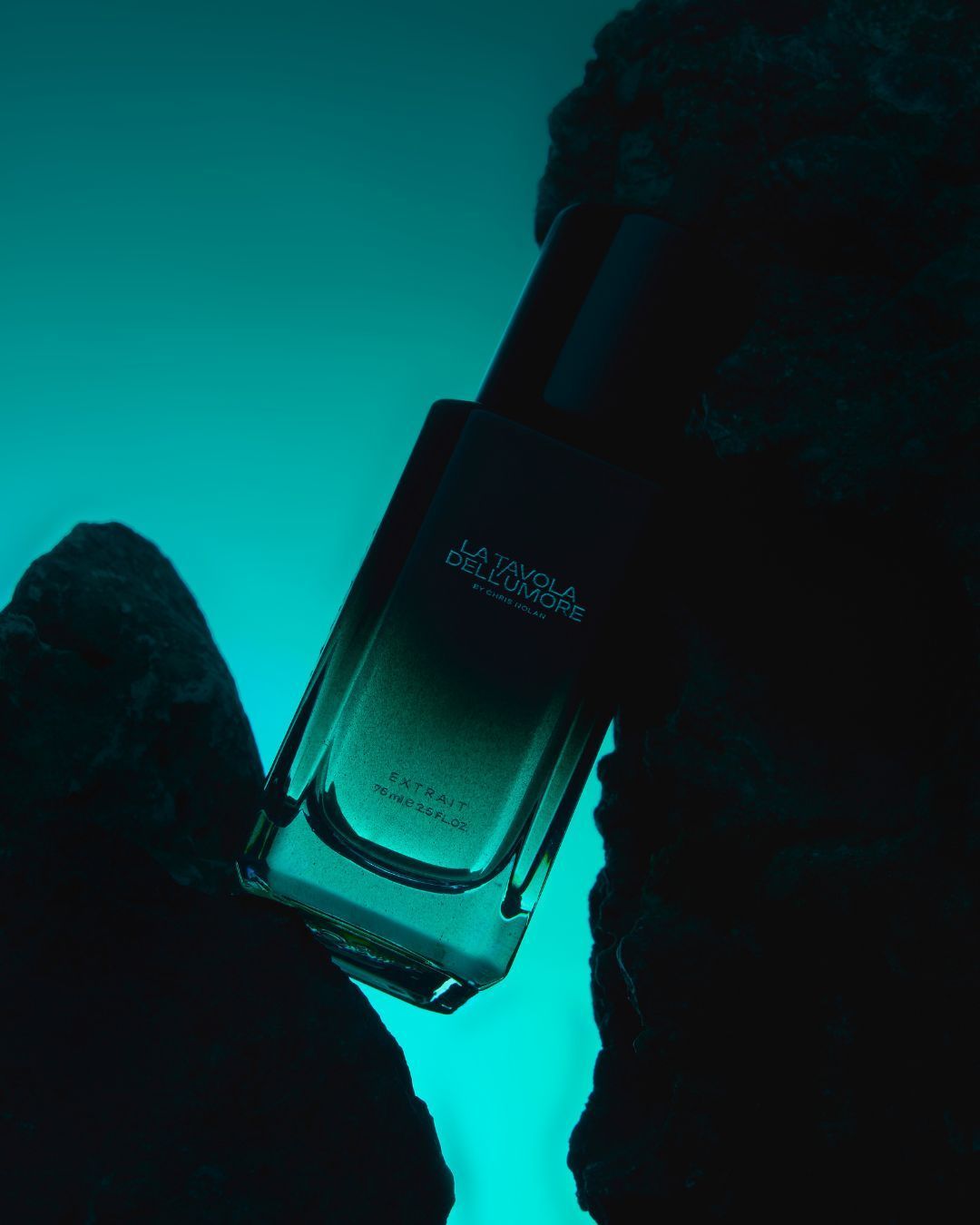
Gen Z looks for fragrances that are not meant to appeal to everyone, but rather to create connection between people who recognize themselves within the same imaginary. It’s no coincidence that niche perfumes have become increasingly popular in recent years: younger generations are especially drawn to them. These brands don’t just sell scents, but entire narrative worlds. Every fragrance is built around a precise idea: a character, a cinematic scene, a memory. Wearing a perfume also means connecting with those who recognize the same reference, who share a similar aesthetic sensitivity. In an era where everything is constantly displayed and commented on online, identity is increasingly built through invisible details. And perfume, perhaps more than any other element, remains one of the most intimate because it can only truly be experienced up close.
What to read next

Raye is the protagonist of Zalando's most ambitious cultural project ever
It's called Access All Areas (AAA) and it will take place on April 25 in Berlin
Vanilla fragrances are here to stay
Despite everything, they are still the number one choice among female consumers