







Broken women: do we really have to fall apart to find ourselves? Pop culture has convinced us that pain is the price of self-discovery
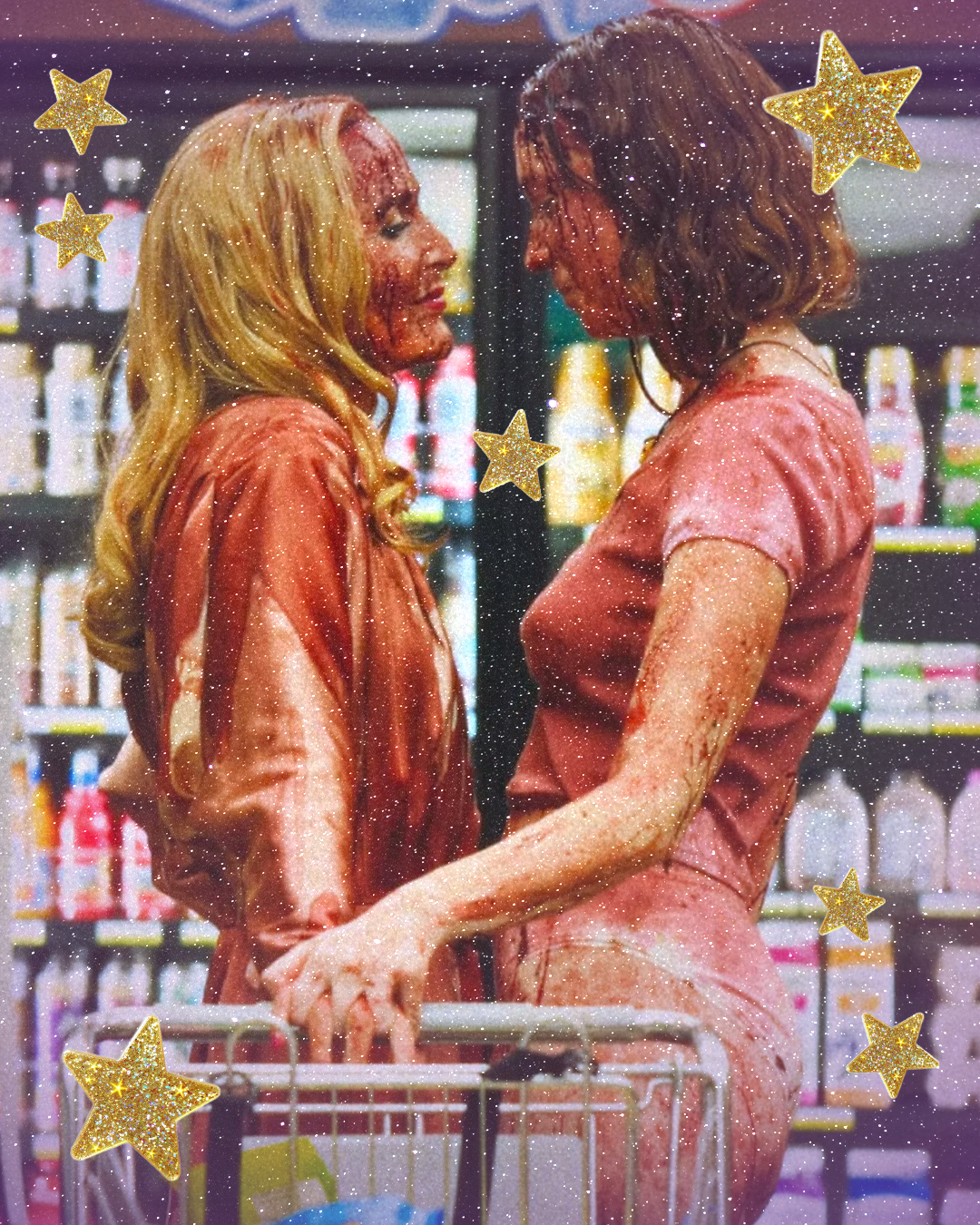
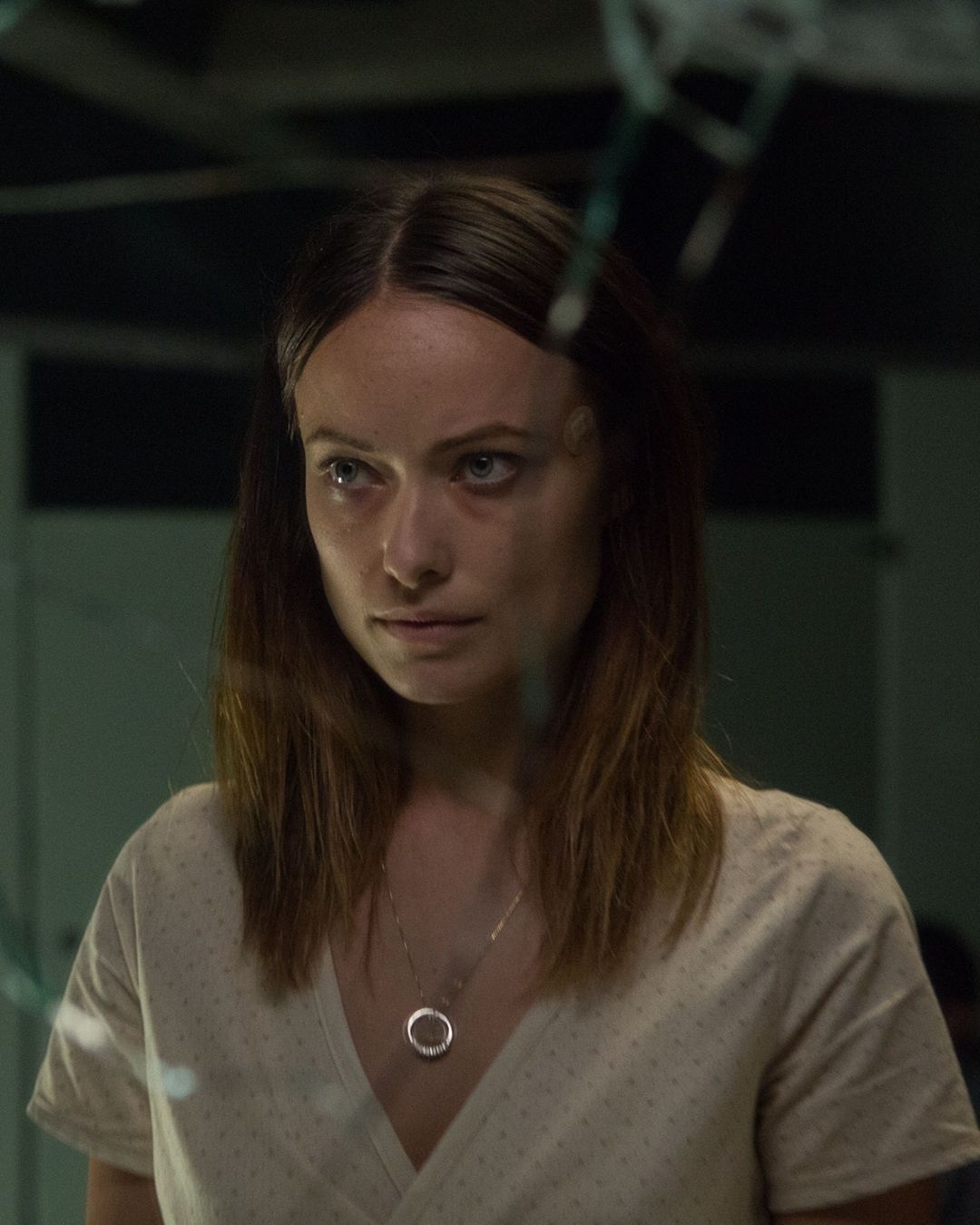
"I don’t think you know what you’re made of until you fall apart." That's how Olivia Wilde described, in a recent interview with The Cut, the breaking point she experienced after the release of Don't Worry Darling. Her words sound strikingly familiar. Over the past few years, we've heard countless actresses, singers, models, and public figures express the same idea in different ways: before you can find yourself, you first have to lose yourself. As if pain weren't simply inevitable, but essential. As if suffering were the price women must pay to become the best version of themselves.
Broken women: the female archetype pop culture can't let go of
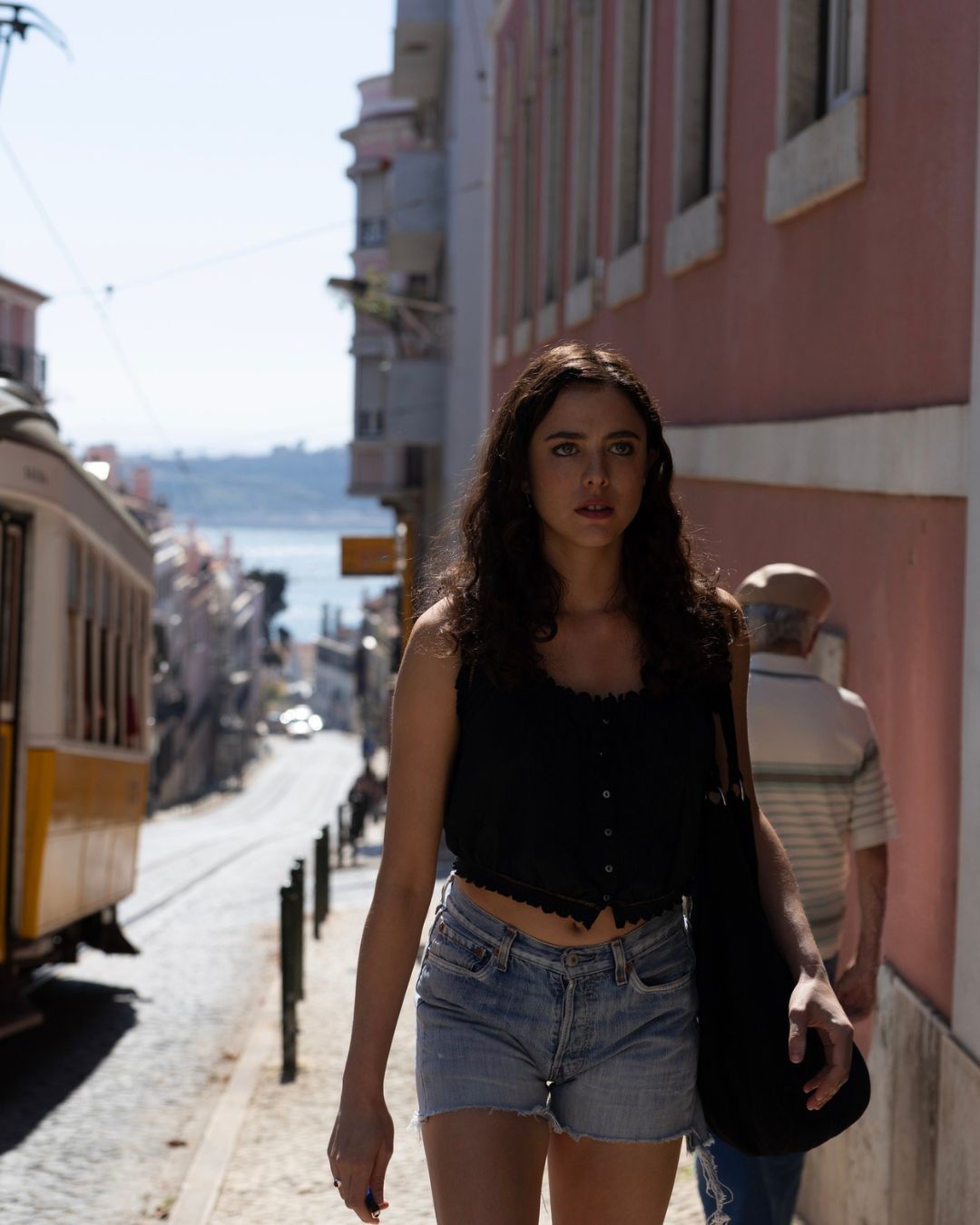
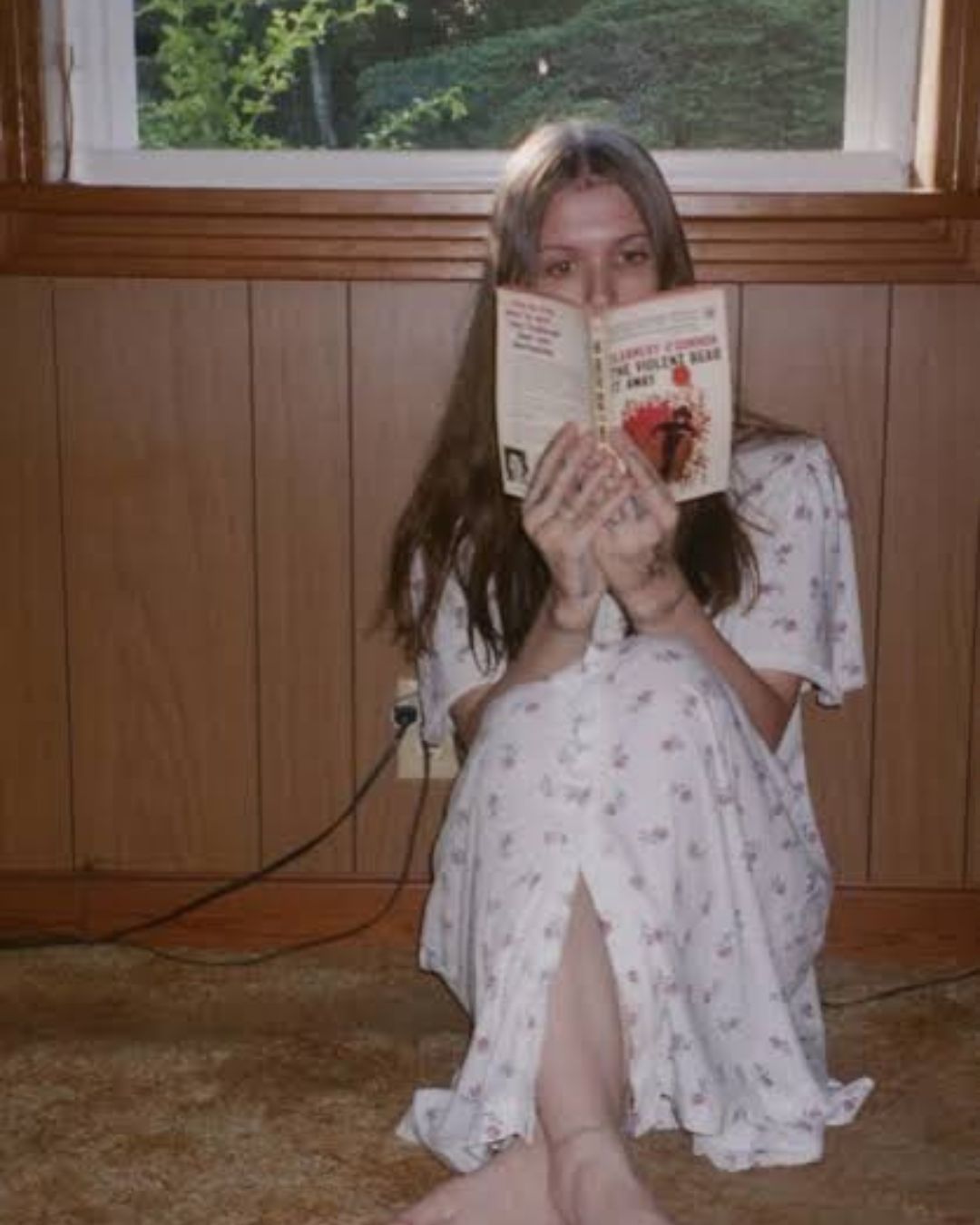
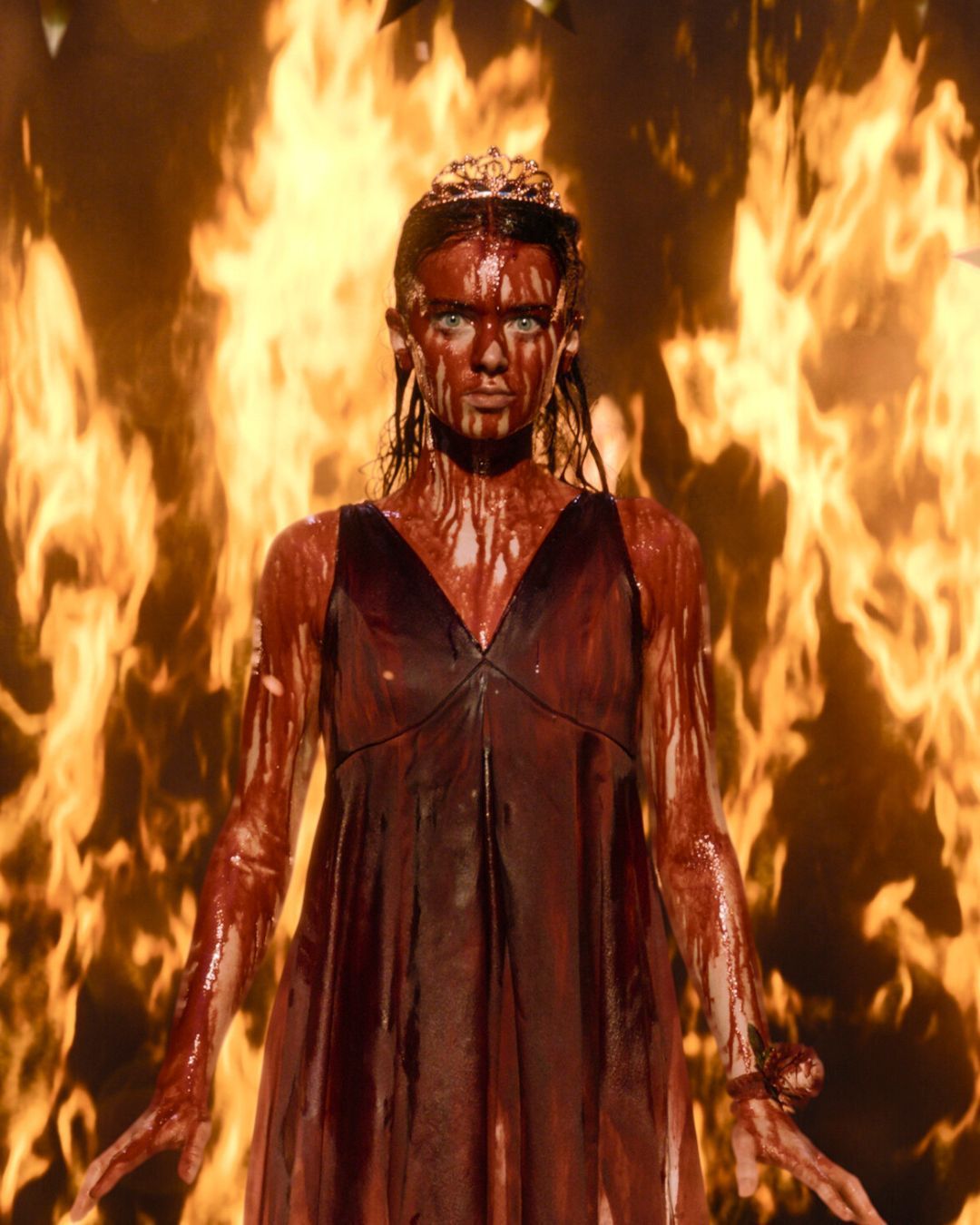
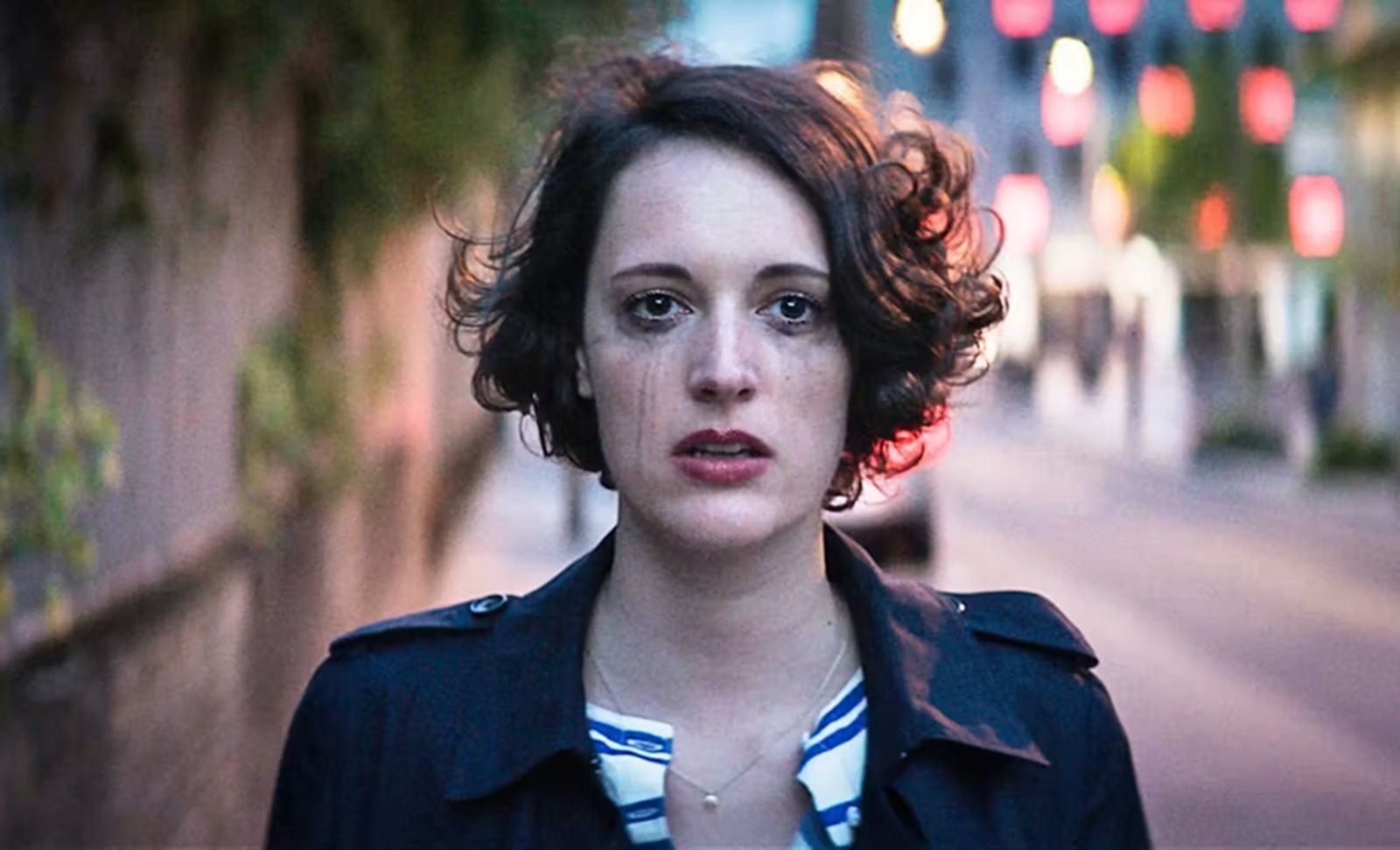
It's an idea that pop culture has been selling us for years. If the masculine ideal is still the self-sufficient hero who never asks for help, always in control and ready with the solution, the feminine ideal often begins at a crossroads. On one side stands the gentle, devoted woman. On the other is the broken woman who loses herself before eventually finding her way back. Examples are everywhere. From Bridget Jones and her chaotic, messy love life to Frances Ha, overwhelmed by the uncertainties of adulthood. My personal favorites, however, are Fleabag and Hannah Horvath from Girls.
Fleabag: healing through heartbreak
Fleabag has experienced devastating grief that seems impossible to overcome. She has a deeply dysfunctional relationship with her father and stepmother, as well as an unhealthy codependent bond with her sister. The chaos in her life mirrors her emotional instability, her inability to love herself, and the generational trauma and guilt that continue to haunt her. Her poor self-esteem leads her to fall for emotionally unavailable men, and later, a priest, a perfect metaphor for her belief that she doesn't deserve genuine love. The series portrays a woman who isn't simply a broken woman, but someone completely adrift. Only through immense suffering and a painful confrontation with her past does she finally begin putting herself back together.
Hannah Horvath and the rise of the "messy woman"
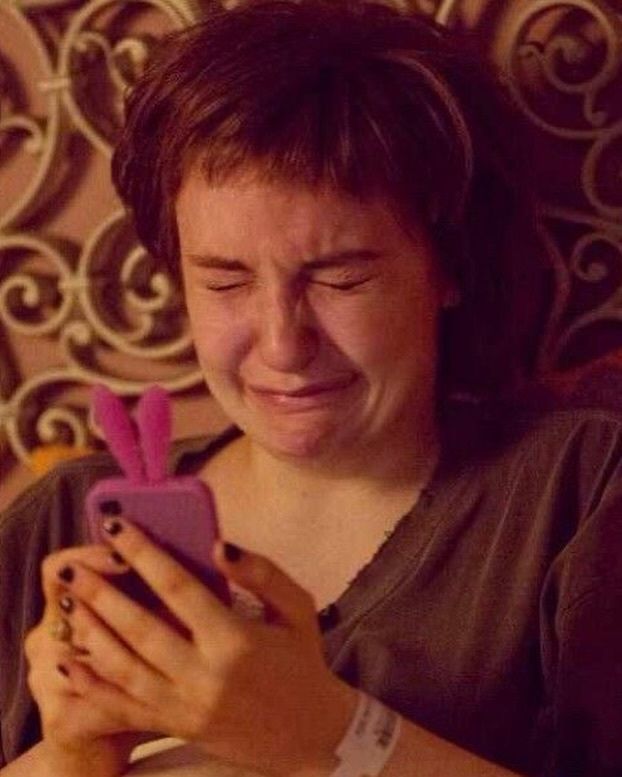
Hannah, the protagonist of Girls, perfectly embodies the "messy woman" trope. She struggles to care for herself, neglects her body, and lives in a constant state of emotional and physical chaos. Like Fleabag, she becomes involved with inconsistent, emotionally detached men who reduce her to her body, and she convinces herself that's the only way she can receive attention or love. She lives with untreated mental health challenges and maintains toxic relationships with food, alcohol, friendships, and even her own family. Once again, we encounter a broken woman whose life only begins to stabilize after six seasons filled with pain, mistakes, and emotional wounds.
Why we're obsessed with broken women
Our fascination with women in crisis isn't new. In many ways, it emerged as a reaction to the suffocating stereotype of the perfect wife and flawless mother. Desperate Housewives was already inviting audiences to enjoy the chaos hidden beneath polished suburban perfection. Over time, however, vulnerability, self-destruction, and emotional instability have almost become prerequisites for creating a female protagonist audiences perceive as relatable. These characters comfort us because they promise that suffering has meaning. Every crisis serves a purpose. Every painful chapter will eventually become useful. That promise has become both a cultural narrative and a highly profitable commercial language. How often do we scroll past content about healing journeys, glow-ups, or becoming "the best version of yourself"? Constantly. Every hardship is expected to teach a lesson. Every trauma must somehow become wisdom. It's no longer enough to survive difficult moments, you are expected to emerge transformed.
Growth doesn't always require suffering
None of this is inherently harmful. Pain is undeniably part of life, and telling stories about our darkest moments is both necessary and valuable. For decades, we've been fed polished fantasies filled with romantic meet-cutes and happily-ever-afters that rarely reflected reality. Where contemporary pop culture may go wrong is in confusing transformation with suffering, turning one into the inevitable consequence of the other. Yes, people often emerge from hardship with greater self-awareness, maturity, and gratitude. But sometimes pain doesn't transform us. Sometimes it simply leaves us with more trauma. Likewise, suffering isn't the only catalyst for personal growth. We also grow through love, curiosity, unexpected encounters, meaningful relationships, travel, passion, and simply the passage of time. These kinds of transformations are quieter. Slower. Less dramatic. And because of that, they're far less cinematic.
We don't have to become broken women to become better women
Perhaps Olivia Wilde is right when she says she came to know herself by living through a painful chapter of her life. What would be a mistake, however, is turning one person's experience into a universal rule. Not every woman has to become a broken woman in order to become a better version of herself. The truth is simply that stories about pain are more compelling than stories about peace.
What to read next

Liu Jo presents “The Gigi Hadid Edit”
The project that transforms selection into an identity gesture
The most pop Halloween couple costumes there are for Halloween 2026
Everything becomes a costume in the spooky season of the year