
































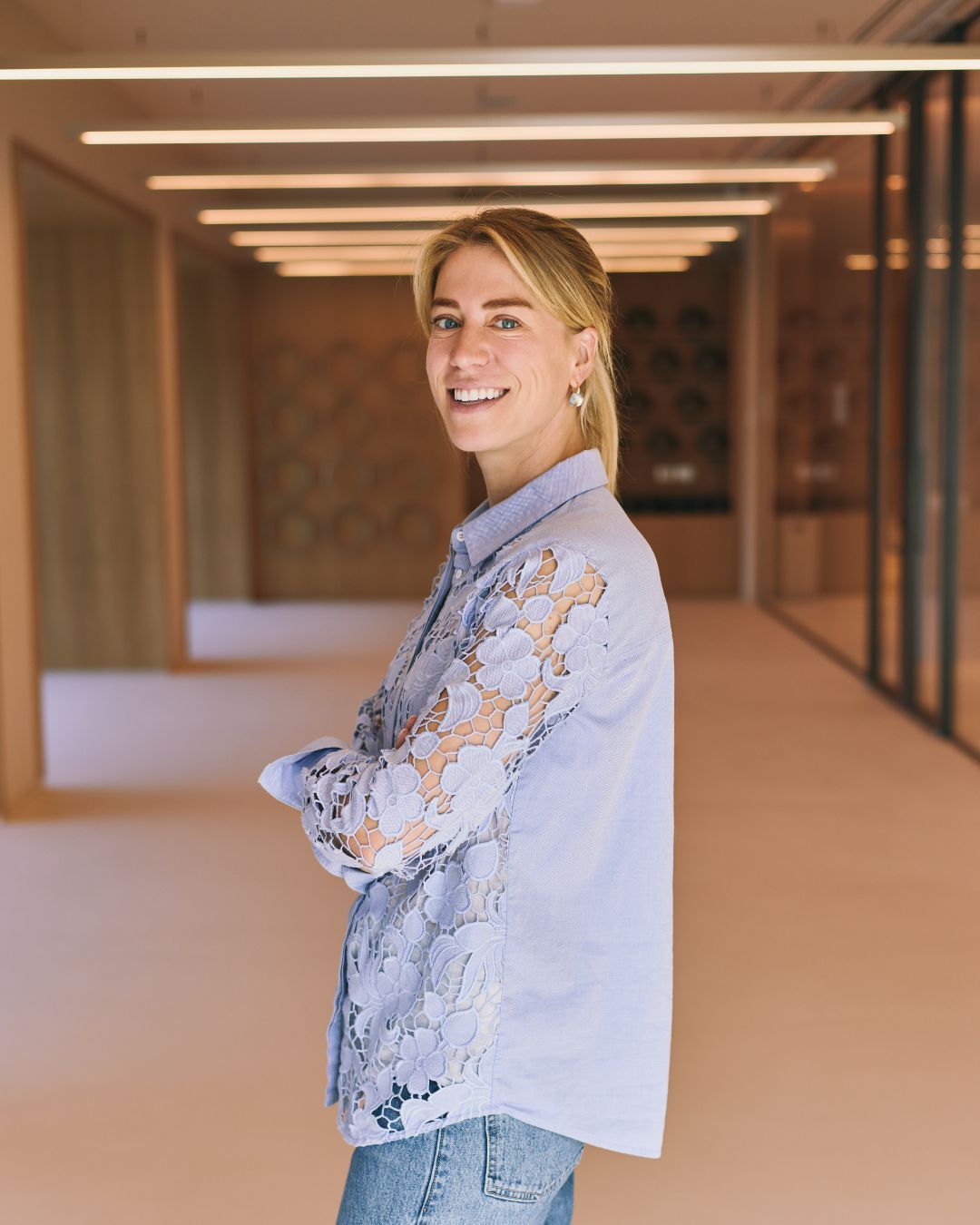
"I think the conversation around wellness is evolving" Interview with Marie Van Rijckeghem, founder of Thriom in Milan
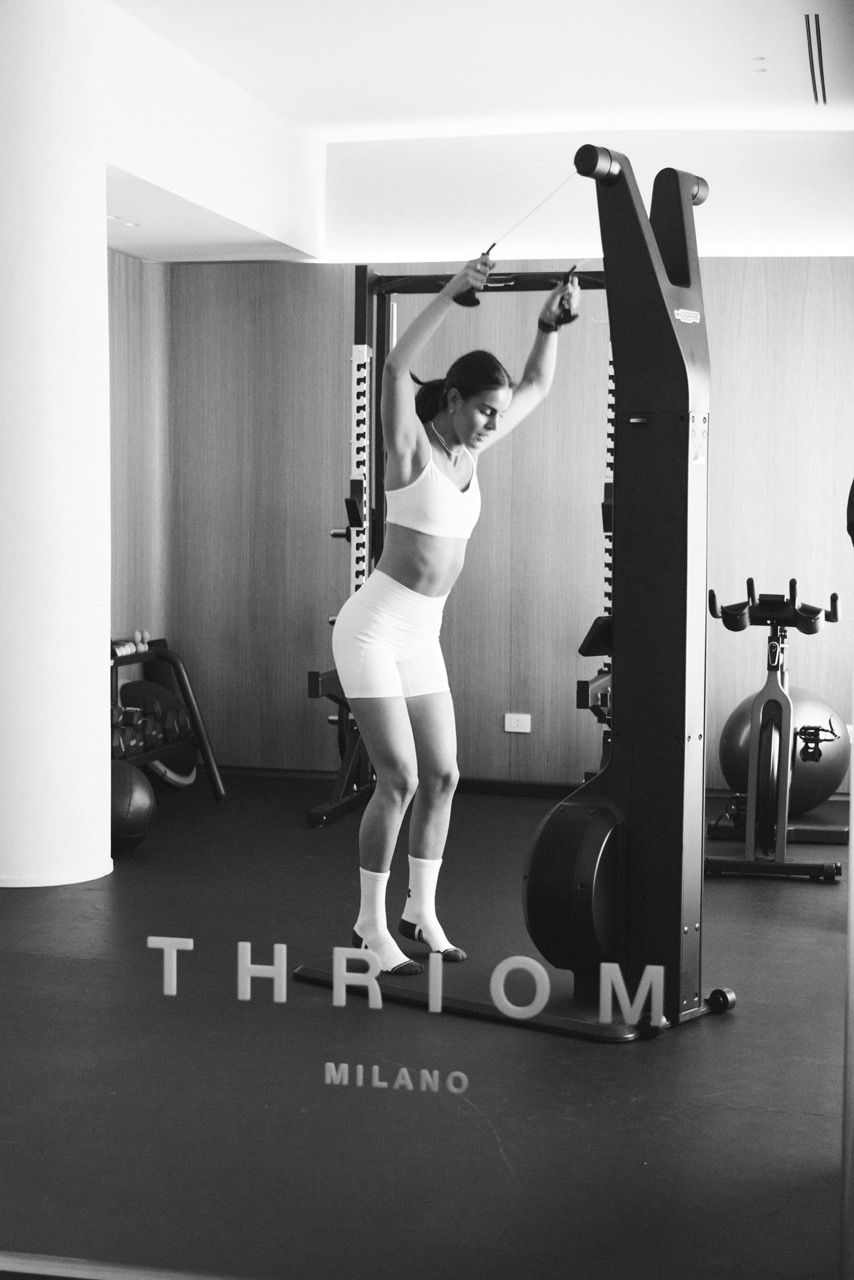
Founded in Milan in January 2026 by Marie Van Rijckeghem, THRIOM is a contemporary wellness house where movement, recovery and community come together through a carefully curated programme and a membership-led philosophy. With over ten years of international experience across fintech and venture capital, and having lived in seven different countries, Van Rijckeghem created THRIOM as a response to a growing need for spaces that nurture both physical wellbeing and human connection. "Those experiences shaped the way I see people, community and wellbeing" she explains. "Movement has always been an important part of my life. It has given me energy, clarity, resilience and perspective." It is from this belief that THRIOM was born: a space built around the idea that wellness goes beyond the physical dimension. "Beyond the physical aspect, I've always valued the routines it creates, the people it brings together and the positive impact it has on everyday life."
Interview with Marie Van Rijckeghem, founder of Thriom in Milan
THRIOM describes itself as a "wellness house" rather than a gym or a studio. What does that definition mean to you in practice?
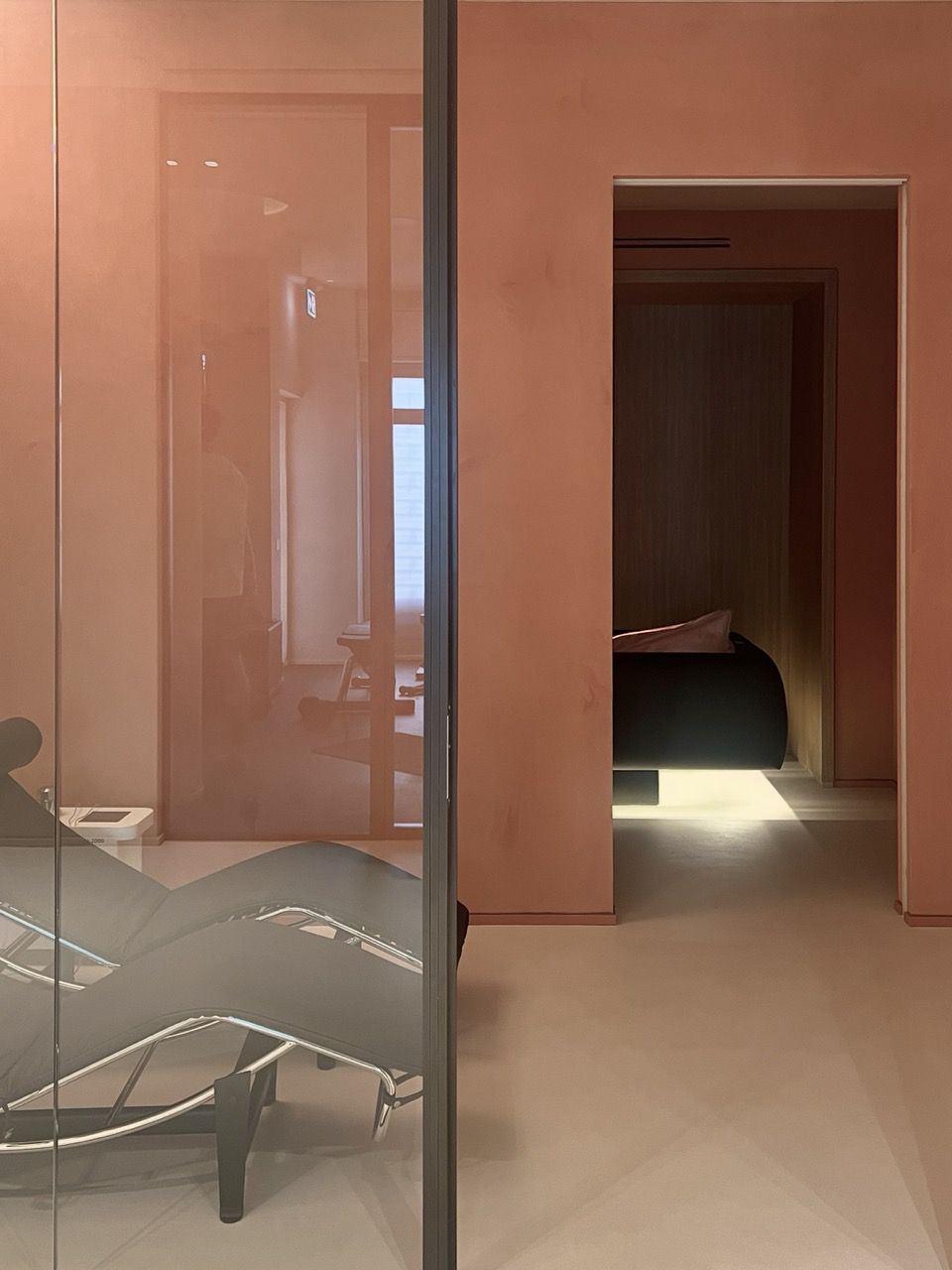
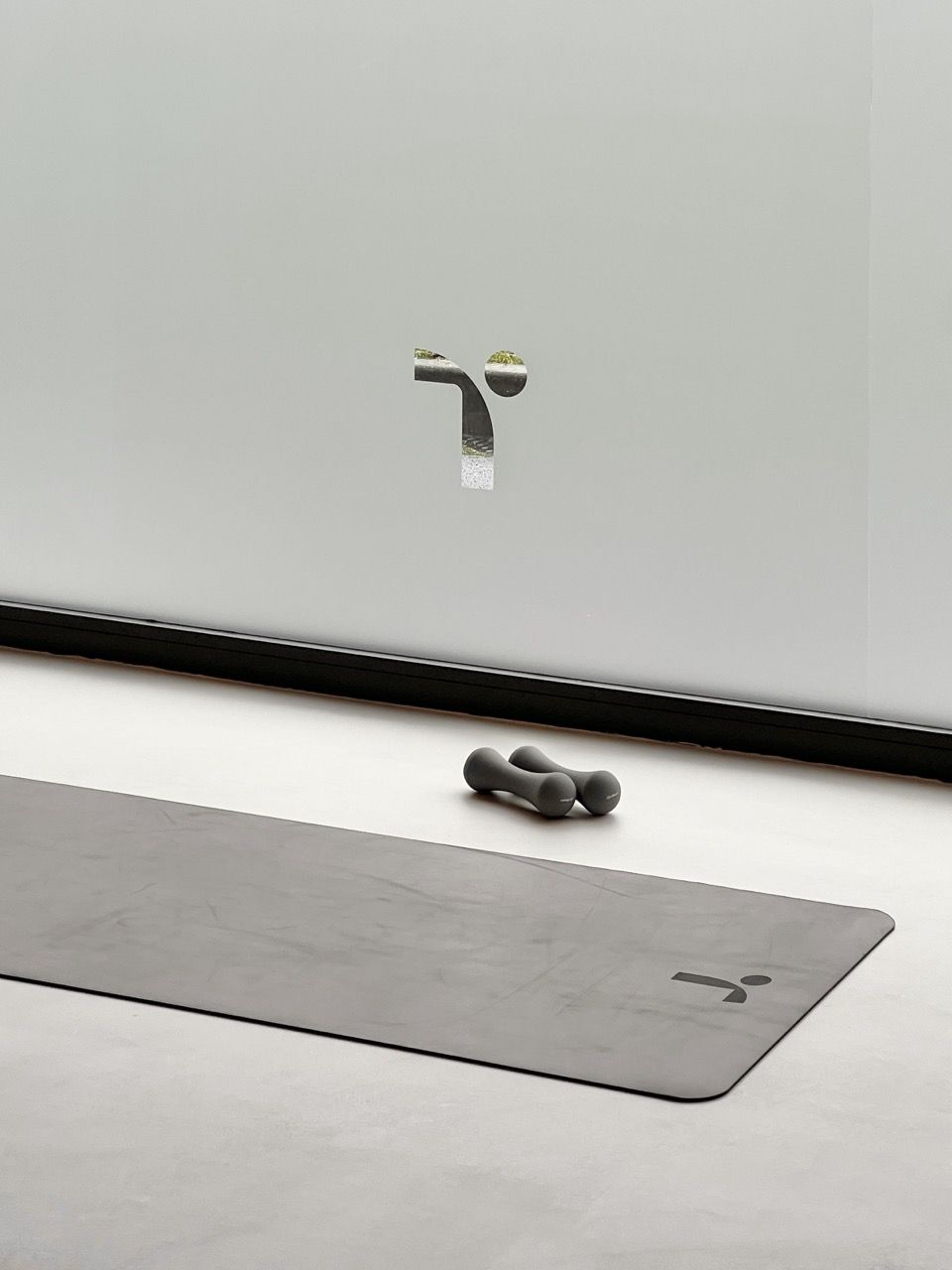
To me, a wellness house is a place people return to, not simply a place they visit. | wanted to create an environment where movement, recovery and connection naturally coexist. More than anything, | want people to walk in and immediately feel at home. Somewhere they can spend time without feeling rushed, where wellbeing becomes part of everyday life instead of another appointment in the calendar. That's why I see THRIOM as a home rather than just a place to exercise.
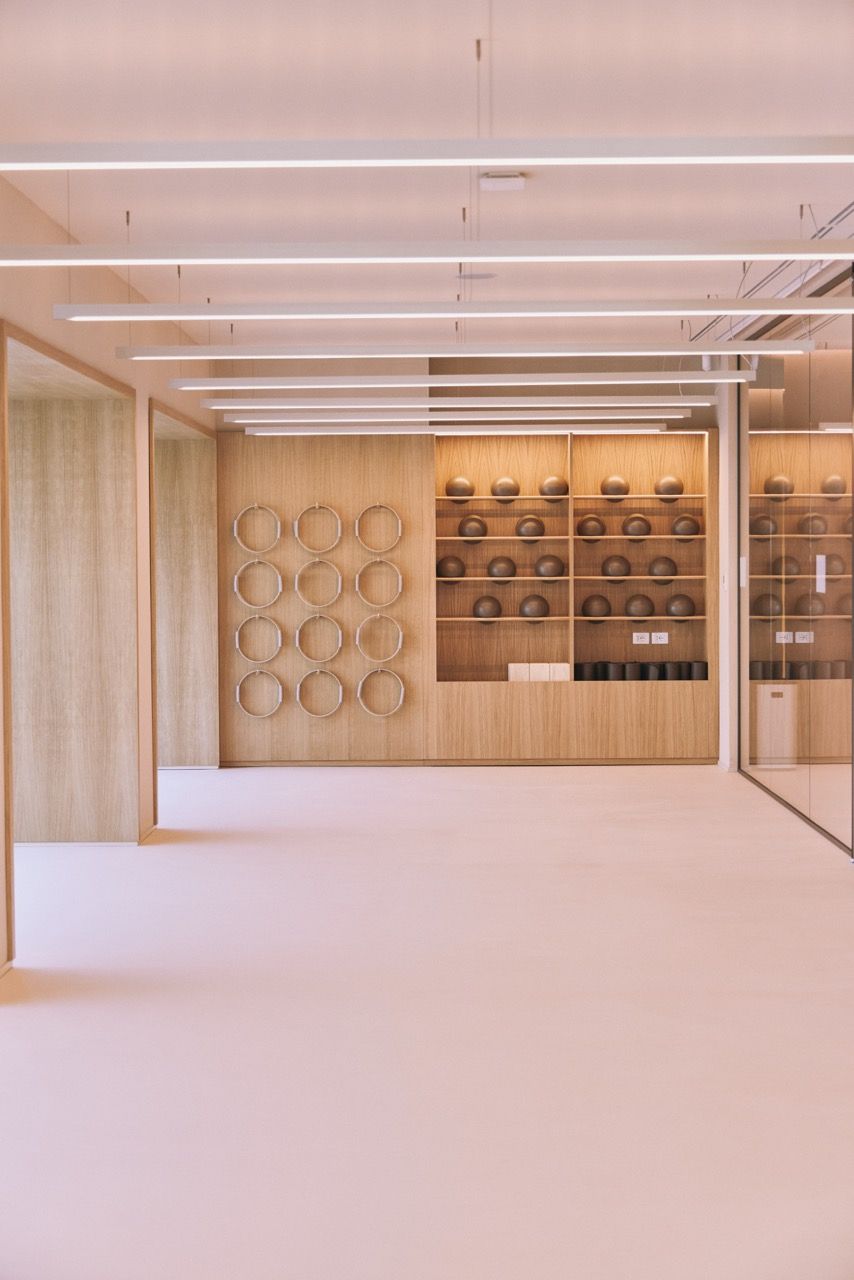
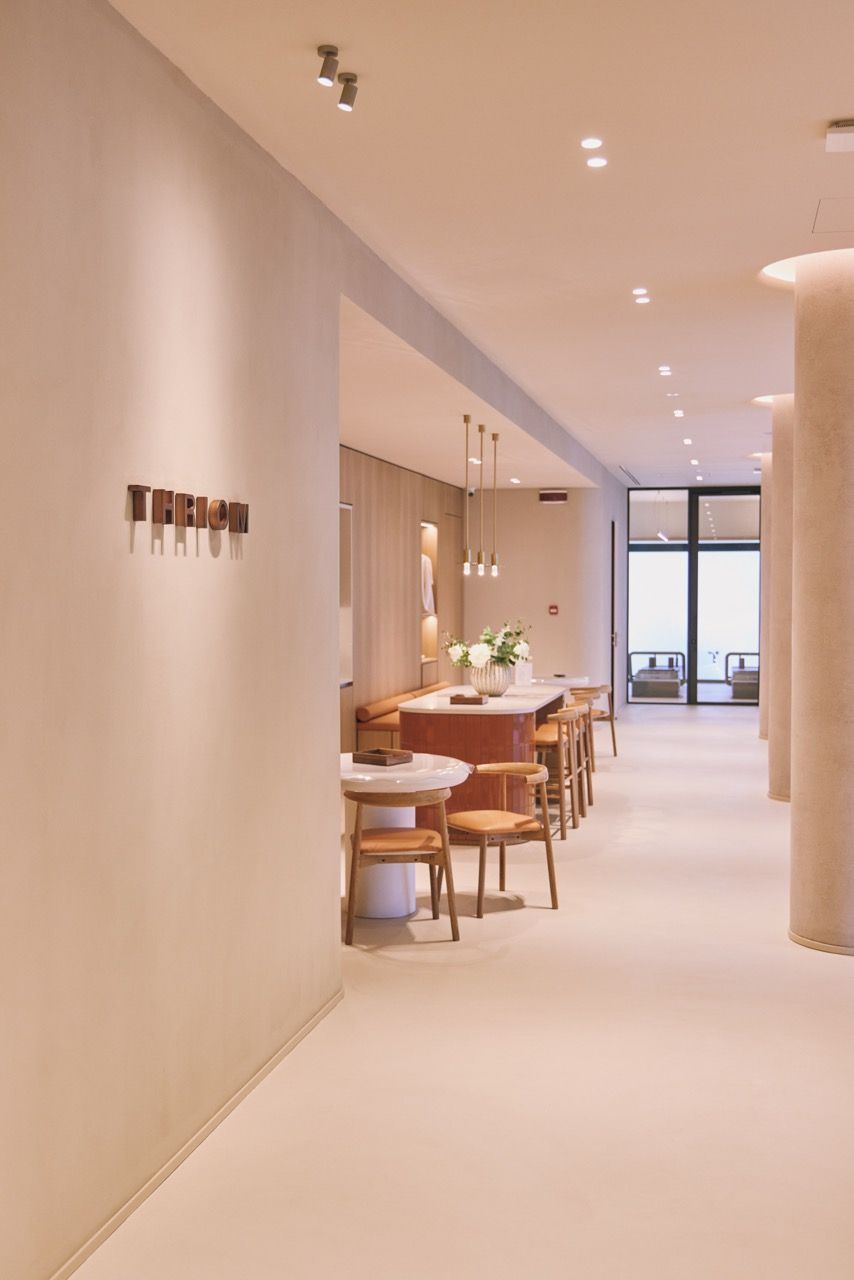
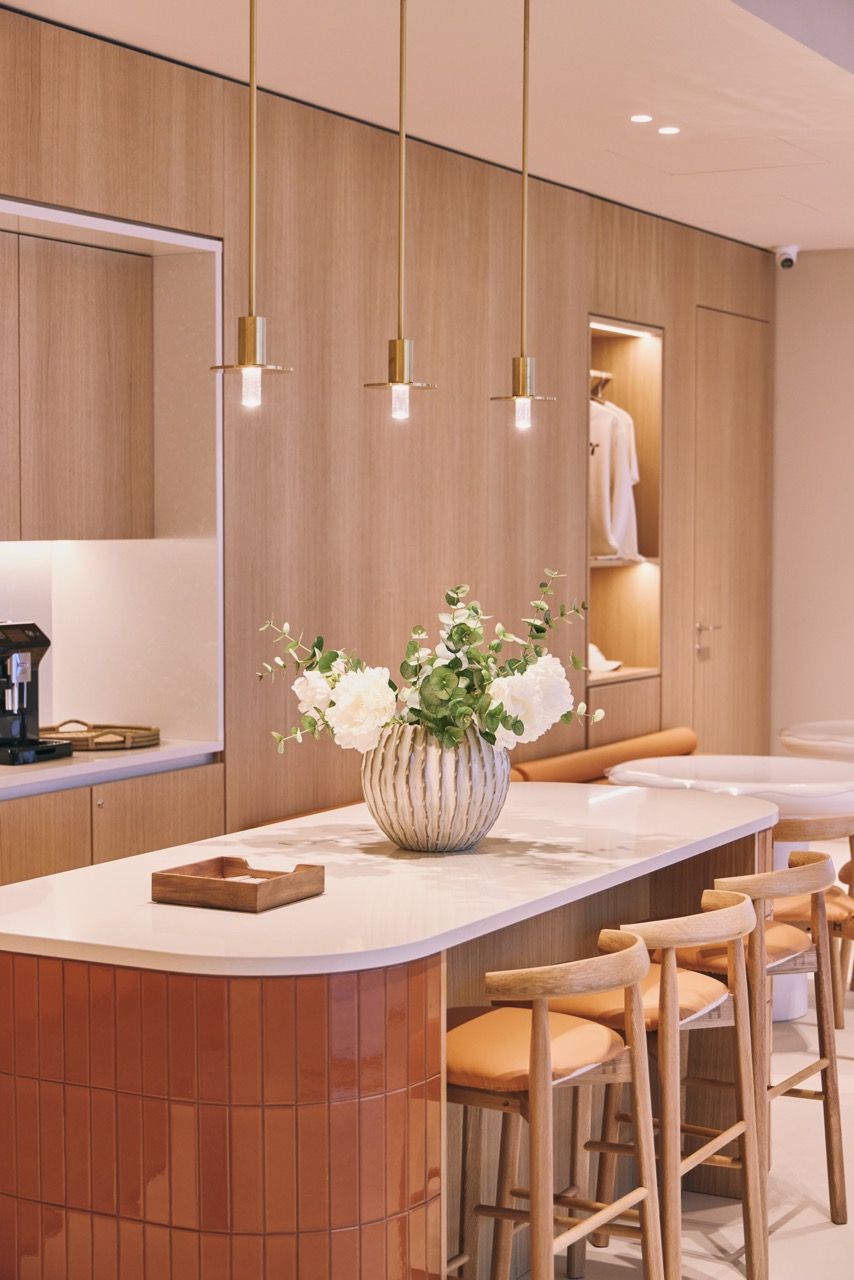
Milan is often perceived as a fast-paced, performance-driven city. How does THRIOM aim to offer a different approach to wellbeing?
Milan has an incredible energy and ambition, which is inspiring, but it can also be demanding. We wanted to create a place that offers balance rather than more pressure. Somewhere people can slow down, reconnect with themselves and leave feeling more present, not because they've optimised another hour, but because they've genuinely taken care of themselves.
How would you describe Milanese people's relationship with wellness?
Milan is a city of fashion, design and ambition, so appearance has always played an important role. But I think the conversation around wellness is evolving. More people are looking beyond aesthetics and focusing on feeling strong, healthy and full of energy. At the same time, Milan is very trend-driven. Certain practices, like reformer pilates, can become incredibly popular almost overnight. While those trends can encourage people to start moving, I don't think a single workout defines wellbeing. Real wellbeing comes from building habits that are consistent, enjoyable and sustainable long after the hype has passed.
Just a few months after opening, you decided to place membership at the centre of the experience. What did you observe within your community that led you to this decision?
From the very beginning, I envisioned THRIOM as more than a place where people come for a class and leave. I wanted to create a space that could be lived throughout the day, where people could move, work, have a coffee or simply spend time. Seeing people naturally use the space that way confirmed that this was what they were looking for as well. Membership became the natural extension of that vision. It reinforces the idea that THRIOM isn't just a place you visit, but a community you belong to and a place that feels like home.
Today, almost every brand talks about community. In your opinion, what differentiates a real community from a simple customer base?
A real community can't be manufactured. It grows through trust, consistency and shared experiences over time. It's when people recognise each other by name, stay after class for a conversation or simply feel comfortable walking in, even without a specific plan. When people feel at home, they naturally become part of a community.

Many people now approach wellness almost as an obligation. Do you think self-care is at risk of becoming another source of pressure?
Definitely. Wellness sometimes speaks as if we constantly need to improve ourselves, and that can become exhausting. I believe wellbeing shouldn't make people feel like they're never doing enough. It should create space to feel more present, more connected and more at ease in everyday life.
Wellness has become increasingly mainstream, but also increasingly commercial. How do you prevent wellness from becoming just another form of performance?
By constantly reminding ourselves why people come in the first place. We don't encourage perfection or one ideal routine. We encourage people to listen to what they need that day. Sometimes that's an intense workout, sometimes it's slower movement or simply taking a moment to pause. That flexibility is essential.
Many young people are increasingly looking for "third places", spaces that are neither home nor work. Do you see THRIOM as one of these spaces?
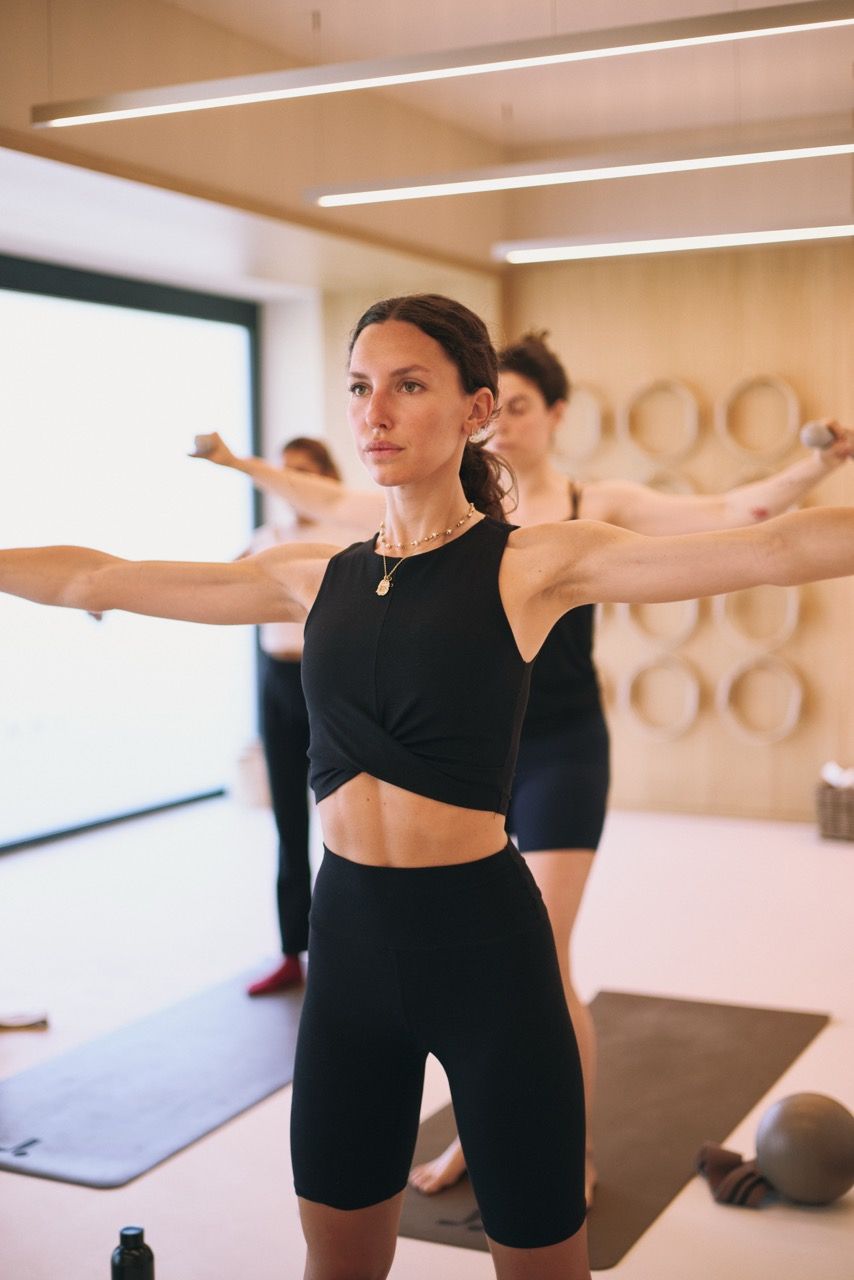
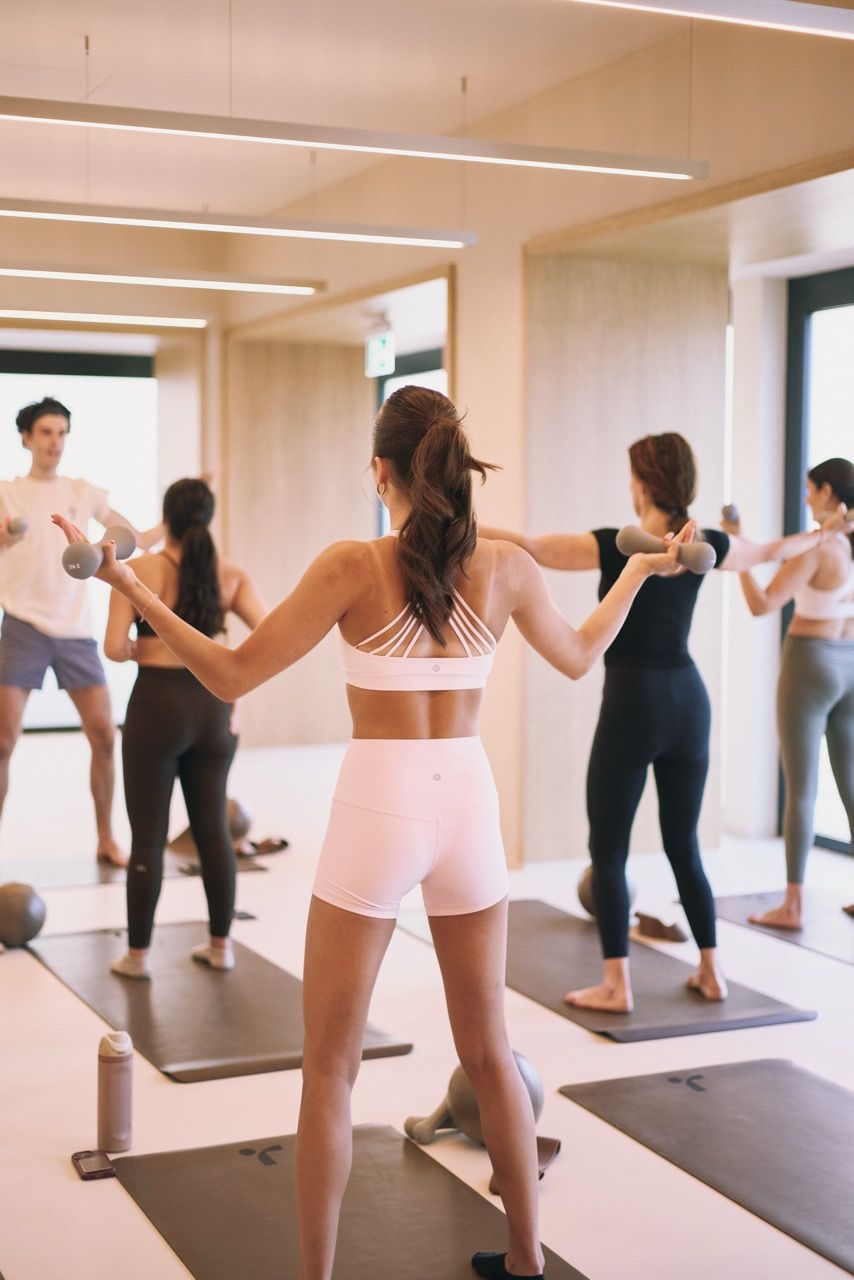
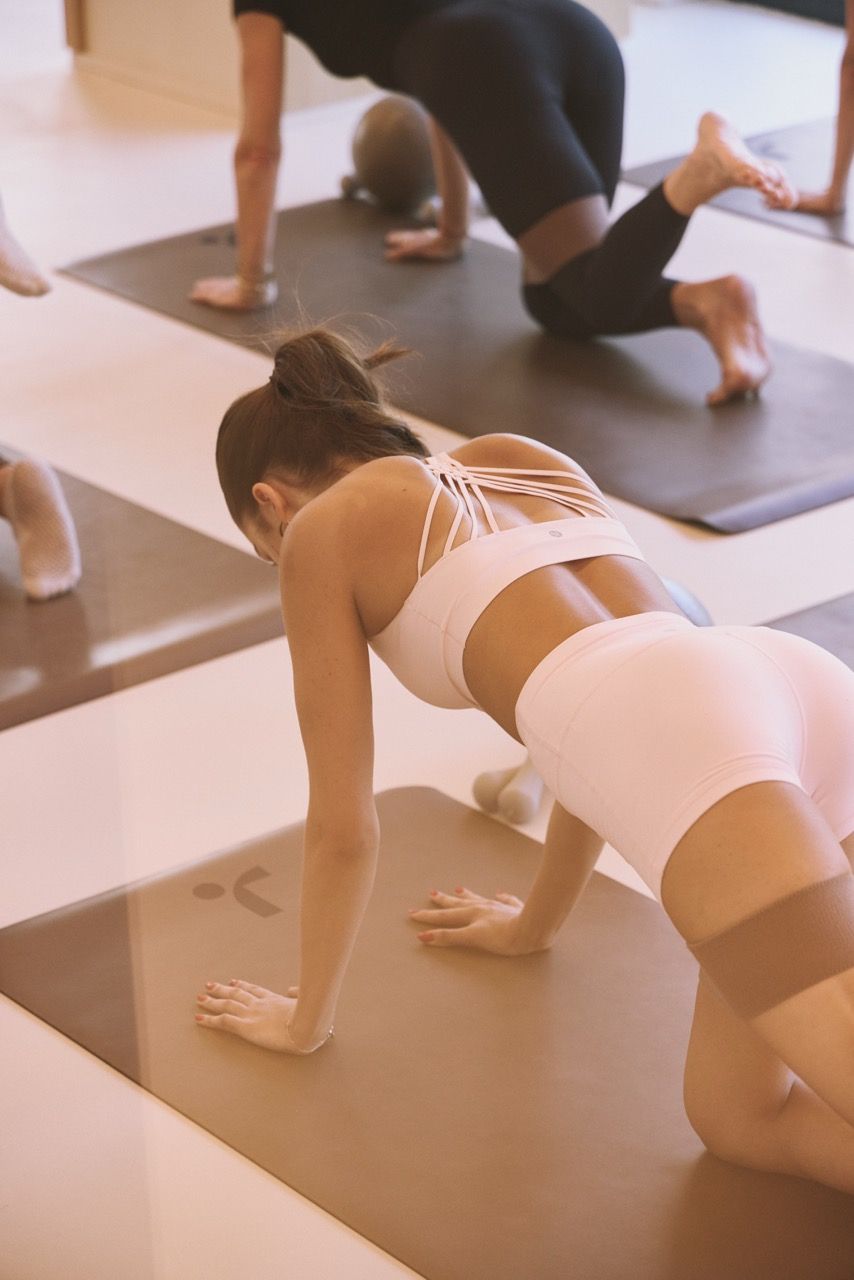
Absolutely. The idea of the third place has inspired THRIOM from the beginning. | think people are looking for places where they can simply be, without expectations. If someone walks through our doors and feels a little more at home, a little more connected and wants to come back, then we've achieved what we set out to create.
Today, what is the ultimate luxury: time, health or a sense of belonging?
For me, they all go hand in hand. Time gives us the opportunity to take care of our health, good health allows us to fully enjoy life, and a sense of belonging is what makes it all meaningful. | don't think you can separate one from the others. If I had to define luxury today, it would be having the space to nurture all three. In a world that often feels rushed, having the time to care for yourself, feeling healthy and feeling part of something bigger is incredibly valuable.
