




What you missed at the 2026 Menstrual Cycle Festival in Milan Our talk, but also a whole lot of other things
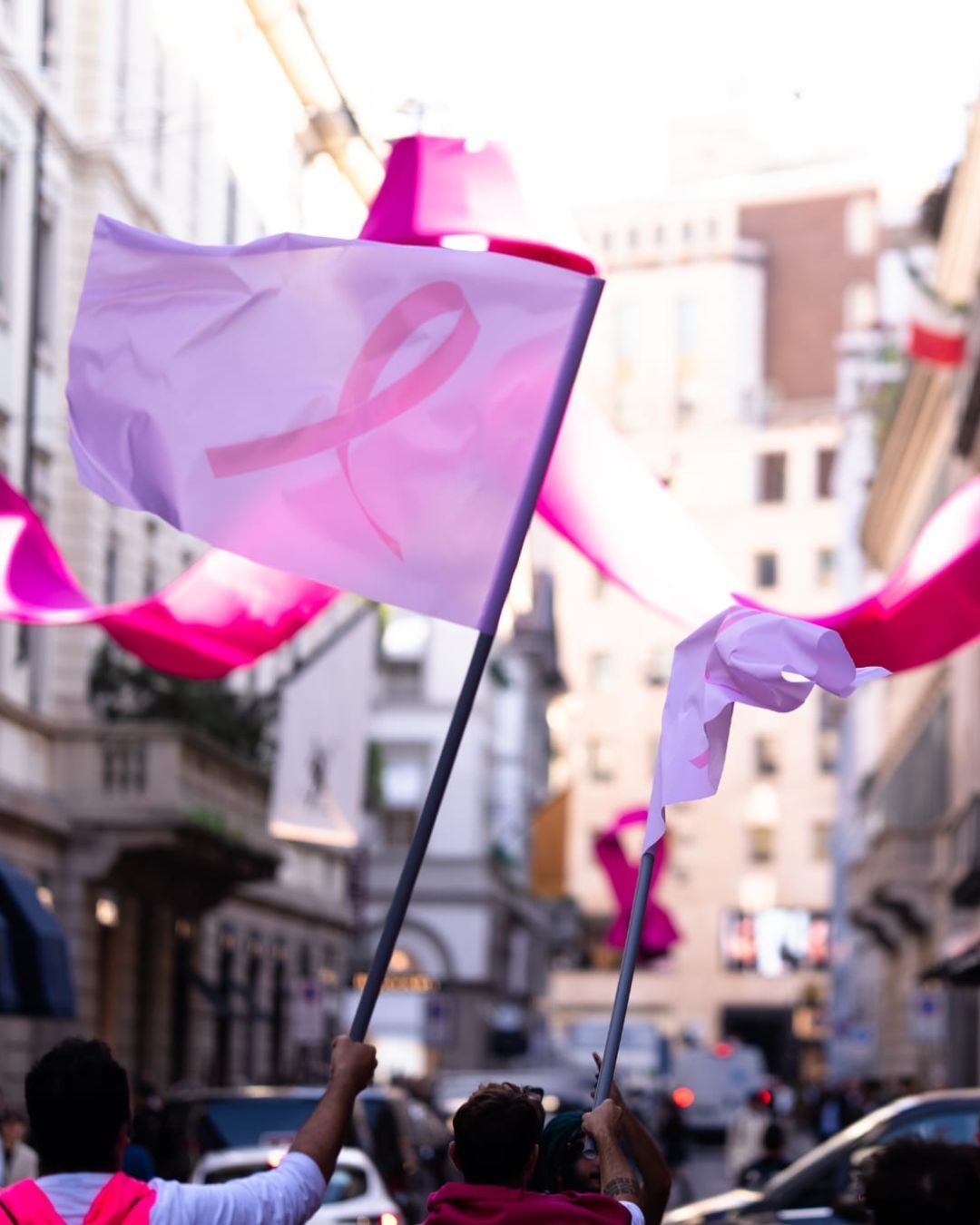
This year, nss G-Club partnered as media partner with the Festival del Ciclo Mestruale, a format now in its fifth edition that takes place every spring in Milan, hosted at Rob de Matt and organized by Eva in Rosso. This year’s edition ran from May 22 to 24, featuring a rich and varied program from 12 PM to 8 PM every day. Talks, workshops, debates, performances, dances and singing sessions, moments of community and sharing, DJ sets, and theatrical performances alternated throughout the festival. This year’s theme? Echo: a voice spreading outward, and therefore communication itself, alongside the importance of using the right words when discussing topics such as menstrual and reproductive health, the right to motherhood, pain, contemporary fatherhood, and much more.
The Festival del Ciclo Mestruale and nss G-Club Together to Discuss How We Talk About Menstruation
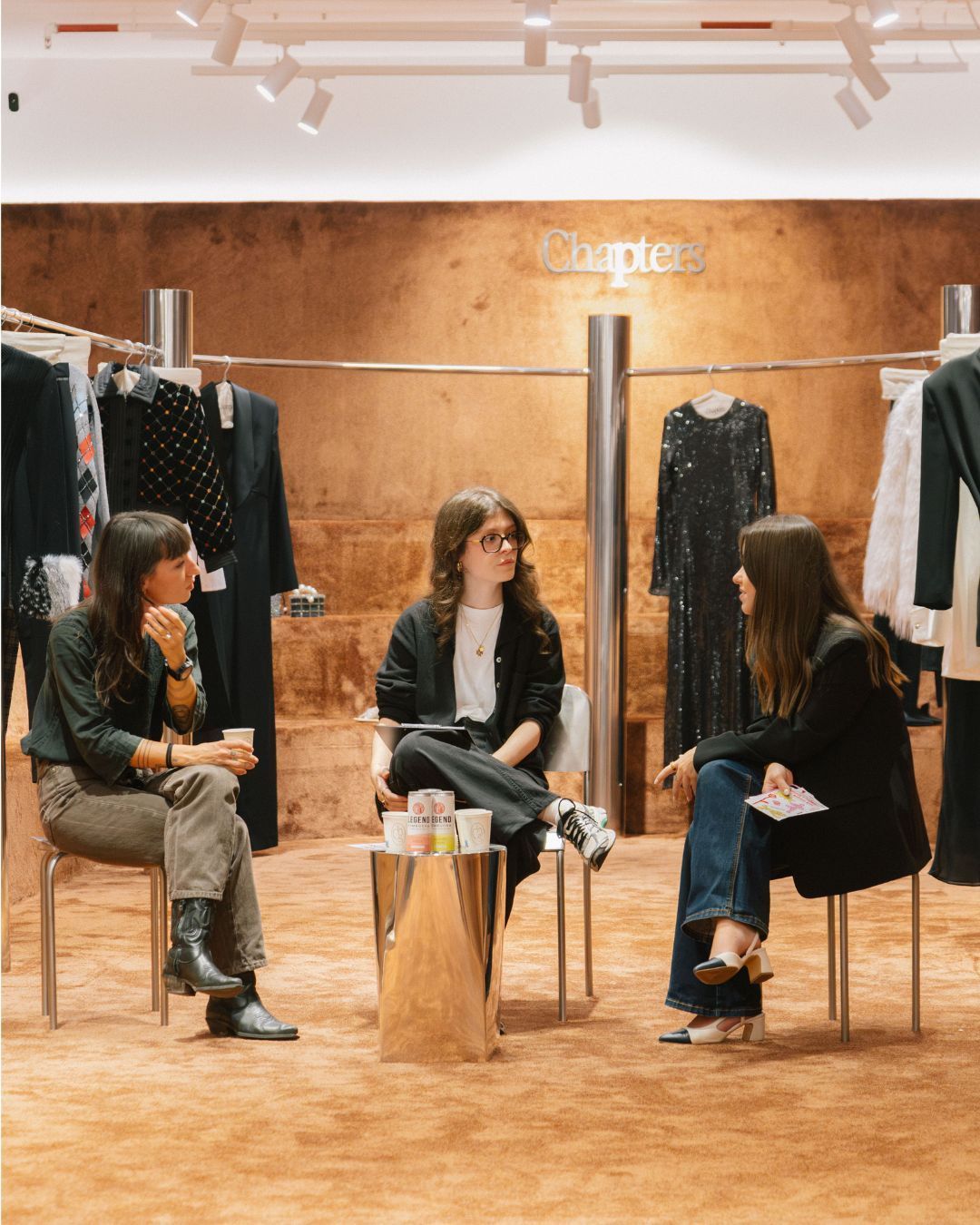
Beyond a dedicated social and web editorial project created together with the festival organizers, focused on answering “taboo” questions about managing blood and sex during menstruation, our contribution culminated in a talk that closed this year’s edition. Joining moderators Mariachiara Tirinzoni (researcher, speaker, and Eva in Rosso member), Rebecca Tempestini (clinical psychologist and sex therapist), and Priscilla Lucifora (journalist and editorial manager at nss G-Club) were also Ginevra Bonina (photo reporter), Donatella Fiacchino (psychologist and clinical sexologist), content creator Sally Saccarola, Francesca Nava, representative of Italy Needs Sex Education, and Beppe Salmetti, author and speaker.
Together, they discussed the different ways menstruation is communicated, tackling complex themes such as engaging younger generations, misinformation spreading through social media, education within schools and families, how to talk about menstruation with men, and how periods affect everyone who menstruates, both mentally and physically, as well as those who do not menstruate but interact daily with people who do. The conclusion, open-ended and enriched by contributions from the audience, was simple yet challenging: an invitation to embrace complexity, to hybridize communication methods, and to fight shame, embarrassment, misinformation, and taboos from every angle and through every possible tool, but always with the right words.
What to read next
#ChangeTheCompliment: the Dove e Parole O_Stiles initiative that invites us to change the way we compliment little girls
We are not only 'beautiful', but creative, courageous, intelligent and much more, we just don't hear it very often
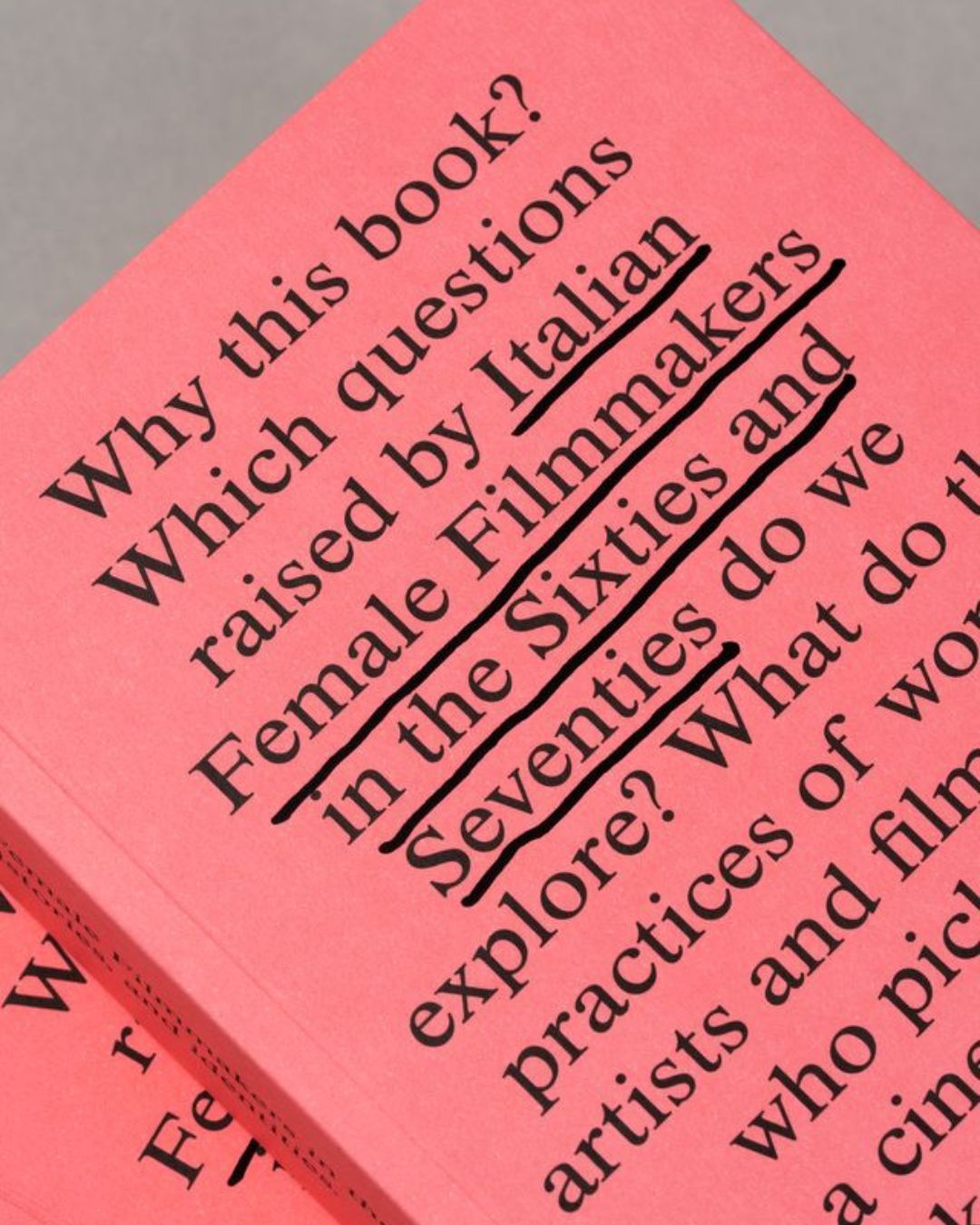
Fondazione In Between Art Film presents a volume dedicated to the pioneers of cinema and video in Italy
With a focus on film, documentary and video production by female artists and filmmakers active in Italy between the Sixties and Seventies