




























Today is International Menstrual Hygiene Day Did you know?
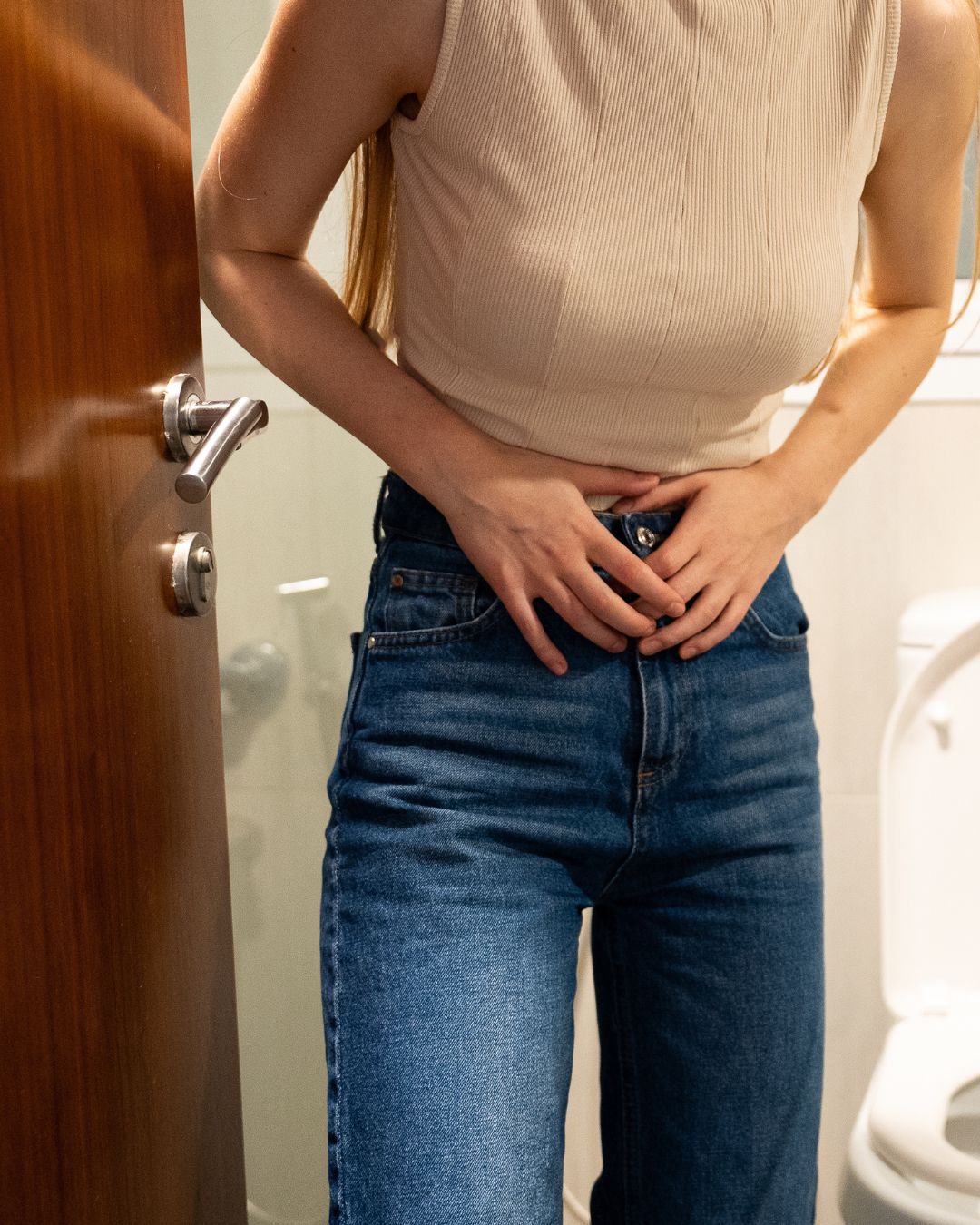
How many times can a normal day suddenly turn stressful because of your period while you’re out of the house? An important meeting, a university class, a long-awaited trip or even just a quick errand: it only takes a moment for managing your period to become a very real and recurring issue.
The International Menstrual Hygiene Day with Initial
On the occasion of International Menstrual Hygiene Day on May 28, Initial, a leading company in hygiene and wellbeing services outside the home, surveyed its community about unexpected situations related to managing periods while away from home. The insight that emerged is clear: for many women, menstrual discomfort is still an everyday experience. According to the research, nearly 9 out of 10 women have experienced at least one unexpected period-related emergency while outside the home. And these are far from isolated incidents: only 10% said they had experienced this kind of situation just once in their life, while 43% reported two or three episodes, and the majority of respondents (47%) remembered more than three, confirming how recurring the issue actually is.
Unexpected period emergencies happen mostly in public spaces
Beyond frequency, the locations themselves clearly show how these situations are part of everyday life. Among the places where respondents experienced period-related emergencies, public spaces such as cinemas and shopping malls ranked highest, followed by offices, train stations, highway rest stops and airports while traveling. Schools and universities also proved to be critical spaces for respectively 39% and 35% of the sample. This scenario highlights how period-related discomfort can emerge anywhere and at any time of the day, affecting study, work and social relationships.
Female solidarity is still the first solution, but it shouldn’t have to be
The survey highlights one clear fact: 87% of respondents identified unexpected periods as the main cause of these emergencies, followed by forgetting pads or tampons (35%) and the lack of menstrual products available in bathrooms (39%). When these situations happen, female solidarity becomes the first resource. 70% of women said they asked a friend or colleague for help, while 63% improvised “creative” emergency solutions. Asking strangers for help, however, remains much harder: only 9% feel comfortable doing so, a sign that periods are still perceived as something limiting and that, despite younger generations speaking more openly about them, menstruation remains largely taboo.
Discomfort, embarrassment, stress, frustration and anxiety are just some of the emotions respondents most frequently associated with these experiences. It’s therefore not surprising that many women concretely change their habits: 41% changed their plans after a menstrual emergency, 32% left the place they were in and 17% even avoided social interactions to reduce the risk of another unexpected situation. These experiences often leave a long-term impact too: 82% now always carry period products with them, while 5% even avoid going out when they fear they could end up in uncomfortable situations. The solution? Making menstrual products available everywhere, in every bathroom.
What to read next

#ChangeTheCompliment: the Dove e Parole O_Stiles initiative that invites us to change the way we compliment little girls
We are not only 'beautiful', but creative, courageous, intelligent and much more, we just don't hear it very often
Is mycotherapy the new wellness ritual?
Medicinal mushrooms are said to improve everything from concentration to sleep. However, not everything that comes from the forest is miraculous

Let's not let the post-vacation blues get us down
How to navigate the return from vacation with awareness and ease