“With makeup, I'm looking for something that's real.” Interview with make-up artist Clarissa Carbone
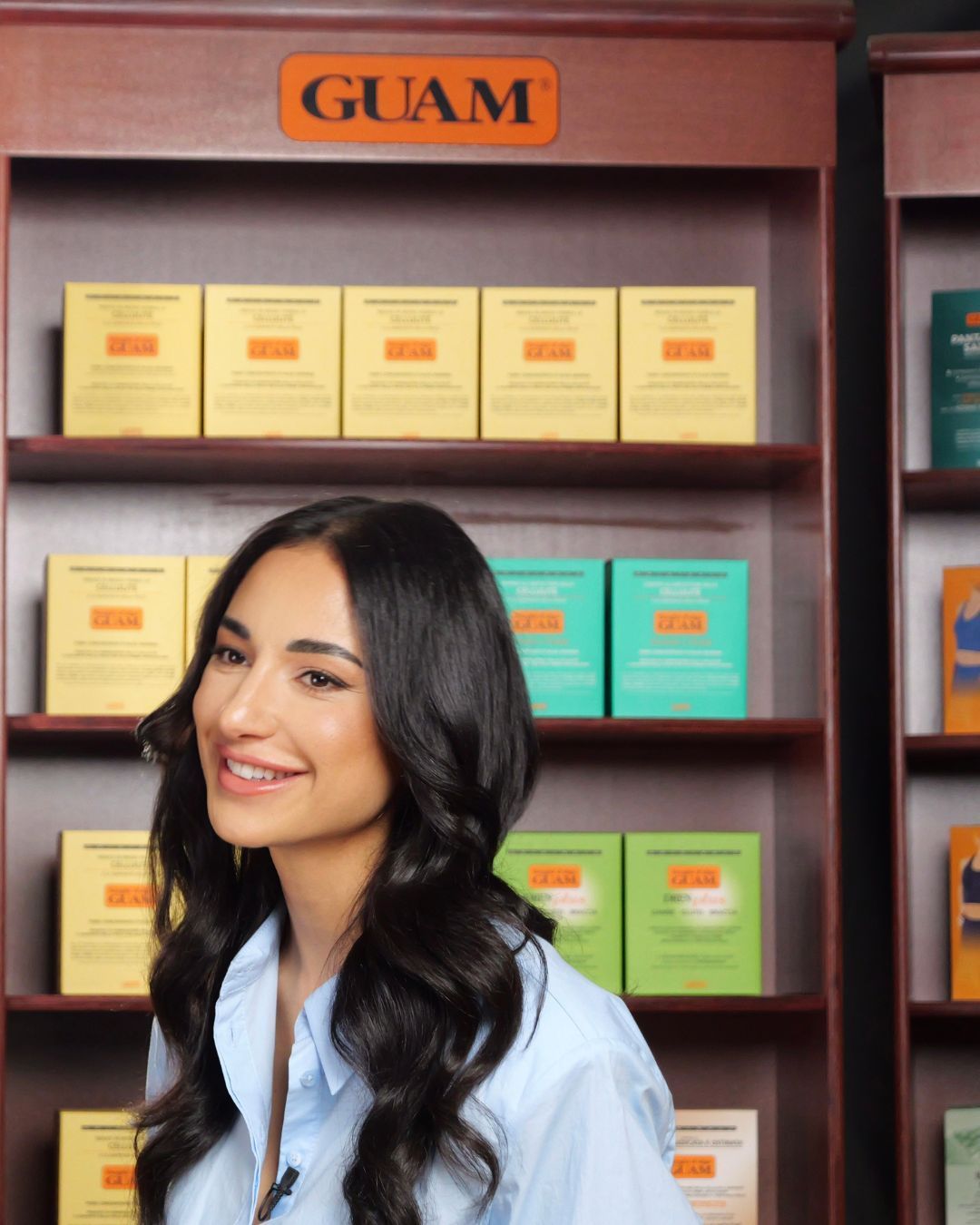
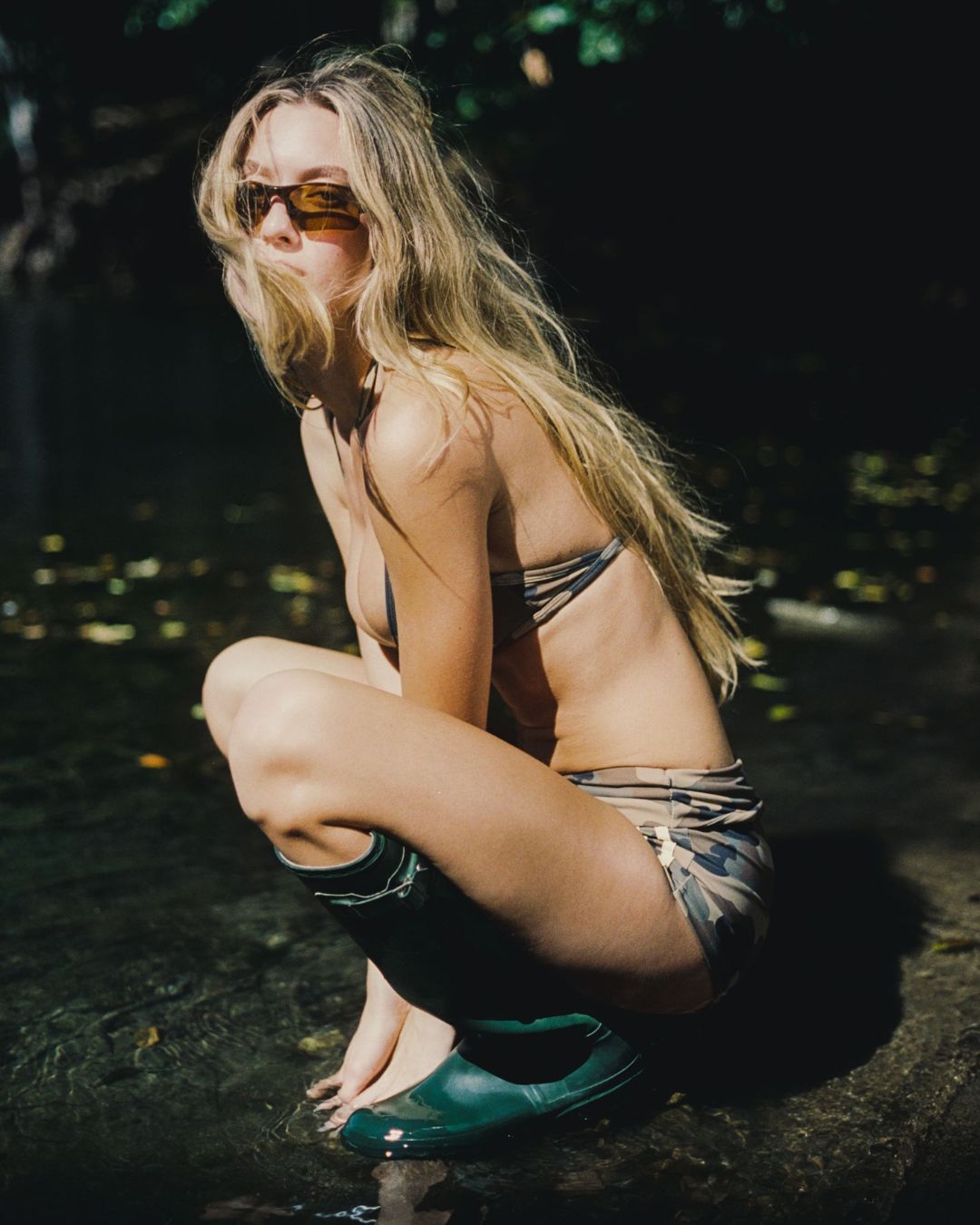
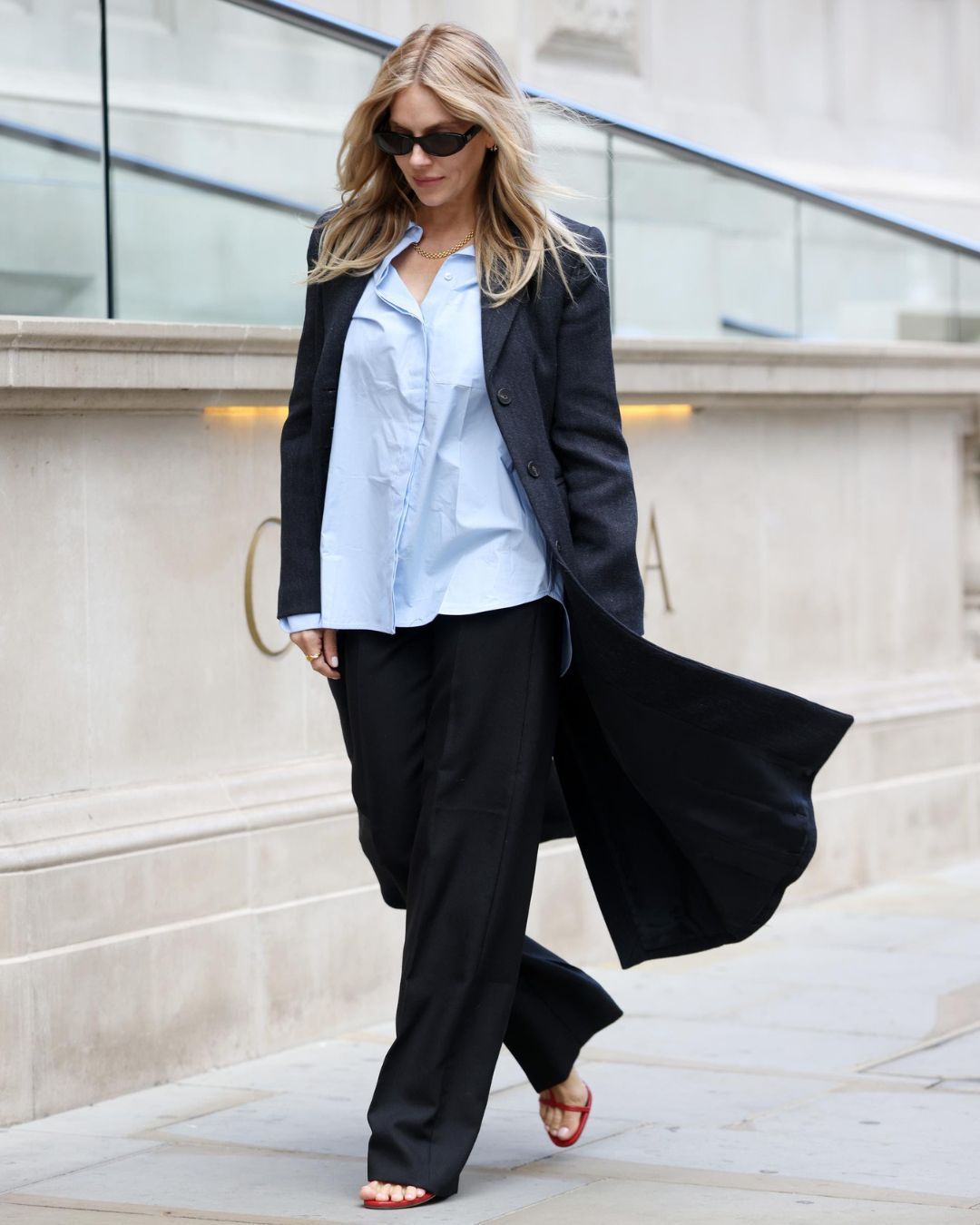
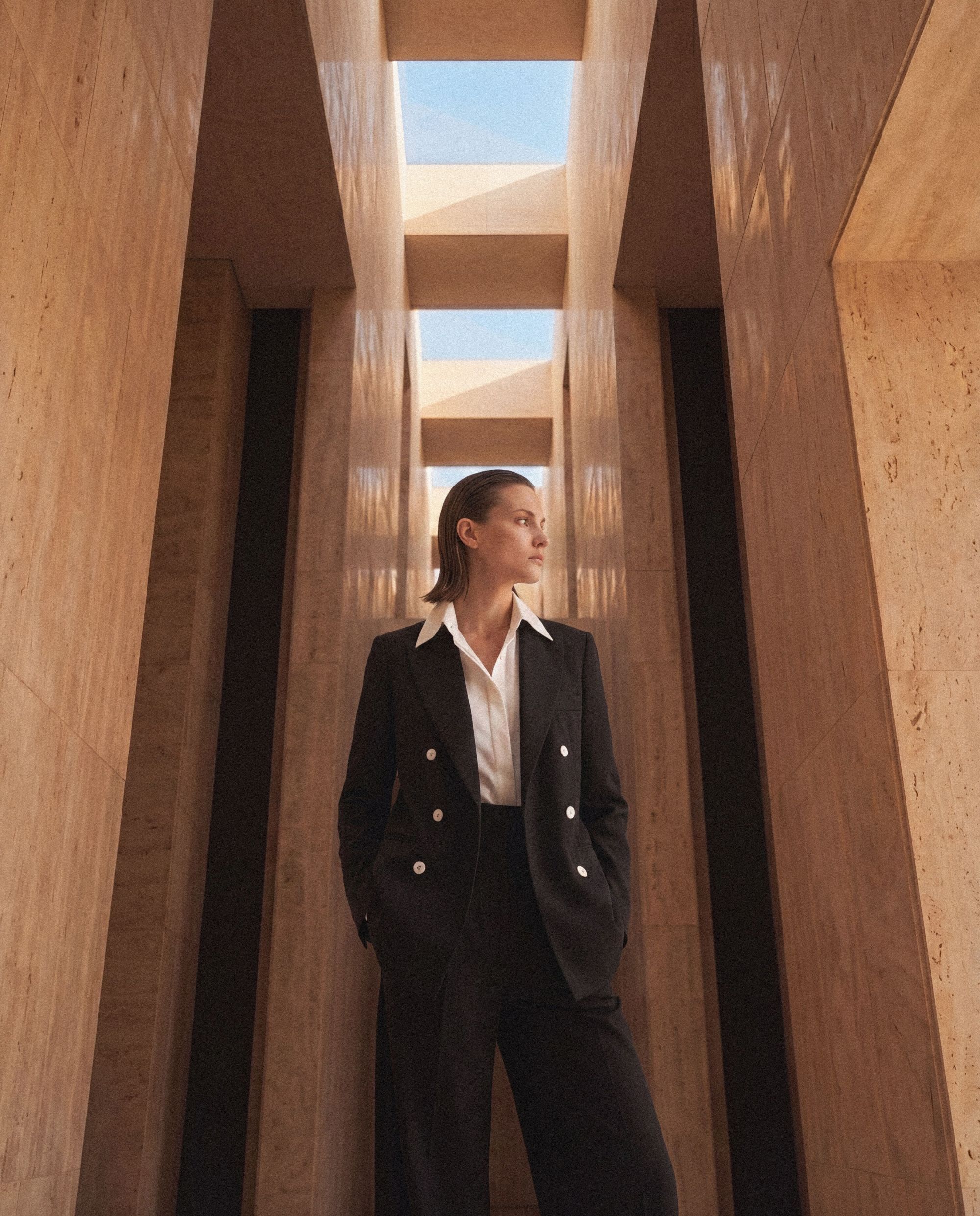
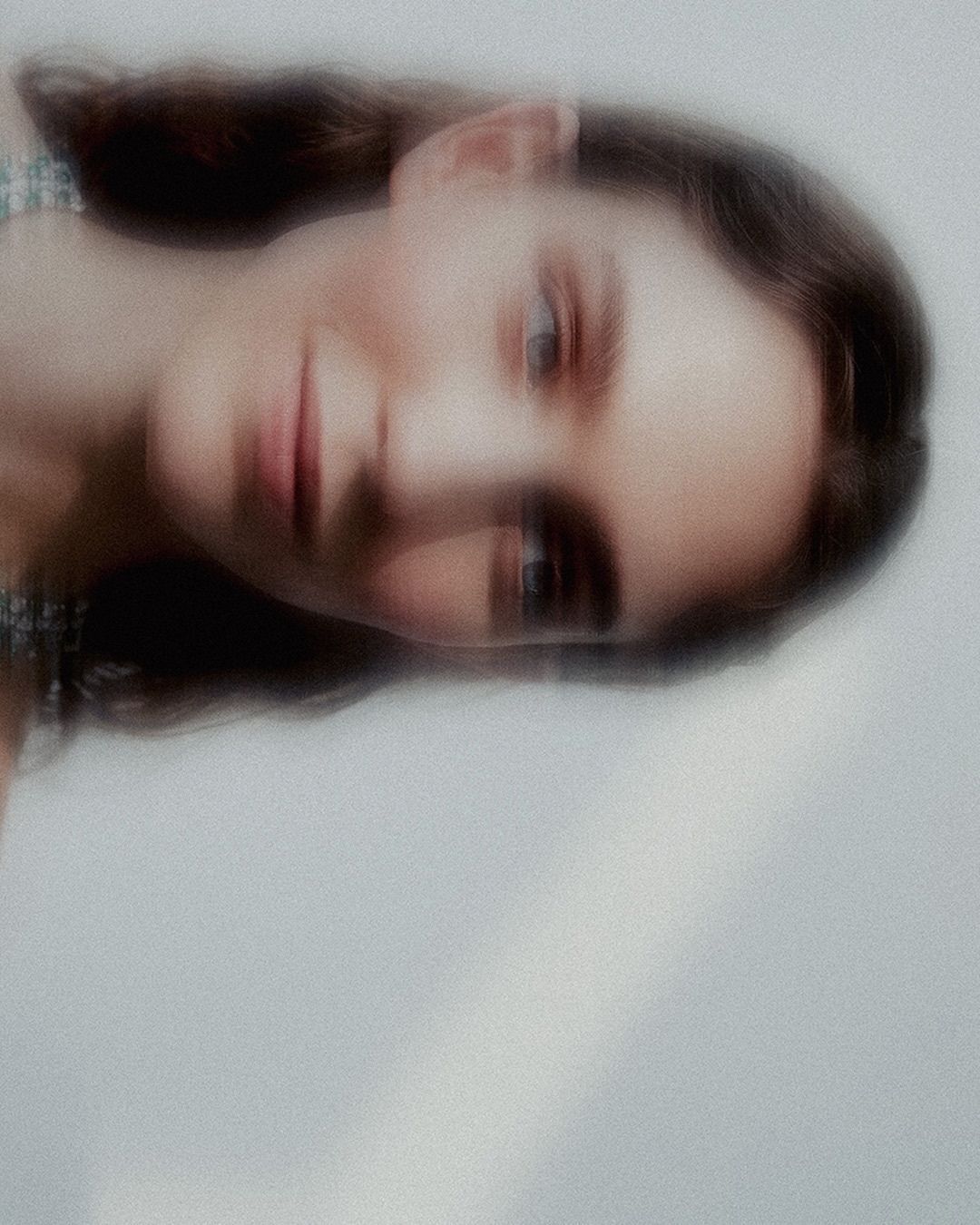
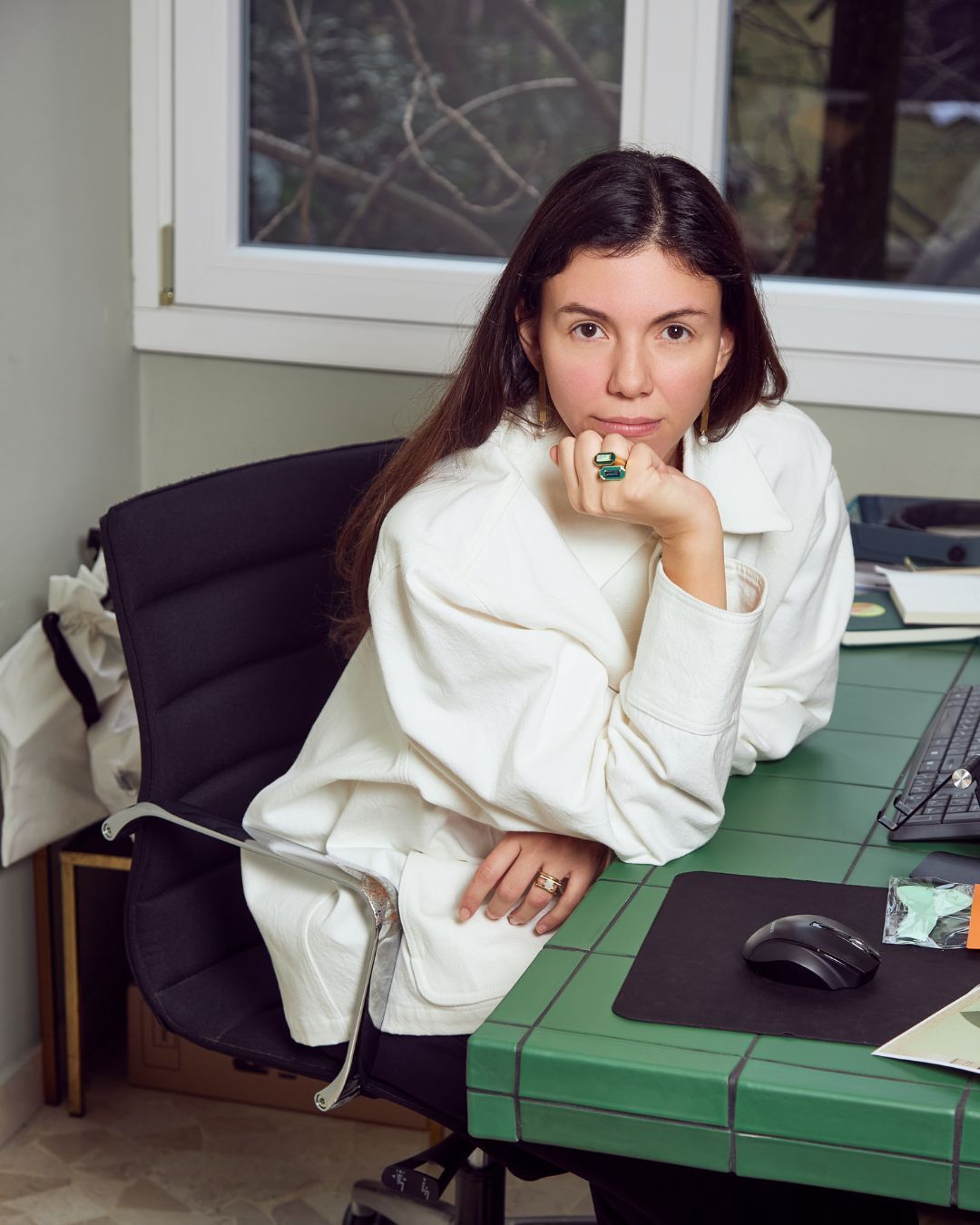
"I'm Clarissa Carbone and I'm a make-up artist." In our work of scouting make-up artists and people who work in the world of beauty in various capacities (and with a particular eye on Italy) our next protagonist could only be her, between fashion shows and shootings, in search of the truth. "I started this journey following a passion that, over the years, has been transformed into a job. Today I work with the world of fashion but what continues to excite me is the possibility of upsetting, rewriting your own rules. For me, make-up is not only an aesthetic result but a tool for transformation and trust."
Interview with make-up artist Clarissa Carbone
How would you define your visual style in three words?
Essential. Intuitive. Direct. I like to start with the person or the idea depending on the context in front of me and build something that seems natural even when it is very creative. That it fits perfectly with everything else.
Where does your passion for make-up come from?
As a child, I was the one who observed the details. They still are today. The colors, the textures, the way in which the light completely changed a face. At 14, my first boyfriend at that time maniacally collected all the editorials of Vogue Italia, cutting them out and cataloguing them in the binders in chronological order. This allowed me to appreciate and observe those photos for a long time, I understood that make-up was not only aesthetics, it was a language and that one day I would like to have my own.
What do we find in your reference baggage?
A bit of everything. 90s photography by Steven Maisel and Annie Leibovitz, Tim Burton's cinema, Galliano's fashion shows but also real life, like the always red and perfect nails of my Mother that I watched as a child, the women I met during a trip to Tanzania who used Baobab seeds as lipstick. The best references often don't come from make-up.
Make-up is often associated with an idea of traditional, performative beauty. How do you approach it? Are you looking for beauty or are you looking for something else?
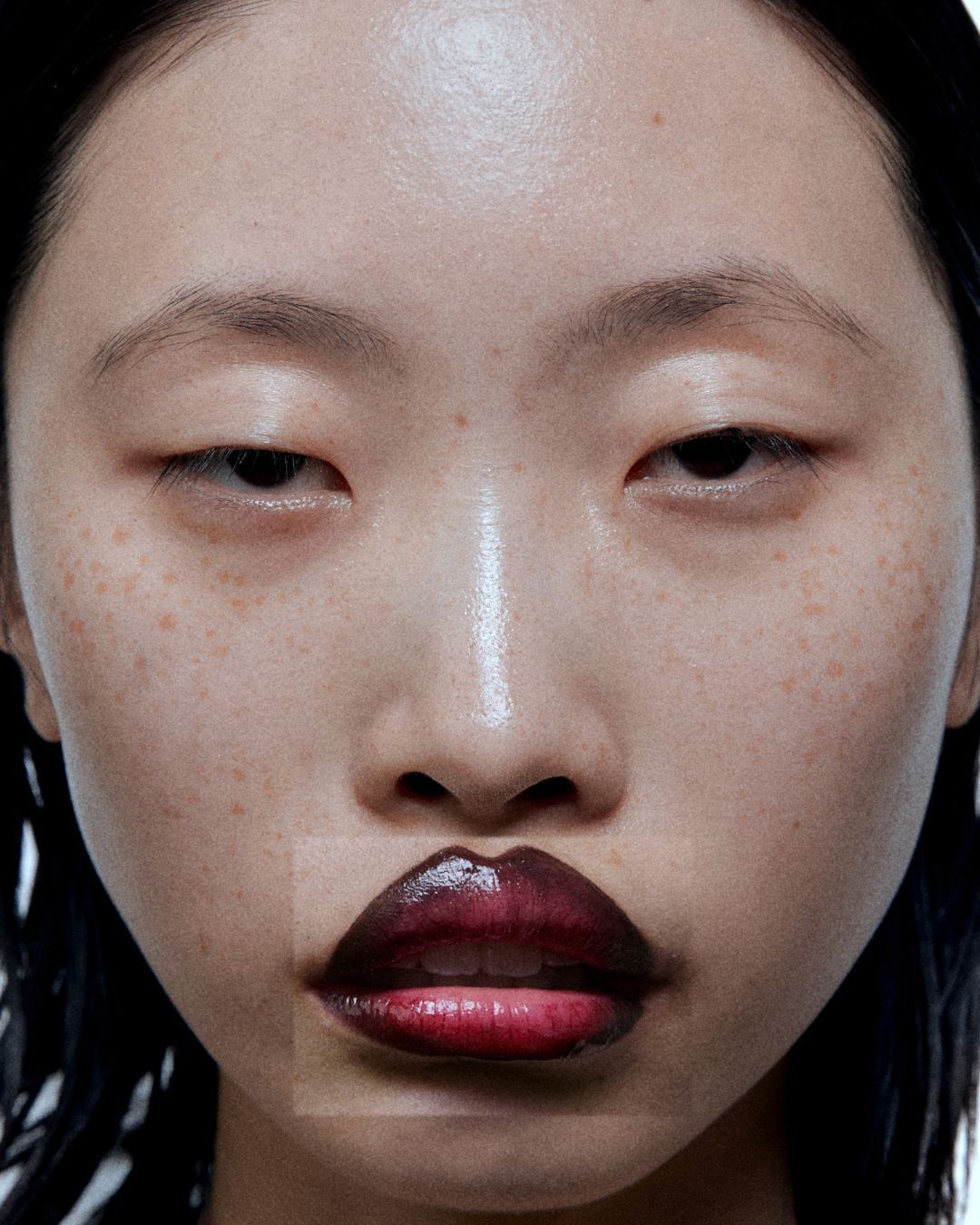
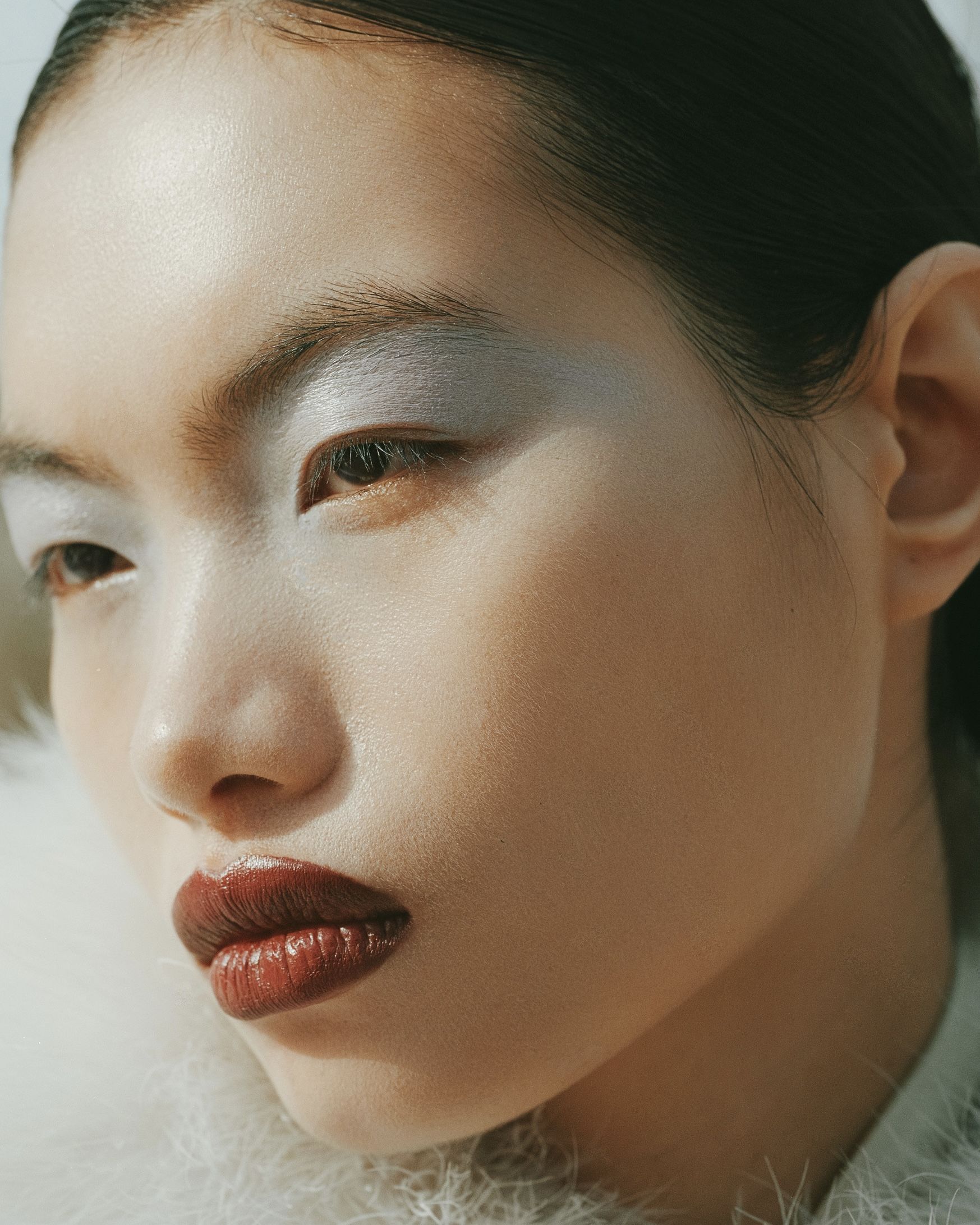
I'm looking for something that's true. Beauty interests me when it has character, when it tells a personality and not when it pursues a perfect ideal. Sometimes it's enough to emphasize a detail, other times it's enough to completely break the mold. Make-up, for me, does not serve to hide but to amplify.
In an ideal world where anything is possible, who would you like to work and collaborate with?
With people who have a strong vision, regardless of the industry. If I think of a person, I would definitely say Pat McGrath. She is one of the figures that have most influenced my way of seeing make-up. Actually, I was already lucky enough to witness her backstage at a fashion show and it was one of those experiences that remind you why you chose this profession. If, on the other hand, I think of a collaboration in a broader sense, my dream is to become Creative Director of a make-up brand. I have always been fascinated by everything behind a product: from the formulation to the textures, from the colors to the packaging, to the way in which it is told. If I had to choose a brand, I would say Byredo or Gucci Beauty.
What does it mean to enhance someone with makeup? What does it mean to tell a story with makeup? Where do these two elements meet, if they do?
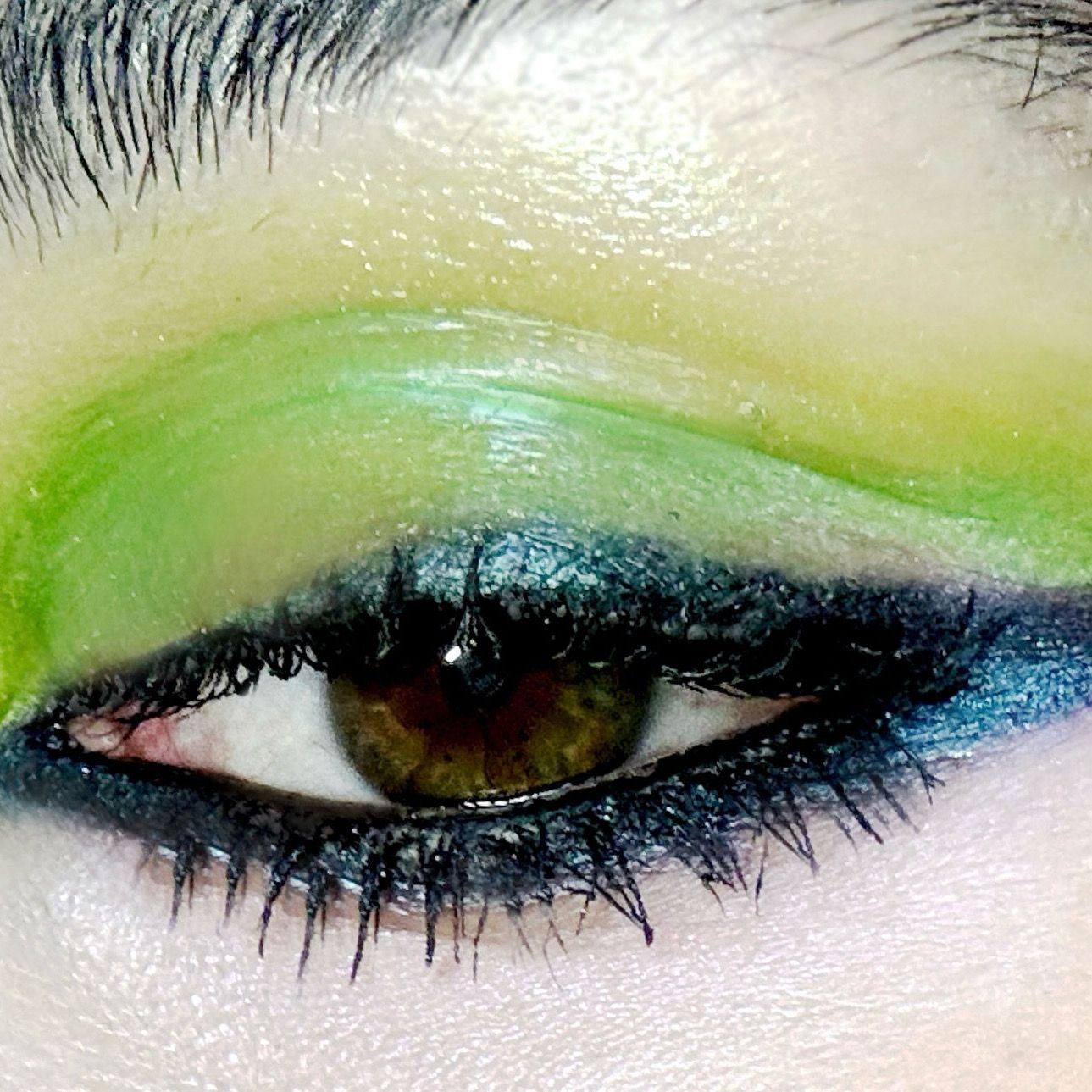
In my opinion, they meet much more often than you think. Valuing someone does not mean making them different, but bringing out something that maybe even he hadn't noticed. To tell a story is to do the same thing, only with an extra creative intention. In both cases, make-up works when it does not cover the person, but accompanies them.
How do you approach trends? Do you think they stimulate creativity or stifle it?
I watch them, but I don't chase them. Trends are useful because they tell the story of the moment we are living in, but they last very little. A bit like the friends you meet at a party: some you gladly greet them, others after five minutes you already want to go home. I like to understand why a trend is born, but I don't feel the need to follow it. I prefer to build something that I will still like in five years.
What does it mean to be creative today?
Today we are constantly exposed to perfect images and infinite inspirations. For me, being creative means having the courage to get bored every now and then. The real challenge is not to find ideas, but to understand which ones are really yours. If you consume images all day long, you end up repeating those of others. The best ideas, at least for me, come when I stop looking for them.
What would you recommend to a colleague who wants to work in the field?
To be curious more than perfect. The technique is studied and improved every day, but curiosity is what makes you really evolve. My father always told me: choose a job that you will love even on the most difficult days and you will always find joy. And then to learn to listen: a good make-up artist works with brushes, but above all with people.
What to read next
Miu Miu's commercial boom is coming to a halt
The rest of the Prada Group, however, is holding up well
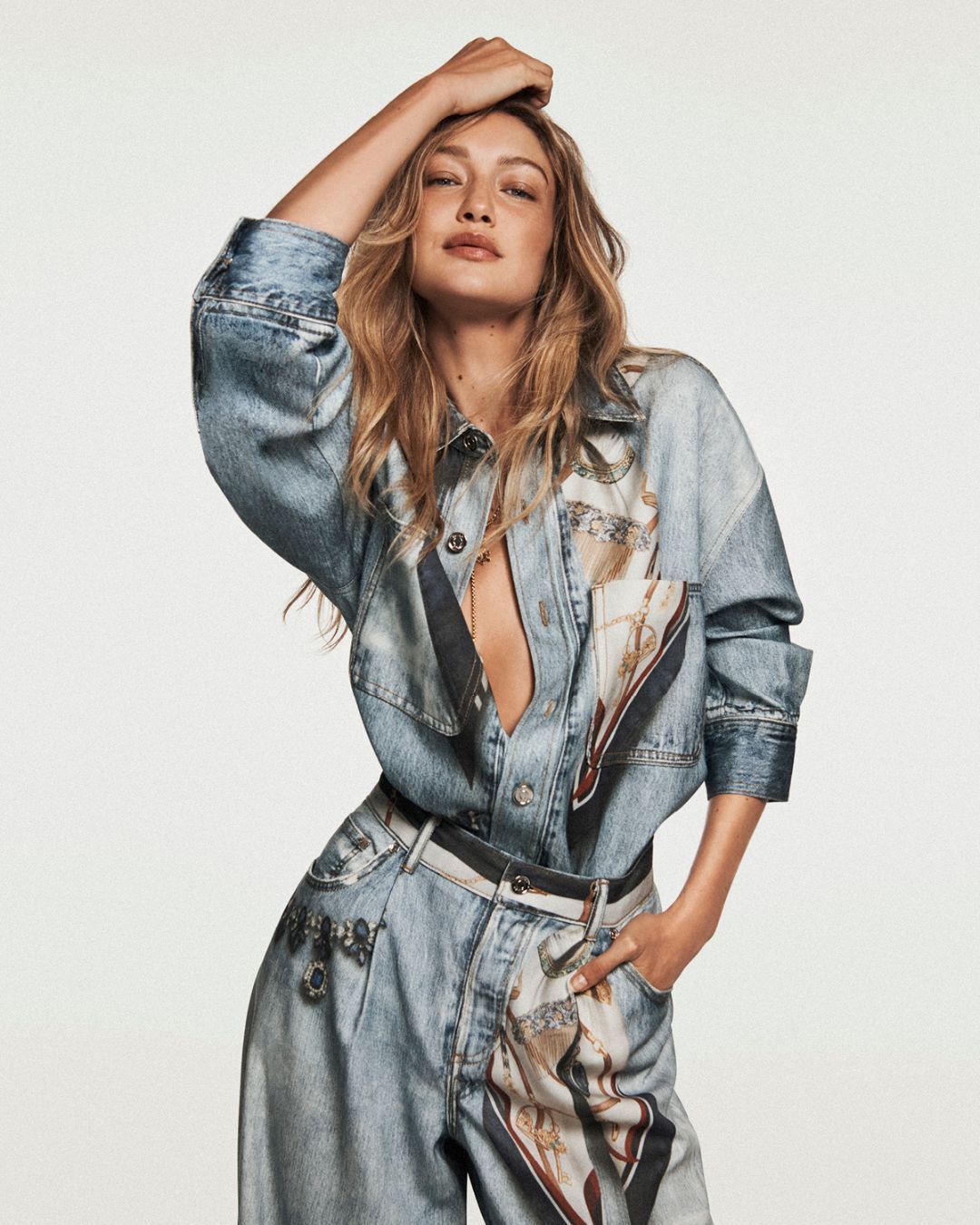
Liu Jo presents “The Gigi Hadid Edit”
The project that transforms selection into an identity gesture