





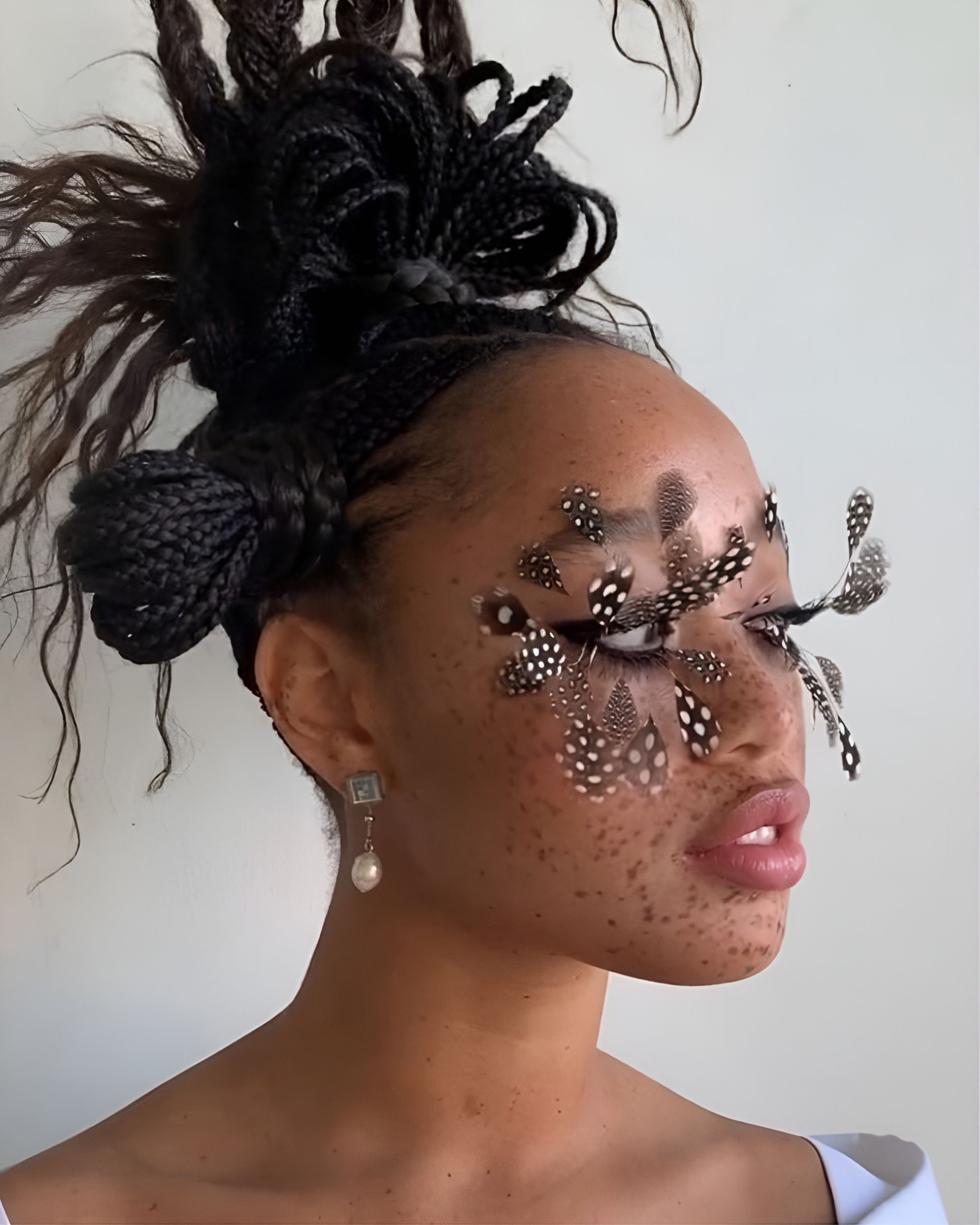
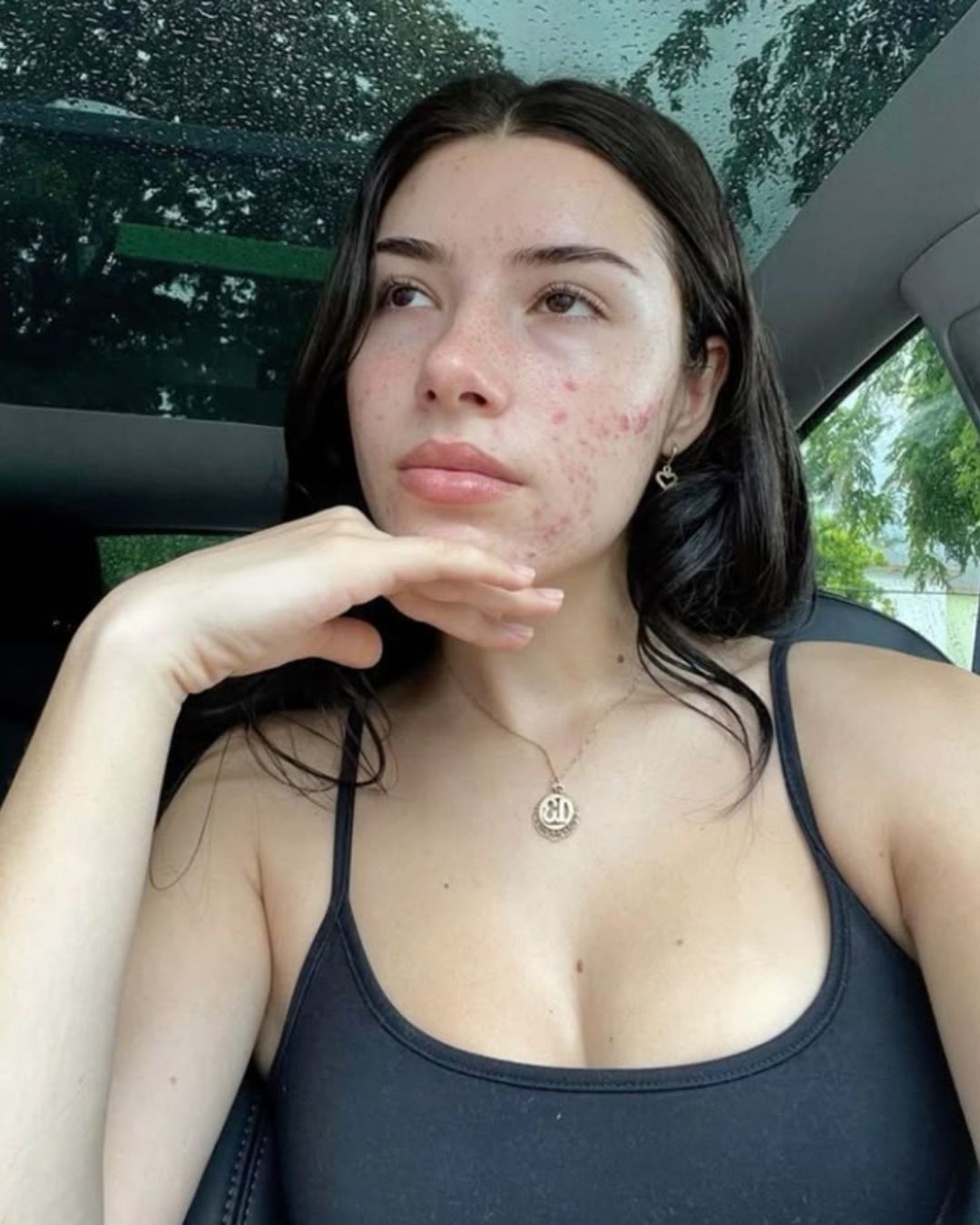
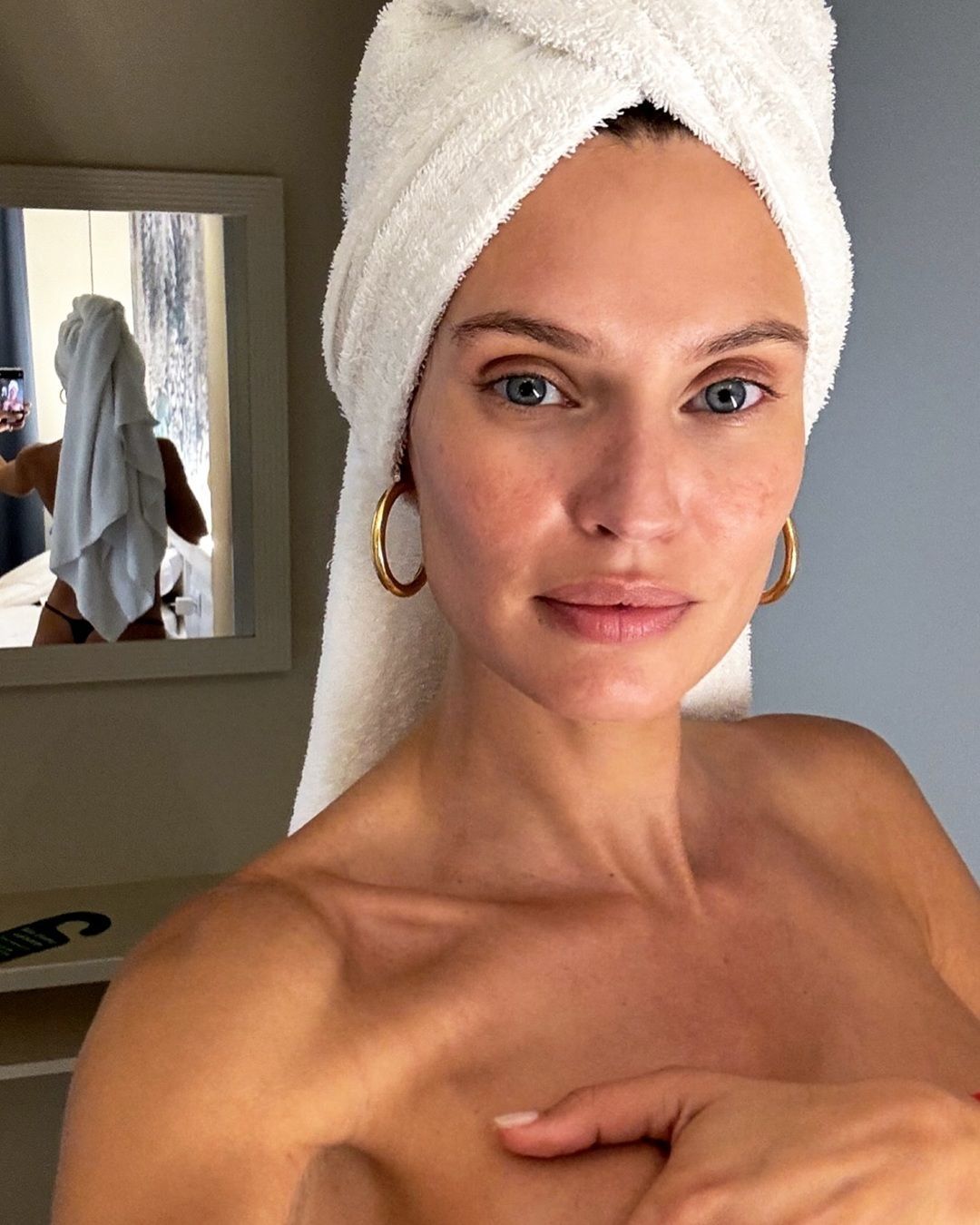










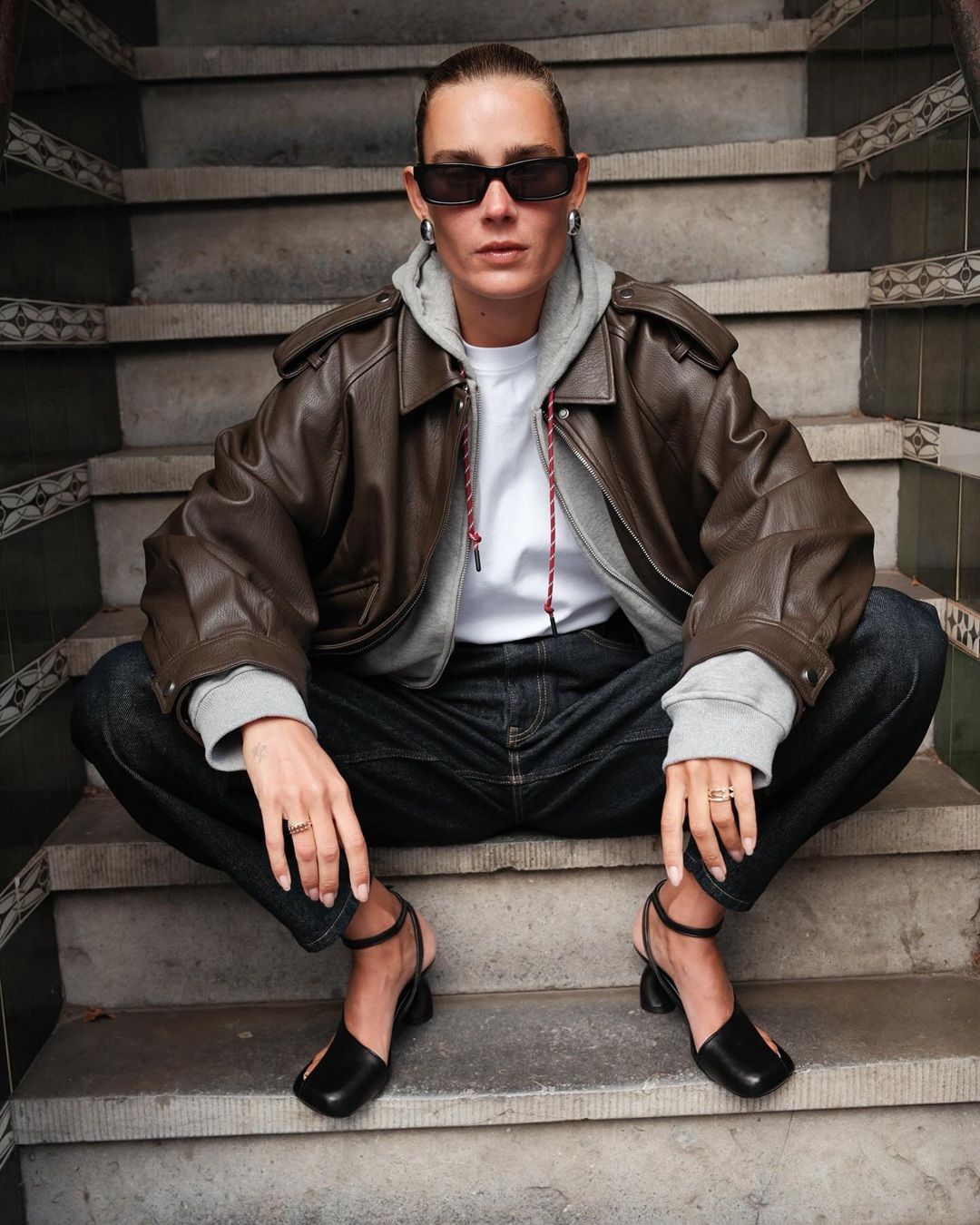
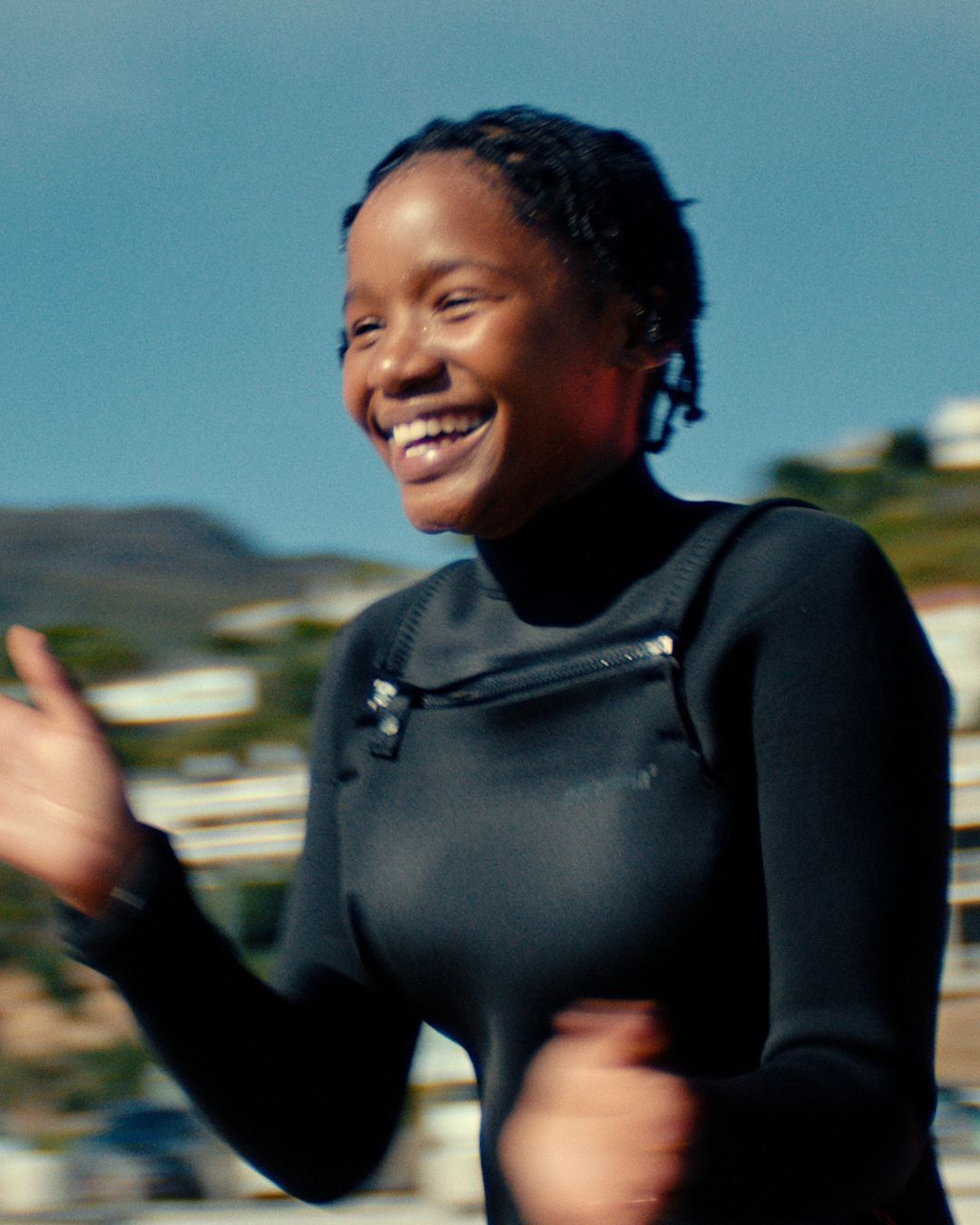


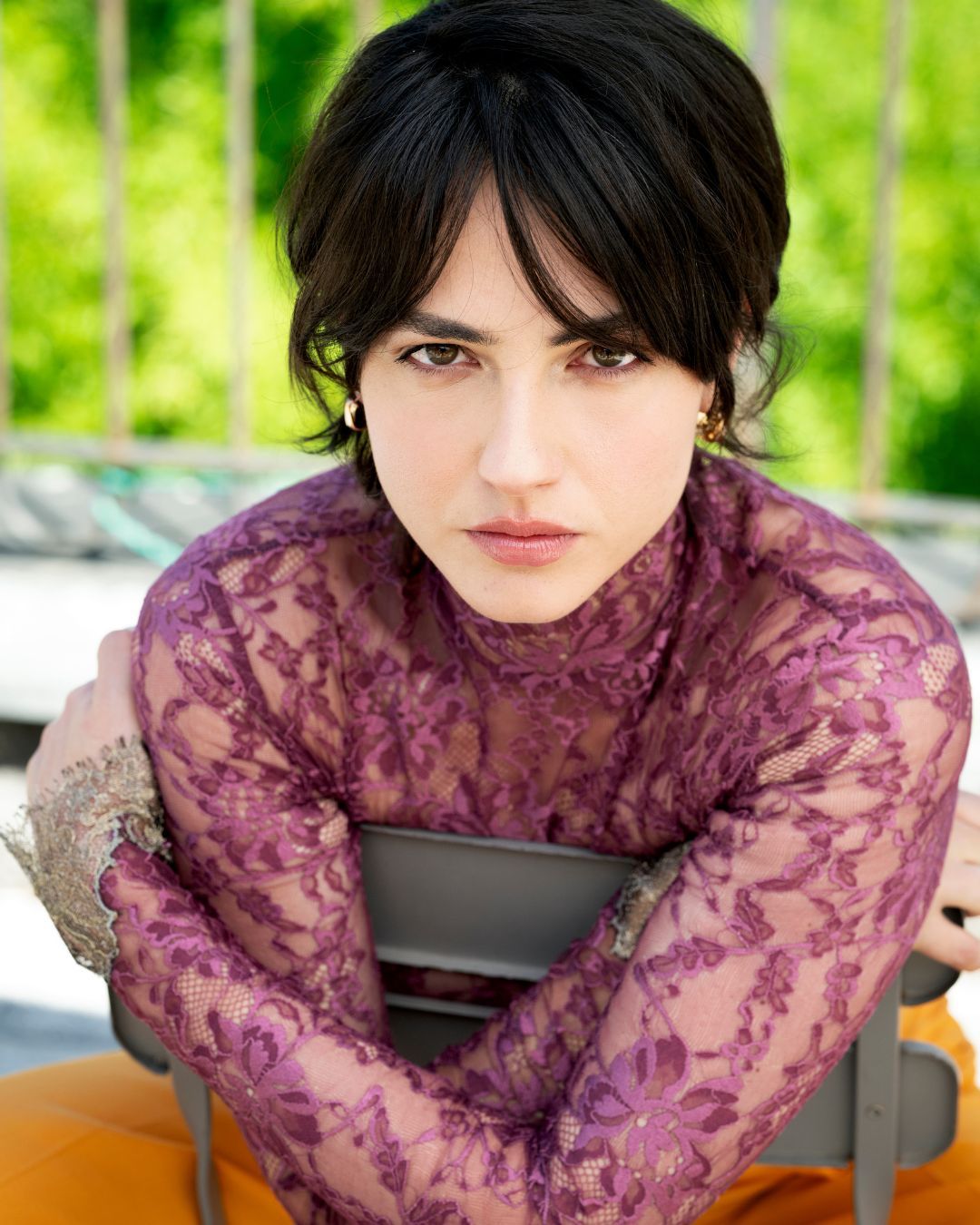

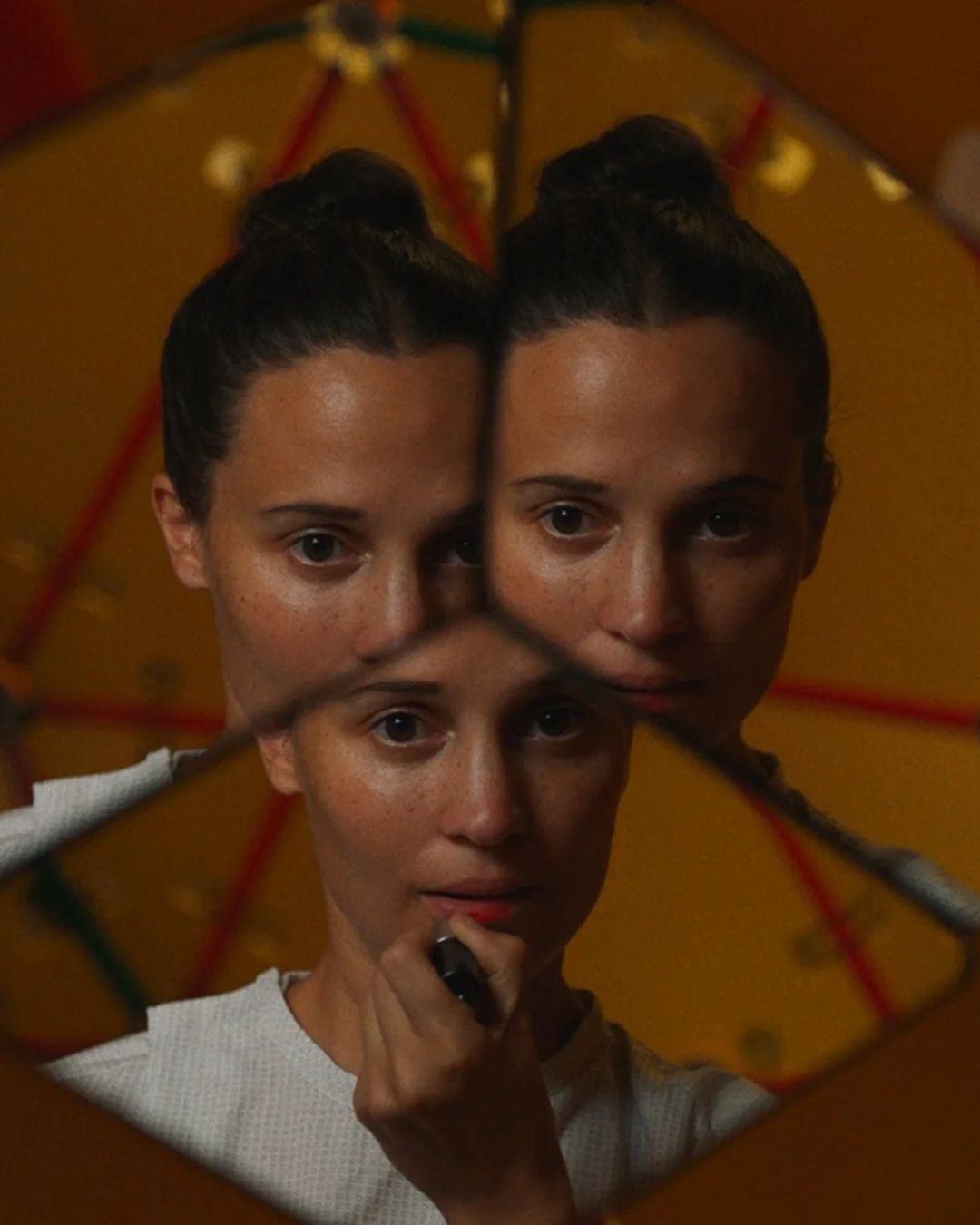
What is the face we see in the mirror? Our face has become the software we update most often, but we've never really seen it
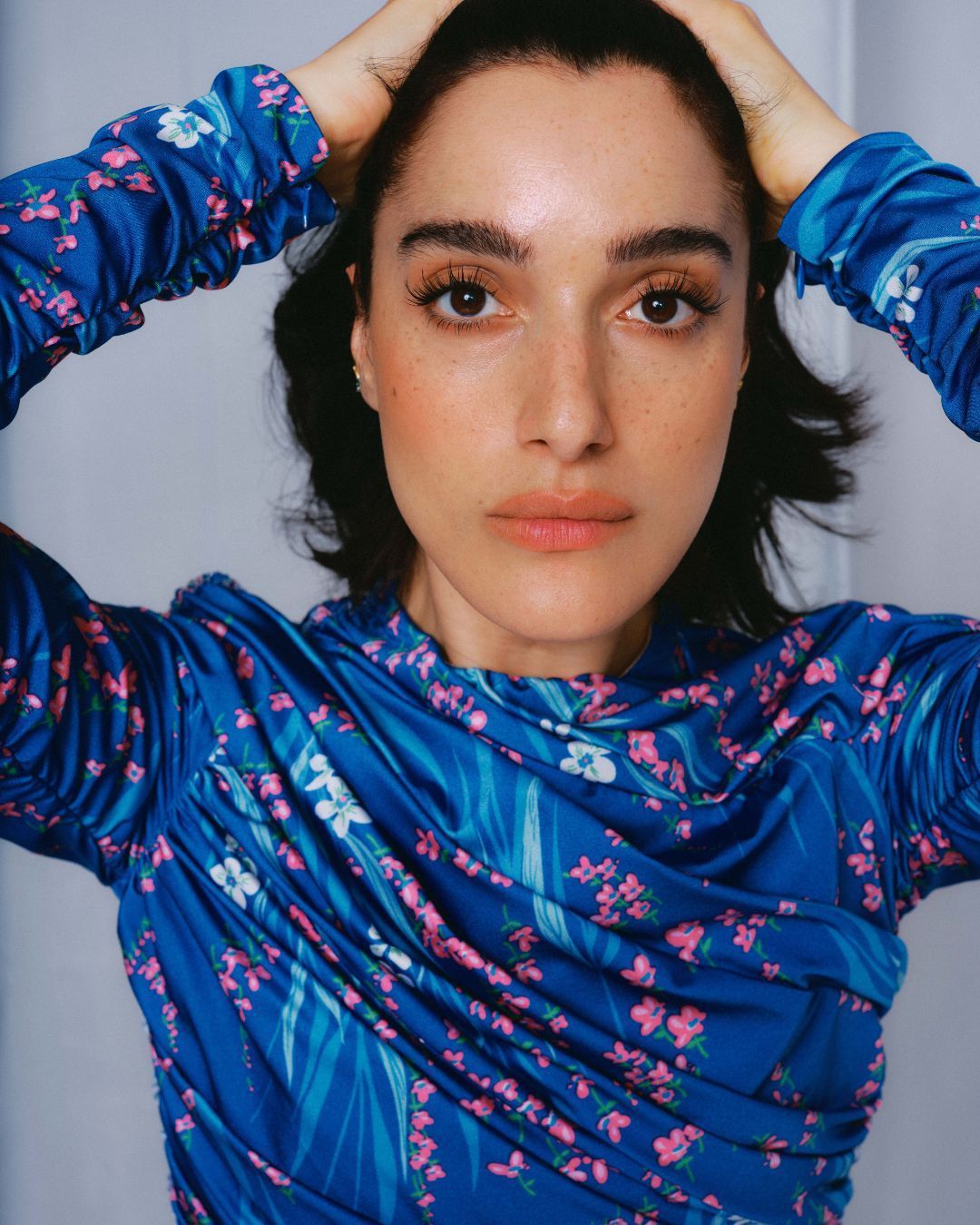
I look in the mirror. The gaze runs from one side of the face to the other. He quickly lingers between eyebrows that always seem different, a freckle I didn't remember, dark circles, a new wrinkle that, I swear, wasn't there yesterday. Check, compare, update. I wonder if this is really my face or if it's just a snapshot of an image that's constantly changing. The truth is that no one has ever seen their face. The mirror flips it over, the selfies and filters correct it, the photographs freeze for an instant, while the others see us from an angle that we will never experience. Even the memory we have of our face is a mental construction, continuously rewritten by memory, self-esteem and how we want to be perceived. The result? The person we think we know best is perhaps the one we have observed the least.
Our brain has been using Photoshop long before Adobe: the mental self-portrait
Instagram didn't invent the first filter. The brain invented it. Psychologists call it mental self-portrait, a kind of fanfiction that mixes memories, self-esteem and personality. It's the face we think we have, not what others see. And he is a profoundly liar. Science says so. If we perceive ourselves as brilliant, confident, desirable, we unwittingly imagine a face that is more open, more fascinating, almost more symmetrical. On the other hand, if we feel out of place, our mental image also contracts. It's like the brain is using an emotional beauty filter. Maybe that's why the photographs always seem wrong to us. Because they show a face that doesn't match the story we tell ourselves. Also because that story is continuously rewritten by screens, algorithms and aesthetic trends. In practice, we also refresh our face.
From face to interface
The philosopher Emmanuel Levinas argued that the face was the place of encounter with the other. Not something to interpret, but something that puts us in crisis. A face forces us to recognize that in front of us there is an irreducible person, never completely legible. Every contemporary technology, on the other hand, only wants to classify, predict, archive, improve. For Instagram, the face is a global aesthetic, recognizable as a Birkin or a limited-edition sneaker: high cheekbones, volumized lips, poreless skin, sculpted jaw, neutral expression. For algorithms, the face is a dataset. Emojis reduce thousands of possible expressions to a few dozen standardized smileys. AIs promise to recognize emotions from a microexpression. Facial recognition software decides if it's us before we can even say we are. It is the return of physiognomy, the one that pretended to read the soul from the features, only that today it has a much better interface.
Inhabit our face
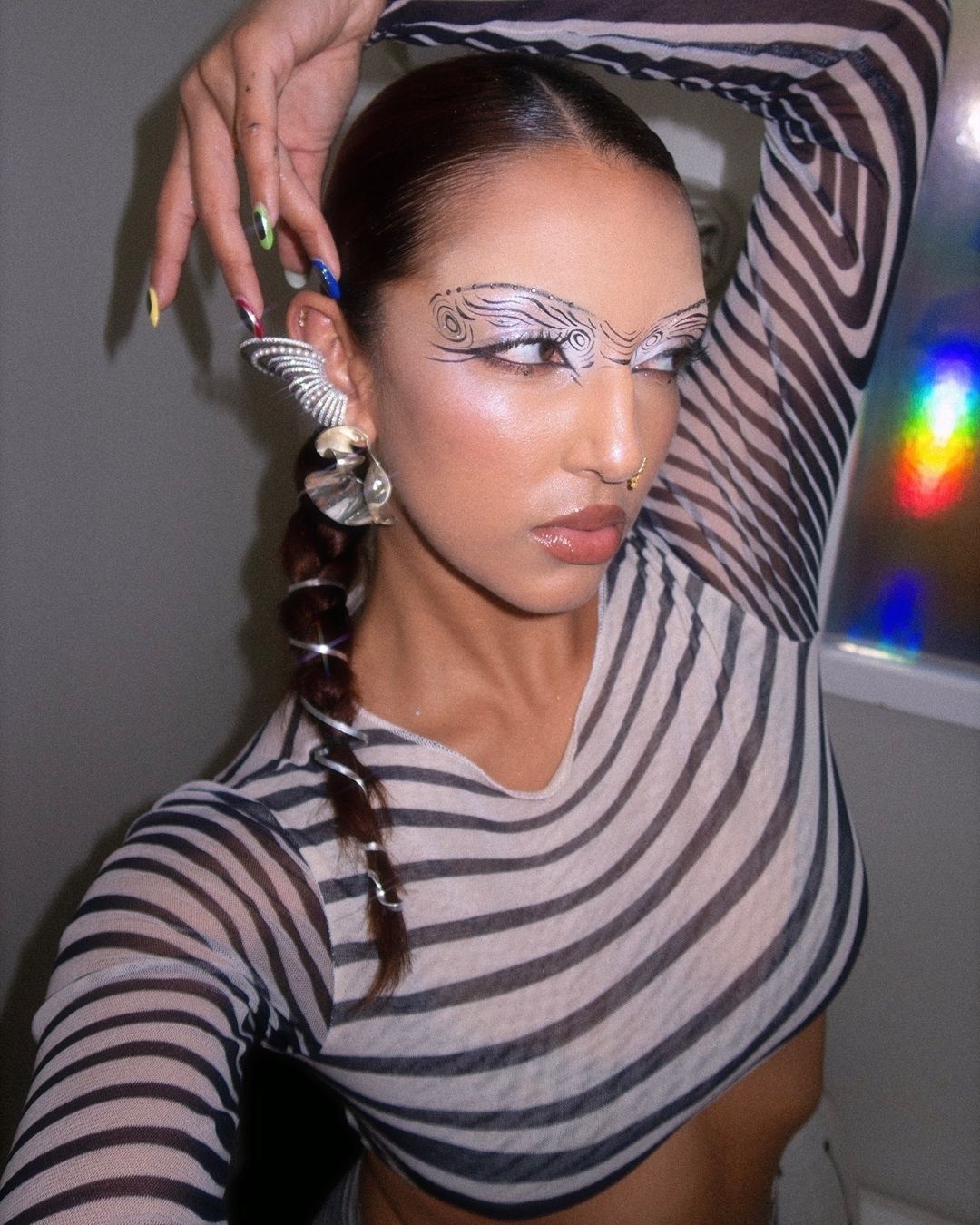
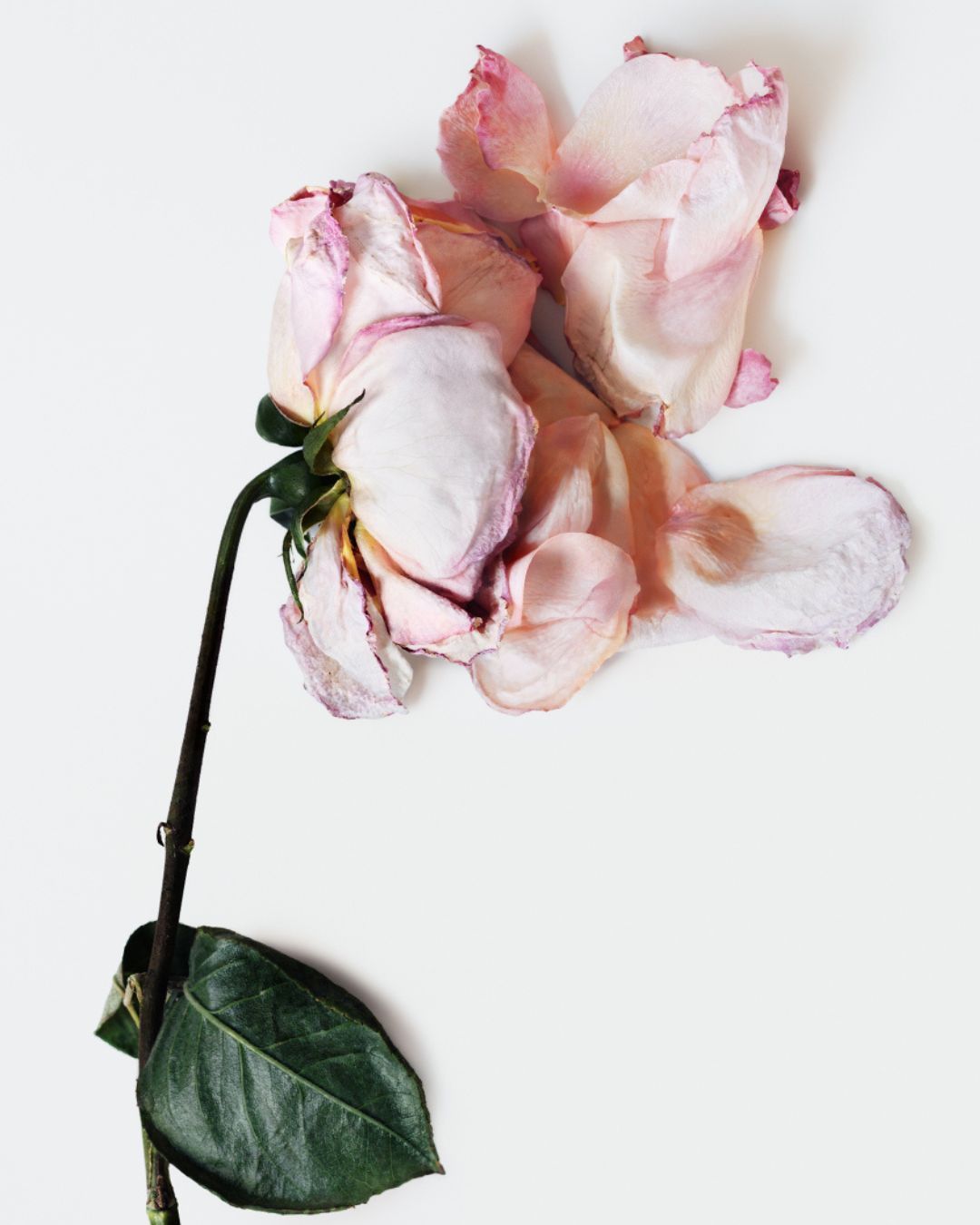
Maybe the problem isn't the fillers, the filters, the selfies. Nor do we change our face. We've always done it. Makeup, hairstyles, beards, masks, portraits, surgery... every era has rewritten the human face according to its own aesthetic codes. The mistake is to look at us like the platforms do. Looking for symmetry instead of presence, performance instead of expression, optimization instead of identity. We have forgotten that the face is not something to see. It's something that happens. It changes every time we experience an emotion, we meet someone, we cross time. It blushes. He gets tired. Change expression in the middle of the sentence. It reveals emotions that we didn't intend to show. He says things before words. To continue to be desperately alive while we, with the obstinacy of those who update an app every three days, continue to search for the definitive version of something that, fortunately, will never be definitive.