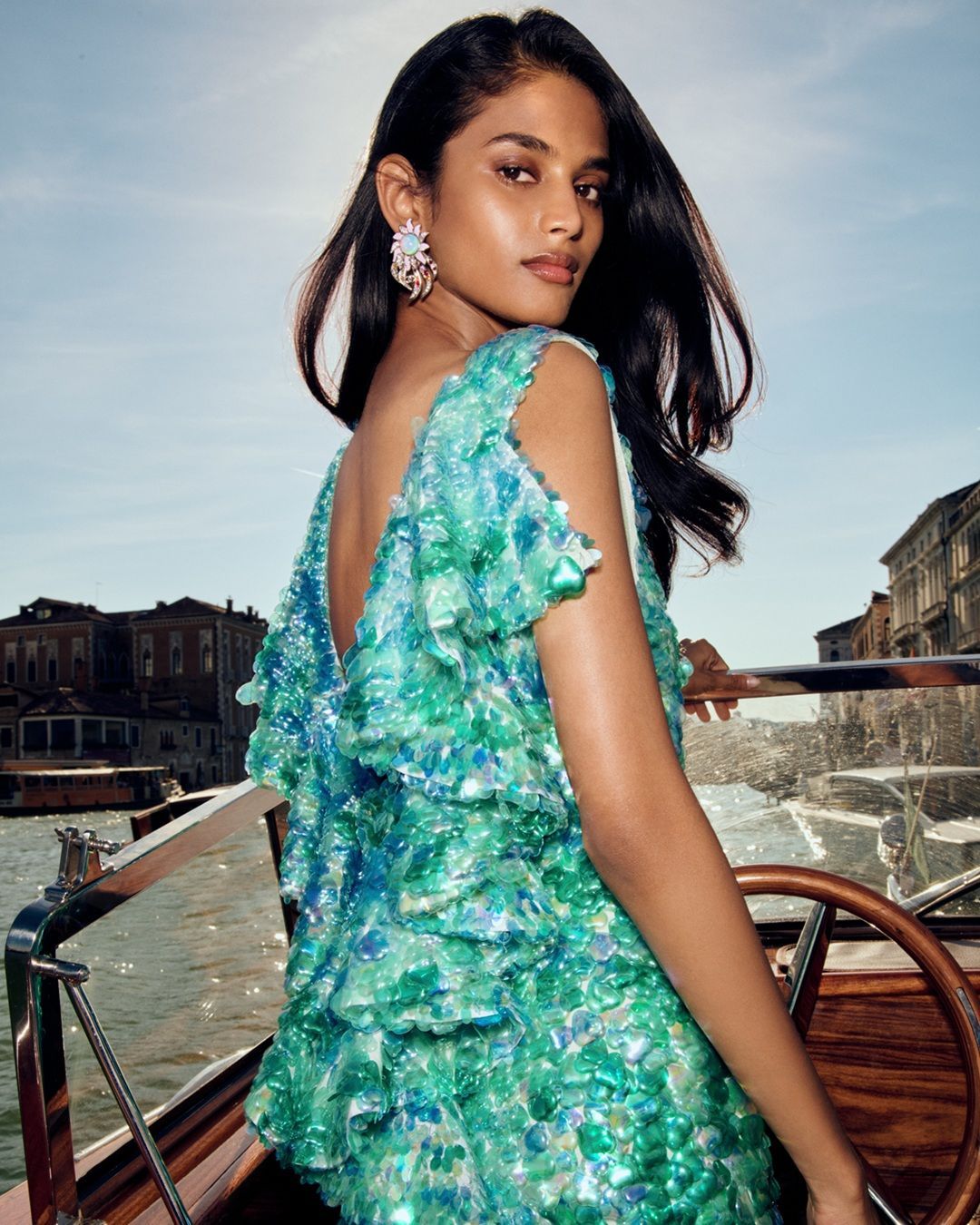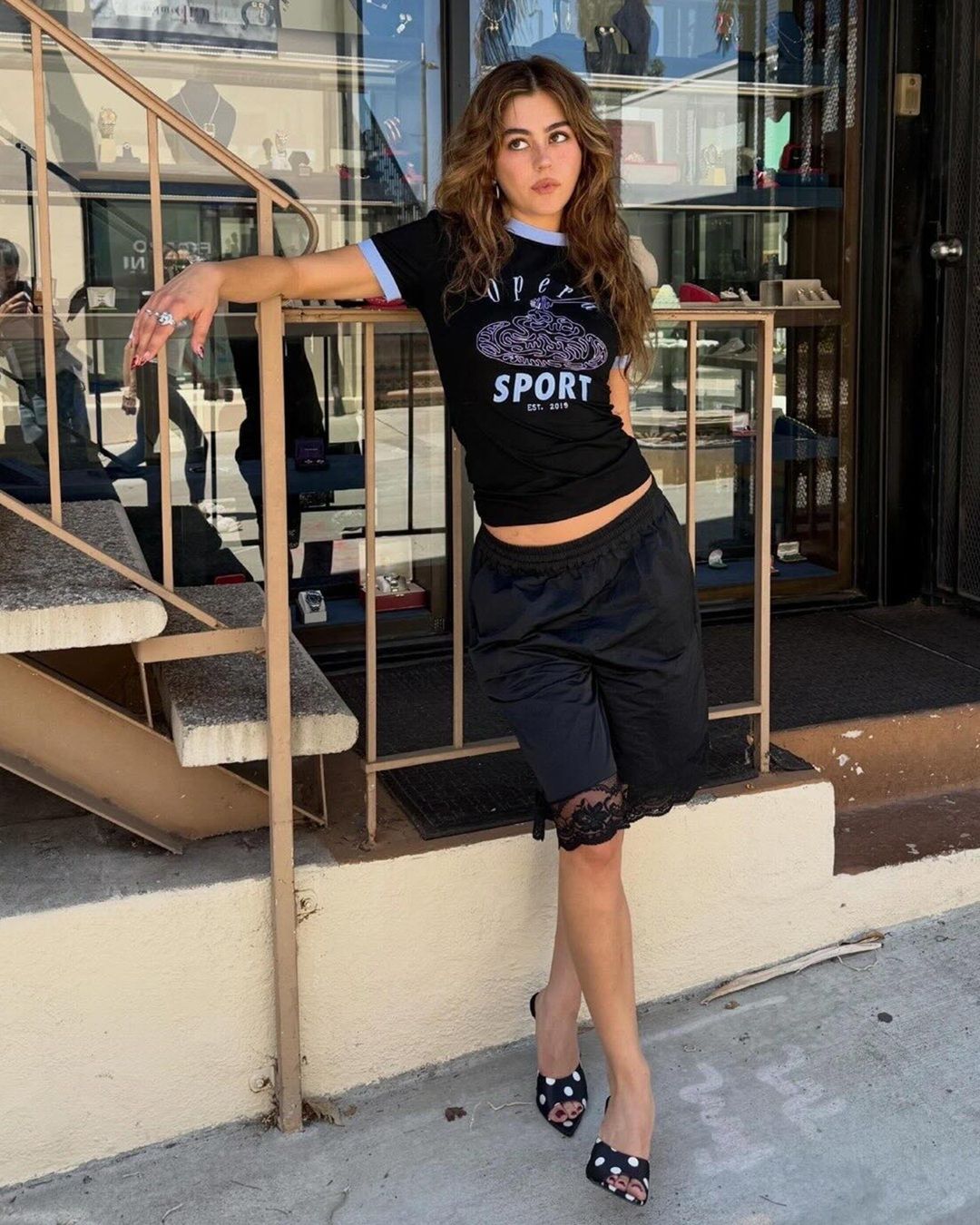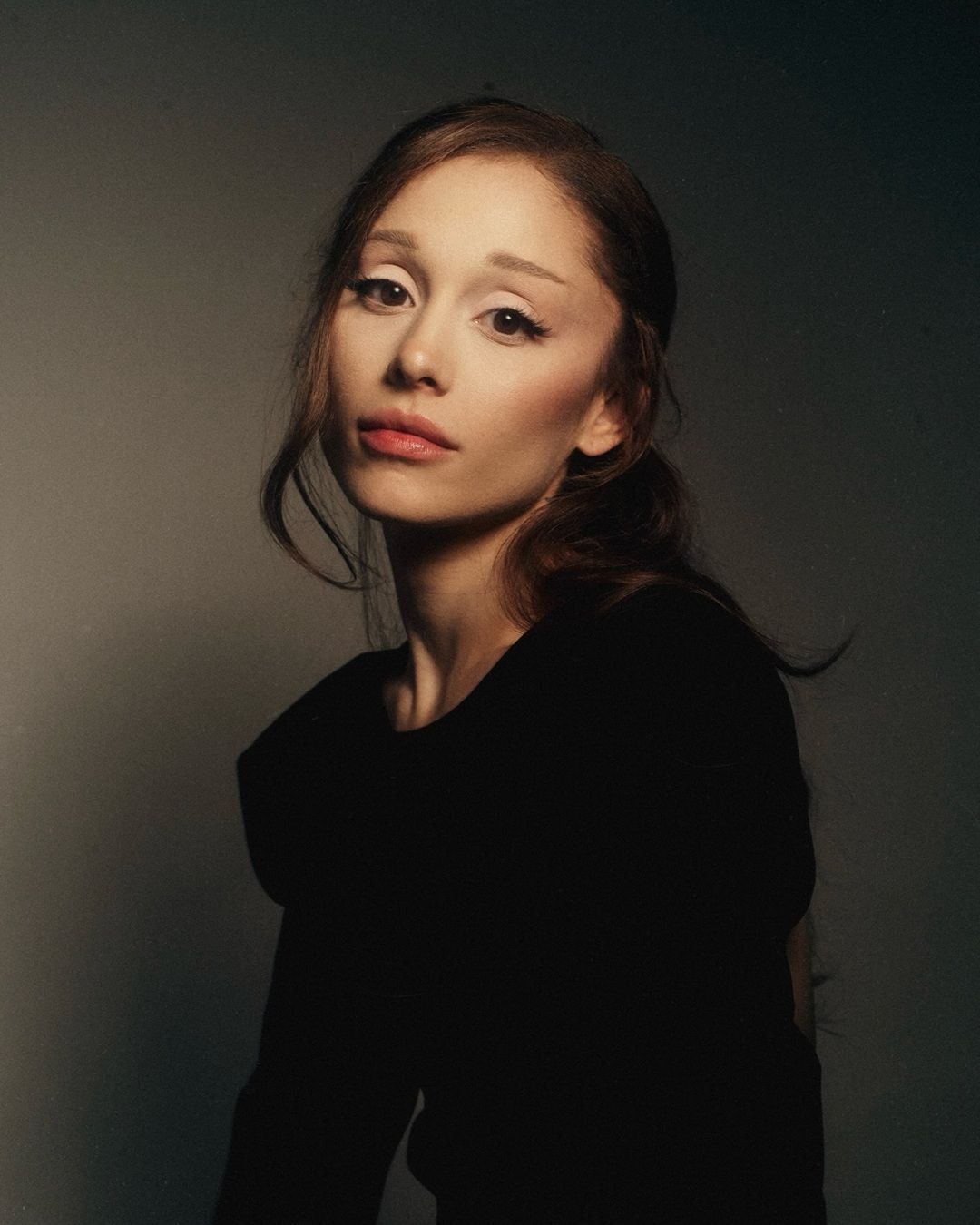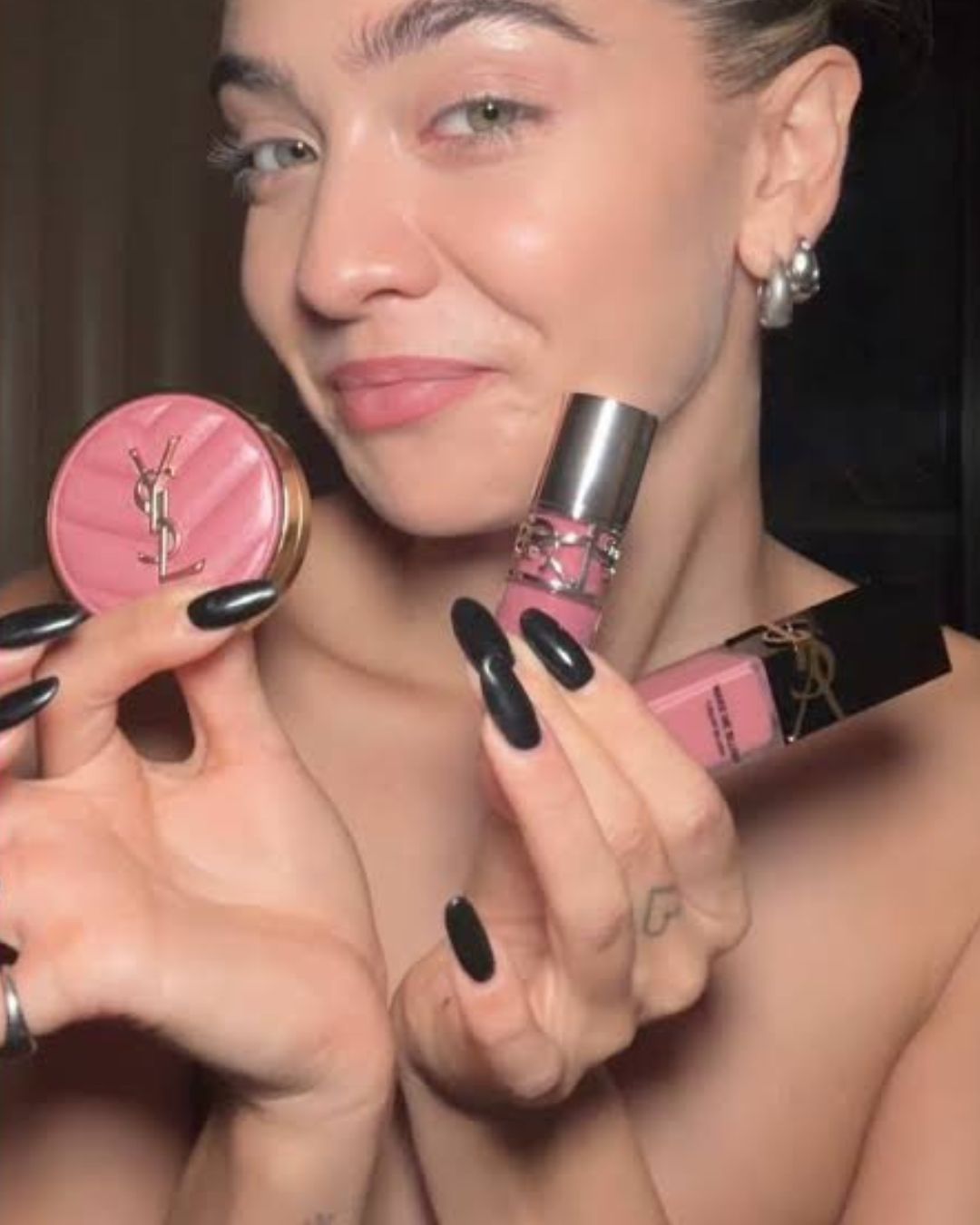



Why everyone wants a Fake Instagram (or finsta) From Rachel Sennott to Addison Rae, these secondary, imperfect, and spontaneous accounts have become the new status symbol of pop culture
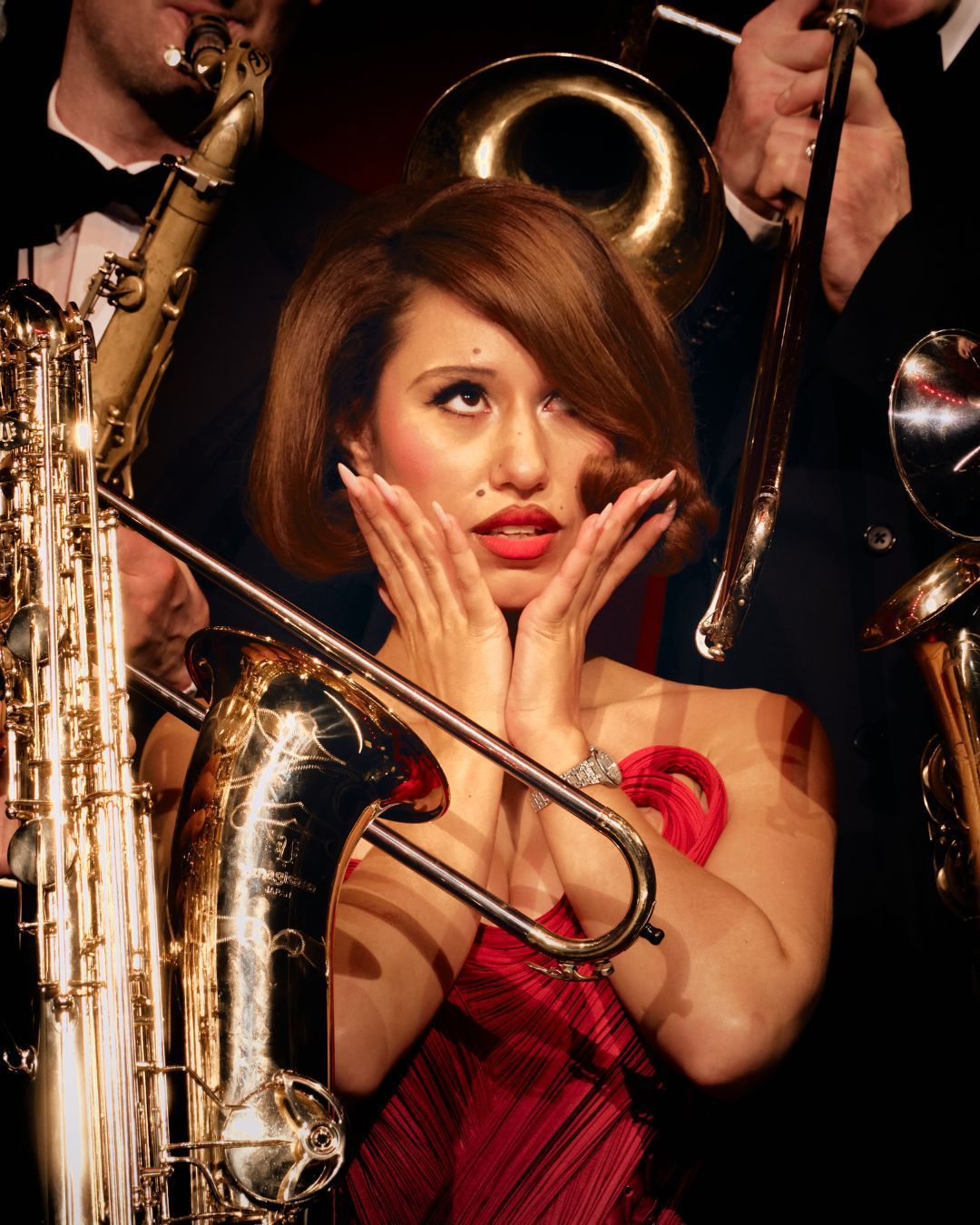
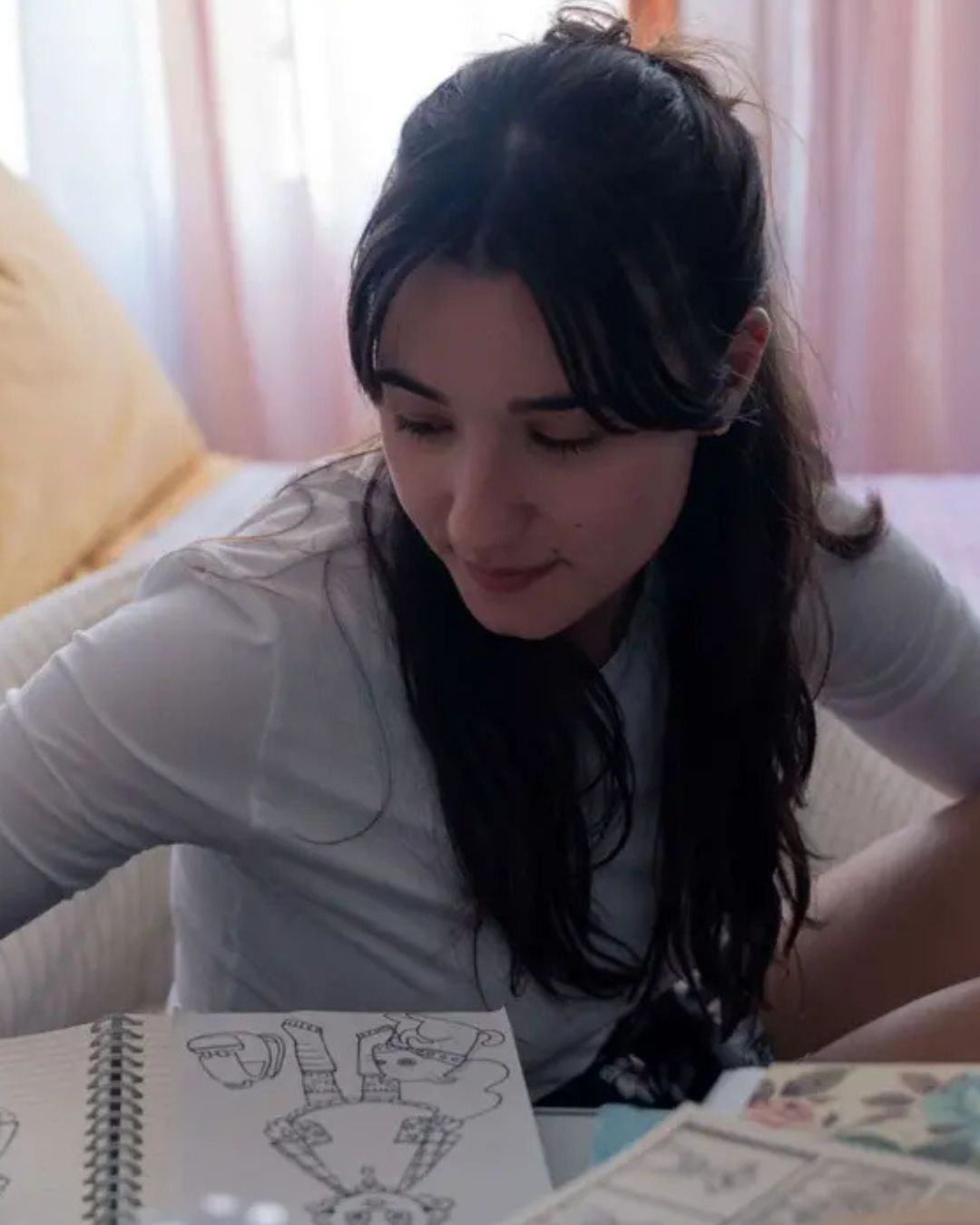
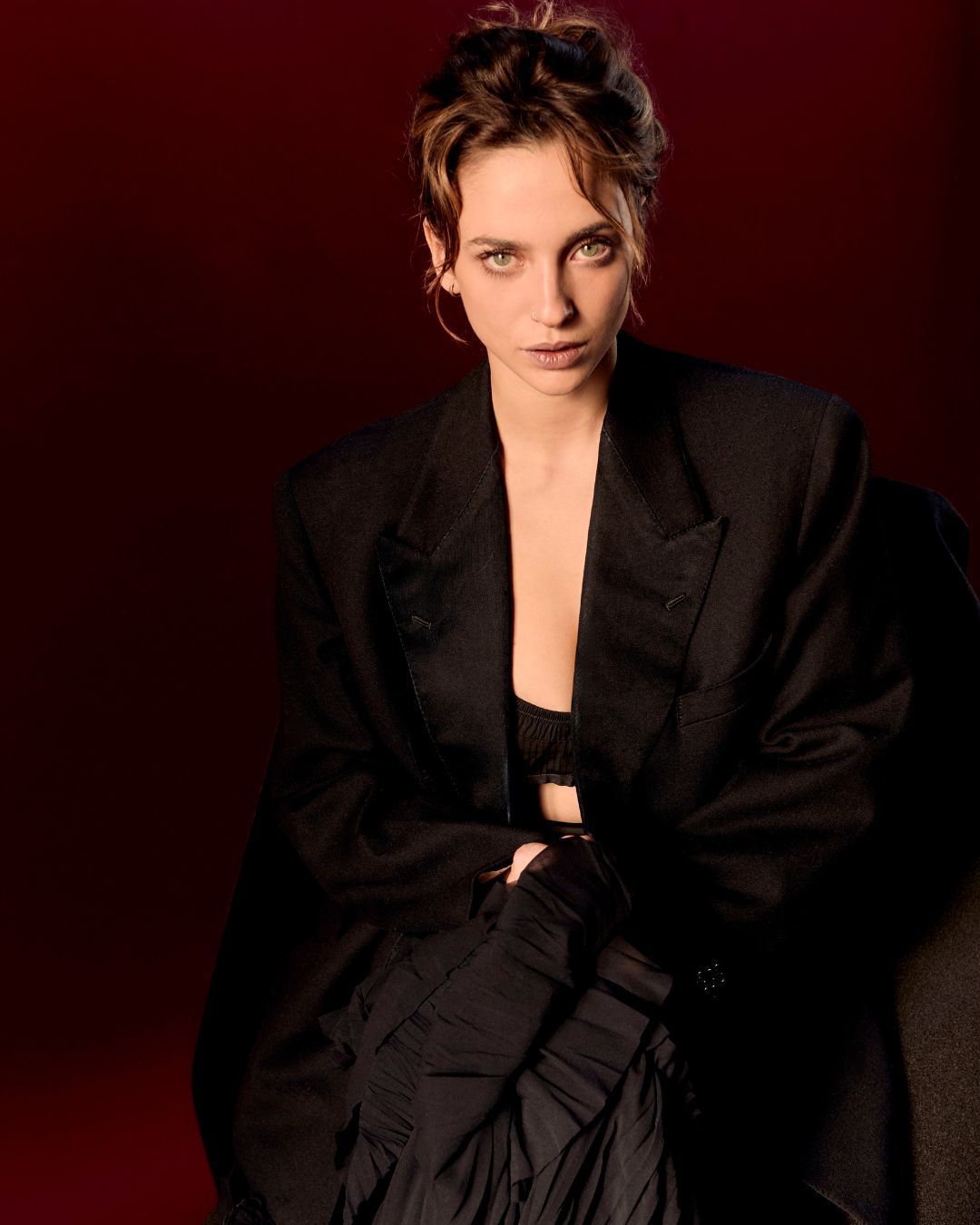
I spend a probably embarrassing amount of time on Instagram. Sometimes because I’m procrastinating, sometimes because it’s part of my job, sometimes just because I want to know what’s going on. In recent months, though, I’ve noticed something: the posts that actually make me stop scrolling are no longer the perfect ones. Not even those carefully crafted photo dumps that look like editorials. They’re the useless things. A hot water bottle with a unicorn on it. A bad selfie. A blurry photo of dinner. A meme that maybe five people in the world understand. That’s how I ended up inside Rachel Sennott’s secondary account. And that’s how I discovered that practically all the interesting people on the internet seem to have a finsta, while I struggle to even post on my main OG account. From Addison Rae to Zara Larsson, passing through musicians, models, designers, and creative directors, the Fake Instagram has become the place where the most interesting things on the platform happen. Or at least, the ones that feel the most real.
When Instagram was still a little embarrassing
For those who lived their teenage years online in the 2010s, the finsta was almost a sacred relic. The idea was simple: you had a main account where you posted the official version of yourself, and then a secondary, private account, often hidden behind a ridiculous name, where you uploaded everything that would never survive the main feed (or that you wanted to hide from prying eyes). Horrible photos. Thoughts written at 2 a.m. Depression memes. Embarrassing screenshots. Low-angle selfies. Everything that today would give any social media manager a heart attack. The important part was that nobody was trying to go viral. In fact, the smaller the audience, the better. The finsta wasn’t meant to build an online persona. It was meant to stop building one for a few minutes.
The new flex? Having an account that seems to matter to no one
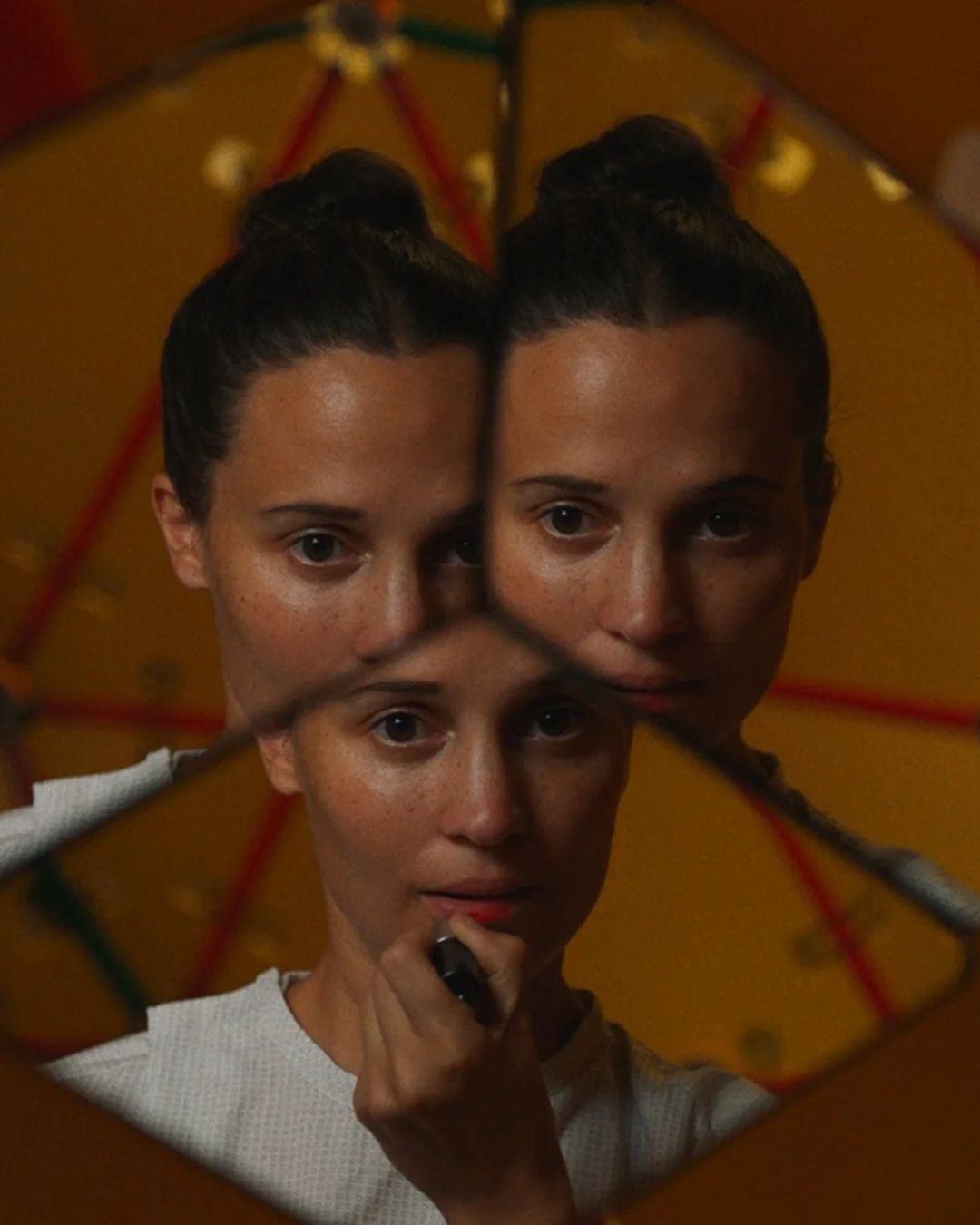
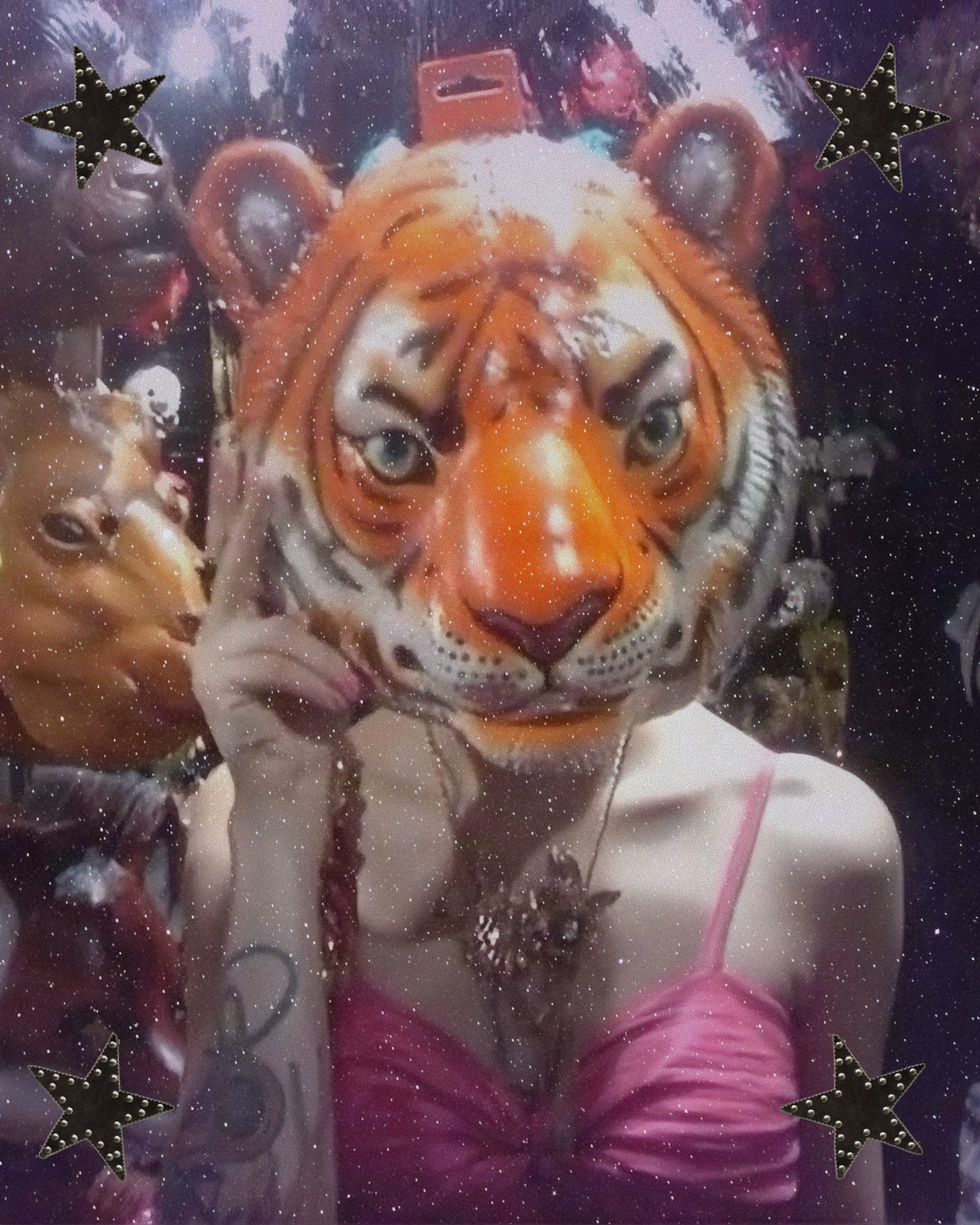
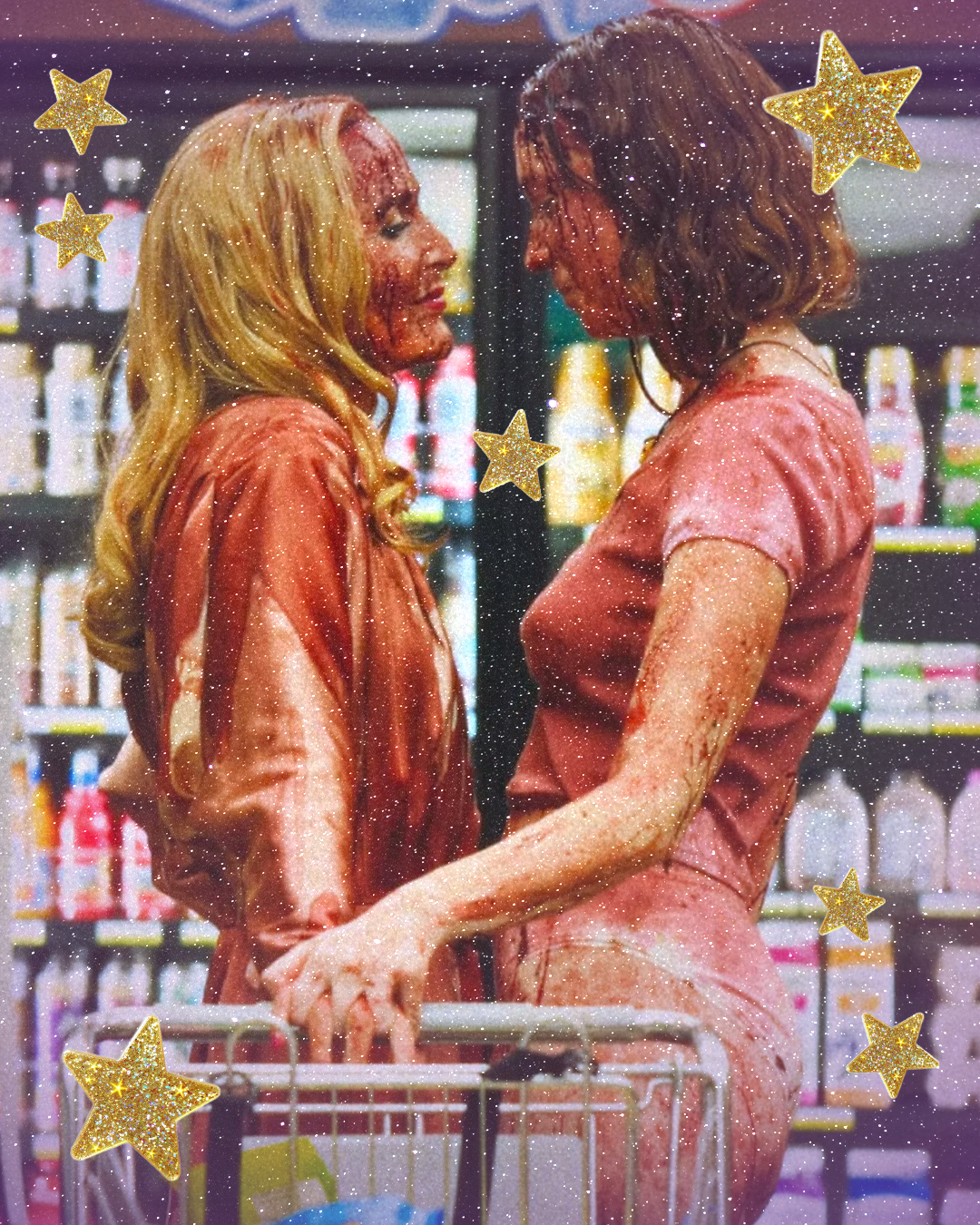
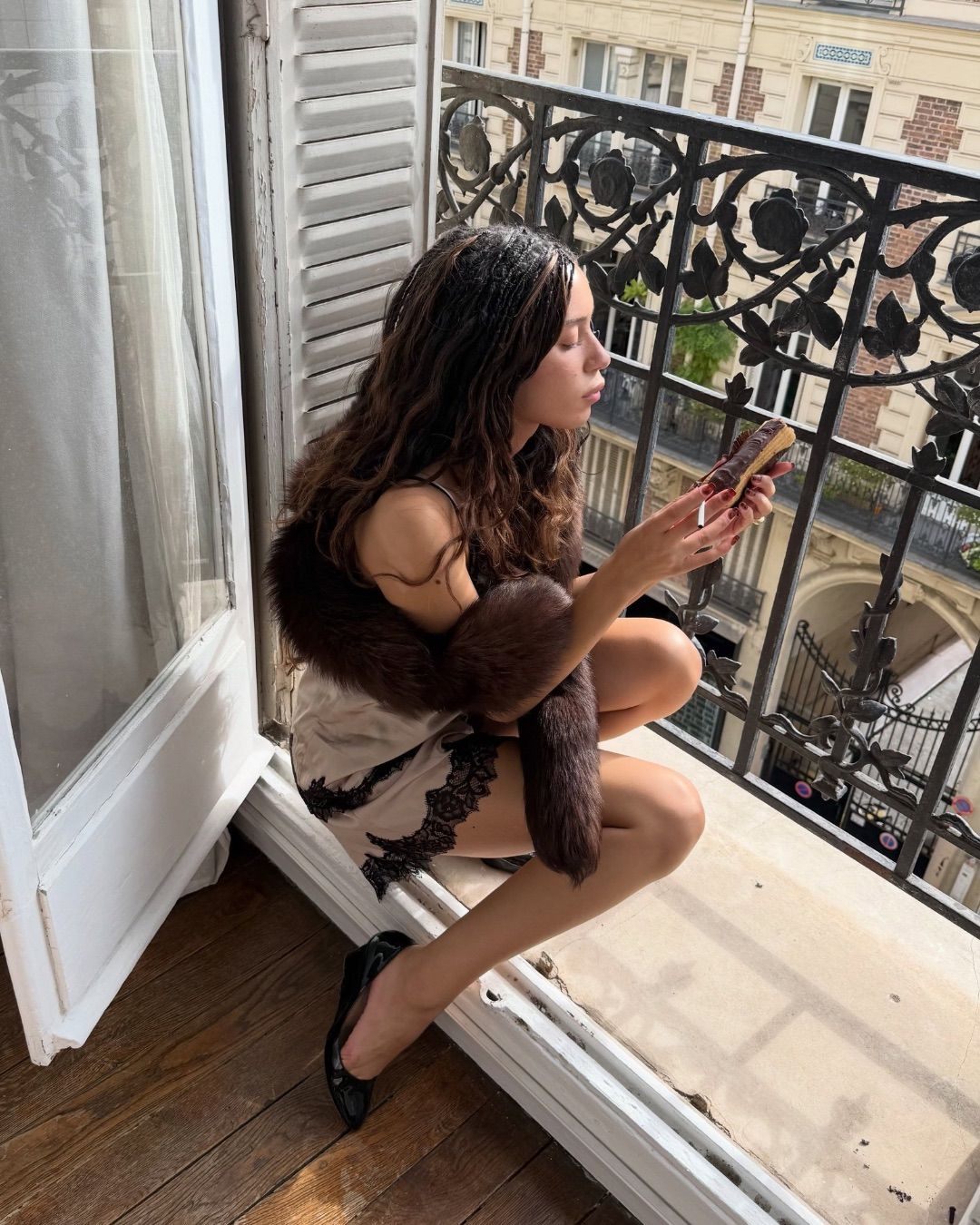
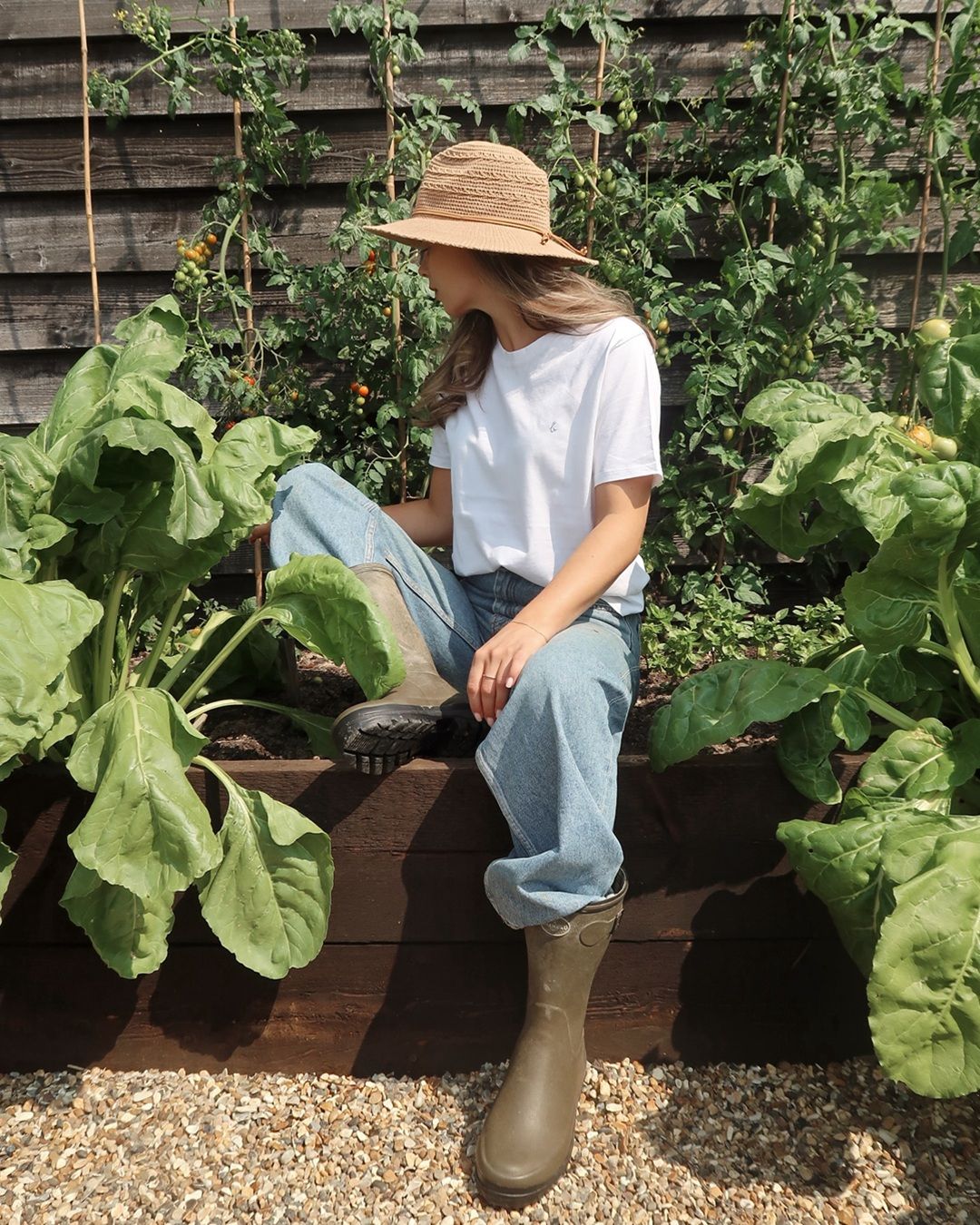
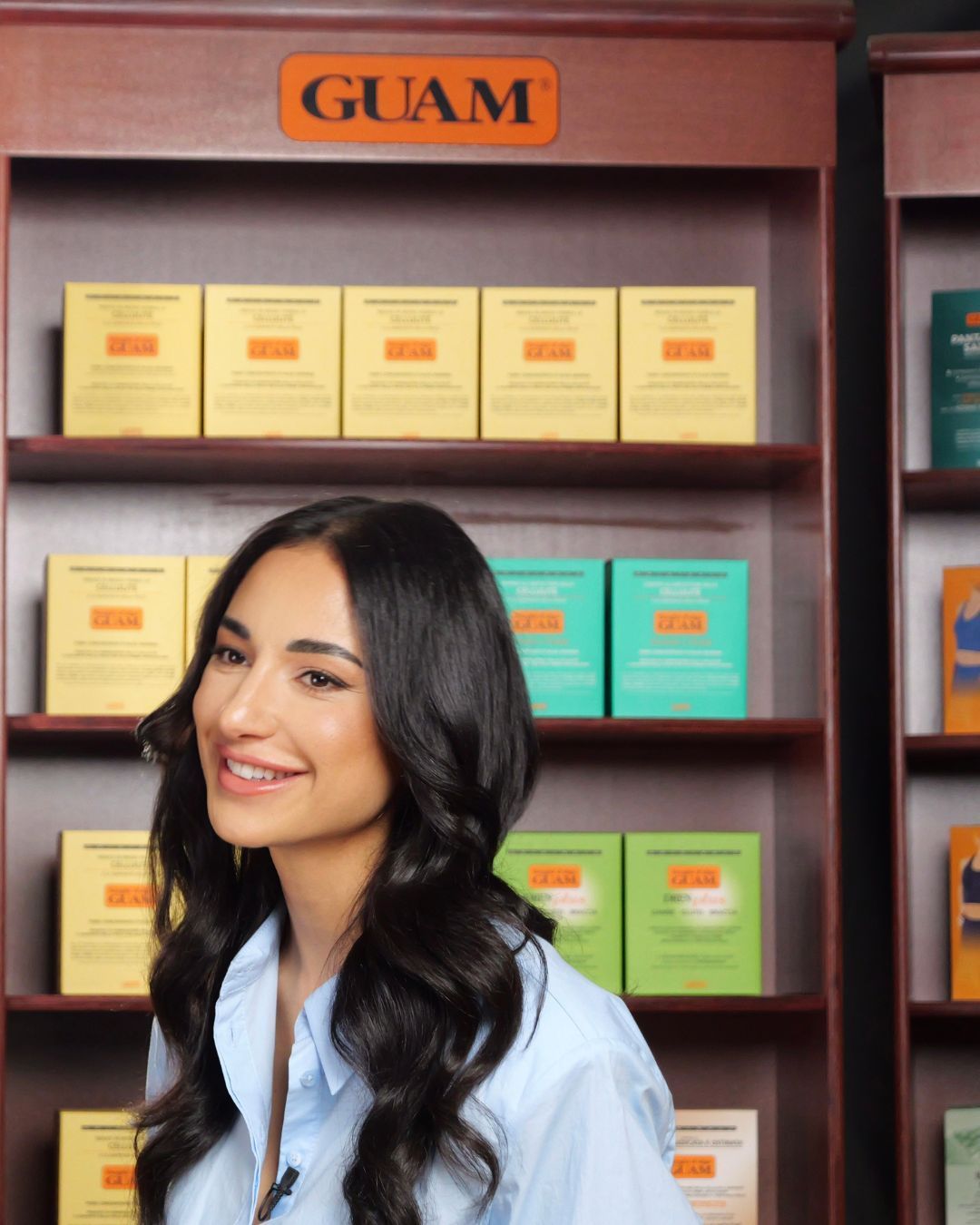
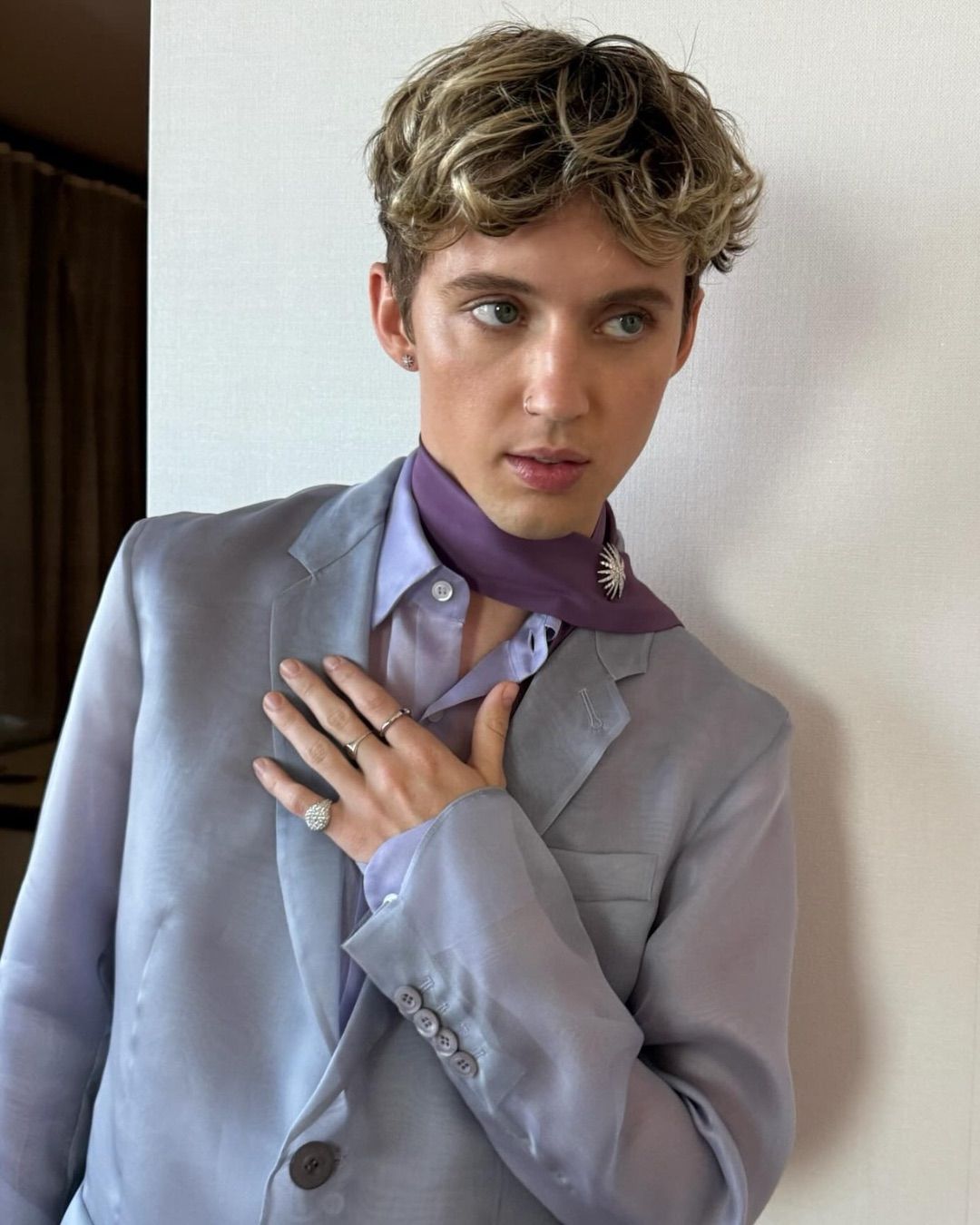
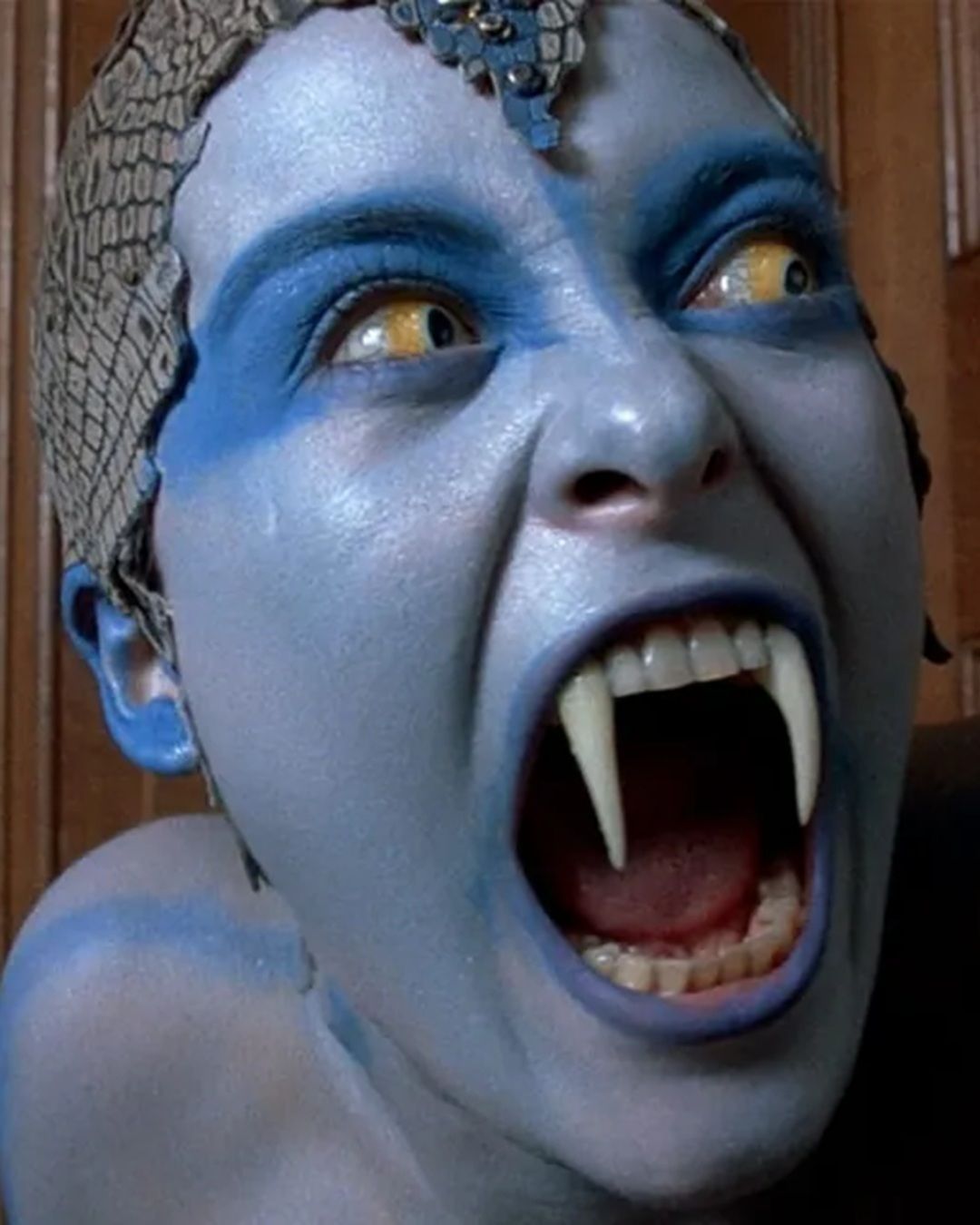
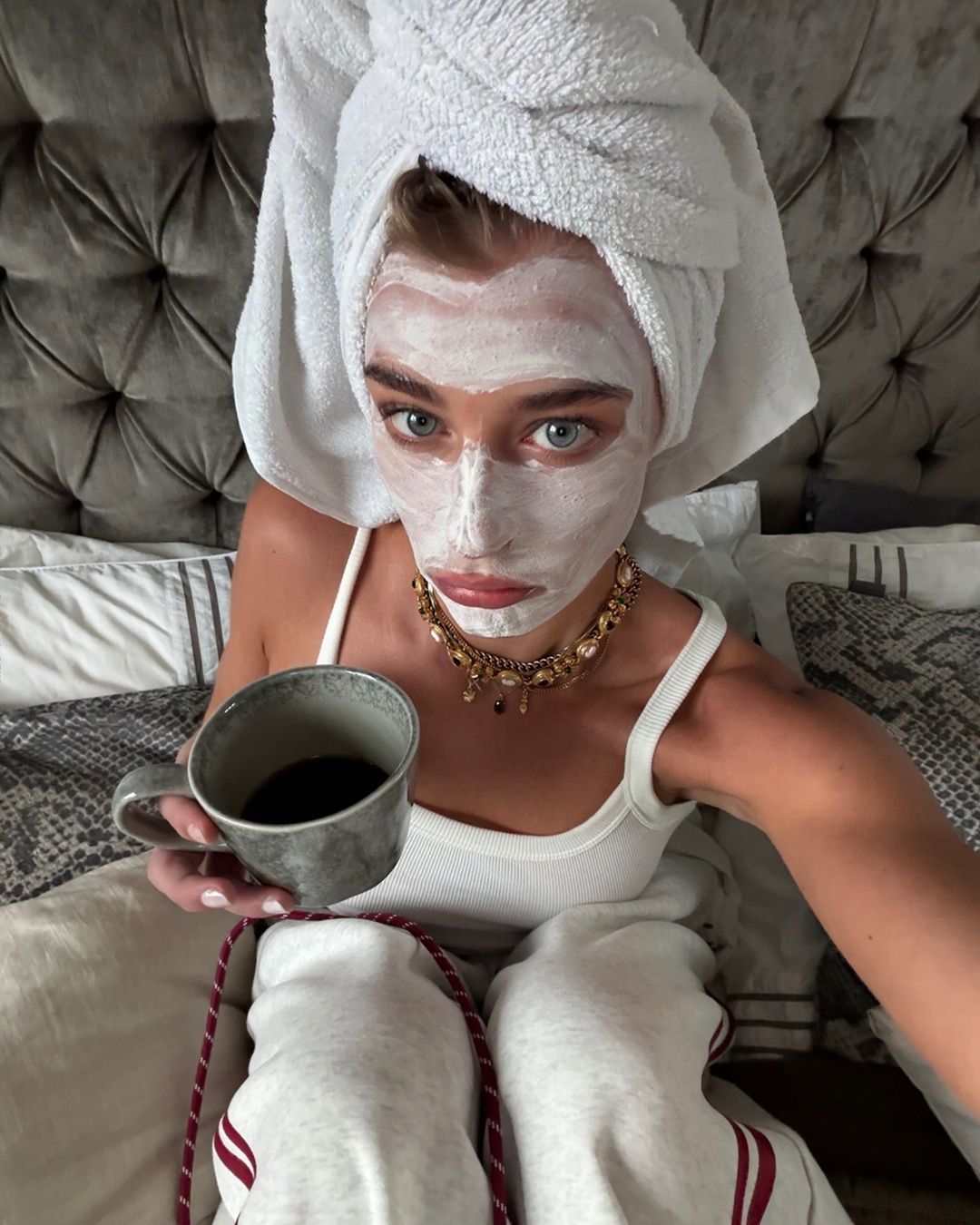
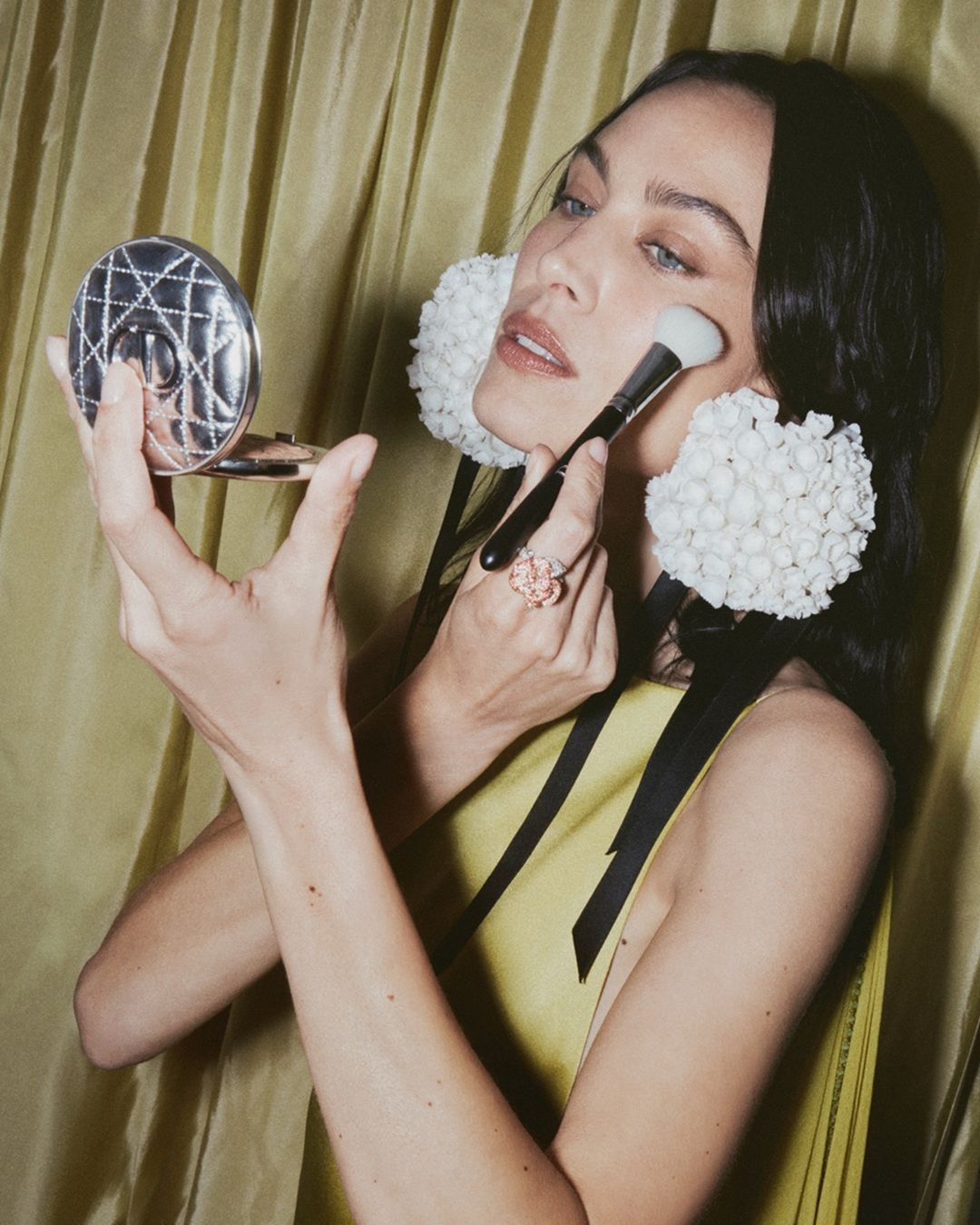
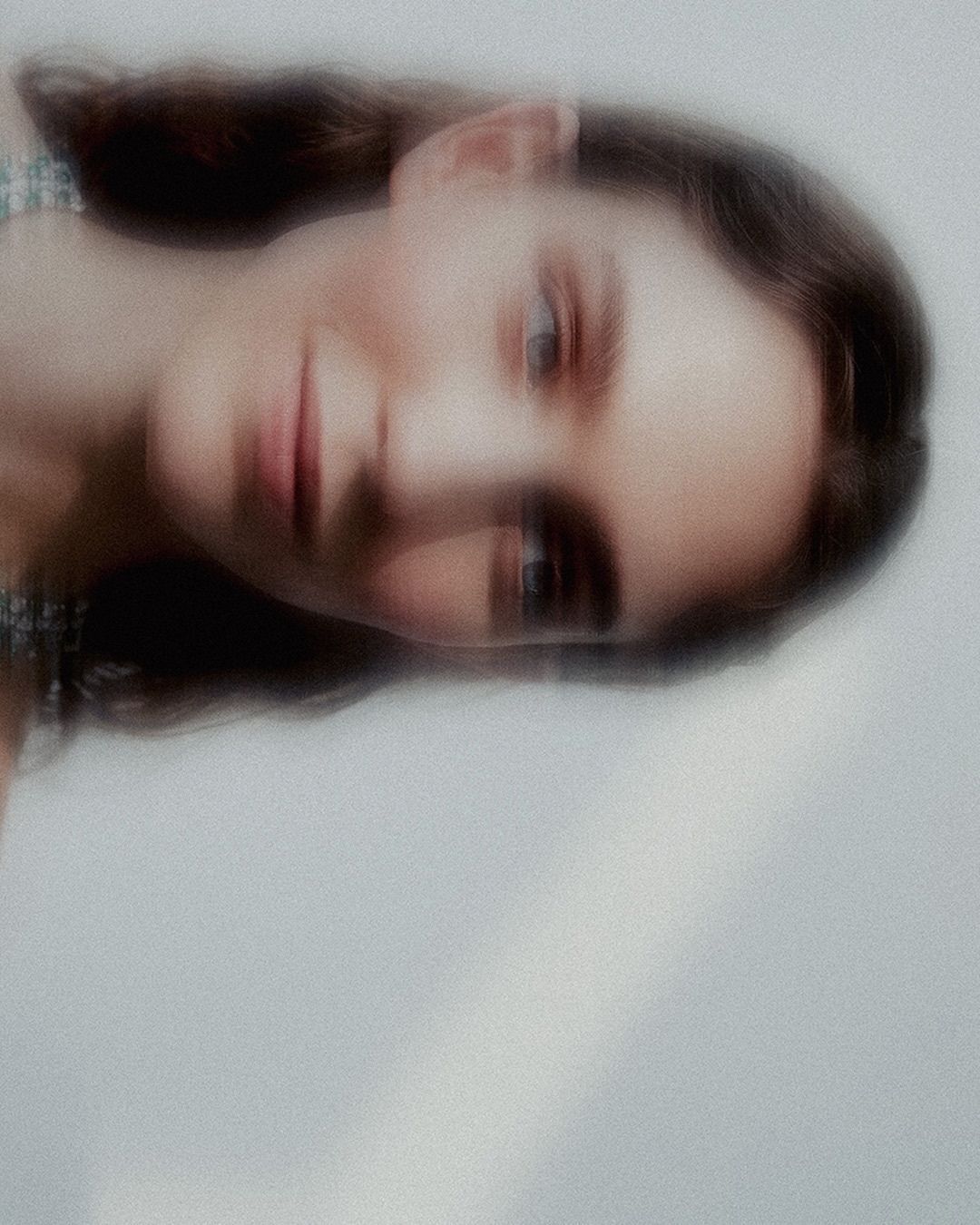
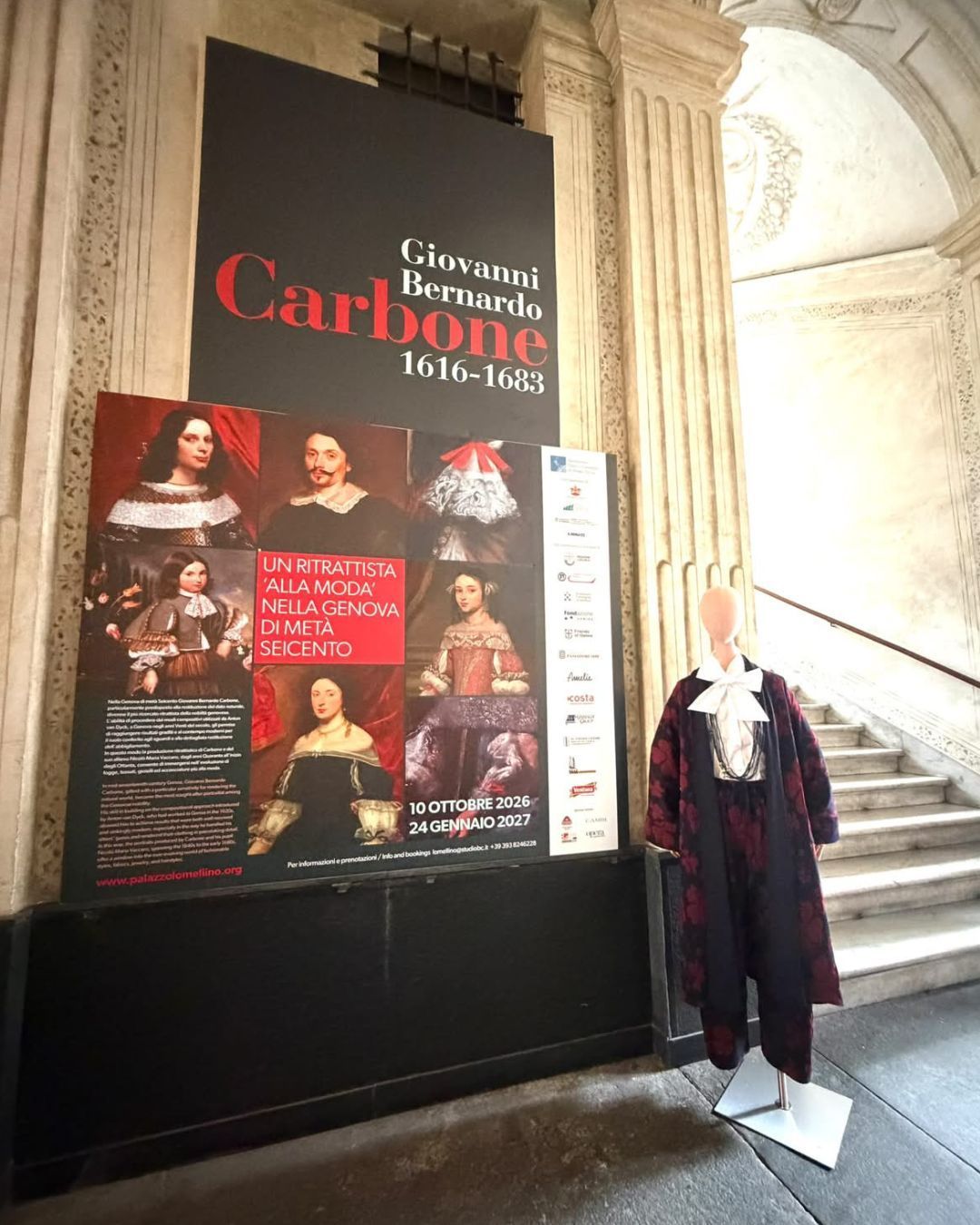
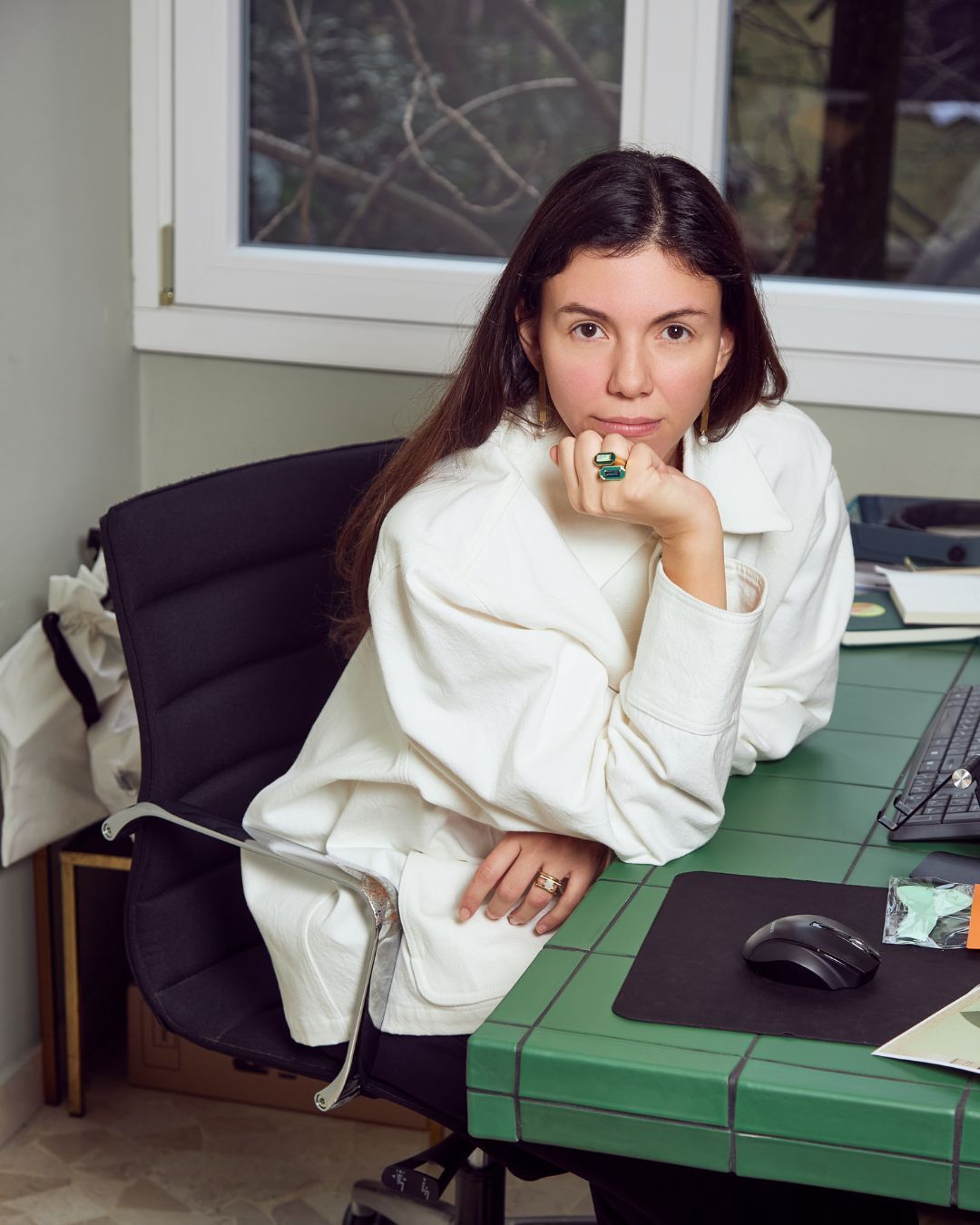
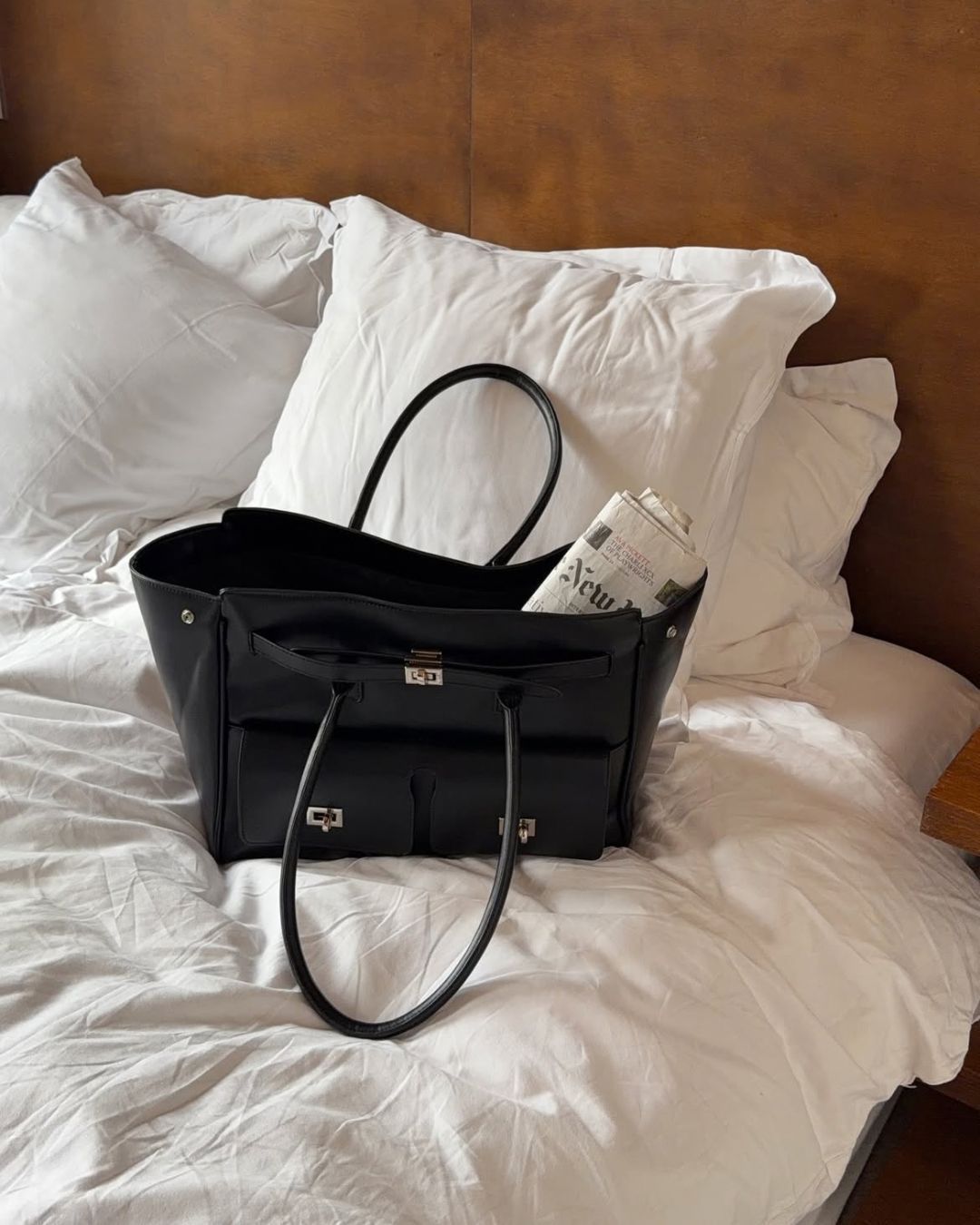
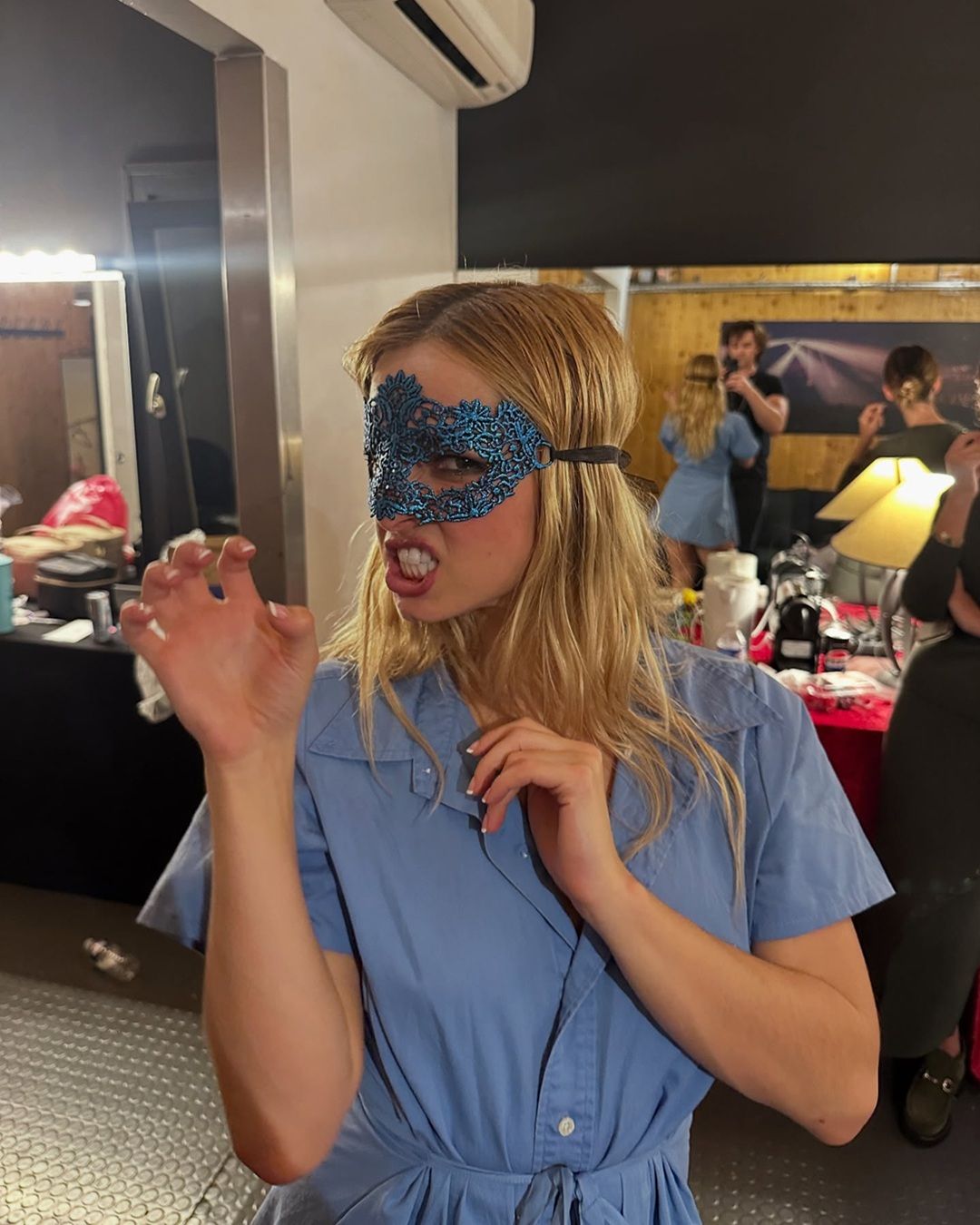
Today these accounts are back, but in a slightly different form. Because technically, the ones belonging to Rachel Sennott, Addison Rae, Sarah Pidgeon or Zara Larsson are not real finstas. They are public. You can find them. You can follow them. You can even talk about them in an article, like I’m doing right now. And yet they work because they perfectly replicate the atmosphere of the old Fake Instagram. They don’t post the final product. They post the context. While the main profile shows the campaign, the secondary one shows the references. While the official feed tells the character’s story, the finsta shows their obsessions. A photo of feet. A saved screenshot. A half-eaten plate of pasta. An incomprehensible meme. None of this should really grab our attention. And yet it does. Because after years of looking at perfectly optimized content, anything that feels slightly out of control becomes instantly magnetic. So the truly interesting account is not the one that appears everywhere. It’s the one you discover by chance.
The most desirable thing online is to look accidentally discovered
If the old finstas were born to escape image-building, today’s ones have become one of its most sophisticated forms. But maybe it doesn’t matter. Because what we’re looking for when we follow these accounts is not necessarily authenticity. It’s the feeling that behind the profile there is still a person who takes photos of useless things. Who saves absurd memes. Who posts a blurry picture simply because they felt like it. Whether it’s all spontaneous or carefully constructed is almost secondary. Like the best internet fantasies, it just has to feel real. So we keep searching for celebrities’ Fake Instagram accounts because, for a second, they make us believe there is still a corner of the web that hasn’t been completely domesticated. Or at least, that we were lucky enough to find it before everyone else.
What to read next