



















Celebrities don't owe us their souls Why celebrities' vulnerability can be a precious gift, but it should never become an obligation
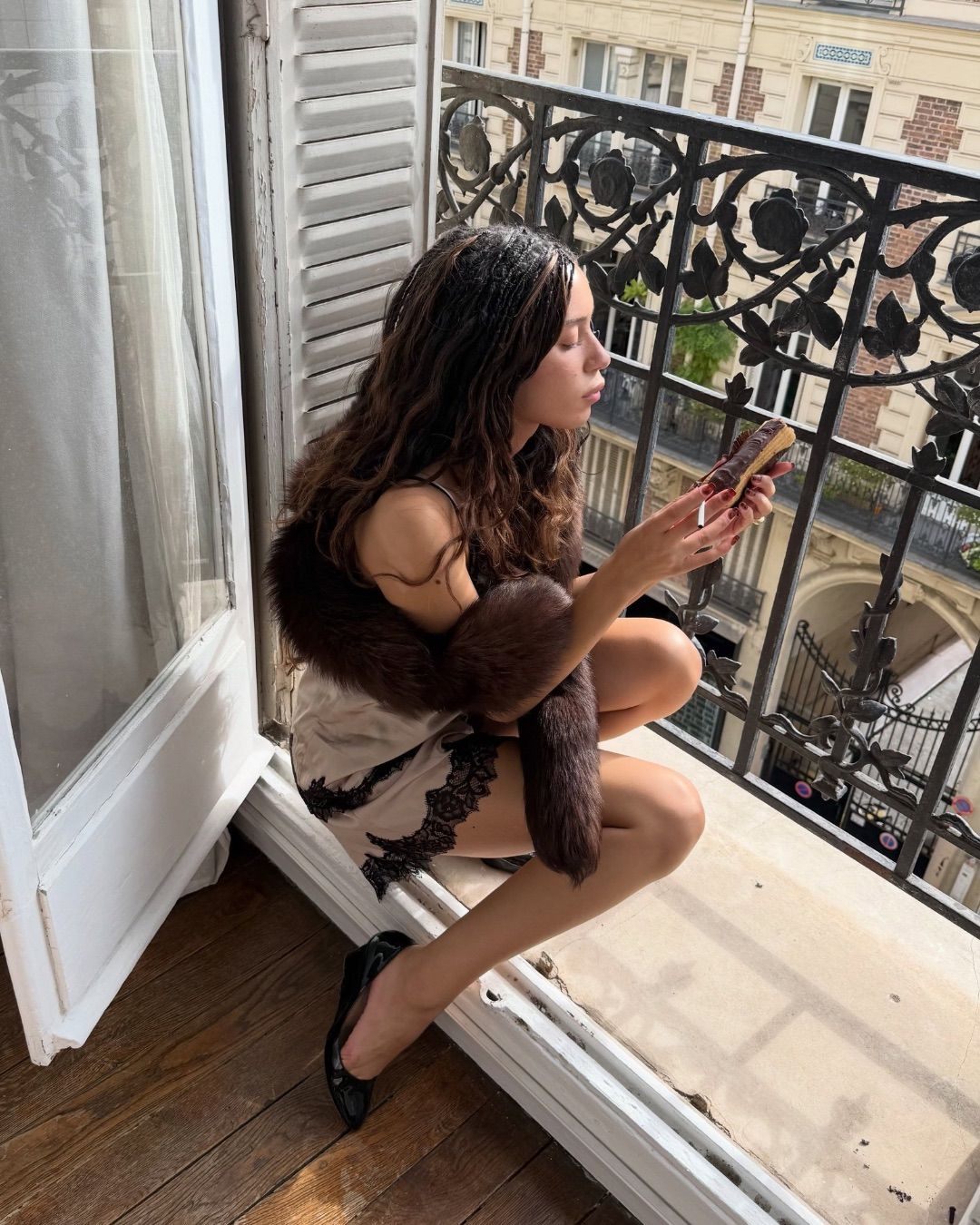
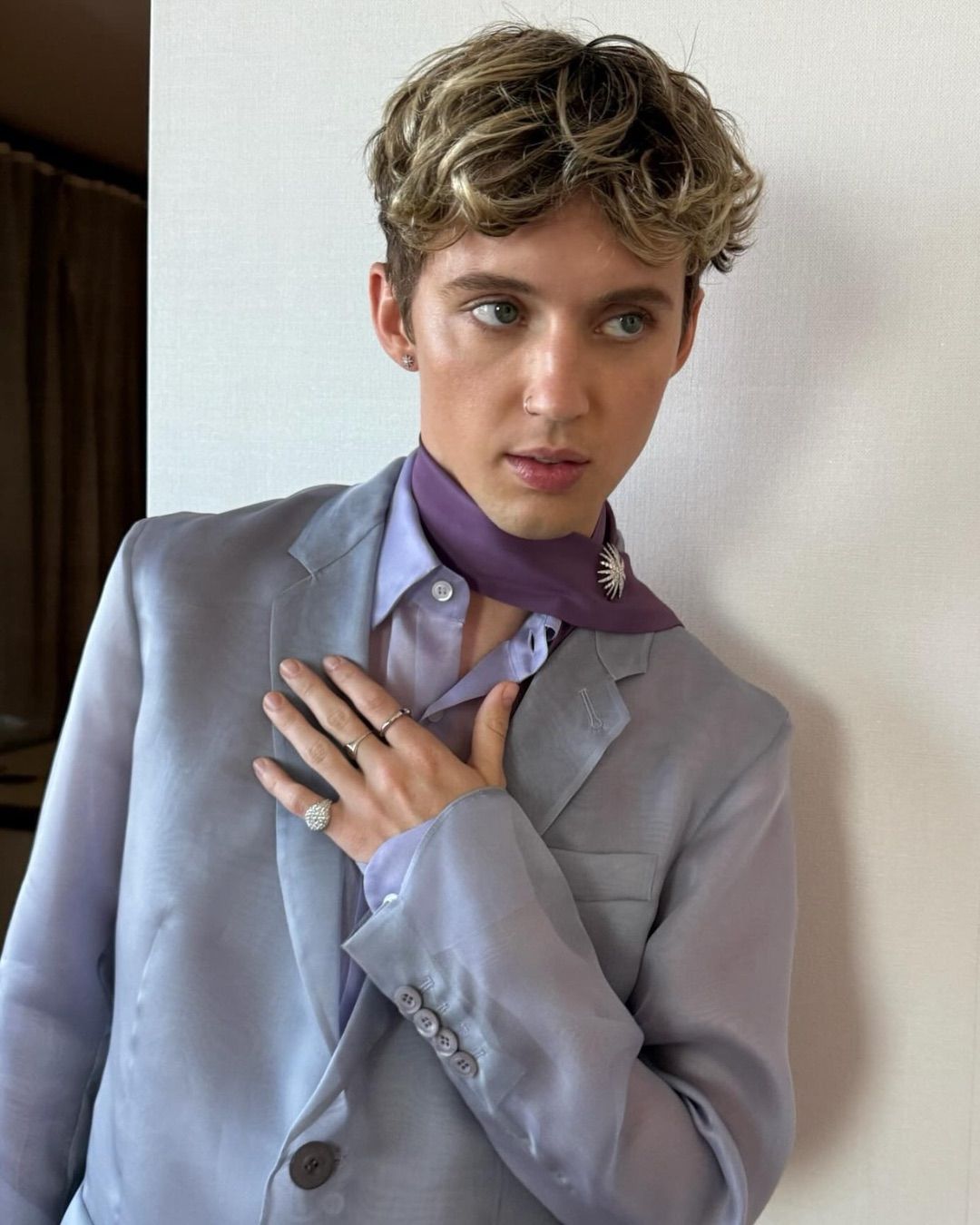
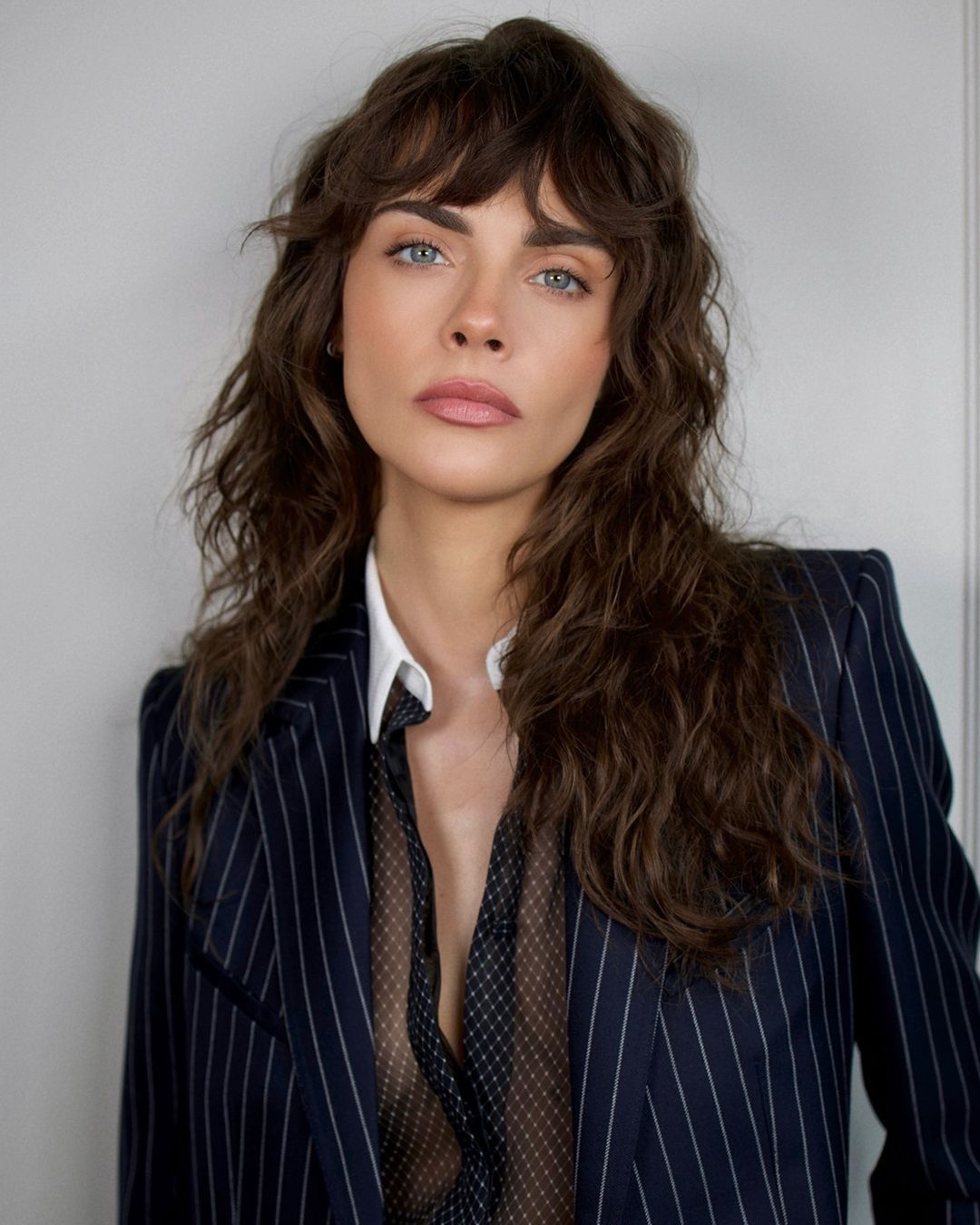
Today, we know more about celebrities than we once knew about our own neighbors. We see their waking-up selfies, their dogs, their vacations, their partners, their favorite recipes, their skincare treatments, their workout sessions, their medical photo dumps, the newsletters where they talk about their favorite restaurants, and the videos filmed from bed during an existential crisis. The result is that the line between a public figure and a private person has become increasingly blurred. We are no longer interested only in their art. We are interested in who they are when they stop creating it. The evidence is everywhere. When a singer releases an album, the conversation often immediately shifts to the relationships that inspired it. When an actor gives an interview, the headlines almost always focus on a personal confession. When a model like Cara Delevingne introduces her first singles and explains that they were born from her sobriety journey and struggles with mental health, the story is no longer just about the artistic project, but about the pain behind it. It is as if authenticity is now measured by the number of details a person is willing to give us. We have developed such an appetite for details that we are no longer able to stop. We want to know who they are dating, what they eat, which books they read, what lip combo they use, why they unfollowed someone on Instagram, how they are really doing, and which battles they are fighting away from the spotlight. But is a famous person really obligated to share all of this?
The misunderstanding of closeness
The internet has eliminated the distance between audiences and celebrities. The problem is that it may have done it a little too well. We see someone often enough that we convince ourselves we know them. We read their captions, listen to their podcasts, watch their TikToks from bed, see them cry, laugh, vent, post photos from the hospital or the dermatologist. At that point, the brain takes a shortcut. It turns exposure into intimacy. This is the perfect environment for parasocial relationships, those one-sided emotional bonds that make us feel close to someone who, in reality, does not even know we exist. It is somewhat like having a high school crush who never noticed us. As a result, if a celebrity shares a lot, we expect them to keep sharing. If they talk about a crisis, they should update us on the developments. If they discuss a problem, they should go into more detail. If they disappear from social media, we demand explanations. The logic is simple: you shared something, so now a small part of it belongs to us. Yet no one would apply this reasoning to a real person. No one would expect a colleague or a friend to publicly document every stage of their recovery from the flu or the breakdown of a relationship.
Vulnerability is valuable precisely because it is not mandatory
At the same time, it would be naive to deny that certain personal testimonies have a real impact. When Selena Gomez talks about her bipolar disorder, when Billie Eilish discusses her panic attacks, when Cara Delevingne describes her recovery journey from addiction, or when Lady Gaga shares her experience with fibromyalgia, the collective benefit is undeniable. A famous person who reveals their vulnerability can help normalize conversations that, for decades, were pushed into silence. They can provide language for people who struggle to describe what they are experiencing. They can reduce stigma. They can make someone feel less alone. They can even encourage someone to seek help. However, that benefit depends on one essential condition: freedom. A testimony has value because it is chosen. Because it is not owed. Because someone independently decided to make public something they could have kept private. The moment vulnerability becomes a public demand, its nature changes completely. It is no longer sharing. It becomes a performance. And no one should be forced to turn every part of their experience into consumable content.
What celebrities really owe us
Perhaps the answer is less complicated than it seems. Celebrities do not owe us their souls. They do not owe us their diagnoses. They do not owe us their emotional medical records. They do not owe us explanations about their traumas, their relationships, their friendships, or the reasons why they eat sushi three times a week and hate ankle socks. They owe us the same thing we owe one another: respect. And this principle works both ways. If we expect famous people to show us their most human side, then we must treat them like human beings and accept that human beings have boundaries. They have a right to privacy. They have the right not to share everything. They have the right to change their minds. They have the right not to be available twenty-four hours a day simply because their work takes place in the public eye. A celebrity who chooses to share a vulnerable part of themselves can do something extraordinarily valuable. We can listen. We can learn. We can even feel less alone. But it remains what it has always been: a gift, not a debt. And perhaps it is time we understood that, and acted accordingly.
What to read next

#ChangeTheCompliment: the Dove e Parole O_Stiles initiative that invites us to change the way we compliment little girls
We are not only 'beautiful', but creative, courageous, intelligent and much more, we just don't hear it very often

The best beauty looks from the Venice Film Festival 2026
With geometric bobs, glowing skin, tightly pulled-back buns, red lips, and a new take on natural beauty, the Lido’s beauty scene sets the tone for fall trends