










You don't need a husband for a happy ending Why single women are rewriting the rules of personal fulfillment
No woman can be happy alone. Or at least that's what we've always been told, in society and on screen. If a woman was over forty and was still single, something had gone wrong. She was too ambitious and focused on her work, or maybe she was too demanding, maybe too eccentric, or just too unlucky. In any case, it was a problem and needed to be solved. The solution was clear and only one: to find love.
How romantic comedies have defined female happiness
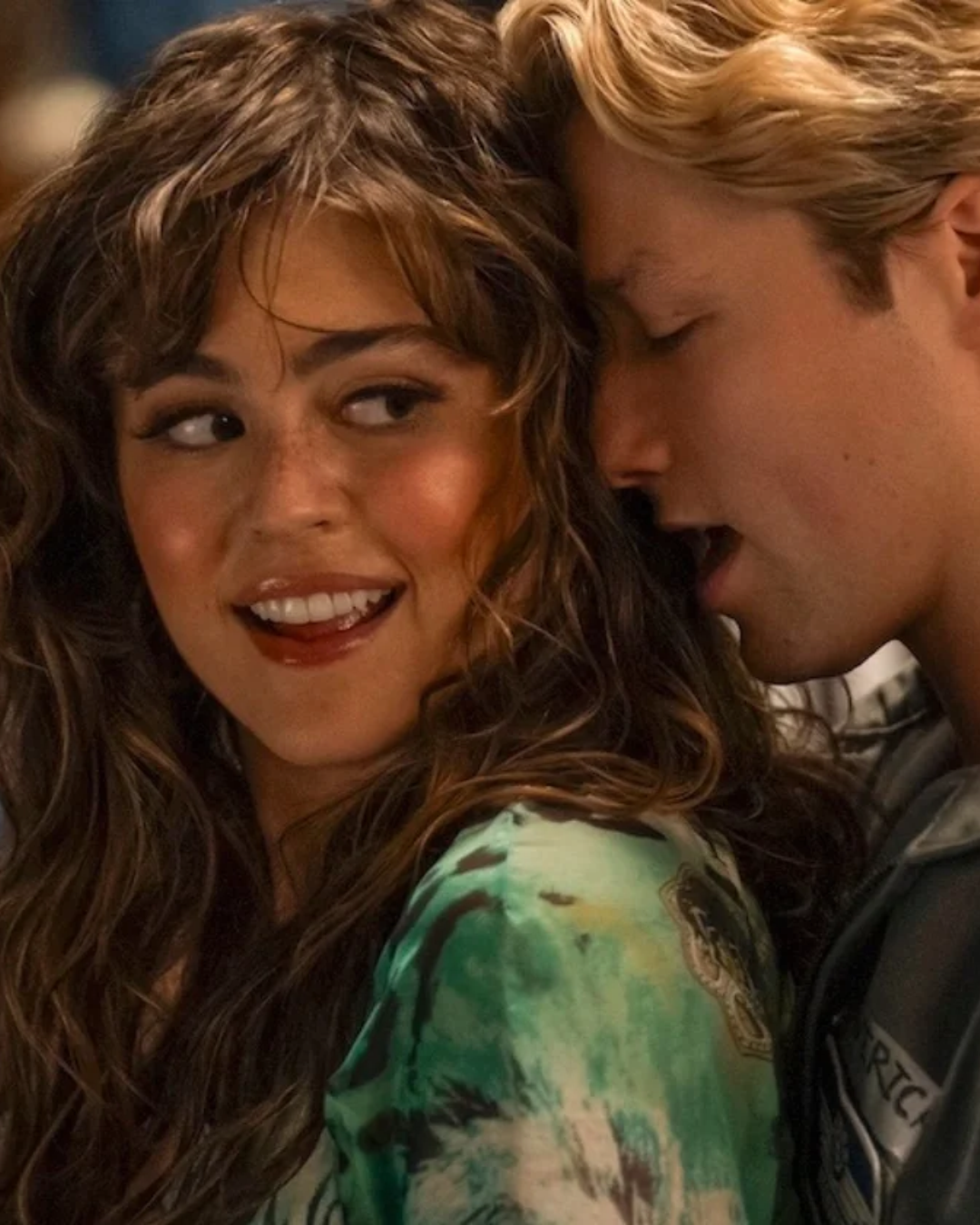
For years, pop culture portrayed the single woman as an expectant and incomplete person. The romantic comedies of the 2000s were full of brilliant, funny and professionally realized protagonists who, however, were defined by an absence. Looking back, Bridget Jones was a perfectly accomplished woman. He had a job, close friends and a house in central London. It's a pity that the real engine of the story remains the lack and the consequent (desperate) search for a relationship. And the same is true for almost all the other rom-com protagonists of the time. Being single was a burning mark to erase, a scarlet letter to get rid of by the end credits.
The era of Girlboss didn't revolutionize the script
The 2010 years brought a turning point, bringing the figure of the girlboss to the scene. Independent, autonomous and ambitious young women. The protagonists were no longer the bridesmaids in difficulty waiting to be saved; they built and shaped their own world on their own. And yet, marriage and the couple continued to occupy a central place in the story. As spectators, they no longer wondered when she would finally find love but questioned her apparent satisfaction, given the absence of a man by her side. Job success, career advancement and economic stability, fundamentally, were stages to be reached and overcome before reaching the real final goal. That it was always him, love.
Why more and more women are choosing to remain single
It seems, however, that today things are actually turning in a different, opposite direction. The new wave of feminism, the growing awareness of the feminine condition and emancipation have led many women to actively choose loneliness and the absence of a man in their lives. In recent years, there has been talk of quiet quitting from marriage, a rejection of traditional couple life, whose emotional burden weighs on women's shoulders. Finally, marriage is no longer seen as an indicator of personal success.
Television is finally adjusting to reality
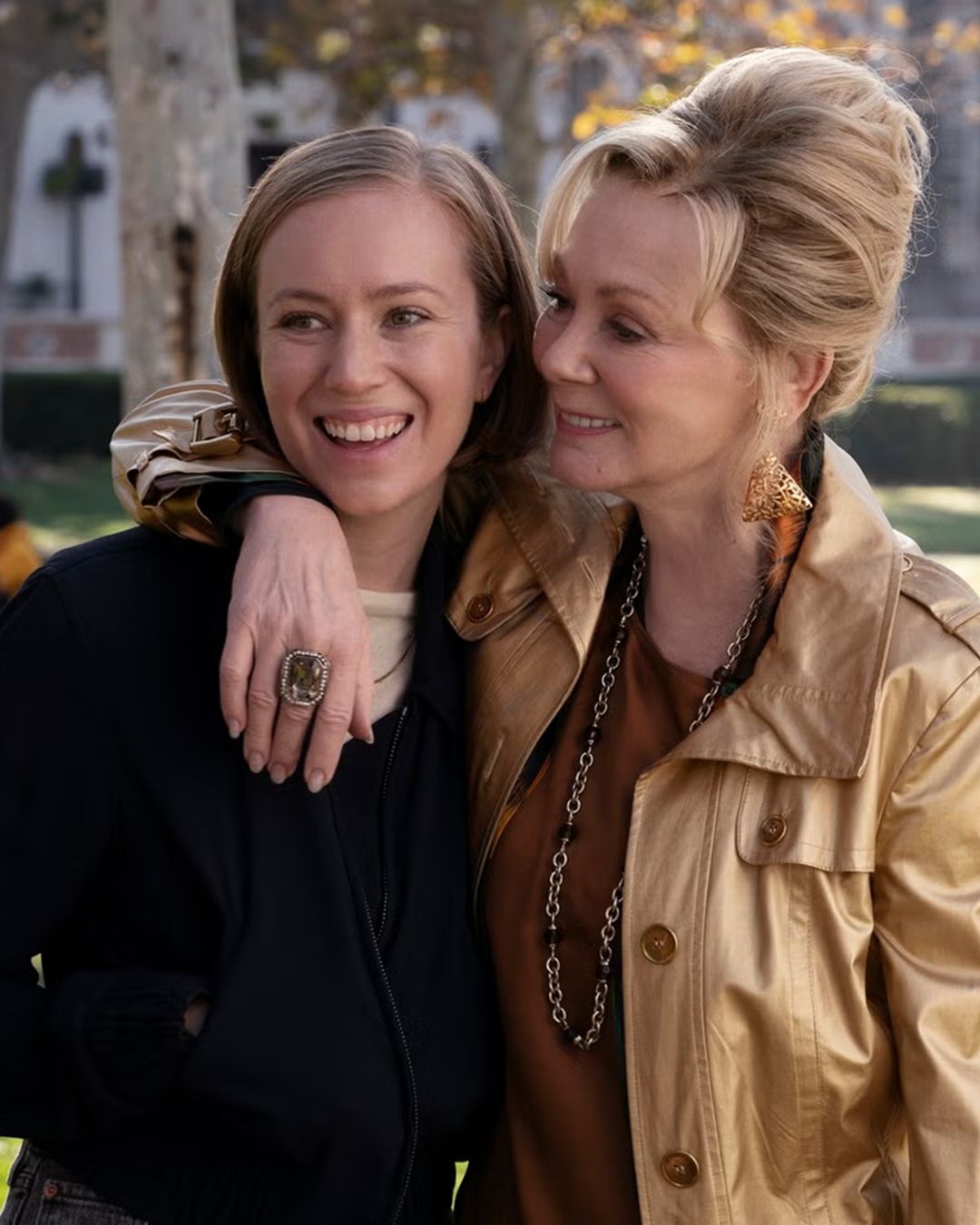
And, as always, culture follows society in parallel. Even on the screen, more space is given to mature women, whose mission is to build a satisfying life for themselves and on their terms, regardless of the presence or absence of men. The fundamental step was to change the way we think about relationships and discuss them publicly. We have begun to speak more freely about emotional work, mental health, domestic burden and gender dynamics within heterosexual couples. Marriage no longer consists only in the promise of companionship and stability, but we reflect more and more on the dynamics and additional responsibilities that must then be carefully evaluated. And this is how loneliness ceases to be a personal failure and becomes perceived as one of the many possible options to freely choose from Let's Think of Hacks, a series that just ended after 5 years of brilliant comedy. The TV series focuses on a woman over seventy years old who continues to continue to assert herself through work, friendship and ambition, without a man or a romantic relationship representing the fulcrum of her personal fulfillment. Whether love is there or not is an additional detail, not a main plot knot.
A happy ending doesn't need a wedding anymore
It is clear that great love stories will not disappear and are not destined to vanish into thin air. We are all a bit romantic, after all, and shying away from reality to immerse ourselves in stories of roses and flowers is part of the human condition, perhaps. The revolution, the breath of fresh air, is given by the weight we give to love stories in the collective imagination. If for decades the happy ending necessarily coincided with a couple exchanging the long-awaited kiss in the rain, today we are open to the possibility of alternative endings.
The 'crazy cat lady' is no longer scary
Fortunately, the figure of the 'cray cat lady' seems to be fading. For years it served as a warning, a cultural scarecrow that reminded women of what would happen if they couldn't find the right man in time. Now, however, it appears as an option, in some cases just the desired one. On the other hand, in her castle in Ireland with her cats, Enya doesn't seem to be having a bad time at all.
What to read next
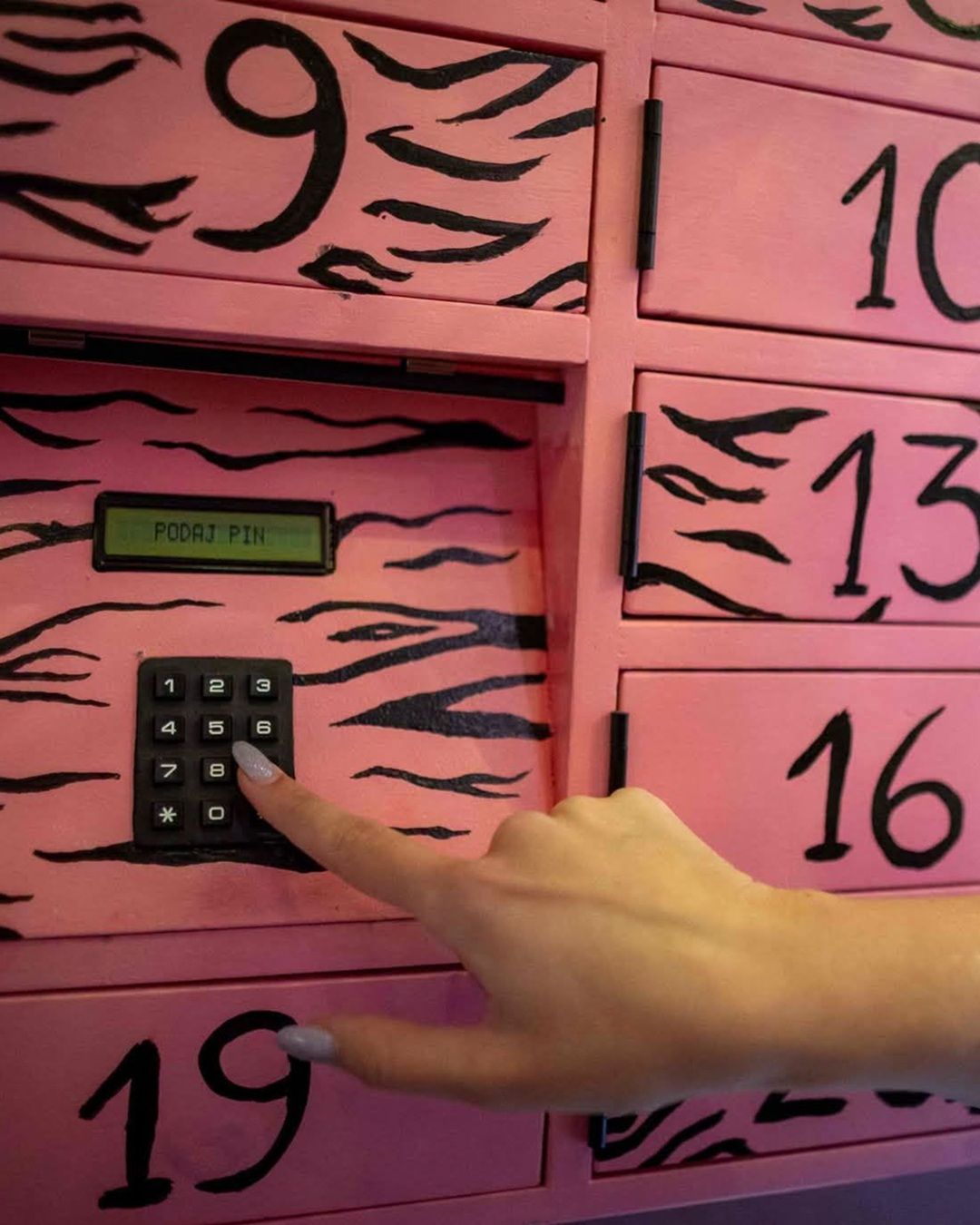
Warsaw launches the world’s first abortion pill dispenser
A pink locker to circumvent Poland’s abortion restrictions and make medications for voluntary termination of pregnancy more accessible
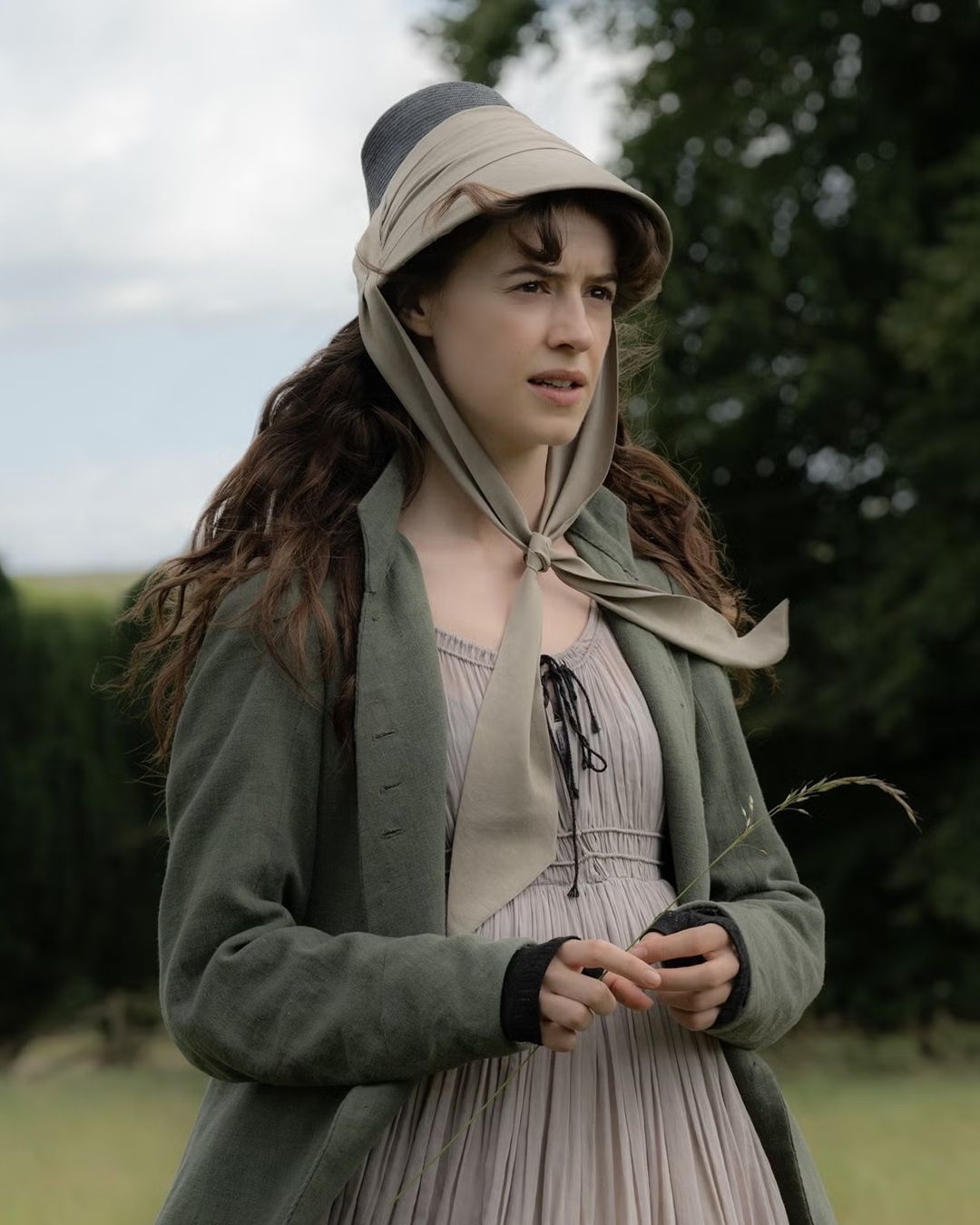
“The magic of Jane Austen is that her stories feel fresh and timeless”
Daisy Edgar-Jones, star of Sense and Sensibility, in cinemas from October 22