






























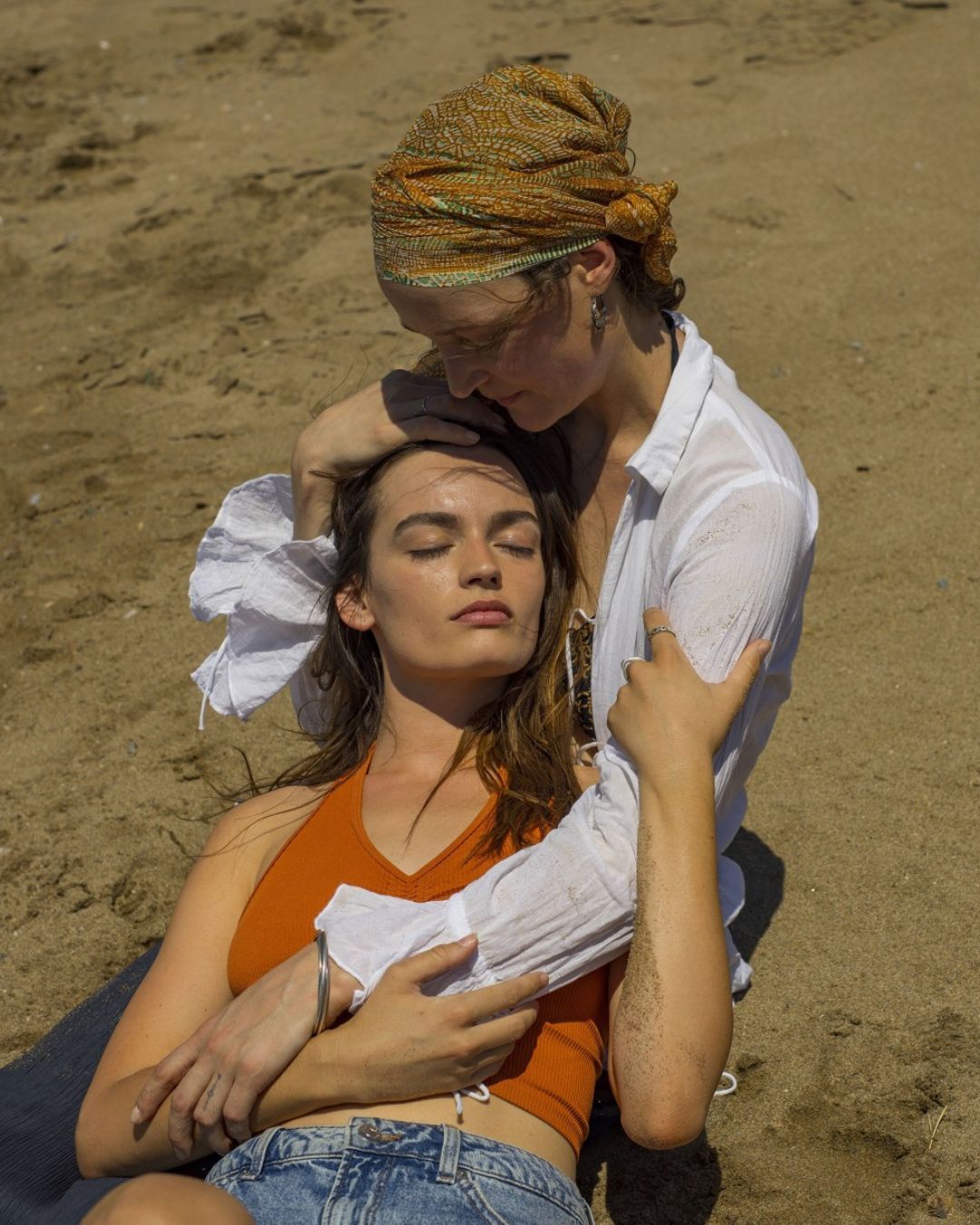
We still need to tell the story of love between women From literature to cinema
Love between women is nothing new. The news, if anything, is that we are slowly learning to tell it without distorting or censoring it. In fact, for centuries these stories have existed, but they have been kept on the fringes of culture: invisible, ambiguous or rewritten into categories more acceptable to the dominant gaze.
Love between women in ancient times and in the history of culture: a story of presence and cancellation
Already in ancient times, we can find traces of desire between women in Sappho's poem, where feminine love is central and declared. Yet, in the following centuries, that same tradition is filtered, reinterpreted or even cleaned up, as if it were impossible to fully accept that love between women could exist outside of a heterosexual reading. Between the 19th and 20th centuries, the situation did not improve: the dominant culture tends to read these relationships as deviations, excessive confidences or 'romantic friendships'. When they are recognized, they are pathologized or made invisible under the weight of the moral norms of the time. The existence of ties between women is not always denied, but their legitimacy is denied.
The first novels about love between women: from The Well of Loneliness to Carol
A turning point came in 1928 with The Well of Loneliness by Radclyffe Hall, one of the first modern novels to openly recount lesbian love as an identity and not as a passing ambiguity or scandal. The book was censored and discussed in court in several countries, but precisely this repression made it a symbolic text: for the first time, a love story between women asked to be recognized for what it was. From then on, literature slowly began to open up spaces: from representations that were still tragic or marginal to more complex and less punitive narratives, as in Carol by Patricia Highsmith, where finally love is not just a fault or dramatic destiny.
How the cinema told about love between women
In the cinema, the path has been even more bumpy. For decades, especially under the censorship logic of the twentieth century, love between women was almost absent or suggested in a veiled way, never fully mentioned. When it appeared, it often did so in two recurring forms: on the one hand as an erotic element designed for the male gaze, on the other as a relationship destined to suffering or to an end. In both cases, the protagonists were rarely given a space of emotional and daily normality. Only between the 90s and 2000s did more articulated narratives begin to emerge and in recent years a more significant change has been seen. In fact, we are witnessing less stereotypical stories, more complex characters and, above all, a view that tries not to be external or voyeuristic.
Why is it still important to tell the story of love between women
Today, love between women is more visible than in the past, but not yet represented in a proportionate way. The problem is not only the quantity, but the quality of the look: who tells these stories and from what perspective? Many mainstream narratives are still caught between two extremes: invisibility or hypersexualization. In both cases, the simplest and most revolutionary thing is often missing: the everyday life we were talking about before. In recent years, however, something has been moving. Works such as Portrait of the Young Woman on Fire by Céline Sciamma have shown that it is possible to tell the story of desire between women without transforming it into an object, but giving it back depth, time, silence and reciprocity. Even in contemporary literature and independent productions, we can see a freer space, even if it is still fragile. Telling about love between women, therefore, means filling a historical gap.
What to read next

Warsaw launches the world’s first abortion pill dispenser
A pink locker to circumvent Poland’s abortion restrictions and make medications for voluntary termination of pregnancy more accessible
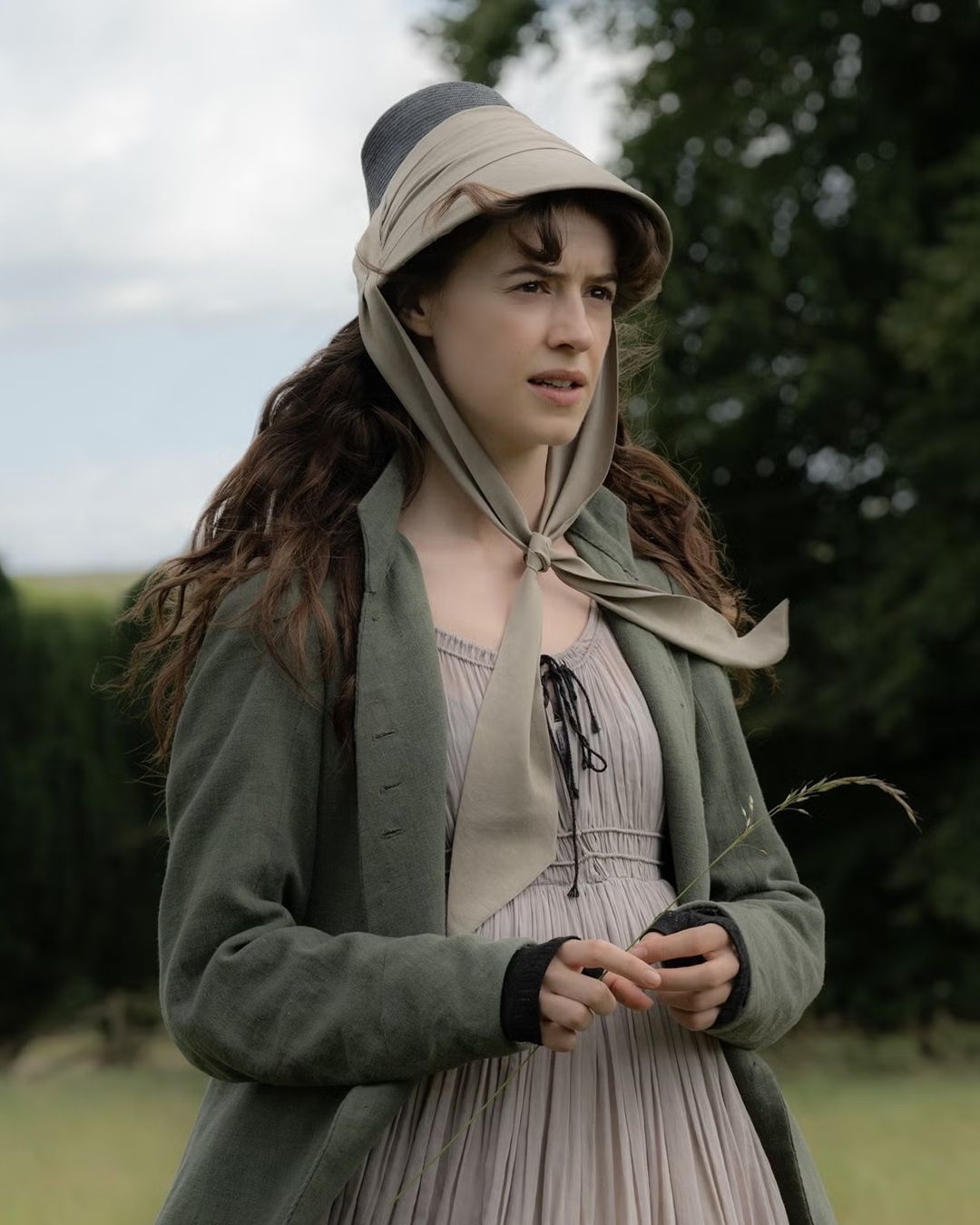
“The magic of Jane Austen is that her stories feel fresh and timeless”
Daisy Edgar-Jones, star of Sense and Sensibility, in cinemas from October 22