












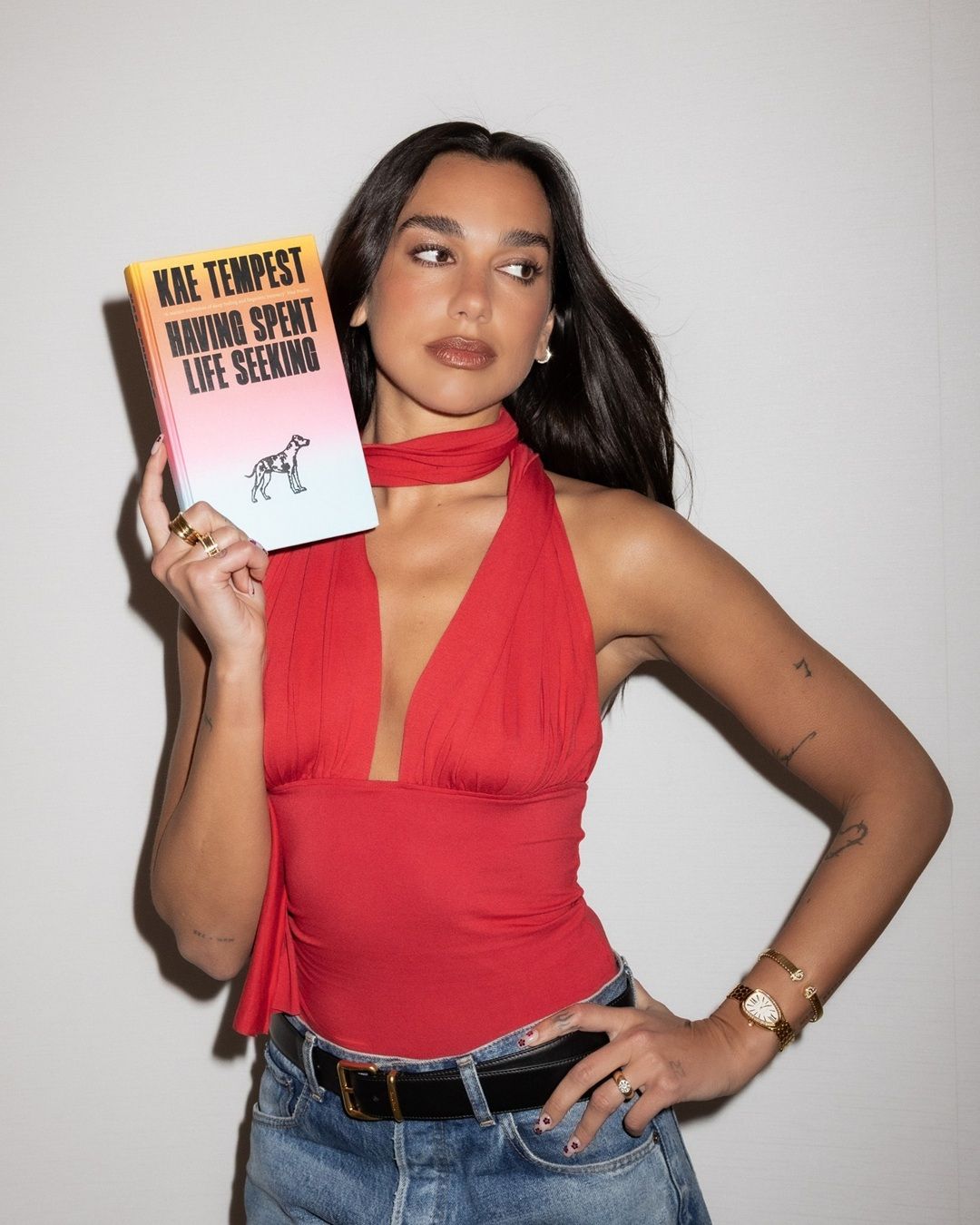
Dua Lipa opens a library of banned books and proves that reading is still a political act The Manifesto Library turns the Service95 Book Club into a physical cultural space
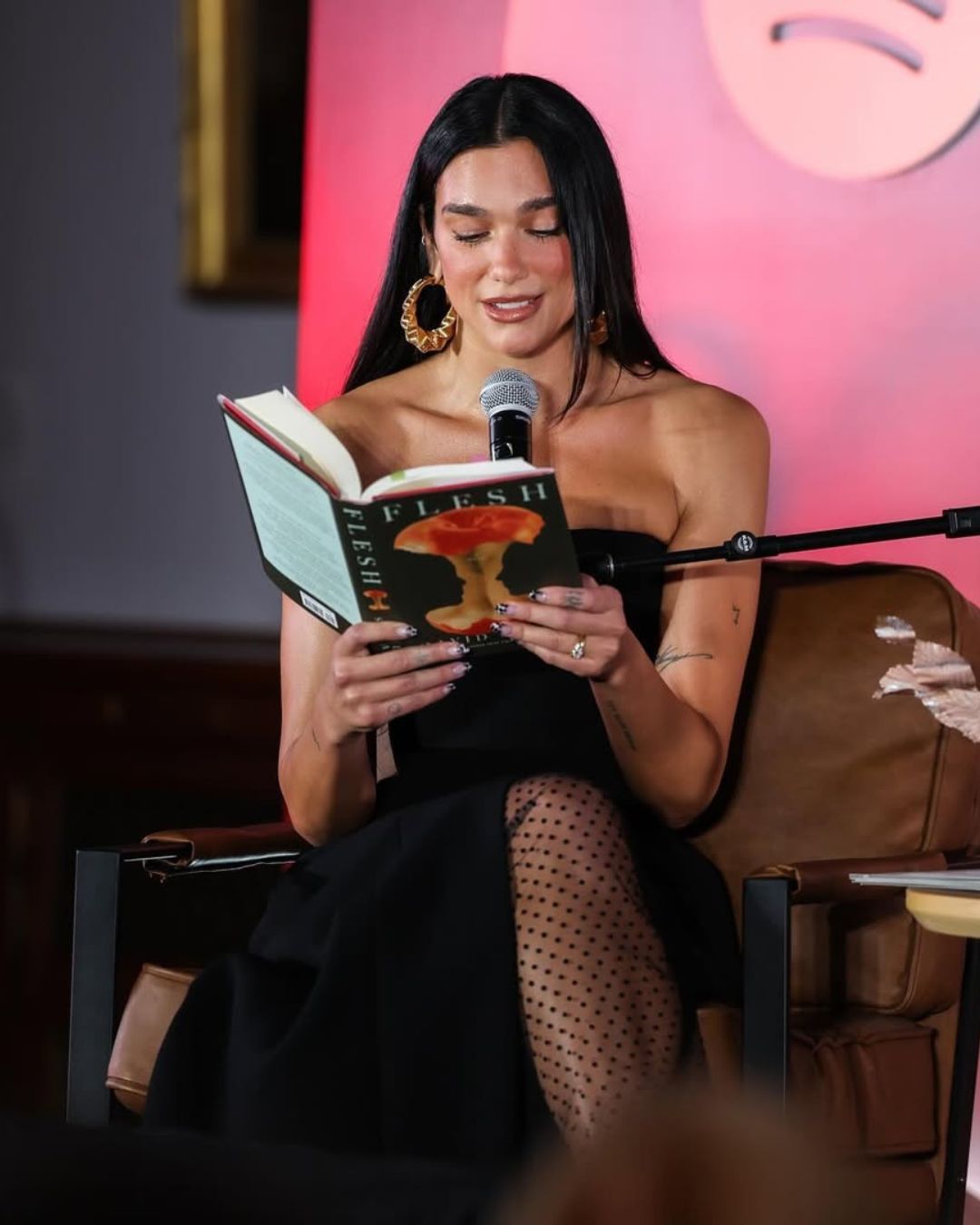
It's getting harder to be surprised when a celebrity launches a beauty brand, a skincare line or yet another canned cocktail. Much rarer is seeing one open a library of banned books. Yet that's exactly what Dua Lipa has done. On June 27, during the inaugural edition of the BABELL international book festival, the singer unveiled the Manifesto Library, a permanent space inside the new cultural auditorium of Porto's historic Livraria Lello. Dedicated to books that have been banned, censored or removed because they were deemed too controversial, the project is the natural evolution of the Service95 Book Club, the literary platform Lipa launched in 2023. What began as an online community has now become a physical place where people can read, debate and challenge dominant narratives.
A library against censorship
The Manifesto Library features around one hundred books grouped around four themes (power, control, voice and memory) bringing together works that all share one thing: at some point, someone tried to silence them. From novels banned in American schools for addressing race, gender identity and sexuality to books whose authors paid a personal price for their ideas, the collection highlights how book censorship is far from being a relic of the past. Authors including Margaret Atwood, Salman Rushdie, Olga Tokarczuk and Reginald Dwayne Betts remind visitors that literature remains one of the most powerful arenas where freedom of expression and political power continue to collide.
"The most subversive thing you can do? Read a book."
For Dua Lipa, the library is the culmination of the vision behind Service95: creating a space where readers and writers from every background can meet, and where reading becomes a way to connect rather than something to be controlled. In her statement, the singer describes the Manifesto Library as "a sanctuary" for books that others have tried to erase, for authors whose courage challenged systems of power and control, and for readers who refuse to let someone else decide what they are allowed to read. Rather than telling people which books they should pick up, she says, the goal is to give them the freedom to decide for themselves. That idea ultimately defines the entire project. Visitors are invited to browse the shelves, choose a book and make up their own minds. As Lipa puts it, "sometimes the most subversive thing you can do is read a book and then talk about it." At a time when access to books is once again being challenged around the world, her library of banned books is a reminder that reading remains, perhaps more than ever, a deeply political act.