



Is it still worth following BookTok's recommendations? Between hype, FOMO, and algorithms: what remains of authentic reading culture?
Over the course of our lives as readers, we've gone from YA fantasy and dystopian novels like Percy Jackson and The Maze Runner to heartbreaking, tragic books like those by John Green, and eventually to anything featuring fairy porn and sweaty hockey players. Not to mention the ultimate tearjerkers: The Fault in Our Stars, Looking for Alaska, and The Perks of Being a Wallflower. If there wasn't at least one death in it, I wasn't interested. I'm a true zillennial, after all. Those of us approaching thirty probably remember the era of the "they are not only books" T-shirts, with some letters replaced by the symbols of franchises like Harry Potter, The Hunger Games, and Divergent. We wore our literary tastes with pride: multifandom necklaces, Shadowhunter runes drawn on our skin with eyeliner or markers, Camp Half-Blood T-shirts. Like many of you, these books practically shaped who I am, and each of them felt like part of something much "bigger."
The arrival of BookTok and reading FOMO
Then I started working in a bookstore and along came Tearsmith. I read it because everyone on Instagram and TikTok was talking about it and I wanted to keep up with the trends. The same thing happened with Colleen Hoover and her It Ends With Us, which was everywhere long before anyone even thought of turning it into a movie. I don't think I realized just how much BookTok was influencing my purchases until I noticed I was reading whatever the latest bookfluencer recommended while announcing the arrival in Italy of the newest "US phenomenon." Even now, whenever I open my feed, I'm flooded with book recommendations that I sometimes end up following, even reluctantly.
What happened to the joy of walking into a bookstore and discovering what had arrived that week? I spend more time planning which books to buy based on their release dates than actually reading them. Because yes, eventually FOMO kicks in and before you know it, you've accumulated piles and piles of identical romantasy novels featuring the same grumpy, impossibly sexy shadow daddy. That's when I started wondering whether the problem was me. Whether, after years of following the latest literary trends, I had suddenly awakened from a Matrix made of romance books and book boyfriends.
What BookTok and Bookstagram readers really think
A survey conducted among readers of different ages on Bookstagram revealed something interesting: many of them read more than twenty-five books a year, have been using these platforms for one or two years, and rely more on Bookstagram than BookTok to find inspiration for their next reads. Nothing surprising so far. What really stands out is something else: 82% of respondents believe the hype surrounding social media book recommendations is exaggerated, while 54.5% say their trust in these platforms has declined over time.
In other words, we keep following the trends, but with an obscure Russian classic in our other hand. Among the most appreciated aspects is the opportunity to discover new books thanks to niche creators and the contagious enthusiasm generated by reviews, hauls, and readalongs, mentioned by 73% of participants. Yet that very same 73% also identified the biggest downside: everyone recommends more or less the same books, turning our TBR piles into collections of viral titles.
The criticism doesn't stop there. Many readers point to poorly disclosed sponsorships, mediocre books turned into publishing sensations, the difficulty of finding space within an already established community, and the tendency to glorify toxic relationships or celebrate authors more for the themes they tackle than for the quality of their writing. Others highlight an imbalance in the promotion of authors and a general lack of self-criticism within the industry.
And yet, despite everything, 45.5% still consider the overall impact of BookTok and Bookstagram to be positive. Maybe those who say we often give these platforms more importance than they actually deserve are right: in the end, we as readers should be the ones deciding what is worth reading. It's not easy, of course, but recognizing the problem is already a good place to start.
Bookfluencers are under pressure too
If readers now think that BookTok has more downsides than upsides, things aren't much different on the other side of the screen. I asked five bookfluencers to share their experiences.
TheBookishGents admits without hesitation: "I started out afraid of being left behind and feeling the need to stay on trend, so I trapped myself into talking exclusively about fashionable titles and genres. When I changed my approach, engagement dropped, as did the conversation with my community, because the books I read don't always align with what's trending, and as a result it's hard to find common ground."
EllyBookNerd shares a similar experience: "I used to walk into a bookstore and wander through the shelves with no destination in mind, guided mostly by instinct. Today, I'm much more aware of publishing news and the books everyone is talking about online. It's inevitable to feel some pressure around the book of the moment, but I always try to stay true to my tastes: a plot really has to intrigue me before I decide to read a book. I don't let FOMO drive my choices."
InkReadiblesBooks sees it from a different perspective: "I think I've become more aware, partly because I read more and consume more books. Now I can almost immediately tell whether a story is right for me or not."
Libriconfragole is the exception: "The reader in me has never changed: I'm still the same guy who's excited to hold a book in his hands and get lost in it for hours, reflecting on its themes and dreaming along with the stories. What has undeniably changed is my approach to reading, which has become more methodical because it's also my job now, so I need to organize myself and meet deadlines."
Then there's LaLibreriadiJosh, whose story is more personal: "Thanks to BookTok, I started reading again. As I got older, it became a passion I abandoned, to the point that I got rid of my entire library. Then one day, while scrolling through TikTok, creators talking about books started appearing on my feed. Eventually, The Song of Achilles completely took over my For You page, and I saw it mentioned by influencers I already followed. […] And that's how I started reading again."
The problem isn't creators, it's the system
If 82% of readers think the hype is exaggerated, it's worth remembering that the people creating that hype often suffer from its consequences too. The problem is structural: it's not the creators' fault, it's an algorithmic system that seems to have some massive flaws. Everything revolves around numbers, and if those numbers aren't there, you can quickly disappear into obscurity.
Then there's the issue of feeling trapped into talking about the same genres over and over again to avoid disappointing your audience. TheBookishGents was the most direct in saying that when he stopped chasing trends, engagement dropped. The conversation with his community faded simply because the books he was talking about no longer matched what was fashionable at the moment.
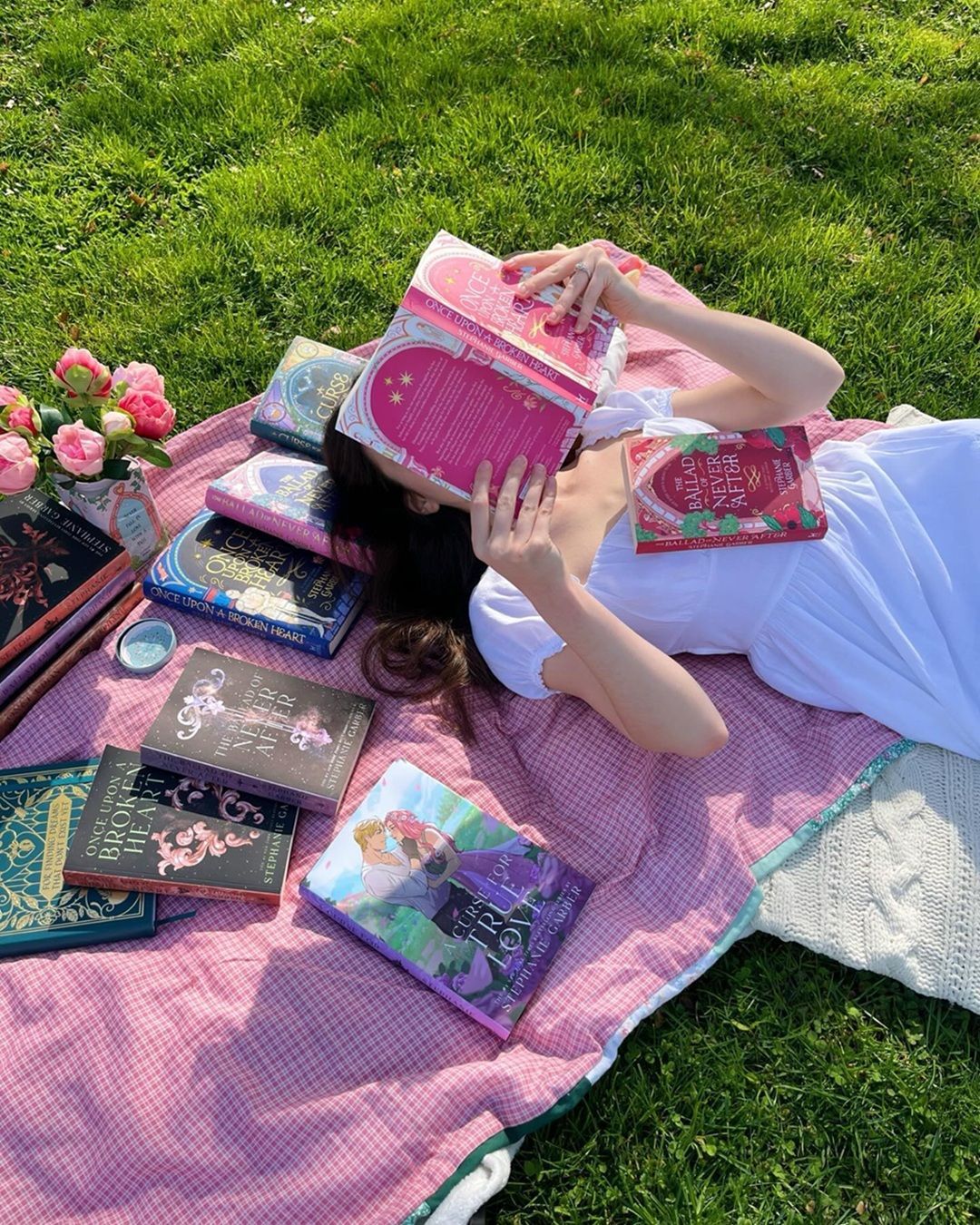
For InkReadiblesBooks, however, it's not a cage: "It's more like a beautiful plaid blanket spread out on the ground. Outside the blanket there's grass that might get your feet wet, but on the blanket it feels really good, and that's how I experience my favorite genres." It's not a constraint; it's simply more comfortable on the blanket. It's a difficult balance.
The future of BookTok: decline or evolution?
Opinions are divided when it comes to the future. TheBookishGents is the most pessimistic: "I think we're witnessing the sunset of creators and of the influencer concept we've known since around 2012 or 2013. The value of book social media is dropping significantly, becoming too commercial and too general to have any real cultural importance or values like honesty, authenticity, and passion. Its only value now is market value, driven by creators who move the masses toward the most commercial books."
Libriconfragole is more optimistic and talks about "a return to greater spontaneity and authenticity, without all the artificial embellishments." EllyBookNerd focuses on what remains constant: "At the end of the day, regardless of the platform, what really matters is the desire to tell stories and create connections through books."
LaLibreriadiJosh sees it as a natural phase of growth: "I think we're moving toward a world where more people read and where we're finally talking about reading on social media. What will happen when all of this is over? I don't know, we'll find out." Finally, InkReadiblesBooks believes that there is "plenty of room for everyone, and it's right to occupy that space in the ways that feel most compatible."
Is it still worth following BookTok recommendations?
Maybe BookTok isn't that different from those old "they are not only books" T-shirts. It's a way of building community around books, with all the flaws and contradictions that come with it. The difference is that now there are metrics, sponsorships, and algorithms involved. And it's up to us to do our part by learning not to panic if we don't have the latest BookTok sensation in our hands immediately, maybe we'll read it in two months, or even three years. Perhaps we should simply go back to bookstores and discover what's new on the shelves, or look at a book review on Instagram and genuinely ask ourselves whether we'd enjoy it instead of buying it almost blindly. Or maybe we should simply go back to being ordinary readers. Plot matters more than hype, both in books and in life.