



























Mimì Pecci Blunt: the woman who transformed style into an art form Villa Reale di Marlia celebrates the legacy of one of the most refined protagonists of twentieth-century taste

Mimì Pecci Blunt: the woman who transformed style into an art form Villa Reale di Marlia celebrates the legacy of one of the most refined protagonists of twentieth-century taste

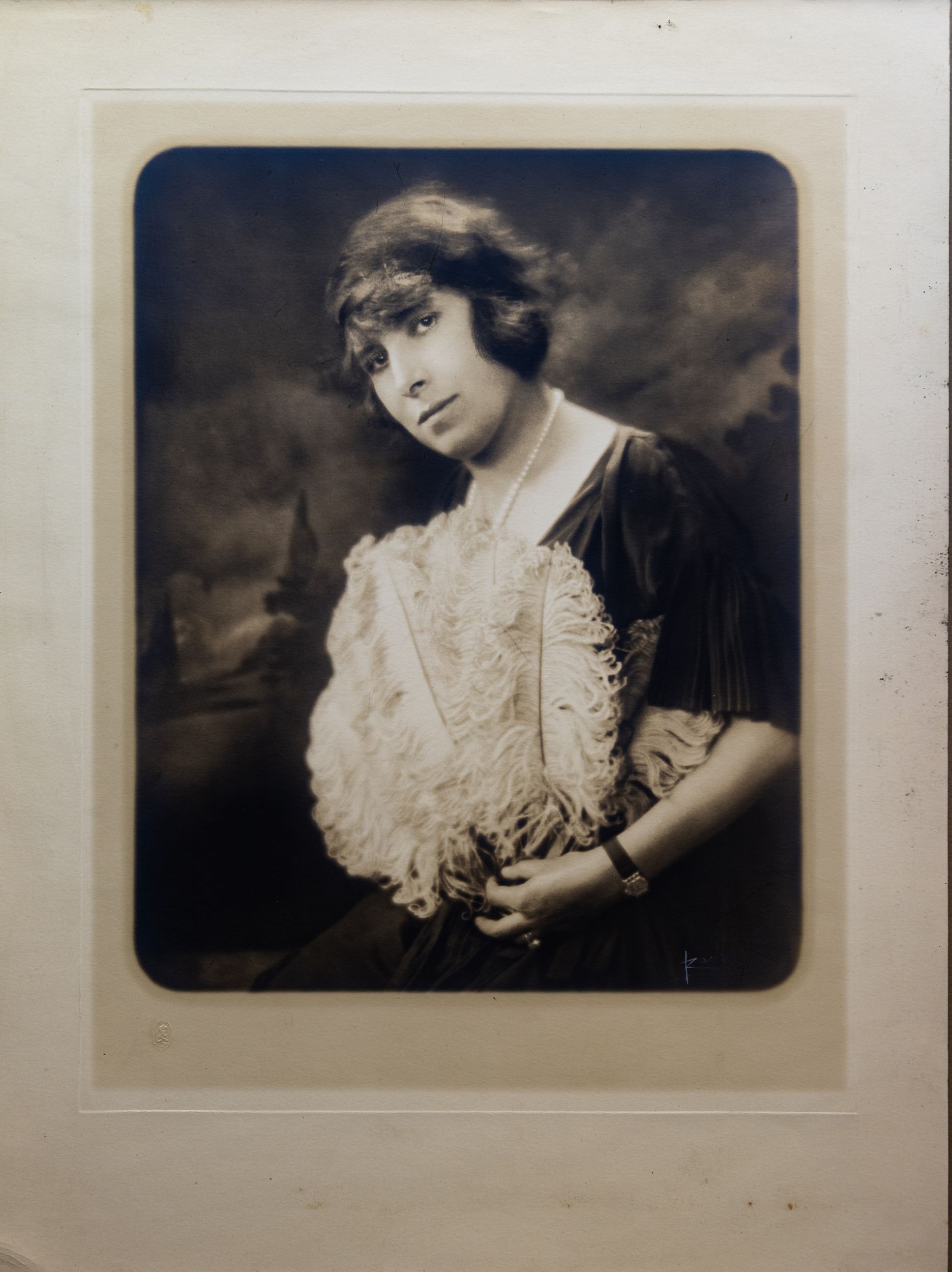
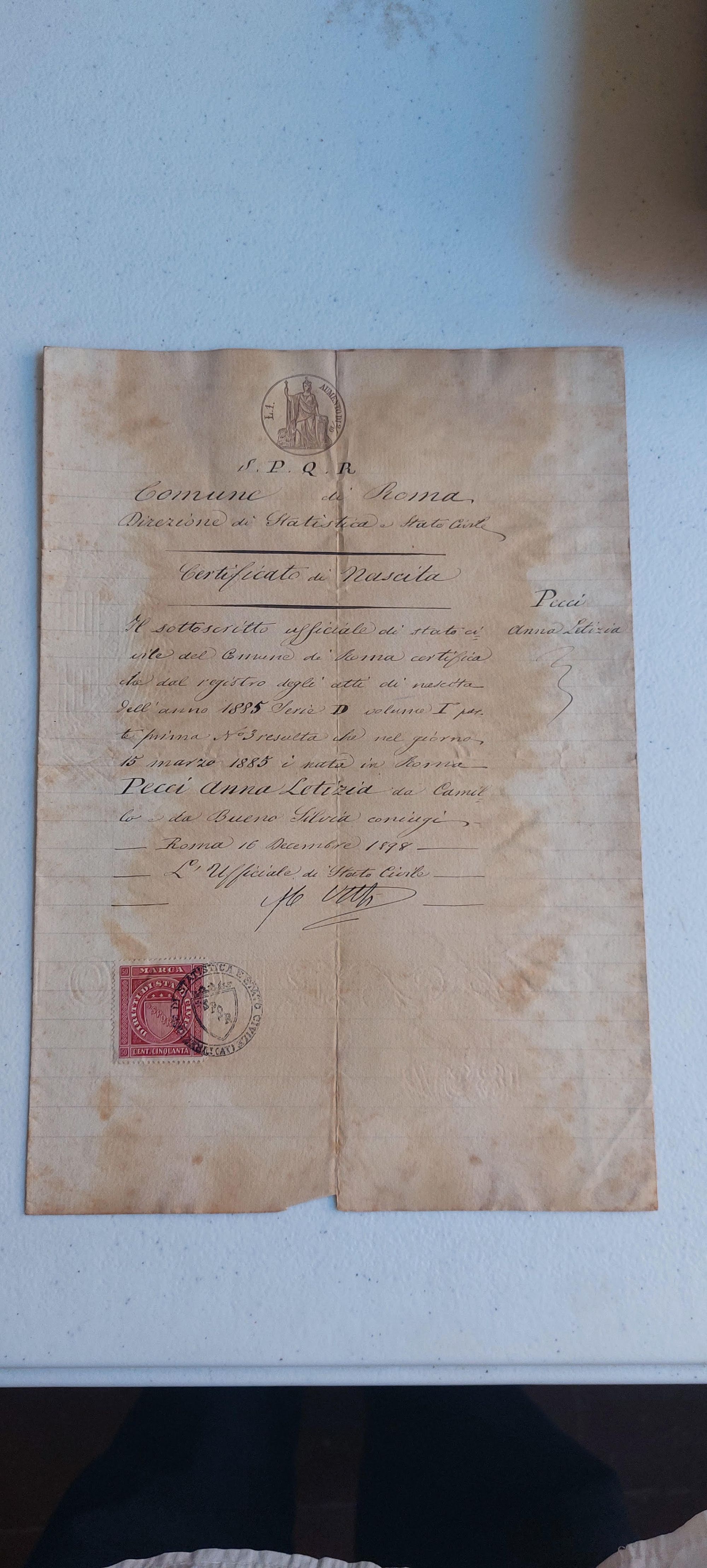
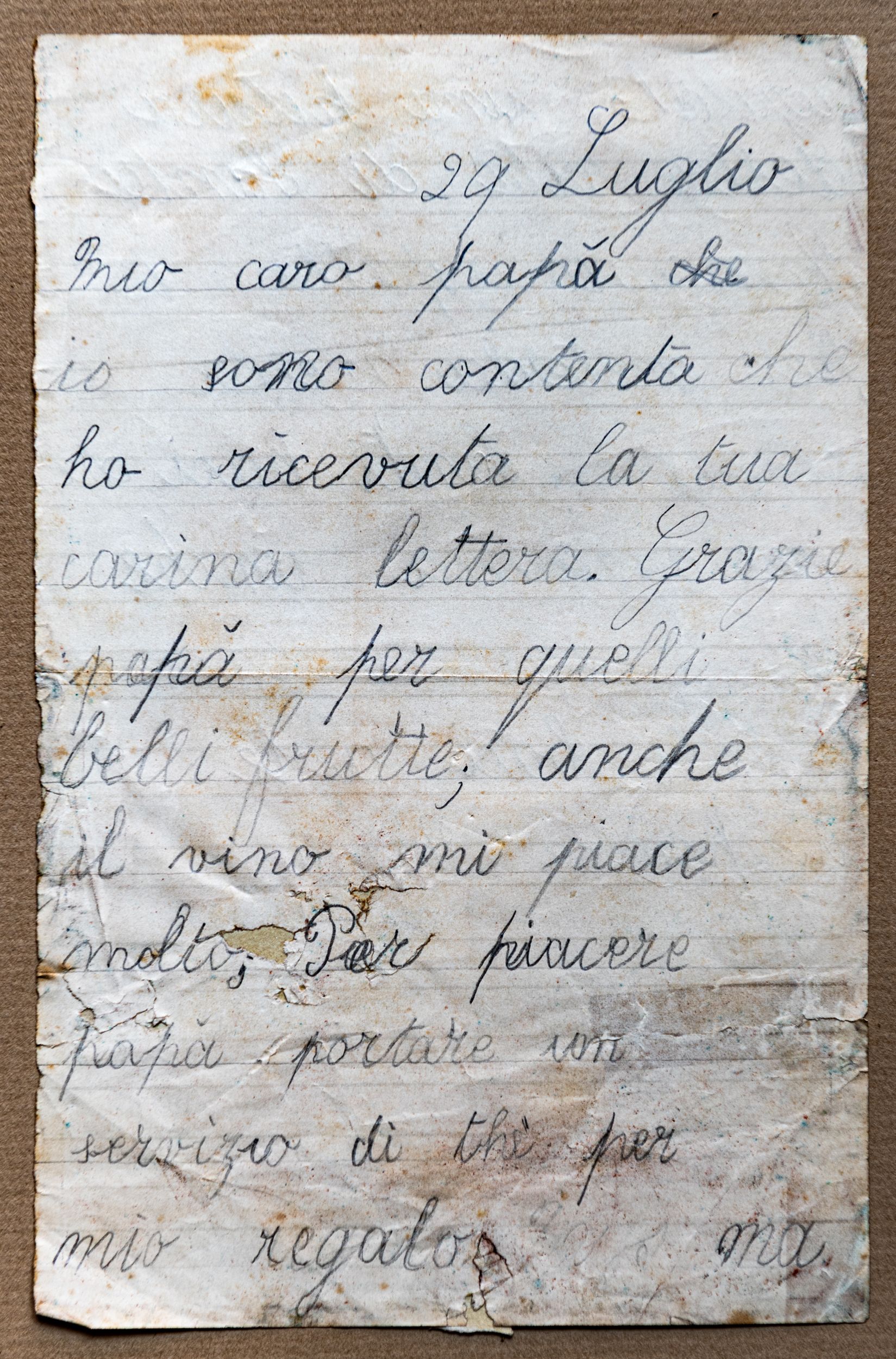
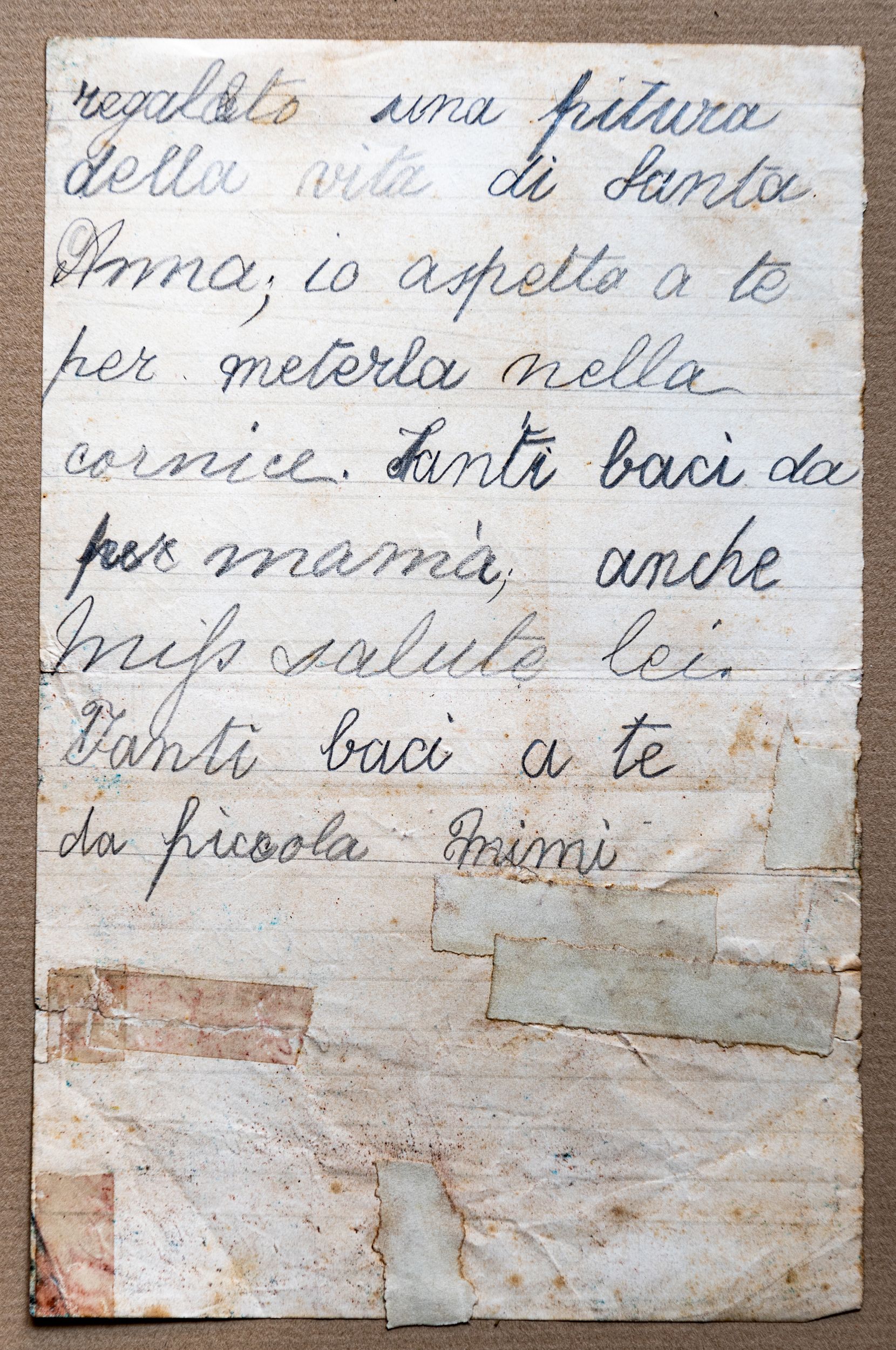
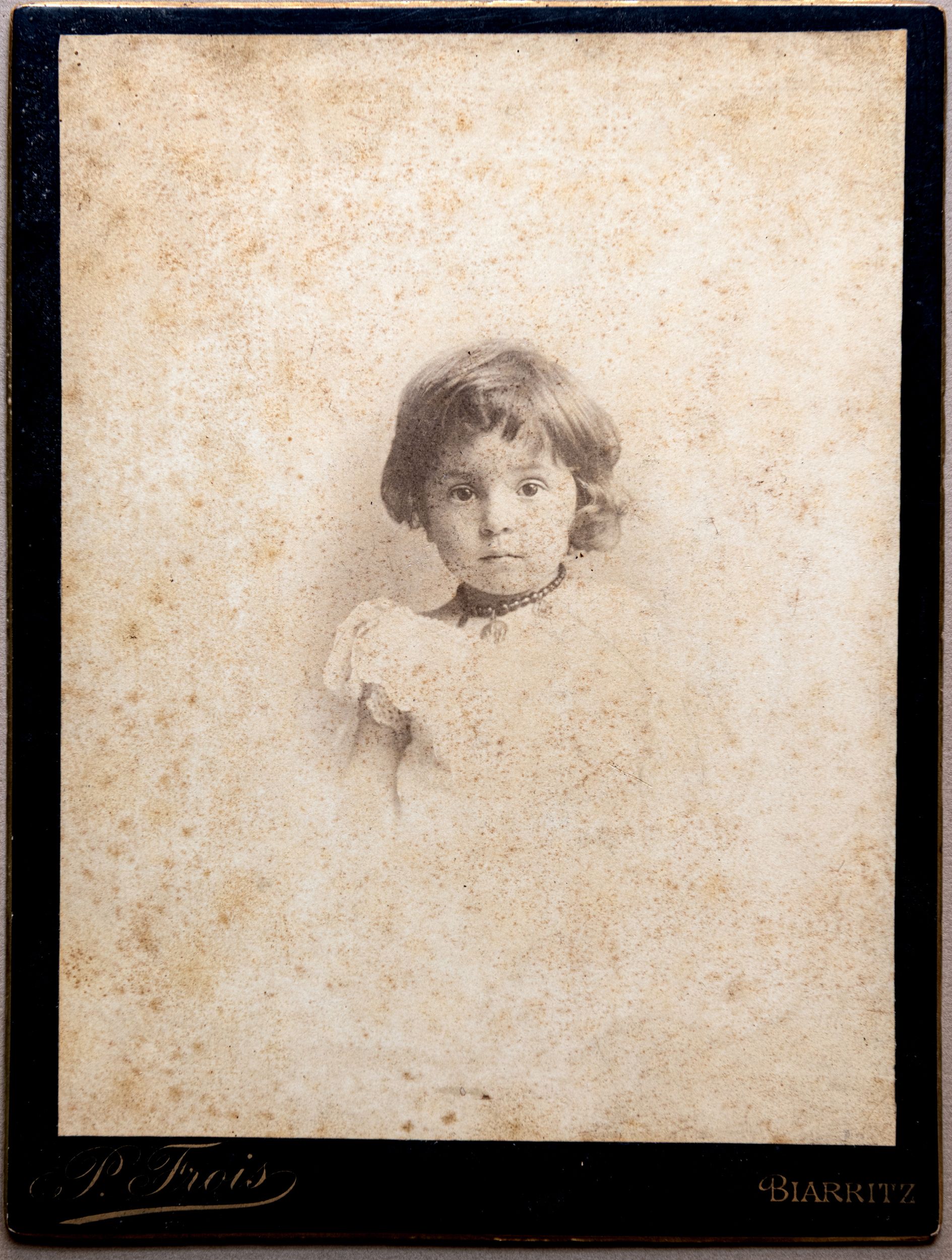
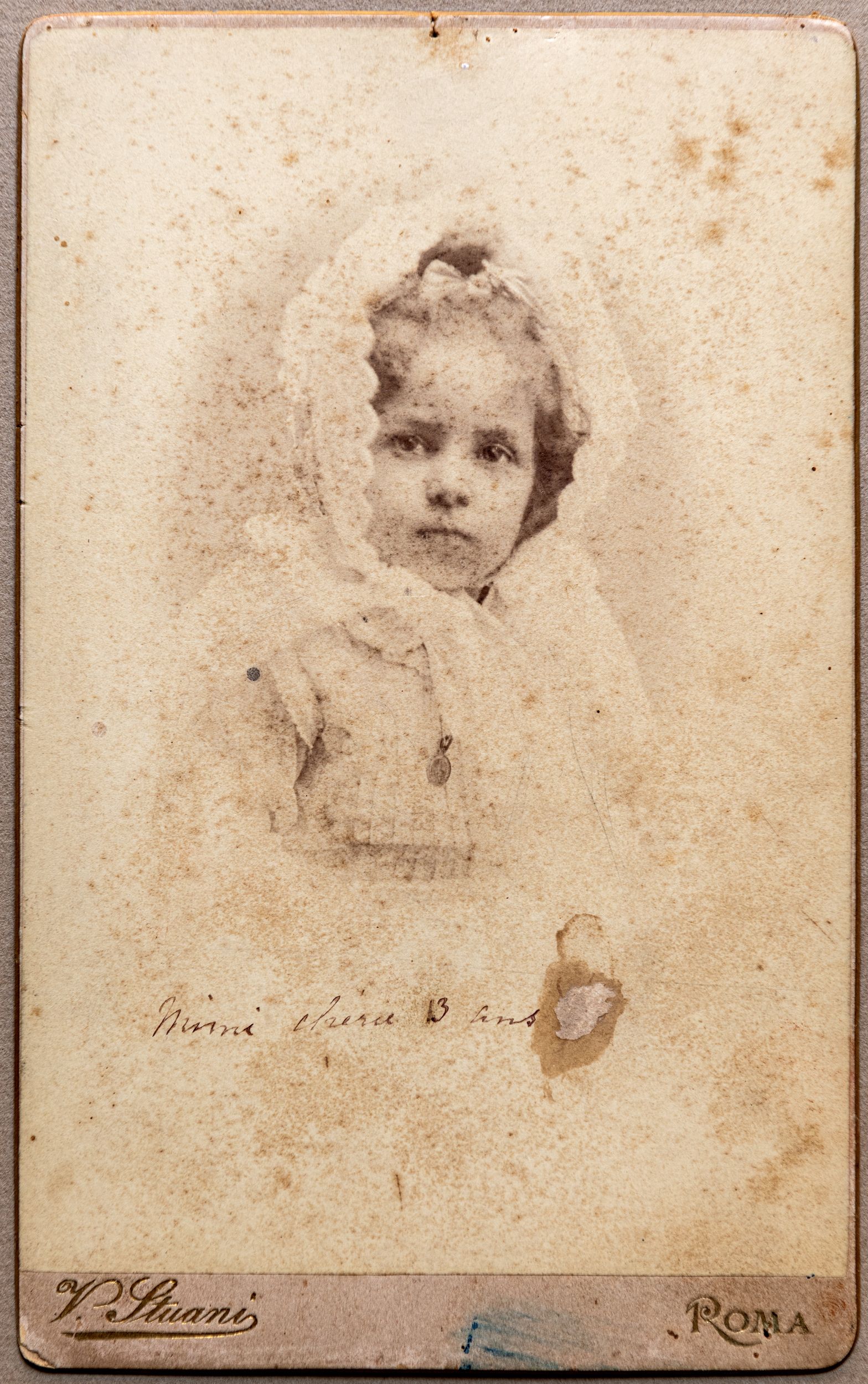
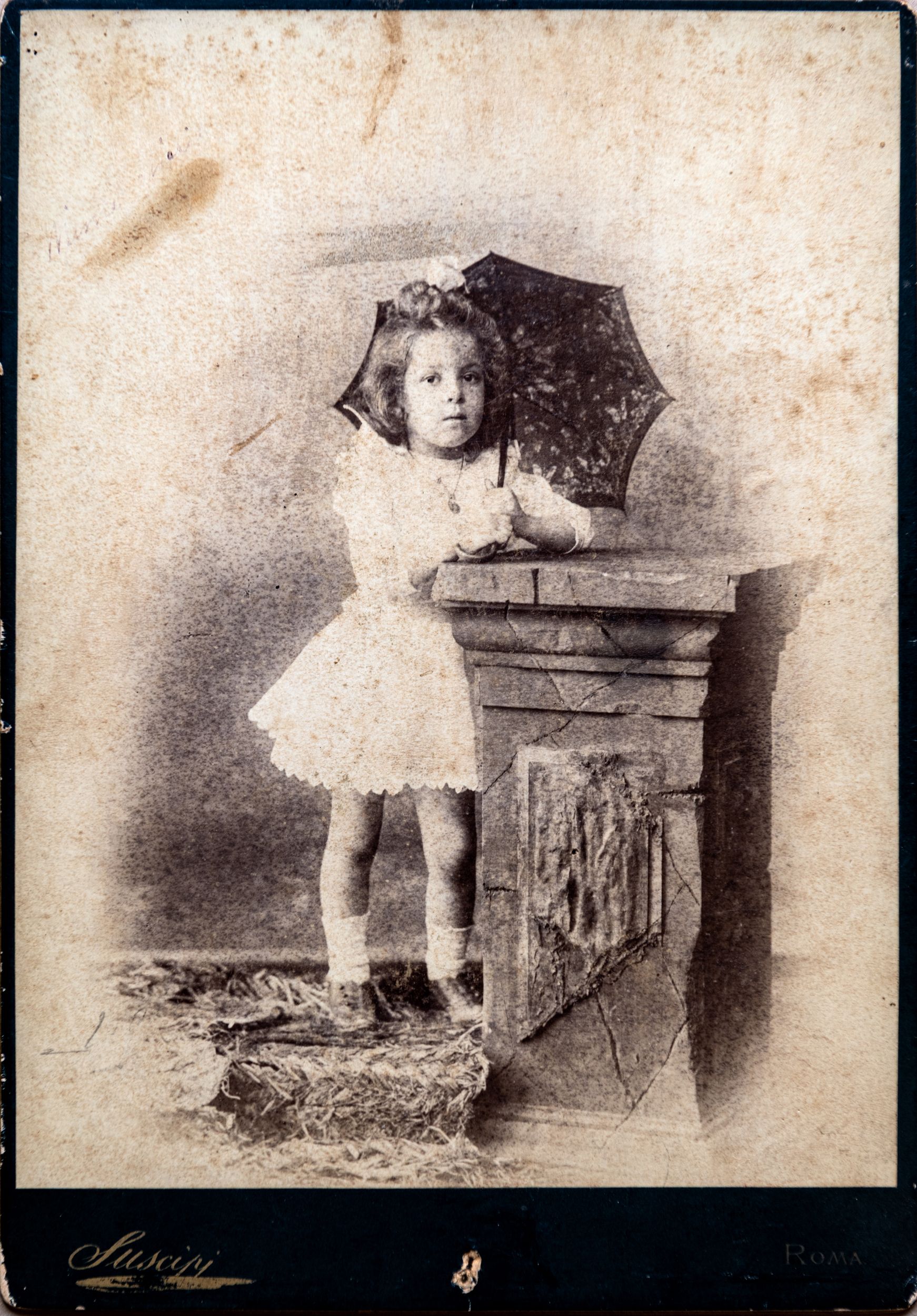
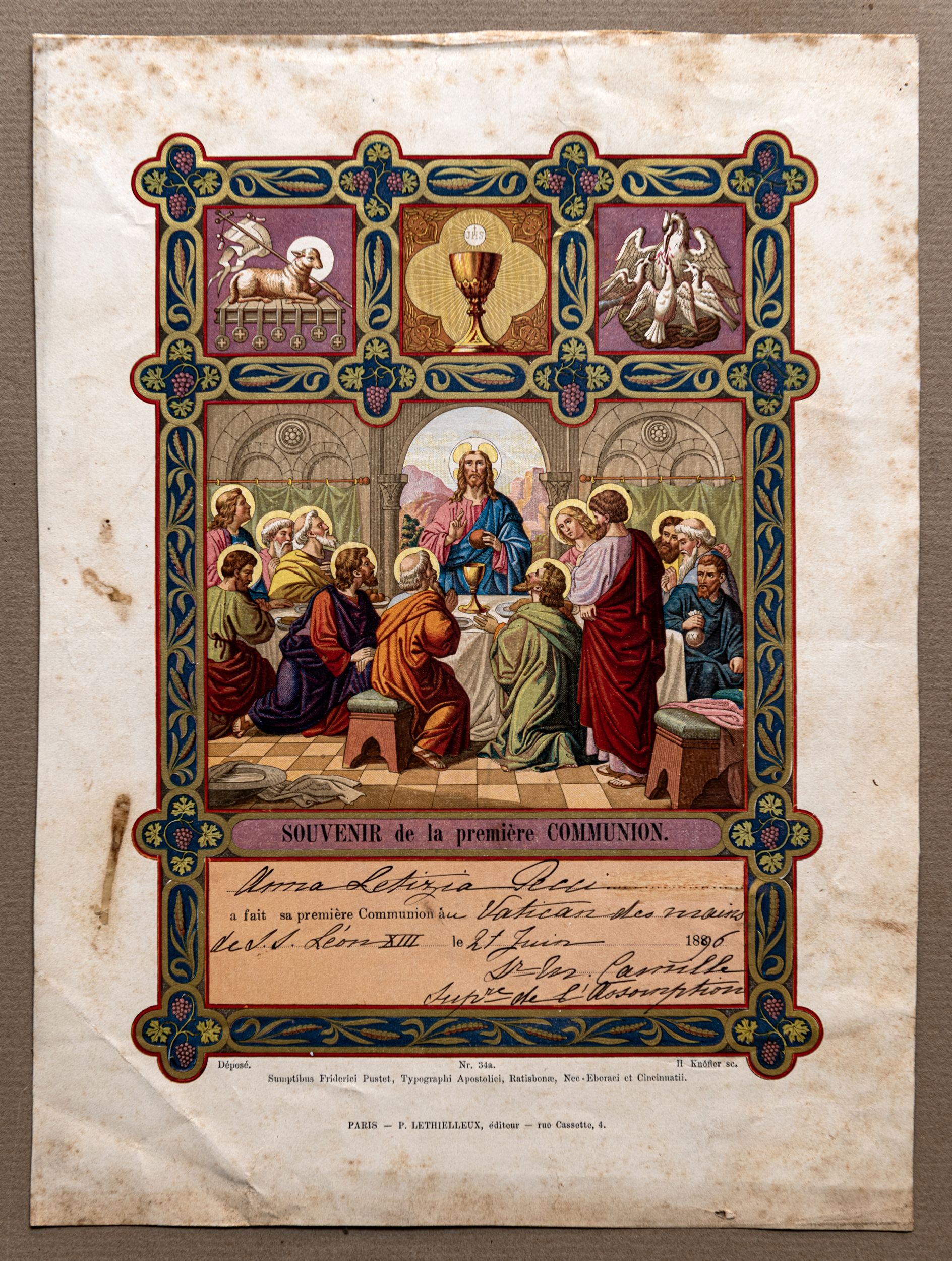
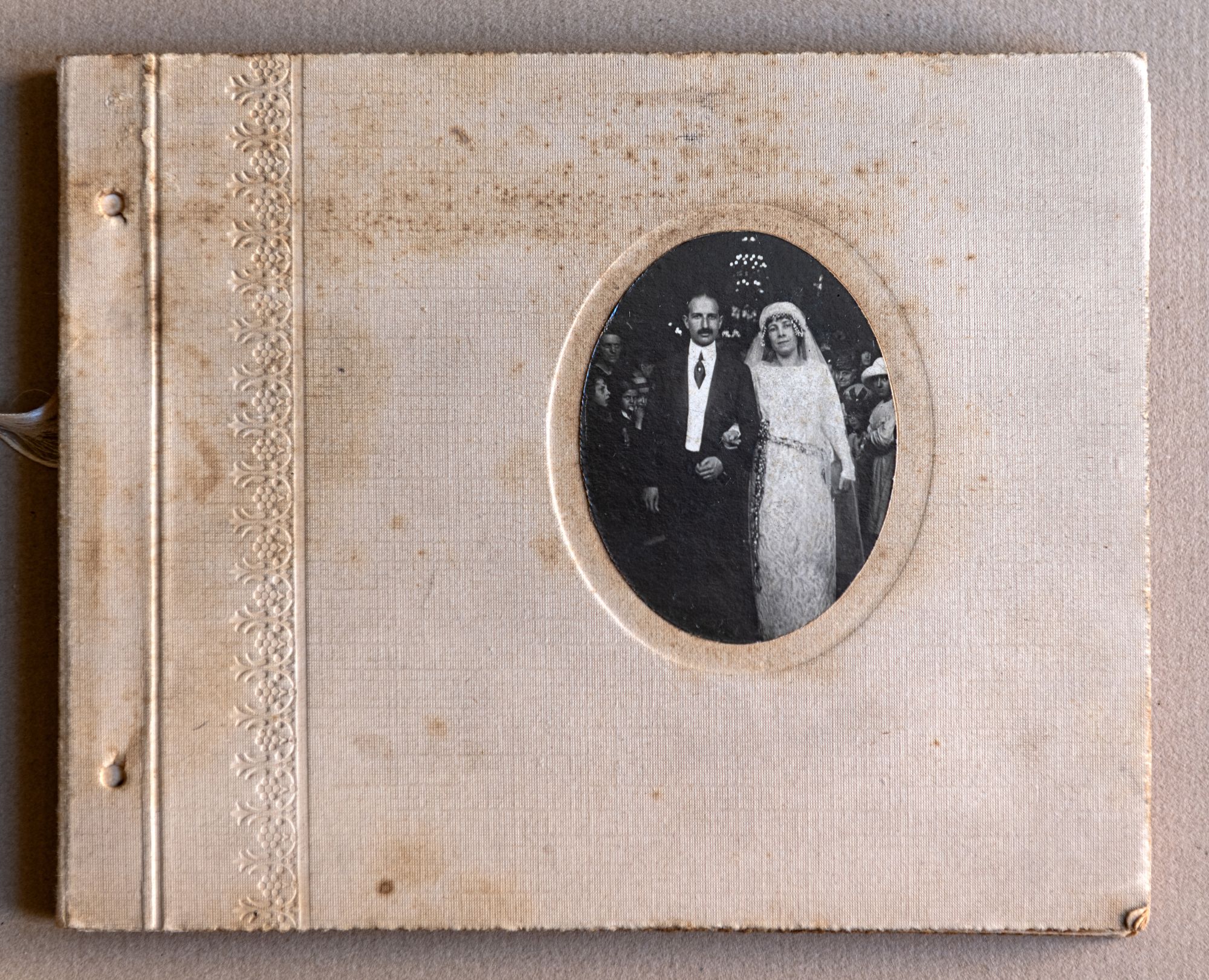
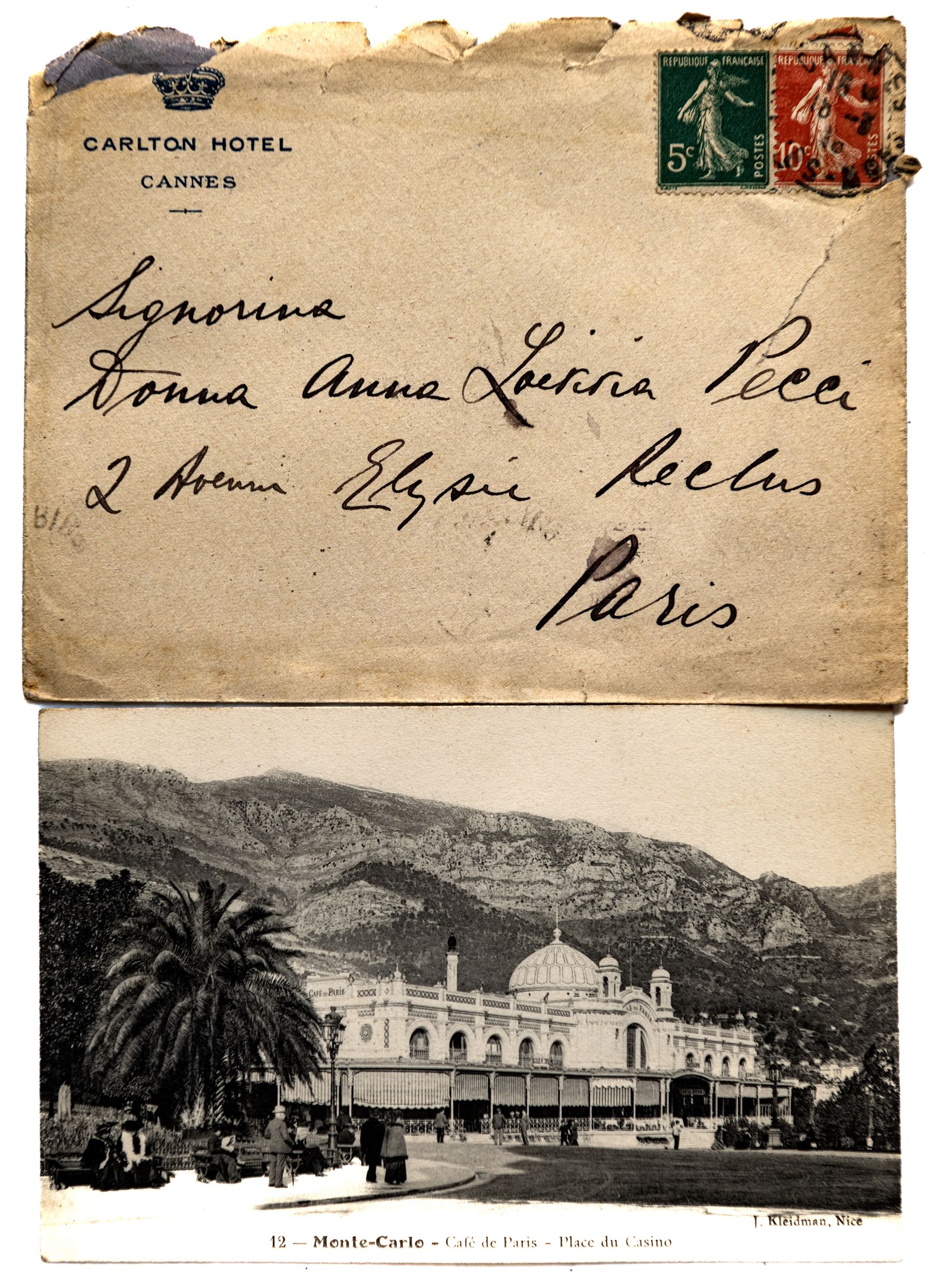
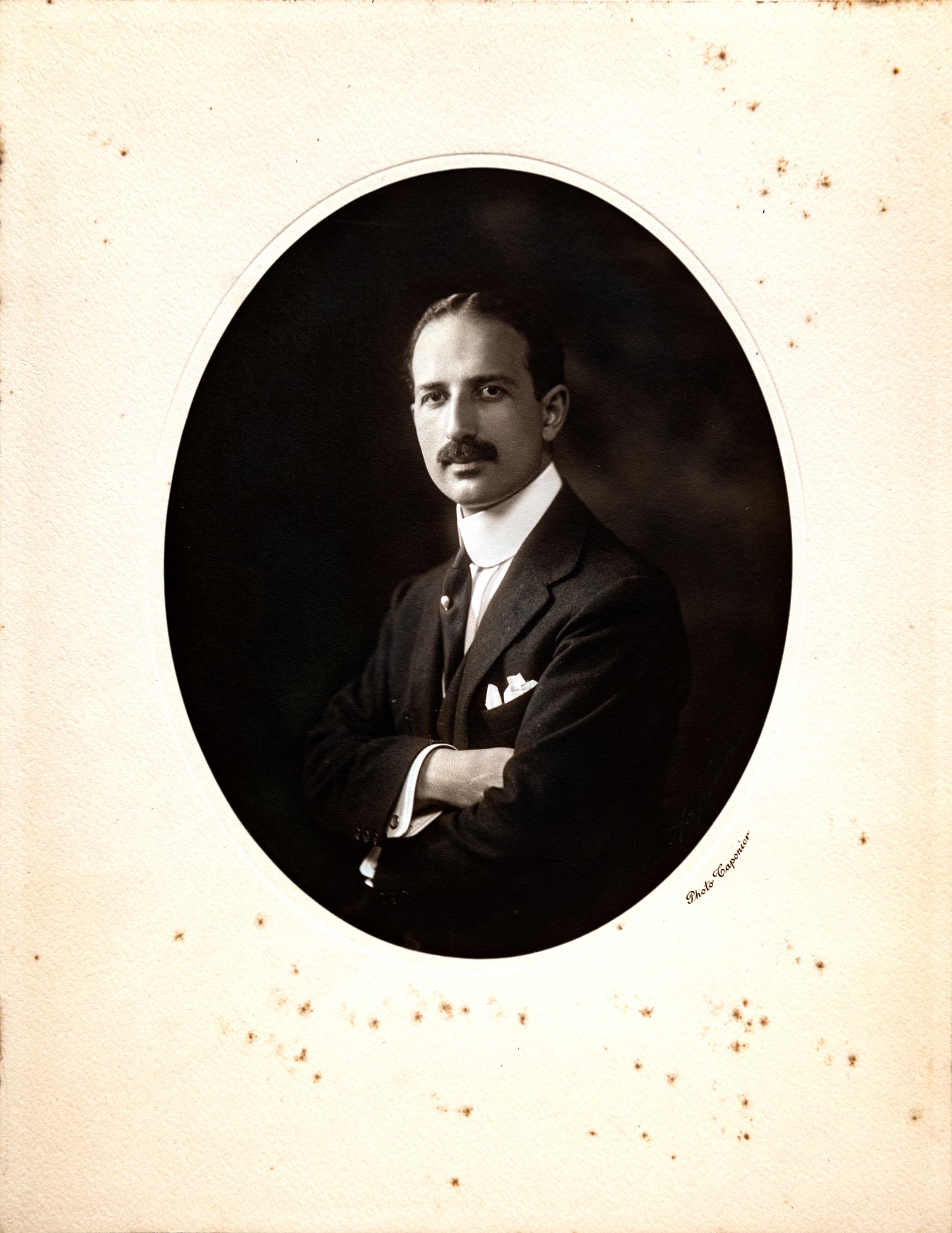
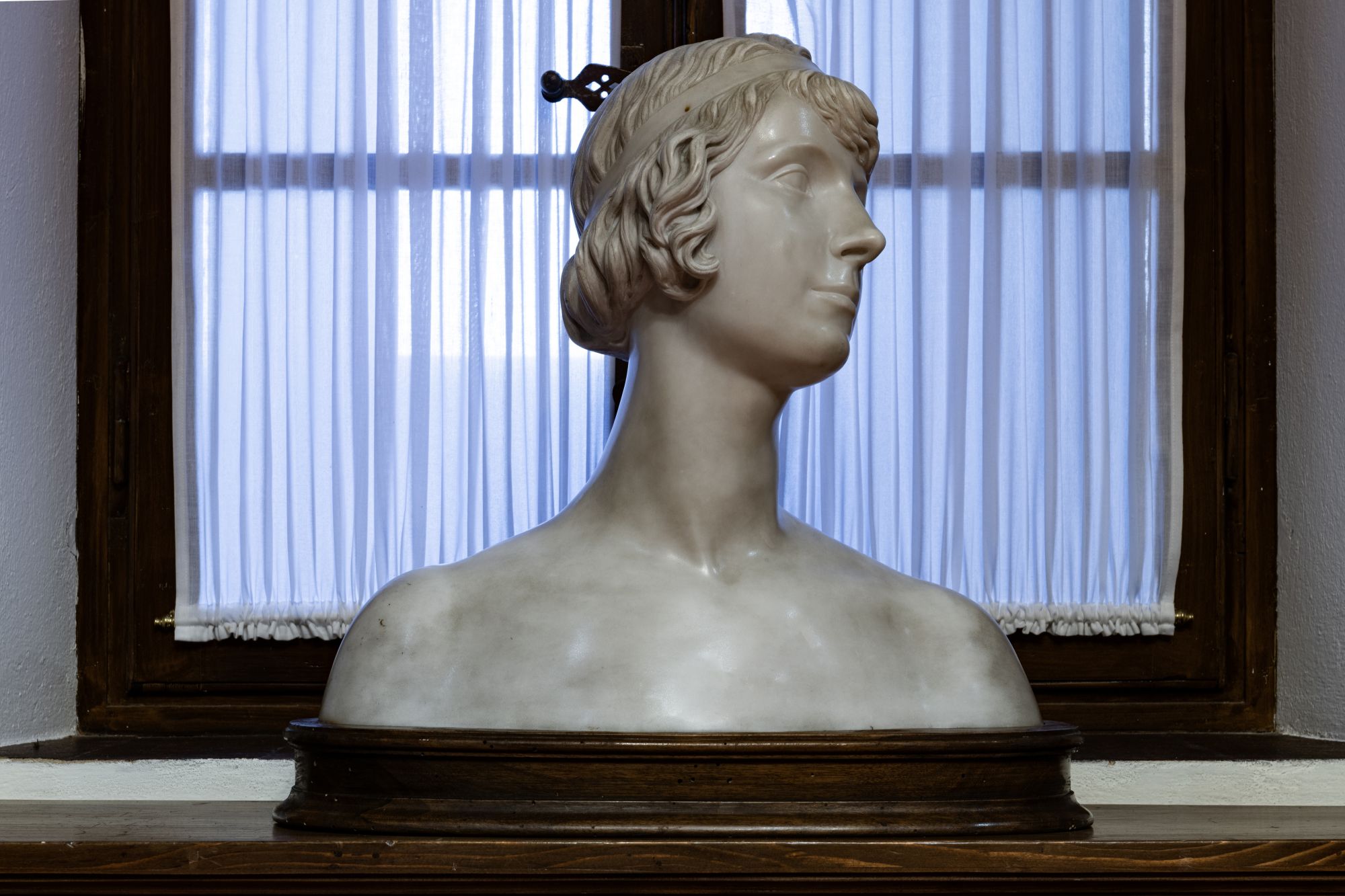
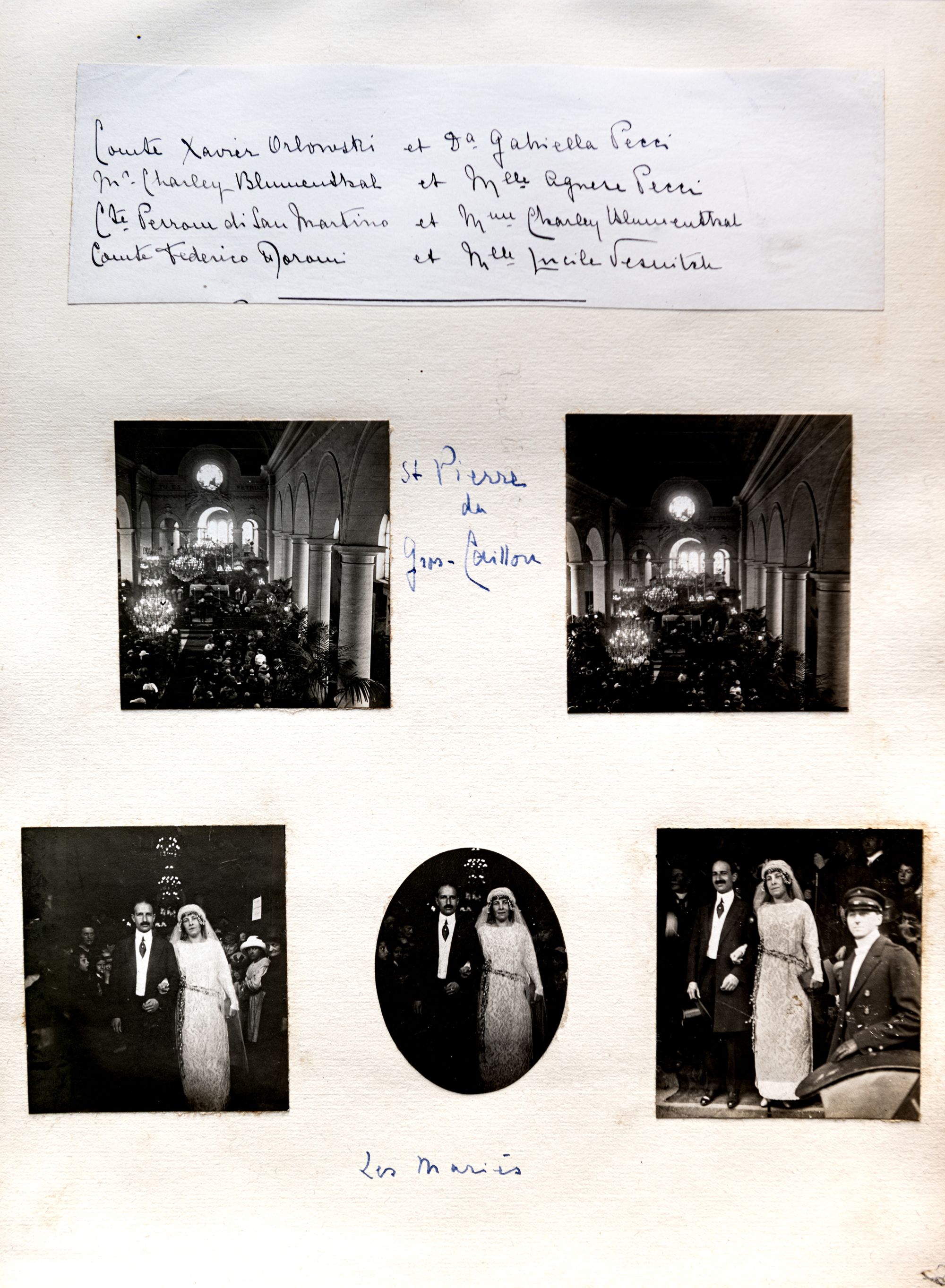
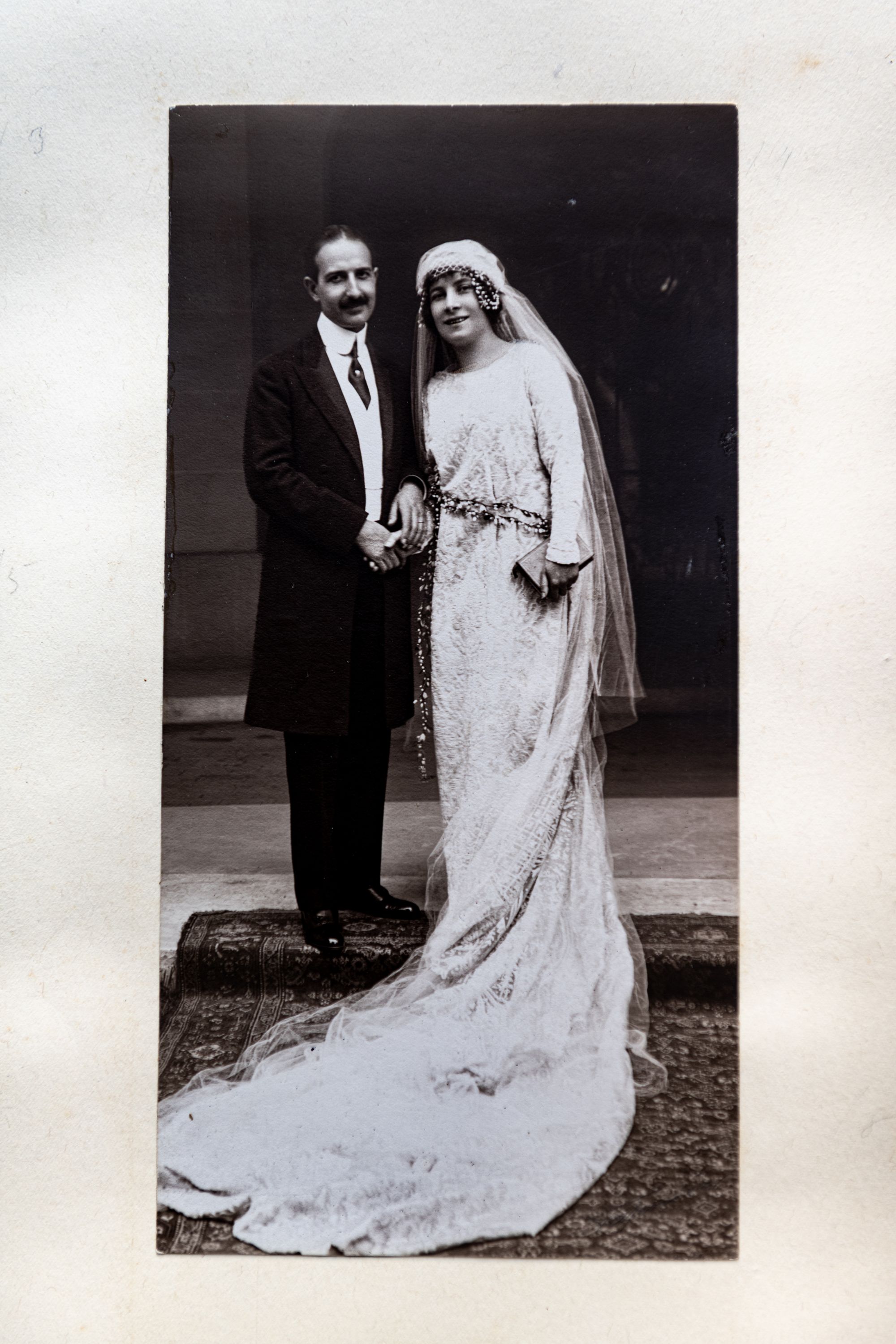
From July 2 to August 16, 2026, in the spaces of the San Micheletto Complex in Lucca, the exhibition Elisa Bonaparte and Mimì Pecci Blunt in Marlia. Two women, two centuries, one villa invites the public to enter the cultural and symbolic universe of Villa Reale di Marlia through a story that intertwines history, art and memory. The exhibition brings into dialogue two protagonists who, at different times, have helped to define the identity of the villa and its role in European culture, through a selection of archival materials, documentary evidence and highly suggestive visual presences. On display, some autograph letters from Elisa Bonaparte, the famous wedding dress by Mimì Pecci Blunt and a selection of documents and photographs from the Villa Reale di Marlia Archive that return the refinement and international dimension that cross the history of the villa.

Mimì Pecci Blunt, the exhibition at the Villa Reale di Marlia

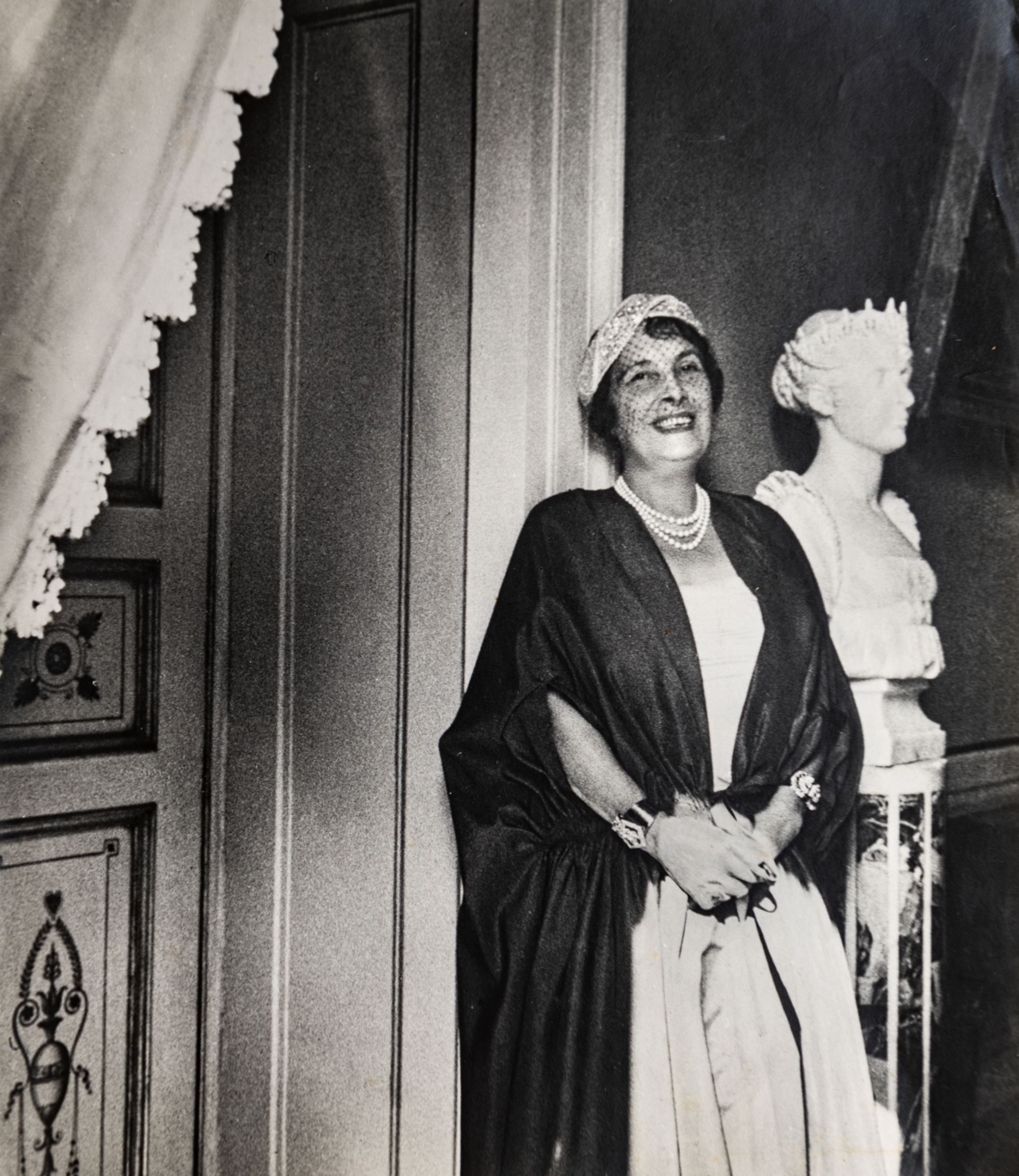
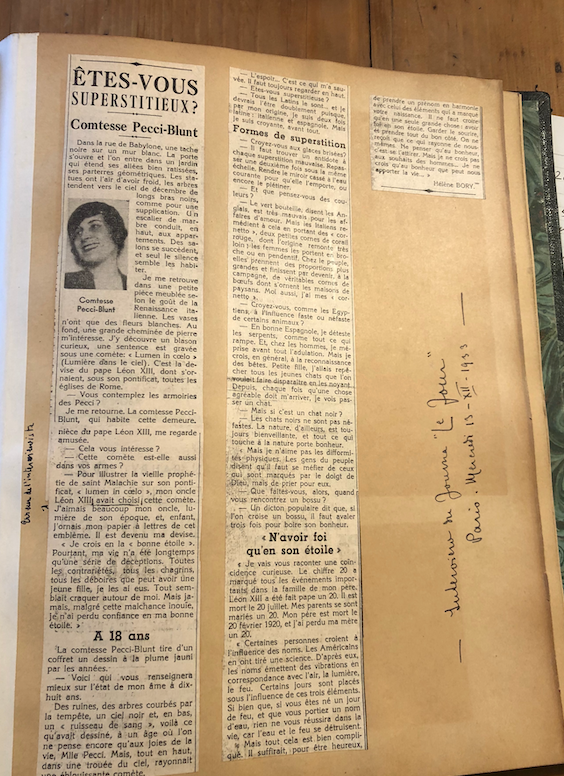
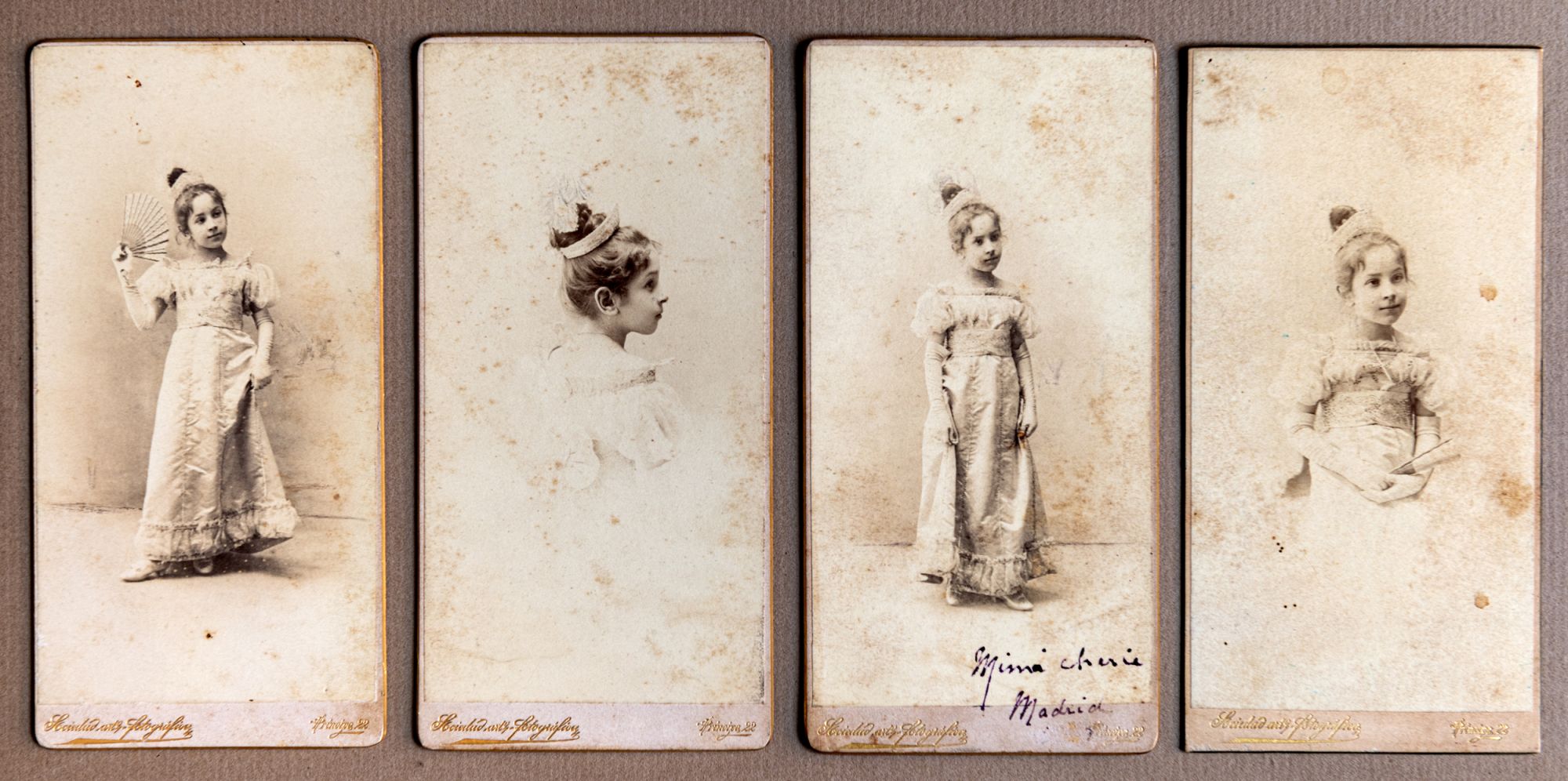
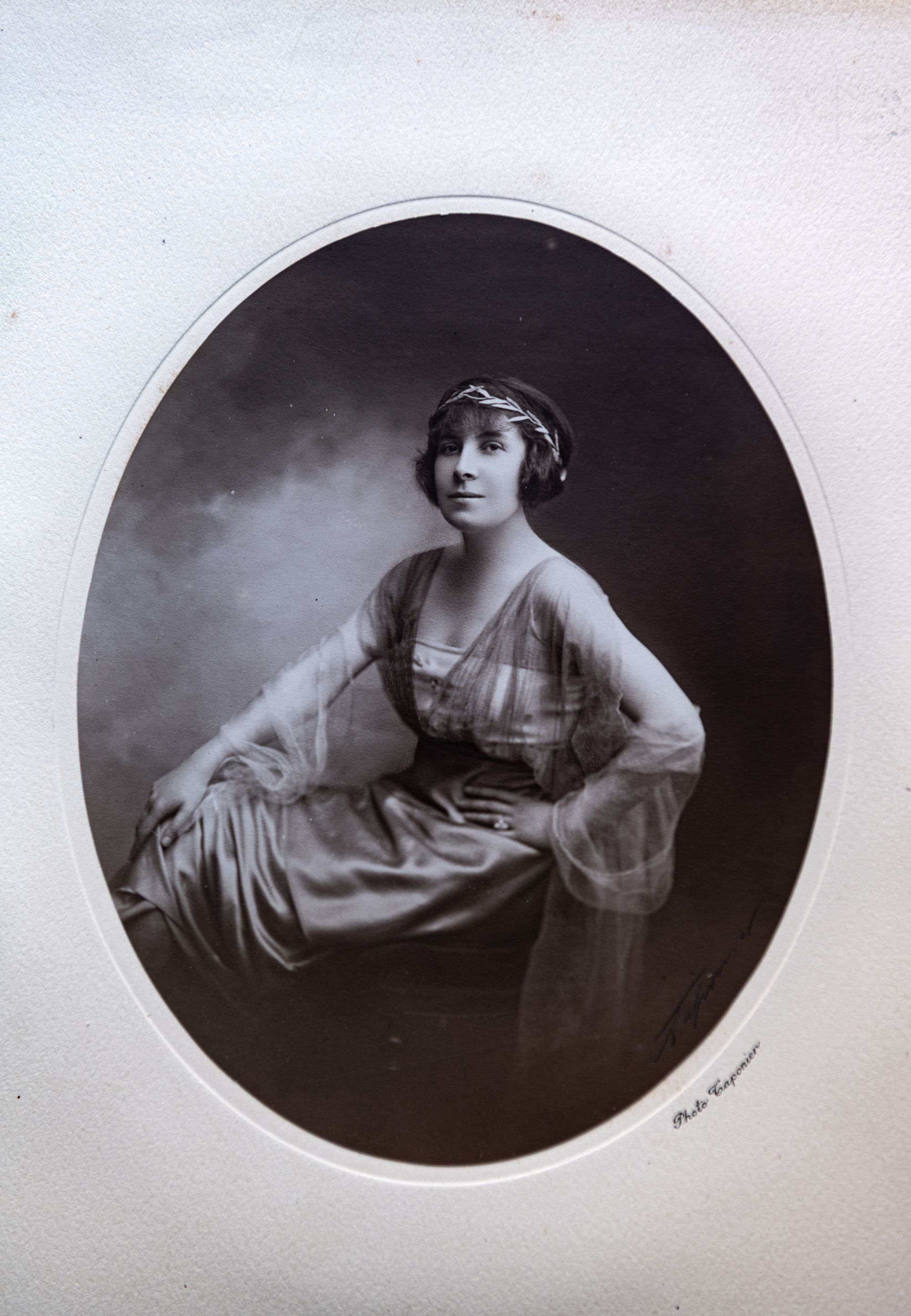
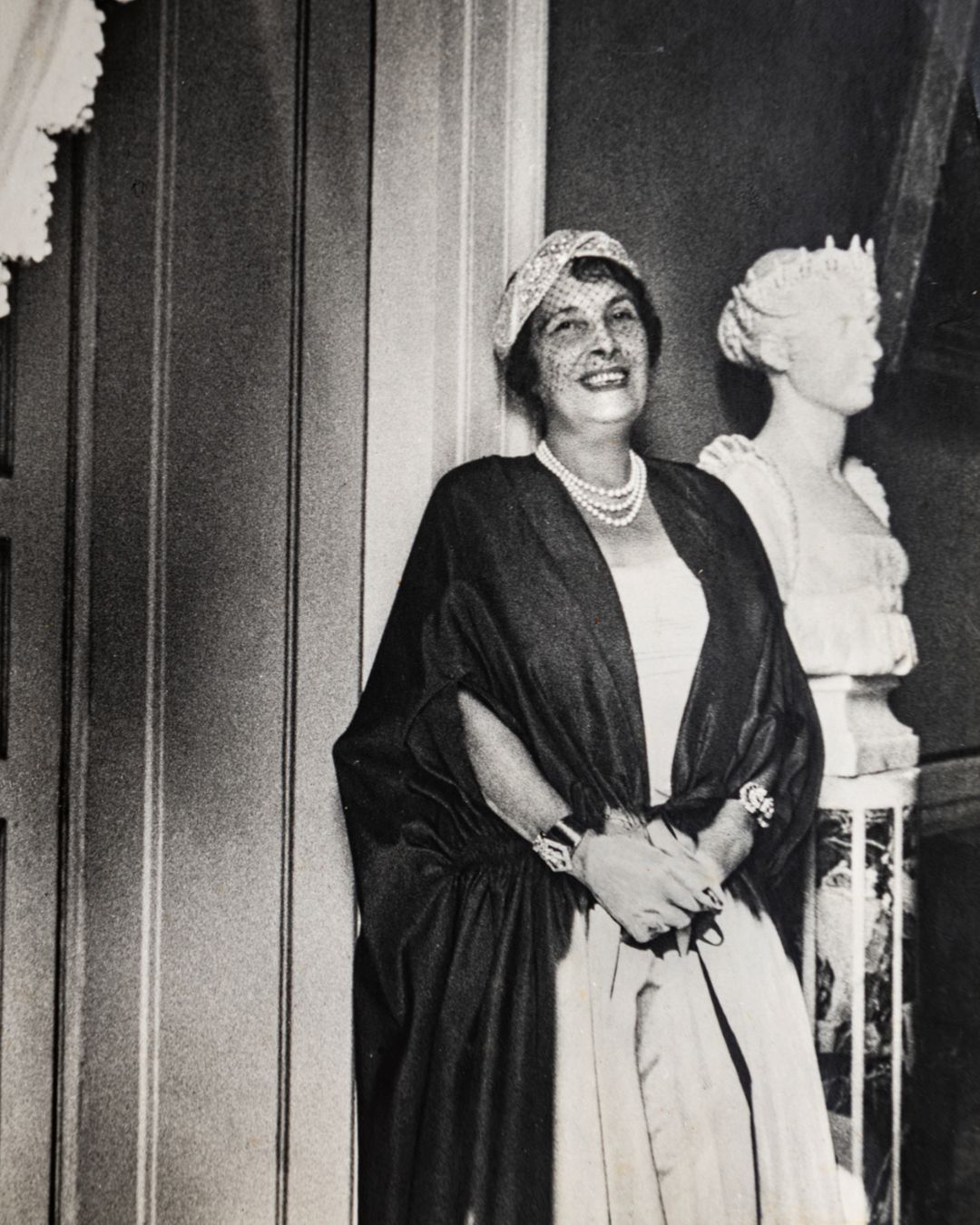
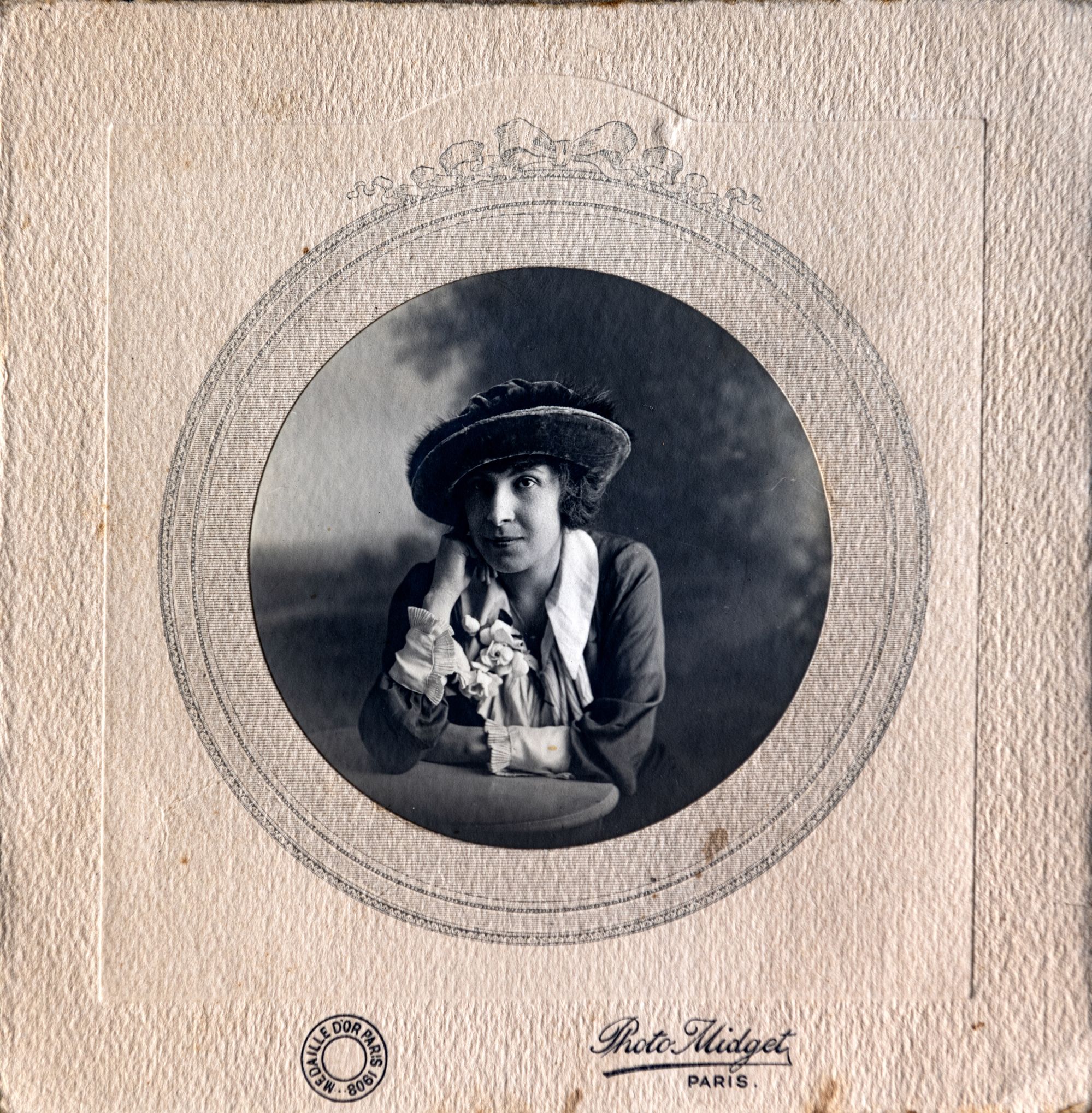
Even before the concept of lifestyle existed, Mimì Pecci Blunt had already transformed his life into an aesthetic manifesto. Collector, patron, hostess, cosmopolitan intellectual and protagonist of twentieth-century European cultural life, she conceived every environment, every encounter and every detail as part of a precise vision of beauty. Villa Reale di Marlia was not simply his residence: it became the place where architecture, art, fashion and worldliness merged into a unique language, capable of influencing the taste of an entire generation.
Mimì Pecci Blunt: the woman who transformed style into an art form Villa Reale di Marlia celebrates the legacy of one of the most refined protagonists of twentieth-century taste | Image 629300
Mimì Pecci Blunt: the woman who transformed style into an art form Villa Reale di Marlia celebrates the legacy of one of the most refined protagonists of twentieth-century taste | Image 629302
Mimì Pecci Blunt: the woman who transformed style into an art form Villa Reale di Marlia celebrates the legacy of one of the most refined protagonists of twentieth-century taste | Image 629301
Mimì Pecci Blunt: the woman who transformed style into an art form Villa Reale di Marlia celebrates the legacy of one of the most refined protagonists of twentieth-century taste | Image 629296
Mimì Pecci Blunt: the woman who transformed style into an art form Villa Reale di Marlia celebrates the legacy of one of the most refined protagonists of twentieth-century taste | Image 629299
Mimì Pecci Blunt: the woman who transformed style into an art form Villa Reale di Marlia celebrates the legacy of one of the most refined protagonists of twentieth-century taste | Image 629291
Mimì Pecci Blunt: the woman who transformed style into an art form Villa Reale di Marlia celebrates the legacy of one of the most refined protagonists of twentieth-century taste | Image 629287
Mimì Pecci Blunt: the woman who transformed style into an art form Villa Reale di Marlia celebrates the legacy of one of the most refined protagonists of twentieth-century taste | Image 629286

Today, Villa Reale di Marlia returns to the public the portrait of a woman whose approach to style appears surprisingly contemporary: sophisticated but never ostentatious, rigorous but open to innovation, built on the encounter between historical heritage and artistic avant-garde. For Mimì, style was not just about what one wore: it was a way of inhabiting spaces, receiving guests, building relationships, supporting artists and even documenting one's existence.
Mimì Pecci Blunt: the woman who transformed style into an art form Villa Reale di Marlia celebrates the legacy of one of the most refined protagonists of twentieth-century taste | Image 629294
Mimì Pecci Blunt: the woman who transformed style into an art form Villa Reale di Marlia celebrates the legacy of one of the most refined protagonists of twentieth-century taste | Image 629293
Mimì Pecci Blunt: the woman who transformed style into an art form Villa Reale di Marlia celebrates the legacy of one of the most refined protagonists of twentieth-century taste | Image 629298
Mimì Pecci Blunt: the woman who transformed style into an art form Villa Reale di Marlia celebrates the legacy of one of the most refined protagonists of twentieth-century taste | Image 629297
Mimì Pecci Blunt: the woman who transformed style into an art form Villa Reale di Marlia celebrates the legacy of one of the most refined protagonists of twentieth-century taste | Image 629292
Mimì Pecci Blunt: the woman who transformed style into an art form Villa Reale di Marlia celebrates the legacy of one of the most refined protagonists of twentieth-century taste | Image 629288
Mimì Pecci Blunt: the woman who transformed style into an art form Villa Reale di Marlia celebrates the legacy of one of the most refined protagonists of twentieth-century taste | Image 629289
Mimì Pecci Blunt: the woman who transformed style into an art form Villa Reale di Marlia celebrates the legacy of one of the most refined protagonists of twentieth-century taste | Image 629290
Mimì Pecci Blunt: the woman who transformed style into an art form Villa Reale di Marlia celebrates the legacy of one of the most refined protagonists of twentieth-century taste | Image 629295

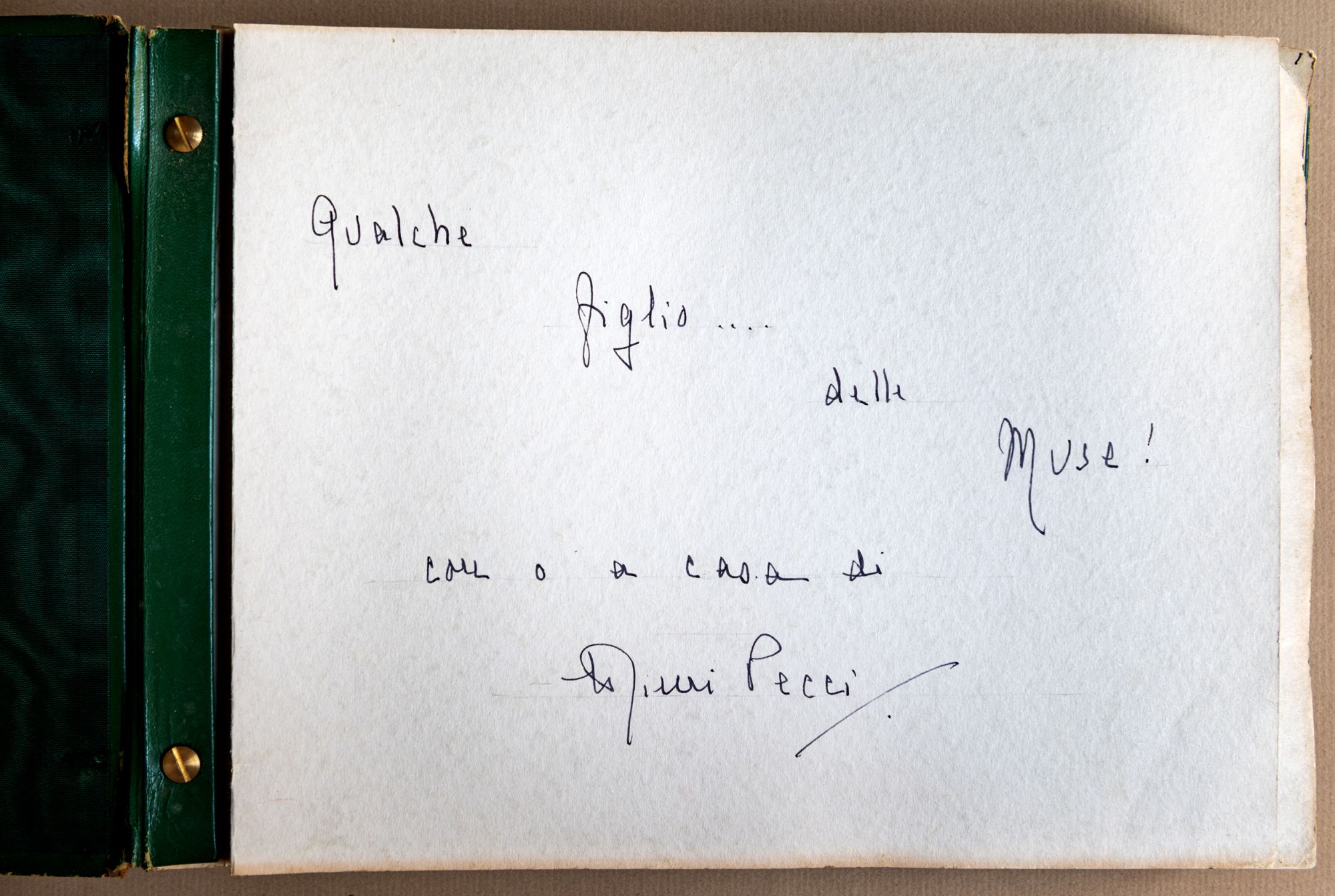
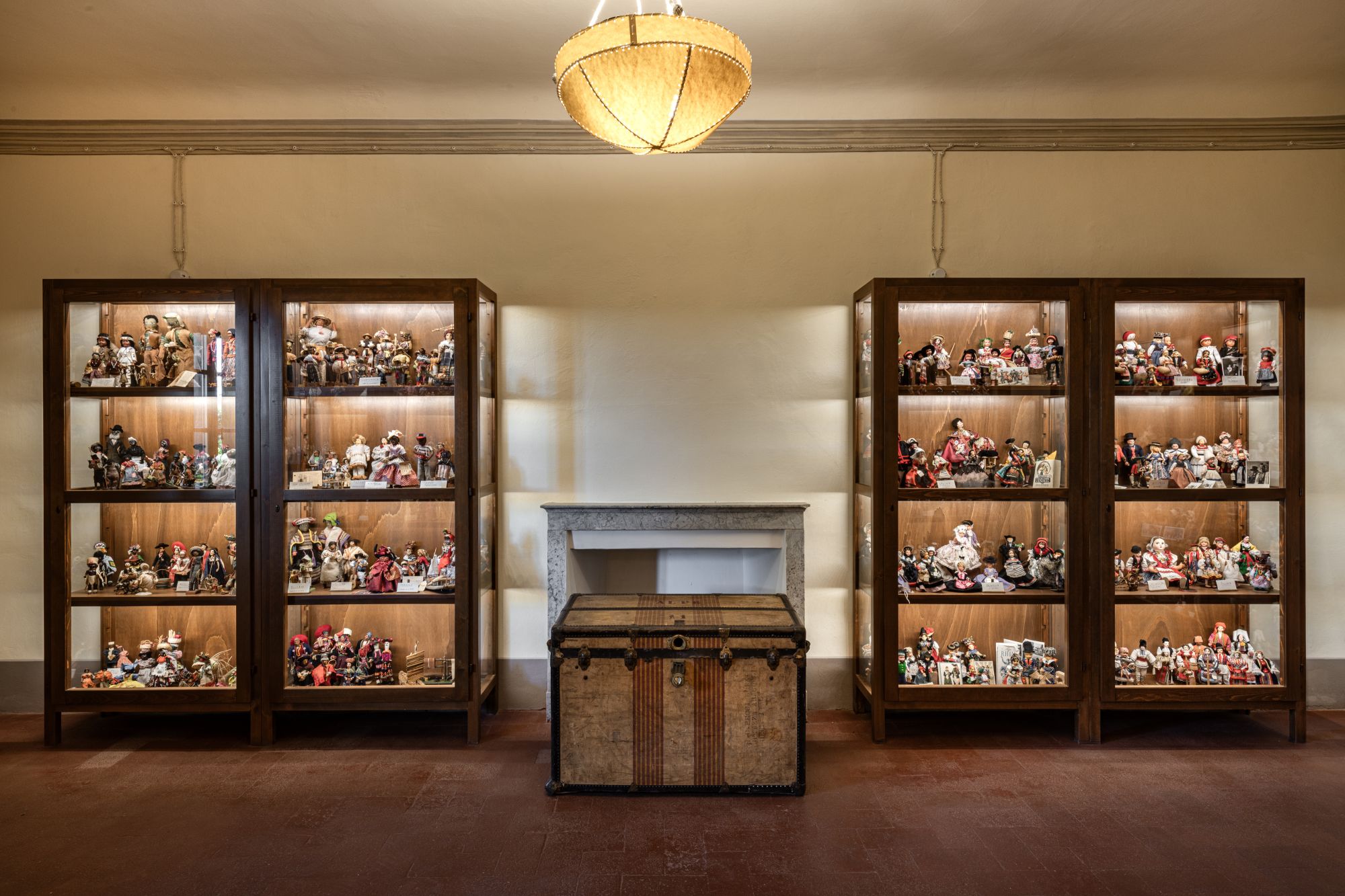
His photo albums, annotated with almost editorial precision, tell of a sensitivity that anticipates the modern culture of the image and visual narrative. His homes became scenographies in continuous dialogue with the present: ancient furnishings coexisted with works of the new avant-garde, while historical objects, photographs, modern art and design built that personal aesthetic that Irene Brin would have defined as a refined “cultured disorder”.
Mimì Pecci Blunt: the woman who transformed style into an art form Villa Reale di Marlia celebrates the legacy of one of the most refined protagonists of twentieth-century taste | Image 629306
Mimì Pecci Blunt: the woman who transformed style into an art form Villa Reale di Marlia celebrates the legacy of one of the most refined protagonists of twentieth-century taste | Image 629305
Mimì Pecci Blunt: the woman who transformed style into an art form Villa Reale di Marlia celebrates the legacy of one of the most refined protagonists of twentieth-century taste | Image 629307
Mimì Pecci Blunt: the woman who transformed style into an art form Villa Reale di Marlia celebrates the legacy of one of the most refined protagonists of twentieth-century taste | Image 629308
Mimì Pecci Blunt: the woman who transformed style into an art form Villa Reale di Marlia celebrates the legacy of one of the most refined protagonists of twentieth-century taste | Image 629309
Mimì Pecci Blunt: the woman who transformed style into an art form Villa Reale di Marlia celebrates the legacy of one of the most refined protagonists of twentieth-century taste | Image 629310

When Mimì bought Villa Reale di Marlia, he did not limit himself to restoring its rooms: he reinterpreted them. Following the same sensitivity that had guided Elisa Bonaparte a century earlier - of which today the exhibition displays some autograph letters, found right in Mimì's archive - she recovered the historic heritage of the residence, combining it with the most innovative decorative trends of her time.

The legacy of Mimì Pecci Blunt

Long before these became contemporary concepts, Mimì Pecci Blunt had already sensed the value of contamination between disciplines, of culture as a shared experience and of style as an authentic expression of identity. More than a patron, she was an extraordinary interpreter of the taste of her time, able to create connections between people, ideas and languages, anticipating that figure that today we would define as a cultural tastemaker. Her legacy lives on in the rooms of Villa Reale di Marlia, where fashion, art, architecture and history are still in dialogue with surprising relevance, recounting the vision of a woman who has been able to transform elegance into culture.

What to read next