


































"Femininity is not fragility" Interview with Vanessa Villa, author of "Risveglia la guerriera gentile che è in te"
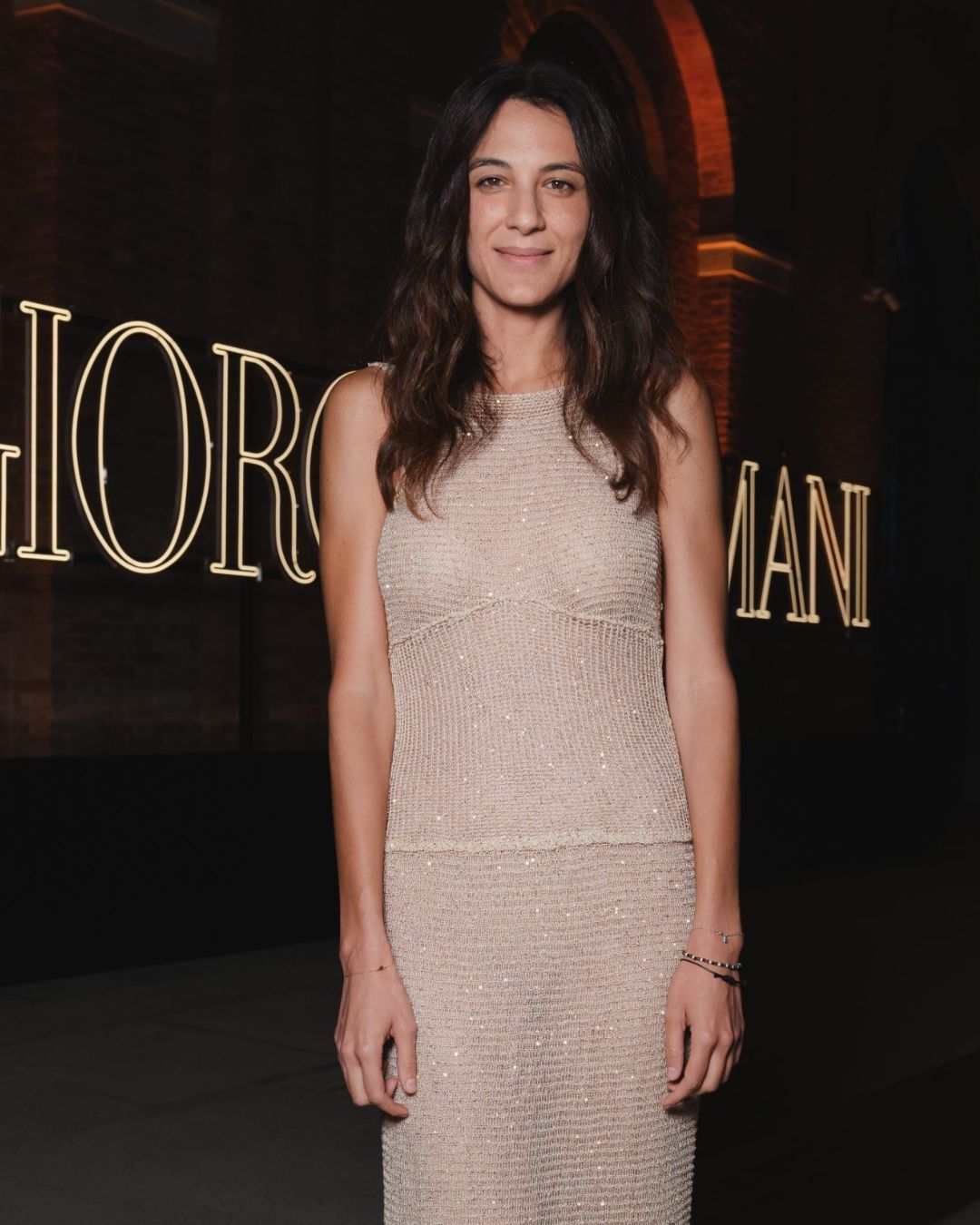
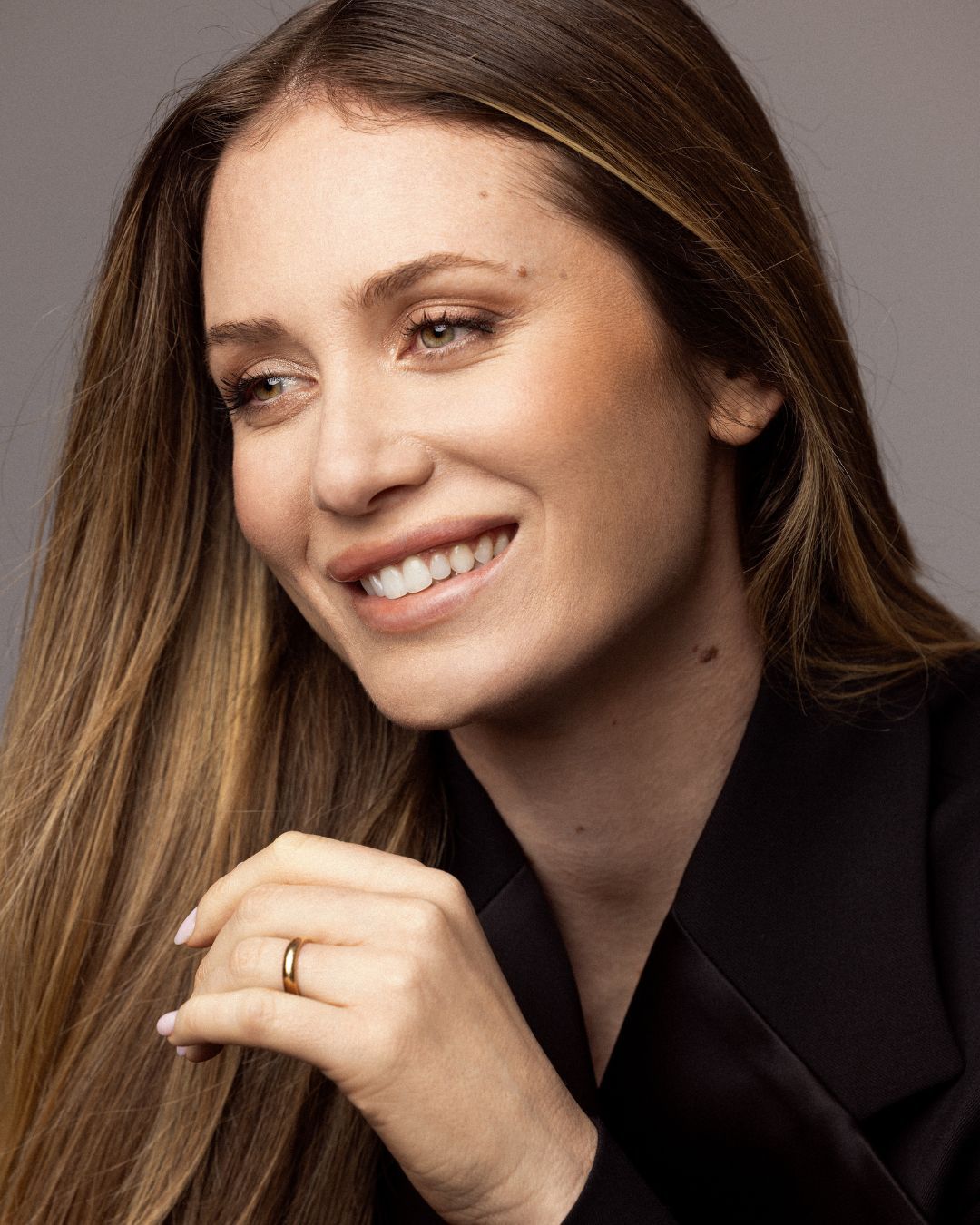
“I am Vanessa Villa, founder of FightGently, author, speaker and former Italian karate champion” with a curriculum like this, it's impossible not to be interested in the story of Vanessa, who has just published the book “Awaken the Kind Warrior in You”. We asked her to tell us, but also to tell us her story, which begins like this: “For many years I thought that my worth depended on my ability to be strong. Then I discovered that the real strength is not to resist everything, but to remain true to yourself even in the most difficult moments. Today my work stems precisely from this awareness: helping people, and especially women, to combine strength and kindness, discipline and listening, ambition and authenticity.” Not a little! This is what he told us.
Interview with Vanessa Villa
Present your book to our audience
Risveglia la guerriera gentile che è in te (Awaken the Gentle Warrior in You) is a journey of inner transformation built around twelve principles that have helped me change my life. It's not a book that teaches you how to become someone else. It's an invitation to come back to yourself. It talks about discipline, vulnerability, love, forgiveness, gratitude, and courage. Because I believe that inside every woman there is already an extraordinary strength: sometimes it just needs to be remembered.
The title seems almost an oxymoron in a world that still associates strength with aggression. When did you realize that they could live together?
I realized it when strength alone stopped being enough for me. As an athlete I was used to fighting, resisting, always pushing further. But in life there are battles that cannot be won by harshness. They are won with the ability to remain open, to forgive, to accept what we cannot control. I understood that kindness is not the opposite of strength. It is its most advanced form.
In the book you talk a lot about discipline, but often women are taught to be disciplined to adhere to impossible standards. How do you distinguish between discipline that frees and that which oppresses?
The discipline that oppresses stems from the fear of not being enough. The discipline that frees comes from the love for what we can become. The first takes you away from yourself, the second brings you closer. For me, discipline is not punishment, control, or perfection. It is an act of respect for one's dreams. It's keeping the promises we make to ourselves.
Many of your principles almost seem to go against the hyper performative leadership model that we see online. Do you think that today there is still room for a softer force?
I believe that today we need it more than ever. We are surrounded by models that celebrate relentless productivity, but more and more people are understanding that success without balance comes at a very high price. Kind leadership is not weak leadership. It is a leadership that knows how to listen, create trust, generate impact without sacrificing humanity. And I think that is precisely the leadership of the future.
FightGently also stems from karate, a sport historically perceived as very tough and competitive. How did that experience influence your idea of femininity?
It taught me that femininity is not fragility. For years I lived in a world that rewarded physical strength and competition, but right there I learned that you can be powerful without giving up your sensitivity. Today I see femininity as the ability to contain opposites: strength and softness, determination and vulnerability. We don't have to choose a part of ourselves. We can be both.
Have you ever felt the pressure of having to be 'strong' at all costs, especially as a woman and a public figure?
Many times. For years I thought that showing my frailties would disappoint others. Then I discovered that the opposite was true. People don't connect with perfection, they connect with truth. Today I no longer feel the need to look invincible. I believe that one of the highest forms of courage is to allow oneself to be human.
The book alternates spirituality, practice and introspection. What were your inspirations, both literary and personal, during writing?
My inspirations were very different from each other. Surely Eastern philosophy and the teachings of karate have played an important role. But most of all, I was inspired by the people I met, my injuries, my falls, motherhood and the moments when I felt lost. This book stems much more from lived experience than from theory.
What is the principle of the book that you had the hardest time applying in your life?
Probably that of acceptance. I am a person who loves to build, improve, act. Accepting what I can't control has been one of the most difficult teachings. But also one of the most liberating. Because acceptance doesn't mean giving up. It means stopping fighting against reality and using that same energy to transform what we can really change.
In the book, you invite readers to slow down and listen to each other, but we live in a culture that always wants us to be productive. Do you think that slowing down today has become a political act?
Absolutely yes. In a society that measures the value of a person based on what they produce, slowing down is a revolutionary gesture. It doesn't mean doing less. It means choosing with greater awareness where to put your energy. I think a lot of women are tired of constantly feeling behind some impossible standard. Slowing down, listening to yourself and respecting your own rhythms is an act of freedom. And maybe even a form of gentle rebellion.