

















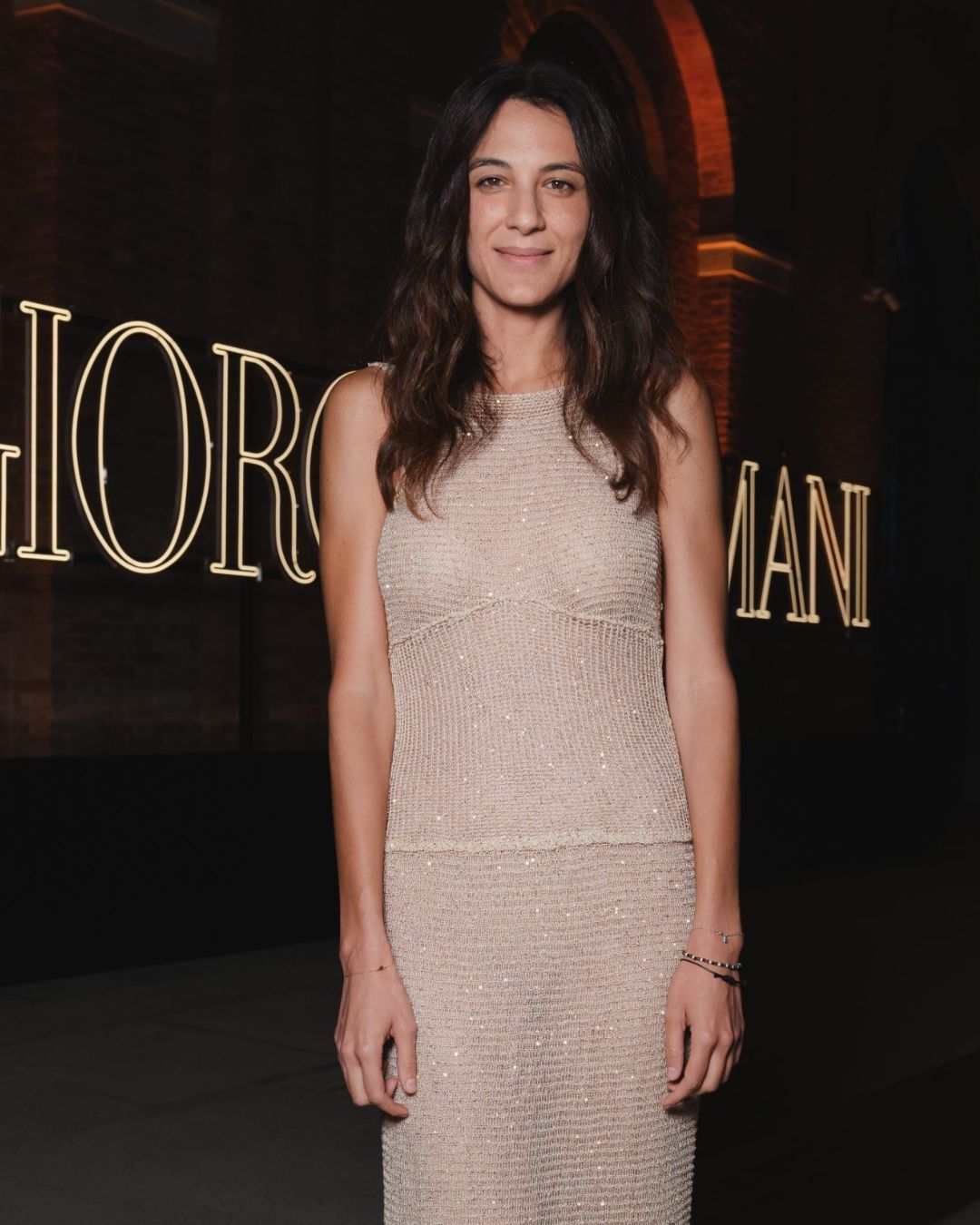
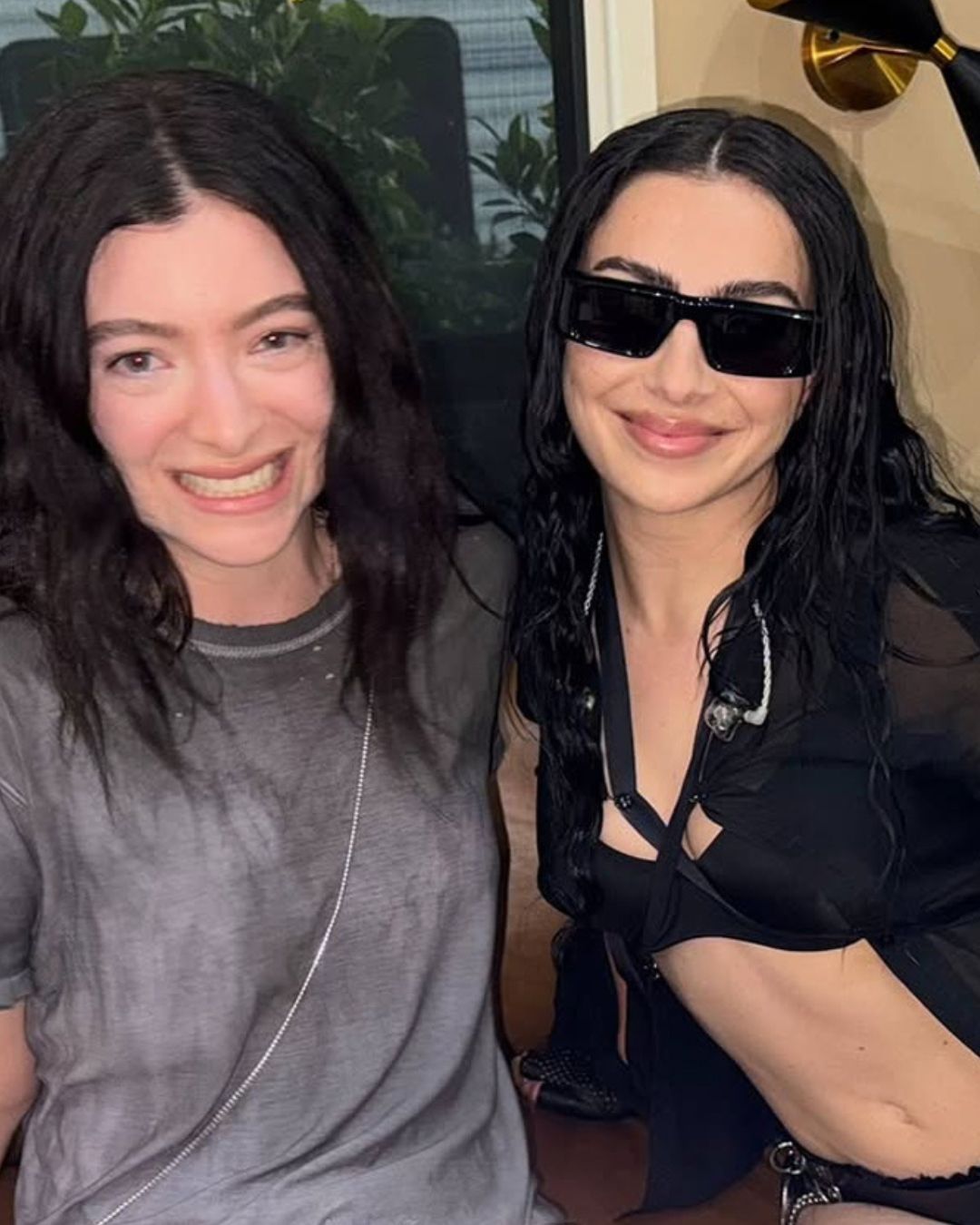
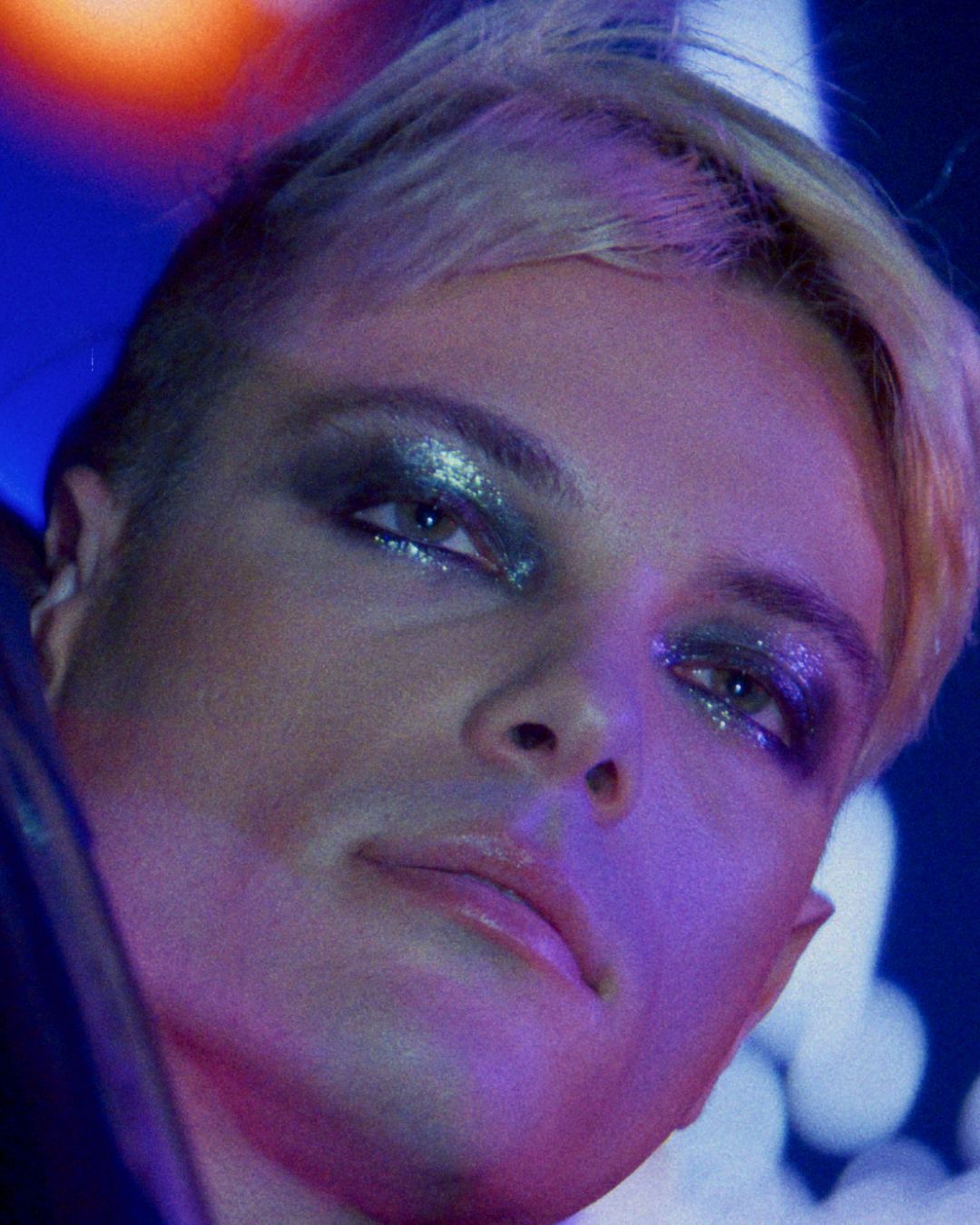

"We become what we tell ourself" Interview with Sara D'Agati, co-founder and creative director of Romadiffusa
After Covid, we started talking about cities again, but in a completely different way than in the past. We are talking about cities to be redeveloped, to be made more livable and more inclusive. Cities that suffer from overtourism, that become amusement parks for wealthy tourists, that become unsustainable for those who have always lived there, for those who work there, for those who were born there. Cities to flee from, cities against countryside, expensive cities, cities that repel, cities that defend themselves. In this context, we wanted to interview Sara D'Agati, co-founder and creative director of Romadiffusa.
Interview with Sara D'Agati
In his words: “Romadiffusa is a city branding project whose most visible emanation is a widespread festival - this year in its fourth edition - which now has almost 100,000 people. It has a very active community, both territorial and digital. It is a project that is actually a bit changing the narrative of the city that for too long has been perceived by many as static, decadent, immovable, leaving no room for innovation. What we do is map the entire city in search of those places that maintain authenticity, that have not succumbed to standardization. After this mapping, we periodically activate these places but also the squares, the alleys, the museums, the churches, bringing underground and innovative content or in any case that generates some form of contrast with the place. For four days, 24 hours a day, an entire area of the city becomes a sort of dynamic and creative playground. Almost a culture shock, for those who are not used to knowing the city in this way.”
In this answer we already see two ideas for continuing our conversation. The first is about the mixture of different and contrasting things (for example: electronic music in the Church) that wants to generate a subversion of a hierarchy of power. “The choice to put experimental content in traditional places helps us to graft contemporaneity into the idea of Rome as a museum city, an eternal city. And then there is the topic of hierarchies,” he admits, and continues: “We want to subvert hierarchies even by touching that apparatus and those superstructures that to some extent have been caging Rome for too long.” Hierarchies that are also subverted within Romadiffusa, which is a project founded and formed by a team of women: “This is relevant for a city like Rome where the male gaze is and has always been heavy. Perhaps also because it is the city of institutions, and this brings with it a certain language, a certain heaviness. The fact that the majority are women has instinctively led to a redefinition of the concept of culture. We have returned to the etymology: to cultivate, to take care of the territory. And finally, it's important for us to work a lot also with female artists and with concepts related to self-determination and the body, and this is no accident.”
Romadiffusa and the storytelling of Italy abroad
The second starting point is that of the narrative, which Sara mentions several times and which Romadiffusa wants, in fact, to break. Or at least update. “Storytelling today is everything. We are immersed in storytelling, in communication, it is no longer something that can be experienced in quotation marks as a next step. Whoever does this job has a great responsibility. We become what we tell ourselves, and this applies to people but it also applies to places. At Cambridge I studied soft power, that is, the way in which countries talk about themselves abroad through cultural tools. There I realized that most European countries have a structured governmental apparatus for narrating the country abroad. Not Italy. What comes out of Italy abroad happens spontaneously, unstructured. And the people who are going to build this story from a governmental point of view are incompetent.”
According to Sara D'Agati, part of the crisis of Italian culture could be addressed right from here. “In stopping putting incompetents at the top, of suppressing freedom and dissent, of breaking into newspaper offices and universities,” he says, without mincing words. If we have said what not to do, we can also say what to do: “Really invest - both from the point of view of vision and funds - in culture, which is one of the main assets of our country,” he continues. “We always say that Italy is one of the countries in the world with the largest number of UNESCO sites. Yet this is not reflected in policies for the protection and enhancement of heritage, nor in policies to support artists, from cinema to music. It seems that we should always scramble, when instead it could be one of Italy's main economic drivers. We need a long-term vision and not a purely electoral vision.”
If we don't like the culture that starts from above, what do we like? Or rather, what are young people looking for in a cultural project that they can't find now? “In my opinion, we are looking for a more active, more hybrid, more participatory fruition. On the one hand, we struggle to be interested in something that does not see us as protagonists, on the other hand, there are no intermediaries,” Sara explains to us. “You only go to places if there's something to do, even if they've always been there. Because culture has become a consumer good, we also see it in the phenomenon of Milanese weeks. Maybe it would make sense to do something like that.”
From Rome to Milan, culture and underground scene in the Lombard capital
It's impossible not to ask for an opinion on Milan as well. In fact, in the Lombard capital, it almost seems that an underground scene does not exist, or is having a hard time getting out of the fateful bubbles. “I was lucky,” Sara begins, “I attended an underground scene in Milan and I know it. However, in my opinion, Milan has entered a system with an incremental speed, so it's as if everything that comes out of this logic, this vision and this system is essentially invisible, it can't find space, it can't keep up with this crazy rhythm.”
The future of Romadiffusa is on a national scale
The last question, as usual, is about the future. Of the project, of course, but also of Sara D'Agati. “I want to take the project to a national scale. We start with Rome because Rome is the capital, because Rome has a narrative problem, but the narrative problem is national. I would like to start from Naples and then Palermo. Initially I had left Milan aside, because I thought there were already too many things. Instead, talking to people, I realized that there is a problem of authenticity and standardization. So in my opinion, a format that focuses on these aspects could be very good for the city. And then I want to continue writing and doing research. In the middle, a very long journey with my children in front of the sea, in the trees.”