























Elf ear surgery is South Korea's latest beauty trend And the reason is not what you think
We thought cosmetic surgery had already explored every inch of the face. We were wrong: now it’s the ears’ turn. After lip fillers, baby Botox, traptox, and invisible lifts, the latest beauty micro-obsession comes from an area of the body that had, surprisingly, remained largely off the radar until now. It’s called elf ear surgery (or, more commonly, ear filler), but despite the name, it doesn’t promise to turn us into exact replicas of Legolas. No cosplay effect here, just the almost obsessive pursuit of perfect facial balance.
What is dongan aesthetics?
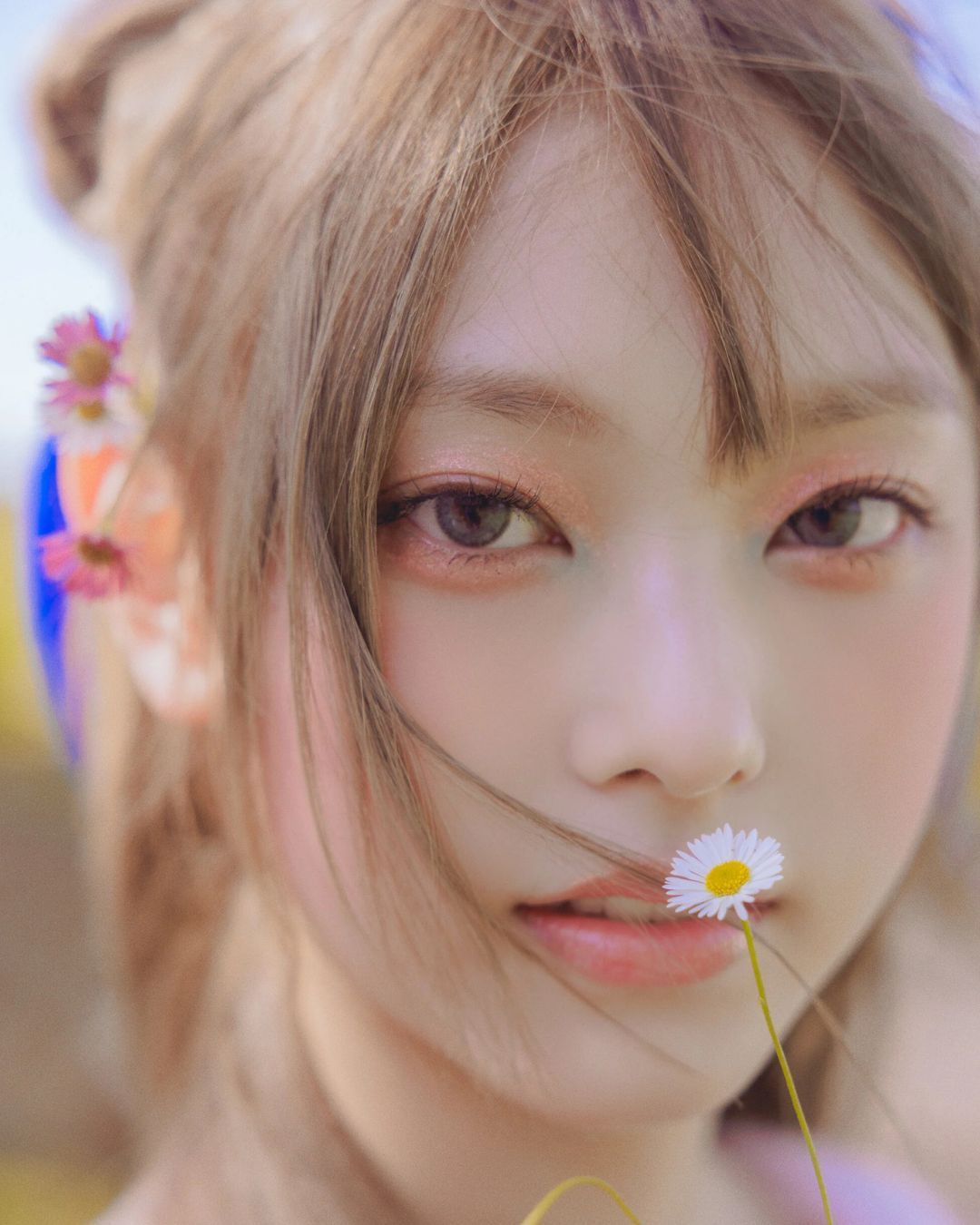
The trend, which has been widespread in China for years, Vice was already writing about it in 2021, is now extremely popular in South Korea, where cosmetic surgery is a deeply rooted social phenomenon. Here, beauty is not only about correcting perceived flaws, but about creating precise proportions capable of making the face appear more harmonious, delicate, and youthful. As journalist Lee Jae-Lim explains, for many Koreans, preserving youth goes far beyond simple procedures such as smoothing wrinkles or taking care of the skin; instead, it belongs to a broader aesthetic philosophy known as dongan, a term that literally translates as “baby face.” The goal is to recreate traits that evoke childhood: fuller cheeks, large eyes, and soft features. Pop stars such as Jennie of Blackpink and Haerin of NewJeans perfectly embody this ideal.
@drwendyaesthetics We need to talk about the "Chinese elf ear" trend. It might look whimsical, but altering ear structure is not harmless. The ear has a complex vascular network linked to arteries near the eye. Procedures here can cause vascular compromise, vision loss and even tissue necrosis. Getting that pointed, protruding look usually means repeated, significant treatments. This adds pain, cost and long‑term unpredictability. I am not ever here to place my aesthetic on your choices. My point as a cosmetic doctor is simple: understand your anatomy, understand the risks, and don’t let a viral aesthetic override medical judgement.
original sound - Dr Wendy K
Why get elf ears?
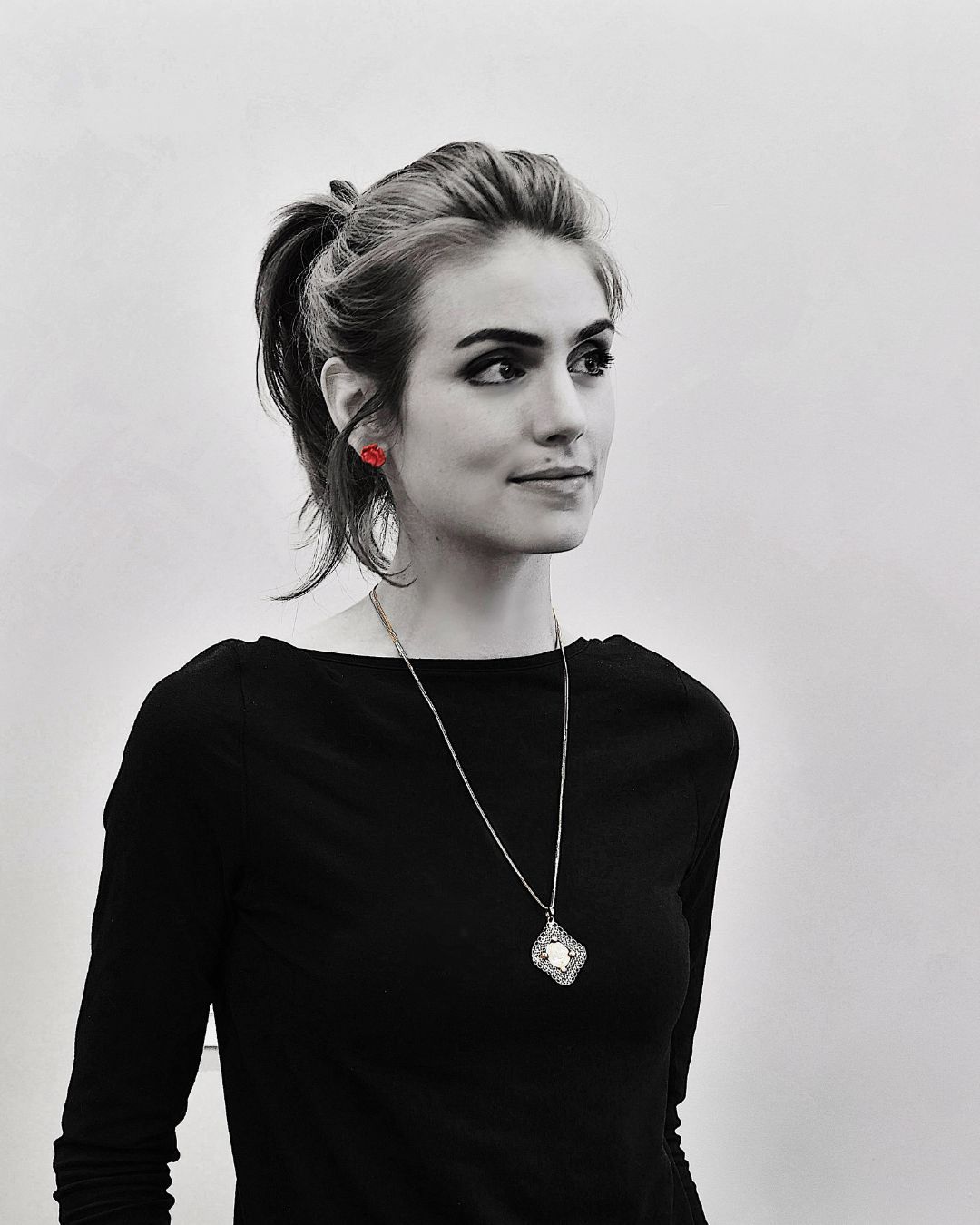
Elf ears fit perfectly within this logic. Through fillers or, in more invasive cases, minor surgical procedures, the upper part of the ear is made more prominent or slightly pointed. The result? Ears that are more visible from the front, helping the face appear shorter, rounder, and therefore younger-looking. Interestingly, this procedure goes against conventional Western beauty standards, where people often undergo the opposite treatment to correct so-called protruding ears, making them less noticeable. It is yet another reminder that beauty standards are not universal, but culturally constructed. And that, at times, they can seem almost incomprehensible to outsiders.
@skylerwooldridge0 second ear surgery. #fyp #foryou #preauricularpits #joke HOW DOES IT FEEL TO LIVE MY DREAM - nana
The obsession with harmony and the risks of elf ears
And yet, the West is not immune to this obsession with balance and proportions. For now, however, it tends to express it in softer ways: from Douyin makeup to strategic fillers and subtle tweaks designed to harmonize the face without drastically changing it. In Korea, this pursuit goes even further. There are fillers to create a rounder forehead, procedures to enhance the aegyosal - the small pocket of fat beneath the eyes that gives the face a softer, more childlike appearance - as well as treatments to lower the hairline or reduce the space between the nose and lips in order to visually shorten the face. Naturally, there are also risks. Several surgeons have pointed out that the ear is a particularly delicate area, where fillers can lead to very real complications: infections, product migration, asymmetry, and, in the worst cases, permanent cartilage deformities. Is it worth it? For many people, yes, especially in a country where cosmetic surgery and conforming to shared beauty standards can function as an effective social elevator. A sad reality, perhaps. But maybe we, here in the West, aren’t all that different after all.