



































What is buccal fat restoration? First we wanted model cheeks, now we want our original cheeks back
We did it with our eyebrows. First pencil-thin, then thick and fluffy, then sculpted all over again. We did it with our lips too, overfilling them to the point of absurdity before gradually dissolving everything. And now we're doing the exact same thing with our cheeks. For years, we chased model cheeks, that sharply defined hollow beneath the cheekbones you create by pursing your lips as if you're about to whistle, or with particularly ambitious contouring. The only difference is that contouring lasts one evening. A buccal fat removal lasts much longer. So while, until yesterday, the goal was to remove buccal fat, today more and more people are trying to restore the very volume they once paid to get rid of.
Hollow cheeks were beauty's latest obsession
To understand what buccal fat restoration is, we need to start with its predecessor. Buccal fat removal involves surgically removing the fat pad located in the middle of the cheeks through a small incision inside the mouth. The procedure is quick, leaves no visible scars, and promises more prominent cheekbones, a sharper jawline, and the sculpted face that, for years, became synonymous with luxury, fashion, and coolness. The only celebrity to publicly confirm undergoing the procedure is Chrissy Teigen, while the internet has built an entire mythology around Bella Hadid, Zoë Kravitz, Lea Michele and Anya Taylor-Joy fueled by before-and-after photos and endless speculation that has never been confirmed
@bassi_aesthetics New celebrity trend with buccal fat removal #celebrity #plasticsurgery #antiageing #bellahadid #beauty #fillers Collide (more sped up) - Justine Skye
Then we realized we age
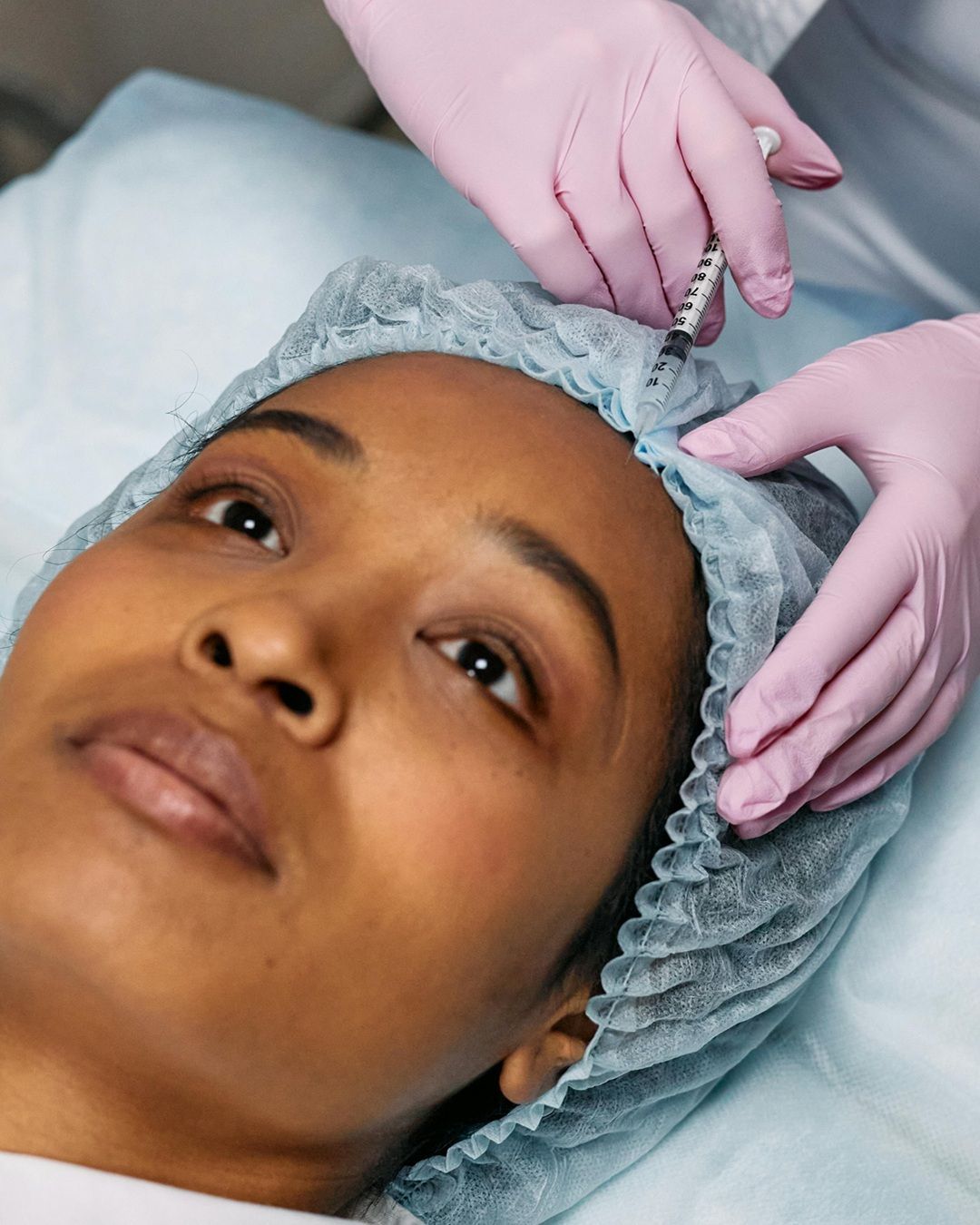
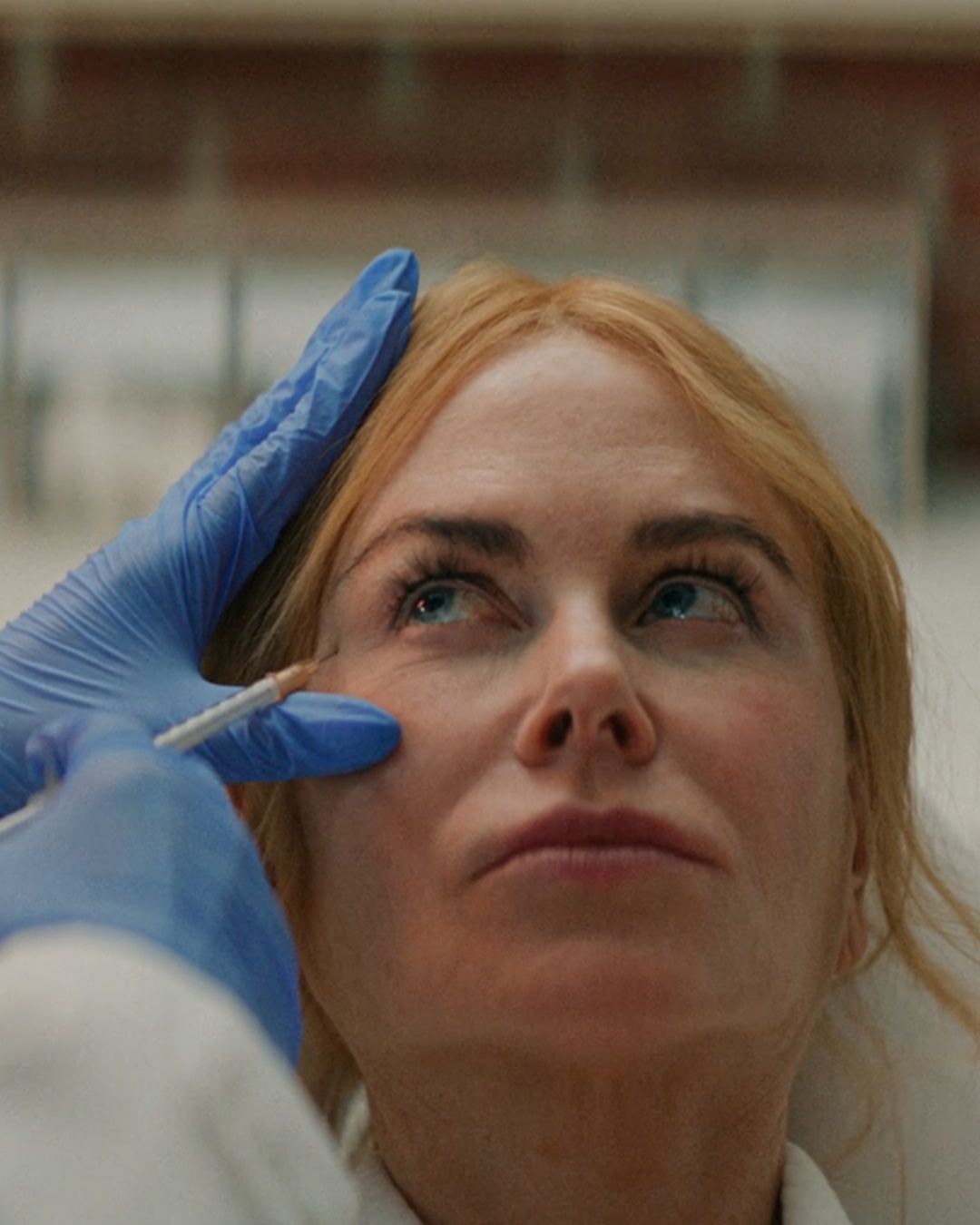
The problem is that buccal fat isn't there by accident. It's part of the face's underlying architecture, supporting the mid-face and contributing to the fullness we subconsciously associate with youth. As we age, our faces naturally lose collagen, elasticity, and volume. If that fat has already been removed at twenty-five, there's a risk of ending up, ten years later, with cheeks that look even more hollow than expected. That's why an increasing number of plastic surgeons now urge caution, especially for younger patients. And because buccal fat removal is a permanent procedure, the fat doesn't simply grow back. The only option is to recreate lost volume using different techniques, which is where buccal fat restoration comes in. The name can be misleading: it doesn't mean putting the original fat back, because that tissue has been permanently removed. Instead, it refers to recreating fullness through fat grafting, using fat harvested from another part of the body, or by relying on dermal fillers, biostimulators such as Sculptra, or treatments like Radiesse, which help restore structural support and facial volume. It's a correction, not an undo button. And your original face never truly comes back.
From TikTok to Reddit: when trends change their minds before we do
If TikTok helped turn buccal fat removal into the procedure of the moment, today the same platform is documenting its backlash. Before-and-after videos have been replaced by posts titled "I regret my buccal fat removal," "How I restored my cheeks," and "Volume restoration journey." Many plastic surgeons are changing their approach as well, explaining why they now prefer preserving buccal fat, or removing only a small portion of it, instead of eliminating it entirely. The same conversation is unfolding on Reddit, where more and more users describe having undergone buccal fat removal in their early twenties, only to spend the following years restoring lost volume with Sculptra, Radiesse, and fat grafting. Others, however, still say they're happy with their results. The difference often comes down to how much fat was removed, individual facial anatomy, and the natural aging process. Because the real issue isn't necessarily the procedure itself. It's that a permanent surgical decision is often made in pursuit of a temporary aesthetic ideal.
@injectorlina Just a little collagen stimulation to perfect her already perfect face disclaimer: this video is for educational purposes only and not intended to influence you seek treatment. Radiesse carries serious risks and should only be performed by a medical professional. #radiesse #hyperdiluteradiesse #diluteradiesse #biostimulator #collagen #antiaging #templefiller #wrinkleprevention #skincare #fullfacetransformation #injectables #injectorlina original sound - InjectorLina
Plastic surgery follows algorithms. Our faces don't
Perhaps buccal fat restoration isn't really about cheeks at all. It's about the increasingly complicated relationship we have with our own reflection. Over the years, we've chased the plump, filler-filled face, then the hollowed-out look inspired by heroin chic, and now we're back to seeking volume once again. In the meantime, GLP-1 medications have entered the conversation, accelerating weight loss and, along with it, often reducing facial fat as well. Aesthetic medicine responds by creating new treatments designed to restore what it was trying to eliminate only yesterday. It's an almost perfect cycle. Social media creates a new beauty ideal, algorithms turn it into a collective obsession, and we begin treating our faces like projects that require constant updating. The problem is that a social media feed can change within a week. A buccal fat removal cannot. With buccal fat restoration, we're not simply putting volume back into our cheeks. We're trying to keep up with an algorithm that constantly asks us to become someone different. But our bodies aren't trends. Fortunately, or unfortunately, they still operate on the timeline of biology, not the For You Page.