
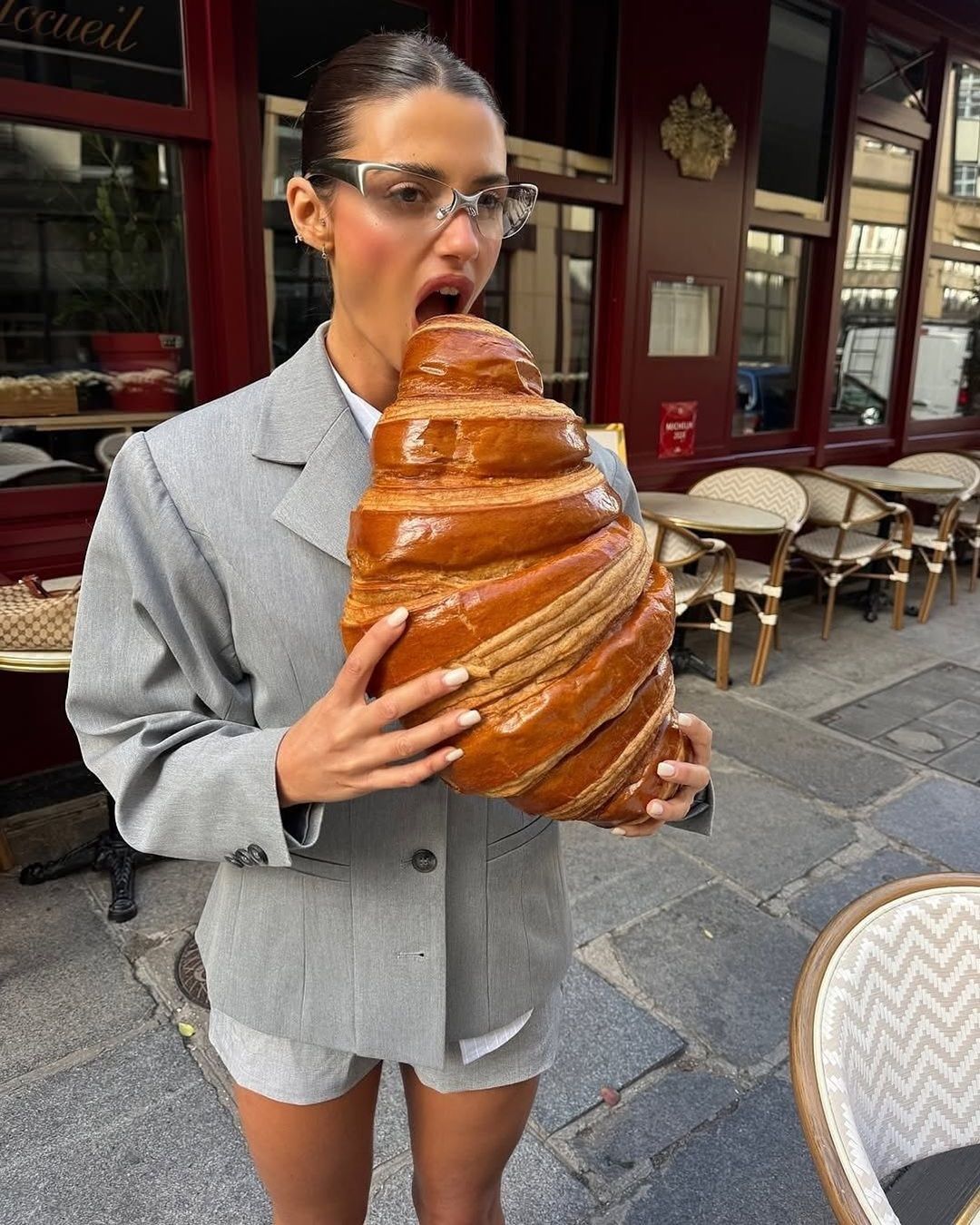
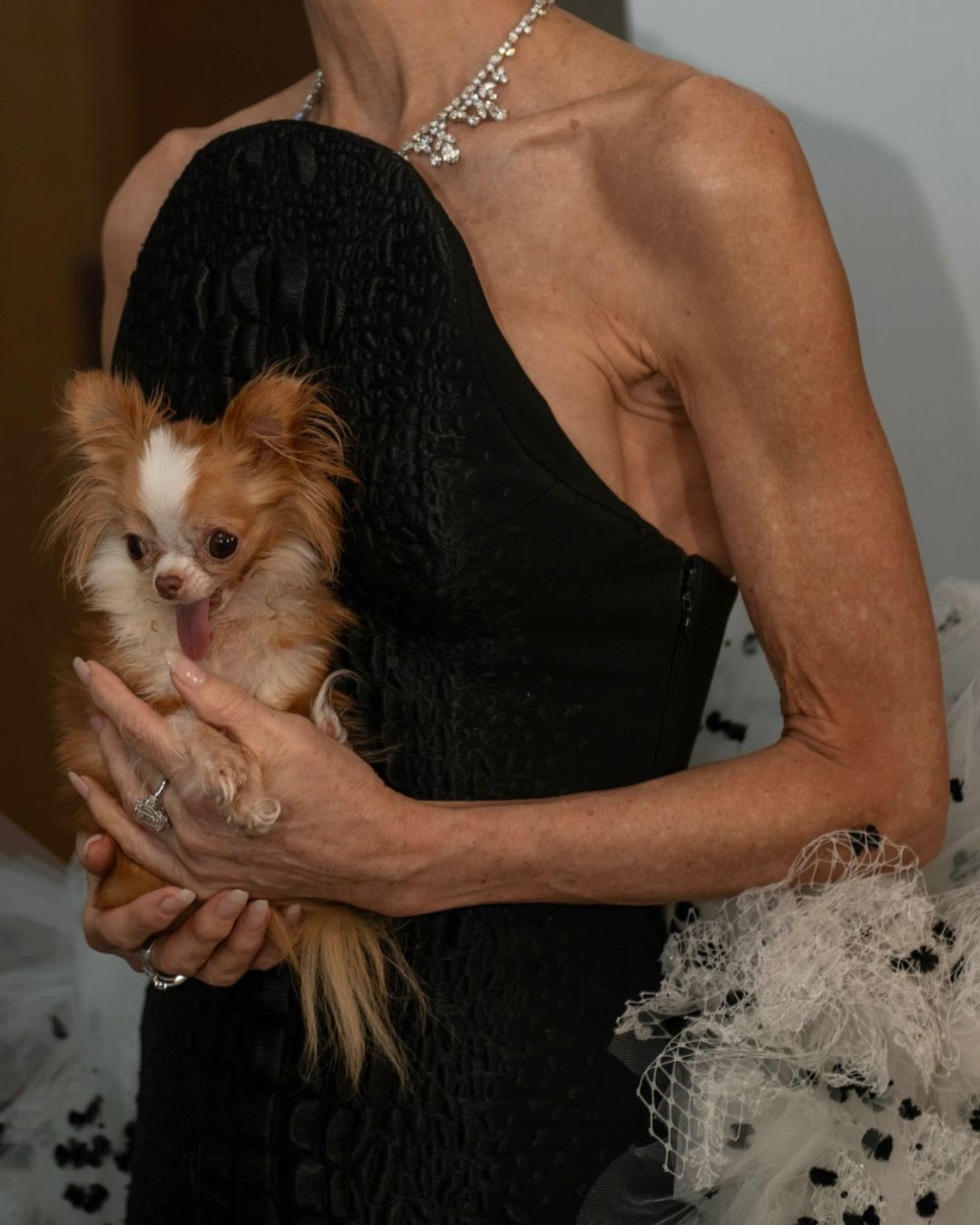
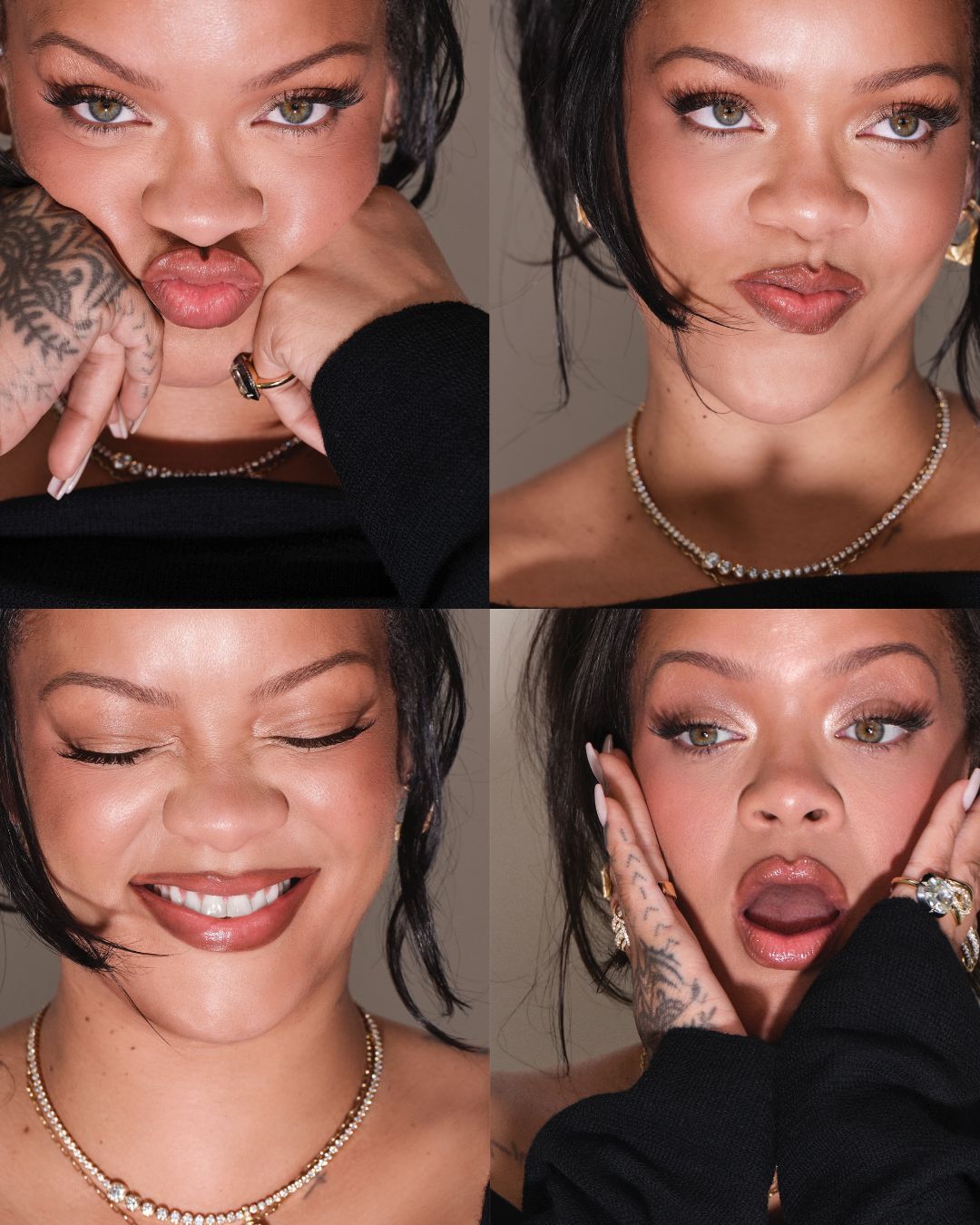
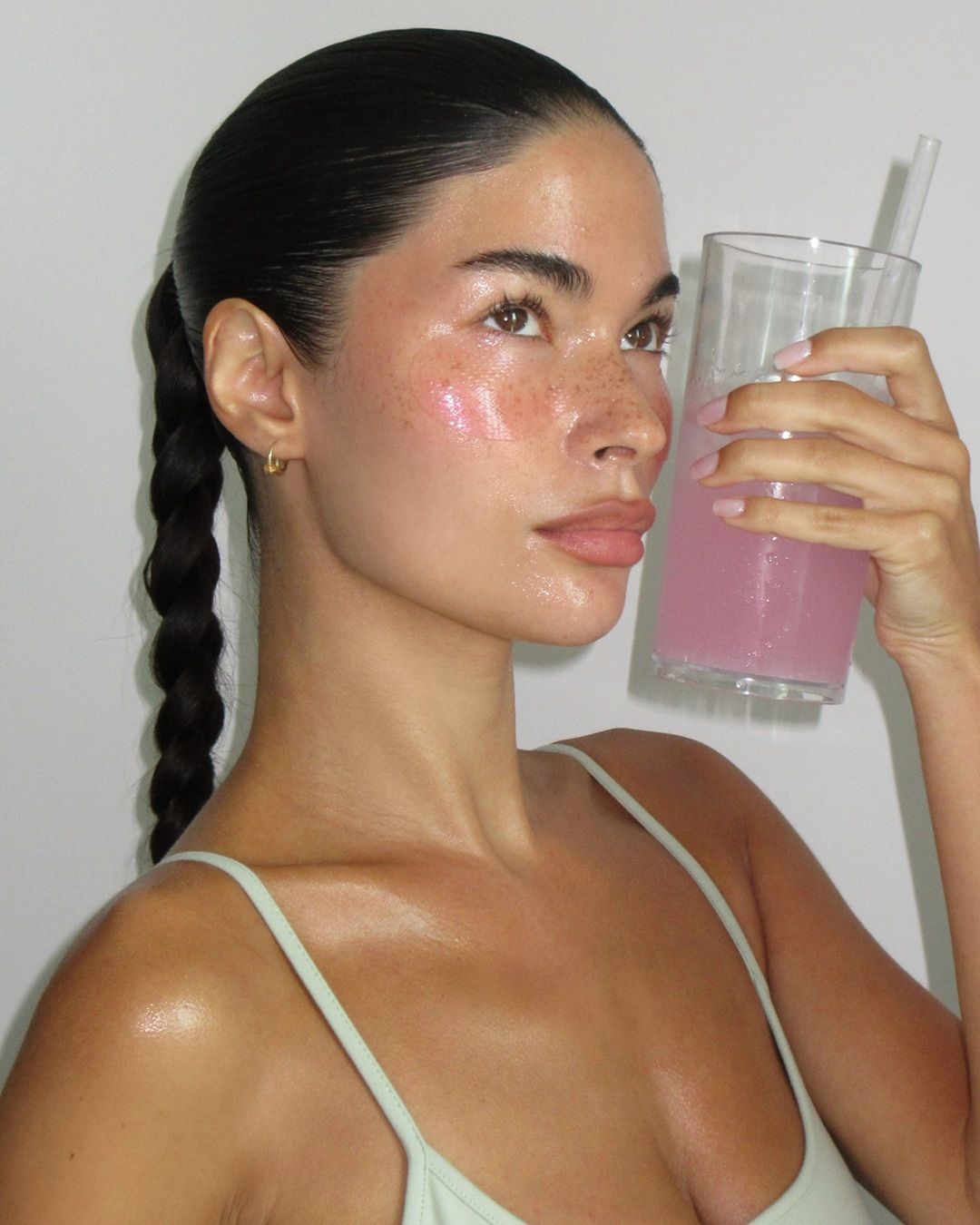












We are forgetting how a natural face looks like Lip filler and botox are now part of the aesthetic routine, according to Love Island
There’s always a villa, some neon bikinis, and at least one girl who walks in with plump lips, sculpted cheekbones, jawlines sharp as scalpels, and a gaze dulled by too much Botox. It’s Love Island, and while it’s technically a reality show, in recent years it has turned into something more: an aesthetic showcase where faces look like they’ve been run through the same filter, just without the “reset” option. Every season promises love, jealousy, and drama, but the true constant isn’t the romance. It’s the faces. Increasingly sculpted, smoothed, and homogenized. More than flirting, it’s cosmetic surgery that’s been normalized, episode after episode, season after season. It’s become part of the format. And while contestants compete for followers and partners, viewers absorb,often without even realizing, a prefab, hyper-performative, and deeply fragile idea of beauty. Girls (and guys) watching from home begin to see preventative cosmetic procedures as logica, if not necessary, a way to “keep up.” Getting filler at 20 is no longer shocking. Baby botox is the new anti-aging serum. And appointment requests at cosmetic clinics rise in direct proportion to viewership. All of this happens while we scroll, comment, and normalize. The result? A full-on Love Island aesthetic infiltrating pop culture, algorithms, and even our mirrors. They call it the Love Island Face, or the Love Island Effect.
The reality show changing faces (and perceptions of plastic surgery)
In recent years, Love Island hasn’t just become a global television phenomenon, it’s also become an aesthetic reference point. The female contestants, and increasingly, the male ones too, show off sculpted faces, narrow noses, sharp jawlines, oversized lips, all accompanied by ultra-tight skin. They speak openly about filler, Botox, non-surgical nose jobs, and sculpting treatments, proudly showing off the results, while followers try to copy them, often without understanding what’s really behind the image. So it’s no surprise that aesthetic doctors report a boom in requests after every season. According to cosmetic surgeon Ed Robinson, “Love Island-style” filler requests among women under 30 increased by 1,200% in just the past year. But what’s interesting is that people aren’t just asking for “fuller lips” or a “more harmonious nose” anymore. They’re asking for that face. A package. A specific look. As identical as possible to the girls they’ve seen on screen. The reality show has normalized something that, just a few years ago, was considered radical. Today, having minor procedures in your early 20s is something “everyone does”, almost a trivial choice. Like getting braces. Or doing your nails. Except instead of cuticles, it’s bones, muscles, and proportions being altered.
What is the Love Island Face?
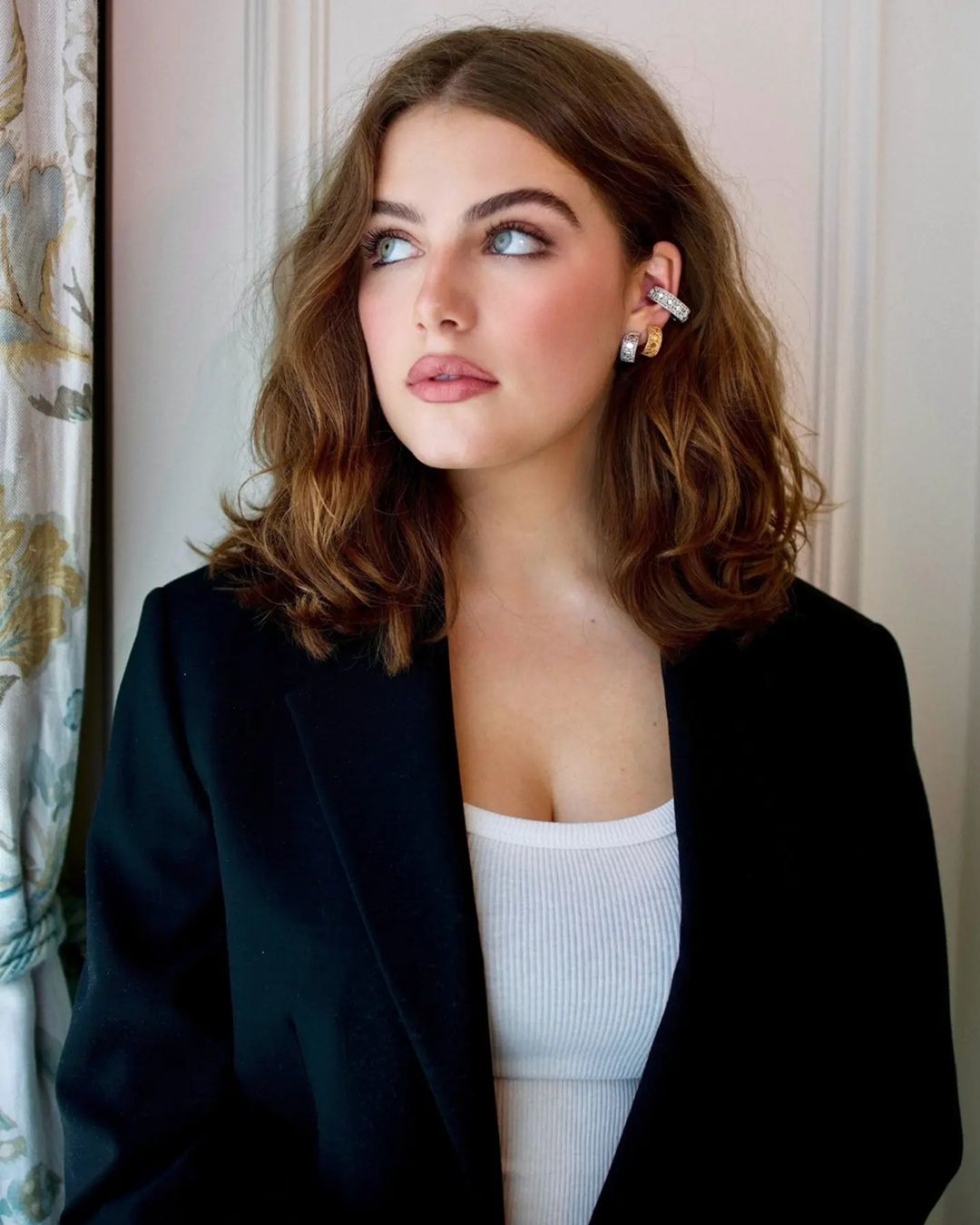
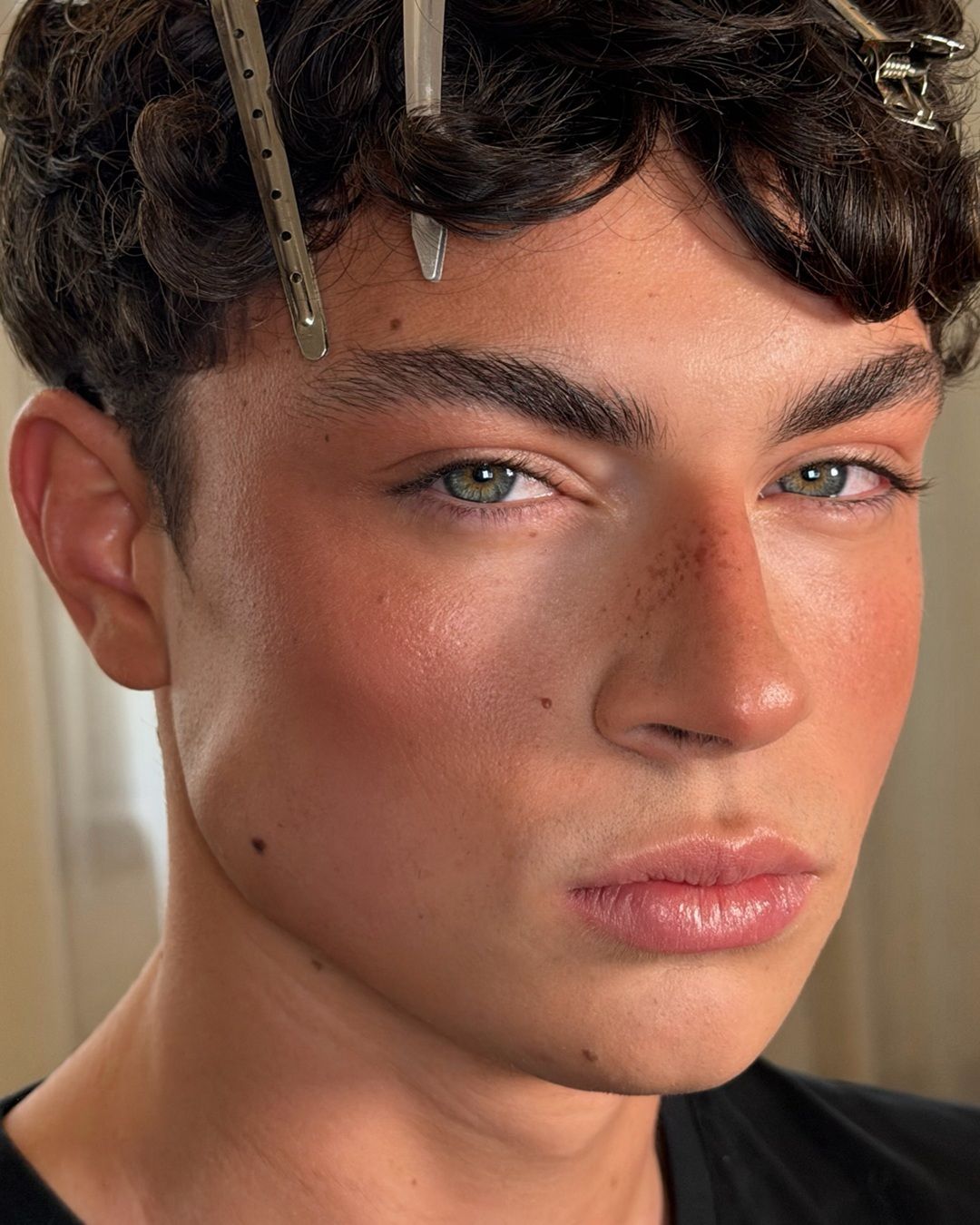
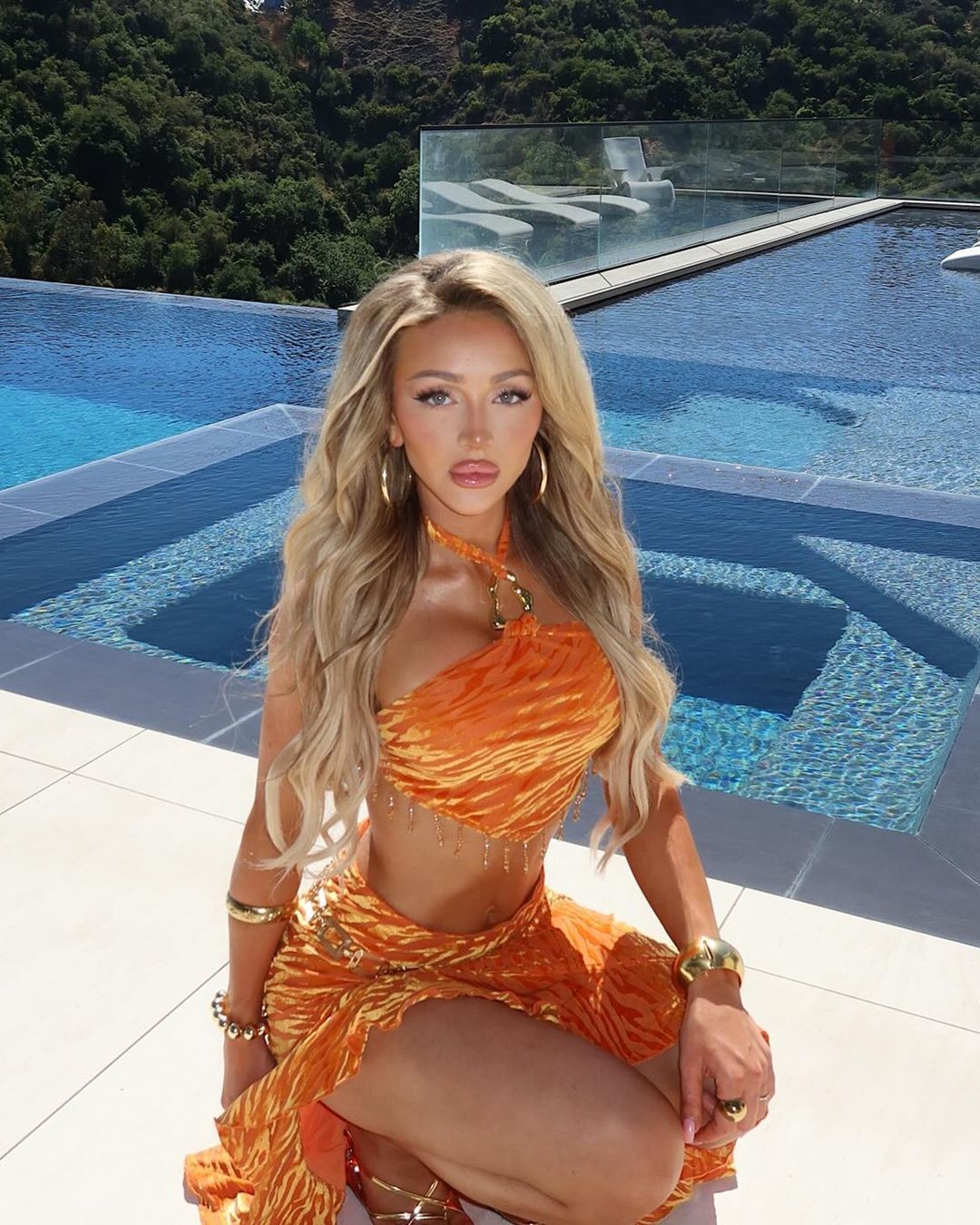
The Love Island Face refers to a highly coded type of look: Smooth skin, full cheeks, defined jawline, pointy chin, lifted brows, reduced nose, and very plumped lips. But it’s not just about facial structure. It’s that these faces often lack genuine expression. They seem frozen, plasticky, standardized. It’s an aesthetic made to please the algorithm. It photographs well, looks great on 4K video, and fits perfectly with Instagram filters. And it spreads quickly because it gives the illusion of being easy to replicate: three sessions, two syringes, and a handful of influencers to copy. The result? The faces start to blur together. The names change, but the look doesn’t. Everything flattens, including identity.
Is cosmetic surgery the new skincare routine?
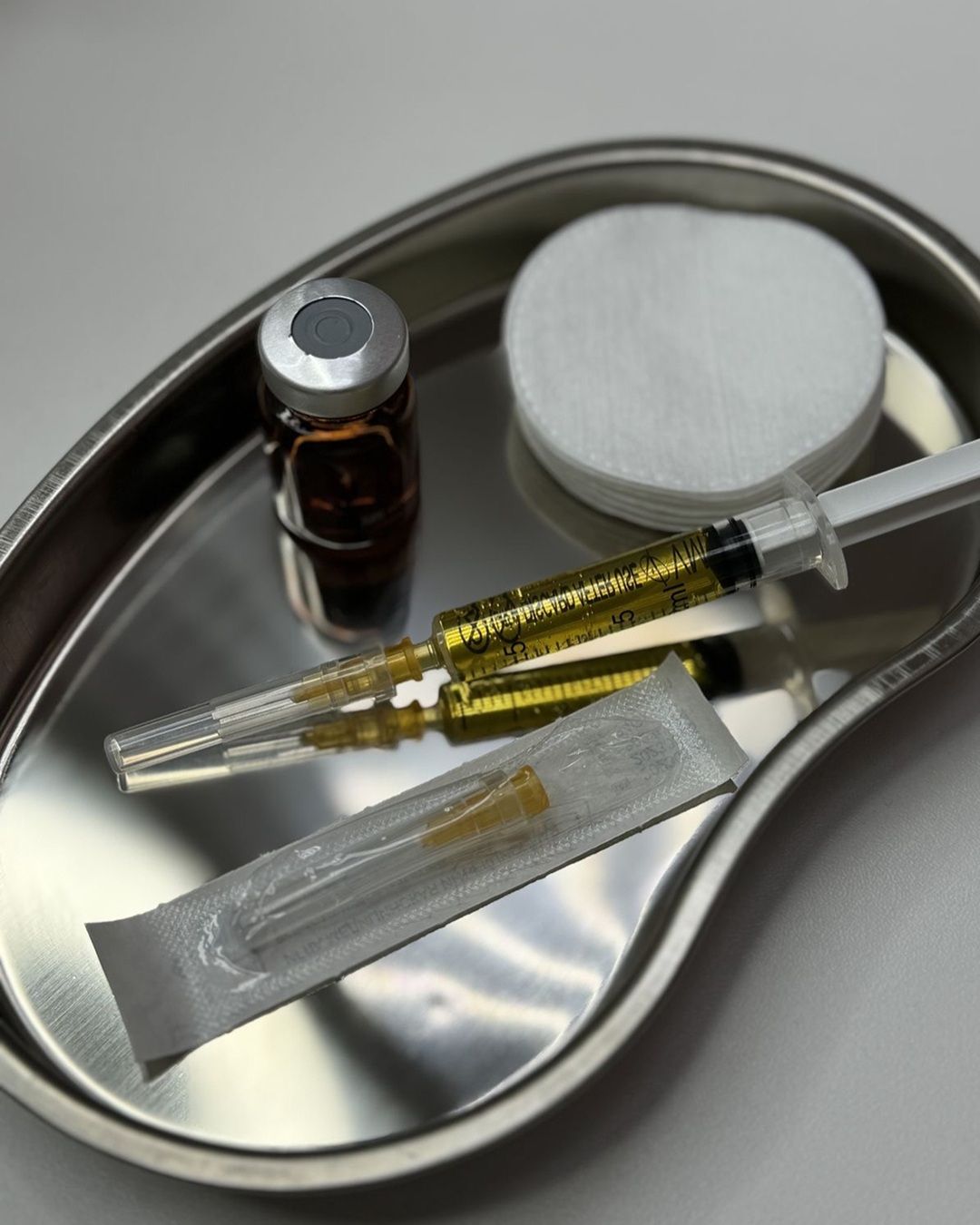
Data confirms that the Love Island Effect is real, or at least part of a broader trend. In 2024, the global market for non-invasive cosmetic treatments hit $21.01 billion. It’s projected to reach $41.55 billion by 2034, growing at an average rate of 7% annually. That means millions of people are choosing, or feel compelled to choose, to alter their appearance just to feel "acceptable." Surgery is no longer a fantasy from glossy magazines; it’s just another item on the self-care to-do list. Only now, instead of jade rollers, we have micro-needles, hyaluronic acid, and botulinum toxin.
@barrettplasticsurgery Time to pull their nurse injectors for a quick chat Should I do a part 2 when the Casa Amor episode releases? #loveisland #loveislanduk #harriet #samantha #plasticsurgery #plasticsurgeonsoftiktok #plasticsurgeon #nicoleloveisland #jessloveisland #fillers #filler #naturalornot #guesstheirage Tropical Summer Vibes - Netuno Music
The face that never ages (or ages too much)
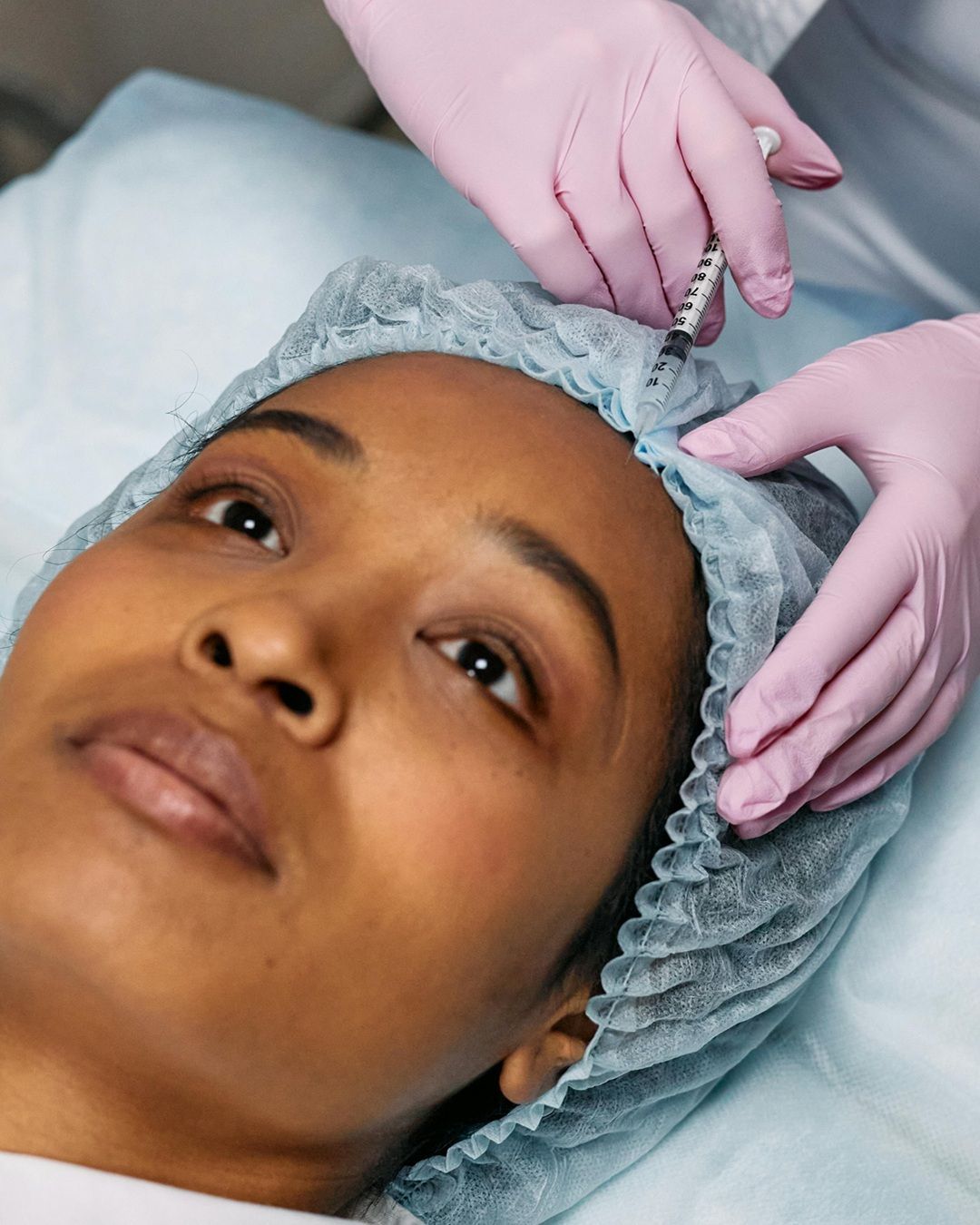
Treatments like baby Botox, mesobotox, buccal fat removal, and next-gen fillers have become part of everyday vocabulary, especially among Gen Z and Millennials. But beware. It’s not just about exaggerated features, it also affects the quality of expression. Too many injectables erase natural facial movement, reduce emotional range, and produce eerily similar faces, nearly indistinguishable from one another. It’s the uncanny valley effect, but instead of robots, we get hyper-human faces without flaws... and without emotion. Many doctors now warn that excessive filler can actually make you look older. In a TikTok with over 13 million views, Beverly Hills plastic surgeon Dr. Daniel Barrett exclaimed, horrified: “Bad cosmetic surgery ages you. Period,” after realizing that contestants on the latest season of Love Island UK were between 24 and 26 years old, when he had assumed they were in their late 30s or early 40s.
Who decides when enough is enough?
Many doctors, like dermatologist Anthony Rossi, emphasize that too much filler not only ages the face, but leads to something called filler blindness: You lose the ability to recognize your real face, and keep tweaking it. Filler blindness is a growing phenomenon among experts. It happens when people who undergo repeated aesthetic treatments can no longer perceive how drastically their face has changed. Exaggerated proportions become normalized. You always want a little bit more. But each injection adds a psychological centimeter to the gap between your real self and the image in your mind. Sometimes it reaches a point where the only solution is to deflate, dissolve, and start over. And even then, it’s not always possible to go back. Former Love Island UK contestant Malin Andersson has openly discussed how procedures worsened her body dysmorphia. “I thought my lips were never big enough,” she said. “And I just kept wanting more.”
Cosmetic surgery as emotional anesthesia, and the rise of the glow-down
When identity is built through the scalpel, the risk ,beyond disconnection from your real appearance, is treating surgery as escape, and beauty as emotional anesthesia. The response? A new trend: the glow-down, the opposite of a glow-up. More and more young people (Millennials included) are dissolving fillers, removing implants, and breaking the endless injection cycle to return to their original features. Celebrities are doing the same. From Olivia Culpo, who had her lip filler removed last year, to Kylie Jenner, who recently opened up about her cosmetic treatments, the list of stars rejecting the “puffed-up” look is growing. Ariana Grande even joked she’s been “clean for four years” from Botox and fillers: “I hope my smile lines get deeper and deeper. I laugh more and more, and I think aging can be a beautiful thing.” Even Love Island UK star Molly-Mae Hague chose the glow-down: “If the filler had been permanent and I couldn’t undo it, I could’ve completely ruined my face,” she admitted. In this context, it’s not surprising that many viewers are developing an aesthetic aversion to what they see on-screen. As Perez Hilton put it, the Love Island Face is starting to “creep people out.” It’s become so unnatural it’s disturbing, especially on young faces already free of signs of aging.
Who decides what’s normal?
In 2025, the question isn’t whether cosmetic surgery is right or wrong. It’s: Who sets the standard of normal? The algorithm? The Kardashians? TV? Aesthetic doctors with Instagram filters? Or maybe, just maybe, us? The Love Island Face is a cultural symptom. It’s the result of years of aesthetic pressure, hyper-visibility, and commodified insecurity. But something is shifting. A generation is starting to say enough. Choosing natural skin over silicone textures. Imperfection over uniformity. So, if we can’t entirely escape the filter, let it at least be the filter of awareness. Because despite the invisible pressure to look like someone else just to feel “enough,” we should remember that beauty is not a checklist or something you achieve once and for all. It’s something you live. To be truly free doesn’t mean rejecting a certain look. It means being able to talk about it, reflect on it, choose it, or reject it. Maybe, in the end, real beauty is simply a face we can happily recognize as our own. Even when it’s not perfect.