



















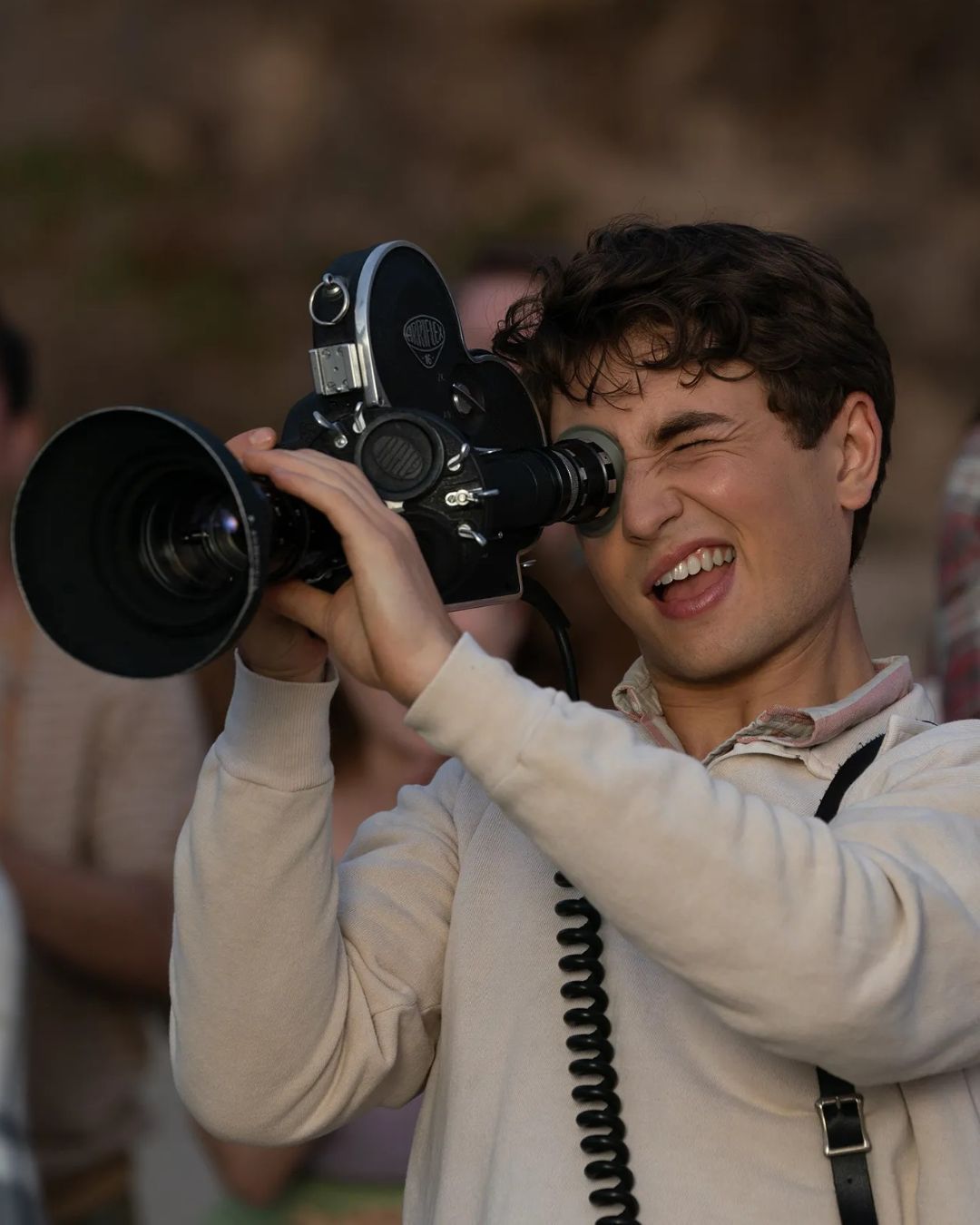


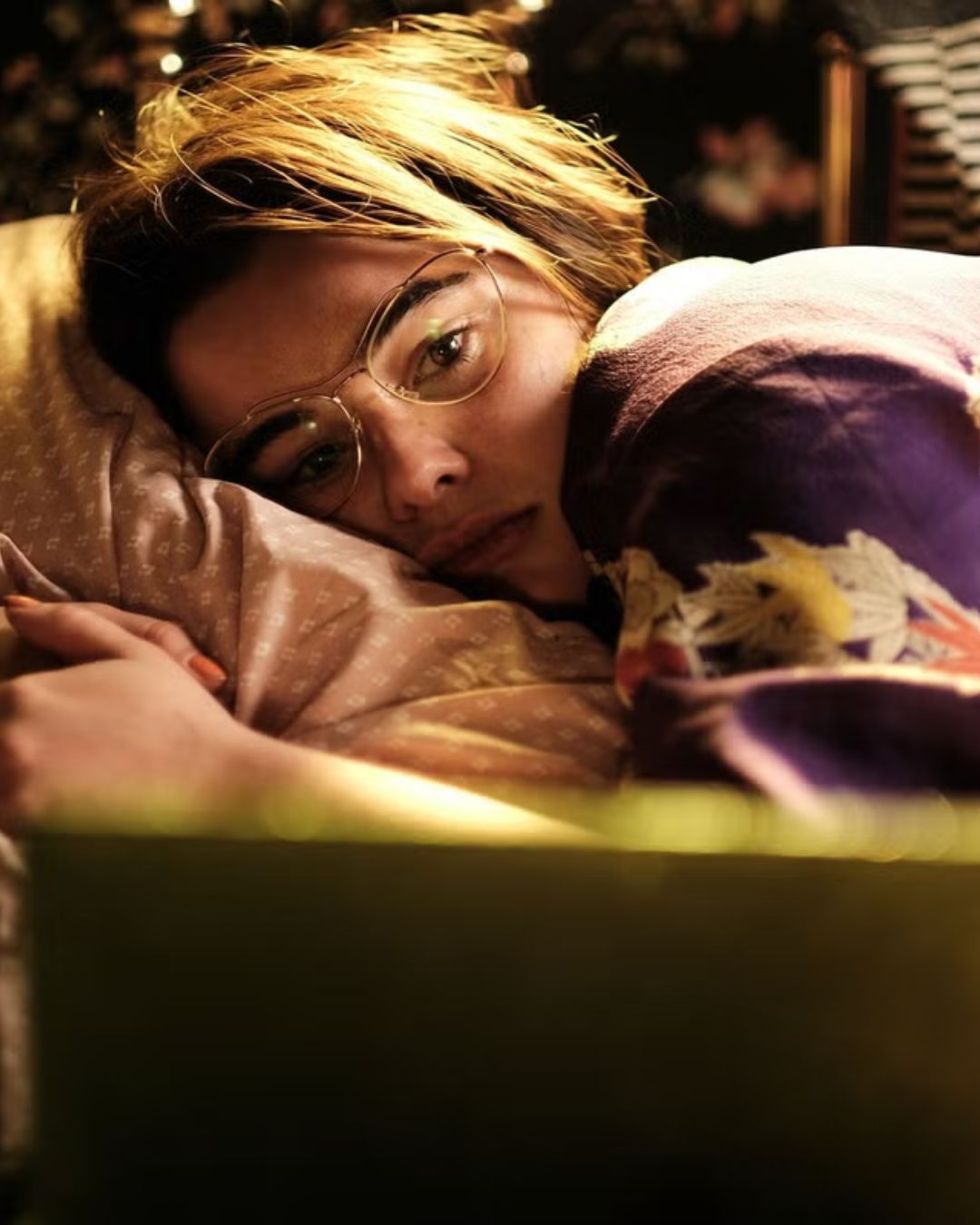
Sleeping is not a beauty secret, it is a sacred right Stop the beautification of sleep, please
On March 13, we celebrate World Sleep Day. Sleep, a vital daily function necessary for survival, once taken for granted, has been discussed endlessly lately. Setting aside literary and fairy-tale speculations (what would happen if we managed to eliminate this ritual from our lives, asks a character in The House of Sleep by Jonathan Coen; in Sleeping Beauty in the forest, sleep is a punishment from which one must be awakened with a kiss), sleep has become something else, it has transformed. Capitalism, the culture of optimization and performance, has turned it into a commodity to be purchased, while wellness has made it a practice rather than a need. Words shape reality, and it is in this shift that we’ve lost sleep, anxious in the pursuit of it even when it eludes us. It’s a loop of cause and effect. Have you ever tossed and turned, exhausted and anxious, worried that you are not falling asleep fast enough, only to end up wide awake because of that very anxiety?
The new language of sleep as a Beauty Secret
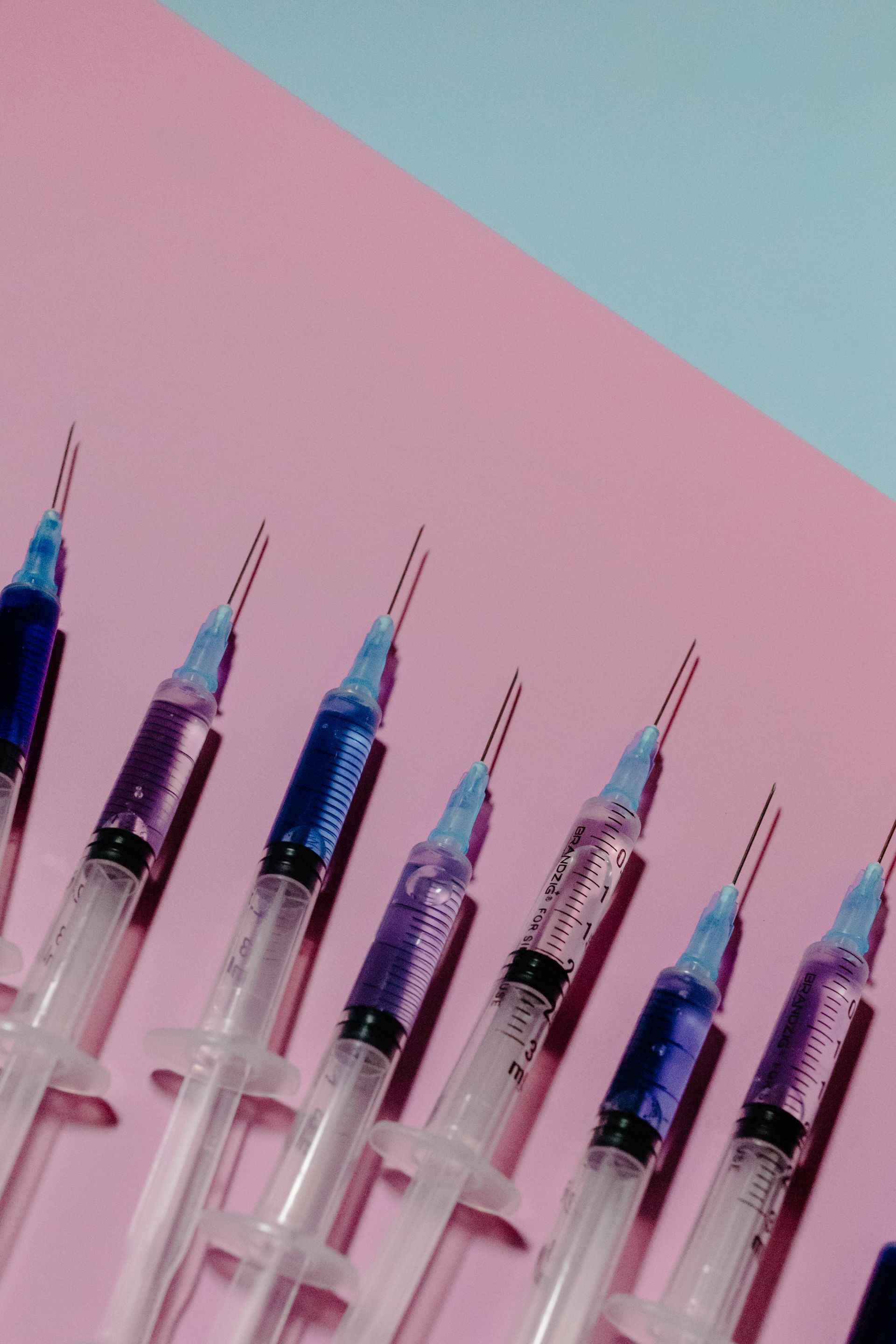
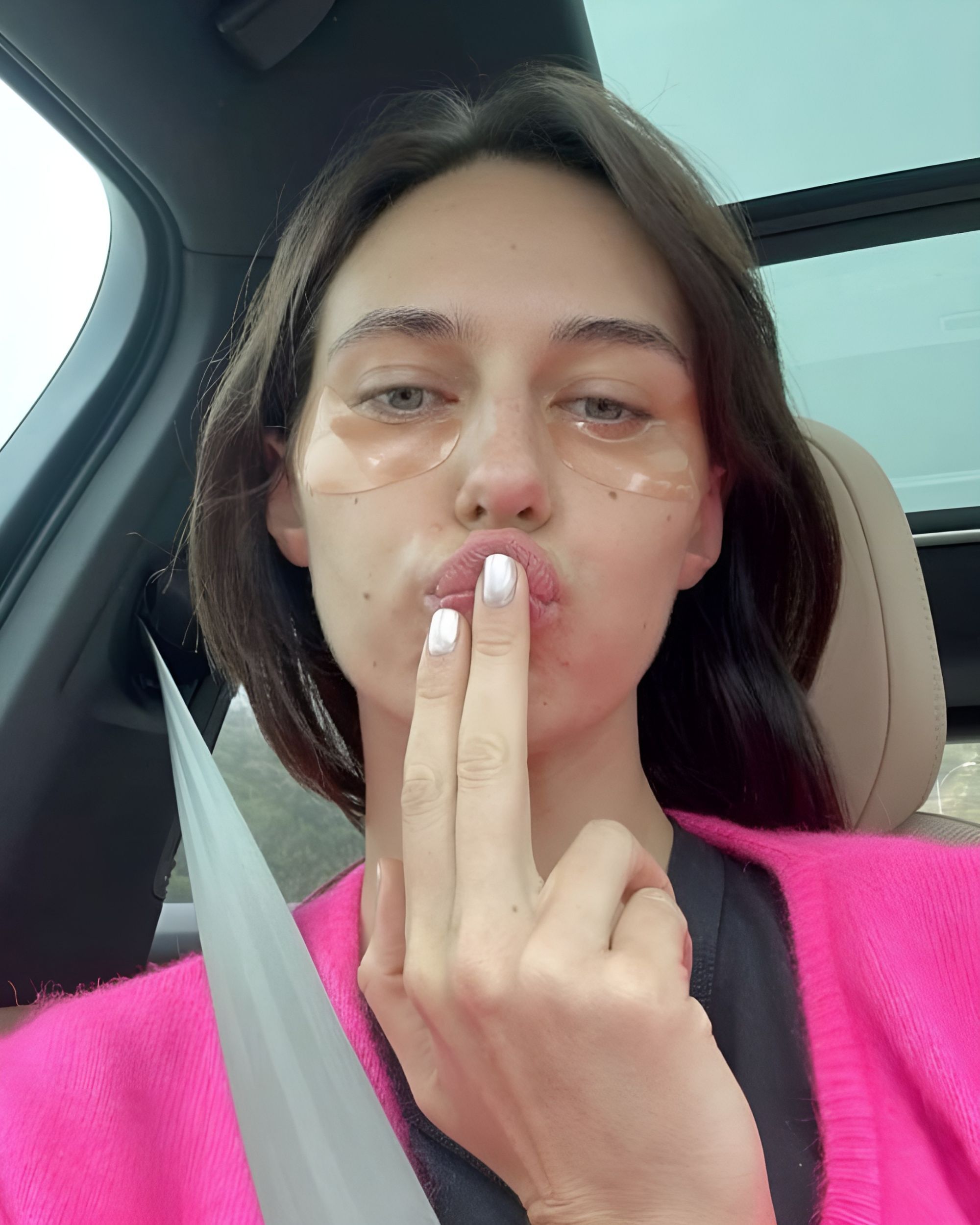
Today, wellness frames sleep as a tool for beauty, energy, clear skin, a balanced metabolism, the immortality of body and soul, a true secret of beauty and wellbeing. Sleep must be optimized, sought after, calculated, controlled, utilized, measured, medicalized. There are nighttime routines, supplements to take for better sleep, creams and products to apply overnight so they take effect while we sleep, relaxing sprays for the pillow. There are apps that track it and then tell us if its quality is sufficient, parameters to meet, goals to meet even, literally, while we sleep. If we sleep too little, we’re exhausted; if we sleep too much, we’re lazy and idle. Being a morning person is a virtue; sleeping a lot is a demand our bodies scream at us every second. How do we escape this?
Why don’t we sleep?
The truth is, paradoxically, we are too tired to sleep. We are too stressed, anxious, under pressure to fall asleep, and have too much to do. A study by Sector Alarm analyzed some of the most common psychological reasons many people struggle to sleep. Among the most frequent factors is nighttime hypervigilance, a constant state of alertness in the brain that makes us sensitive to every minor external stimulus and can delay falling asleep. Another common concern is the doubt that everything is locked or secured. Anxiety caused by darkness or shadowed areas of the home can also keep the body tense, while so-called "phantom noises" (like branches hitting windows or minor household sounds) can be interpreted by the brain as potential threats. One could see this as a signal to install security systems at home, but it could also confirm that we live constantly on high alert, which is far from healthy. And if we say this from Italy, imagine what people living in areas under attack by Israel and the US, like Palestine, Iran, and Lebanon, must experience?
Sleep has become a privilege, even though it shouldn’t be
Sleep has become a privilege. Those who can afford it, economically, socially, or positionally, show off their most efficient methods, selling them to us more or less directly. Those who cannot - due to geography, stress, work, or illness - watch enviously, perhaps convinced they must buy those drops, exactly those, because they’re the only thing that can help. The truth is, what would help us much more is working less, not living anxiously over a basic survival need, having time to pursue our hobbies without sacrificing sleep, avoiding burnout, not being dependent on powerful people playing chess with lives and borders, not obsessively thinking about everything we do, buy, and live, in a desperate effort to make a difference, to be conscious and aware while everything around us seems irrational and cruel. Physical and mental wellbeing comes from sleep, which is a communal, not individual, effort. We are also a bit tired of repeating this. Perhaps one extra melatonin pill is needed?
What to read next

Is mycotherapy the new wellness ritual?
Medicinal mushrooms are said to improve everything from concentration to sleep. However, not everything that comes from the forest is miraculous
Let's not let the post-vacation blues get us down
How to navigate the return from vacation with awareness and ease
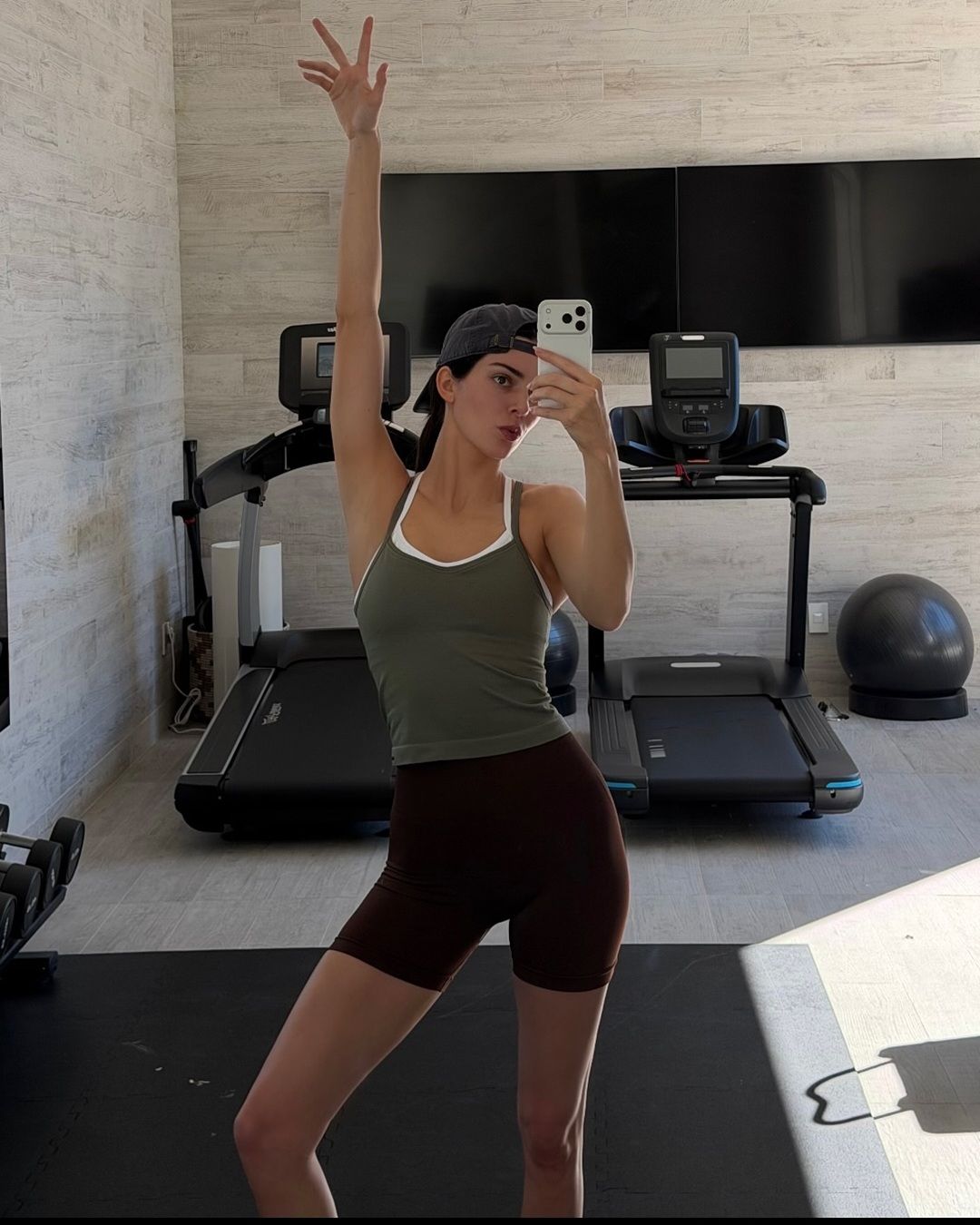
Women-only gyms: the boom of a trend that says much more than fitness
It highlights the shift in attitudes toward fitness, women's health, and safer workout environments