

TikTok teaches us how to live like a Chinese grandmother From traditional Chinese medicine to Douyin makeup, small ancient habits combat modern fatigue
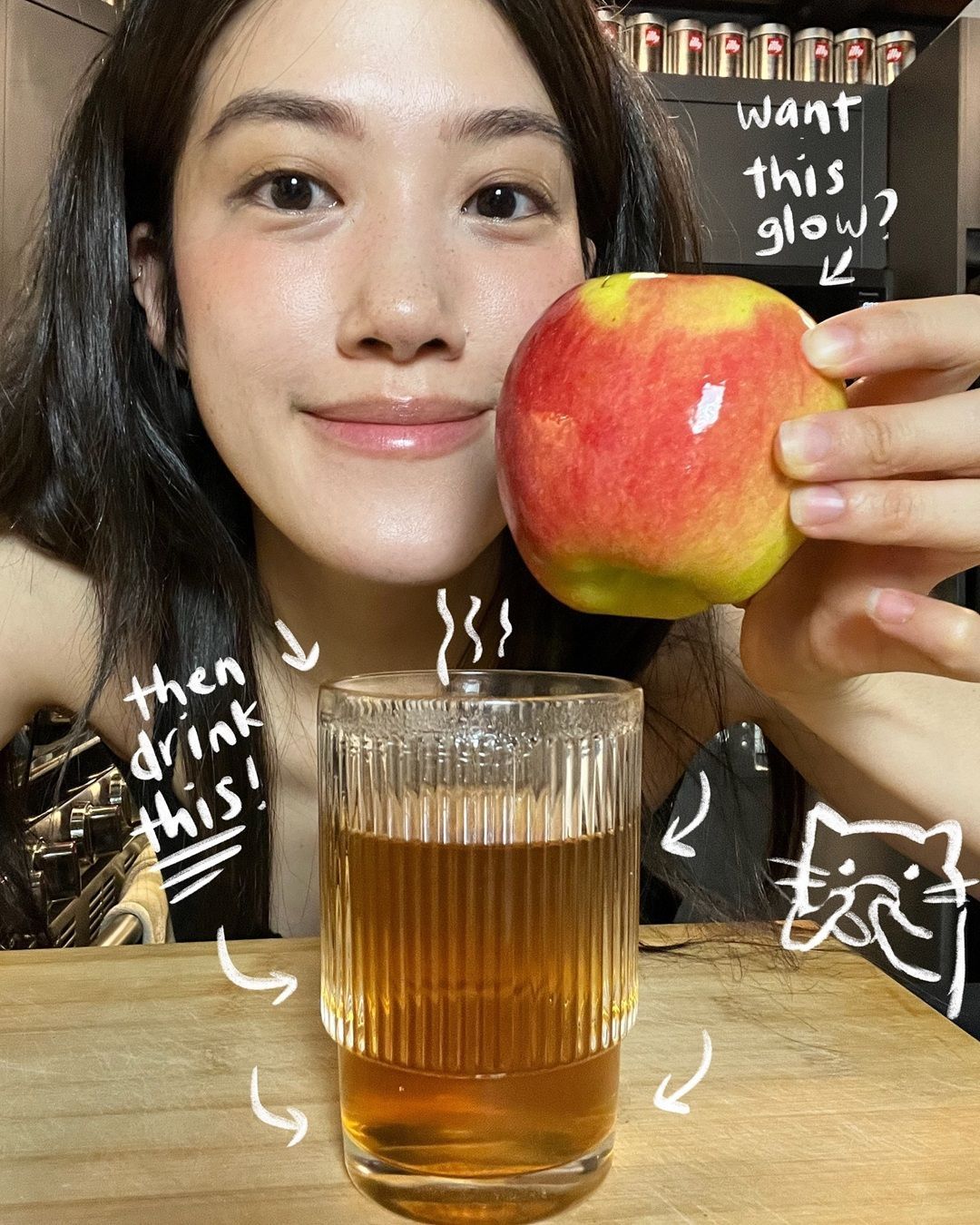
“Everyone is Chinese now” started as a meme, but it works because it hits the target with almost embarrassing precision. We are chronically tired, cold even in August, overstimulated to the point of emotional atrophy, and culturally exhausted. We live inside a machine that asks us to perform even rest, while Western wellness keeps selling us yet another version of ourselves, just optimized. Then, from deep within the algorithm, Traditional Chinese Medicine (TCM) arrives and does something radically simple: it turns the volume down. It says slow down, warm up, eat some soup, sleep. Translation? Live like a Chinese grandma. No miracles, no before-and-after, no shouted promises. Just millennia-old habits that, lined up together, sound more subversive than any podcast-style biohacking. If in recent days you opened TikTok hoping to switch your brain off and instead found yourself watching a non-Chinese person silently drinking hot water, staring into space as if negotiating with their vital energy, know this: you’re not on the wrong feed. You’ve simply entered what the internet calls, with a strange mix of irony and relief, “a very Chinese phase of my life.” Not in a passport sense, but in the much more interesting sense of a collective desire to draw from Traditional Chinese Medicine, a coherent, ancient and surprisingly sensible system for surviving burnout culture without having to buy yet another questionable supplement. The new normal is made of congee for breakfast, boiled apples with jujubes, strange movements to activate the lymphatic system, and seeds stuck in your ear. Not because it’s trendy, but because, apparently, it works.
The China trend isn’t cultural appropriation, it’s collective nervous exhaustion
The spark? A Chinese-American creator, Sherry Zhu, looking into the camera and calmly declaring that yes, from tomorrow, we’re all Chinese too. It doesn’t matter who we are, where we’re from, or what we had for breakfast yesterday. The internet not only accepts it, it takes it very seriously. The joke turns into a meme. The meme becomes a daily ritual. And suddenly thousands of people who, until yesterday, were having cold yogurt and iced coffee for breakfast start drinking hot water as soon as they wake up, eating congee, hitting their armpits and doing body waves. The point isn’t “playing at being Chinese.” The point is that Traditional Chinese Medicine, with its obsession with balance, the seasons, warmth and prevention, seems to speak directly to a generation tired of optimizing itself into exhaustion. TCM doesn’t promise to make us a better version of ourselves, it promises not to make us feel constantly worn out. And after years of green smoothies, 5 a.m. wake-ups, cold plunges and performative mindfulness, it’s a surprisingly competitive offer.
The Chinese grandma as the new life model (seriously)
Some people do little morning jumps to “activate their lymph nodes,” others practice qigong in their living room, others permanently ban cold drinks from their lives. And please, no bare feet on icy floors. TCM doesn’t promise miracles or instant transformations. It’s not a 30-day challenge, it’s not a detox, nor a checklist of goals to tick off. It’s an ancient medical system built on the idea that health is the result of a constant balance between opposing forces. Yin and yang, hot and cold, rest and movement. Everything matters, especially the small things, the things we do every day without thinking. And it’s precisely this accessibility that makes it irresistible. No equipment, no premium subscription. Just us, a steaming cup and a pair of slippers. In a world where Western wellness is often an endurance race, Traditional Chinese Medicine offers a gentler path. And, surprisingly, a more effective one. You just have to accept that health isn’t something you recover once you collapse, it’s something you maintain while you’re still standing.
A paradigm shift
Of course, some TCM-inspired practices had already entered the mainstream: gua sha, acupuncture, cupping, energy skincare. All filtered through a very Western aesthetic obsession, all aimed at looking rested, glowing, balanced, even when we absolutely weren’t. This new interest is different. It’s warmer, more domestic, more emotional. The goal shifts from the glow-up to improving basic functionality: sleeping better, digesting without pain, having an energy level that doesn’t crash at four in the afternoon. In an era of widespread burnout, chronic fatigue and compromised mental health, the idea that the body shouldn’t be constantly pushed but supported holds enormous appeal.
When even Chinese people rediscover TCM (thanks to TikTok)
The most interesting part? This trend is working in both directions. Many Chinese creators say they’ve reconnected with Traditional Chinese Medicine precisely because of Western enthusiasm. People who grew up with parents saying “drink this, it’s good for you” without explanations now want to truly understand what’s behind those rituals. In China, meanwhile, TCM has become cool again and is enjoying a new wave of popularity, with ice cream shops inspired by medicinal herbs, night markets offering moxibustion and pulse readings, and young people lining up for herbal teas and treatments. It’s not nostalgia, it’s recovery. And for once, the internet doesn’t flatten everything into cliché, but creates a real exchange. Those who grew up outside this culture approach it with respect; those within it rediscover it with pride.
From wellness to beauty: Douyin makeup as an aesthetic of softness
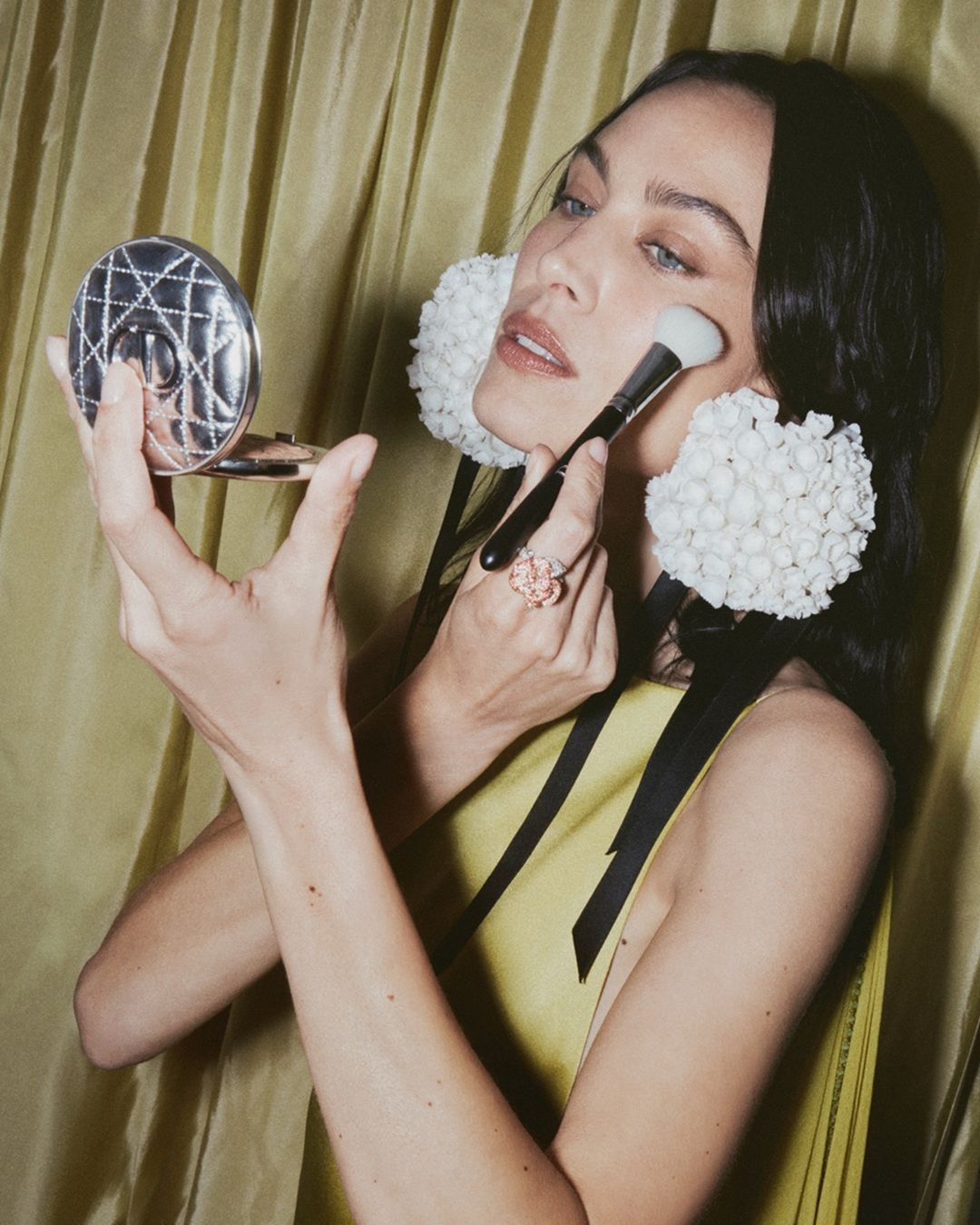
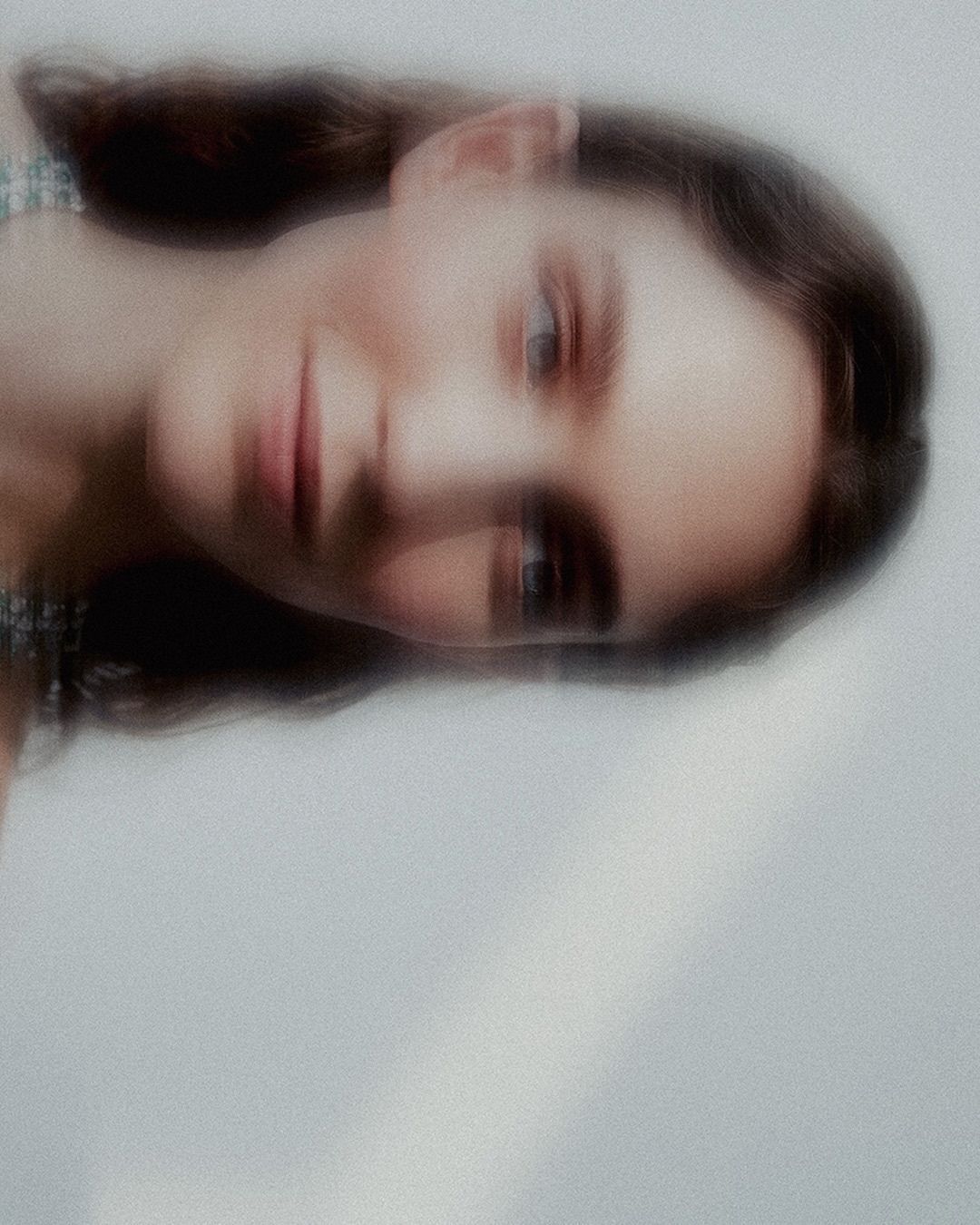
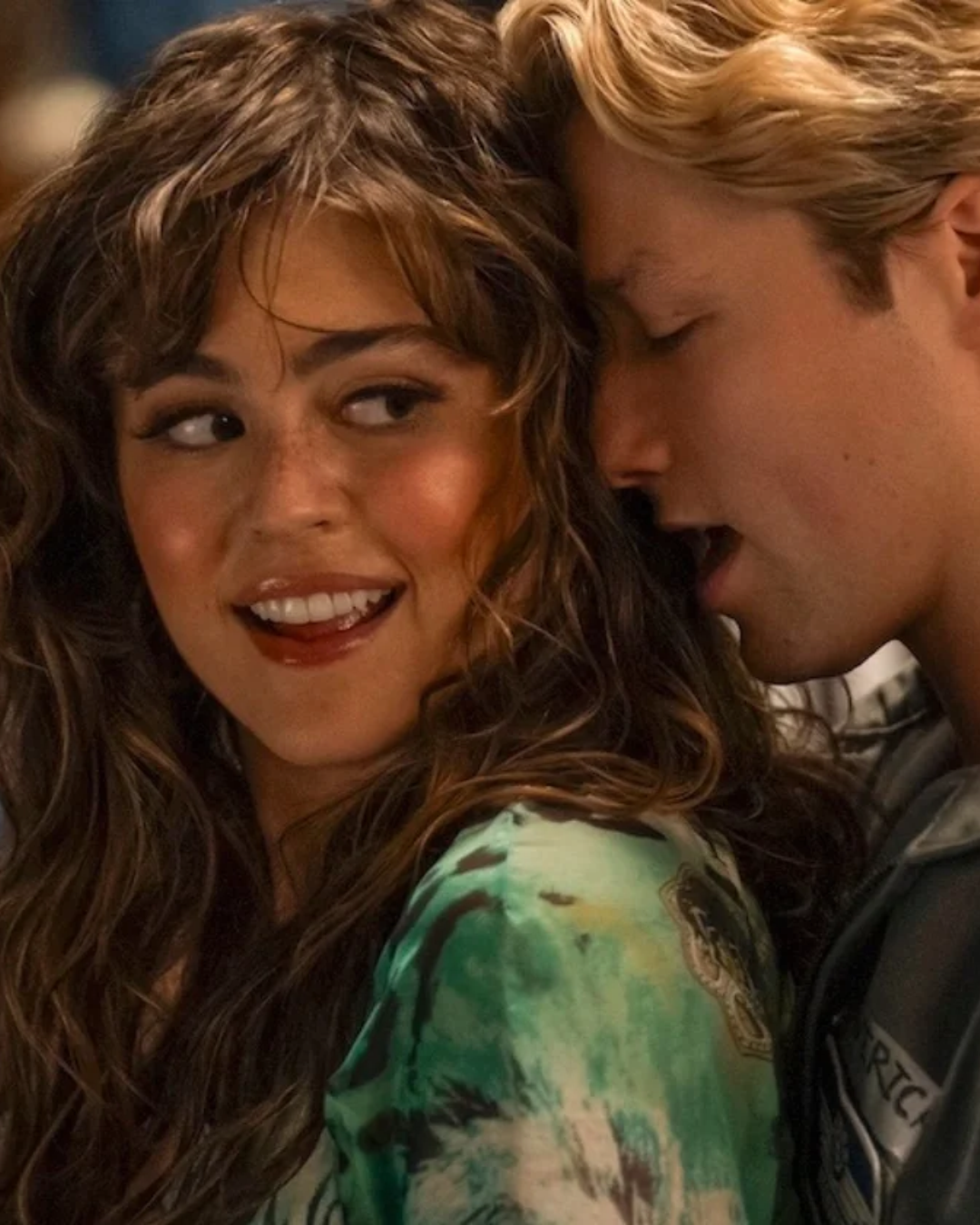
This sudden love for Chinese habits didn’t come out of nowhere. China is increasingly present in the global imagination, not just as the world’s factory, but as a producer of aesthetics, culture, apps, and desirable everyday life. But instead of arriving as an imposition, this influence comes as an invitation. “My culture can also be yours,” many creators say. And the response is surprisingly warm. This isn’t reverse colonization, but participation. It’s the shift from spectators to practitioners. From watching to doing. Even if, for now, doing just means drinking hot water and going to bed earlier. But like any real trend, “becoming Chinese” doesn’t stop at the table. It seeps into fashion, beauty, everyday aesthetics. And that’s how Douyin makeup explodes in the West too. Porcelain skin, generous blush, cartoon-big eyes, blurred lips. It’s makeup that doesn’t aim to be aggressive or hyper-sexual, but ethereal, soft, almost protective. In line with the core idea of Traditional Chinese Medicine, harmony above all, Douyin makeup rejects sharp contouring and over-definition, choosing delicacy as a style statement.
Everyone wants to be Chinese (that is, to feel better)
Maybe those who say “you met me in a very Chinese phase of my life” aren’t joking at all. They’re just searching for a new language to describe an ancient desire. What desire? To live better more slowly, with less friction. In a hyper-performative, constantly switched-on world, a lifestyle centered on balance, prevention and daily care suddenly feels radical. And irresistible. It’s not about becoming someone else. It’s about remembering what it feels like to be well. Maybe starting, very simply, with a cup of hot water.
What to read next
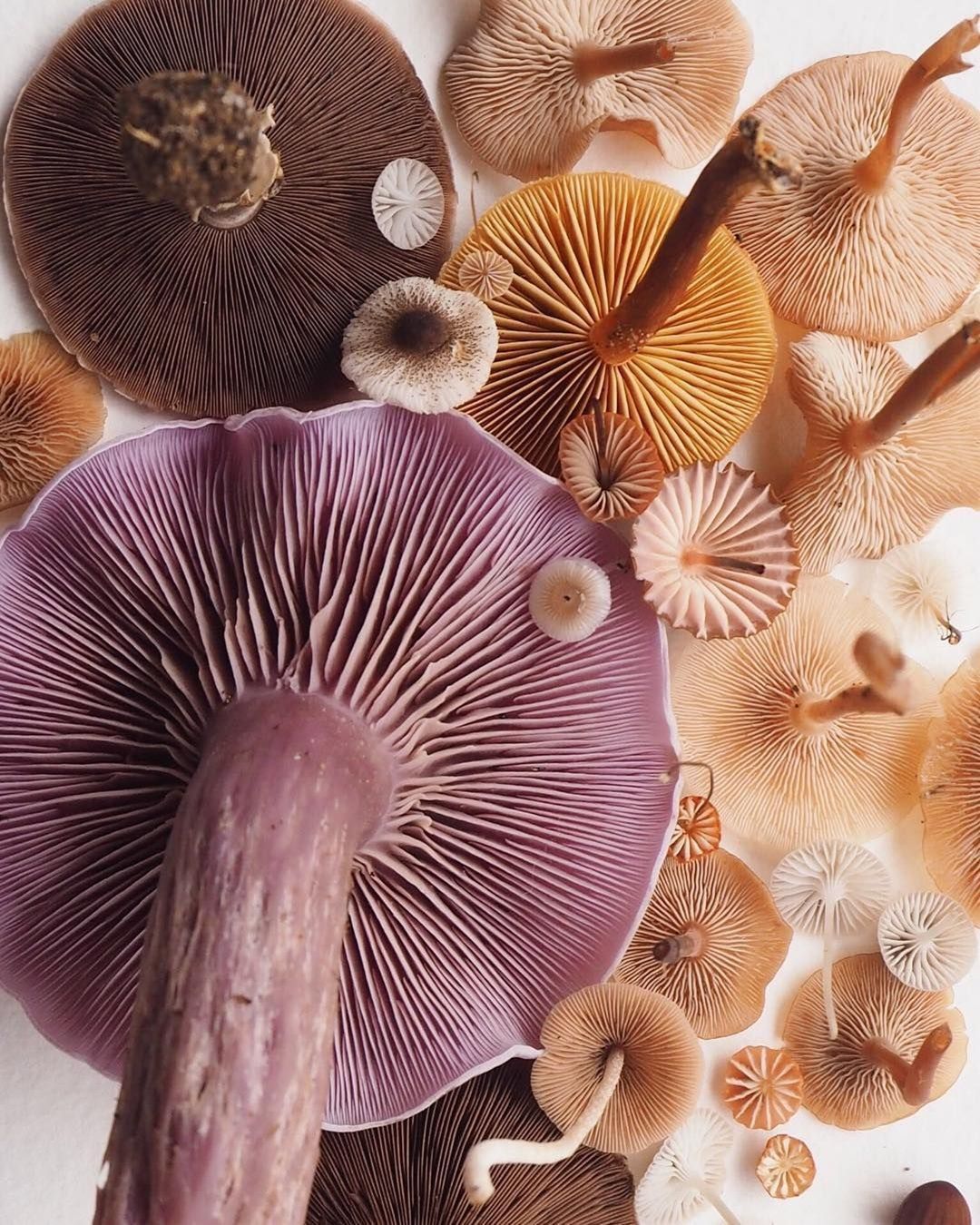
Is mycotherapy the new wellness ritual?
Medicinal mushrooms are said to improve everything from concentration to sleep. However, not everything that comes from the forest is miraculous
Let's not let the post-vacation blues get us down
How to navigate the return from vacation with awareness and ease
Women-only gyms: the boom of a trend that says much more than fitness
It highlights the shift in attitudes toward fitness, women's health, and safer workout environments