
















































Hydrocolloid is the most effective method against pimples The perfect ally to stop touching your face
There are two kinds of people: those who are strong and, when a pimple appears, don’t let it destabilize them and just go on with their life, and those who can’t stop staring at it, touching it, studying it in the mirror as if it were some kind of alien. If you identify with the second type, this article is for you. Because before giving in to compulsive squeezing, which only causes redness and inflammation, there’s an ally that can do the dirty work for you: hydrocolloid.
Hydrocolloid: the most effective method against pimples
What is hydrocolloid?
Hydrocolloid isn’t just another complicated skincare ingredient, it comes straight from the medical world. In simple terms, it’s a material used in advanced dressings because it creates a moist environment that helps the skin heal faster and better. As Healthline explains, hydrocolloid products contain substances like sodium carboxymethyl cellulose, pectin, and gelatin, which, when in contact with wound fluids, turn into a protective gel. In the case of pimples, those fluids are pus and sebum. So what does the patch do? It gently “draws out” the fluids, traps them inside, and at the same time creates a protective barrier on top. The best part: unlike typical anti-acne products, it doesn’t burn, exfoliate, or stress the skin. It works very gently: absorbing the excess and protecting the area while the skin naturally heals.
How to use it correctly
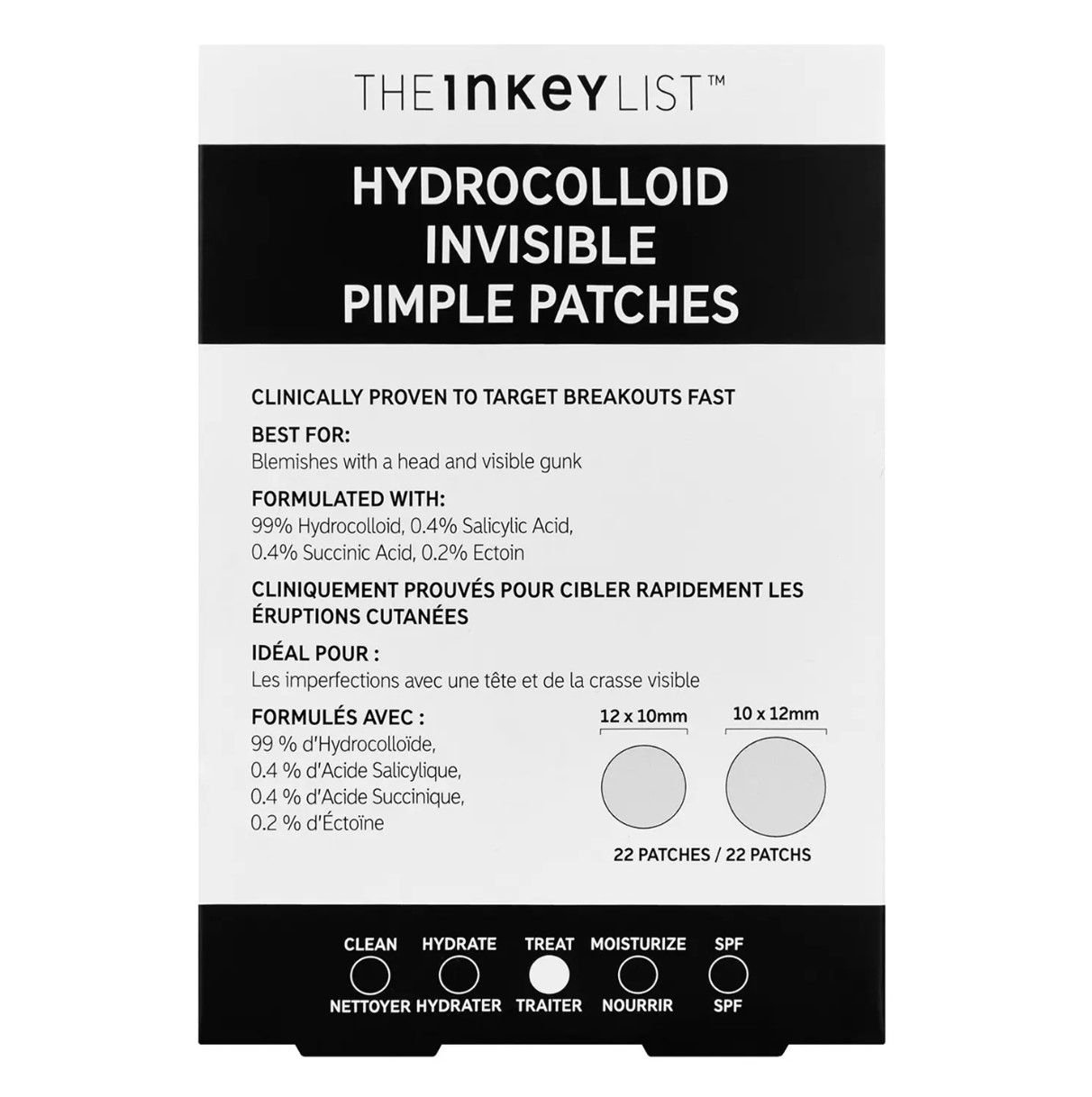
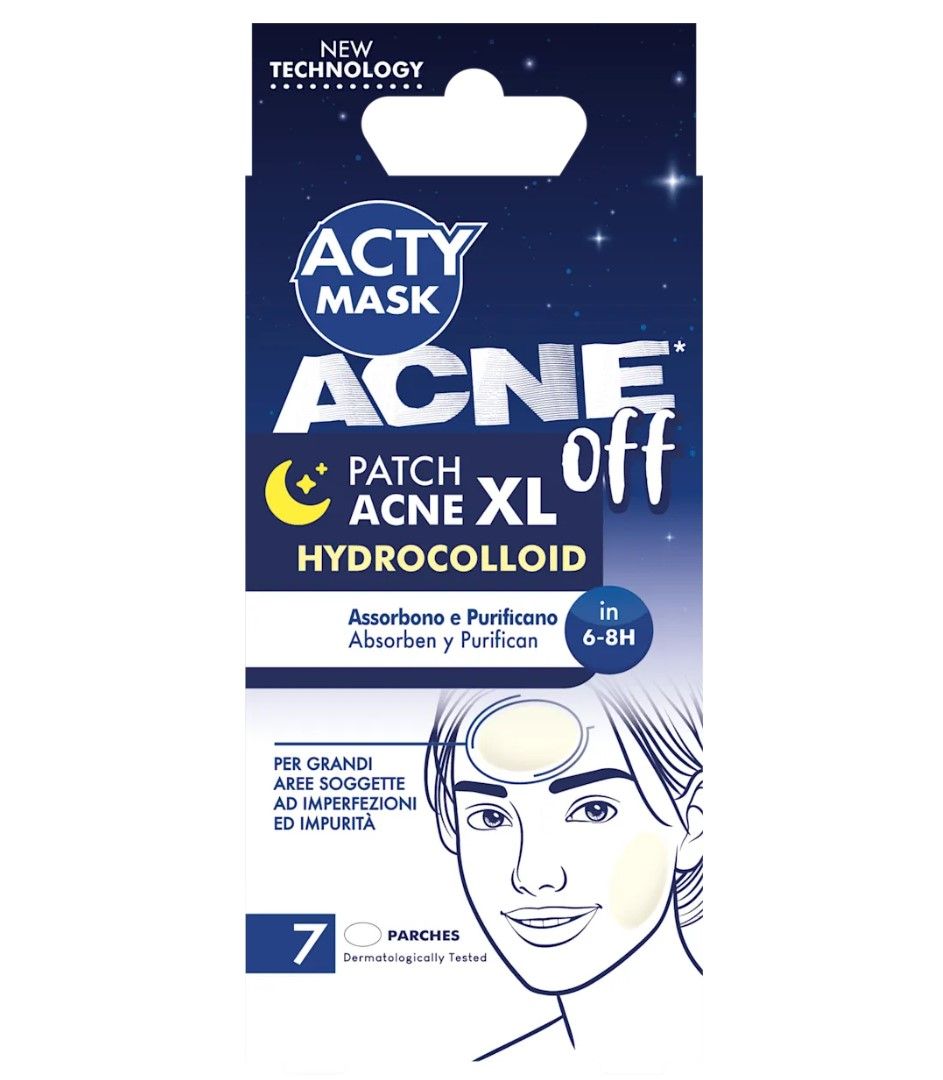
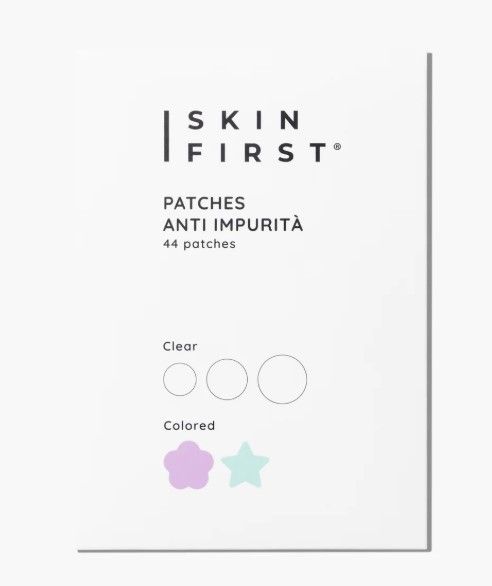
Apply the hydrocolloid patch on clean, completely dry skin, directly over the pimple. That’s it. Place it, press gently to make it stick well, and then leave it alone. The hardest part for impatient people is not touching it every five minutes to check the “drama’s” progress. Typically, it stays on for four to eight hours, but let’s be honest: using it overnight is much more satisfying. Go to bed with a tiny volcano on your forehead and wake up with the Po Valley. Of course, it works best on fully developed pimples, those with a visible head and something to absorb. In short: for classic blemishes, the ones that pop up just before an appointment or important event (because timing is always on our side, obviously), it’s probably the smartest and least destructive method you can choose.
What’s the difference compared to regular pimple patches?
The patches commonly found on the market contain active ingredients like salicylic acid, hyaluronic acid, or tea tree and mainly rely on a chemical action: they aim to soothe, hydrate, or prevent new breakouts. The problem is that, on their own, they don’t extract the liquid from the pimple and take longer to reduce swelling, often requiring additional products for support. Hydrocolloid patches, on the other hand, are perfect if you want an immediate and reliable effect: they capture pus and sebum, reduce swelling, and create a protective barrier against bacteria and dirt, preventing the situation from worsening.
