




















Why do so many celebrities end up in cults? Hannah Murray's memoir reveals the real answer
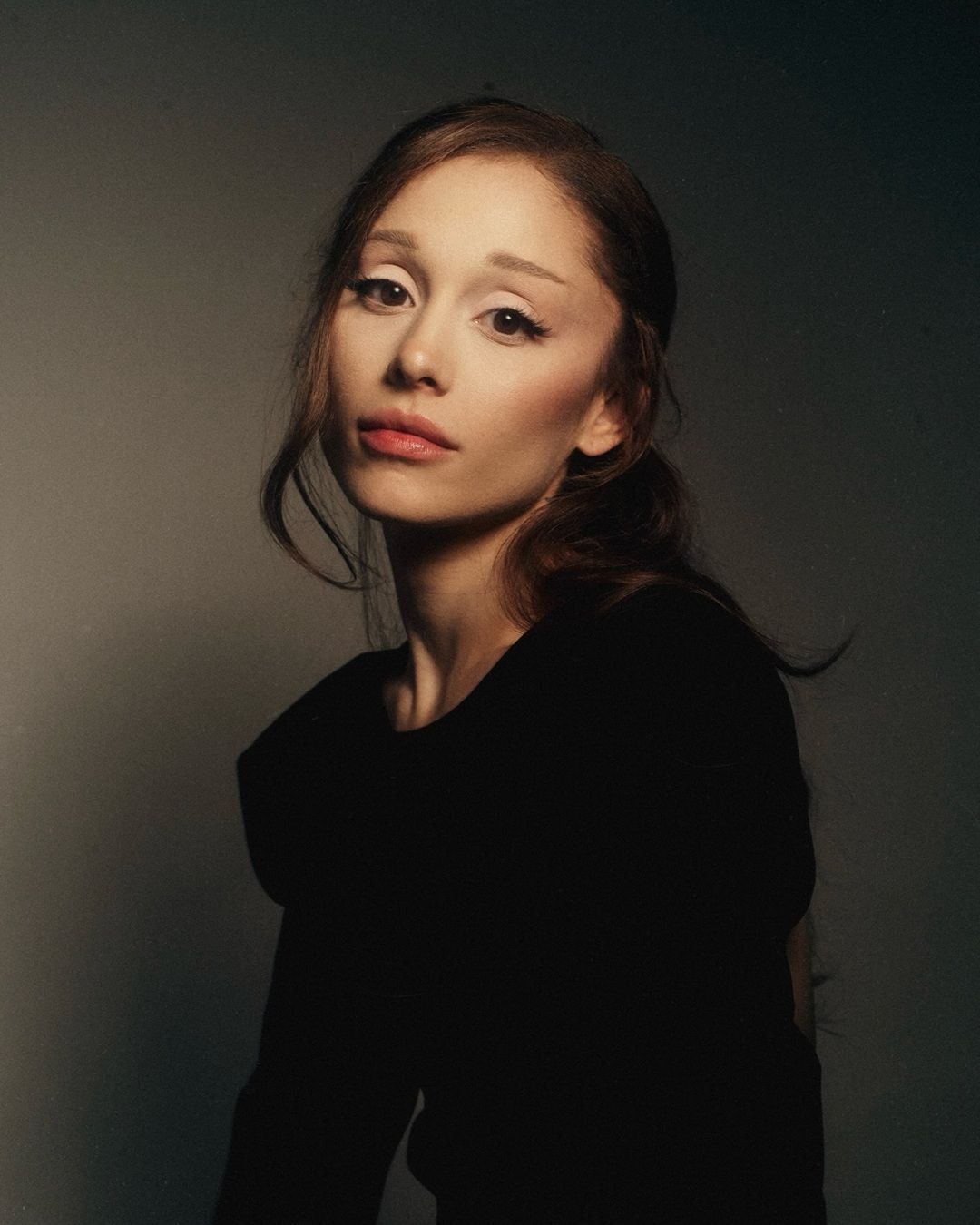
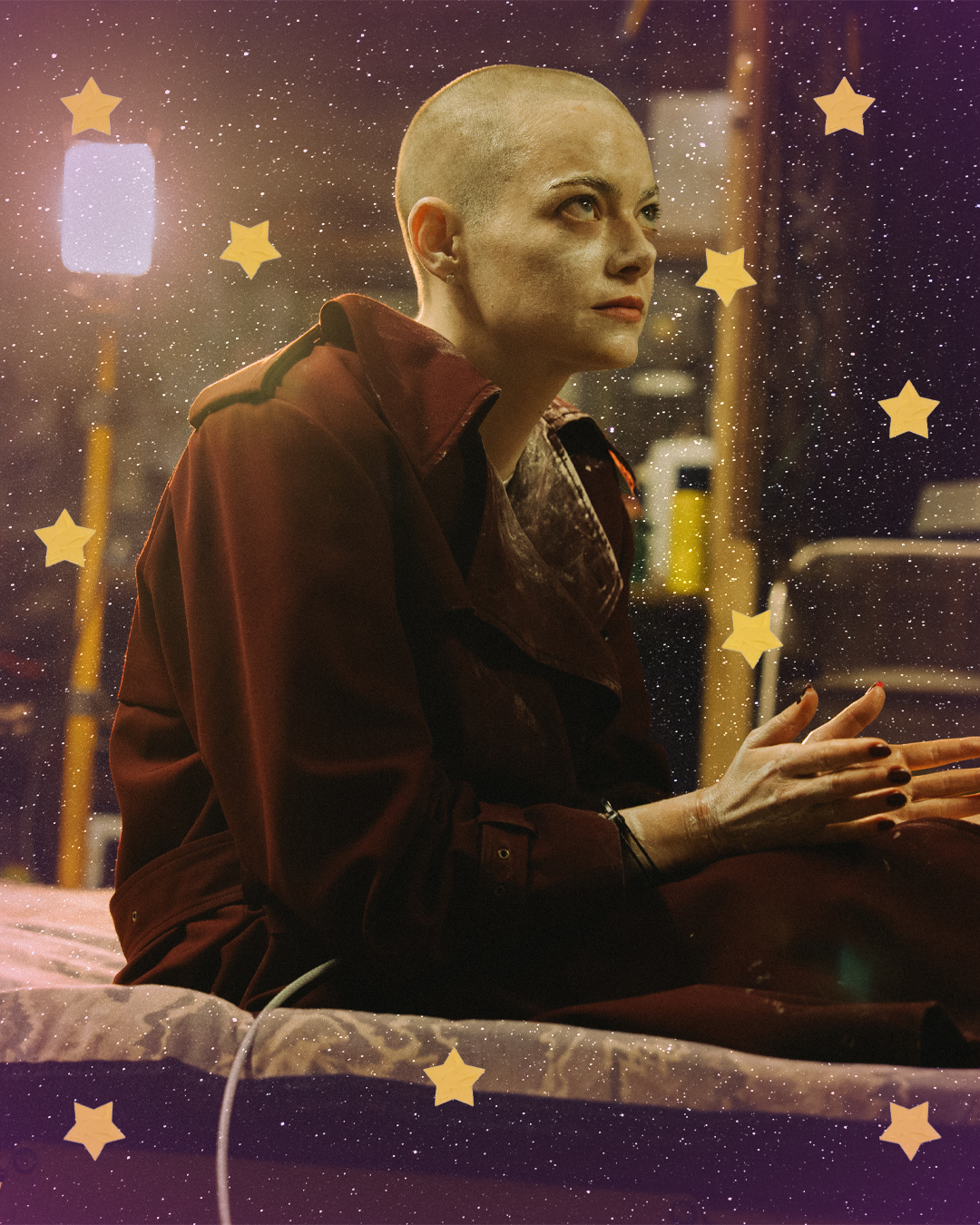
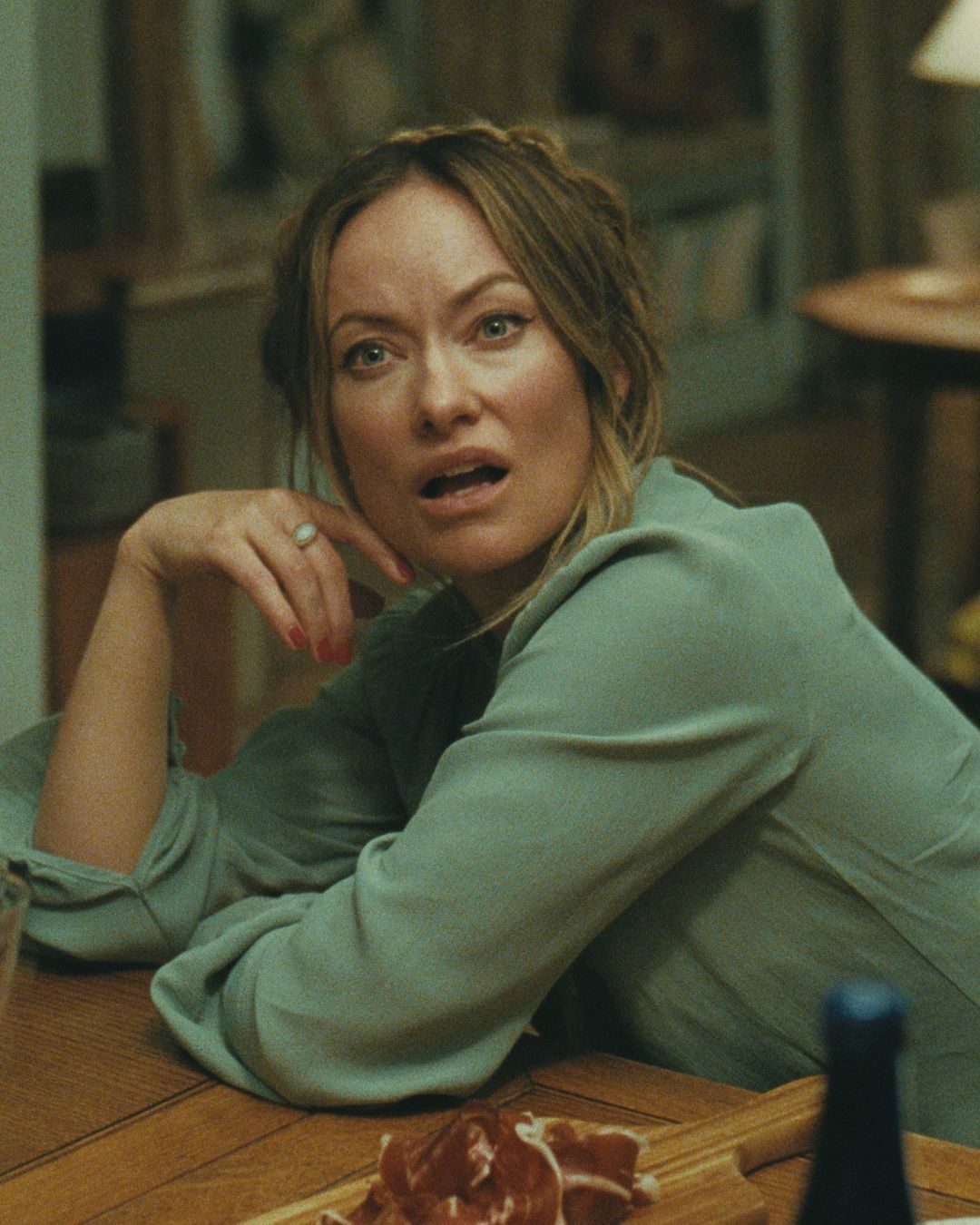
We like to believe that cults belong in true crime documentaries. A distant, almost folkloric phenomenon that only affects particularly naïve or vulnerable people. Yet every time an actor or celebrity reveals they have been involved in one, that certainty begins to crumble. The latest to speak out is Hannah Murray, best known for playing Cassie in Skins and Gilly in Game of Thrones. In her memoir, The Make-Believe: A Memoir of Magic and Madness, she recounts how what initially seemed like a journey of personal growth gradually evolved into an experience inside a coercive group. The obvious question follows: why does the entertainment industry seem to cross paths with cults so often?
Hollywood and cults: more than a celebrity obsession
The easiest, and perhaps most comforting, answer would be to say that Hollywood acts like a magnet for spiritual gurus, charismatic leaders, and alternative religious movements. To some extent, that's certainly true. Scientology, probably the world's most famous cult, has grown into a global institution. The Children of God, a movement that blended Catholicism with hippie ideology, counted dozens of famous members. Even the Breatharian movement, which claims that the human body can survive on air alone, once drew in Michelle Pfeiffer. Over the years, countless actors have spoken publicly about their involvement in groups that were more or less coercive. Stopping there, however, means missing the bigger picture and reducing an incredibly complex phenomenon to celebrity gossip.
@waterstones A shocking true story of a spiritual awakening that turned into a mental breakdown, actor Hannah Murray recounts the life-changing experience of being lured into a wellness cult in her highly personal new memoir, THE MAKE-BELIEVE. Signed Edition available to pre-order now #skins #gameofthrones #hannahmurray #cult #bookrecs original sound - Waterstones
Hannah Murray's story
What makes Murray's memoir so compelling is that it encourages a far less sensational and far more universal reading of the issue. The actress explains that she joined the organization, built around wellness, self-improvement, and spiritual healing, during a particularly vulnerable period in her life. She was looking for stability, belonging, and a way to understand a sense of unease she couldn't explain. No one ever described it as a cult. Instead, she was promised a more authentic, confident version of herself. That distinction is crucial because coercive organizations never introduce themselves as such. They borrow the language of psychotherapy, mindfulness, spirituality, and emotional awareness. They promise healing, inner peace, and certainty, never control, manipulation, or submission.
The many celebrity stories behind cults
It's not difficult to understand why this dynamic can resonate so deeply within the entertainment industry. Being an actor, or an artist more broadly, is a career built on uncertainty, rejection, and constant external judgment. It's also, quite often, a profession shaped by personal trauma and emotional exposure. In an environment where validation is always conditional and self-doubt is practically occupational, anyone offering simple answers to life's most complicated questions can become irresistibly persuasive. This isn't a weakness unique to celebrities. It is simply a very human condition. Over the years we've heard countless stories that follow remarkably similar patterns. Glenn Close has spoken openly about spending part of her childhood inside the Moral Re-Armament movement. Allison Mack became both a member and a victim of NXIVM, the organization in which women were subjected to starvation, physical abuse, and sexual exploitation. More recently, Bethany Joy Lenz published a memoir about the years she spent inside a coercive religious organization. These stories differ dramatically in their details, yet they all share one striking characteristic: none of these people believed they were joining a cult.
@nicolebreaksitdown Replying to @sara The Smallville girls storyline still feels unreal… imagine starring on a hit TV show and somehow ending up connected to one of Hollywood’s most disturbing cult scandals. From self-help seminars to secret branding ceremonies, the deeper this story goes, the darker it gets. #smallville #superman #behindthescenes #cultsurvivor #hollywoodstories original sound - nicolebreaksitdown
The myth of the naïve cult victim
Returning to Murray's memoir, she explains that everything started with what seemed like perfectly reasonable payments for pseudo-psychotherapy sessions and self-improvement classes. Nothing appeared particularly alarming. Gradually, however, the organization revealed itself to be structured like a pyramid scheme. "The pyramid was designed to exploit everyone trying to climb it. Except for one person, a man standing alone at the very top," she writes. It's a familiar pattern. The promises remain uplifting while the demands become progressively greater, making manipulation almost impossible to recognize from within. When we hear stories like these, we tend to feel sympathy for the victims, but almost always mixed with judgment. Surely, we tell ourselves, someone who joins a cult must have been gullible, desperate, or simply not very intelligent. That's precisely where we're wrong. Murray's account is so unsettling because it dismantles the stereotype of the naïve victim. Throughout interviews promoting the memoir, she repeatedly emphasizes that she has always considered herself intelligent, rational, and fully capable of recognizing danger. Only after leaving did she realize how gradual, subtle, and almost invisible psychological manipulation can be. The need to belong is one of the most universal human desires. And it is exactly that need that coercive groups learn to exploit.
The real warning behind Hannah Murray's memoir
Ultimately, The Make-Believe: A Memoir of Magic and Madness should be read as a genuine cautionary tale. We need to stop imagining cults as mysterious, occult organizations straight out of Eyes Wide Shut. That image is comforting because it allows us to believe we could never become victims ourselves, that we're too educated, too skeptical, too emotionally stable, or simply too smart. Reality is far less reassuring. Manipulation is always tailored to the individual. It rarely begins with obvious coercion. Instead, it starts with empathy, reassurance, community, and the promise of becoming a better version of yourself. The line between comfort and dependency can be astonishingly thin. And the next person approached by a cult could just as easily be any one of us.