






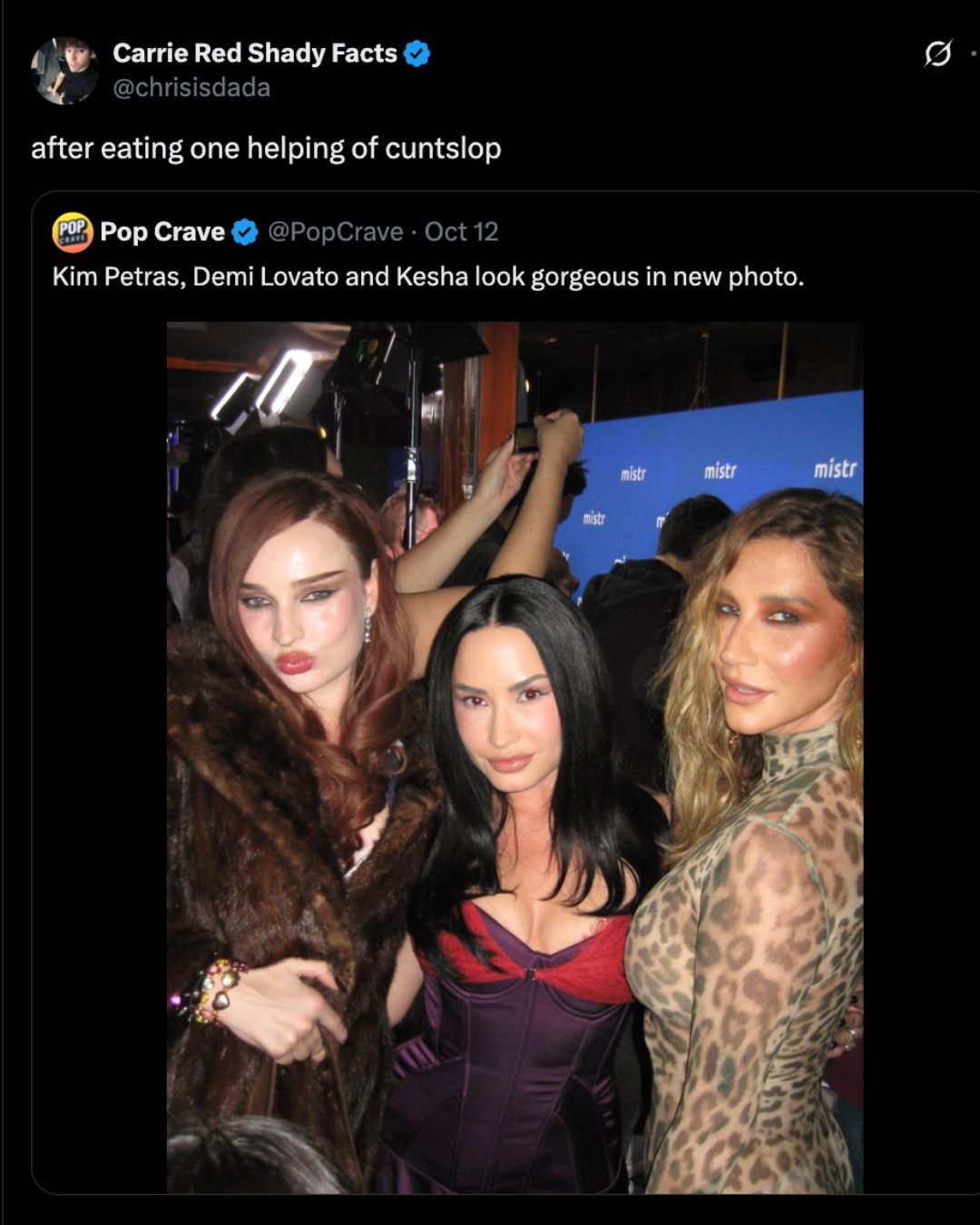

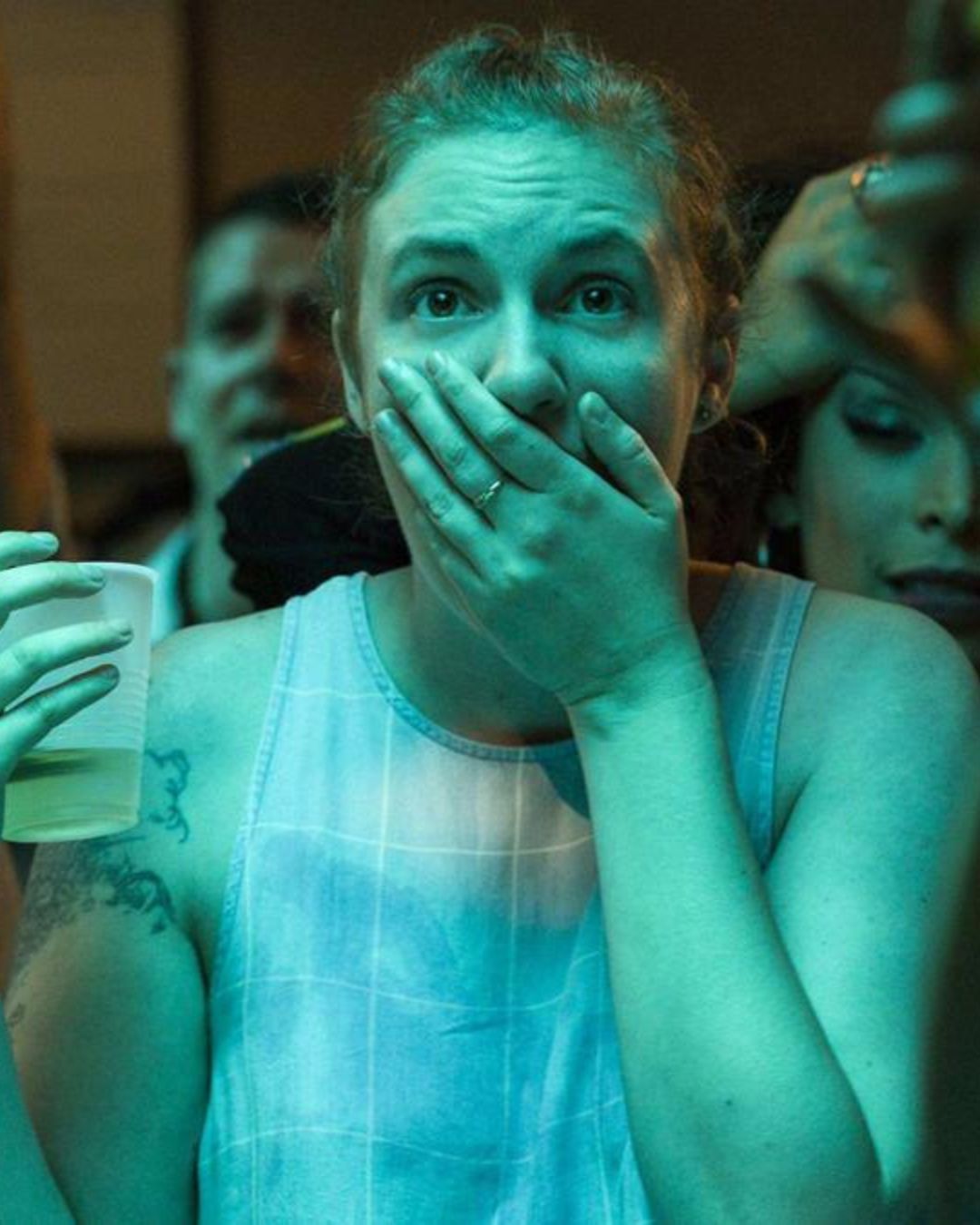

The tiara, the most ambiguous object in the fashion world History, pop culture, and glamorous irony of a jewel loved by princesses, rock stars, and messy beauty queens
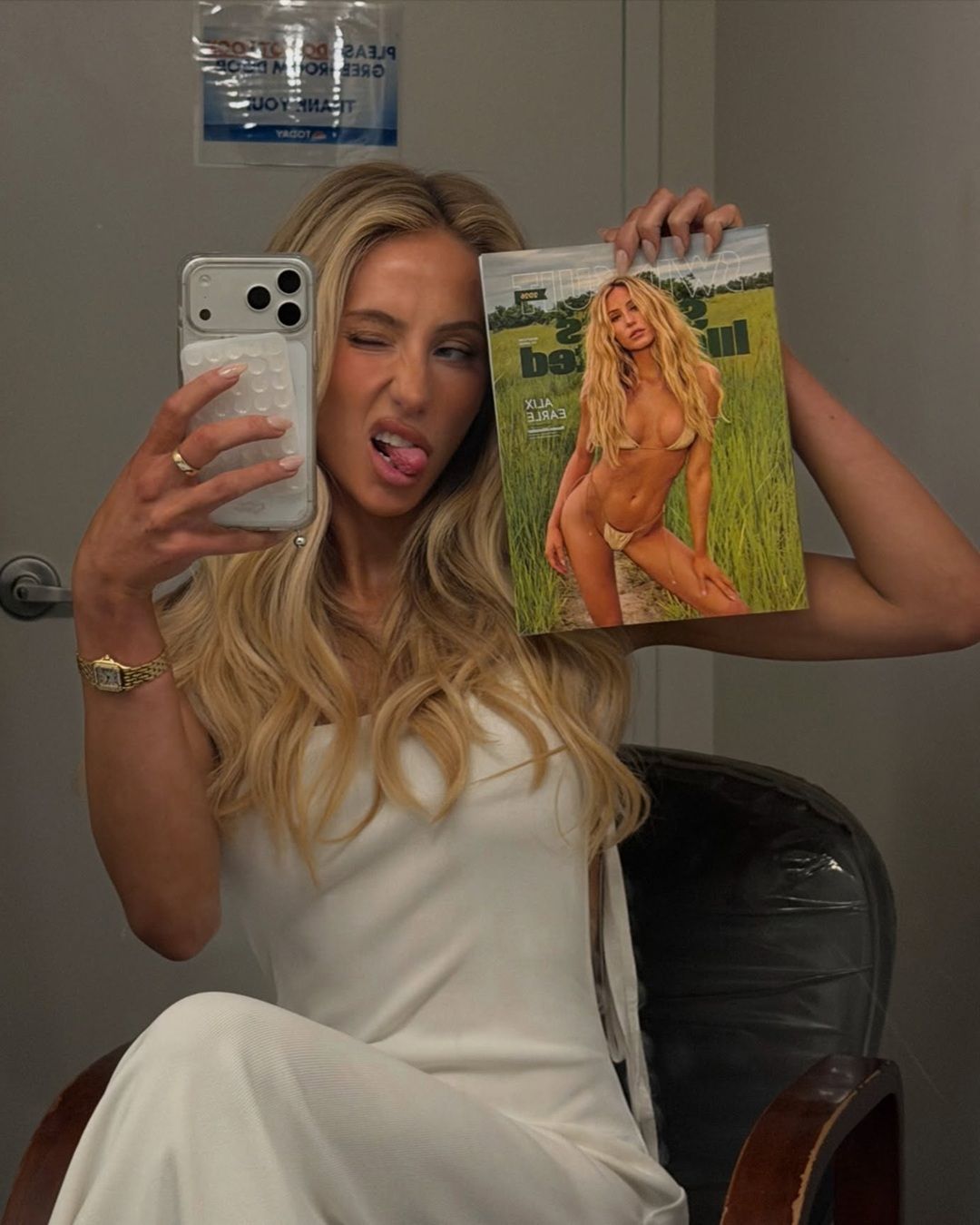
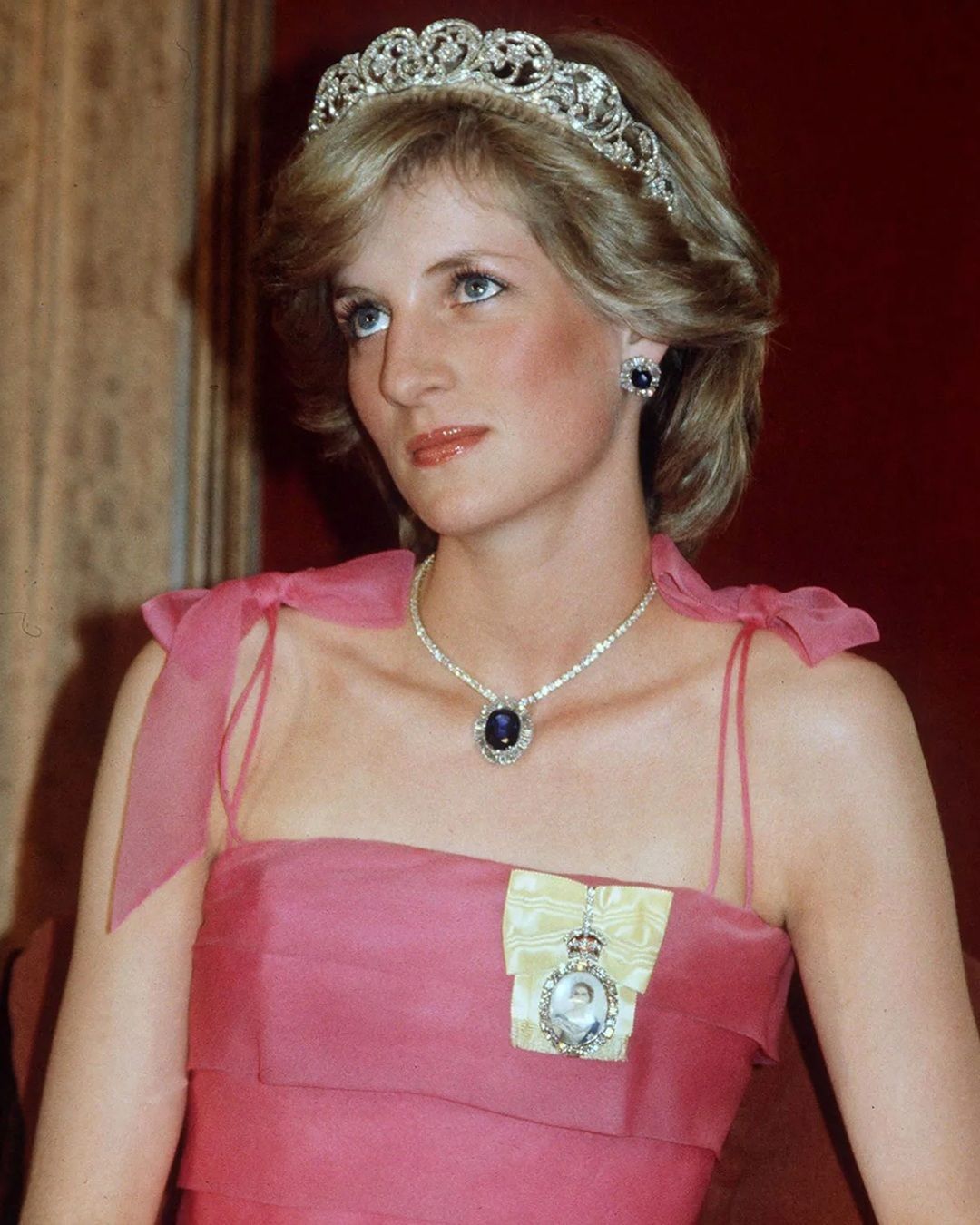
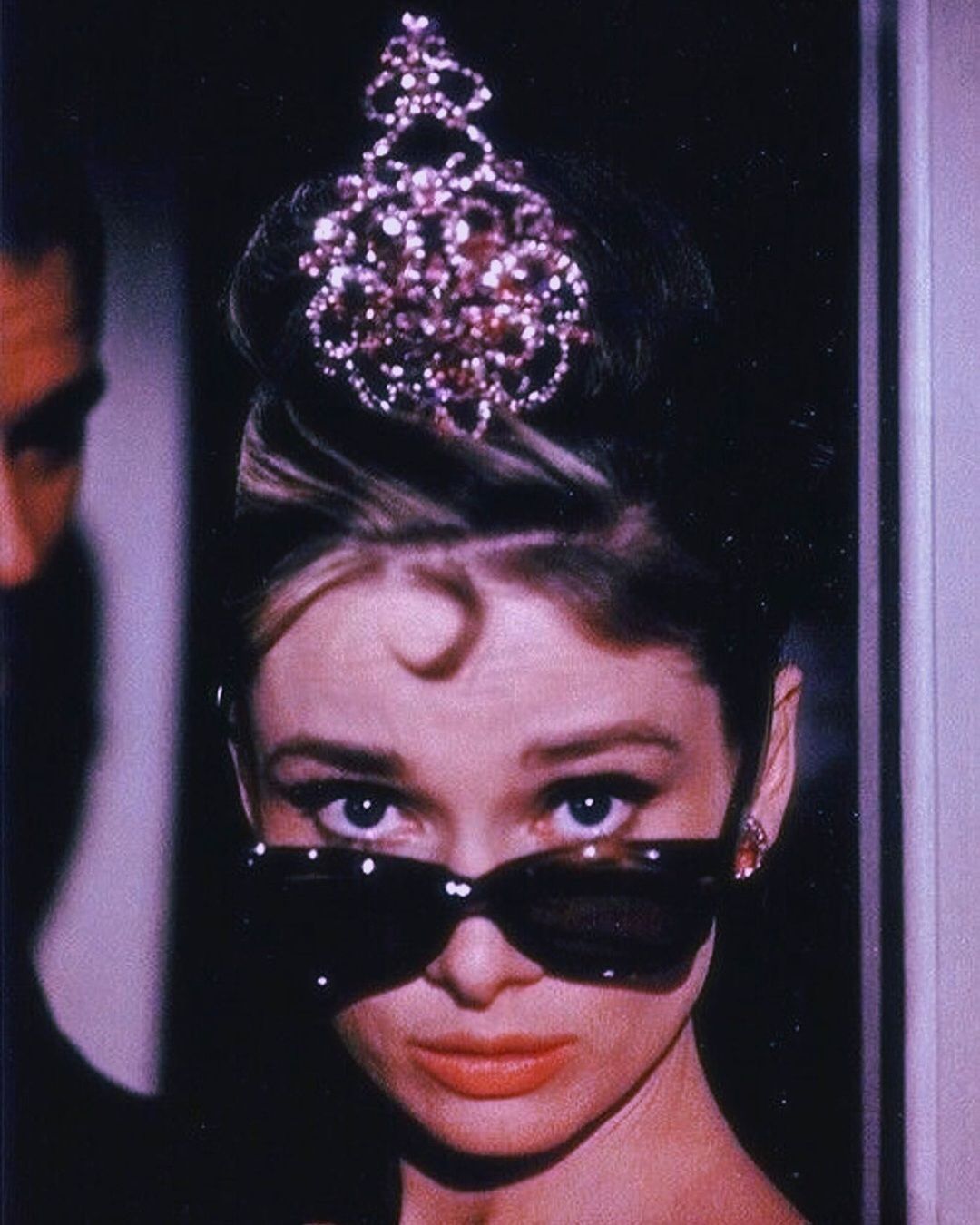
When the word tiara is spoken, the collective imagination holds together fairytale, nostalgia, irony, and aesthetic trauma. Some immediately picture the grace of Audrey Hepburn in Breakfast at Tiffany’s, others think of Anne Hathaway as Mia Thermopolis, and still others recall Blair Waldorf. Some get lost in the Regency romanticism of Bridgerton, where that sparkle nestled in the hair is the final detail of a look made of empire dresses, puffed sleeves, and sugary pastel hues. Then there are the Disney princesses and real-life aristocrats like Lady D, with her precious diamond tiaras. And of course, there is also the kitsch side. You know those plastic crowns bought in a one-euro shop that your cousin forced you to wear at her bachelorette party? Disposable objects that promise temporary royalty and deliver embarrassing photos. Olivia Rodrigo, most recently, chose a tiara to celebrate her latest birthday, pairing it with an archival Blumarine dress.
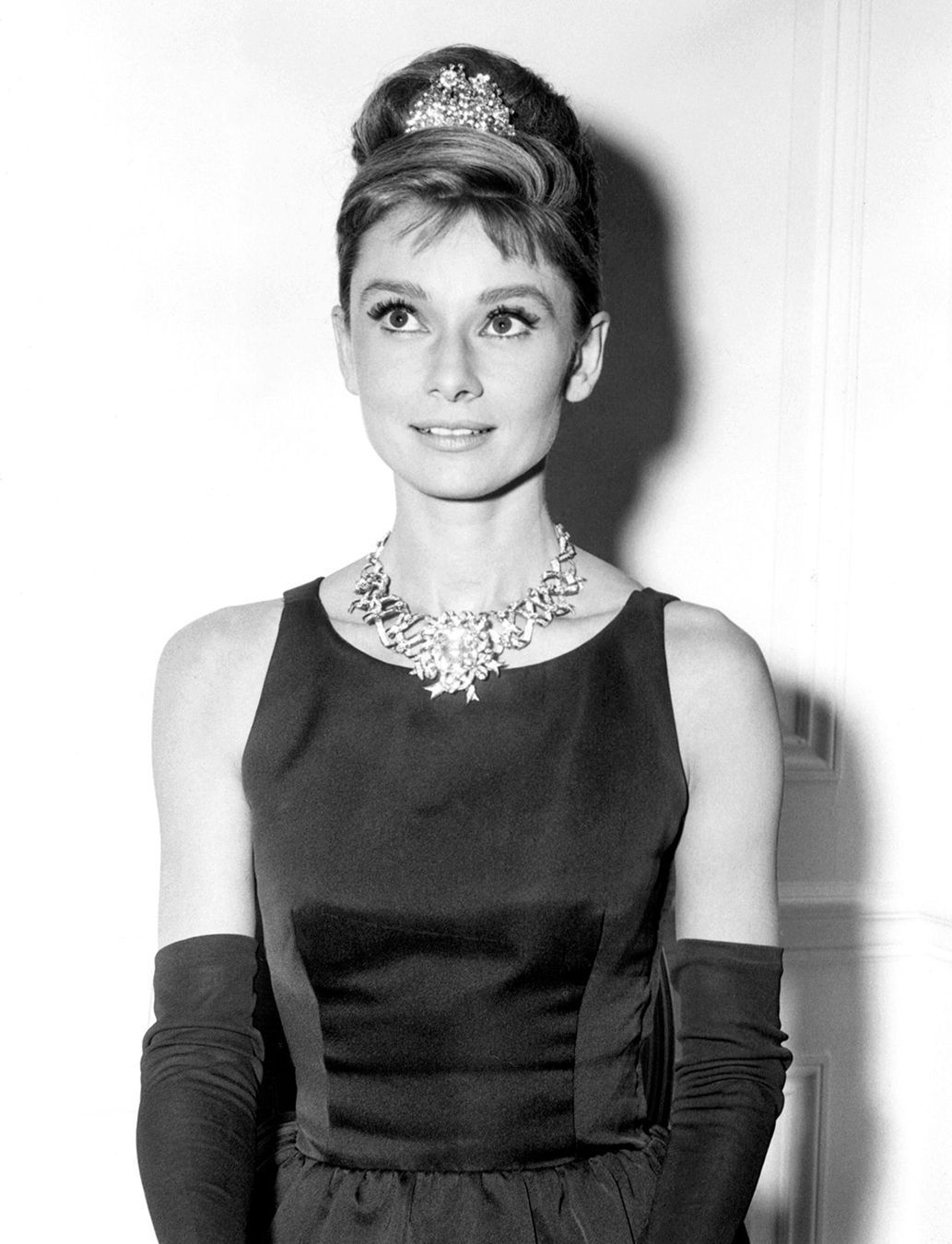
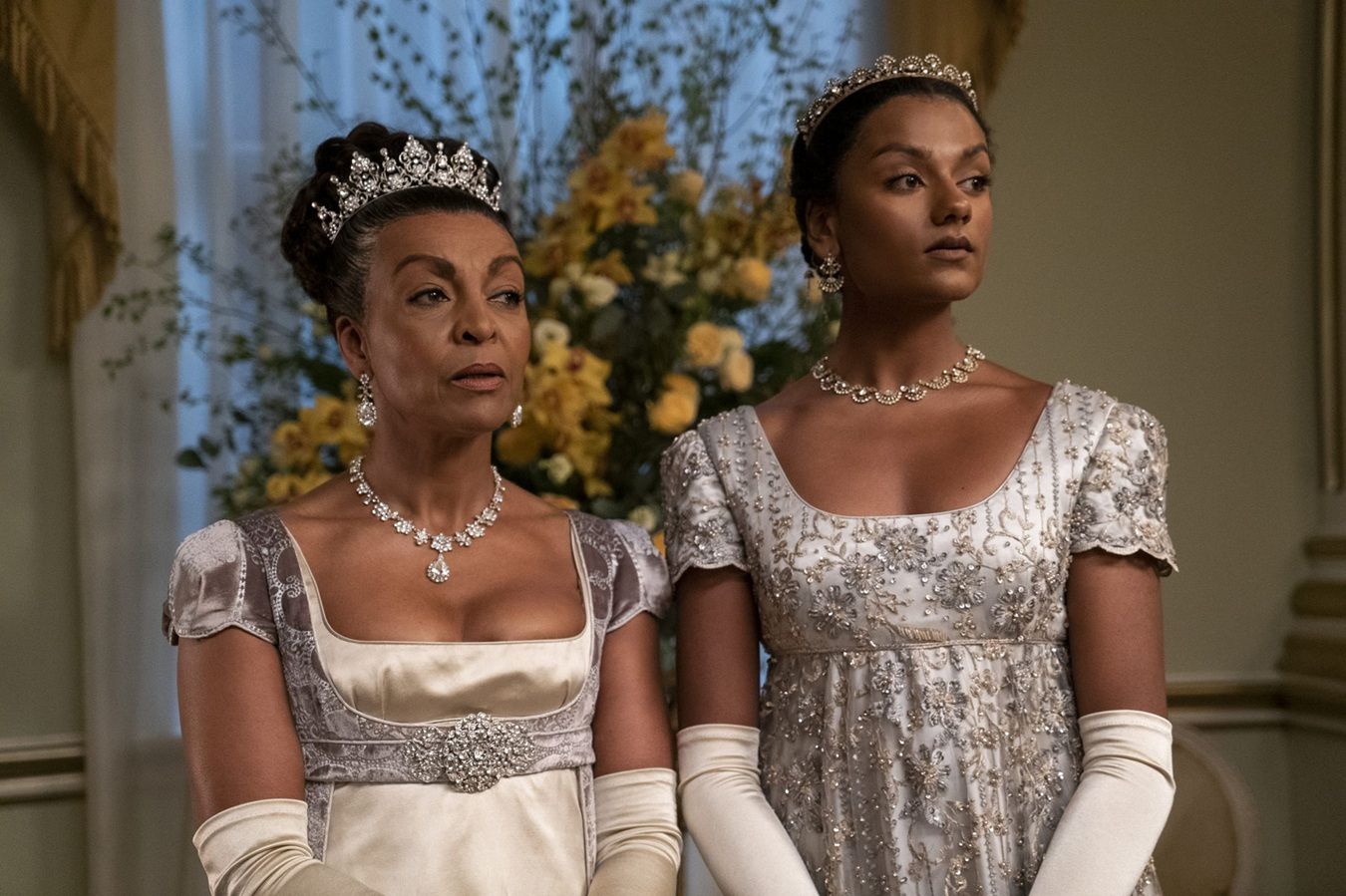
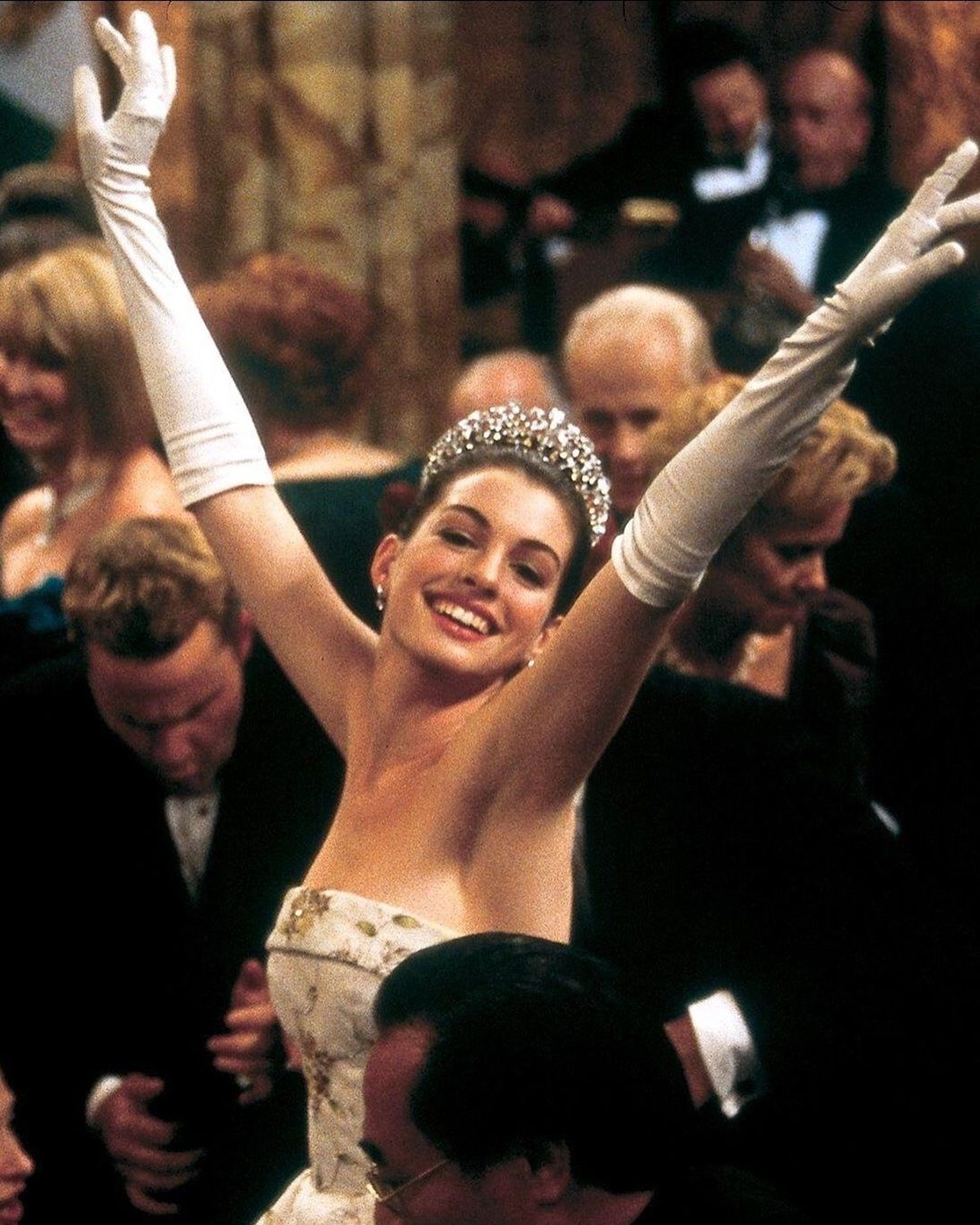
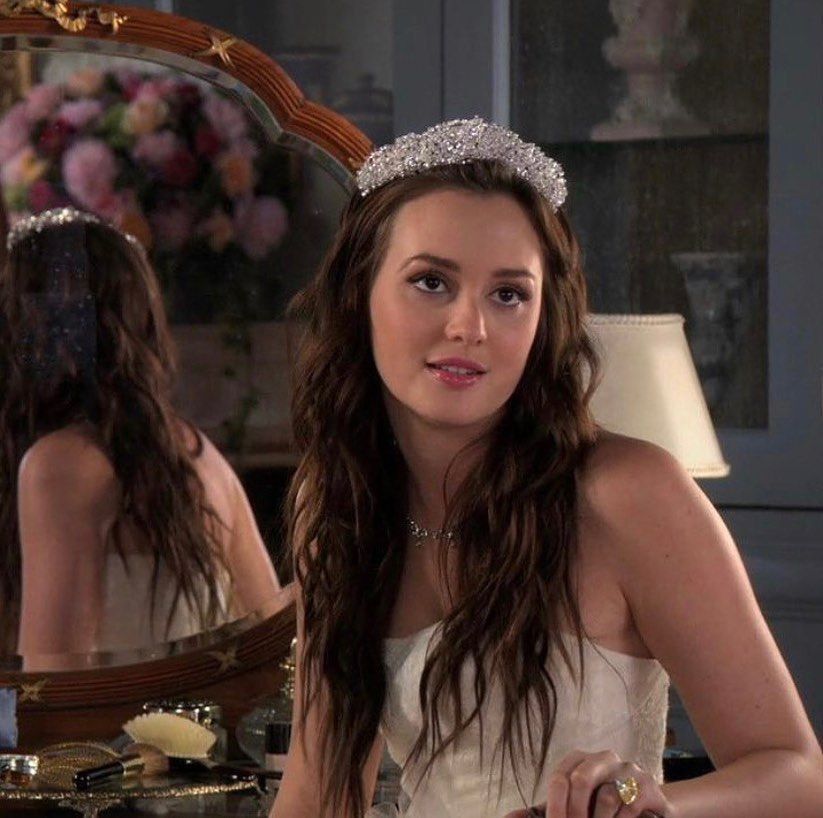
The truth is that the tiara is one of the most culturally and semantically schizophrenic objects in the history of clothing. It can evoke princesses, prom queens, superheroes, and pop stars in existential crisis, often all at once. It can symbolize purity, power, naivety, irony, childhood nostalgia, teenage rebellion, or performative glamour. It is simultaneously a historical relic and a pop accessory, a symbol of belonging and a gesture of radical individualism. And it is precisely this contradictory nature that makes it irresistible in 2026. Its return among hair accessories is not aristocratic nostalgia, but a desire for everyday theatricality, a widespread urge to inhabit one’s image as a personal stage, with no more hierarchy between sacred and profane.
Archaeology of the tiara: from Napoleon to the flappers
Before becoming a trending hair accessory, the tiara was a political device, a visual language of power constructed with almost architectural precision. Its origins lie in the ornamental headdresses of the ancient Mediterranean and Persian worlds, where asserting superiority meant literally elevating oneself above others. But it was with Napoleon Bonaparte that the tiara returned to the center of modern European imagination, shifting from mere ornament to part of an imperial aesthetic strategy. The emperor crowned his first wife, Joséphine Bonaparte, with jewels destined to influence all of Europe. In the nineteenth century, the tiara became the pinnacle of the parure, the culminating point of a complex ornamental system that conveyed not only wealth but dynastic continuity. Jewelers such as Cartier and Van Cleef & Arpels refined techniques and materials, experimenting with platinum, movable diamonds, and light structures that seemed suspended in air. Then modernity arrived and the tiara changed posture. The flappers of the 1920s lowered it onto their foreheads, transforming it into a geometric line, a graphic sign, an element of modernist sensuality. It is definitive proof that the history of the tiara is one of constant semantic shifts. Every era rewrites it, every generation uses it to express something different about itself.
Courtney Love and the moment the tiara became grunge
For some, the tiara is romance; for others, a princess dream; for others still, pure kitsch. But for me, and for an entire generation raised on smudged eyeliner and distorted guitars, it aligns with one very specific image: Courtney Love at the 1995 Oscars after-party, in a champagne slip dress, rumpled glamour, and a tiara tangled in her long, messy hair. Beside her, Amanda de Cadenet, same look, same decadent fairytale energy, the same idea of elegance as an emotional gesture rather than social conformity. That night, the tiara stopped being a symbol of perfection and became a narrative object. It didn’t celebrate an event, but the attitude of existing visibly even when imperfect, messy, out of place. That is where the spiritual ancestor of the everyday princess was born, with the idea that yes, it is perfectly fine to wear something regal in daily life. Especially when life itself is chaos that doesn’t hesitate to knock you down.
Prom queen, pop martyr and unsettling icon
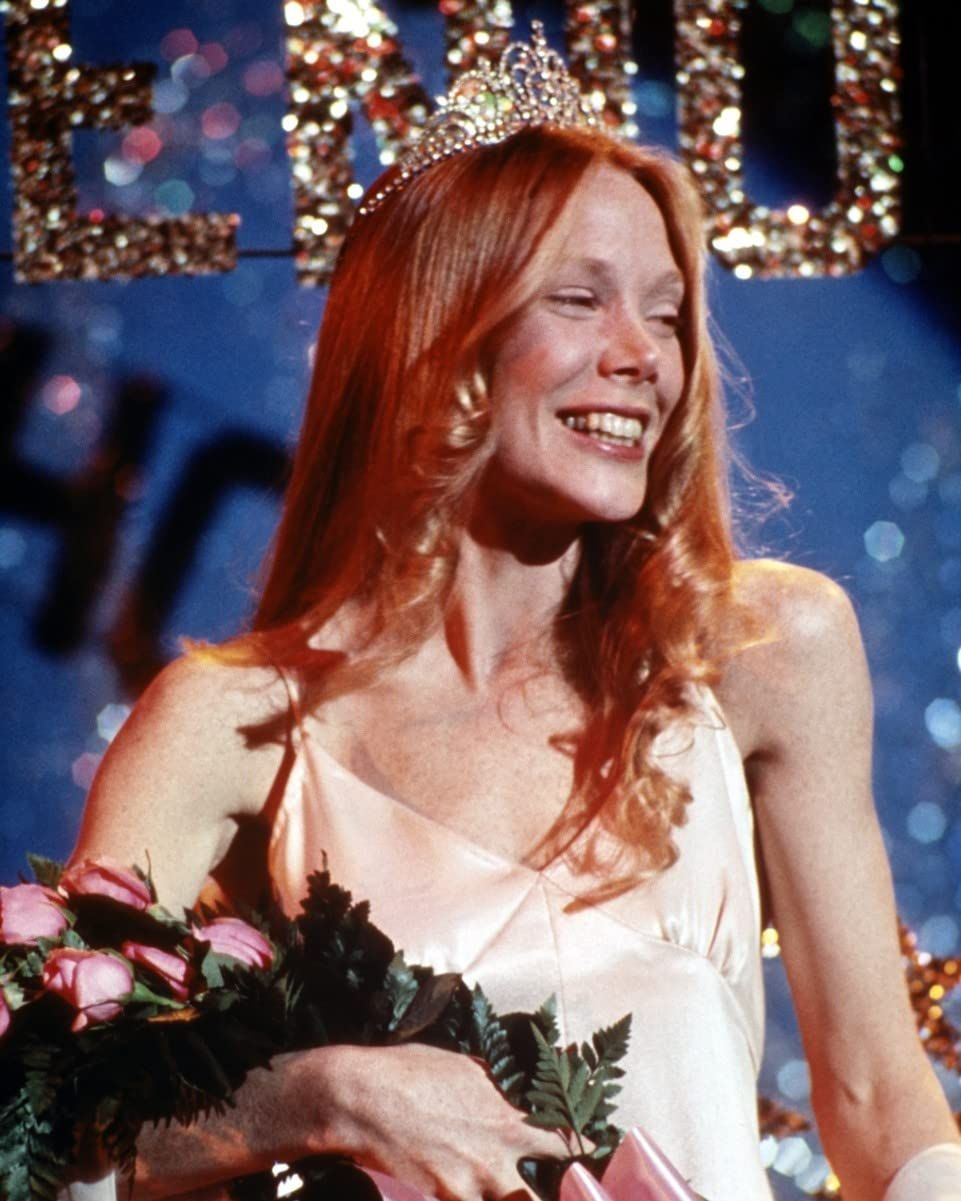
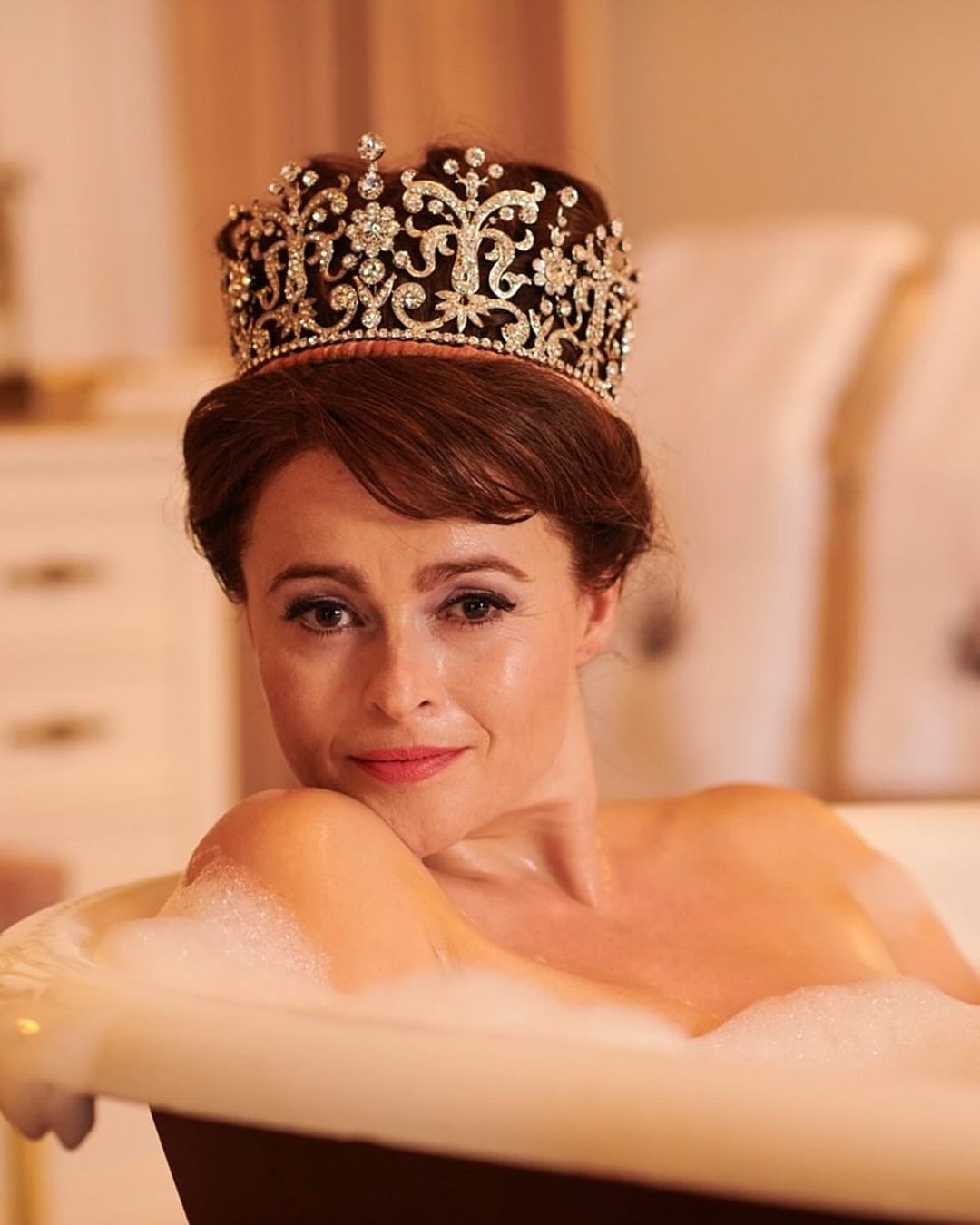
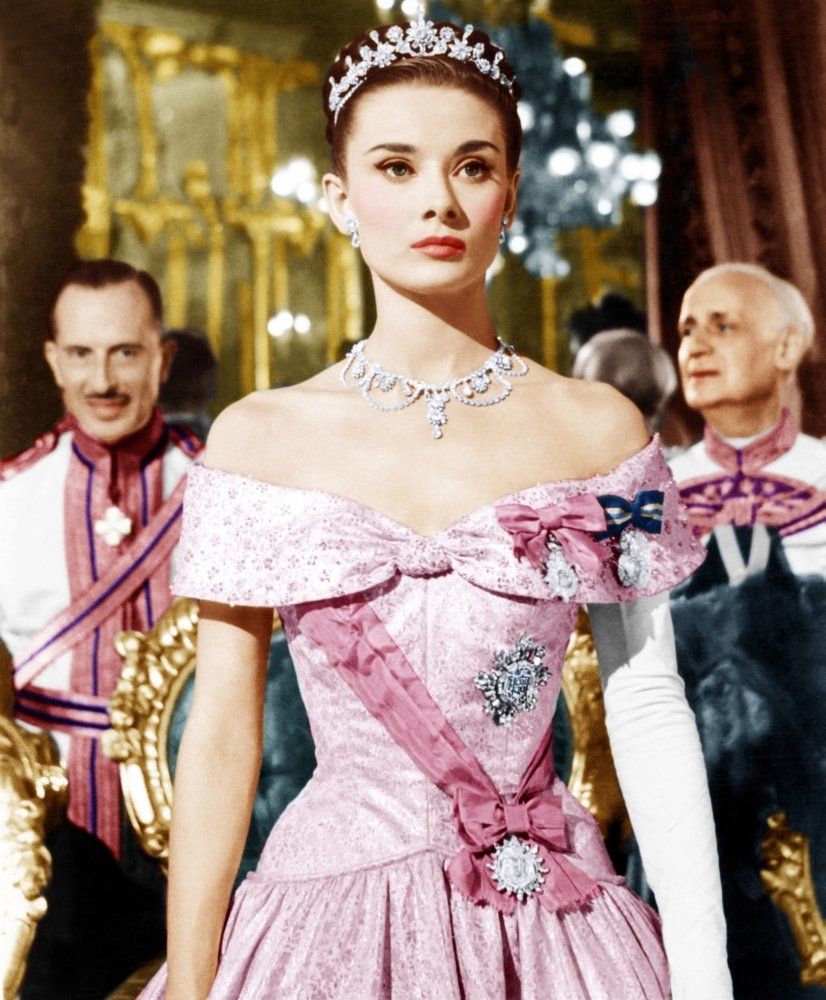
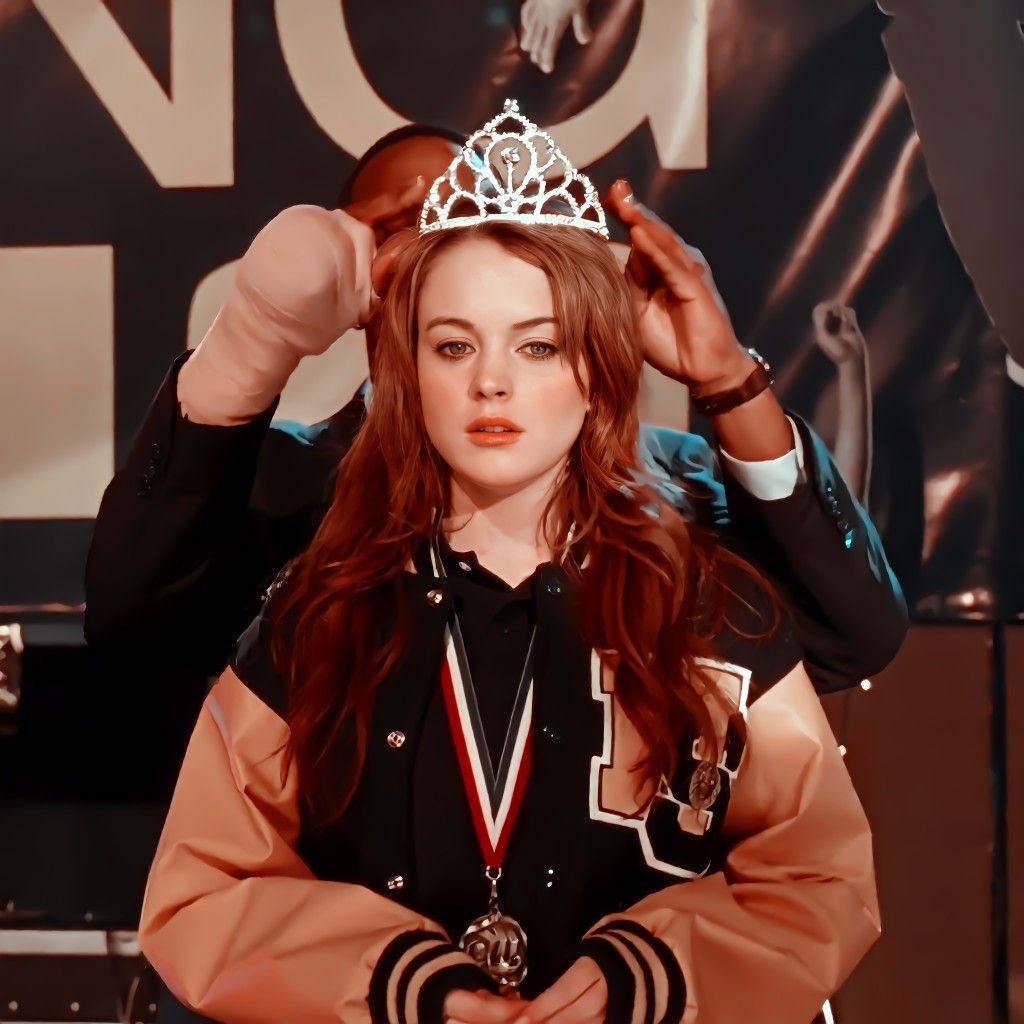
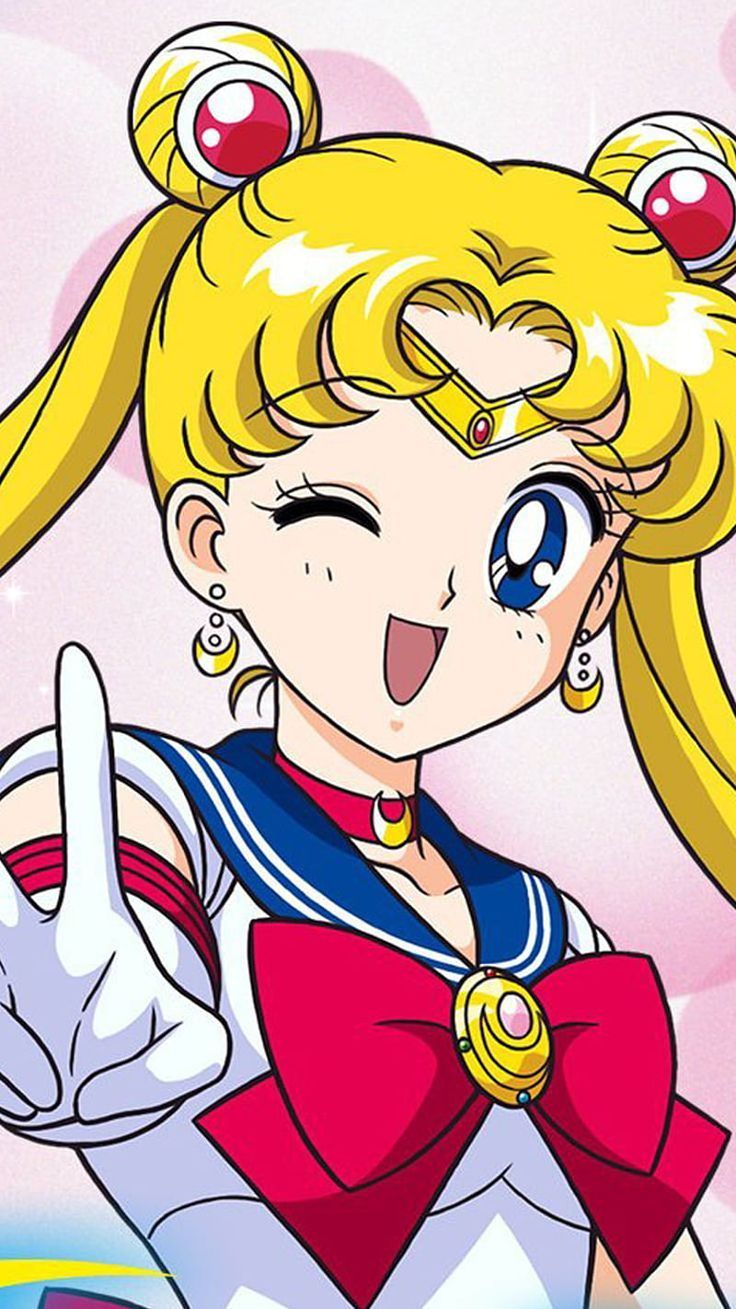
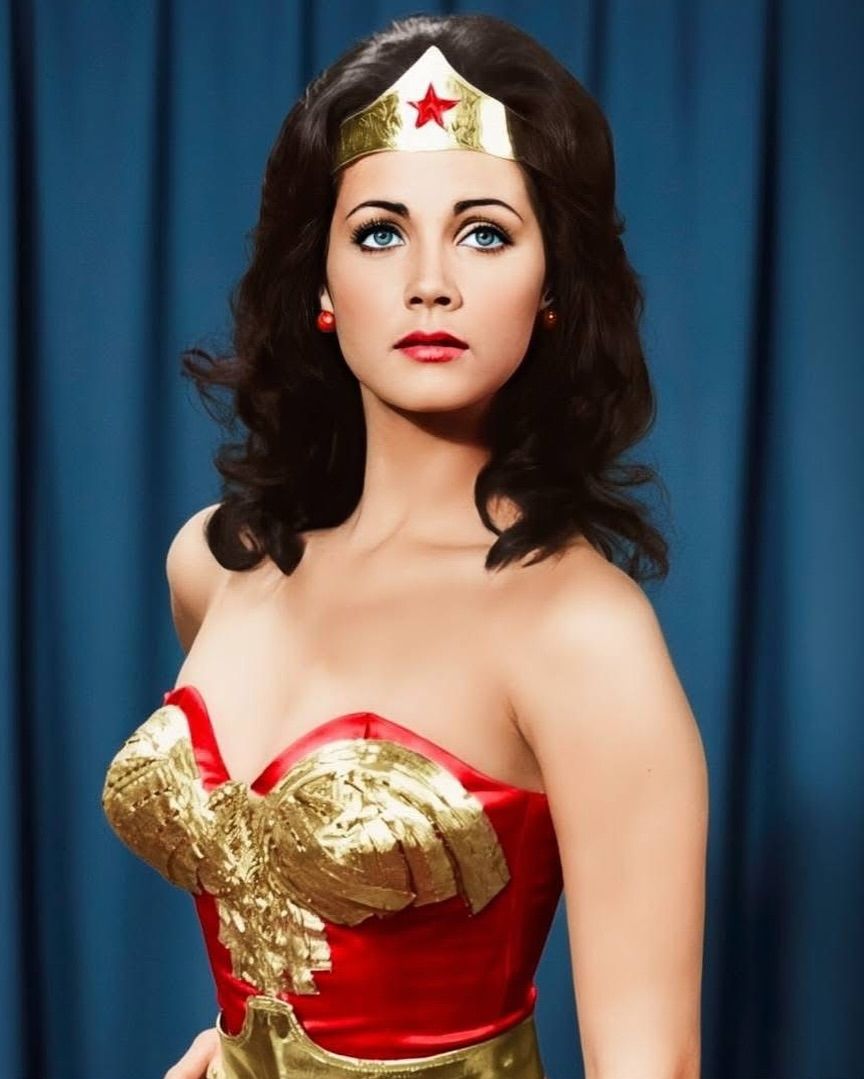
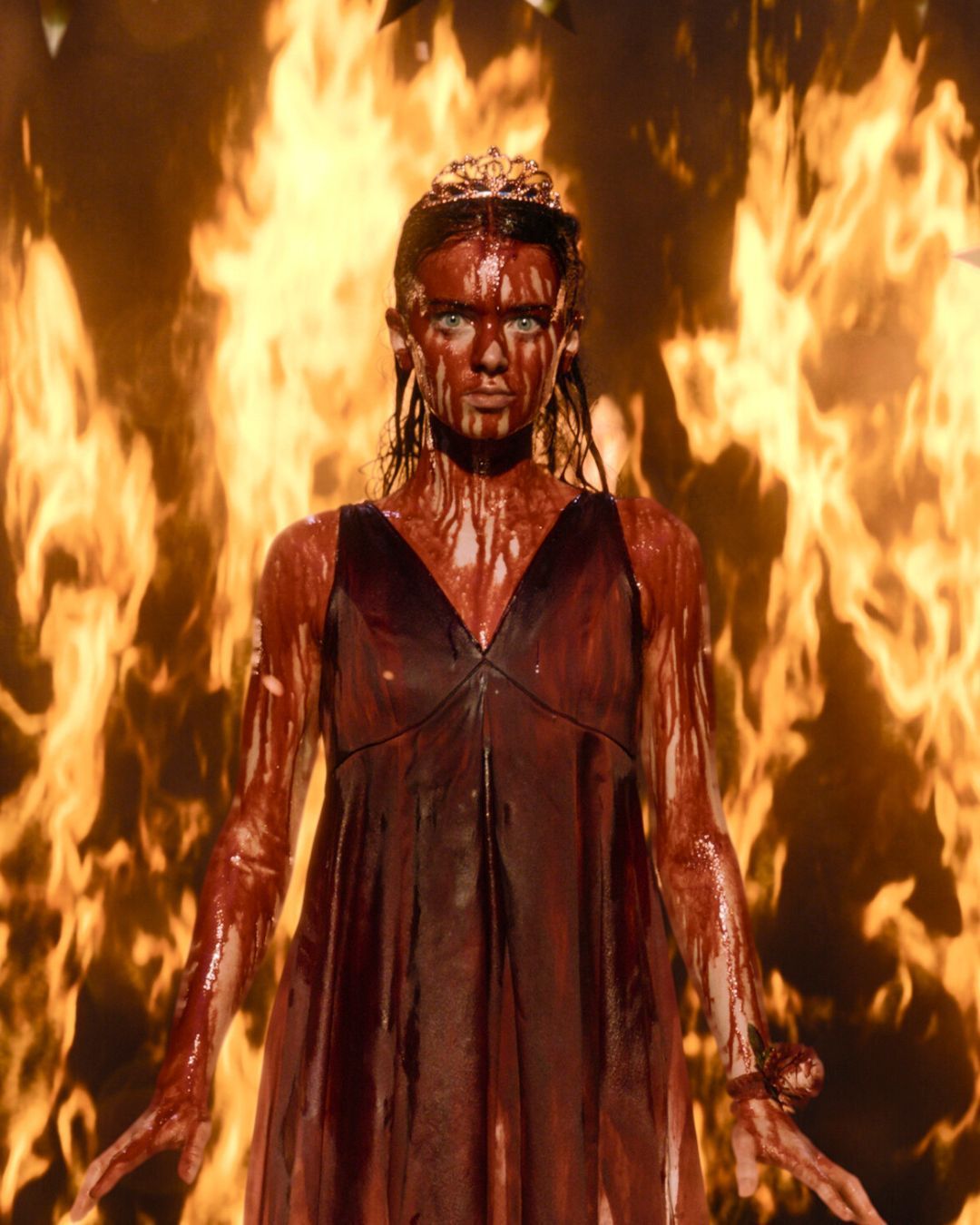
The tiara has never been innocent. Pop culture has turned it into an incredibly powerful, often unsettling narrative device. Cinema knows this well and has used it as a narrative detonator, an object that always signals that something is about to crack, break, or transform. The most iconic example remains Carrie, where Sissy Spacek receives her prom queen coronation as if it were a ritual sacrifice disguised as celebration. The tiara as a symbol of power here becomes the emblem of social cruelty, a glittering object that promises belonging and delivers isolation, that promises glory and produces destruction. Its ironic function is not so different in Mean Girls, when Lindsay Lohan literally dismantles the idea of hierarchy by distributing fragments of the crown as if redistributing symbolic capital. Cinema loves the tiara most when it becomes a sign of fragile or performative identity. Think of Roman Holiday, where Audrey Hepburn plays a princess who escapes protocol and discovers how the invisible weight of royalty is heavier than the jewel that represents it. Or the decadent theatricality of The Crown, in which Helena Bonham Carter, as Princess Margaret, wears a monumental tiara even in the bathtub, turning luxury into an almost surreal, domestic, and tragically human gesture. And then there is the fantasy dimension. Here the tiara definitively stops being passive. In Sailor Moon it is pure energy, blinding and protective light, much like in Wonder Woman, where the golden accessory becomes both shield and weapon. Cinema and pop culture, in short, never show us a neutral tiara. Every time it appears, it speaks of tension, desire, transformation, trauma, or emancipation. It is the small scenic object that reveals the cracks in the system that produced it.
Pop stars, heiresses and priestesses of glitter
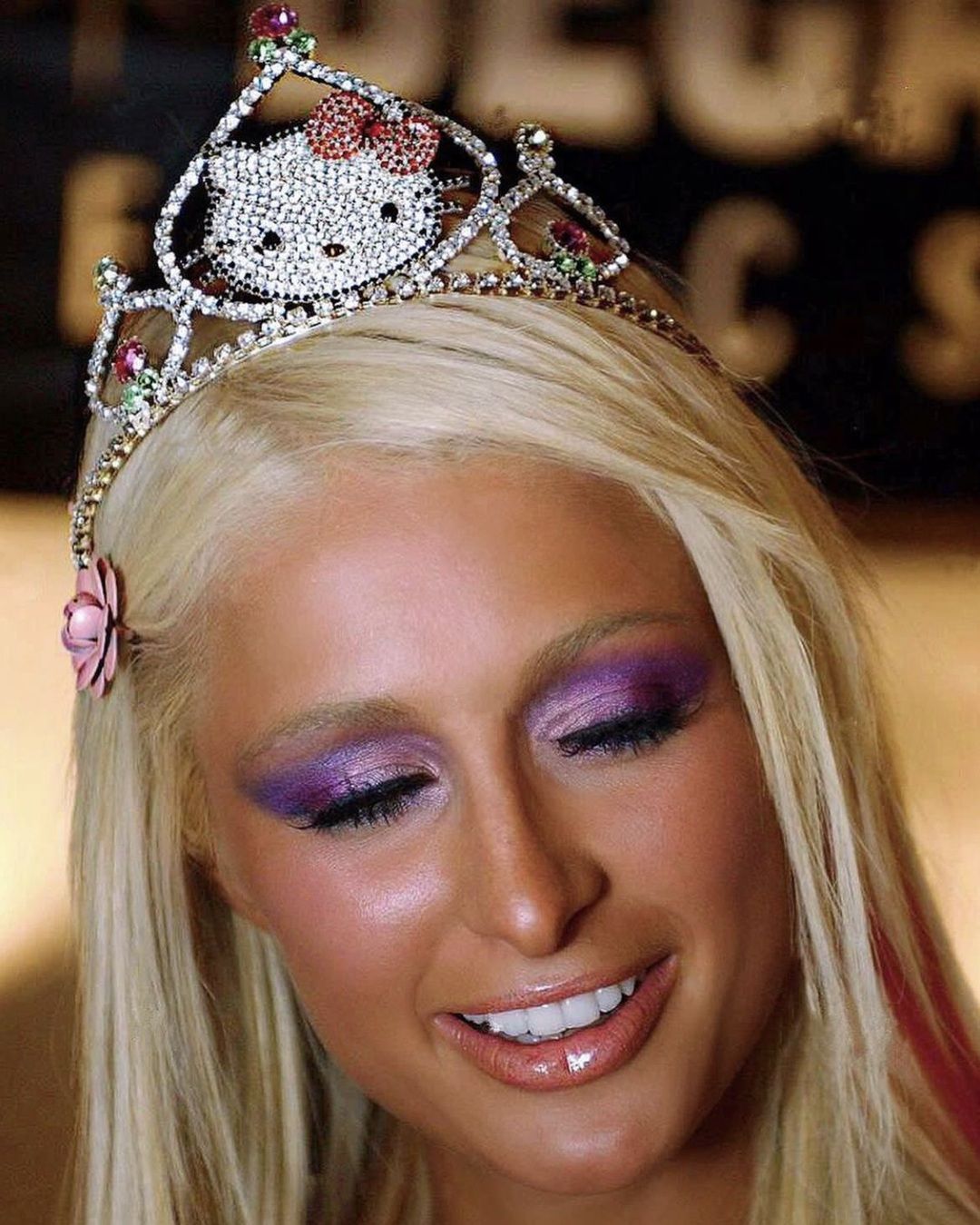
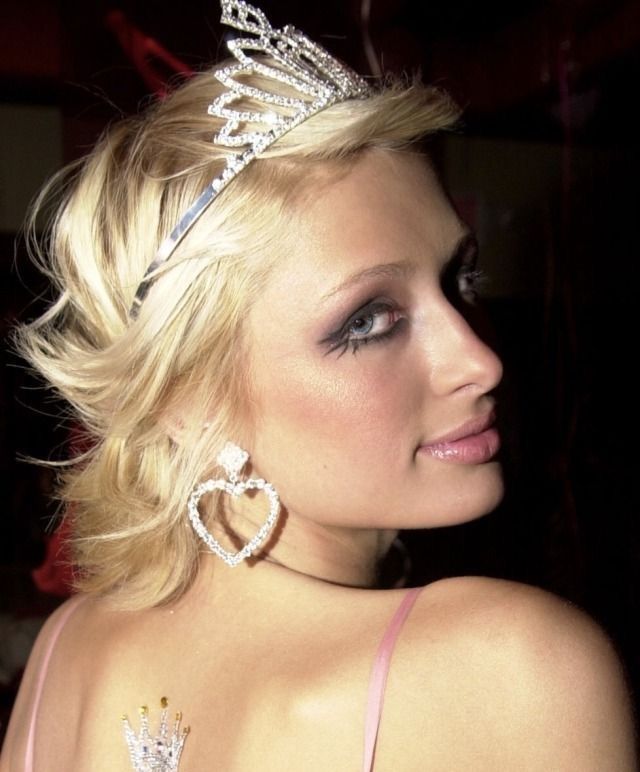
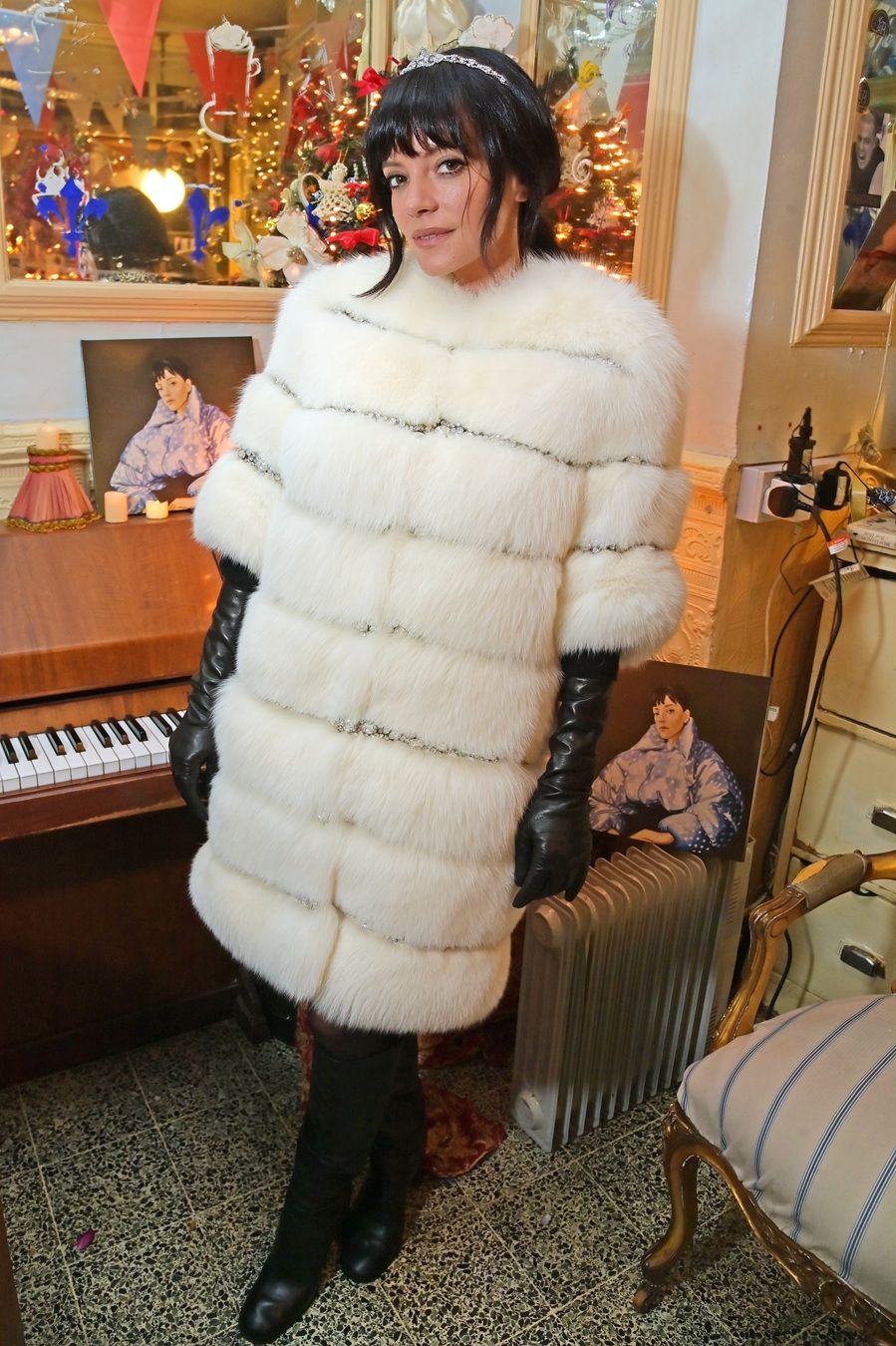
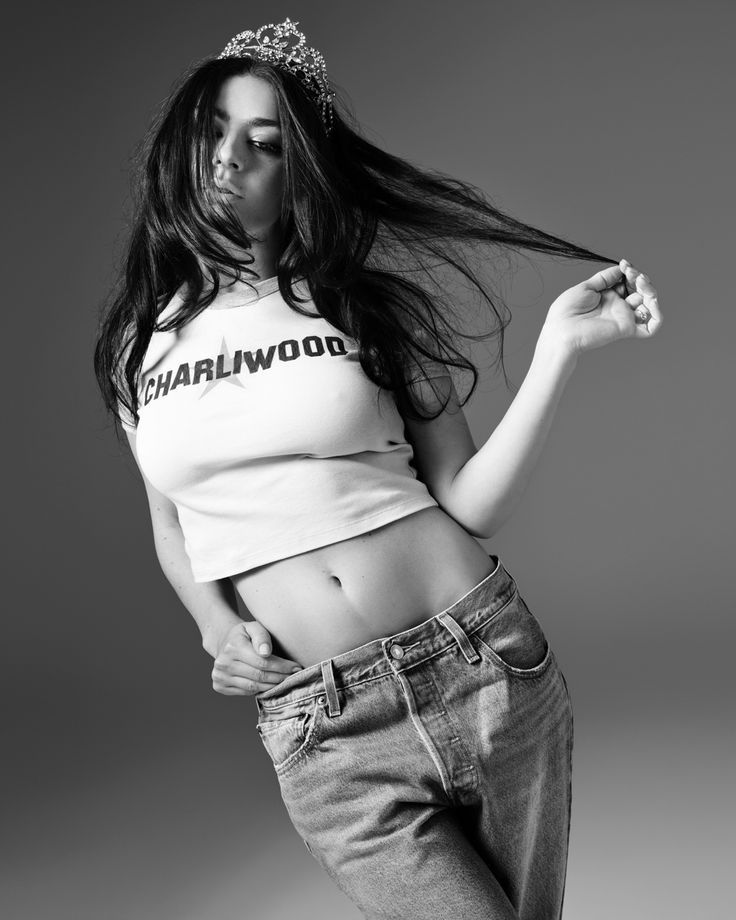
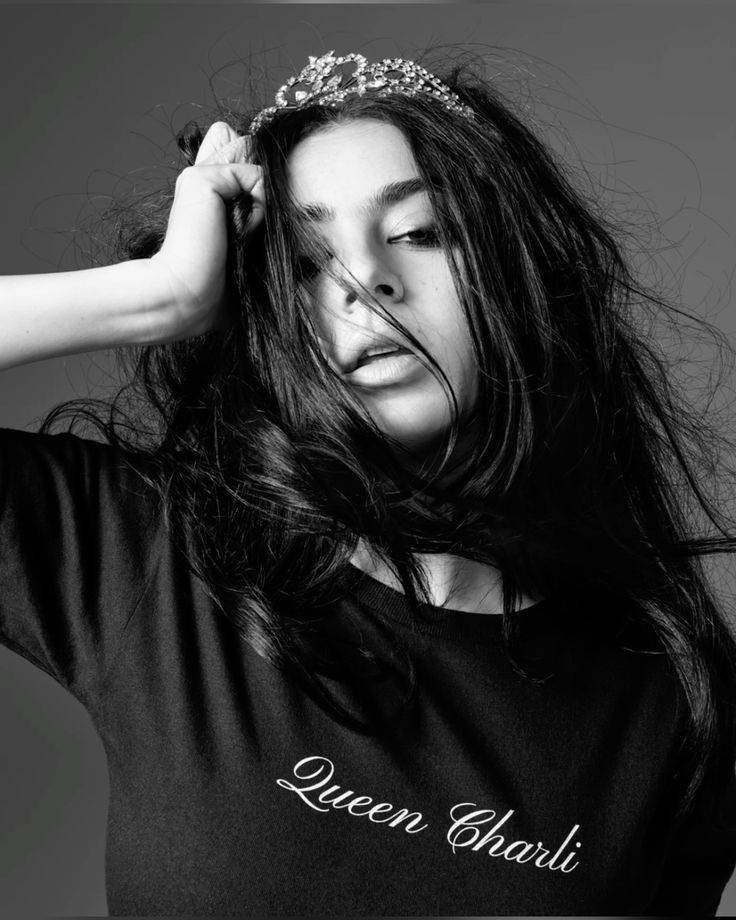
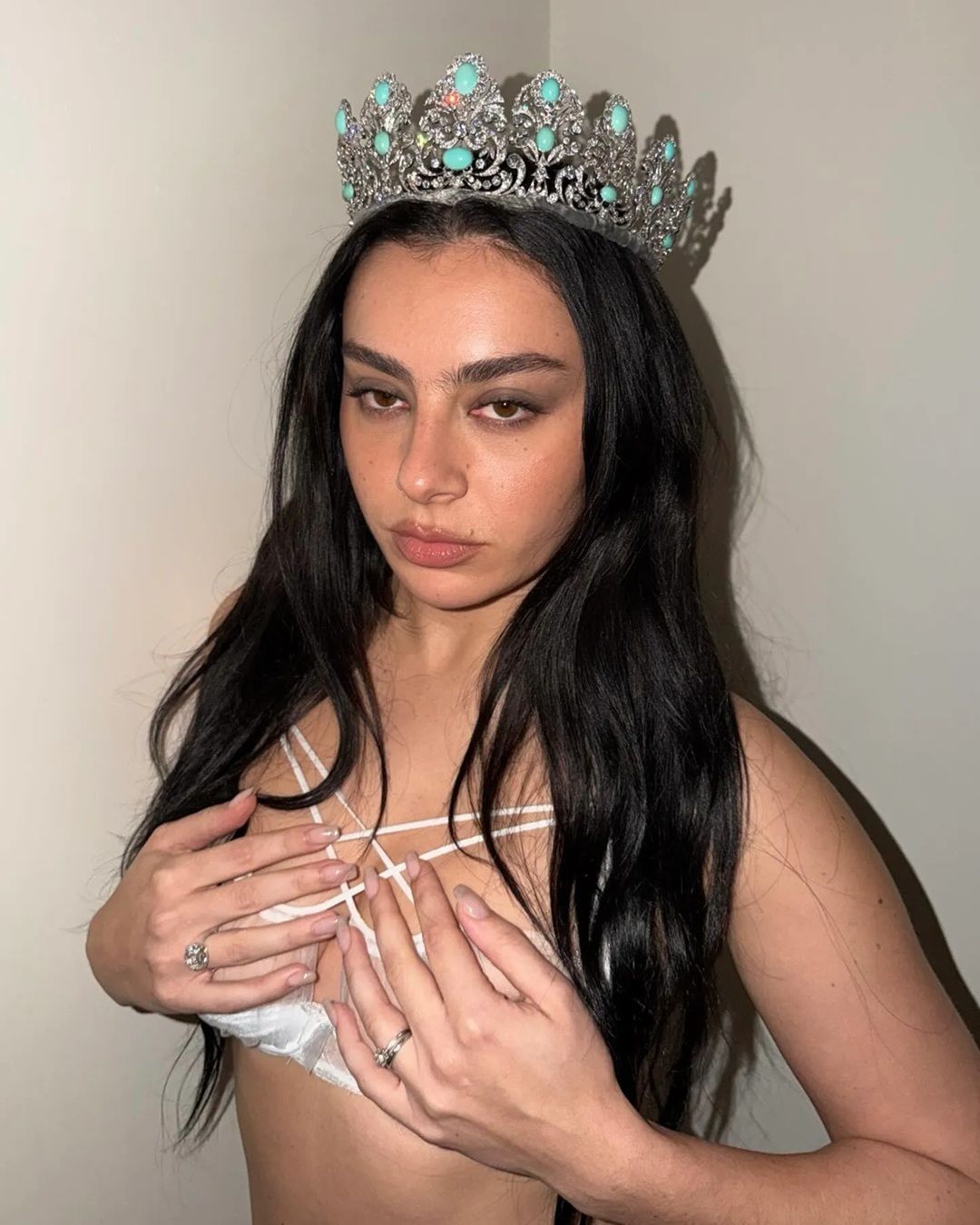
When pop culture fully appropriates aristocratic language, the tiara stops being an object passed down through family lines and becomes an extension of public identity. Paris Hilton made it a permanent signature, a luminous marker of glamour self-mythology that transforms royalty into everyday performance. No longer a symbol of lineage, but of visibility. Likewise, Lily Allen wears it as if it were a casual accessory, pairing it with hoodies, puffer jackets, smudged eyeliner, and nights that run too long. The tiara becomes part of contemporary indie pop grammar, an object that does not require formal context to exist. The same spirit runs through the hyper-feminine theatricality of Chappell Roan and the club-kitsch aesthetic of Charli XCX, where royalty is deliberately exaggerated, queer, performative. But the dialogue between fashion and music runs even deeper. The baroque tiara created by Gianni Versace and worn by Madonna in the 1990s proves how opulent luxury can merge with rock sensuality. And so, the tiara definitively ceases to belong to the nobility and becomes a pop cult object.
High fashion and contemporary chaos: the tiara for hair today
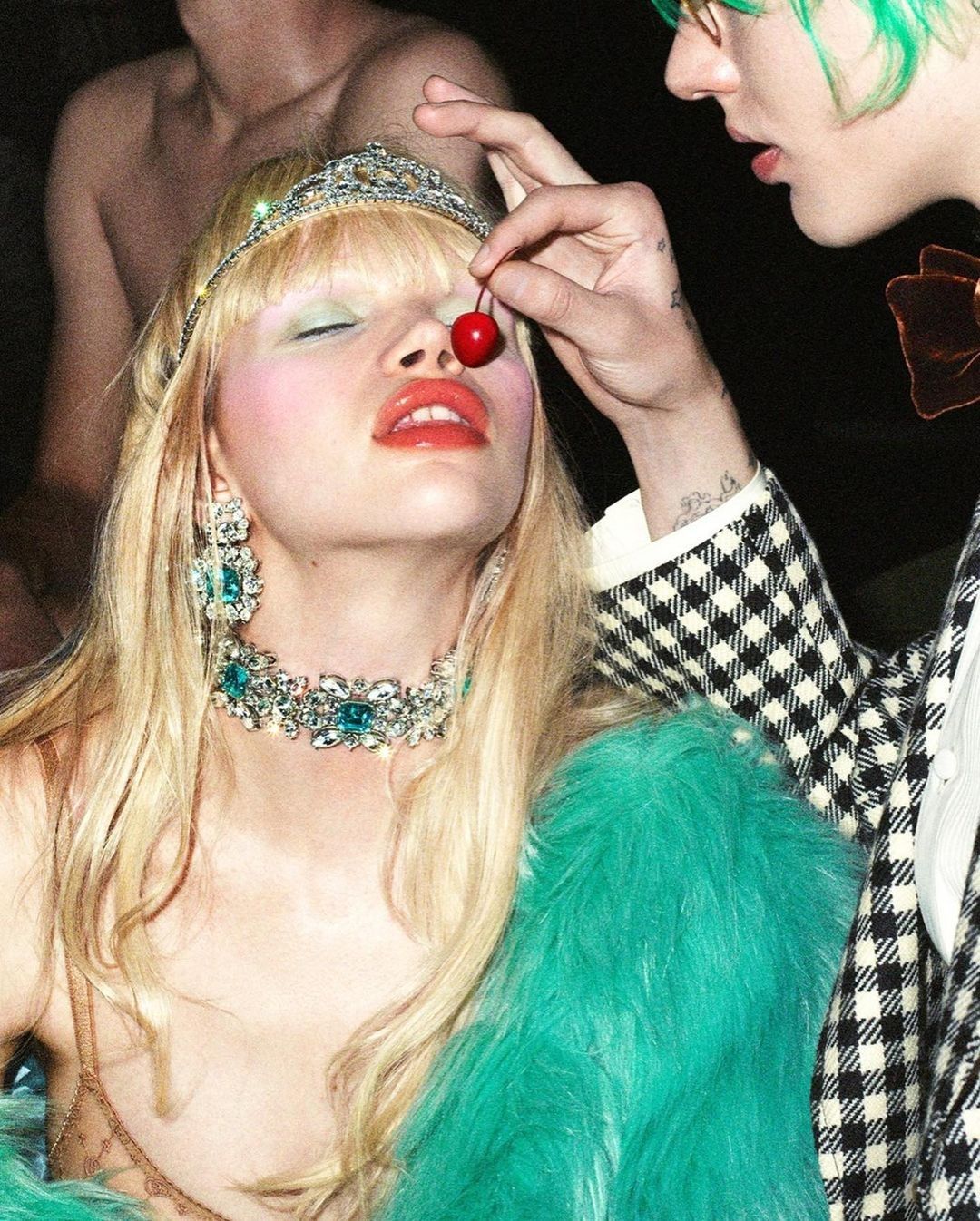
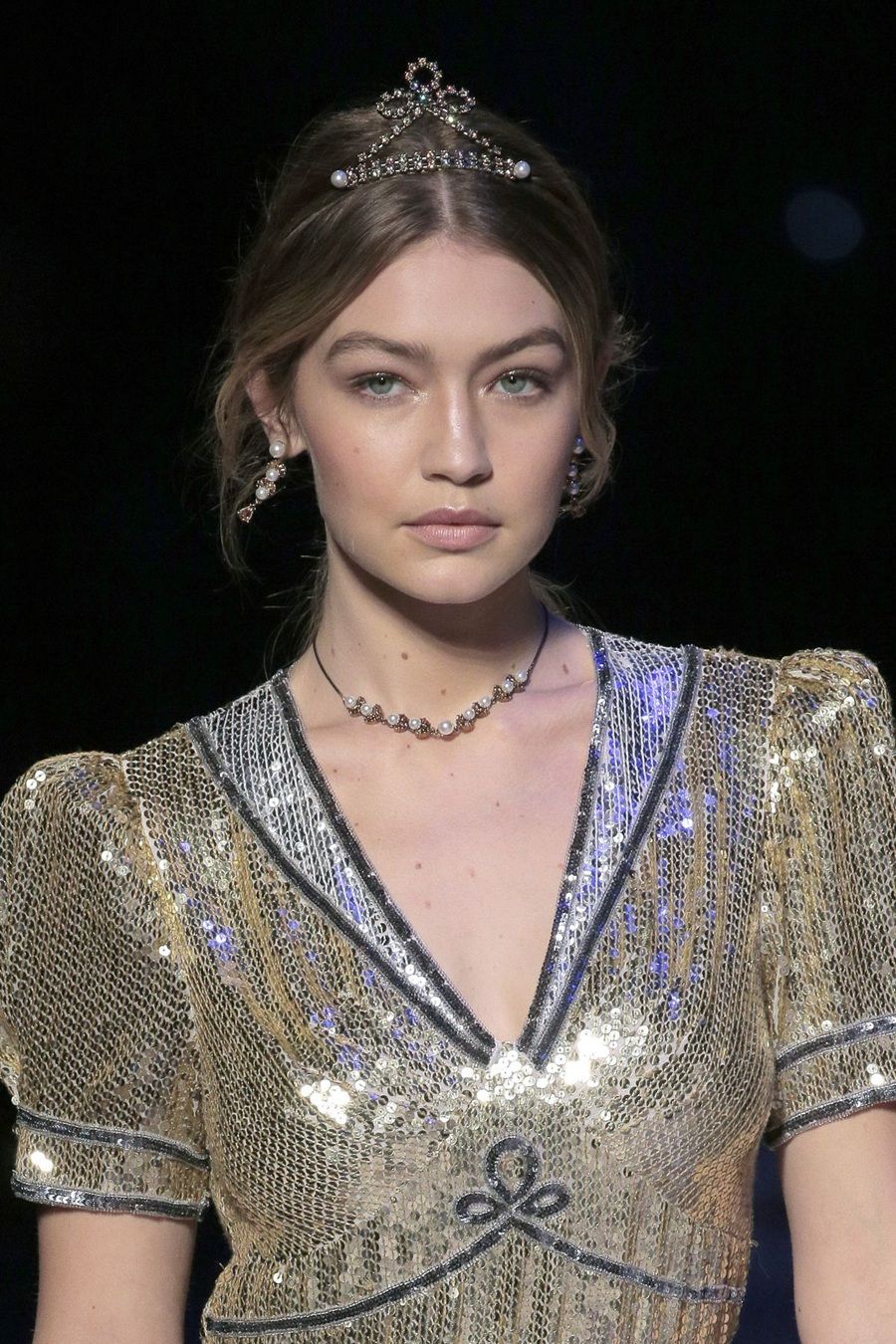
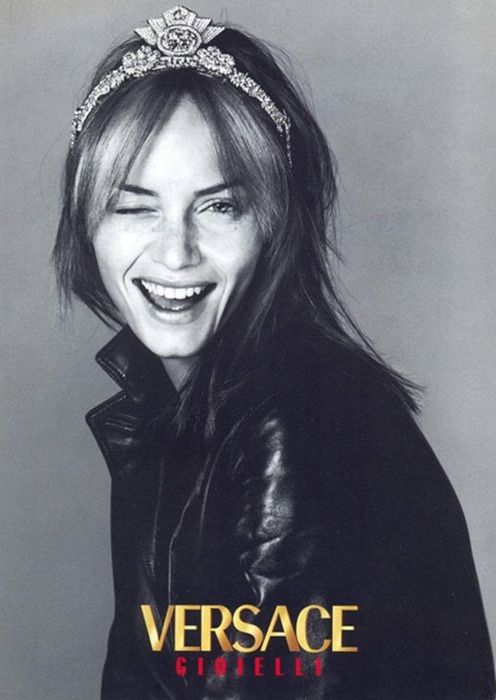
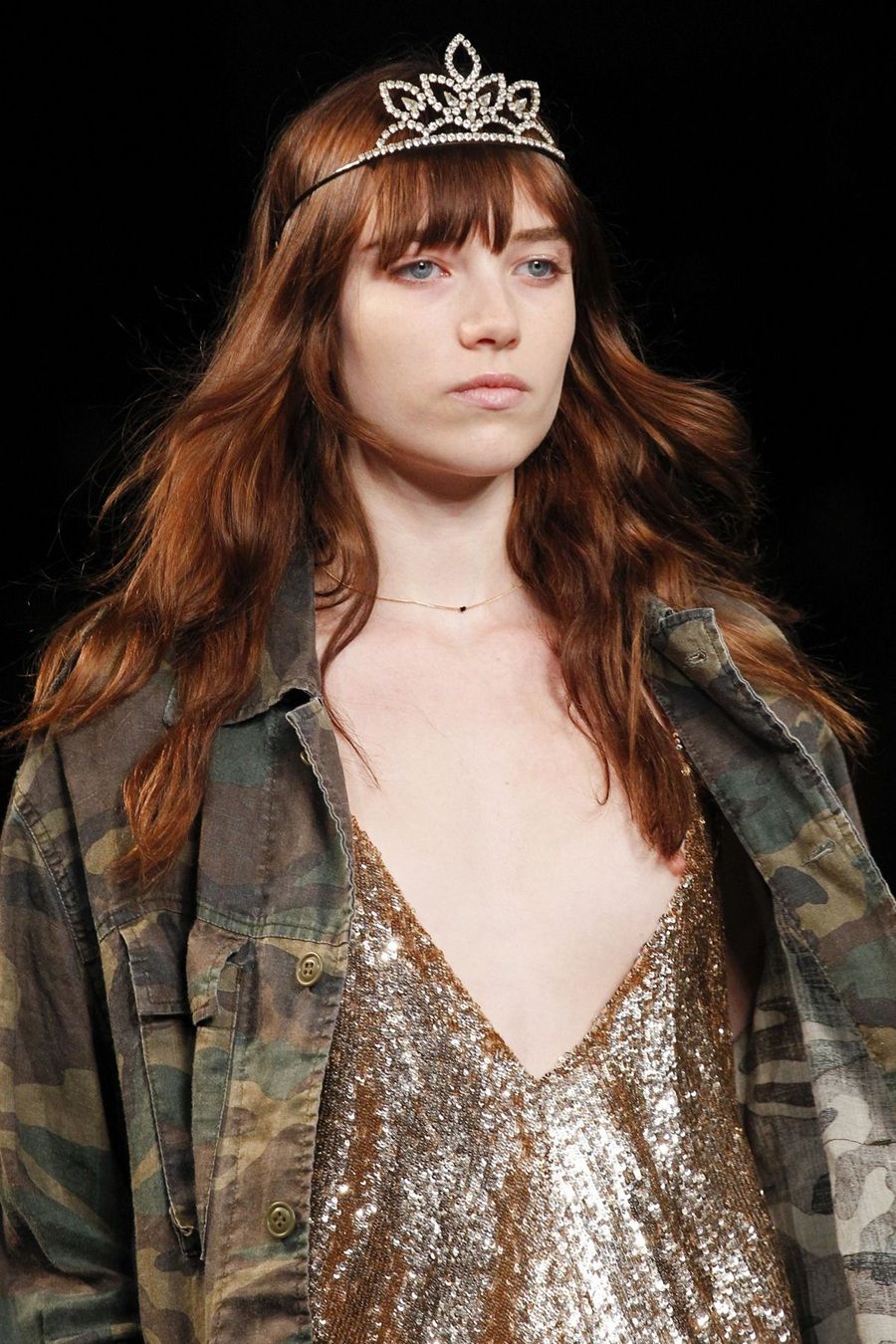
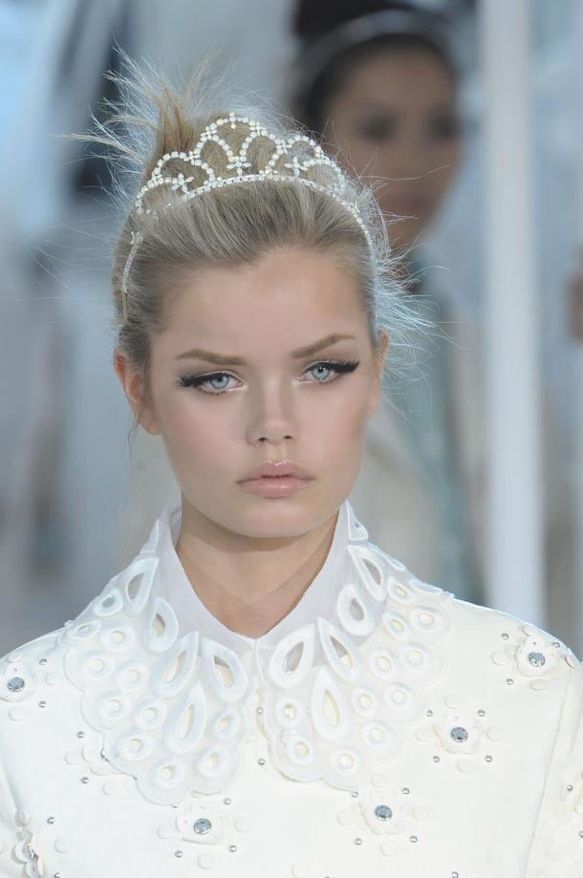
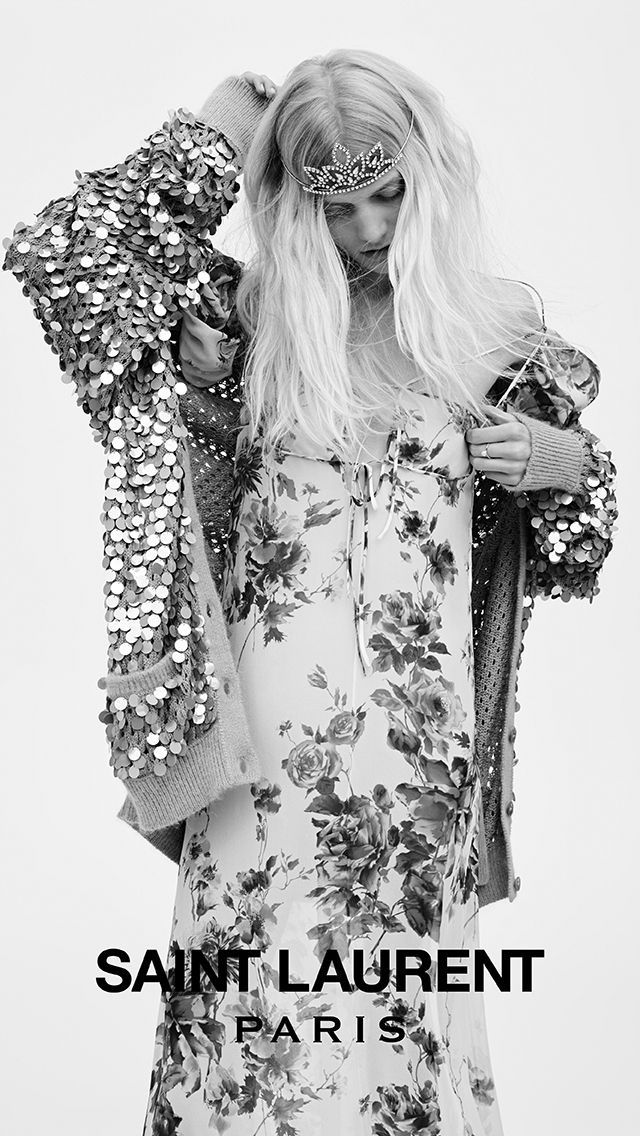
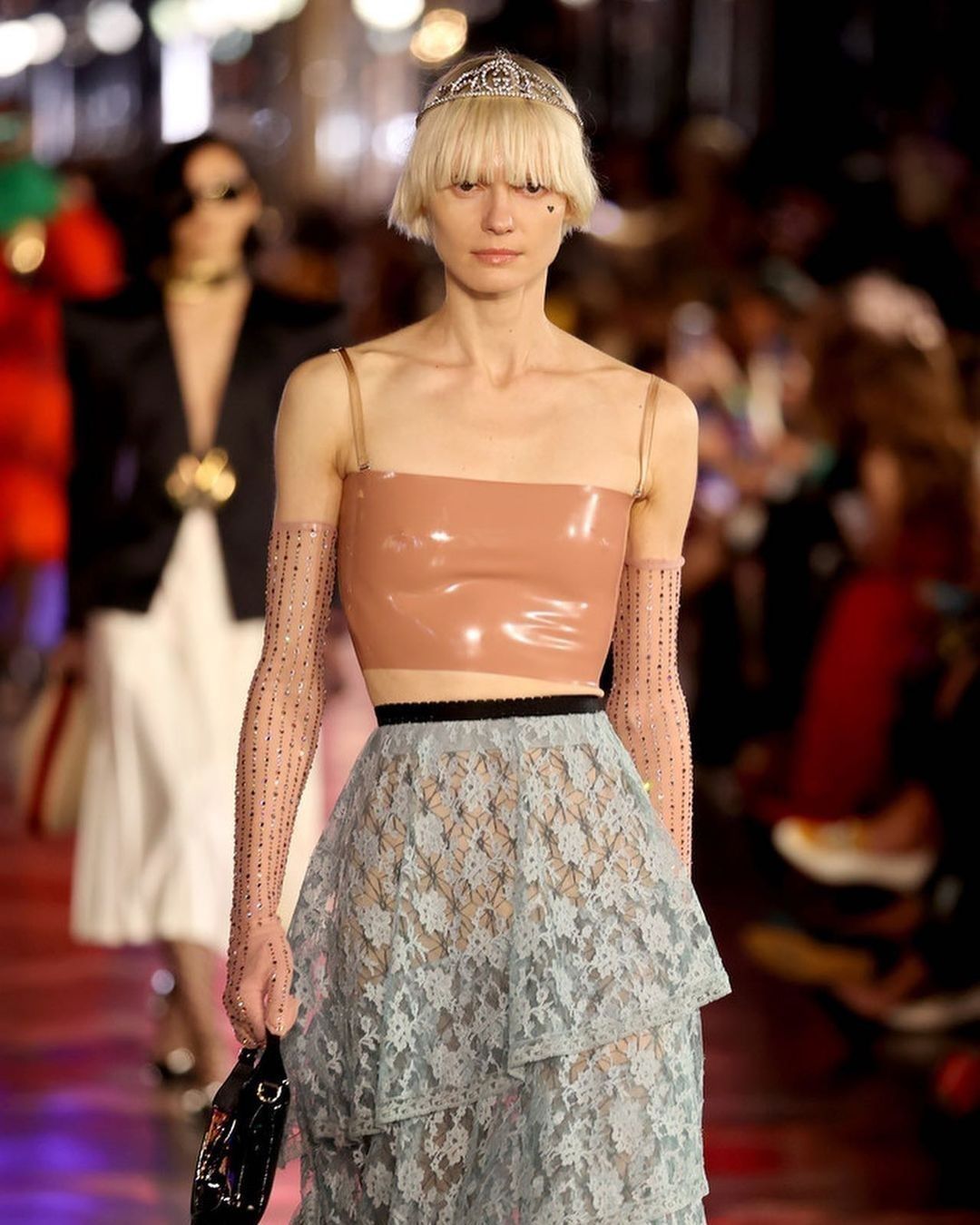
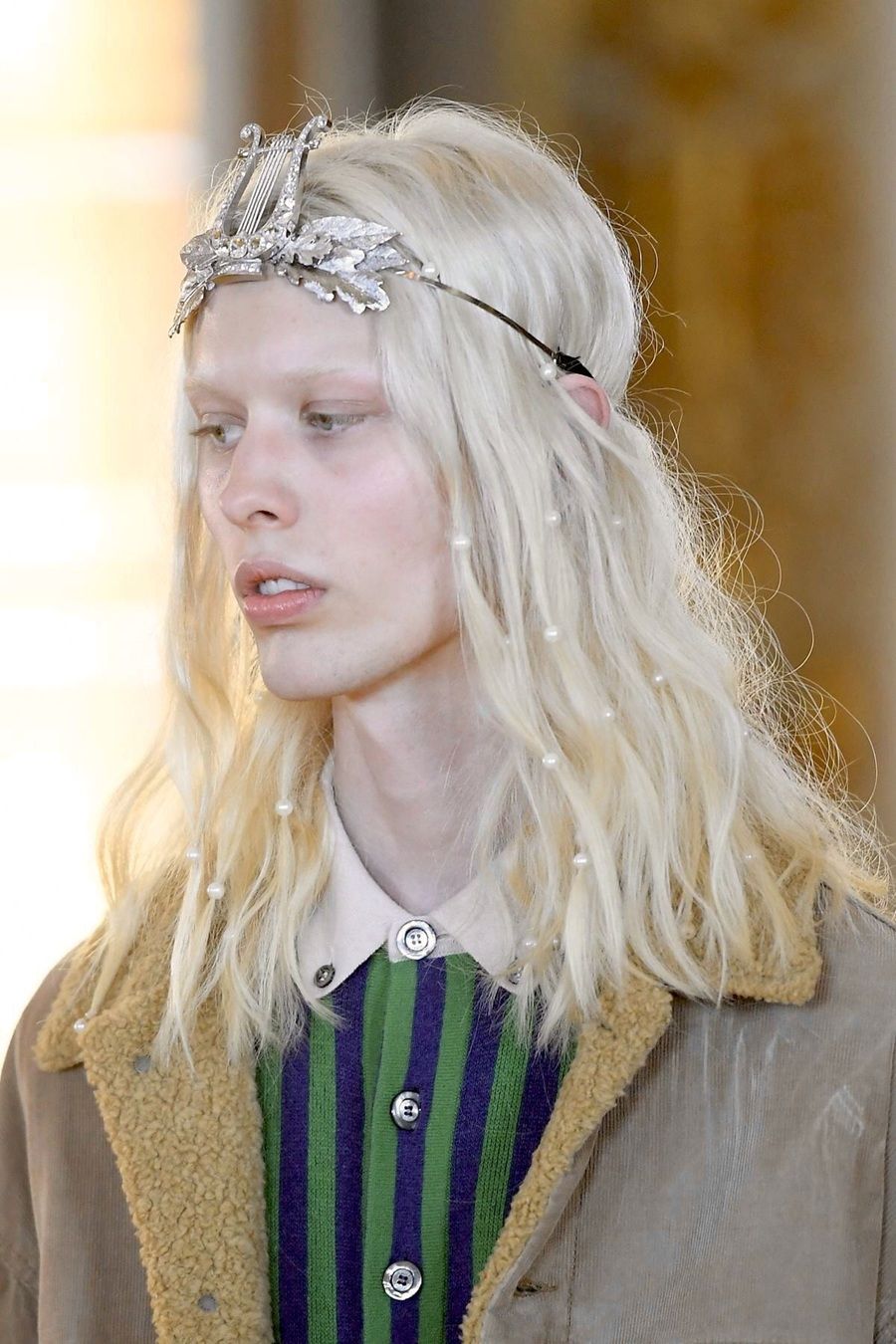
In the present, fashion has definitively declared that the tiara no longer belongs to the realm of the exceptional. It is not a ceremonial object, but an everyday styling element, a deliberate visual short circuit. Think of Saint Laurent runways with models styled as grunge princesses, in sequined dresses, furs, rubber boots, and slender crystal arches that look as though they survived a night that went on too long. Miu Miu often plays with irregular headbands, colored stones, and intentionally dissonant silhouettes. In the aesthetic vocabulary of Louis Vuitton, the tiara becomes minimalist architectural structure, while Chanel revives classical, almost archaeological suggestions, evoking ancient deities and sculptural silhouettes. Dolce & Gabbana prefers theatrical opulence, with golden headpieces and monumental stones that resemble baroque relics reinterpreted for the runway. Then there is Prada, which over the years has alternated intellectual minimalism and rétro bon ton, and Simone Rocha, who with pearls and crystals has built romantic, almost gothic architectures.
The right to shine without justification
Perhaps the true revolution of the tiara as a fashion accessory is not its return, but the fact that it no longer needs a reason. It does not require a wedding, a title, a genealogy, a ceremony, or a party. It does not even require a coherent explanation. The tiara today is a gratuitous gesture, and precisely for that reason, incredibly powerful. It is an object that once certified belonging and now celebrates individuality. A symbol that once indicated hierarchy and now tells a story of personal choice. Its function is no longer to define who you are by birth, but who you decide to be through imagination. Wearing it means inhabiting your own image as if it were a cinematic scene, a mobile stage, a narrative in constant rewriting. And perhaps this is the most contemporary meaning of shining: not representing an assigned role, but inventing it every day, with lightness, irony, and a touch of deliberately excessive splendor. Because in the end, in our time, true royalty is the freedom to adorn yourself without asking permission.
What to read next

Real baddies have found their favorite activewear brand
It's called SWT, it comes from Australia and it has just launched a new capsule collection
"I find beauty in what makes me happy"
Interview with Garance Murru, which you've probably seen on TikTok
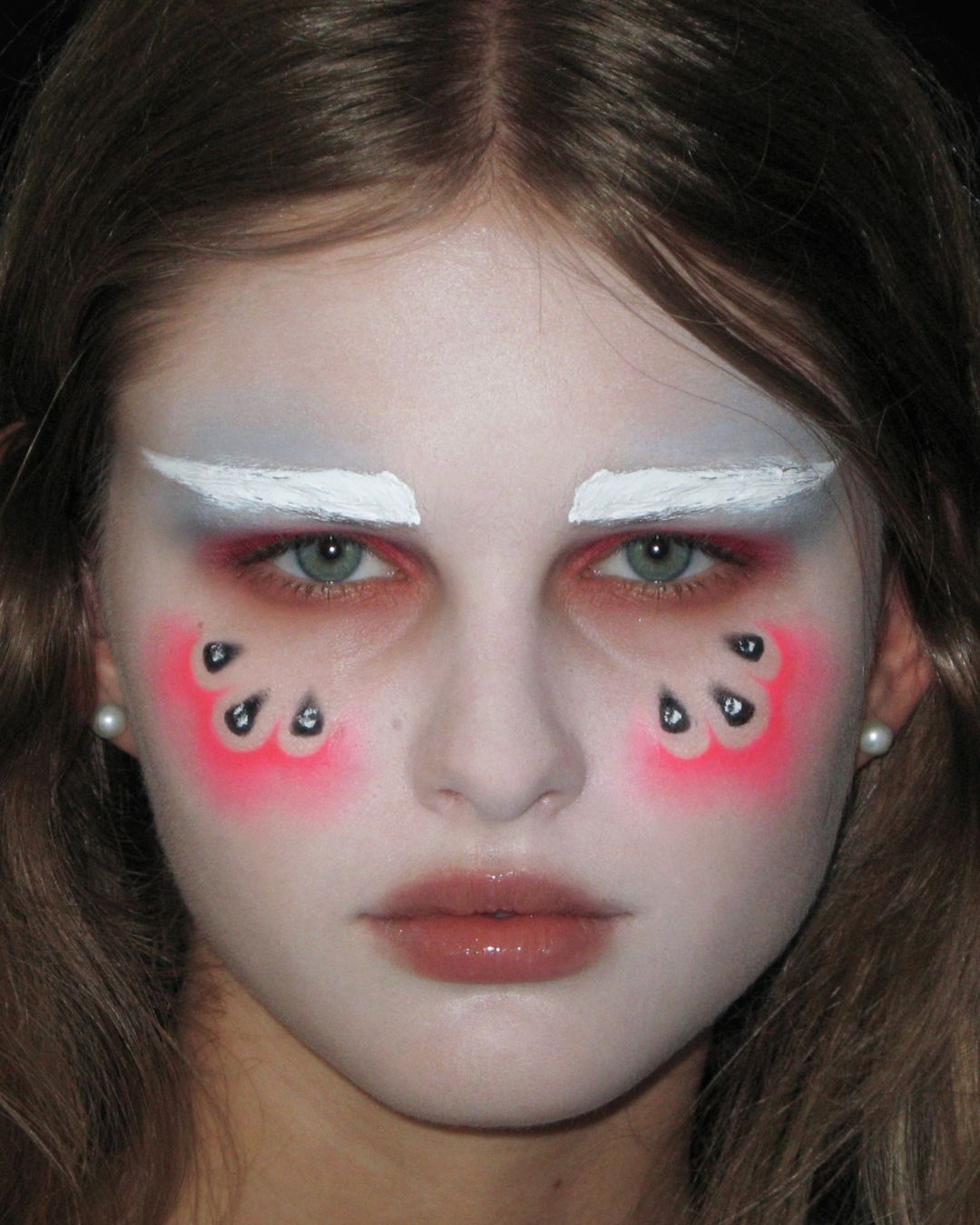
Halloween make-up inspired by the most iconic runway shows
From Christian Dior by John Galliano to Matières Fécales