


























Building your fashion label: a contemporary Odyssey Three emerging designers tell us about it
If in the last decades designers and creatives could build their namesake labels and create icons, now the future of it all seems uncertain. With so much to consider (money, commerciality, innovation, social media visibility), it seems that working hard is not enough anymore in the realm of fashion. Still, many creatives try, exiting their comfort zones and dipping their toes into the ever-changing fashion sea in the name of passion.
Olivia Pudelko and the birth of Western Affair
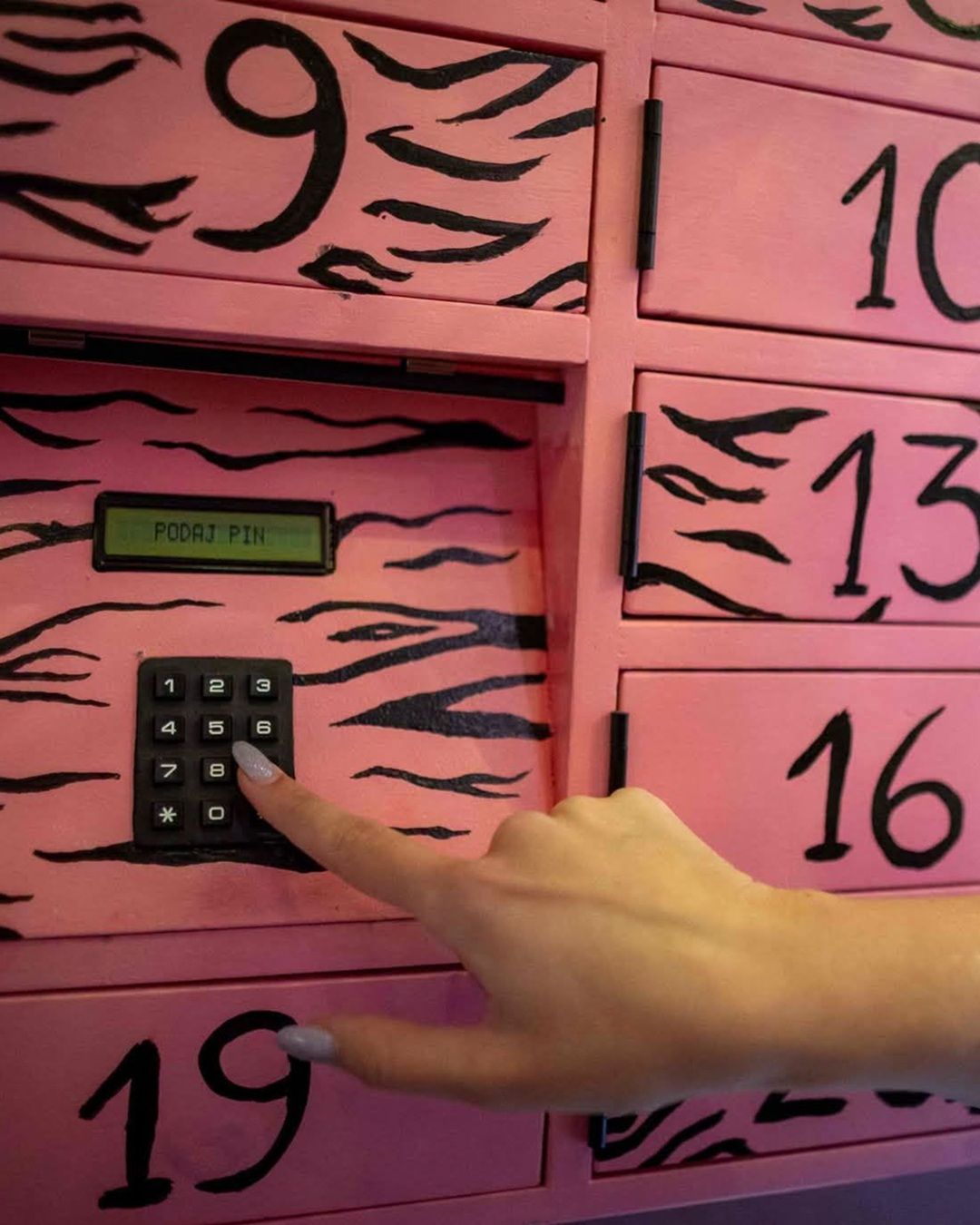
‘‘What keeps me going is that I need to see what I imagined in my mind become a physical object,’’ confesses Olivia Pudelko, founder of the whimsical shoe label Western Affair. Launched in 2019, the brand began as a personal project: Pudelko making shoes one by one for magazines and celebrities, with no immediate plans to turn it into something that serious. But as commissions stacked up, so did the pressure to learn the rules of the game. Eventually, the creative confronted the inevitable question facing all artists: could this become a business? Her answer came after a project designing shoes for a Selfridges campaign, after which Pudelko took the fee, escaped to somewhere warm by the ocean, and spent a month designing new pieces and plotting her future. Then, once Farfetch placed a large order, everything changed: Western Affair went to factory production. It all became more real. Logistics were now in the picture together with deadlines and fashion’s famously volatile terrain.
Instagram, community, and sustainability in fashion
Now, amassing 44.2K followers on Instagram, Pudelko navigates an ever-evolving industry, known for its many challenges. For her, the biggest challenge is keeping up with made-to-order demand, something she also considers a blessing. “I cry sometimes from happiness when I see someone placing their fifth or sixth order with me,’’ the designer shares. Even with a loyal following, Pudelko remains wary of stepping in front of a new audience. “I’m in such a sweet spot, well known within my niche,” she says. “It’s a comfort zone.” Scaling beyond that, she admits, takes adaptation. ‘‘It takes a while to adjust or try to compute how many people actually 1 million views is.’’ Visibility may be daunting, but Pudelko keeps her eyes on her prize. In an industry still obsessed with views and celebrity endorsement, she is more interested in community, but most of all, sustainability. She points to the great amount of leather scrap Western Affair has upcycled as a point of pride. ‘‘We have so much waste in our world,’’ she states. ‘‘It just is important to minimise that.’’ With a philosophy that emphasizes efficiency, the creative believes that understanding your consumer, much like effort and intention, is a precious asset. ‘‘Part of being a sustainable brand is making only what’s in demand,’’ Pudelko explains. ‘‘Anything that doesn’t get a great reaction gets cut back.’’
Karina Bond and her avant-garde brand
The ethos is similar to that of Karina Bond, who founded her eponymous avant-garde label in 2021 as a newly minted Central Saint Martins graduate, a project that quickly evolved into a family business. In her first year as a new designer, she learned to prioritize what appeals to her customers, even though sometimes, something she likes doesn’t land in their heart. ‘‘It’s constantly a trial-and-error process,’’ Bond states.‘‘It can be very counterintuitive!’’ Starting with ready-to-wear organza dresses, Bond soon fell hard for three-dimensional construction, also venturing into different projects such as a jewellery collaboration, film costumes, and custom stage wear. No matter what she does, she takes immense pride in what she has since done, most notably her first catwalk show. ‘‘This is a great feat in any designer’s career, but add the fact that I had no prior experience, a minimal budget, and no one really knew of my work at the time,’’ she states with enthusiasm. ‘‘I still showed 20 looks, with a performance, and it was a success!’’ Now commanding a label with 81.8K Instagram followers, Bond is still learning to be her own best ally and trust her instincts, though with its own sets of challenges. ‘‘I was naive on how long it takes to make a self-sustaining business,’’ Bond confesses. ‘‘While on paper I was planning to be selling internationally in all of the shops in a couple of years…this just simply isn’t feasible.’’
Rafaela Pestritu: creating a fashion brand from scratch
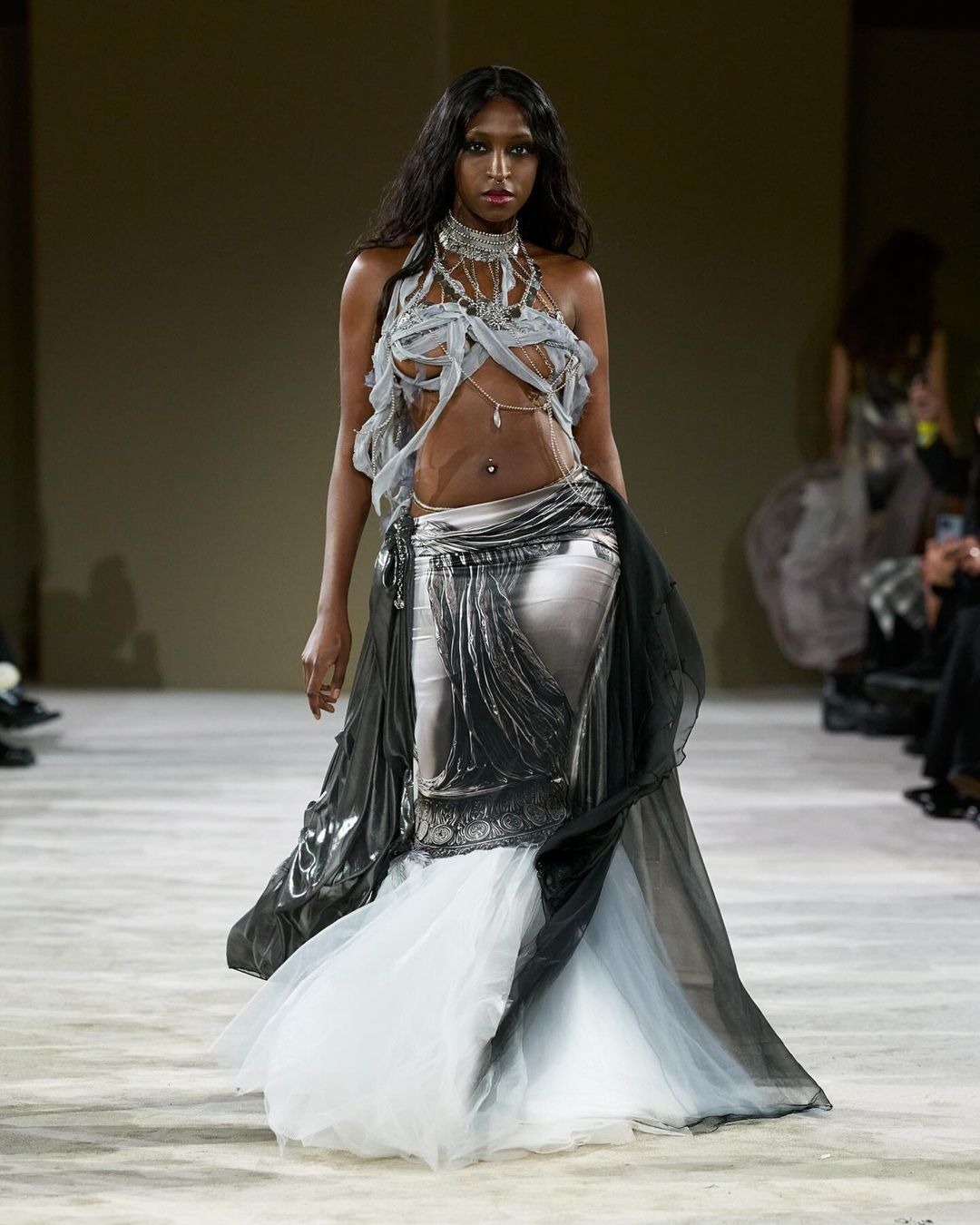
Rafaela Pestritu, who founded her namesake label in 2023 shortly after graduating from Central Saint Martins’ MA program, and has since dressed the likes of Charli XCX, Christina Aguilera, and Tyla, knows this all too well.‘‘I thought that being a CSM graduate would automatically open doors and bring opportunities,’’ she tells me. ‘‘ In reality, you have to build everything yourself. I underestimated how many roles you have to take on at once, designer, salesperson, PR, pattern cutter, often without any experience, just learning as you go.’’ The label, based between London and Bucharest, had long existed as a dream for Pestritu. The reality, however, proved far less glamorous. ‘‘Everything happened step by step,’’ she states. ‘‘There was no big launch moment, just a slow build of pieces, experiments, and belief.’’ Along the way, with its own set of challenges and victories, the designer has learnt what creative responsibility really means. ‘‘You realise very quickly that every decision has consequences, whether it’s for collaborators, your mental health, or the future of the label. No education prepares you for how personal it feels when something doesn’t work out, or how lonely decision-making can be’’. Even with the brand now built, some struggles remain.
A fashion industry that does little to support emerging talent
Between production costs, high factory minimums, showrooms, shows, campaign expenses, and the pressure to get everything done on time, it can still feel intense, especially in an industry that privileges speed above all else. ‘‘I really believe the industry needs to slow down and support sustainability, creative freedom, and long-term growth,’’ Pestritu declares. Support, however, does not come very naturally to fashion. ‘‘The industry does not support emerging fashion designs at all, not in the slightest,’’ Pudelko states. Western Affair founder sees it not as a support mechanism; but rather as a business transaction. ‘‘ If you design something people love at the moment you’ll get attention but that’s the condition,’’ she reflects. ‘‘[The industry] uses them for their own benefit, with few organisations giving a bunch of money for a few years in a row to the same few people they are friends with. Then discard them, and move onto the next new young designer.’’ Bond echoes the feeling. ‘‘It falls short on working with a bigger variety of names,’’ she explains, noting that while online platforms showcase a wide spectrum of designers, fashion week schedules and even the LVMH Prize remain stubbornly predictable. ‘‘It’s completely who you know and who your friends are.’’
Envisioning the future of fashion
Despite the industry's failure to support up-and-coming talent and its tendency to always champion the same people, these aspiring designers persist, driven to create more and more. “Designing for the future is the best way to stop comparing myself to others,” Karina Bond says with refreshing candor. “It lets me tune out what’s happening right now and focus instead on how I want to shape what comes next.” Ultimately, she’s hopeful that building a label in 2026 means having the ability to forget the past and the illusion that things are the same, giving less importance to how designers did it ten, twenty, or even fifty years ago, and more nerve to imagine something entirely new.
What to read next
The endless courtship of the modern consumer
Why brands must learn to be loved, not just chosen
The female success story of the Fendi sisters
When sisterhood, creativity and business acumen make fashion history
5 emerging eco-friendly brands to discover
To enrich our spring wardrobe with conscious shopping
Miu Miu's commercial boom is coming to a halt
The rest of the Prada Group, however, is holding up well
