

















































Hamnet is the cinematic antidote to Marty Supreme Male individualism is answered with depth (and with important female roles)
Walking out of the theater after watching Marty Supreme, I couldn’t shake off a feeling of itching, hives, discomfort, irritation. Only in the days that followed, after thinking it through carefully, did I understand where it came from. From the film’s blatantly male point of view. The one crafted by Josh Safdie and carried by Timothée Chalamet. Let me explain. The film (beautifully shot, well acted and impeccably scored) revolves around the burning ambition of its protagonist, the only character in the entire story who feels more than just roughly sketched out. He wants what he wants, and he’s willing to do anything to get it. And “anything,” of course, also includes abuse and manipulation, at the expense of pretty much everyone around him. Especially his longtime friend and lover, played by Odessa A’zion. A controversial protagonist without whom the film wouldn’t exist, and whom some viewers had no trouble describing as insufferable and cowardly.
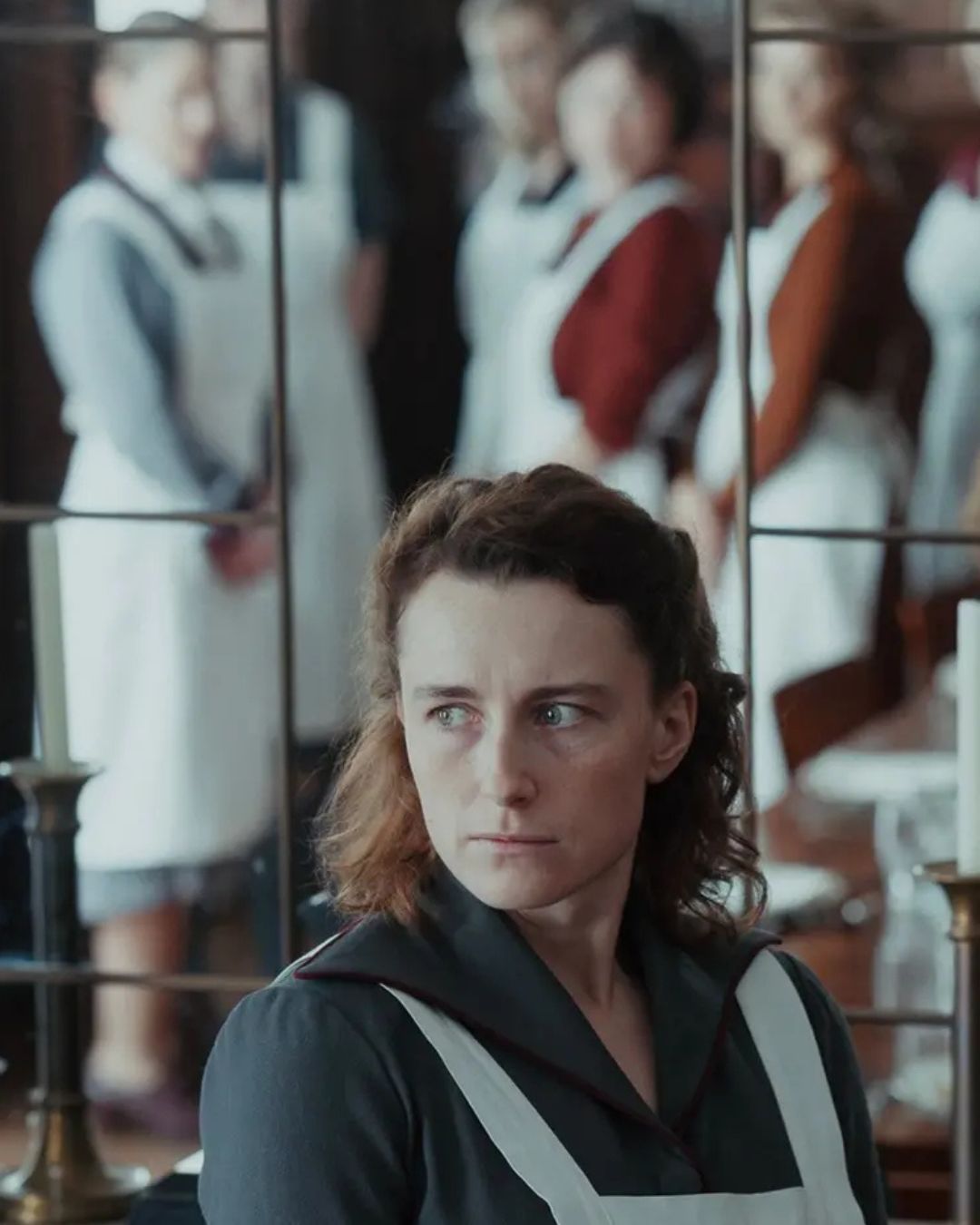
Hamnet, plot and cast of the film in theaters from February 5
Scene cut. A few days later, I went back to the cinema to see Hamnet, which hits theaters on February 5. The story, adapted from the novel by Maggie O’Farrell, published in 2020 and released in Italy by Guanda, could not be more different. William Shakespeare and his wife Agnes, after an intense love that defies family expectations and rises above prejudice and hatred, lose a child - Hamnet - and grief pulls them apart. If Agnes chooses to sacrifice everything to her creatures (and calling children “creatures” is not only something rooted in my Sicilian dialect, but also a reflection of the film’s setting and of Agnes herself, who is part witch, part wild), William, on the other hand, embarks on a successful theater career in London and never truly allows himself to grieve, choosing escape instead.

Directed by Chloé Zhao and starring Jessie Buckley alongside Paul Mescal, Hamnet is a powerful, sad, dramatic, intense film. Carried by Buckley and her character, it explores how both parents, mother and father, wife and husband, process grief in radically different ways, leading to a deeply moving final sublimation that opens up a further, almost meta reflection on the importance of art and representation.
Hamnet vs Marty Supreme: a balm for the outbreak of hives
So what do these two films have in common? Both could be described as works about male ambition. On one side, there’s Marty Mauser, who tramples over everything and everyone, caring for no one but himself. On the other, there’s William Shakespeare, portrayed more as an overworking father than as a towering genius of theater and literature, who represses his pain and manages to process it only through his art, as he always has, yet still ultimately chooses to leave, arriving too late to the worst moment his family is living through. The endings couldn’t be more different. The mustachioed athlete, after only half-getting away with it and out of sheer spite, returns home disgraced and broke. Debts pile up, and he makes no plans at all. He’s so small and biting, rat-like, that somehow he’ll wriggle his way out of trouble. After avoiding it throughout the entire pregnancy, he finally confronts the fact of becoming a father. Or rather, in a Damascus-road moment - standing in front of the crib with his newborn inside - he realizes that maybe, just maybe, he wants to be one. Wild.

On the other side, the crescendo of suffering and humanity reaches its fulfillment in the theater, on stage. Here, William—who has achieved his dream but lost far too much along the way, finally manages to process his grief. Yet at the center of the scene remains Agnes, who, initially reluctant to take part in what is in all respects a collective ritual, eventually falls under its spell and comes to understand her husband. The ending is not a sprint, but a climb. It’s not the latest reckless outburst of a humiliated boy, but the meditation of a man destined for history, and the pain of a mother who learns to accept a way of metabolizing death that differs from her own. If Marty Supreme is abrasive (or irritating, depending on your point of view), then Hamnet is a natural salve, made with forest herbs and applied gently over an open wound. Because we go to the movies for many reasons, and feeling something real is one of them.