








































The permanent media court: when reporting violence means losing your voice The case of Amber Heard in the documentary “Silenced” as an example of how reporting abuse can become punishment
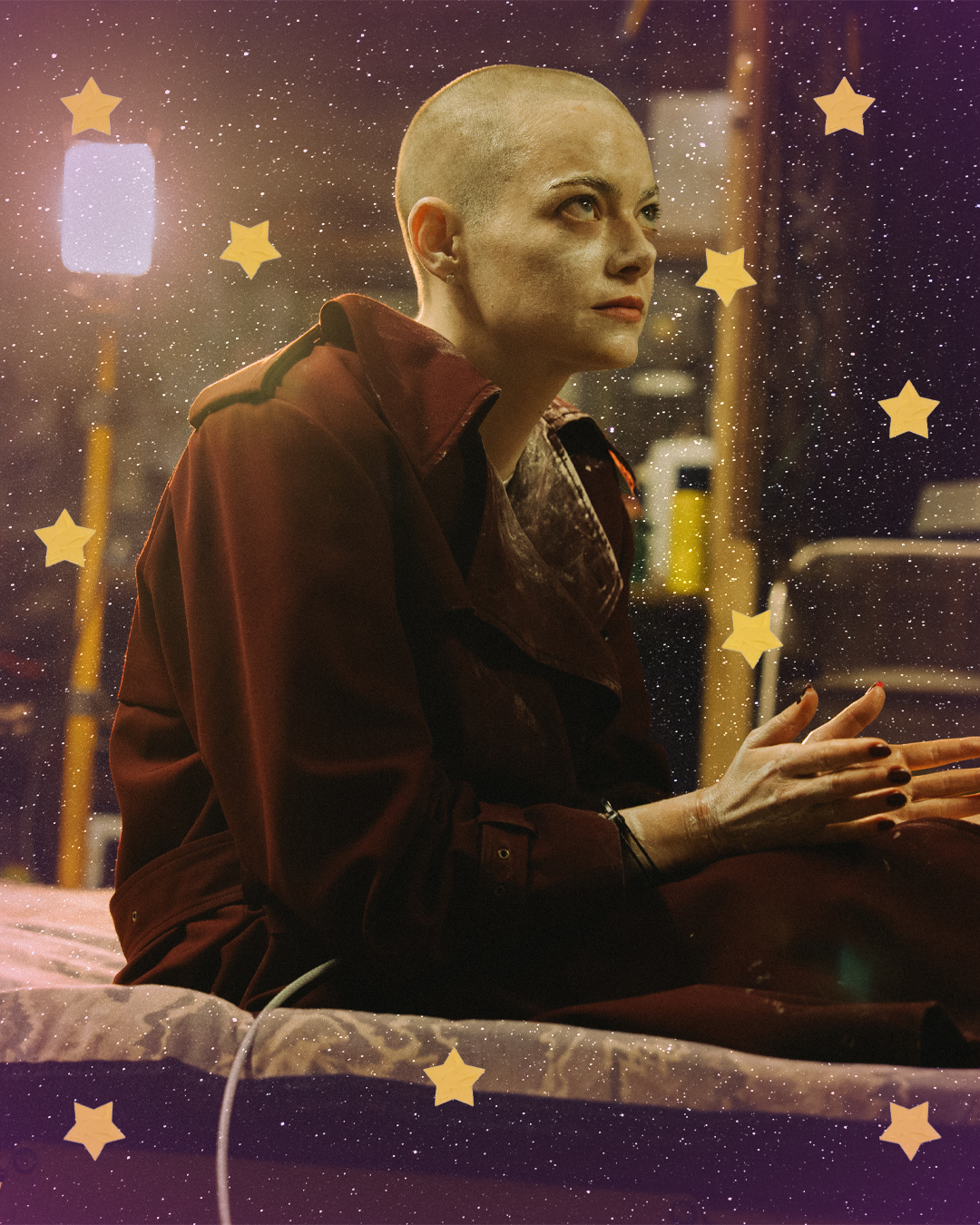
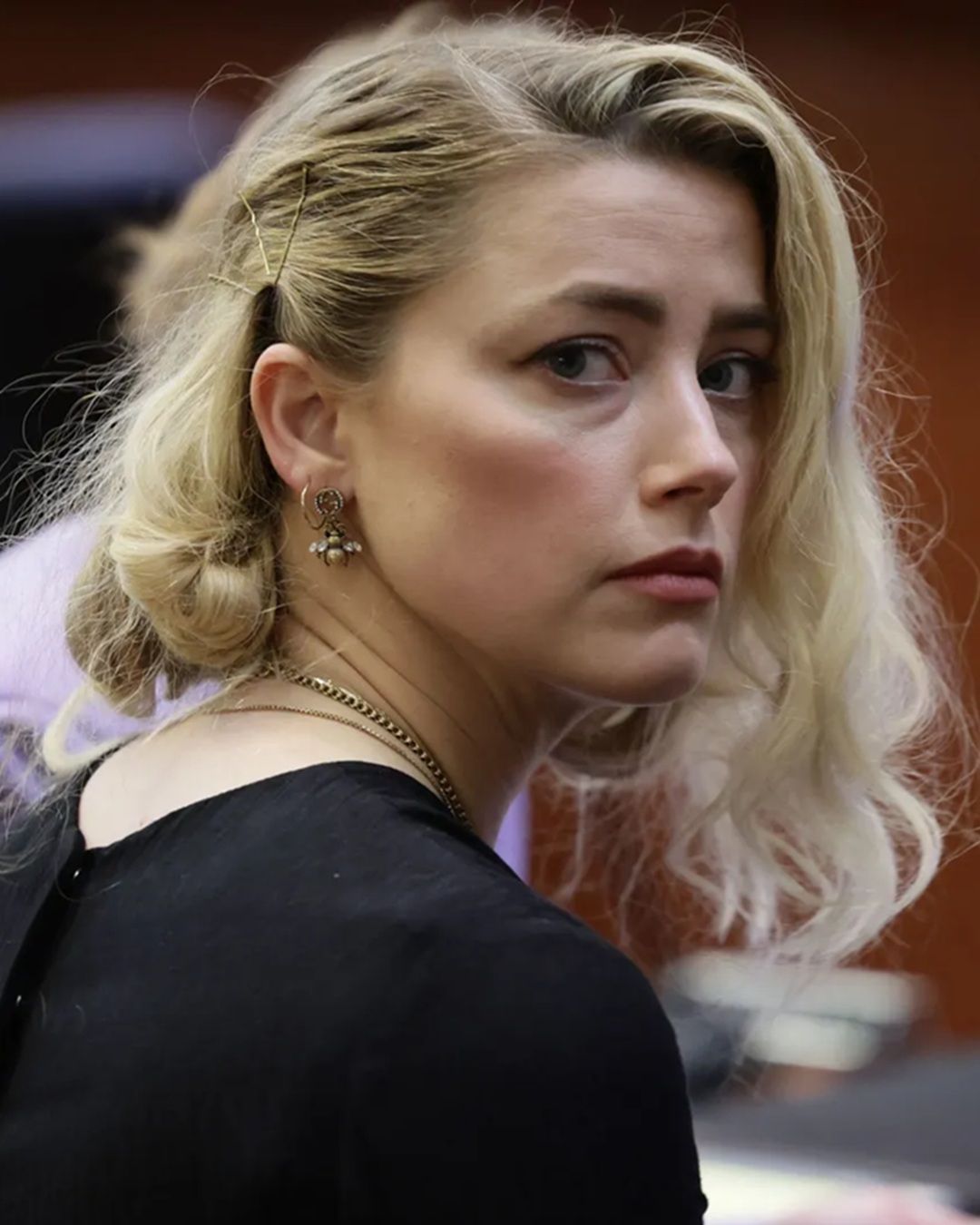
“I don’t want to use my voice anymore” is the sentence spoken by Amber Heard in Silenced, the documentary presented at the Sundance Film Festival, after years of forced exposure, commented on, mocked, and dissected to exhaustion. With these words, she tells us that speaking out in certain contexts is not liberation, but punishment. Her case has been told ad nauseam as a celebrity trial or, perhaps more accurately, as a fanbase war. The trial between Amber Heard and Johnny Depp became a global social experiment, a test to understand what happens when a domestic violence accusation enters the ecosystem of contemporary media. Today, there is no longer an “after” the courtroom. Instead, there is a permanent trial, unfolding on social media, timelines, comment sections, and carefully edited videos designed to reinforce one narrative while erasing another. A trial with no rules.
Amber Heard or Johnny Depp: which side are you on?
During the 2022 proceedings, millions of people followed every hearing, later retold in a Netflix documentary. Decontextualized clips went viral within minutes, while Amber Heard’s facial expressions were analyzed as evidence of guilt, her tears turned into memes, and her pain, spectacularized, became entertainment. In this climate, the question “what really happened?” was quickly replaced by a simpler, more marketable one: “which side are you on?” Traditional and digital media have shifted from being tools of information to amplifiers of power. Because not all voices carry the same weight, nor the same protection. When a woman reports gender-based violence, especially if the accused man is famous, wealthy, beloved, even idolized, her words are rarely taken seriously. Silenced exposes this mechanism by starting from defamation lawsuits as legal weapons. The threat is not only the multimillion-dollar lawsuit, but the accompanying reputational lynching, loss of work, social isolation, and the impossibility of existing in the public sphere without being constantly put on trial again. When Heard says she has “lost the ability to speak,” she is describing a message that comes through loud and clear to anyone watching from the outside: if you dare to accuse a man, you will pay the consequences, one way or another. In the documentary, other stories appear alongside hers. There are journalists, activists, public officials, and politicians who reported abuse or violence and found themselves crushed by legal actions and online hate campaigns. Contexts change, but the pattern remains the same.
Social media are never neutral
Algorithms do not distinguish between information and public shaming; they distinguish between what generates engagement and what does not. Pain and violence generate enormous engagement. This has deep consequences for how we talk about gender violence, which becomes an isolated controversy rather than a structural phenomenon. Today, Amber Heard lives far from major film sets and has chosen theater, a space where the relationship with the audience is more direct and less predatory. Her presence in Silenced is not a comeback, but a measured political stance. She refuses confrontation and even refuses to recount her experience in detail, and for this very reason, she speaks louder than a thousand interviews.