



























Are high school fashion tribes real? On the art of belonging
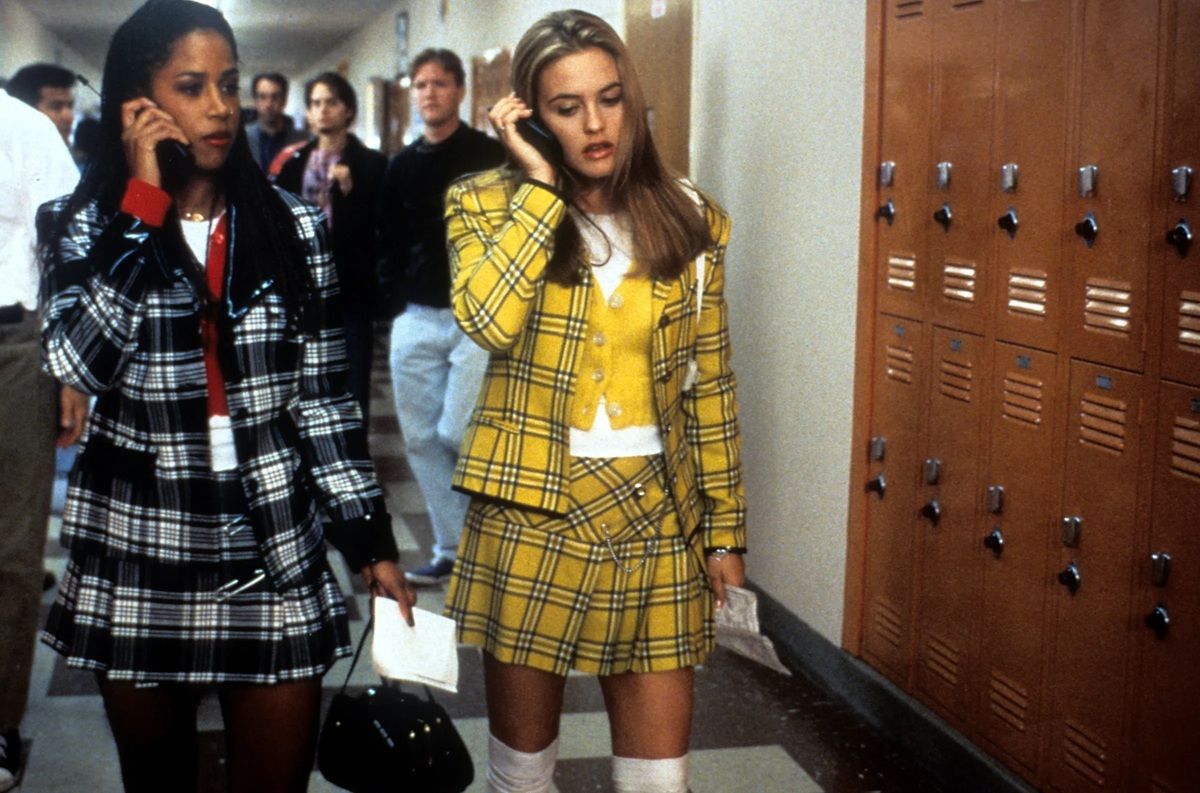
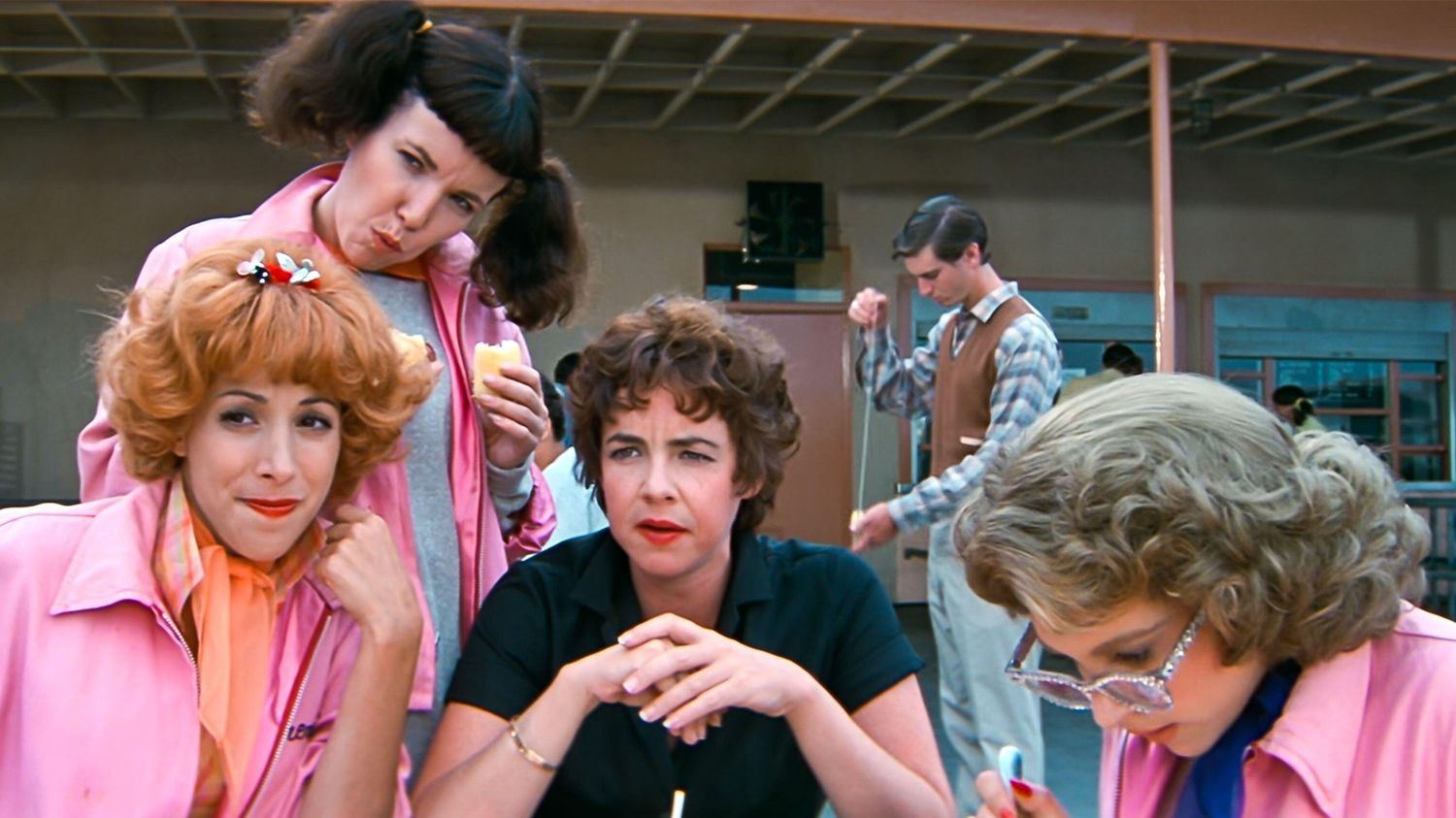
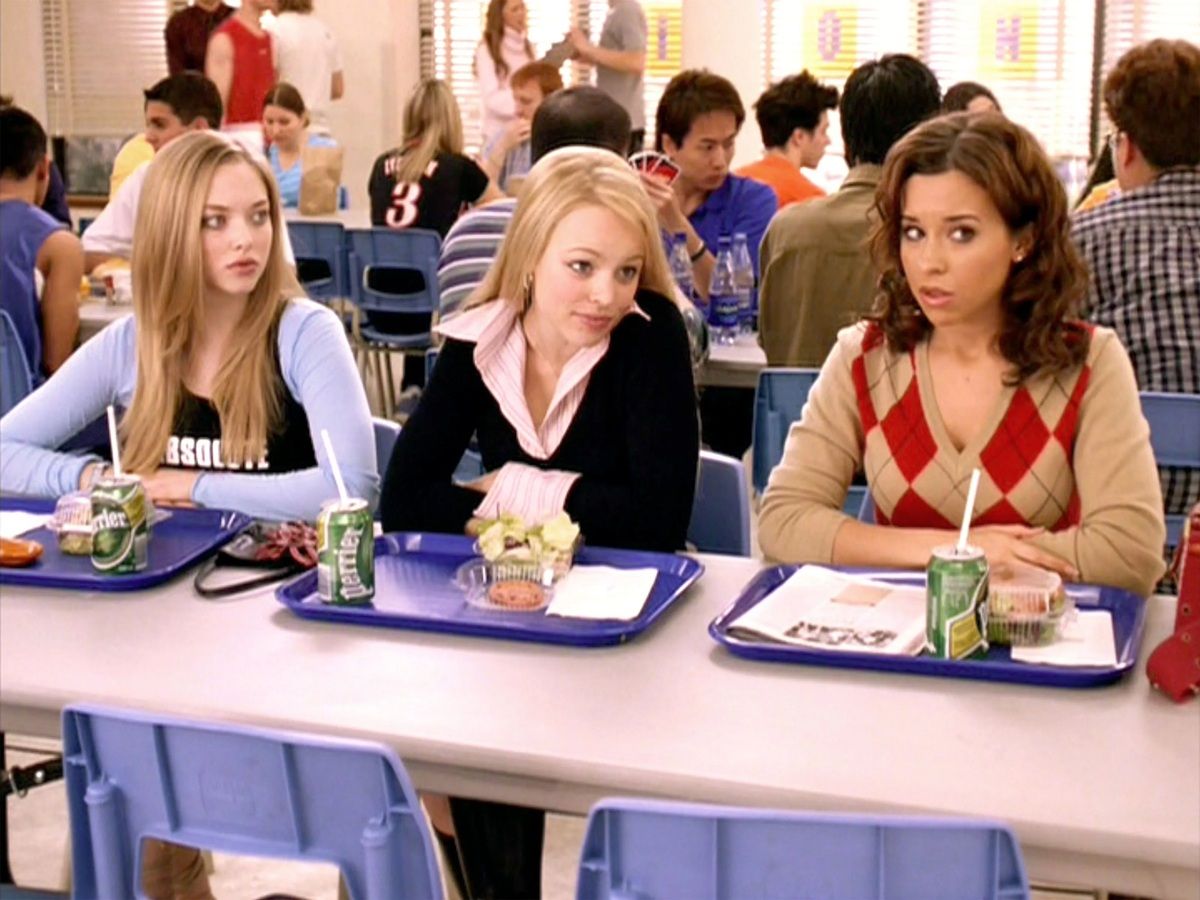
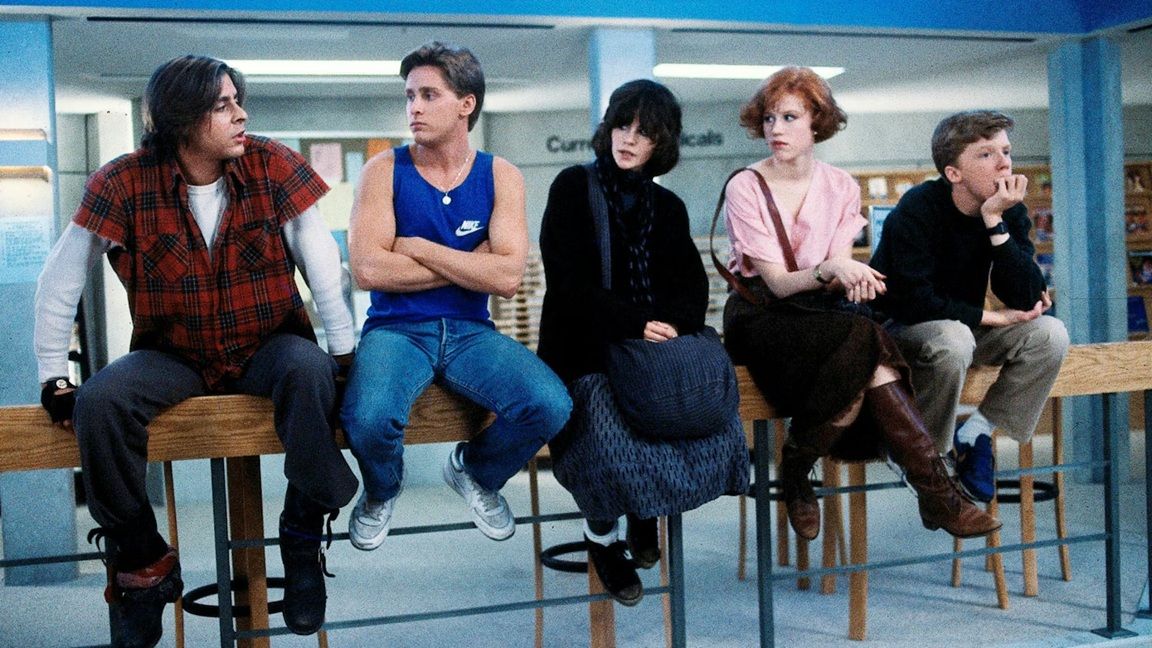
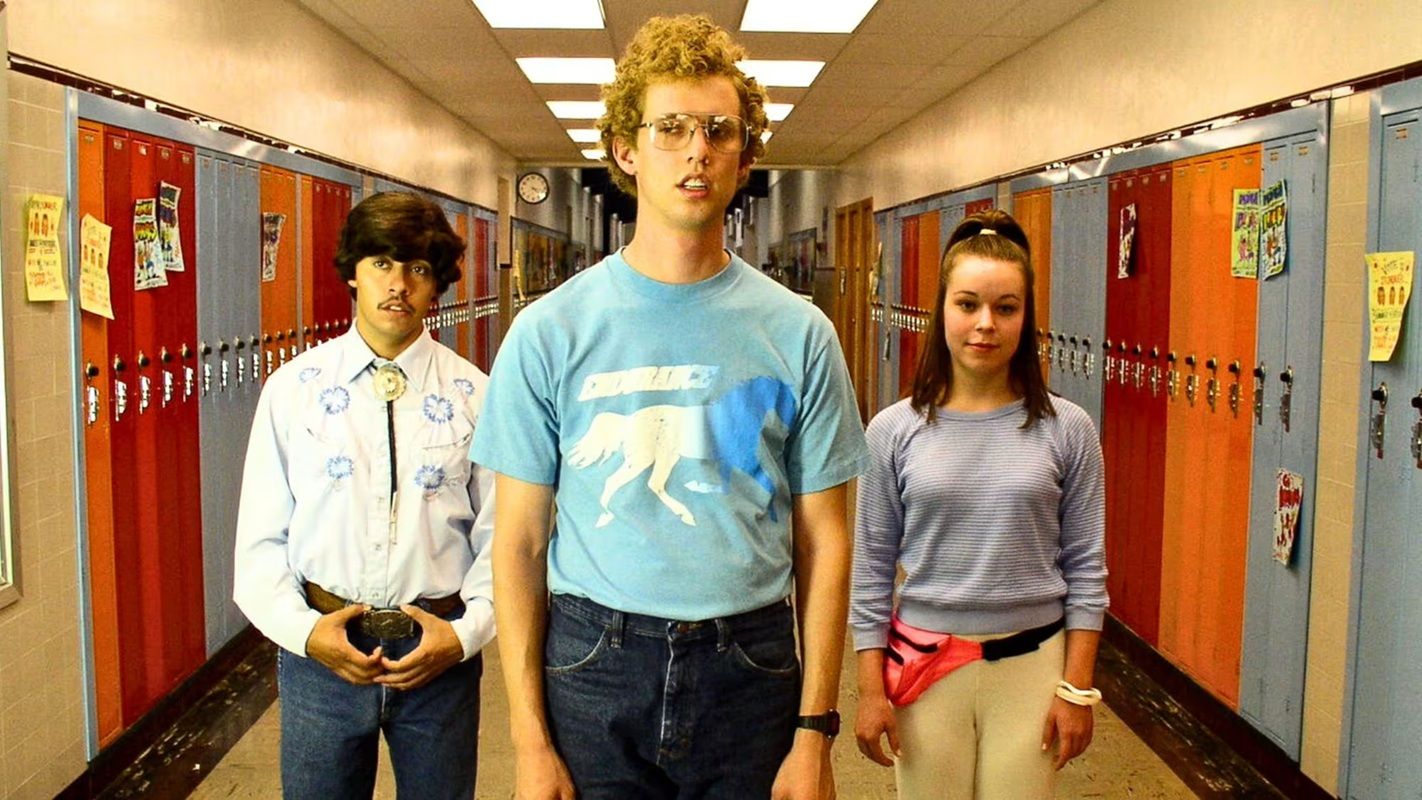
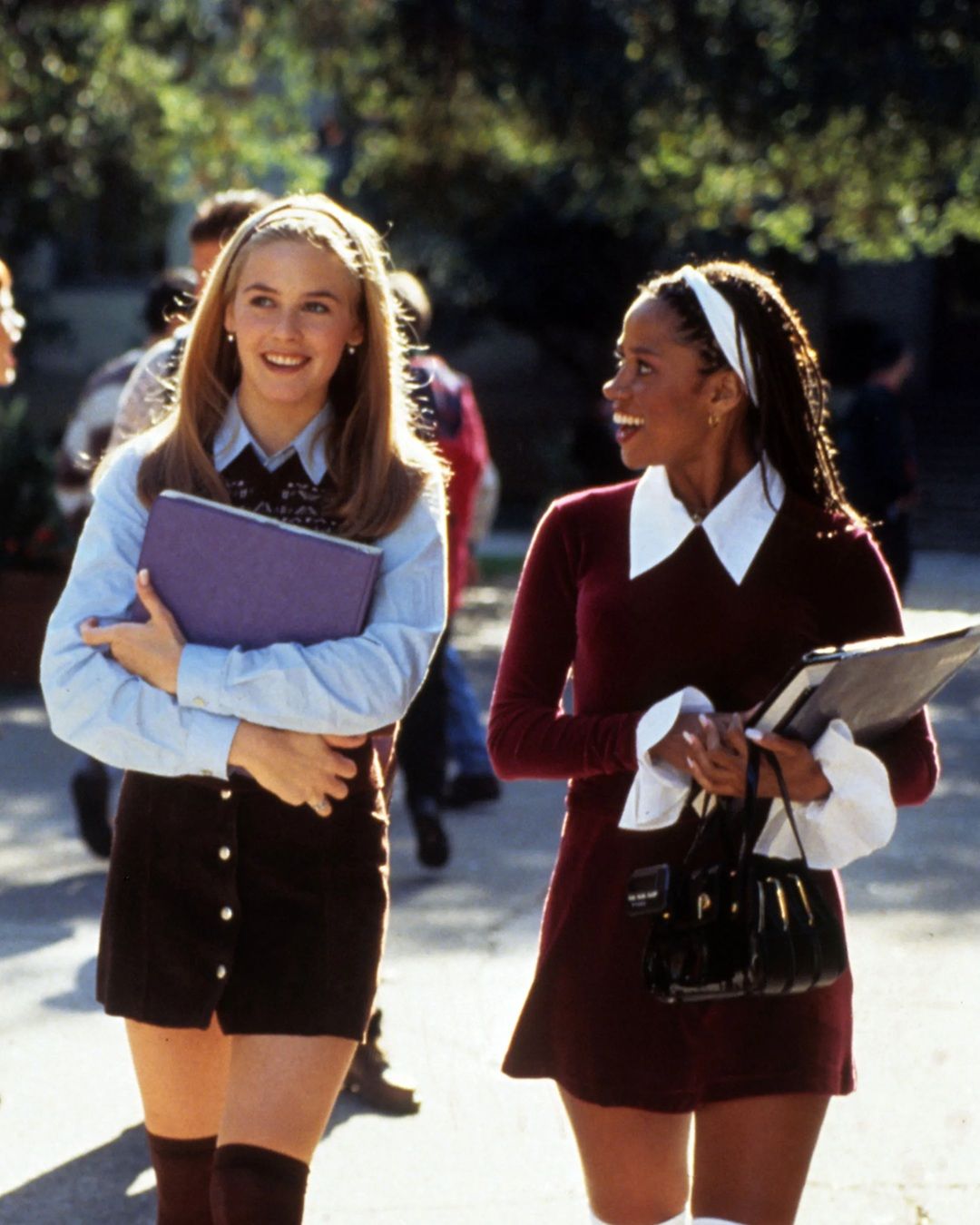
"This map will be your guide to North Shore," Janis Ian tells new student Cady Heron, handing her a hand-drawn cheat sheet that explains the wonders of high school groups in the ever-favorite Mean Girls. “You got your freshmen, ROTC Guys, preps, JV jocks, Asian nerds, cool Asians, varsity jocks, unfriendly Black hotties, girls who eat their feelings, girls who don't eat anything, desperate wannabes, burnouts, sexually active band geeks, the greatest people you will ever meet, and the worst.” One glance at the movie’s hallway hierarchy and it’s clear: each tribe has its own modus operandi, but most importantly, each has its own signature uniform. Even when it’s not officially enforced (looking at you, Plastics), style seems to be the ultimate signifier. Which begs the question: are high school fashion tribes fiction or real?
Tribes exist, even if no one gives them a name
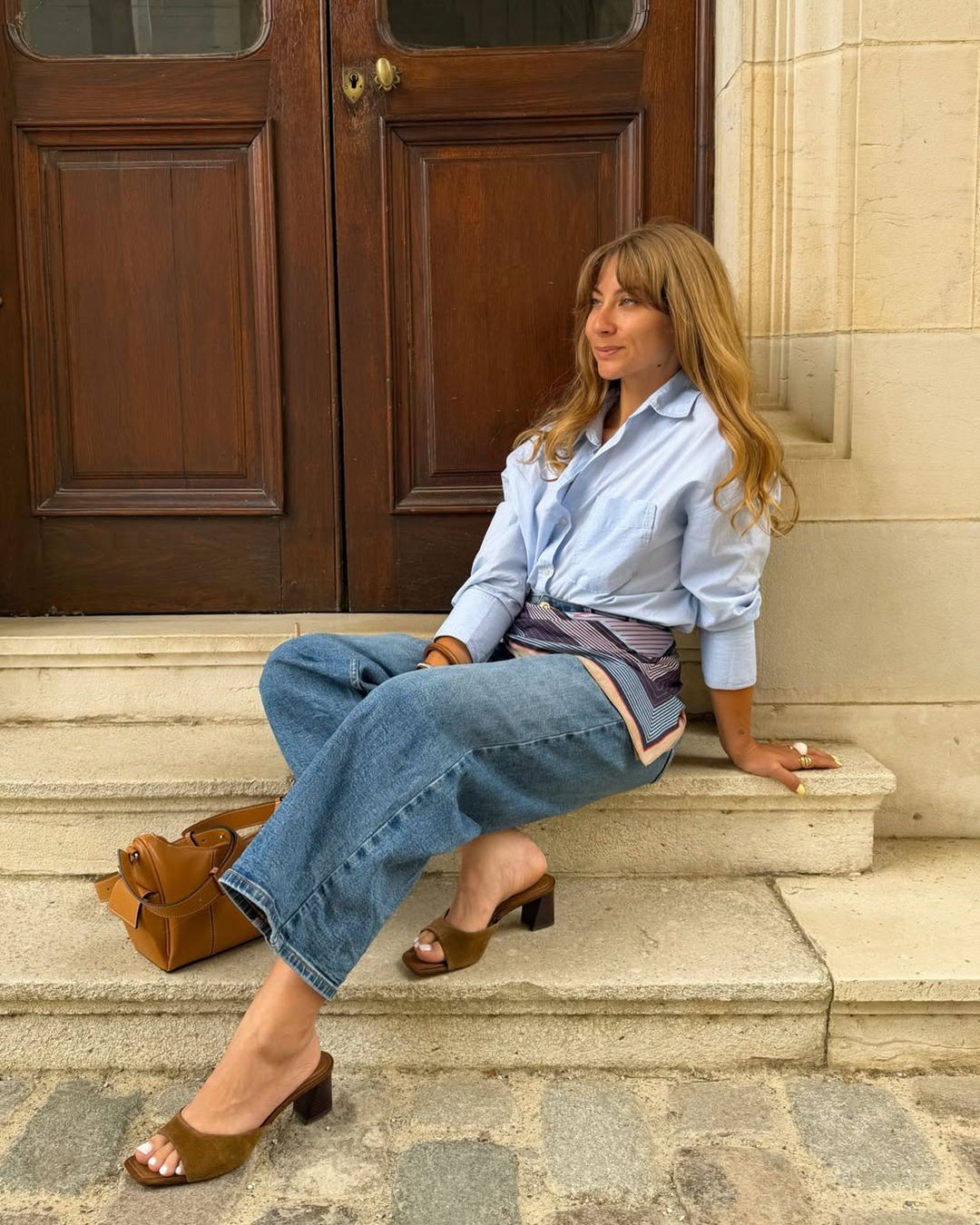
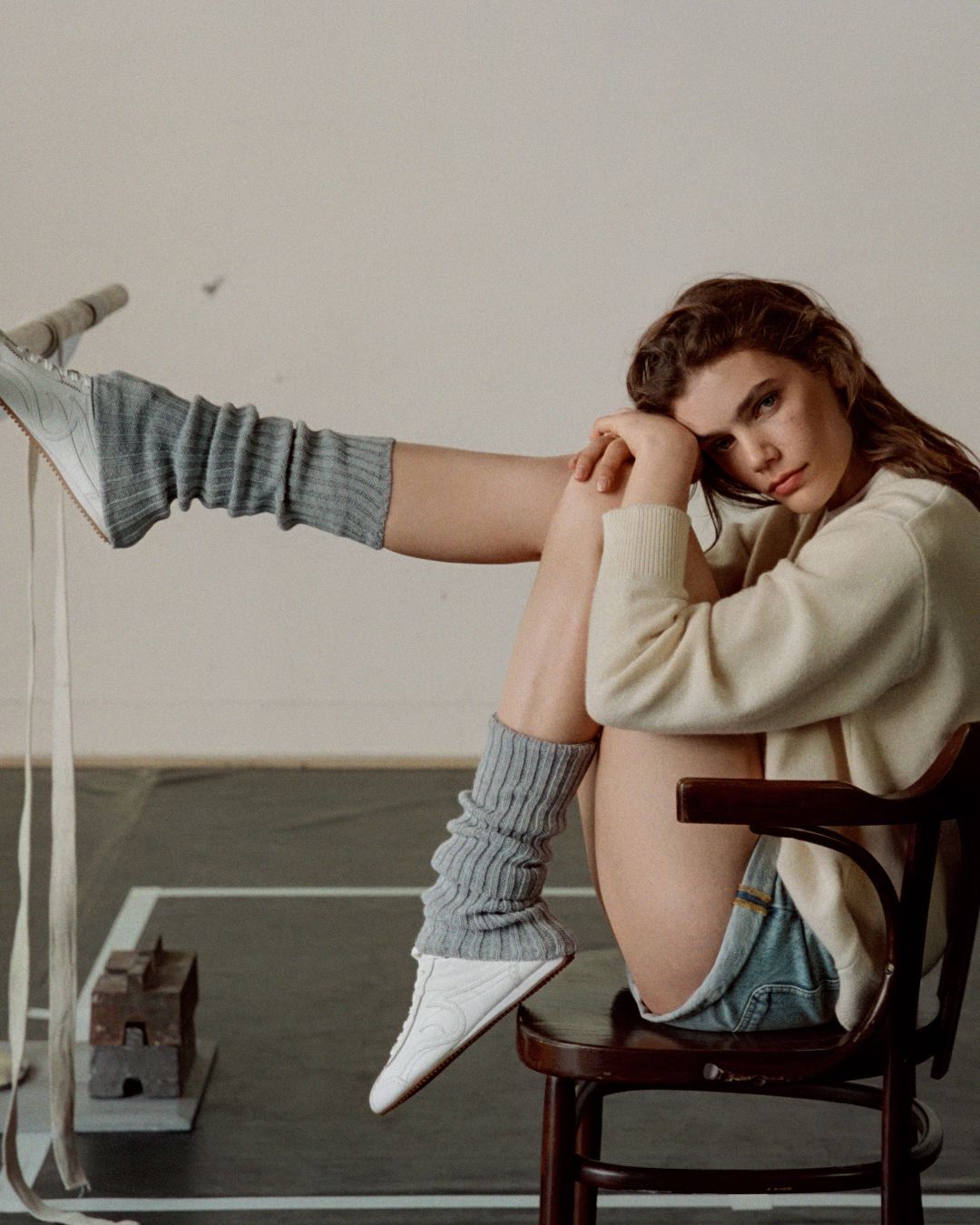
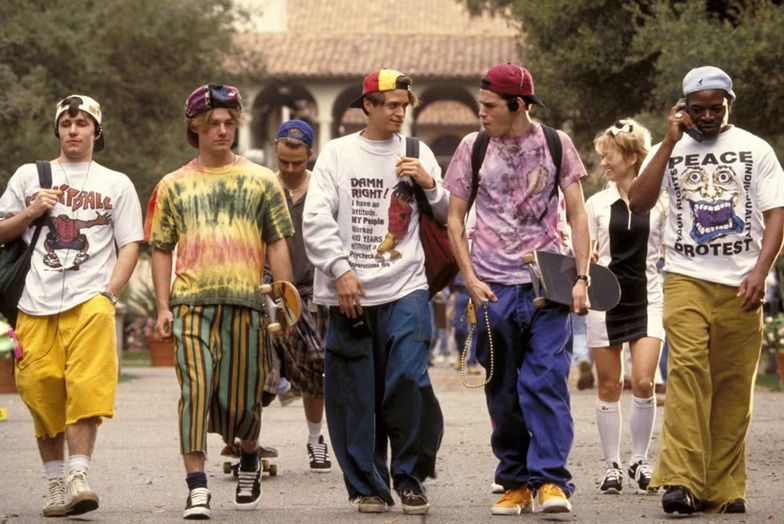
Amelia, a high schooler based in South Africa, notices some tribes at her own school: there are the avid trend followers, sporty kids, minimalistic dressers, and the more free-spirit ones. ‘‘Even if no one names them, you can clearly see different styles,’’ the student declared. On that same note, psychologist and millennial Stephanie Steele-Wren fondly remembers her own youth and how everyone dressed as if they belonged somewhere specific. ‘‘Skaters had their baggy sweatshirts and worn-out-looking skate shoes, preppy types buttoned up their polo shirts their moms probably ironed every morning for them, band members carried instrument cases and jackets covered in patches that told stories,’’ Steele-Wren recalls with a hint of nostalgia. While they never discussed their fashion choices, the professional now recognizes they were more than just choices; they were also attempts to fit in.
Fashion and belonging in adolescence
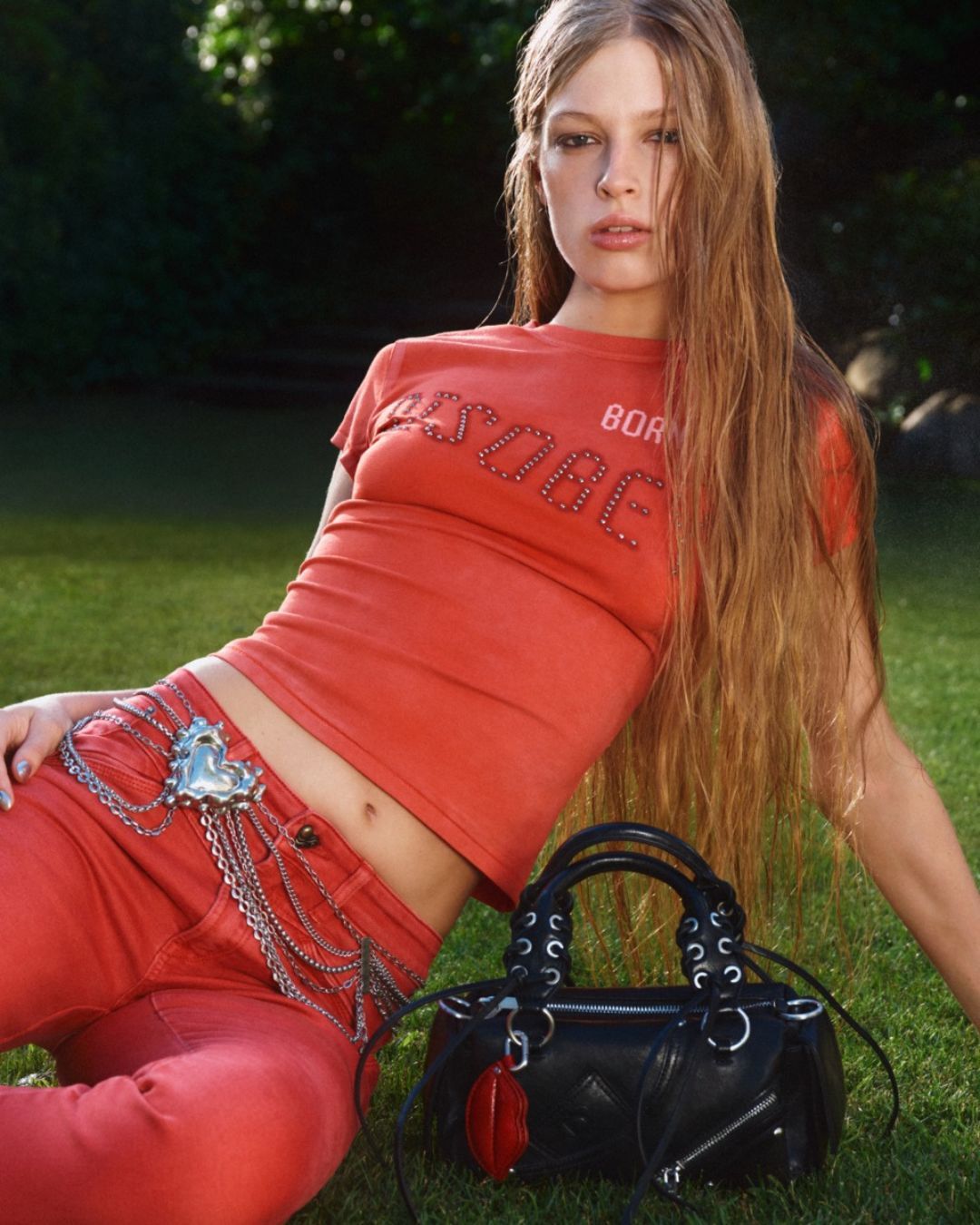
According to Fiona Yassin, a family psychotherapist and the founder and clinical director of The Wave Clinic, belonging plays a key role in teenage fashion. “Suddenly everyone in a friendship group may be wearing a particular bracelet brand, and owning that bracelet becomes a visible signal of coolness,’’ she exemplifies. As The Wave Clinic’s founder explains, between the ages of eleven and fourteen, peer influence takes the place of parental influence. As a result, preteens and teens reject family control over their appearance, attempting to use fashion as a means to assert independence, sure, but most importantly, belonging.
Gender differences and aesthetic pressure
Despite the desire to belong being part of every young person and perhaps ultimately every human being, the psychotherapist believes there are differences on how girls, boys, and non-binary teenagers engage with clothing as a tool for social belonging. ‘‘Girls often face heightened vulnerability to appearance-based perfectionism and the pressures of social comparison,’’ Yassin states, making us remember of Rizzo looking Sandy up and down and deeming her ‘‘too pure to be pink’’ in Grease; Cher’s computerized outfit selection and mastering of the aesthetics of popularity in Clueless; and the Plastics meticulous weekly fashion routine in Mean Girls. Boys, on the other hand, use clothing differently. ‘‘Groups associated with certain brands or styles may express social power or belonging through more direct forms of aggression, rather than relational or exclusionary behaviours.’’ As for gender-fluid and non-binary teens, Yassin clarifies that their dynamics are different. ‘‘The same pressures around social acceptance, identity and peer comparison still exist, [if not more] but the way they express themselves through style may be more fluid, or resistant to traditional gender norms,” the professional states.
The pressure to conform never goes away
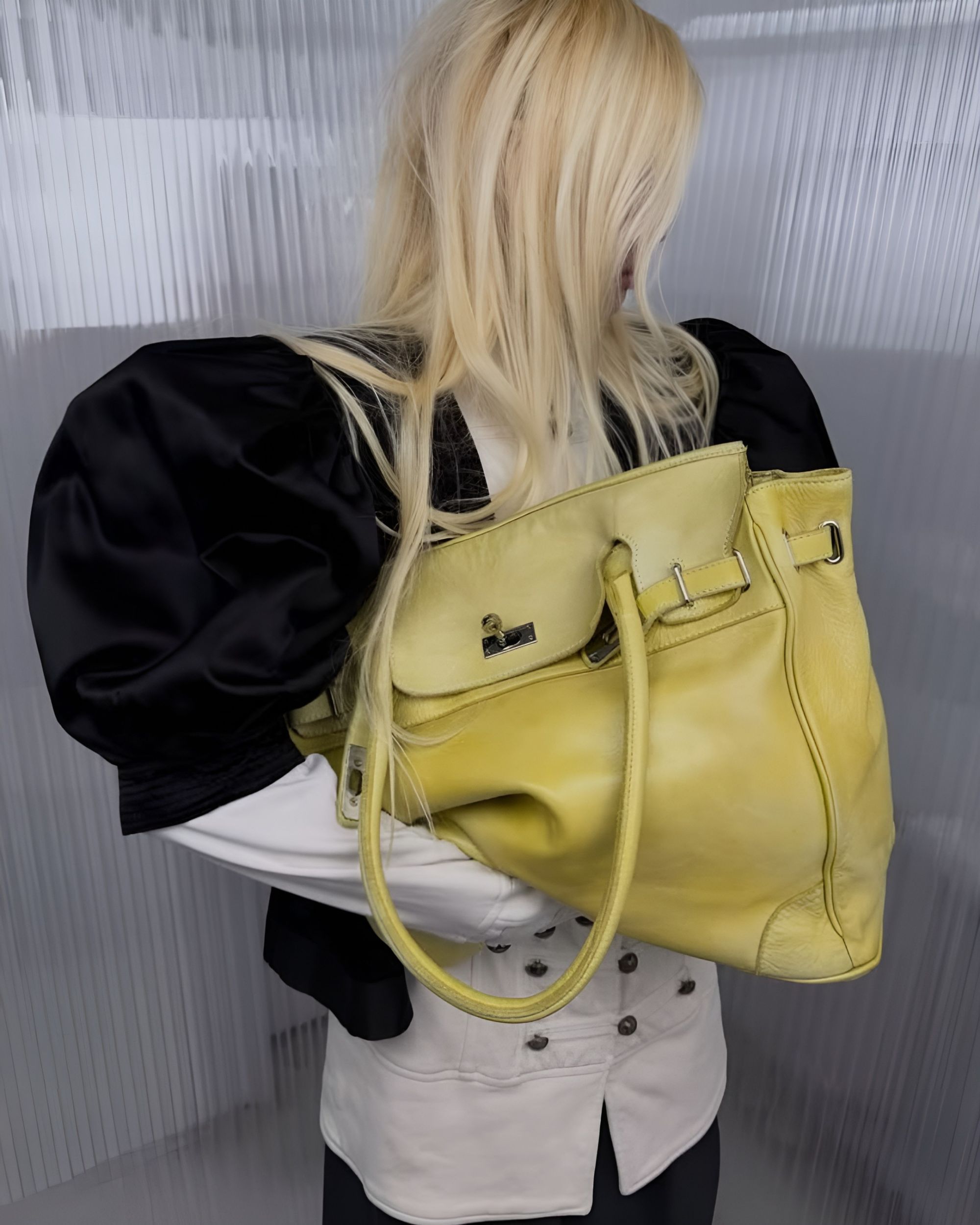
Although the current fashion landscape is constantly evolving with new styles of dressing, being, consuming, and engaging with clothing and trends, some things never go away. Notably, the pressure to conform. Student Amelia relates to this, confessing that she thinks about how she will look and what people might think about her. "A person’s outfit can describe their character," the student declares. ‘‘Fashion can send powerful messages, whether that's about belonging, power, desirability, or danger,’’ Yassin agrees. If in the ‘90s, kids felt compelled to embrace a grunge sensibility, then Gen Z and Gen Alpha are growing up amidst an increasingly volatile fashion landscape, one in which one day, bags carrying Labubus are defined as It, only to become embarrassing the next day. How can they navigate this scenario?
Social media and digital tribes
Social media has certainly changed the way people, mainly teenagers who grew up with their own lexicon and digital frame of mind, engage with clothing. For some tribes, this constant evolution may make some groups feel stuck, creating a sense of uncertainty around what to choose when the very thing that signals belonging is destined to expire within a few scrolls. Yet, as fashion YouTuber and commentator @understitchcomma notes, social media has also democratized access to fashion, giving people the tools to express who they are and who they’re becoming with more authenticity than ever before. ‘‘There are plenty of tribes that necessitate the online space in order to exist; bronies, disney channel adults, hell even furries,’’ the fashionista declared. ‘‘Tribes 100% still exist, but the difference is now they seem to exist in an online space where it's at a loss for in-person support.’’
Between online and offline: identity is conveyed through clothing
Belonging through fashion tribes now operates on two tracks: cultivated on online platforms and embodied offline in the clothes worn through school hallways. While these realms are increasingly intertwined, clothing remains its most immediate manifestation. Ultimately, ‘‘clothes carry weight beyond cloth and threads,’’ as psychologist Stephanie Steele-Wren puts it. ‘‘Underneath it all, what we wear ties into how we feel, our sense of self, and above all, who we think we are.’’ And that is unlikely to change anytime soon.
