























The Love Story series reopens the question of ethics in the representation of reality Jack Schlossberg, nephew of John F. Kennedy Jr. & Carolyn Bessette, declared that Ryan Murphy's show is "grotesque"
Ryan Murphy is once again in the spotlight. The executive producer of Love Story: John F. Kennedy Jr. & Carolyn Bessette has been criticized by the journalist's nephew, Jack Schlossberg, who considers the depiction of his aunt and uncle in the series grotesque. This is not the first time Murphy has been accused of exploiting reality for his own purposes: in 2022, the families of Jeffrey Dahmer's victims spoke out against the creator of the anthology series Monster (developed with Ian Brennan), which recounted the atrocities committed by the Milwaukee cannibal.
Ryan Murphy in the spotlight: the precedent was the Jeffrey Dahmer series
“Just a way to make money,” some claim; profiting from the pain of people who are still alive and who must relive the trauma experienced by their relatives. In that case, Murphy stated that he and his team had tried to reach out to the victims’ relatives and friends, contrary to what some of them claimed. For example, Rita Isbell, sister of the ill-fated Errol Lindsey, specified in an Insider article that no one had attempted to contact her and that the show was made without even notifying her.
Certainly, Monster - The Story of Jeffrey Dahmer is a far more delicate case compared to the Love Story created by Connor Hines and available on Disney+. This series entered a genre such as true crime, which, through serials and podcasts, has carved out a prominent place in the daily content consumption of users and viewers, who seem almost comforted by the morbid fascination with which some criminal events are recounted, and which continue to be produced precisely because they consistently receive strong audience engagement.
Where is the line between storytelling and fiction, ethics and reinterpretation?
The question, then, is where the line lies between storytelling and fiction, ethics and reinterpretation. In cases involving real events and victims, the matter is even more delicate. Often, the intention is simply to reach as many people as possible, not to extract from reality to use it as a mirror to confront one’s own nightmares or demons. Yet sometimes this goal is achieved, taking what happened and transforming it to elevate it beyond the mere brutality of human actions.
Recently, this happened with La gioia, the film by Nicolangelo Gelormini about Gloria Rosboch, whose protagonist even has her name changed while explicitly referencing the teacher’s death at the hands of a former student. The deception by the young man, who made the woman believe she was loved, becomes the terrain for the director to explore themes of loneliness, the desire not to be alone, and the extent to which emptiness—painful for the protagonist played by Valeria Golino and destructive for her perpetrator, Saul Nanni—can affect human lives.
Jack Schlossberg against Love Story
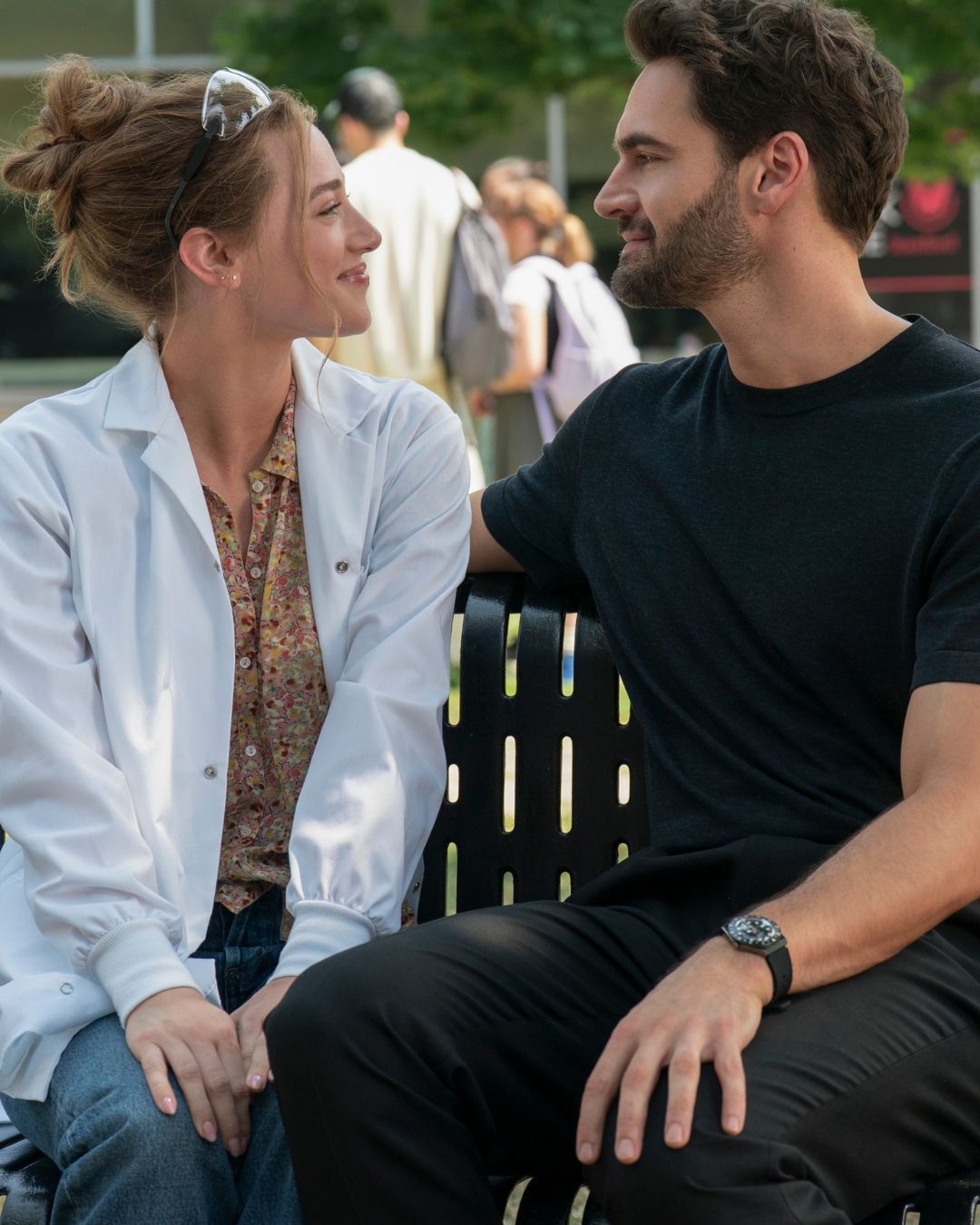
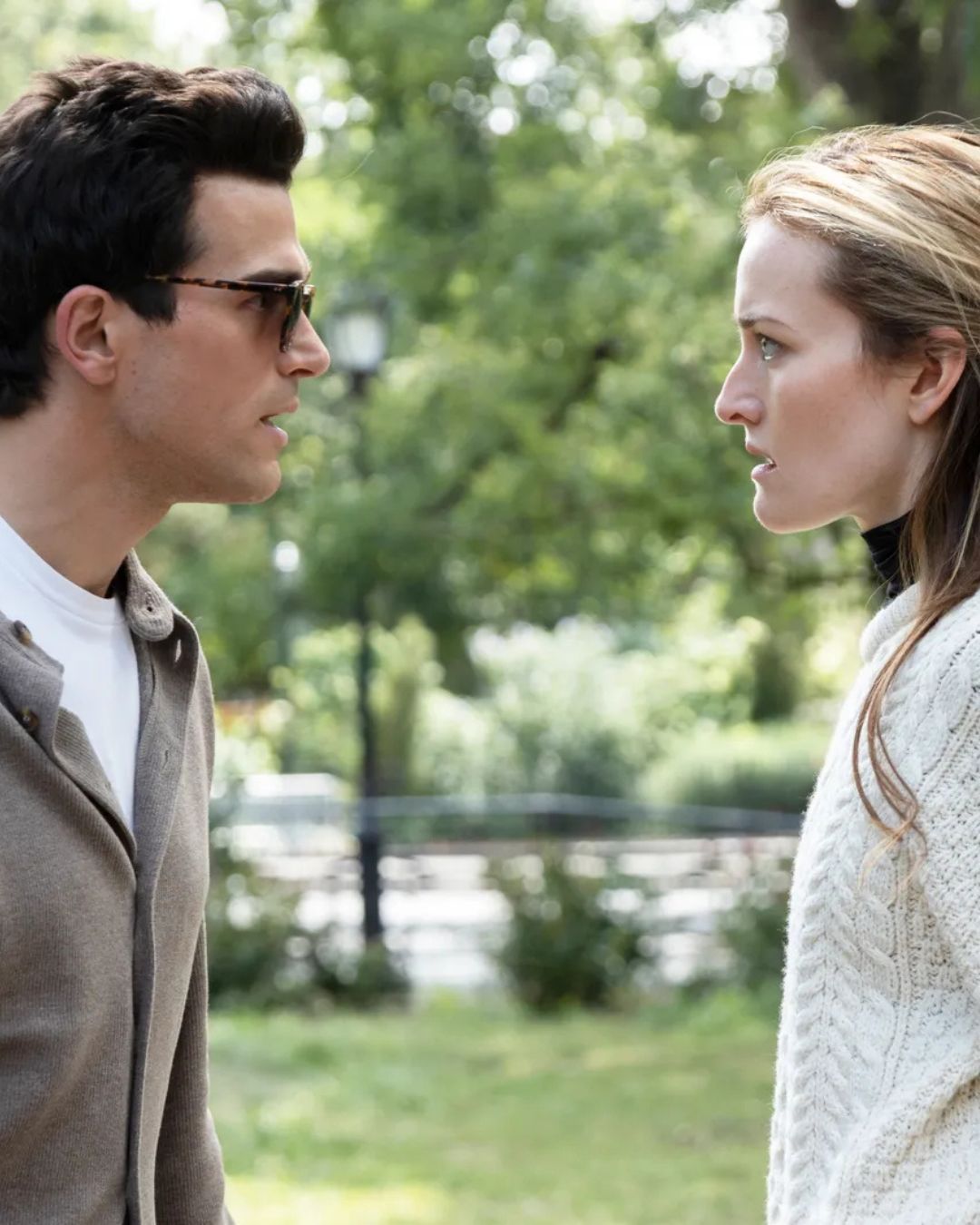
Obviously, with Schlossberg, Love Story, and his statements, we are in a completely different space. And although the words of the politician and journalist may seem understandable and reasonable, it must also be considered that public figures have always been subject to narratives that diverge from reality. In the case of the Disney+ show, the reinterpretation of John F. Kennedy Jr. & Carolyn Bessette’s story does not appear to disrespect the real people. There is a clear fictional element in the episodes, whose aim is to recount a relationship that may have had its highs and lows, but in which the desire of two people to be together remains central, despite facing the external world, especially gossip and the press.
Jack Schlossberg slams ‘LOVE STORY’ and Ryan Murphy:
— Film Updates (@FilmUpdates) March 2, 2026
“If you want to know someone who’s never met anyone in my family, knows nothing about us, talk to Ryan Murphy. The guy knows nothing about what he’s talking about, and he’s making a ton of money on a grotesque display of… pic.twitter.com/SQjZJQPedU
So, who is right? The power of controversy
There is, therefore, no reality being ridiculed, as seen by Jack Schlossberg, who continued by claiming that the executive producer only wants to make money and should invest his earnings in charitable works for JFK Junior or, alternatively, to stop Donald Trump. A show may not be entirely true to life, but for that there are documentaries, newspapers, and history books. Or courts, as happened in 2017 with Ryan Murphy (and FX) after being sued by Olivia de Havilland, the star of Gone with the Wind played by Catherine Zeta-Jones in the first season of another anthology series, Feud. The actress accused the creator of portraying her in a defamatory way that allegedly compromised eighty years of reputation in show business. The court, however, dismissed the charges, finding nothing intentionally offensive in the script or in the depiction of de Havilland on screen. Has Ryan Murphy simply become an easy target for controversy? Or perhaps the truth is that the Glee creator, at the center of the debate, has grown to enjoy it.