




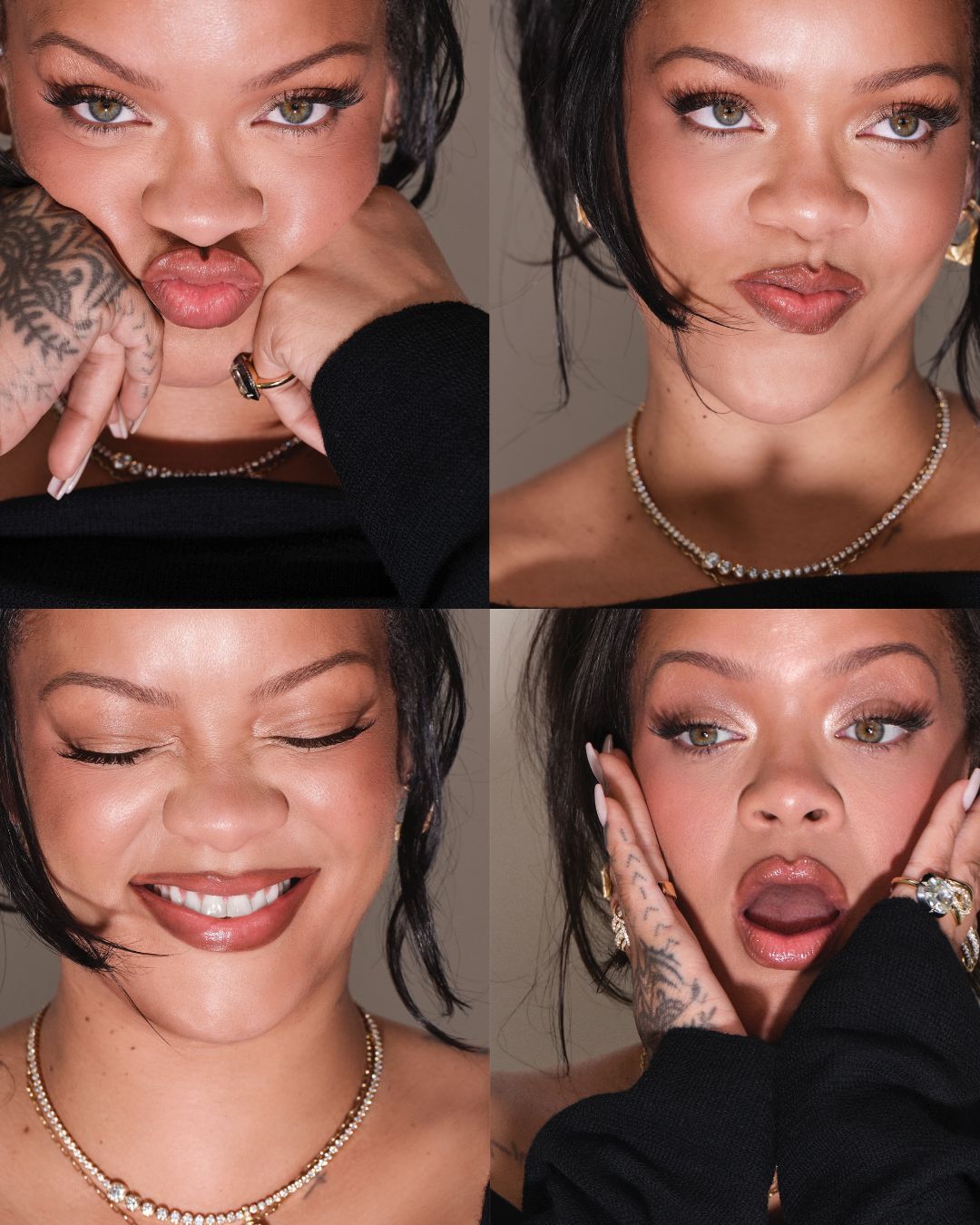


"My goal is to never limit myself" Interview with Milanese make-up artist Luciano Chiarello
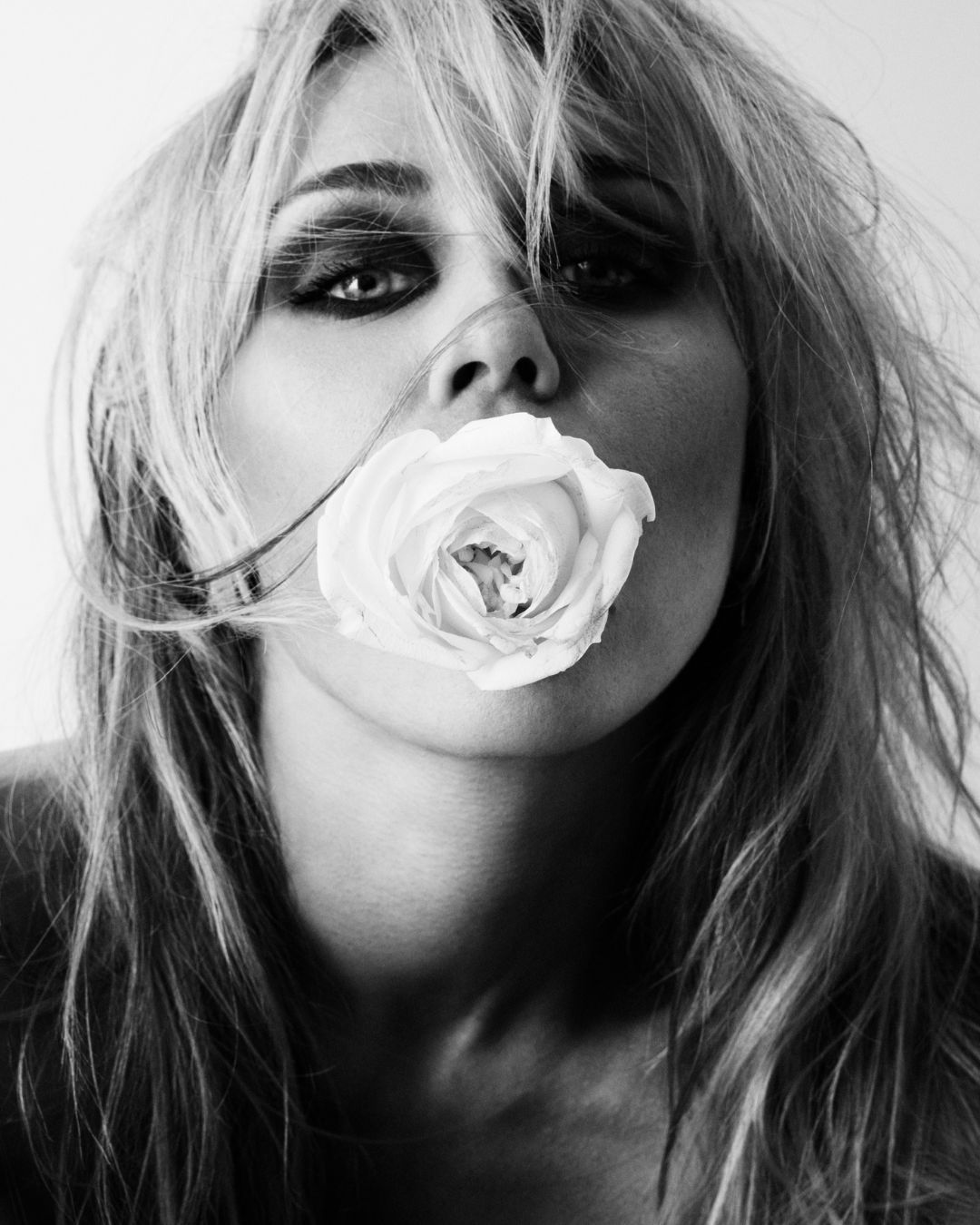
"I’m Luciano, born in Milan in 1985. I’ve always had an artistic streak: as a child I would spend my time creating objects out of nothing using cardboard, inventing shows, studying characters and taking care of every detail, from costumes to makeup. After attending art school, I felt the need to explore this fascination with transformation. I didn’t know much about makeup in a technical sense, but I decided to dive in and enrolled at BCM in Milan. It was love at first sight: there I discovered a wonderful world and began to play with it. What started as an experiment is now my job: I’m a professional make-up artist and I split my time daily between photo shoots, fashion show backstage, and celebrities across Milan, Paris, and London.” This is the magical introduction to our new episode of Under the Beauty Radar, dedicated to Luciano Chiarello, a make-up artist without limits. Let’s give him the floor and let his own words tell the story of his practice, inspirations, art, and work. Enjoy the read!
Interview with Luciano Chiarello, Milan-based make-up artist
Describe your style in 3 words
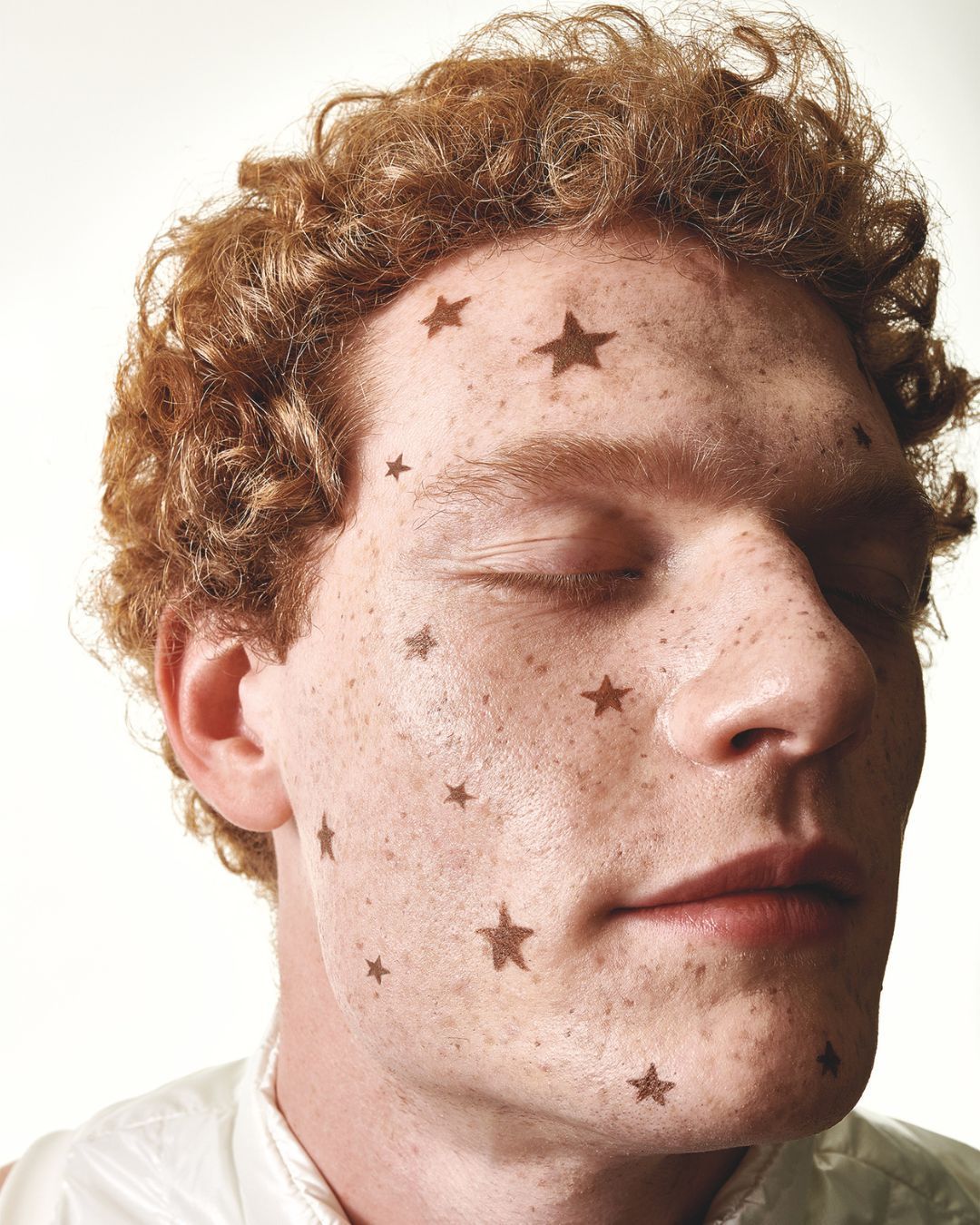
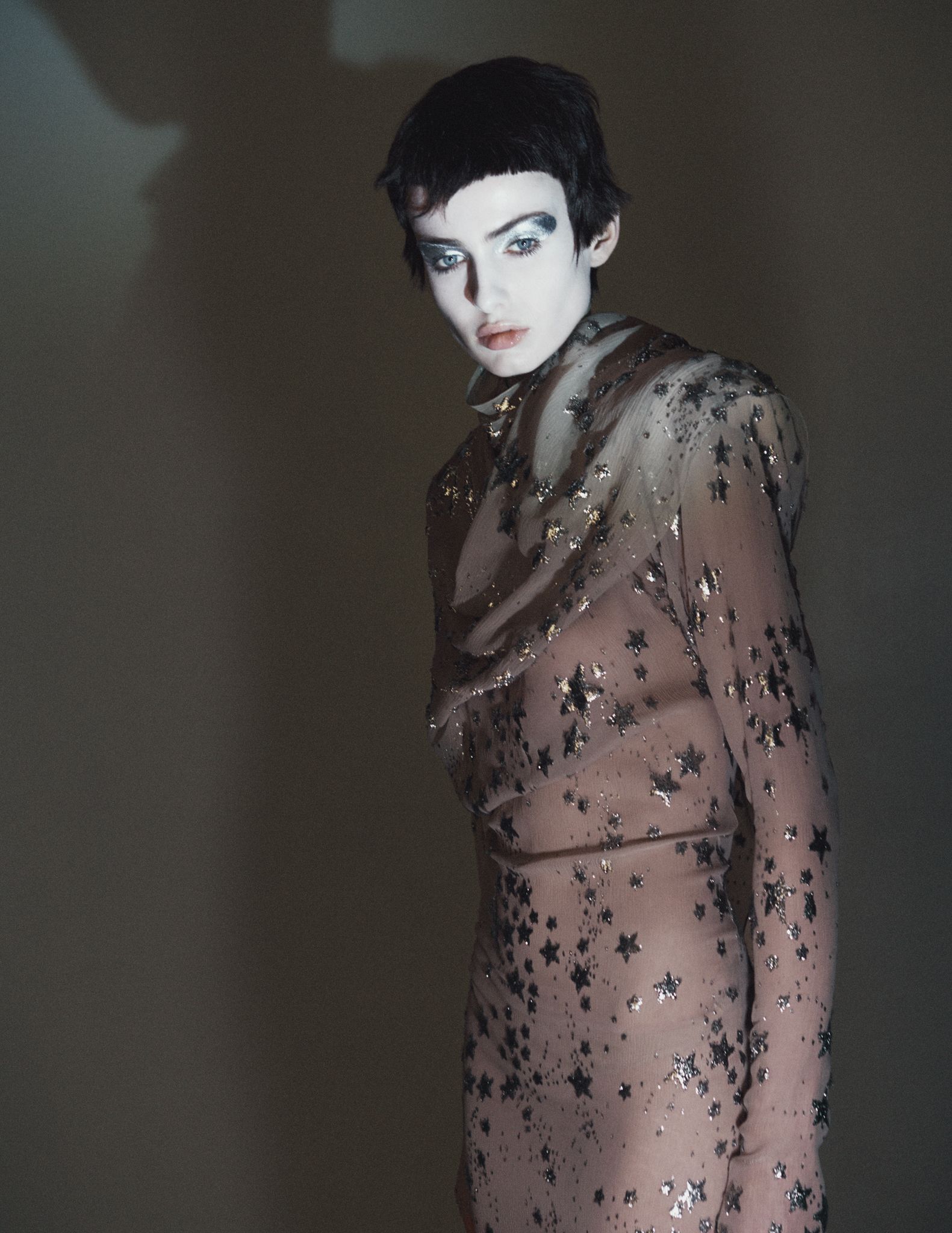
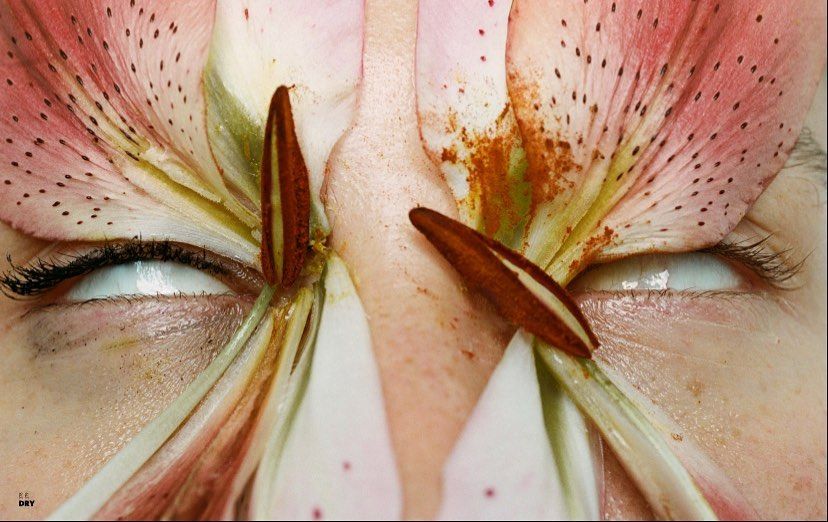
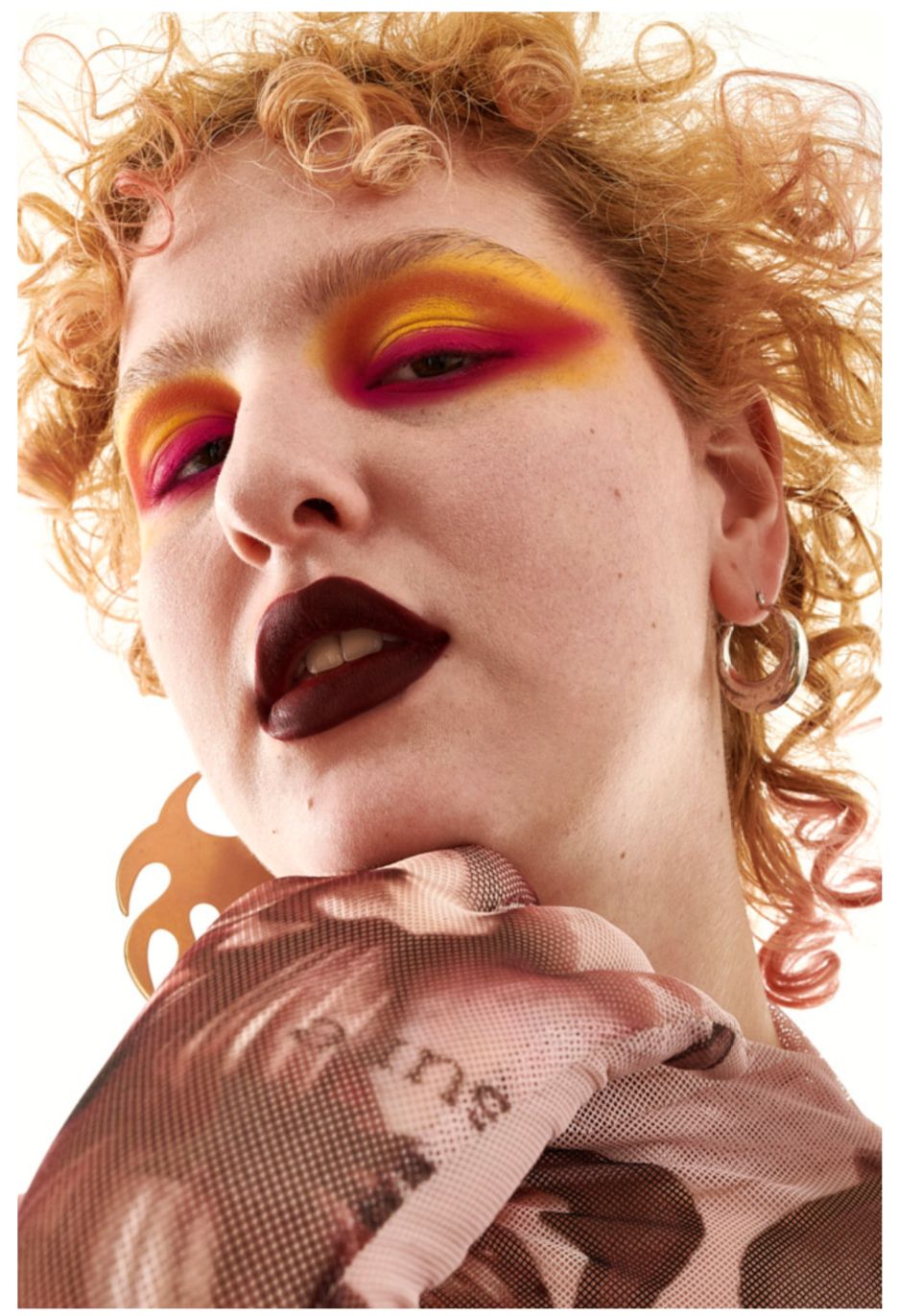
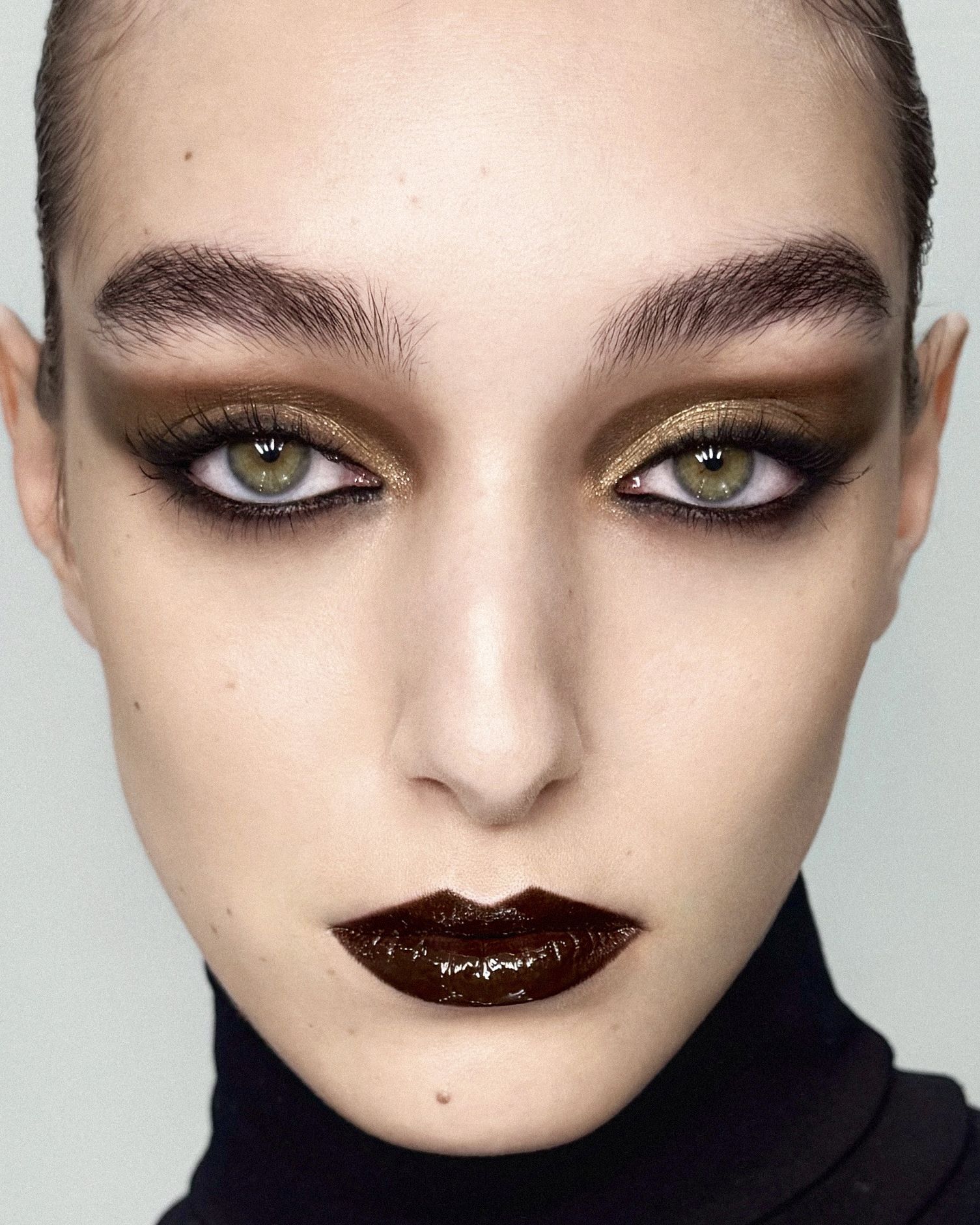
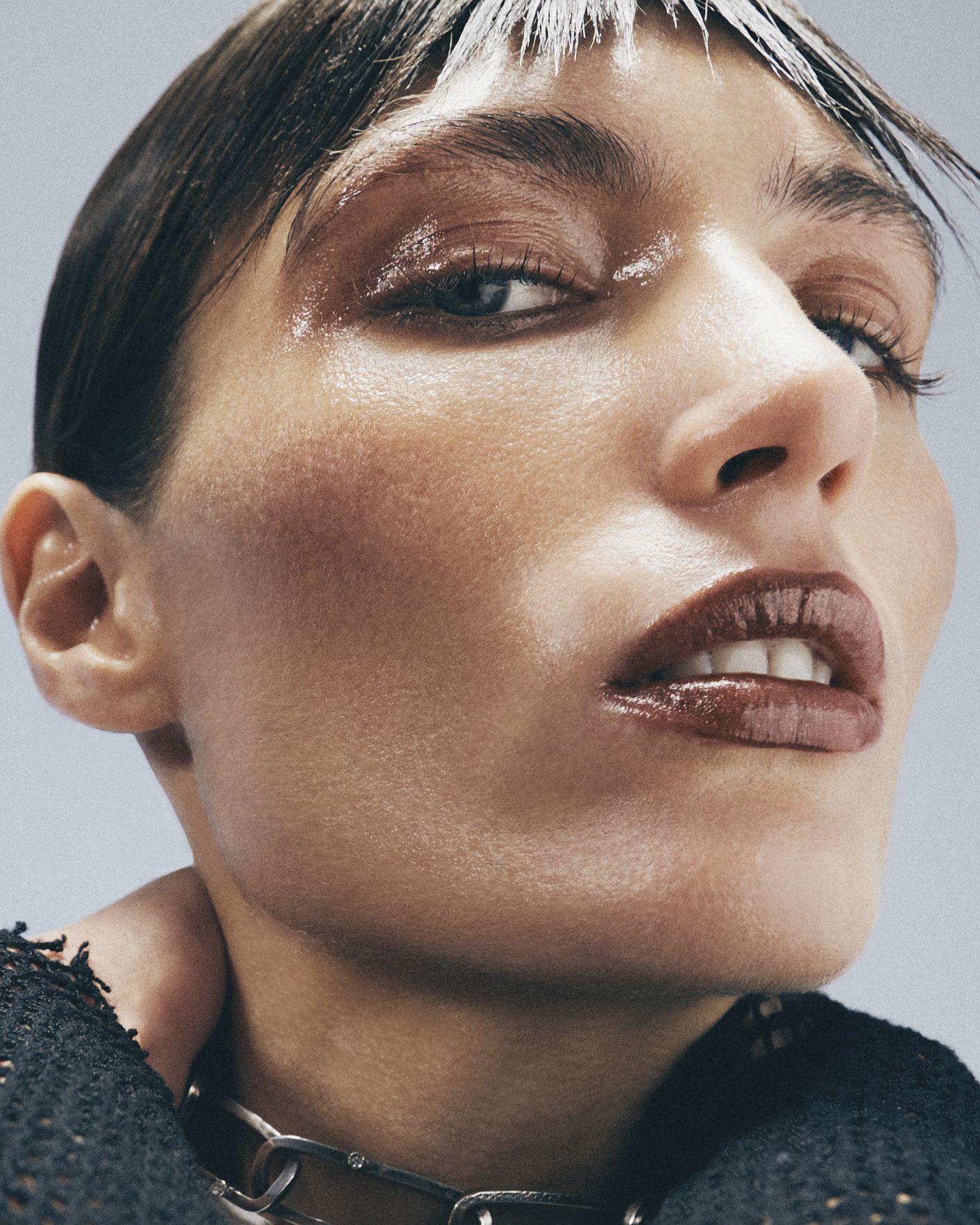
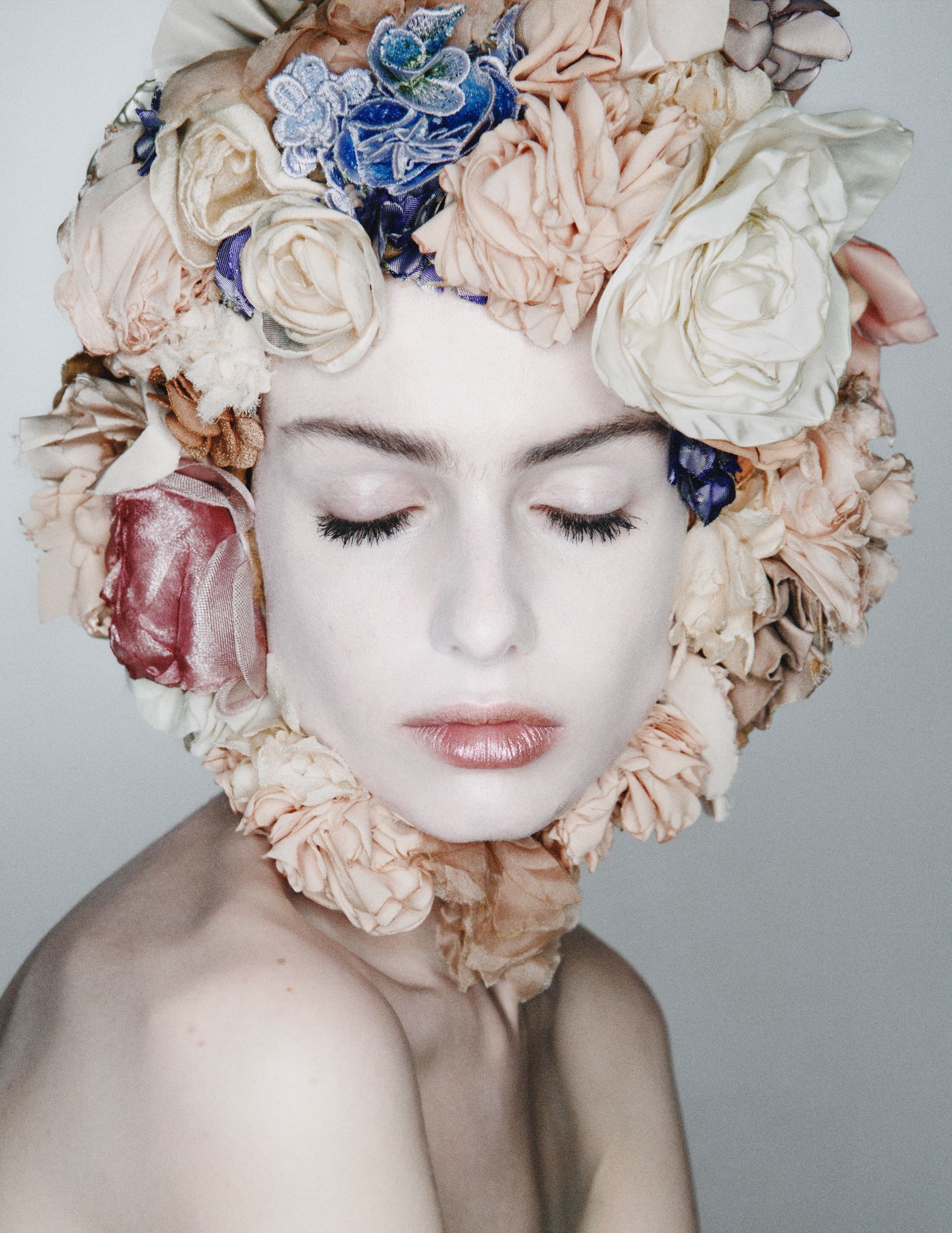
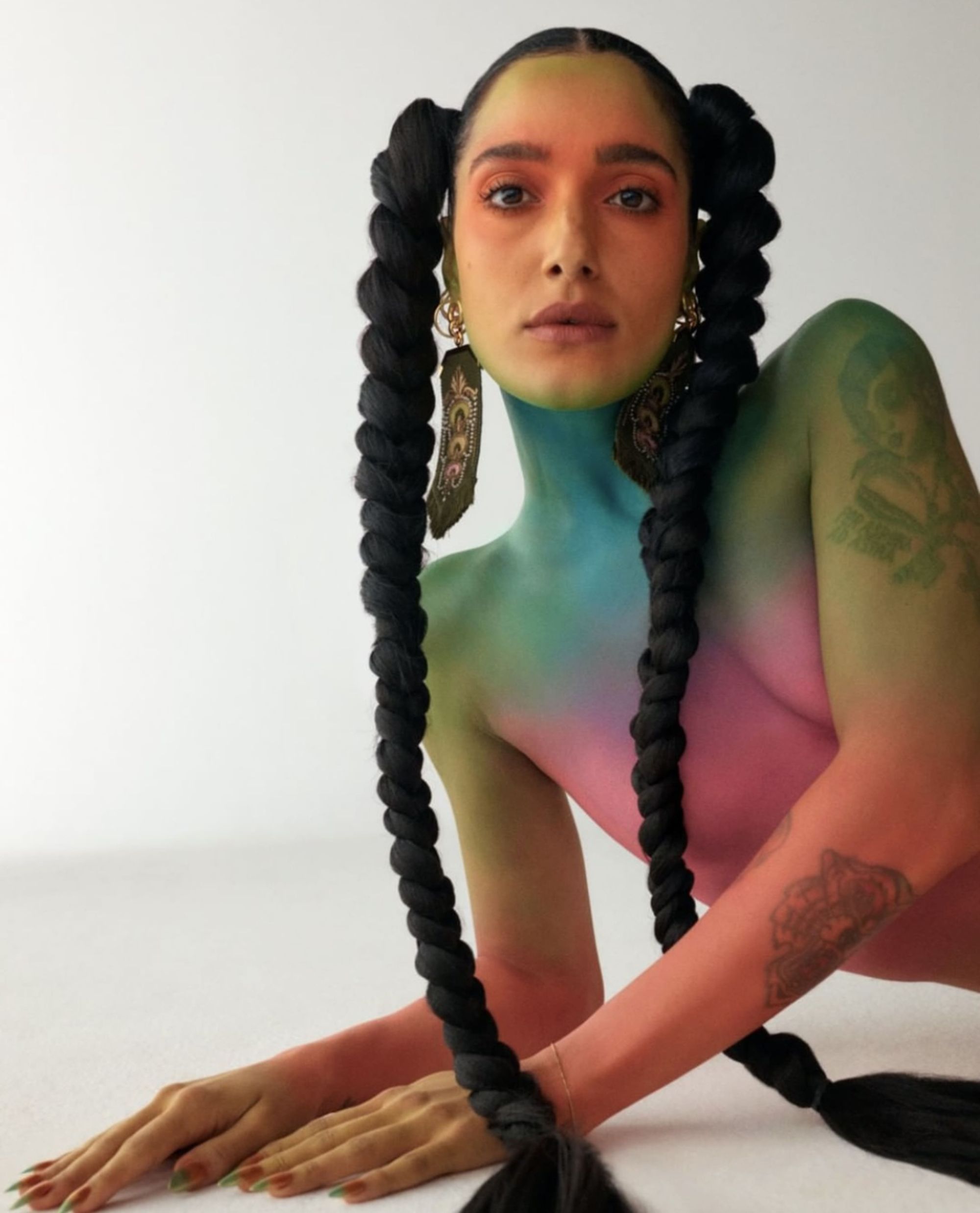
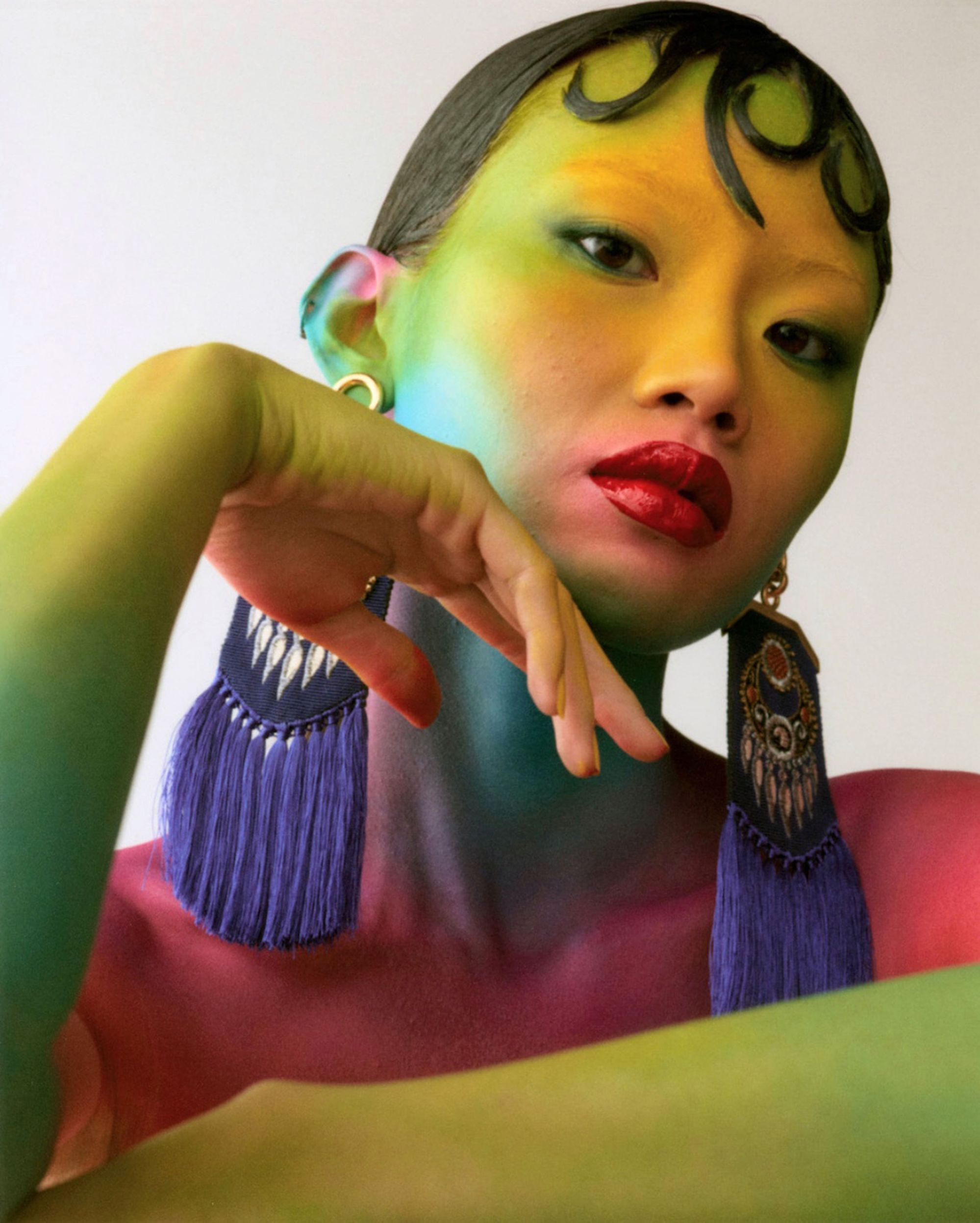
Talking about myself always makes me a bit uncomfortable, but over time I’ve learned that it’s important to value your talent and your vision! If I had to sum up my approach to makeup in three words, I’d choose: thoughtful, colorful, creative. Thoughtful because I always try to carefully study the facial structure I’m working on, the colors, and what I want to express with my makeup. Colorful because I then let creativity take over, and color is often the path I follow. It can be a single shade or multiple colors combined or blended to create new ones. Creative because what I love about my style is that I never know exactly where it will end up. I often start with an idea, but if something around me catches my attention - a beam of light or a reflection on my model’s face - I change direction, and what I had in mind transforms into something completely different.
Can you tell us about your professional journey?
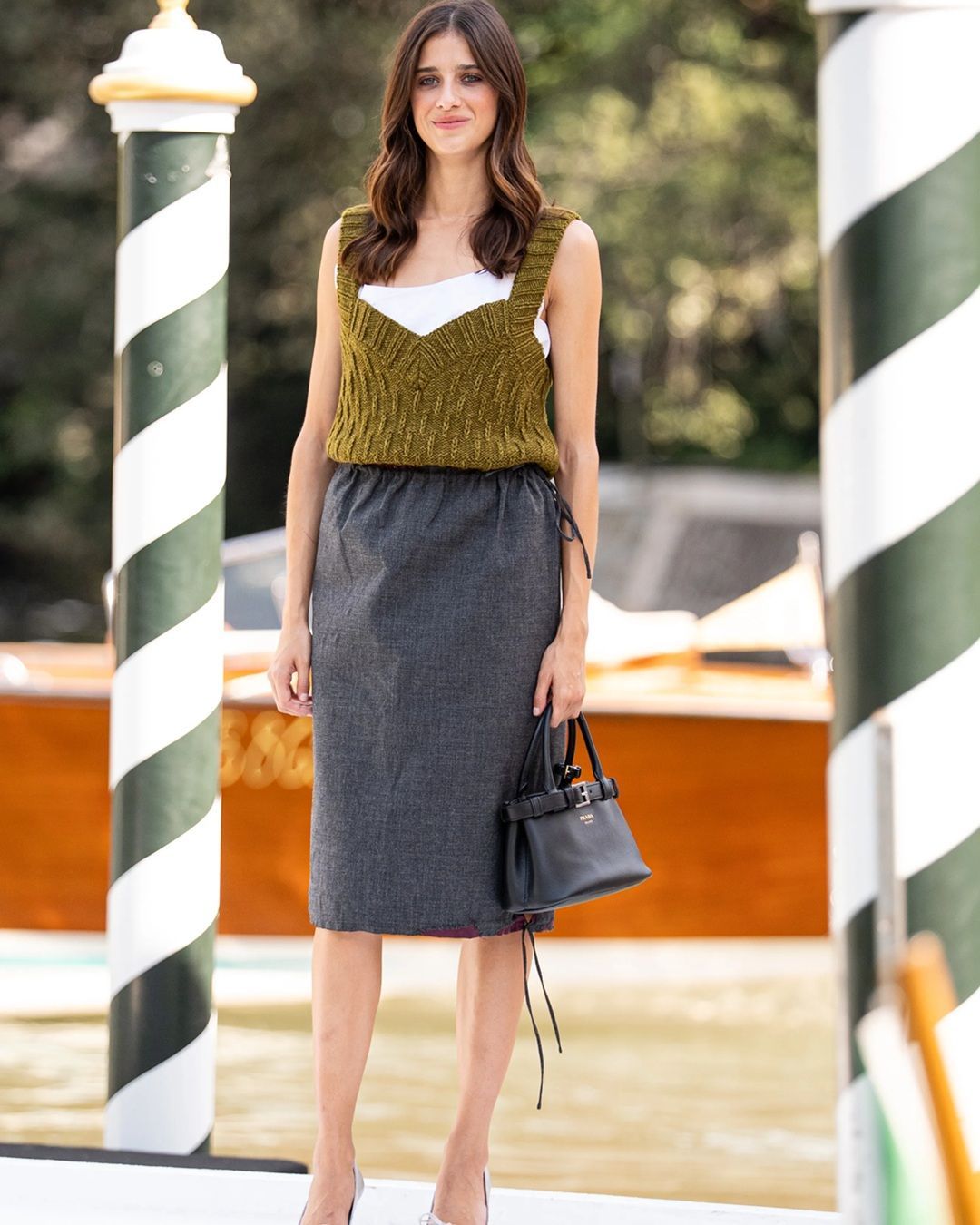
My “baptism of fire” happened on the set of a commercial with a famous footballer while I was still in school. From there, the make-up artist I was assisting introduced me to the industry. I worked my way up across commercial sets, music videos, and theater. Then came the Venice Film Festival: for three years I worked on international stars, learning the rules (and secrets) of the industry and the celebrity world. The real turning point, however, came with fashion. Working alongside a hairstylist, I joined an agency and started assisting a make-up artist known as Topolino. I’ll always be grateful to him, it was an incredible training ground. From there, my career took off. I worked on editorials and campaigns, and assisted backstage for icons such as Charlotte Tilbury, Aaron de Mey, Peter Philips, and Lucia Pica (with her I was part of the core team for all Chanel shows, an unforgettable experience, and today we are great friends). I lived in Paris for three years, working in large teams on incredible sets, before returning to Milan a year before the lockdown. Here I met my current agency, Julian Watson. Today, in addition to shoots, I work as Key Artist for runway shows of brands like N21, Alberta Ferretti, Ermanno Scervino, Luisa Spagnoli, and Etro.
What inspires you? Is there anything unexpected in your list of references?
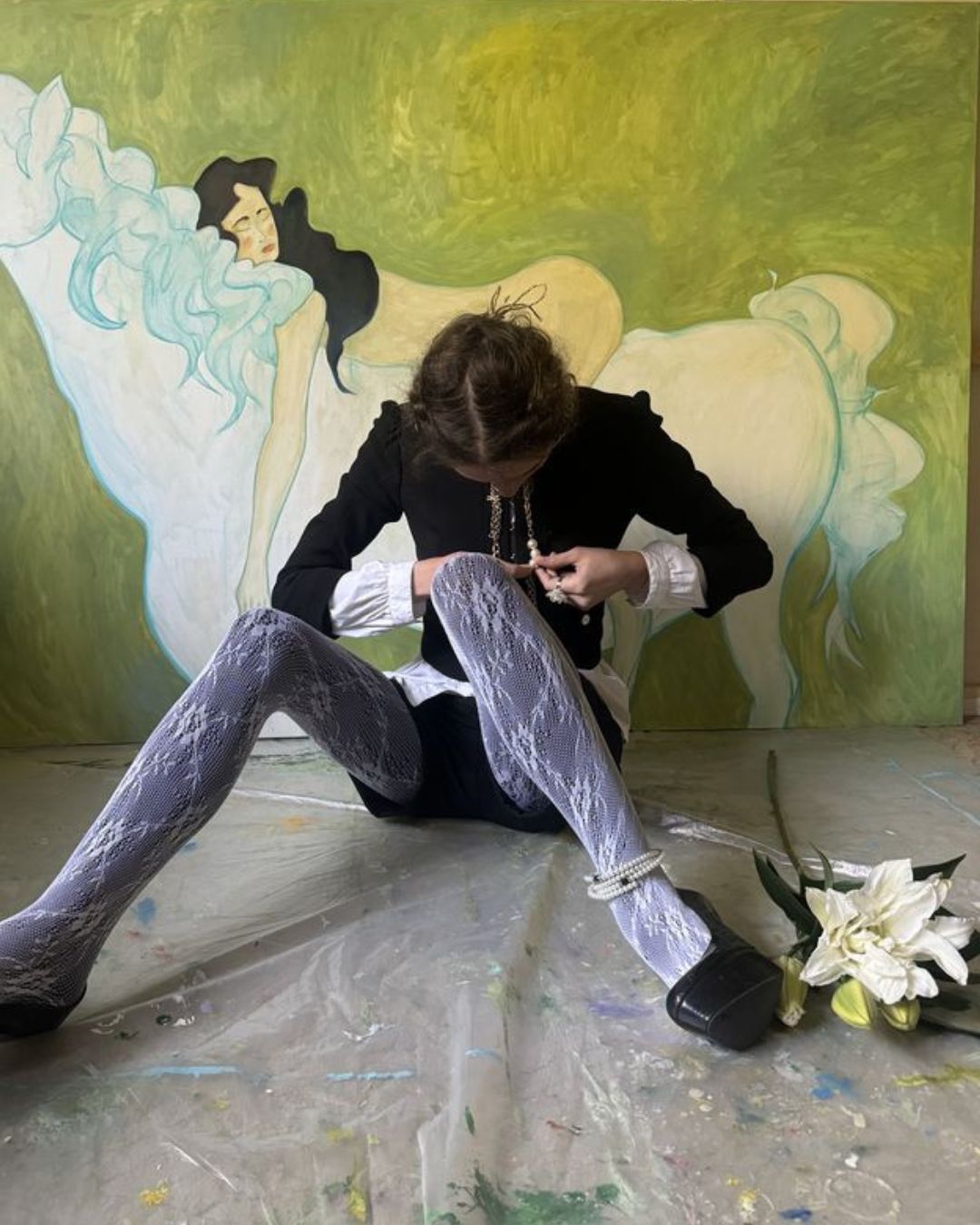
I’m an insatiable observer. Art, cinema, and theater are my foundations, but I can literally lose focus if a detail on the street catches my eye. People themselves are also a huge source of inspiration: you just need to capture a detail, make it your own, and reinterpret it. Something unexpected in my references? My moodboard is total chaos, full of contrasts. There was a period when I was obsessed with textures: among my references you could find rusty faucets, peeling walls, and industrial materials. Anything can become inspiration for a color or a texture on the face!
We’ve seen you backstage at fashion shows. How do you bring your creativity into that context, and how does it meet the designer’s vision?
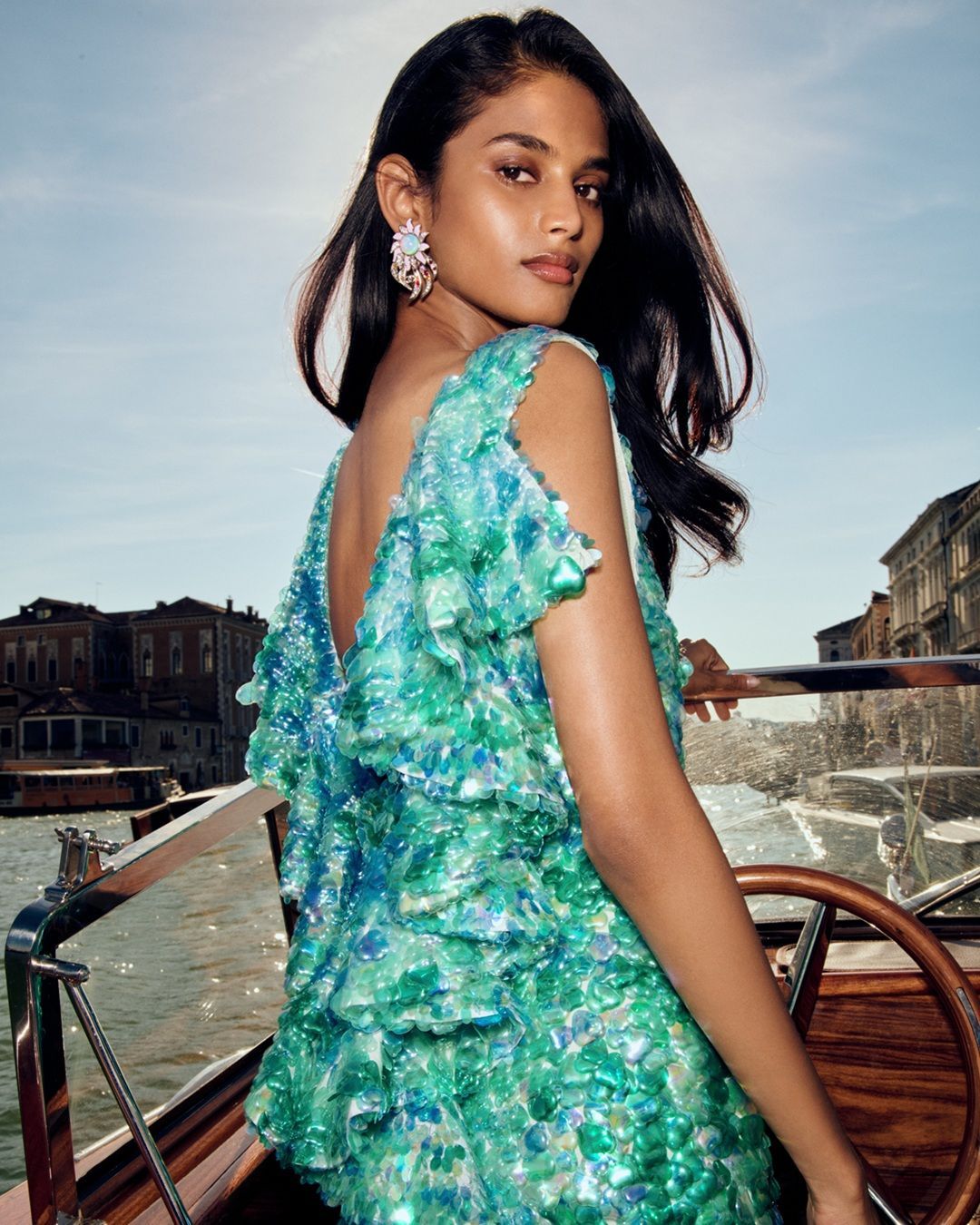
Backstage at a show is pure teamwork. The real challenge is merging your creative vision with the needs of the designer and stylist. The process always starts with listening: what’s the inspiration behind the collection? What kind of woman are we trying to portray? We analyze key colors, fabrics, but also the location, lighting, and casting. That’s when I step in. I develop a couple of looks that encapsulate the whole narrative, and then we move on to makeup tests. My goal is never to limit myself: I always try to propose a bold, creative detail that makes a difference. At the same time, you need the clarity to understand when less is more: sometimes a nude makeup and flawless skin can have the same visual impact as a highly conceptual look, and they are the key to making the collection truly work.
How does your approach change from runway backstage to more editorial makeup?
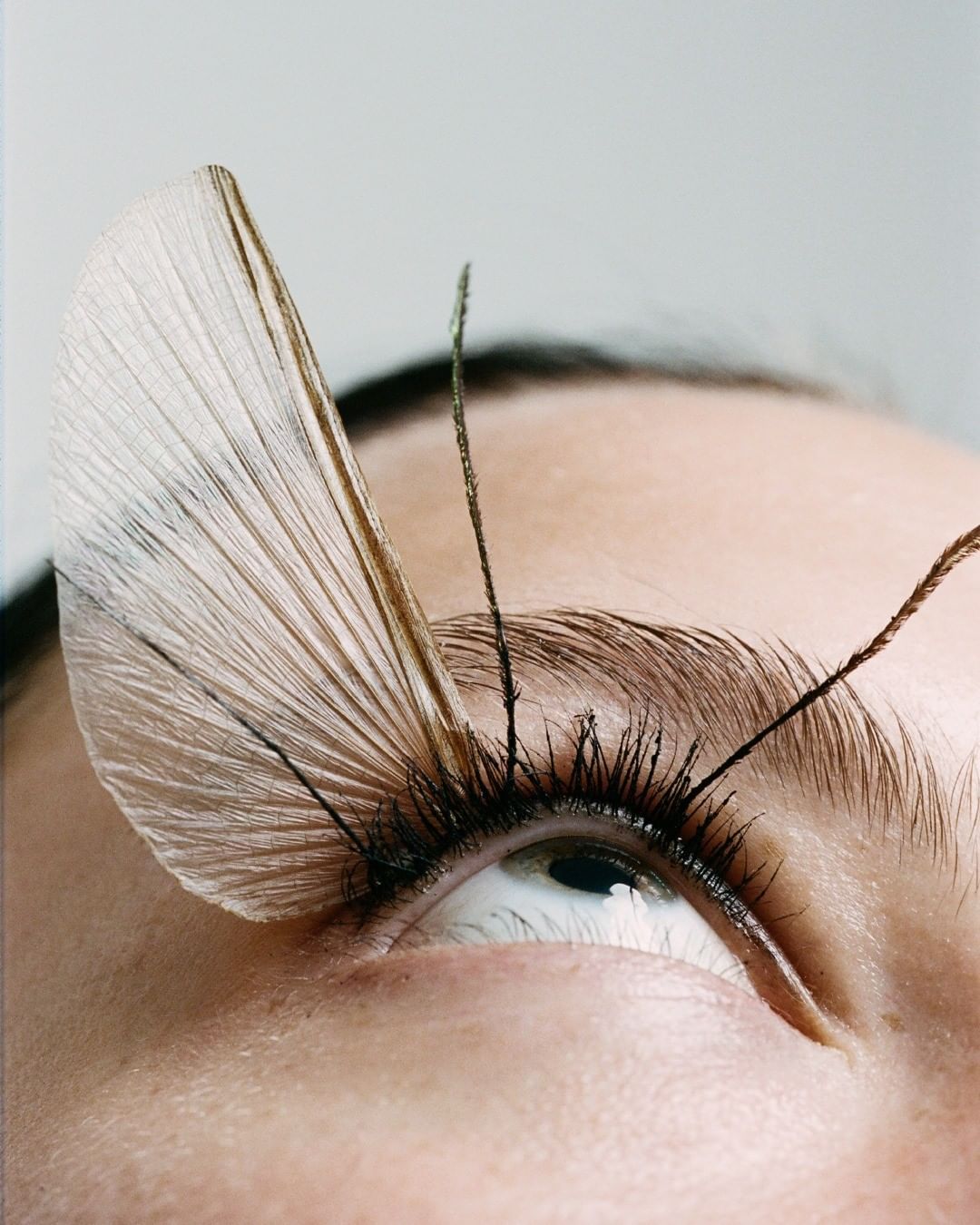
The initial approach is similar in terms of briefing and idea sharing, but the key difference is the adrenaline of the unexpected. For a fashion show, you decide the makeup days in advance and it must be replicated identically by your team across dozens of models, adapting it to every face shape and skin tone. On a photoshoot, instead, everything is live. You don’t test anything beforehand, and your creativity needs to be fast and reactive. If the theme allows it, you can create incredible things. In those cases, I always prepare a small moodboard before arriving on set and bring along unusual materials, ready to pull out something unexpected.
What is your favorite, must-have product?
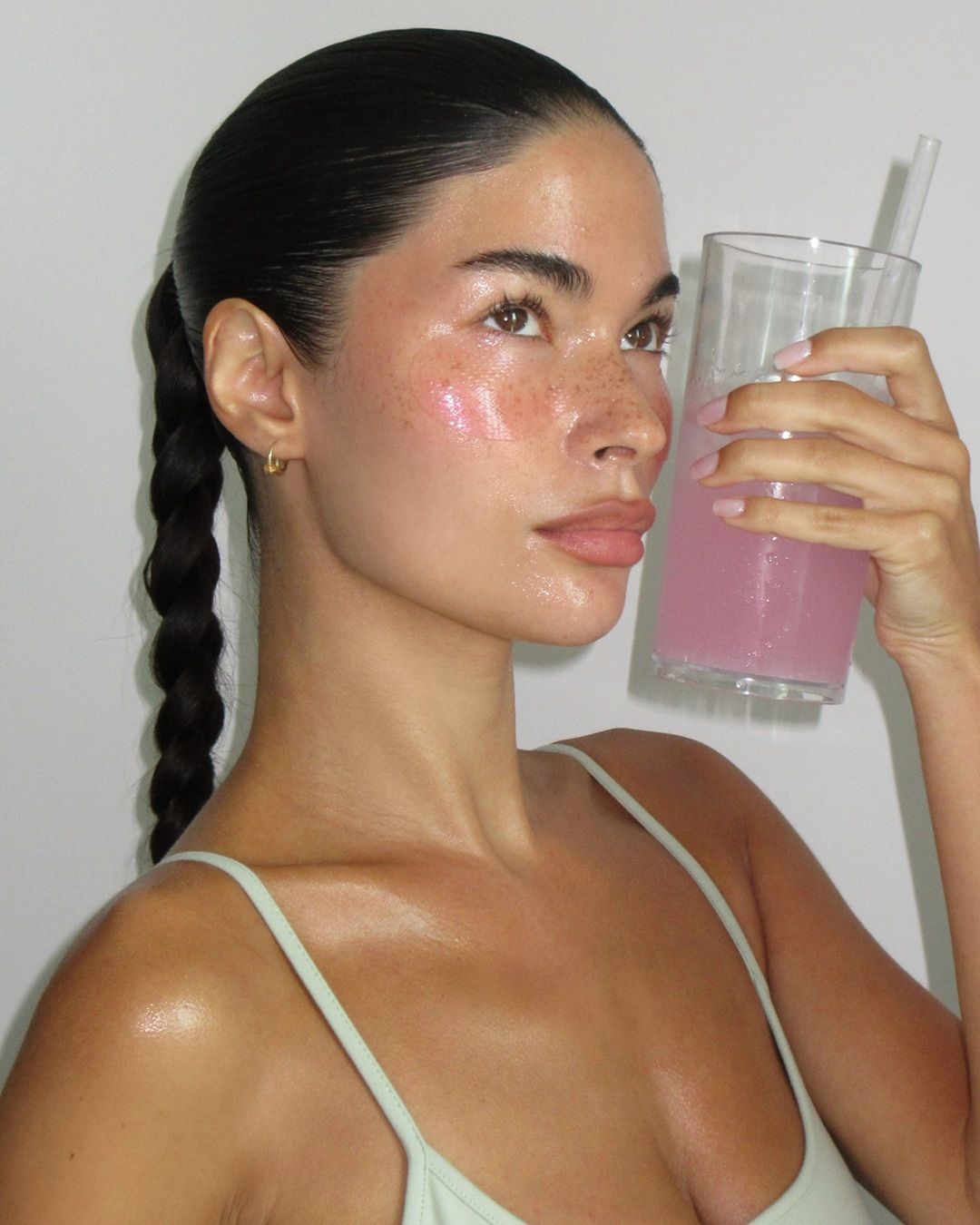
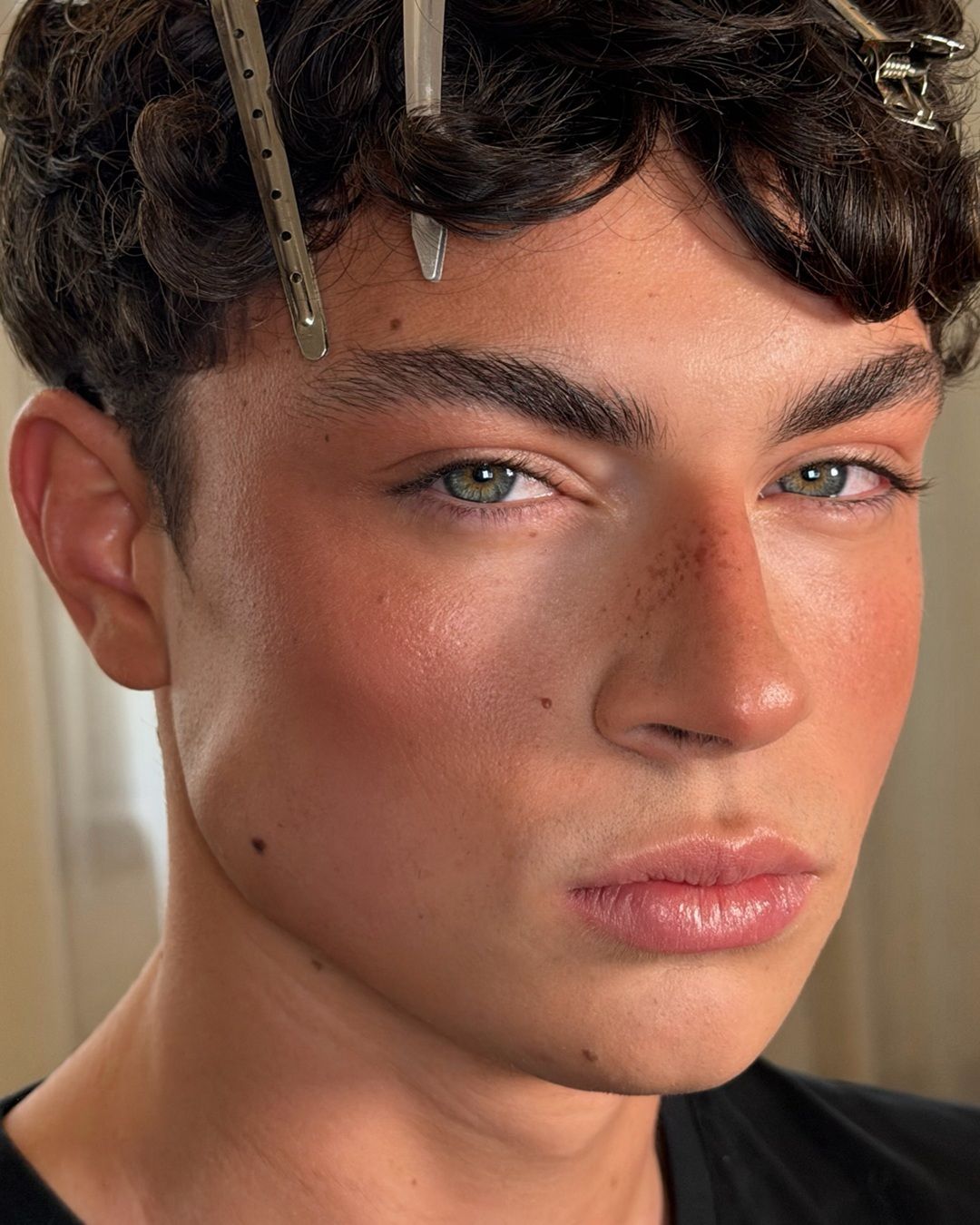
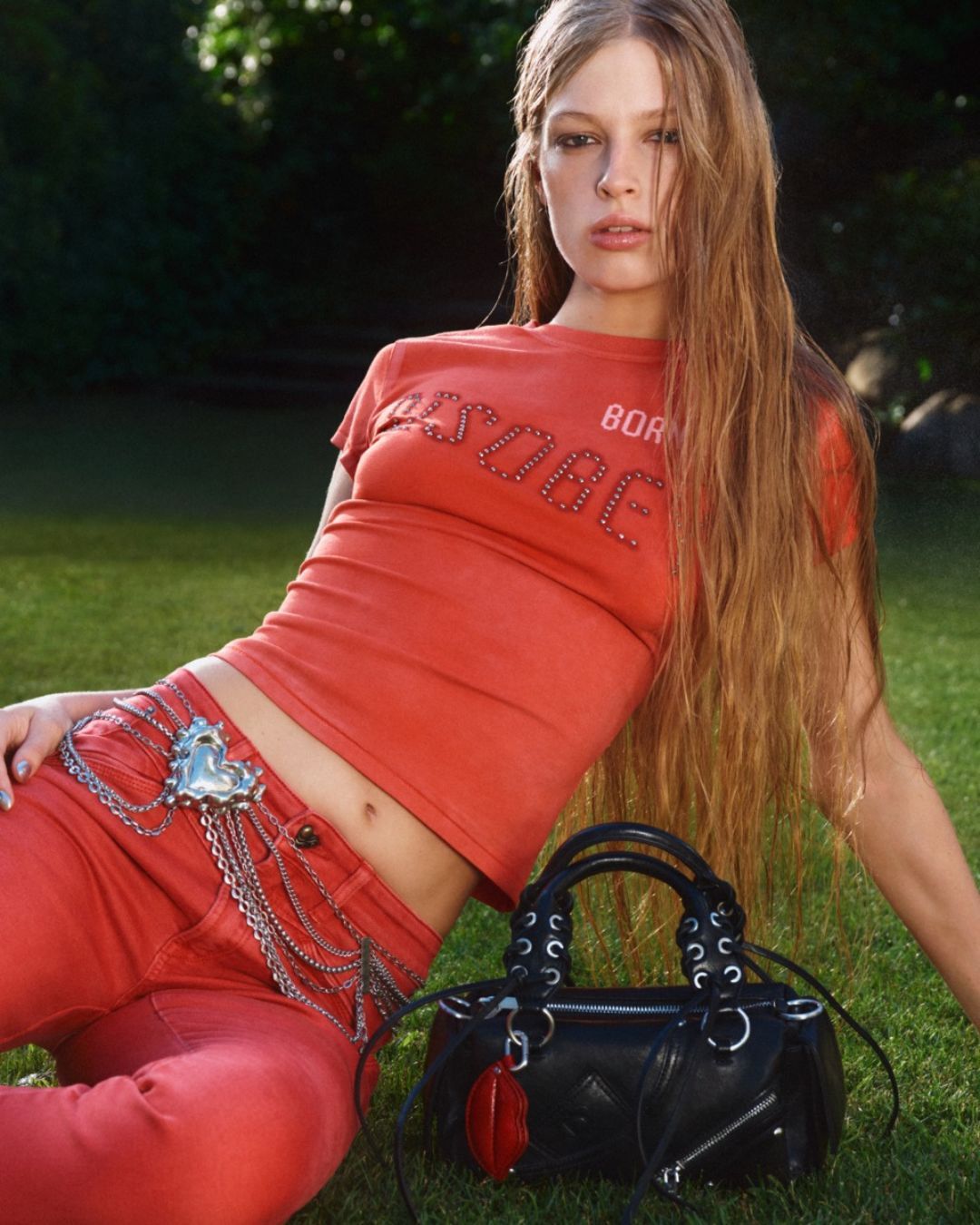
I have an absolute obsession with glowy, ultra-hydrated, flawless skin. Achieving that requires many products, but if you pair that perfect base with a beautiful red lipstick, you get - at least in my opinion - the essence of beauty when it comes to enhancing a woman’s face. So without a doubt, I’d say red lipstick.
Can you tell us about the craziest makeup you’ve ever created?
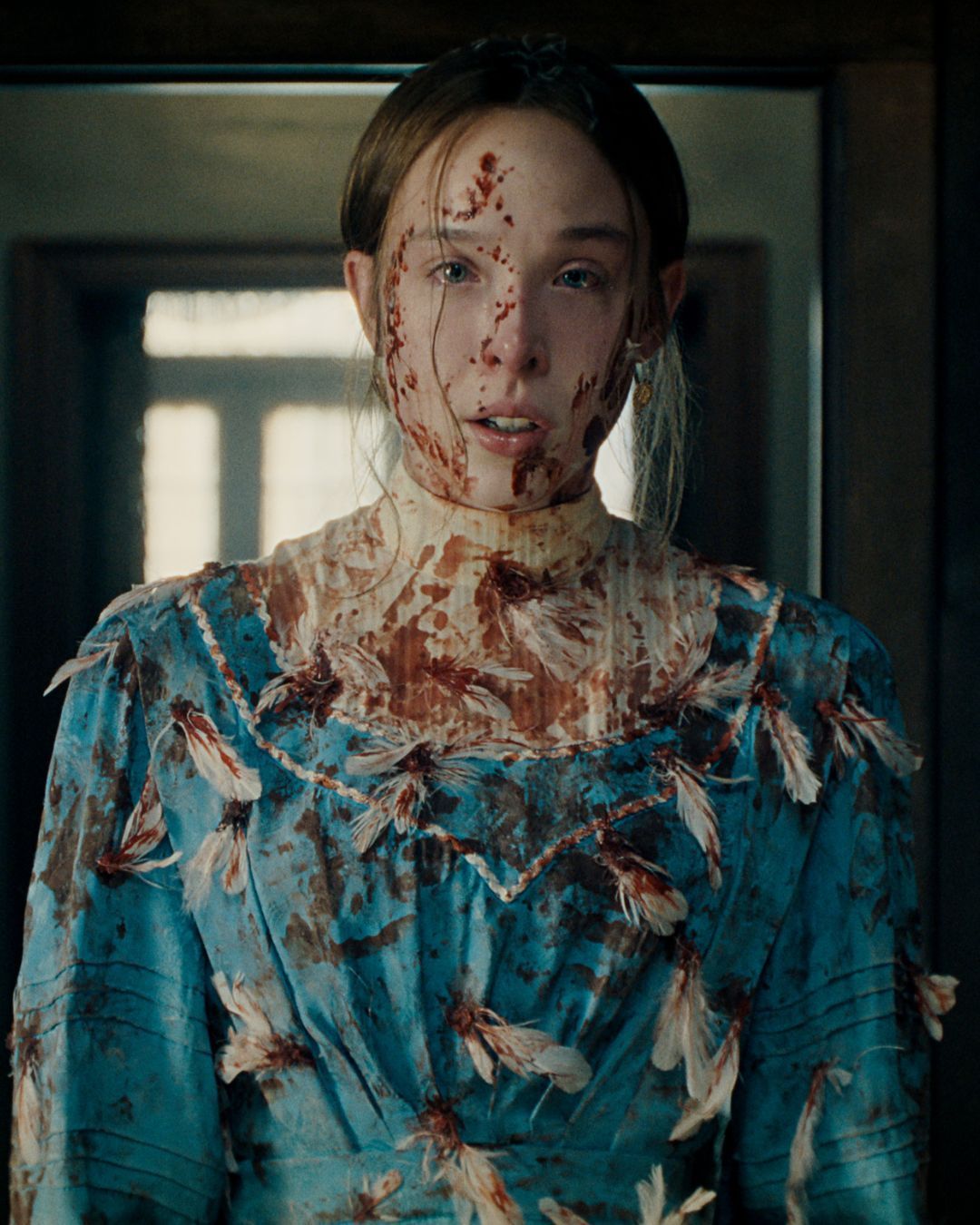
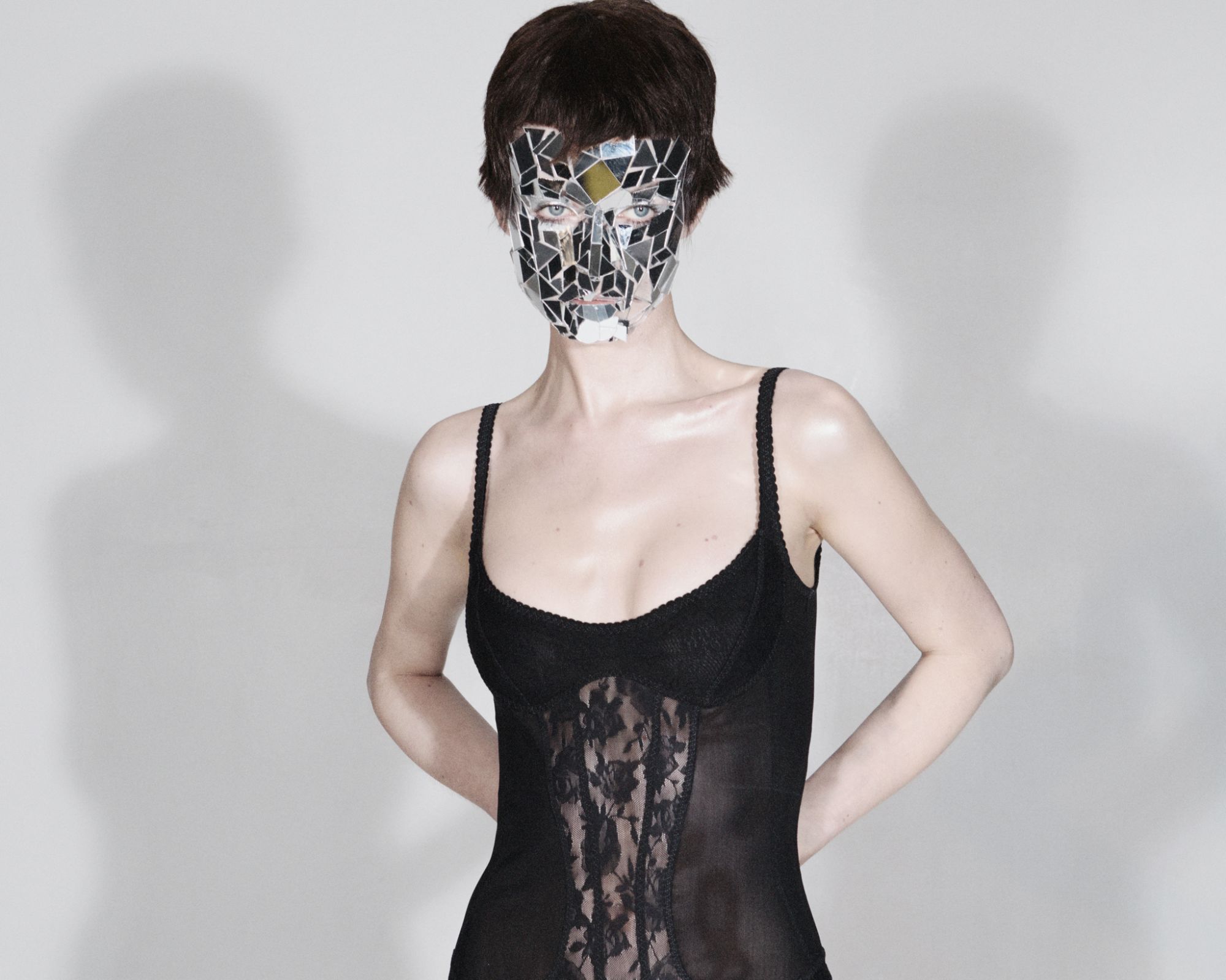
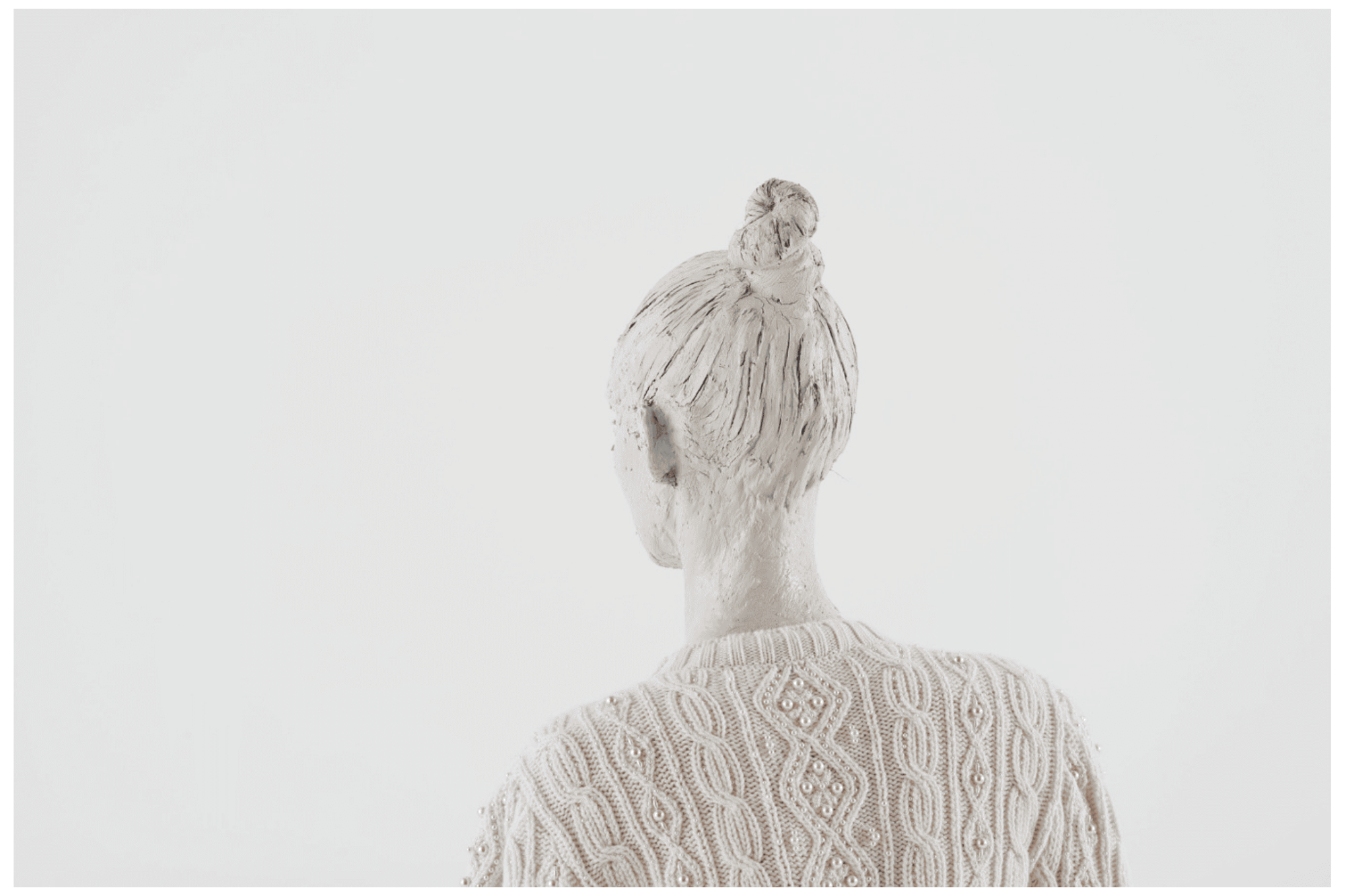
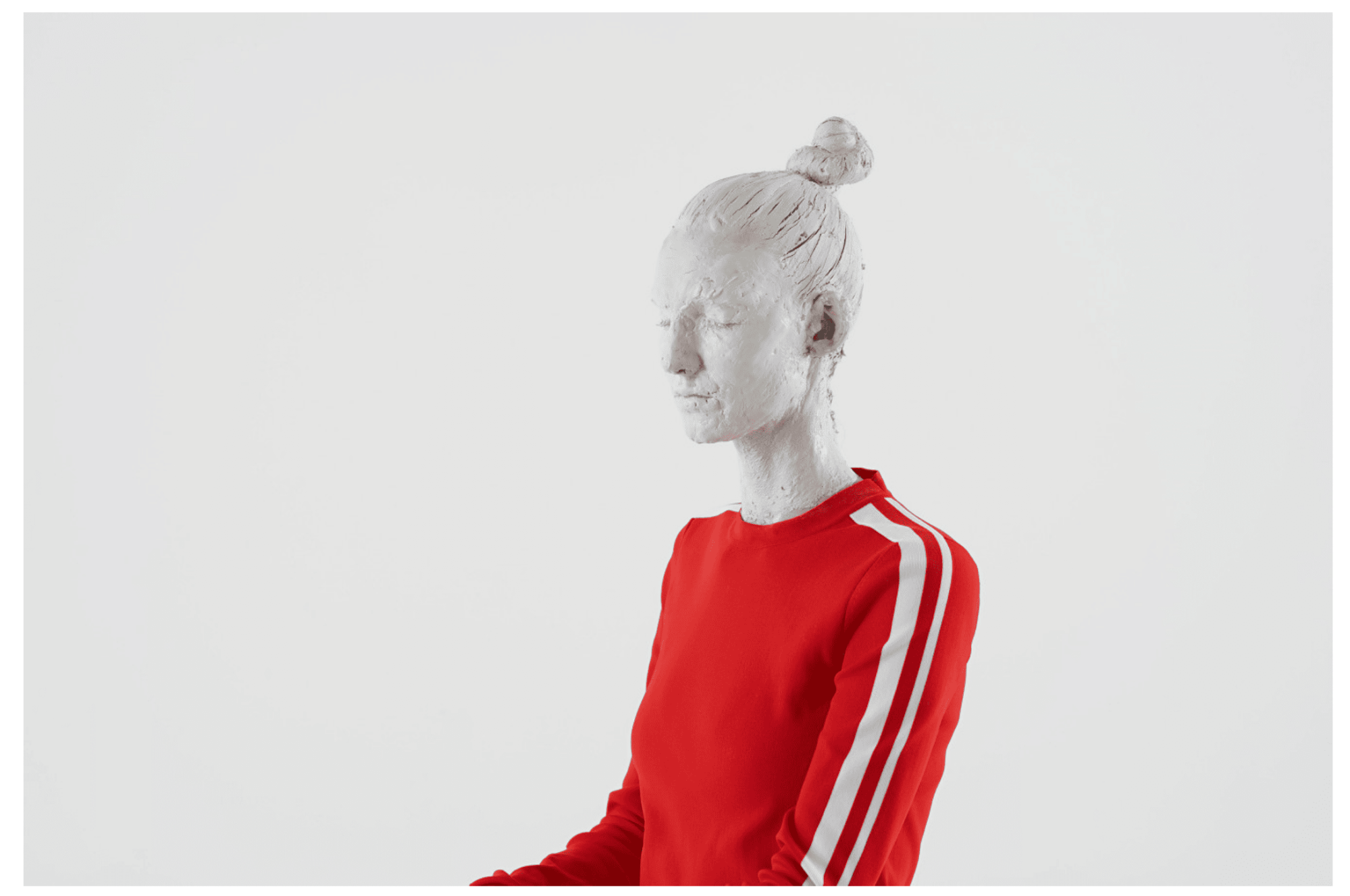
In 20 years of my career I’ve done all kinds of things, but two projects really stuck with me. In London, for a T Magazine editorial, the photographer wanted the effect of an unfinished sculpture: I covered the model from head to toe in white clay! Luckily she had a lot of fun, even though it required endless patience. Another “crazy” project I did recently involved gluing mirror fragments onto the model’s face, recreating the illusion of shattered glass. It was incredibly meticulous and time-consuming. Again: bless the model and her patience! Those are the two I’d choose.
What’s your relationship with beauty trends? Which do you like and which do you avoid?
It’s definitely a love-hate relationship. Social media is an incredible tool, but from a work perspective it often takes away originality. It repackages old techniques as new and makes the creative mind lazy: we’re used to having everything already done and already seen, so our brains put less effort into creating from scratch. Take the famous glass skin created by Pat McGrath for the Margiela show: incredible. But in my opinion, she shouldn’t have revealed how she achieved it! Keeping it secret would have pushed us to experiment, to search in the studio for our own formula to get close to that result. Instead, when you know everything immediately, you lose some of the magic of research. That said, of course I follow trends. Today, trends and new languages are born there, and you need to stay constantly updated—also because questions about new trends are always around the corner. In the past, trends were dictated exclusively by the runway and you had to wait until the next season to discover what would be in fashion; today, social media has completely taken over these dynamics.
