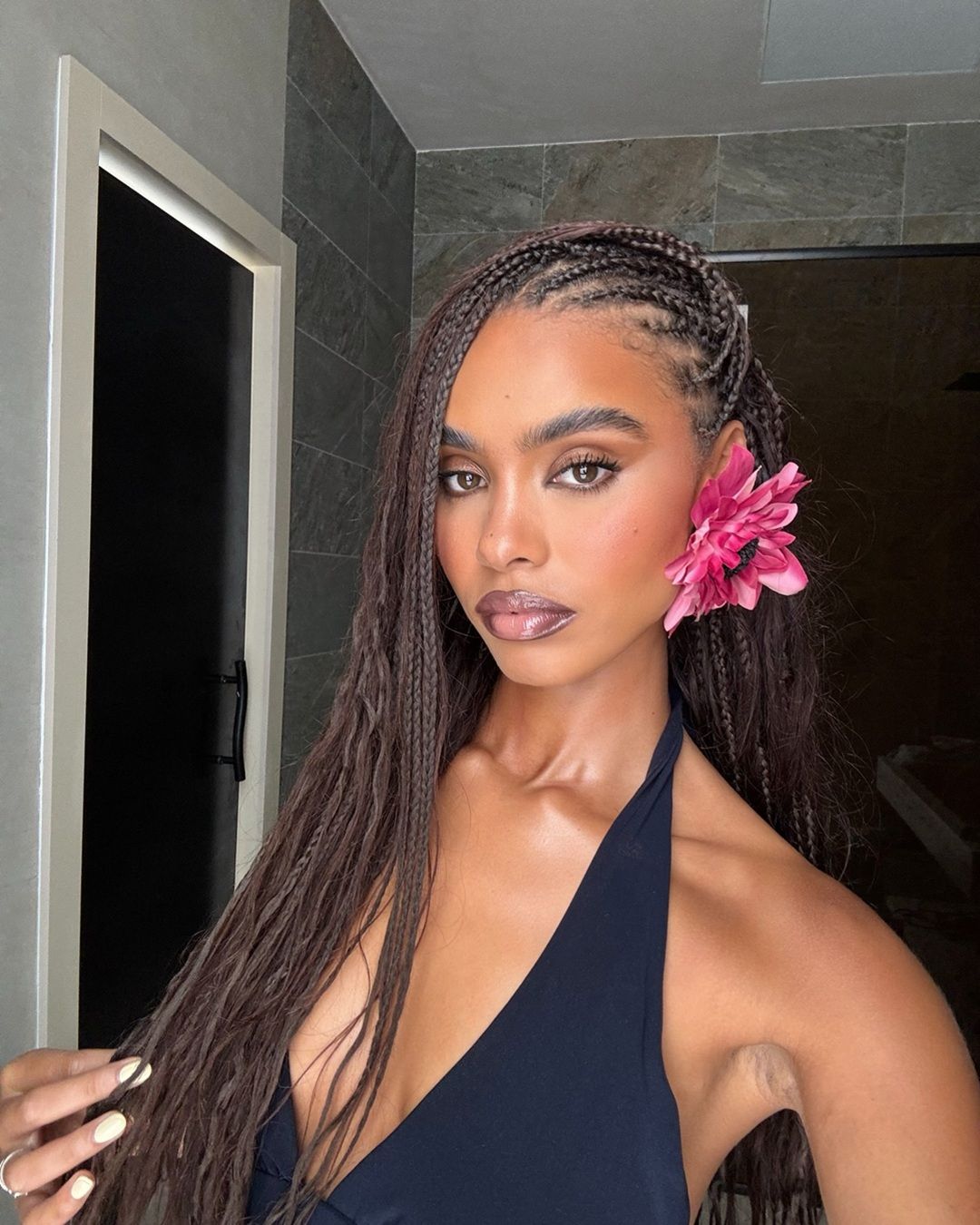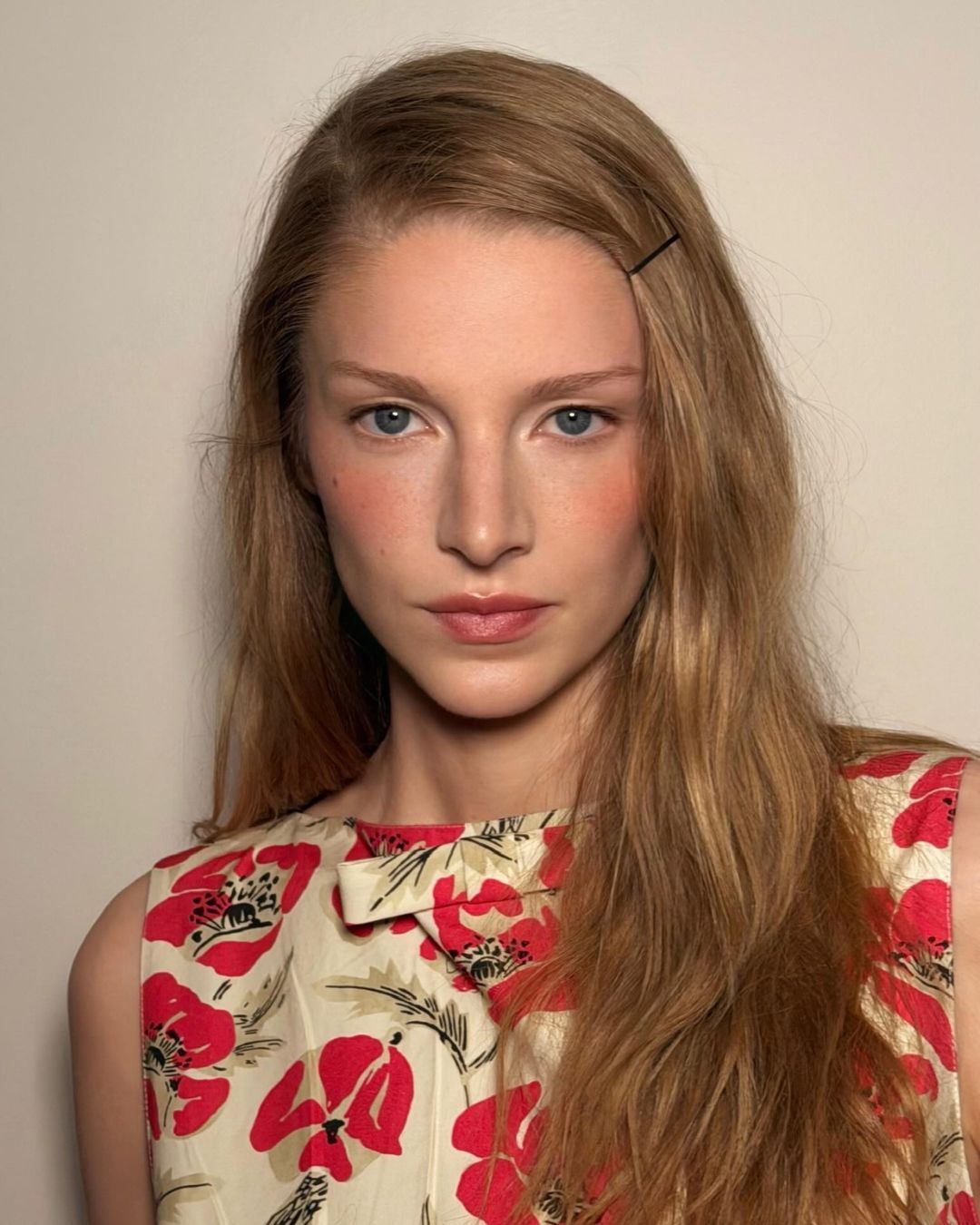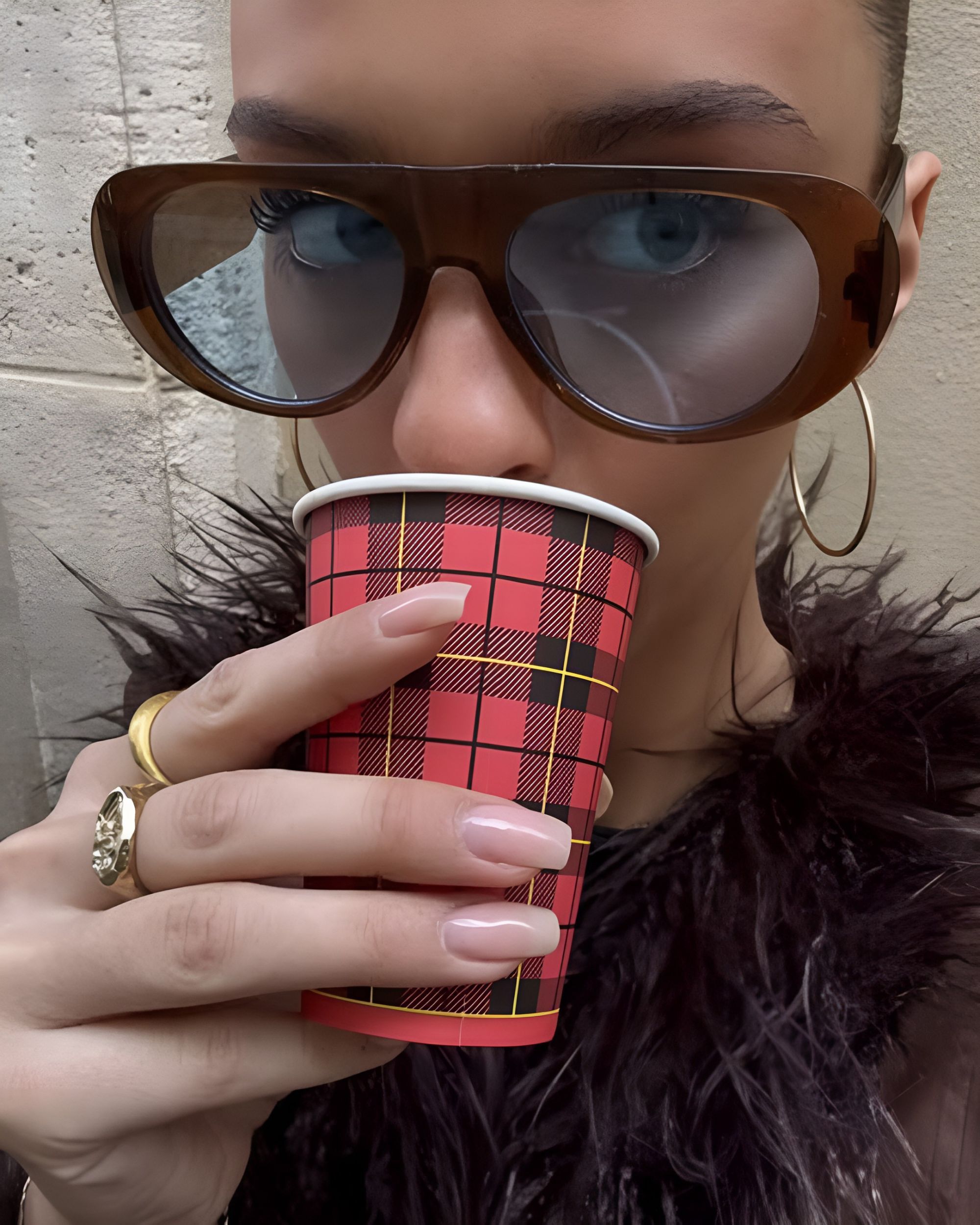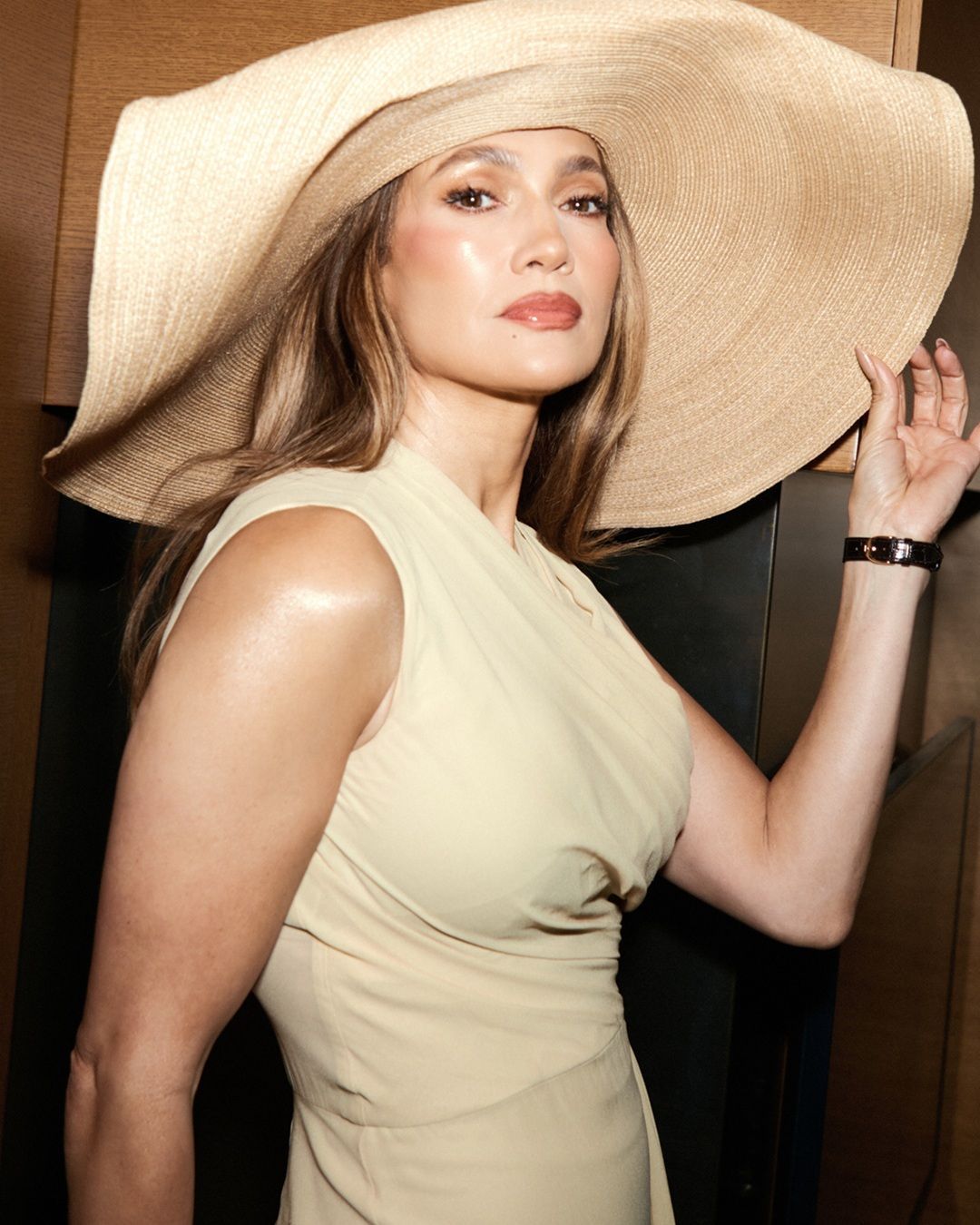
















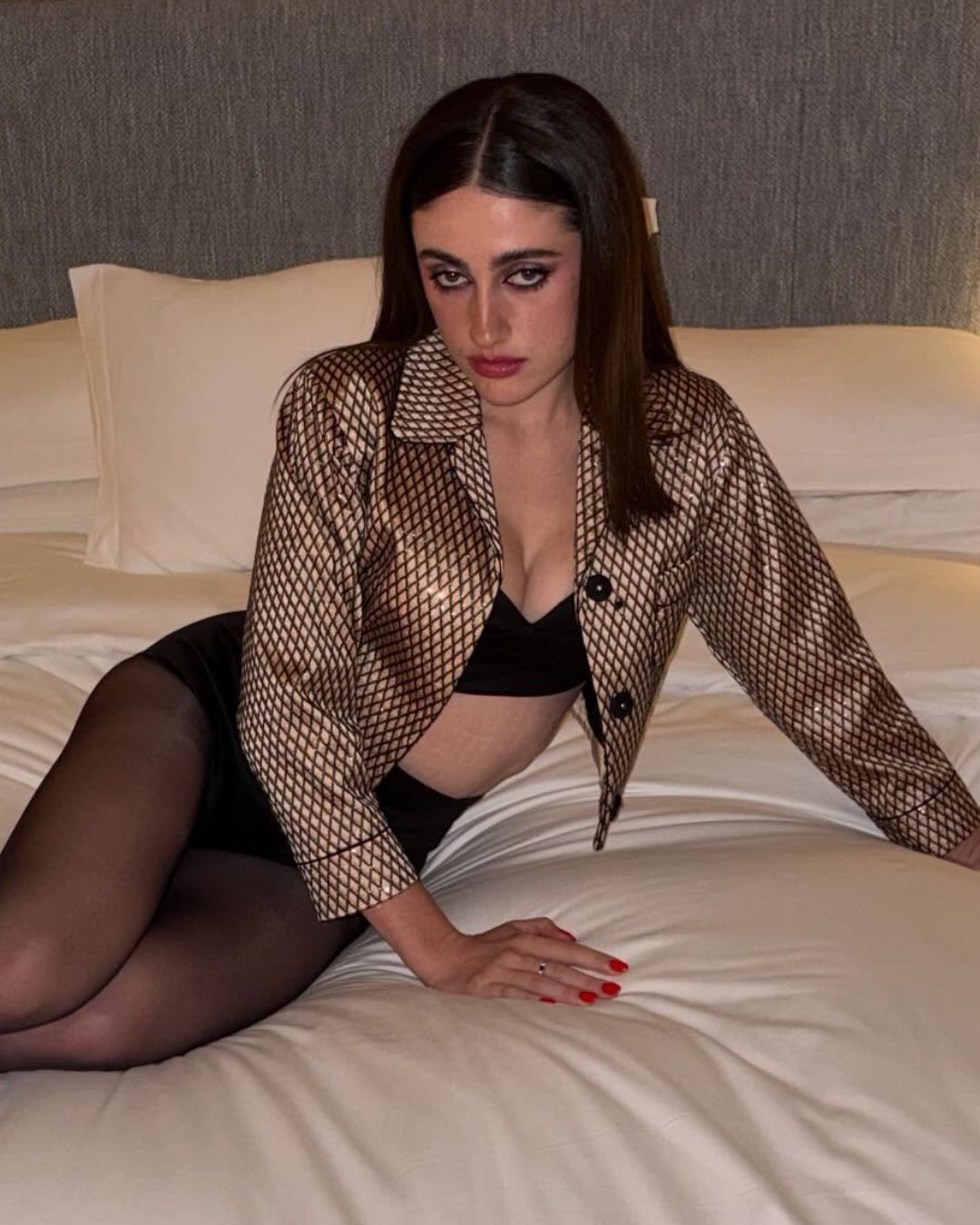
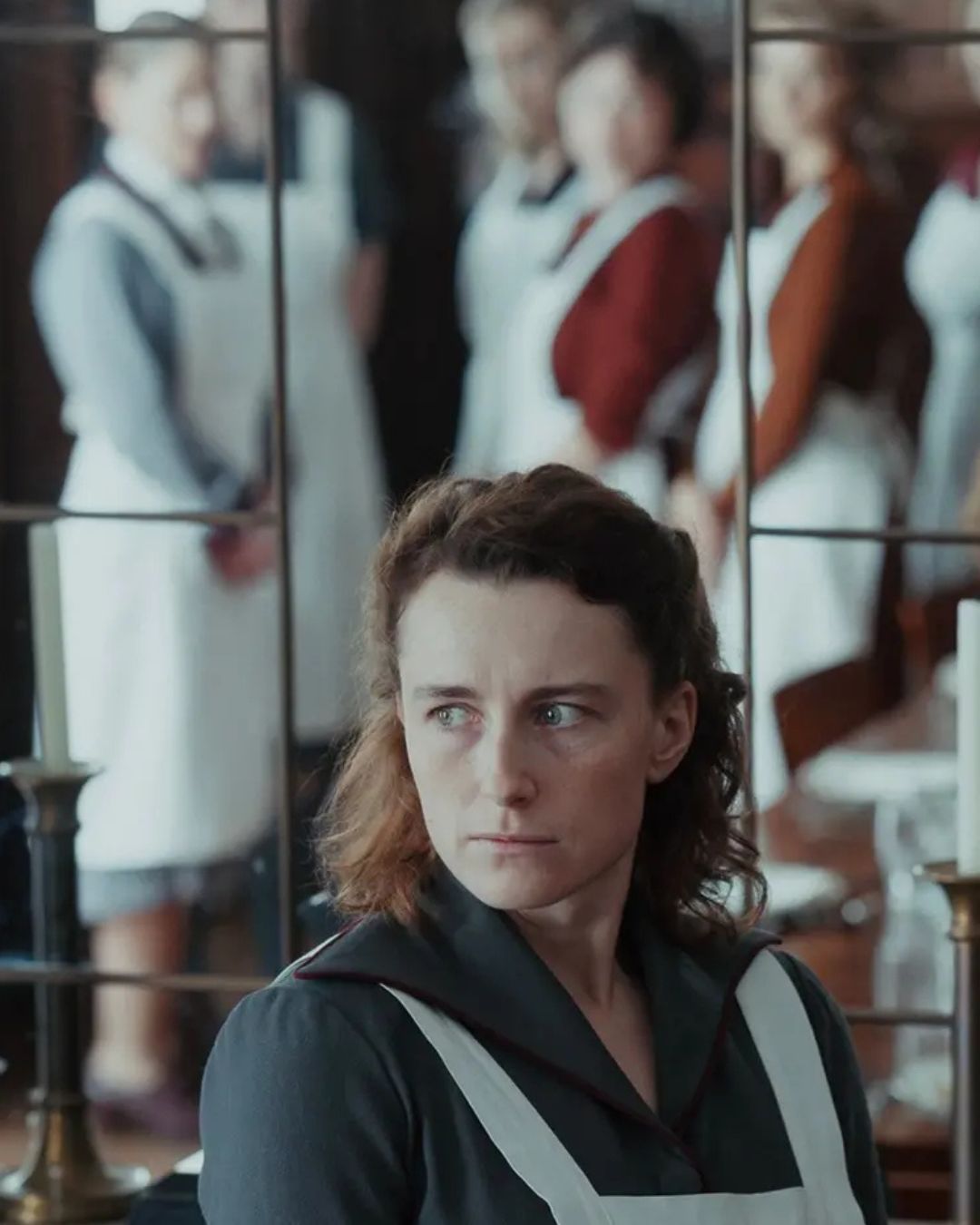


Do we need to dress like men to be taken seriously? Poetcore, according to Pinterest, is one of the trends of 2026, because we'll never give up trying to look intellectual
They once predicted the end of reading, of books, of handwriting: a universe that over time became almost mythological, seemingly destined to be swallowed by technology. And indeed, the early 2000s were dominated by future-core aesthetics, full of experimentation, minimalism and curiosity toward the future. Then that future arrived, and it is there - between disappointment and disillusionment - that our journey of rediscovery of the past began. So here we are: young people returning to reading, also thanks to phenomena like Booktok, which alone in Italy has surpassed 2 billion views, men pretending to be intellectuals to impress someone, and Pinterest announcing that one of the major trends of 2026 will be, of course, poetcore.
What poetcore is and how to wear it
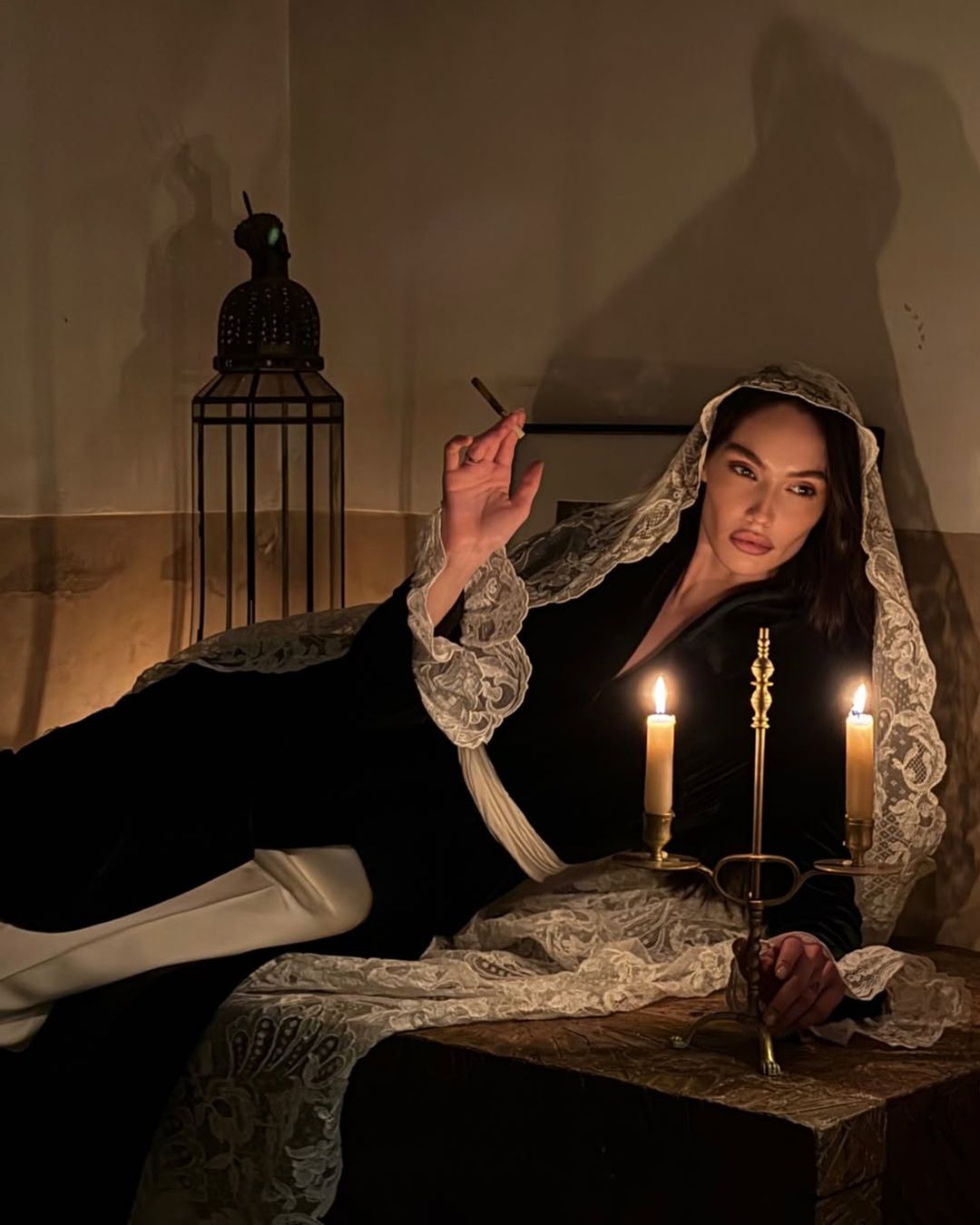
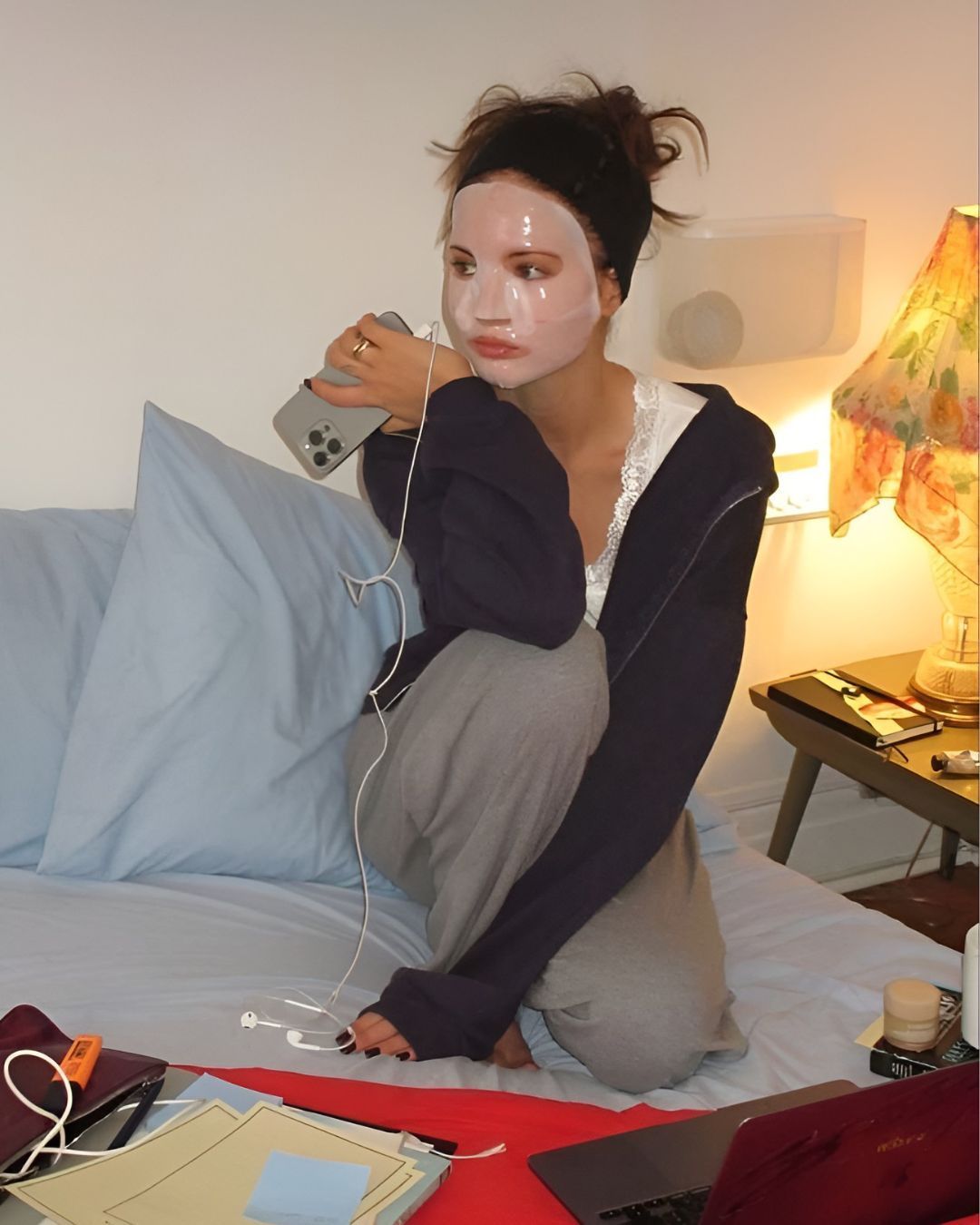
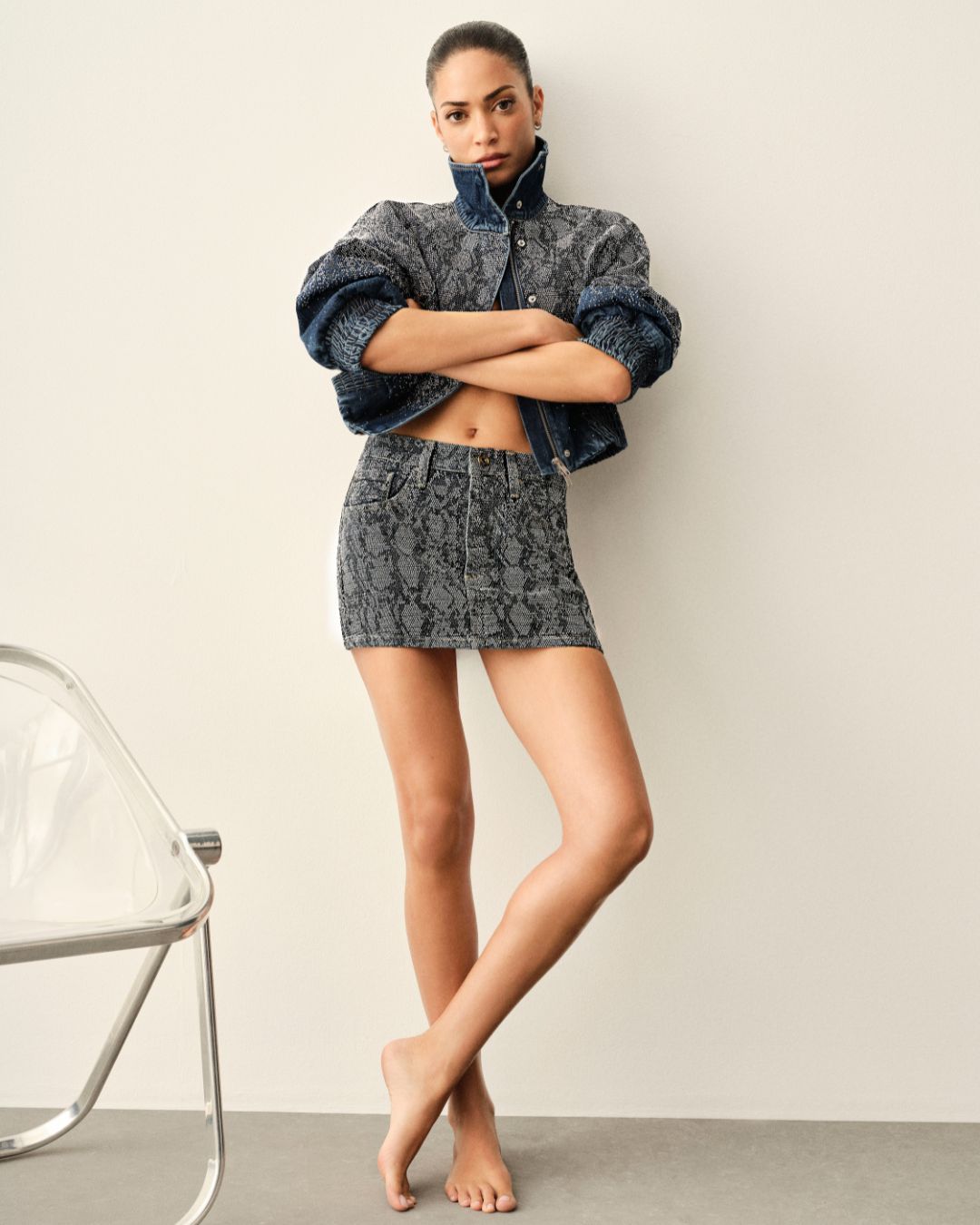
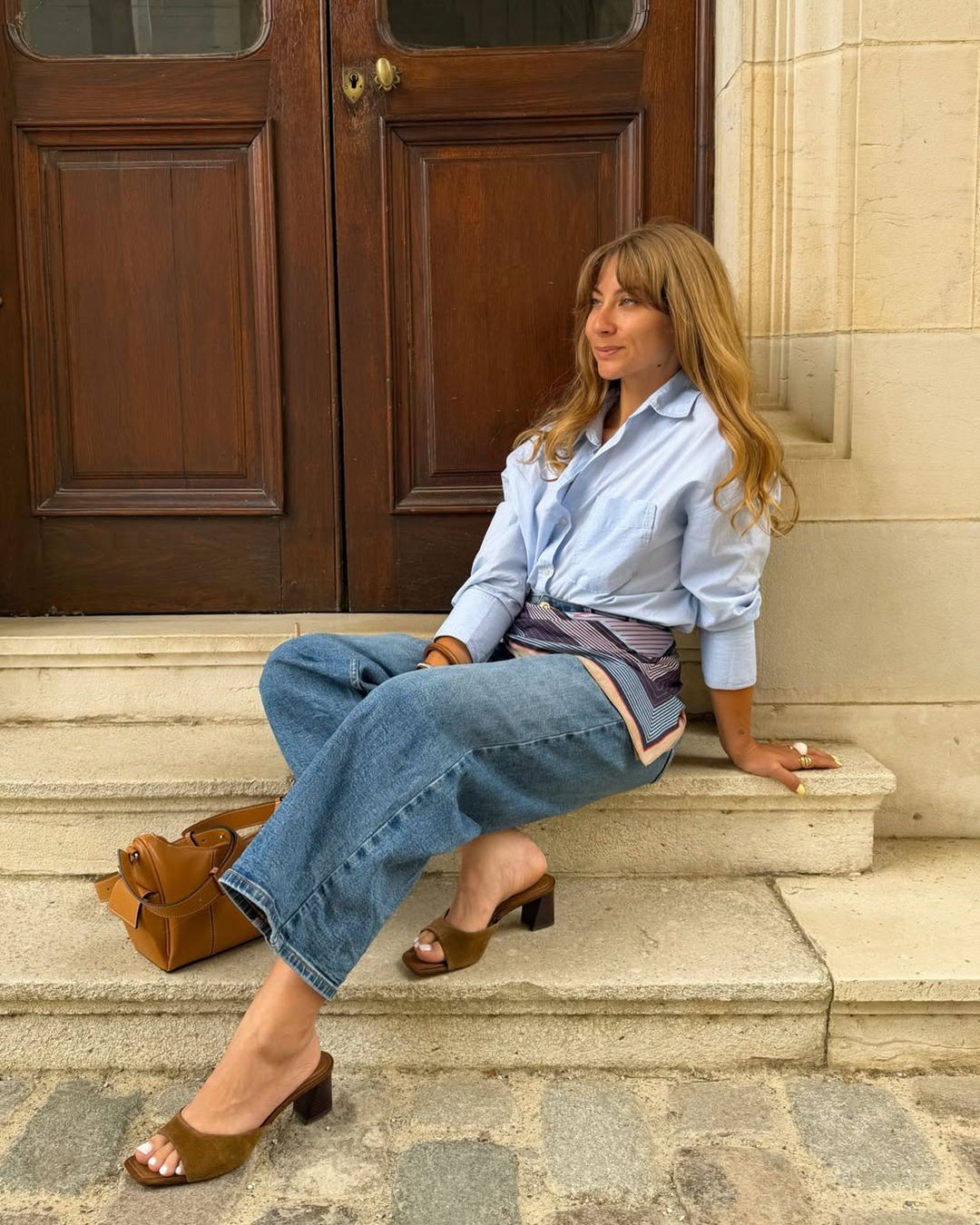
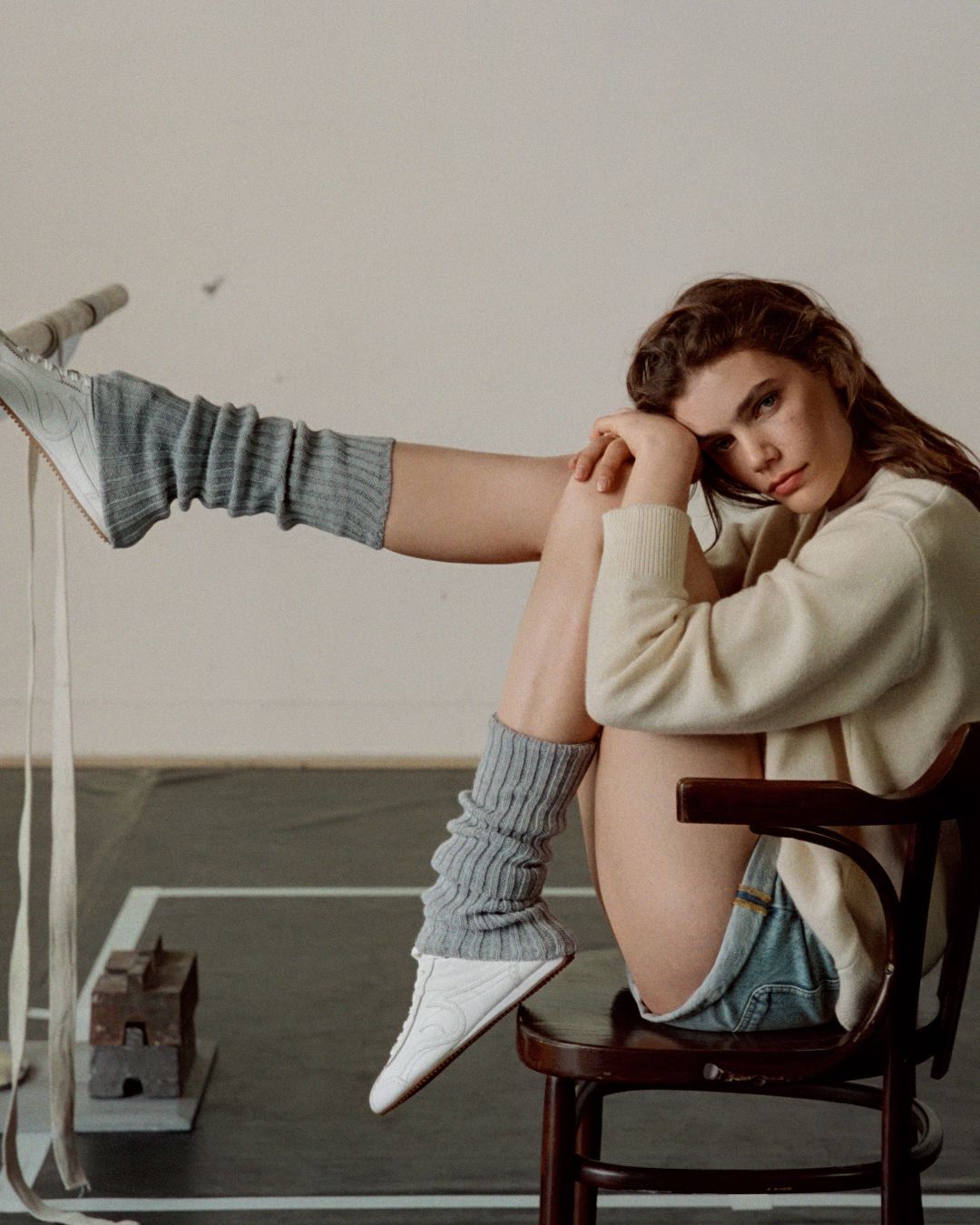
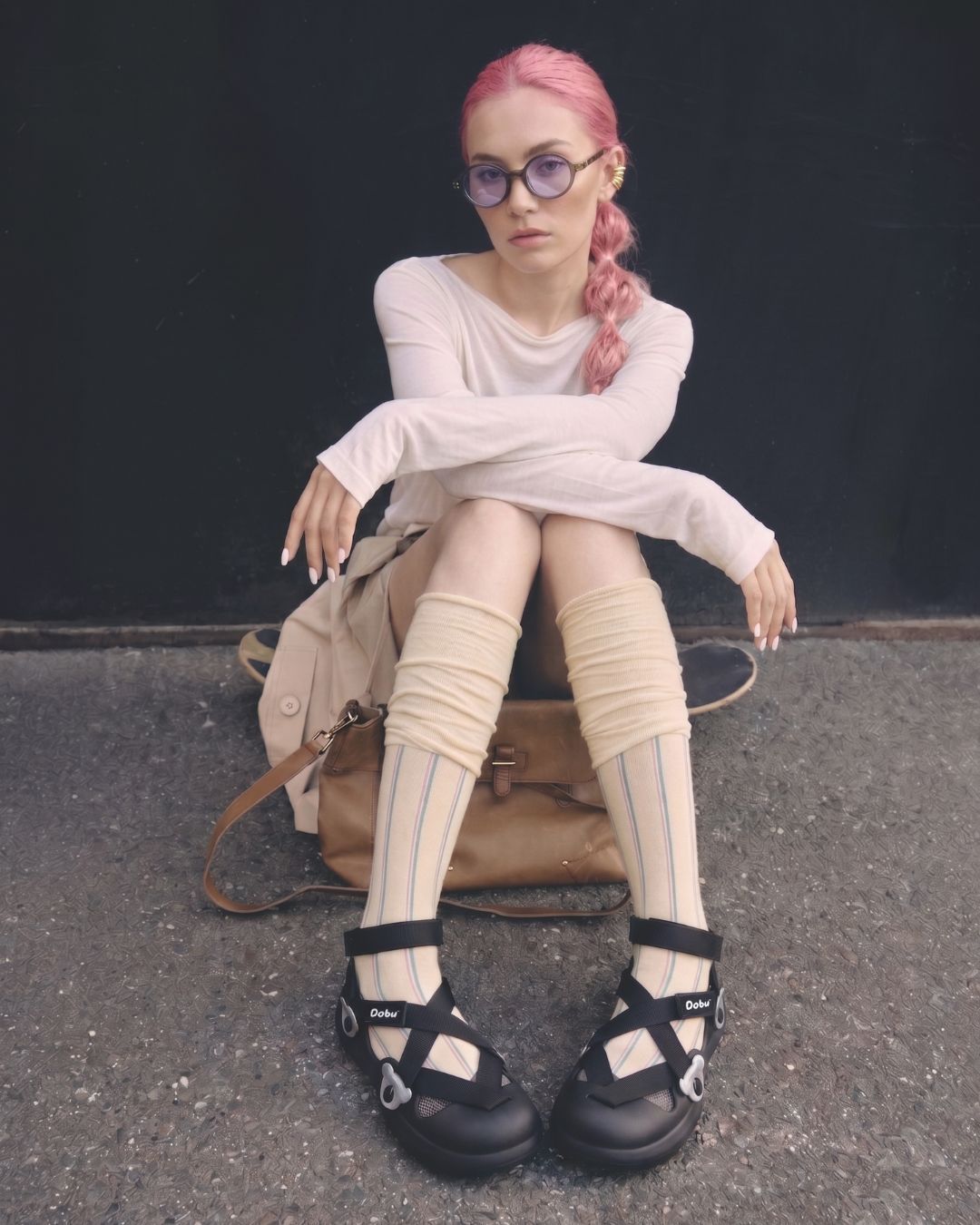
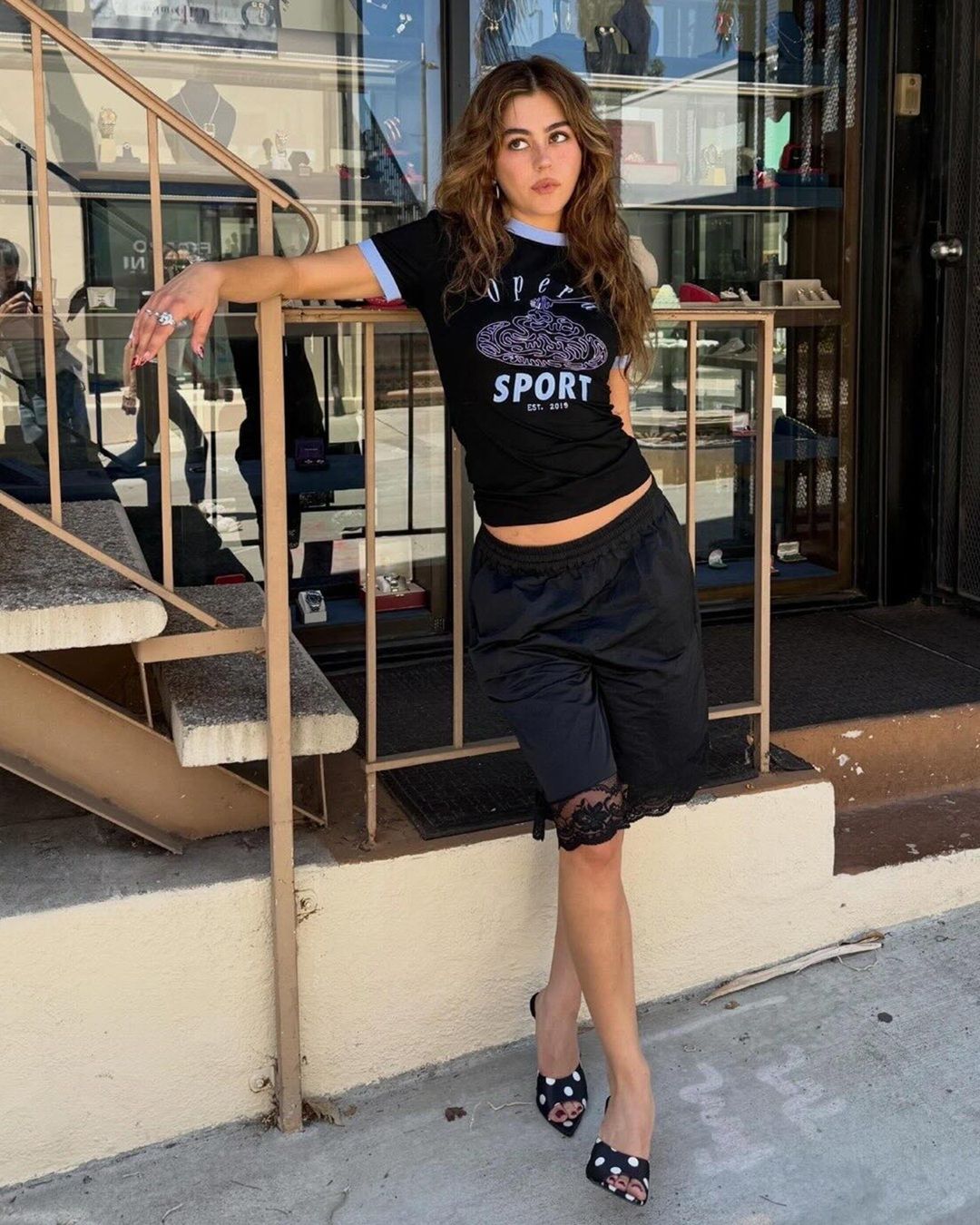
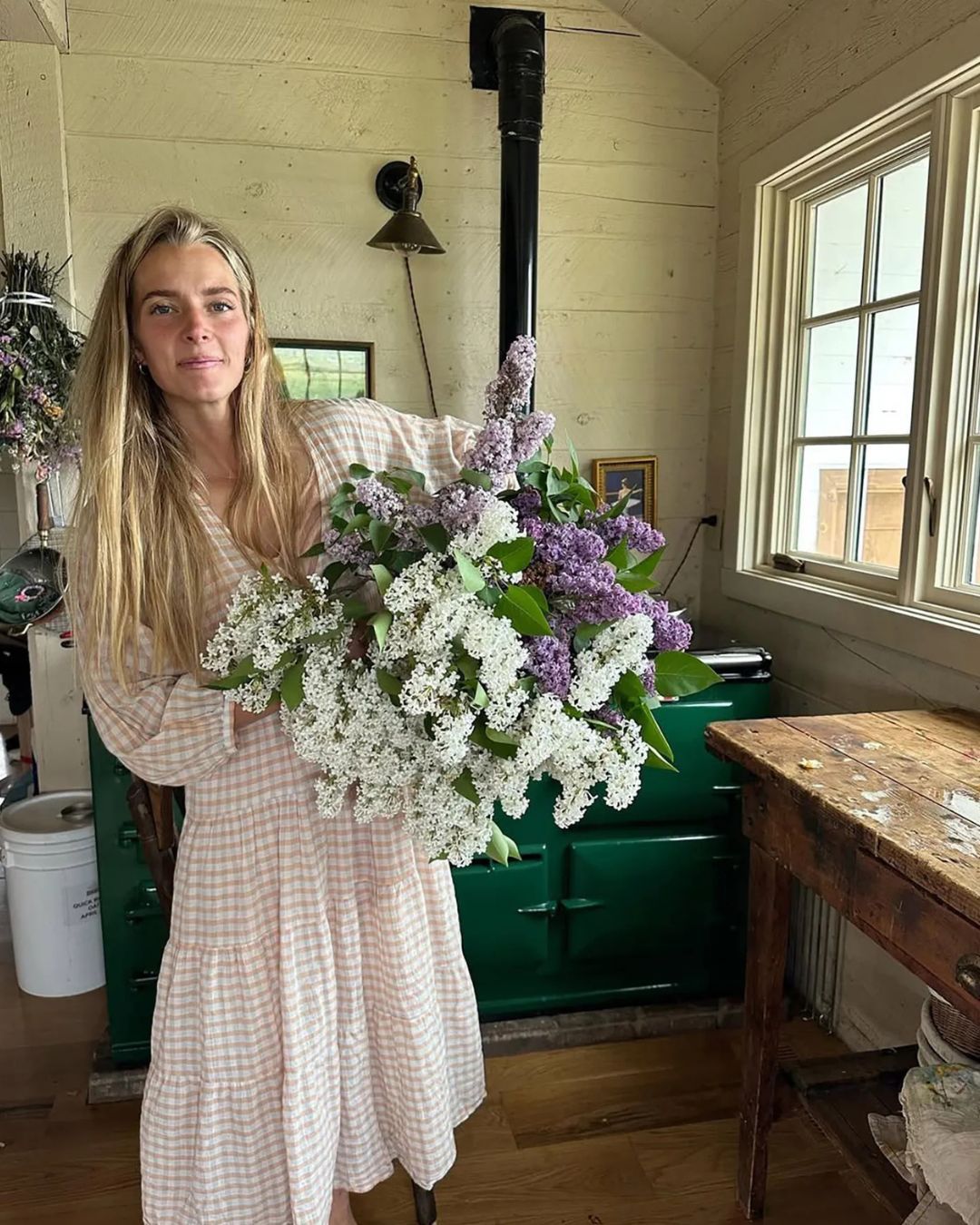
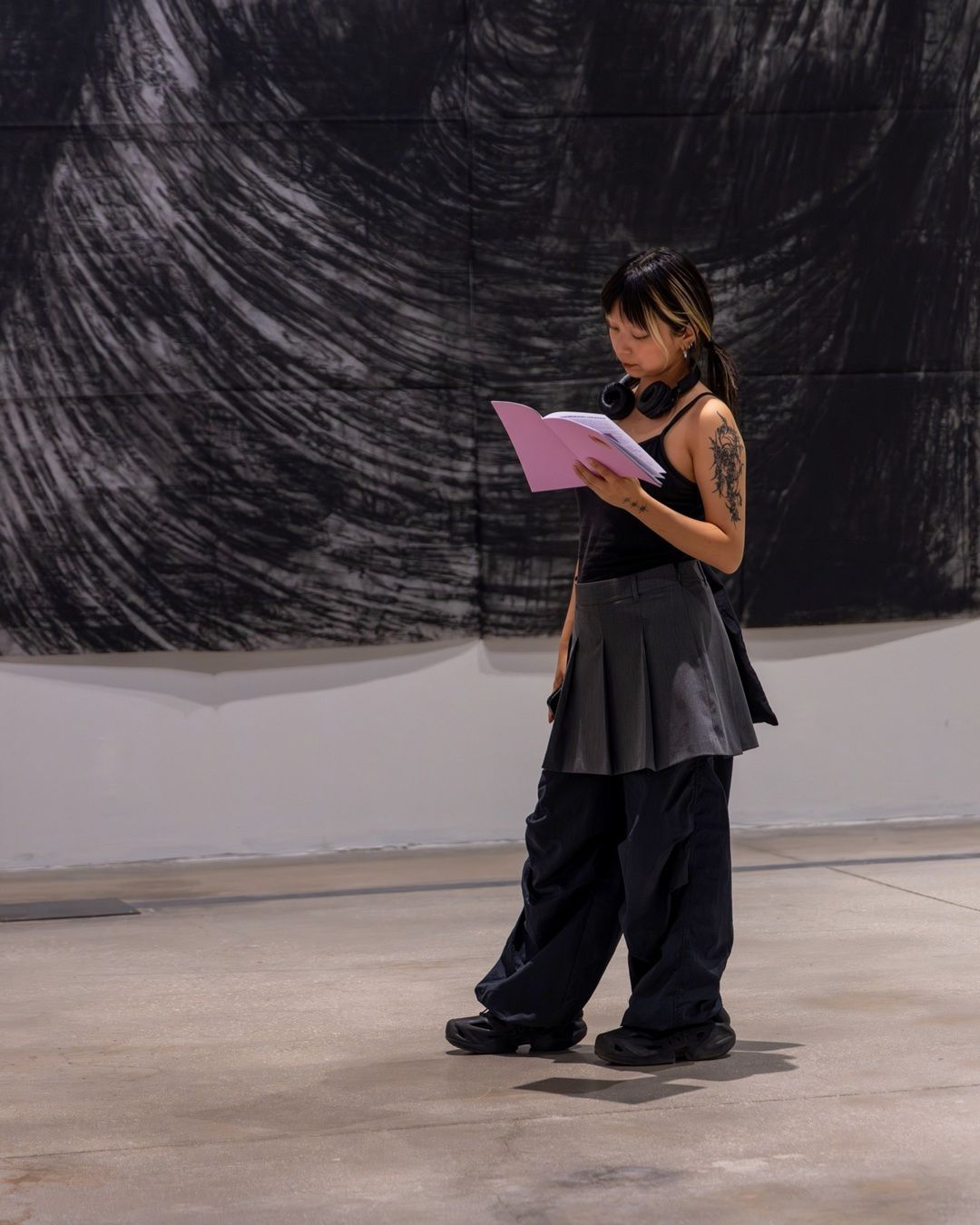
As Sydney Stanback, Pinterest’s global head of trends and insights, explains to The Observer, poetcore “draws inspiration from the literary aesthetics of the pre-internet era, including an idealized writer figure, and blends classical references, quiet study rituals and a contemplative, creative lifestyle into a modern look.” In other words: oversized blazers, books under the arm, worn-in leather bags, serious-looking frames, neutral palettes, and that slightly dreamy-intellectual vibe of someone who always seems on the verge of writing something memorable. In this sense, embodying poetcore means constructing a character (or perhaps an idealized version of the self) living between introspection and melancholy. It is an aesthetic that is anything but casual - no matter how much it tries to appear so - and it finds its natural habitat in TikTok and Pinterest feeds, where the term “the poet aesthetic” has seen a 175% increase in searches.
From Dior to Jacquemus, fashion turns intellectual
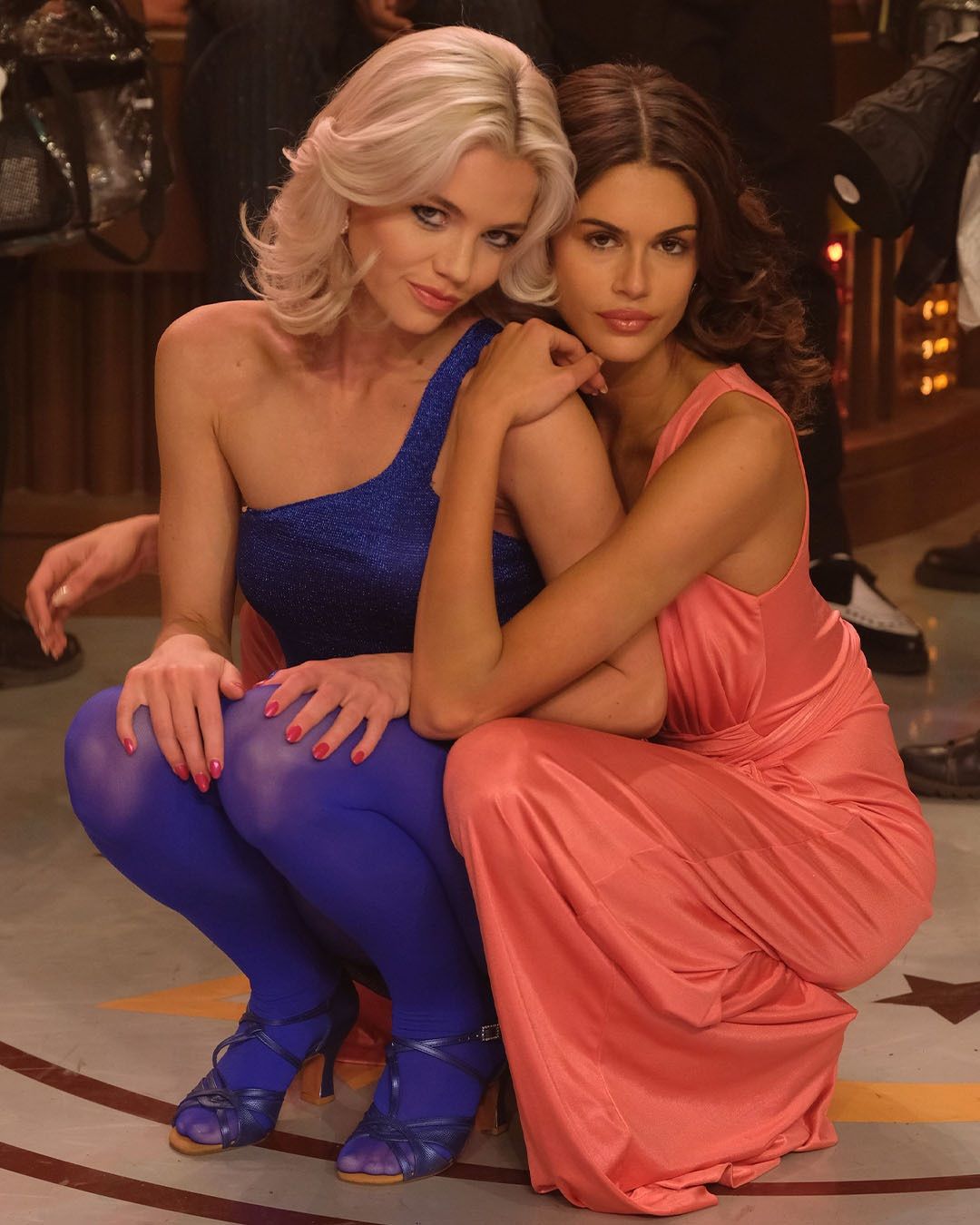
But if poetcore was born as a digital aesthetic, it is fashion that makes it tangible. On the runway, models walk carrying newspapers and magazines under their arms; in Jacquemus’ S/S 2026 campaign, books appear alongside bucolic scenery, while we see the return of bow shirts, ties and masculine-cut blazers. And then there is Jonathan Anderson, perhaps the best interpreter (and forerunner) of this trend: he is behind the idea of launching a capsule collection of Dior tote bags inspired by the covers of classic novels. Unsurprisingly, the launch campaign is set on the banks of the Seine among stalls of second-hand books. The model’s look? Loafers, striped shirt, tie and a worn-looking suede jacket. Poetcore at its best. In his debut S/S 2026 collection we also saw capes and bow shirts with a nineteenth-century feel. Add to this the campaign images for Summer 2026 starring Louis Garrel, and the picture is complete. The book is no longer just an object, but an accessory: a visual signal of cultural capital, as much as an it-bag.
@taylorquitara I was inspired by the Pinterest Predicts Poetcore trend to dress up and write a poem about nostalgia & growing up. Everyone say hello to an “Old Friend” (who happens to be a giant duck). Pinterest Predicts shares what’s next, but you write the story. @pinterest #pinterestpartner original sound - Taylor Quitara
The Hamnet effect and the return to analog life
In parallel, poetcore taps into a broader cultural movement: the return to analog. Writing by hand, journaling, creating scrapbooks, practices that until a few years ago seemed residual, are now becoming liberating gestures, forms of resistance to an entirely digital present. In this sense, cinema also helps reshape the collective imagination. The recent success of the film Hamnet, based on the novel by Maggie O’Farrell, perfectly reflects this shift toward an intimate and poetic aesthetic, built on silence, nature and inner storytelling. A kind of narrative that moves away from spectacle to return to a more contained, almost private dimension. In this context, it is no surprise that Gen Z - raised in full hyperconnectivity - is among the main consumers of books: over 50% say they read at least one per year. Reading is no longer just a cultural habit, but becomes an identity marker, something to show, share, even perform.
@thekoreaherald.official A quiet, introspective mood is reshaping fashion. Dubbed “poetcore,” the trend channels the romantic sensibility of writers into understated silhouettes, while the parallel rise of “text hip” — a Korean trend that reframes reading as a stylish pursuit — is extending literary influence beyond bookshelves and into wardrobes. Identified by Pinterest as one of 2026’s defining fashion trends, poetcore favors restraint over spectacle. Think high-neck blouses, pleated skirts, cable knits and tailored blazers rendered in soft textures and muted palettes. The aesthetic leans into loosened silhouettes, vintage fabrics and a deliberate sense of ease — clothing that reads less like a statement and more like a line of poetry. “Rather than following rigid trends, consumers are increasingly focused on expressing their inner identity through clothing,” an industry official said. “Poetcore styling allows the same item to create entirely different moods depending on how it’s layered and toned.” Link in bio to read the full story by Hong Yoo Tammy Park #poetcore #포엣코어 #fashion #kfashion original sound - The Korea Herald
Do we need to dress like men to be taken seriously?
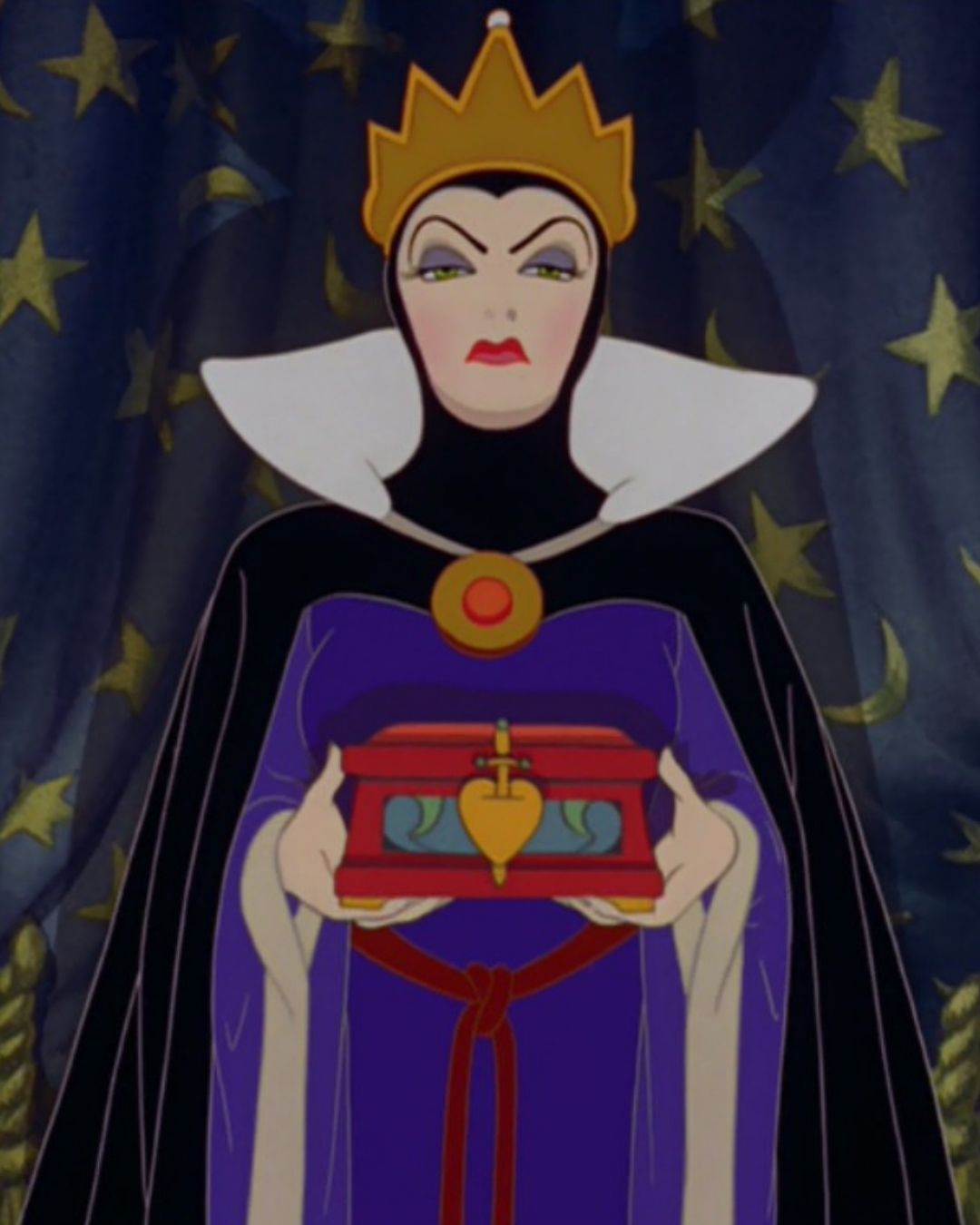
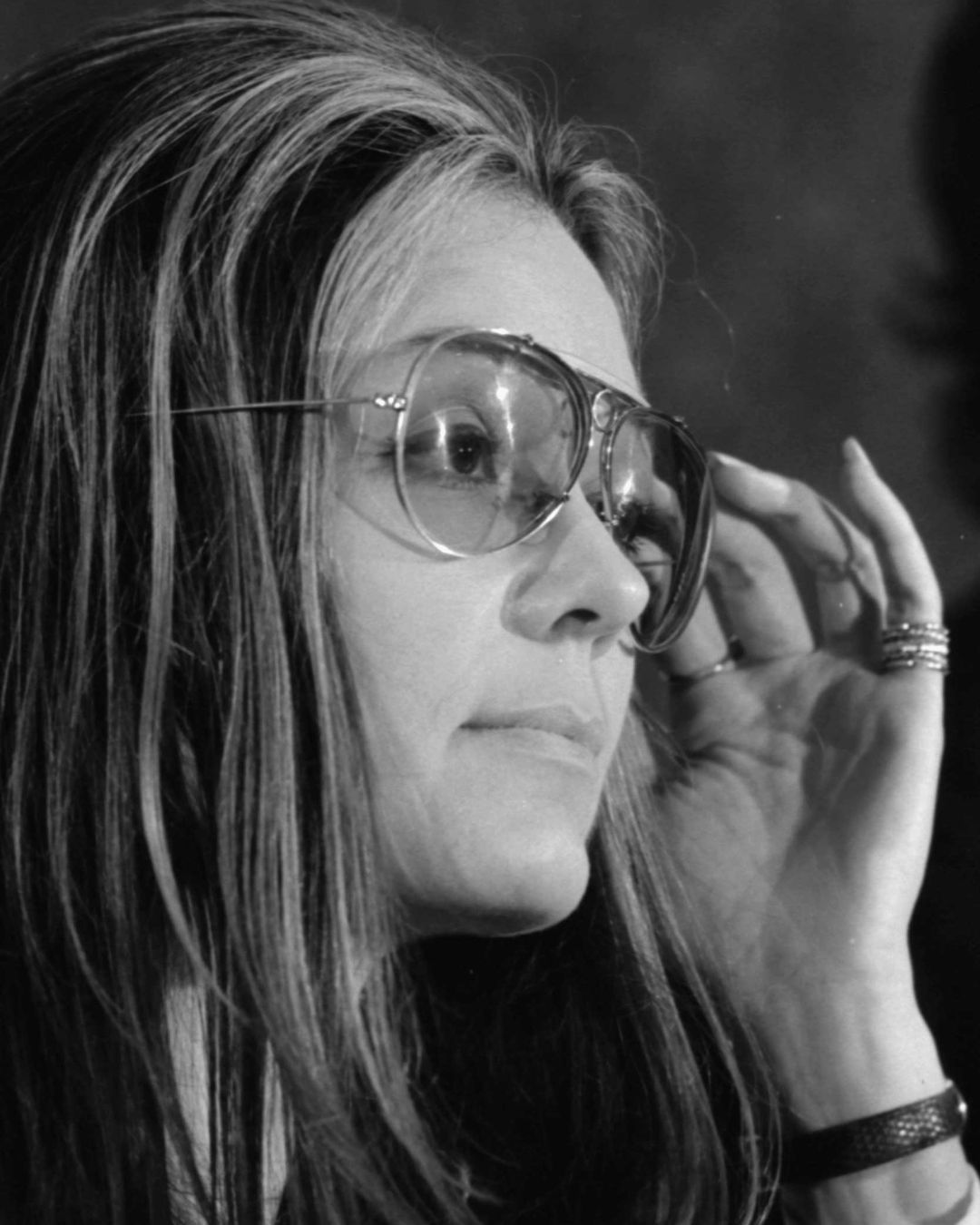
And this is where poetcore reveals its most interesting ambiguity. Can we still talk about authenticity when it comes to trends? The step from dressing like a poet to becoming a performative male is very short, and we all know what we think of them. And then there is another, even subtler layer running through poetcore: its deeply masculine connotation. The reference archetype, even when not explicit, remains that of the male poet (tormented, solitary, brilliant) a figure historically granted legitimacy in occupying intellectual space. Wearing poetcore - loose shirts, ties, vests and lace-up shoes - may therefore mean appropriating a visual language that, for centuries, has been associated with male authority? Is it a neutral aesthetic, or a code we continue to inherit? In other words: to be perceived as deep, credible, intellectual, do we still need to dress like men?