











































Estée Lauder and Puig fall just short of a merger Behind the breakdown of negotiations: Charlotte Tilbury, financial tensions, and fears of losing identity
For weeks, the beauty industry had imagined the rise of a new giant capable of directly challenging L'Oréal. On one side stood The Estée Lauder Companies, the historic empire of American prestige cosmetics; on the other, Puig, the Spanish group that in recent years has transformed niche fragrance into a desirable mainstream language. In between was a galaxy of iconic brands, billions in revenue, and one clear ambition: to build a luxury beauty conglomerate large enough to withstand the new geography of the global market. Yet the merger will not happen. The two companies have officially ended negotiations, closing one of the most closely watched deals in the beauty industry in 2026. And the reason is not purely financial. Behind the collapse of the operation lies the conflict between the industrial logic of major holding companies and the growing influence of founder-led brands in contemporary luxury.
Did Charlotte Tilbury derail the negotiations?
According to several international sources, the real breaking point was Charlotte Tilbury. Puig acquired the majority stake in the brand in 2020, while still allowing Charlotte Tilbury to retain a significant share of the company (21.5%) along with several contractual rights tied to the future sale of her shares. And this is precisely where negotiations reportedly became complicated. As reported by the Spanish financial publication Expansión, the founder allegedly began renegotiating her agreement with more favorable financial conditions, even considering an early exit originally scheduled for 2031. A move that could have forced Puig to spend hundreds of millions of additional euros. At that point, according to industry rumors, The Estée Lauder Companies no longer considered the operation sustainable. This demonstrates how, in today’s beauty market, founders remain essential to a brand’s identity and success. But for the same reason, they can also complicate operations such as mergers and acquisitions, especially when the company’s image is almost entirely tied to the person who created it.
Why the merger looked perfect on paper
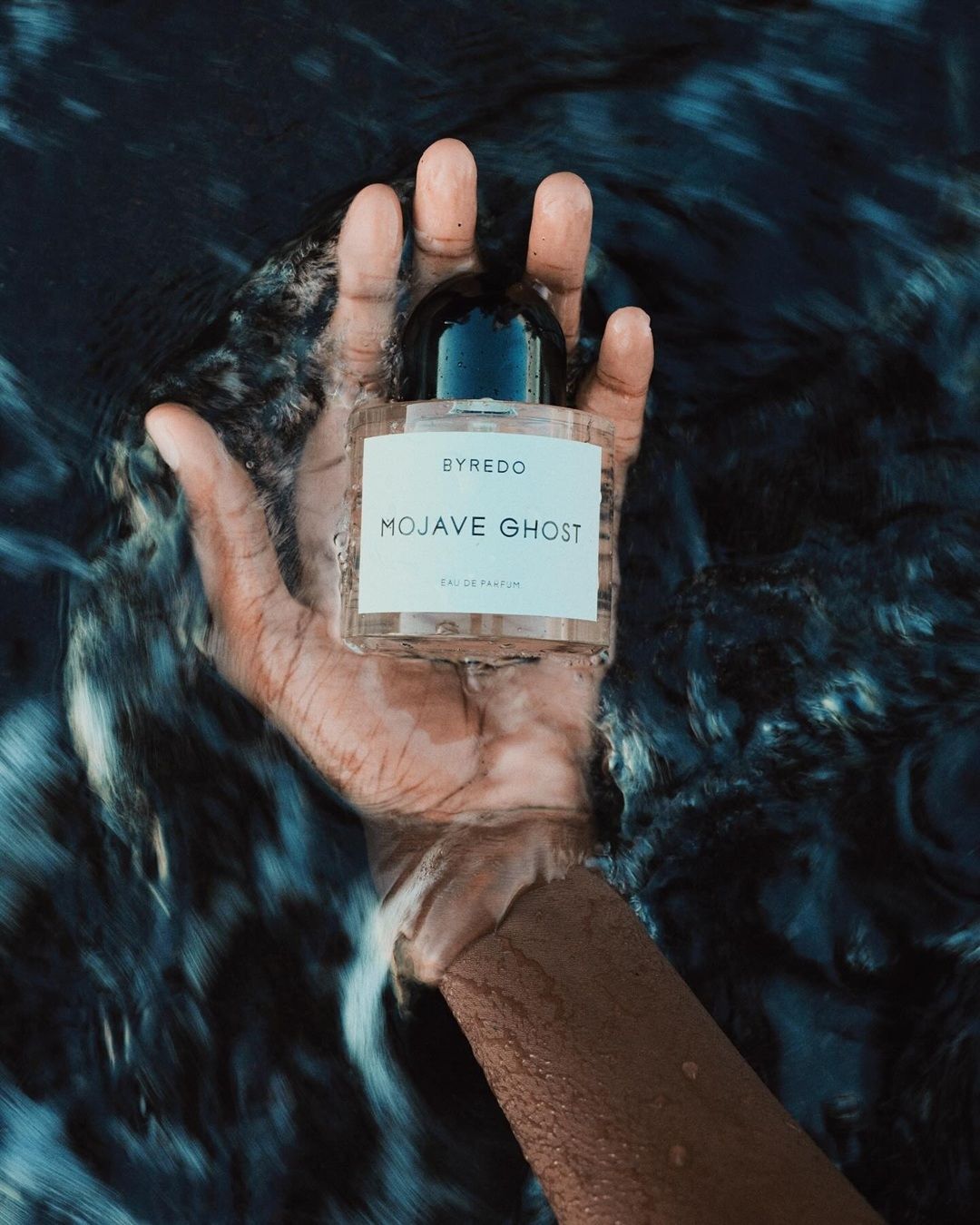
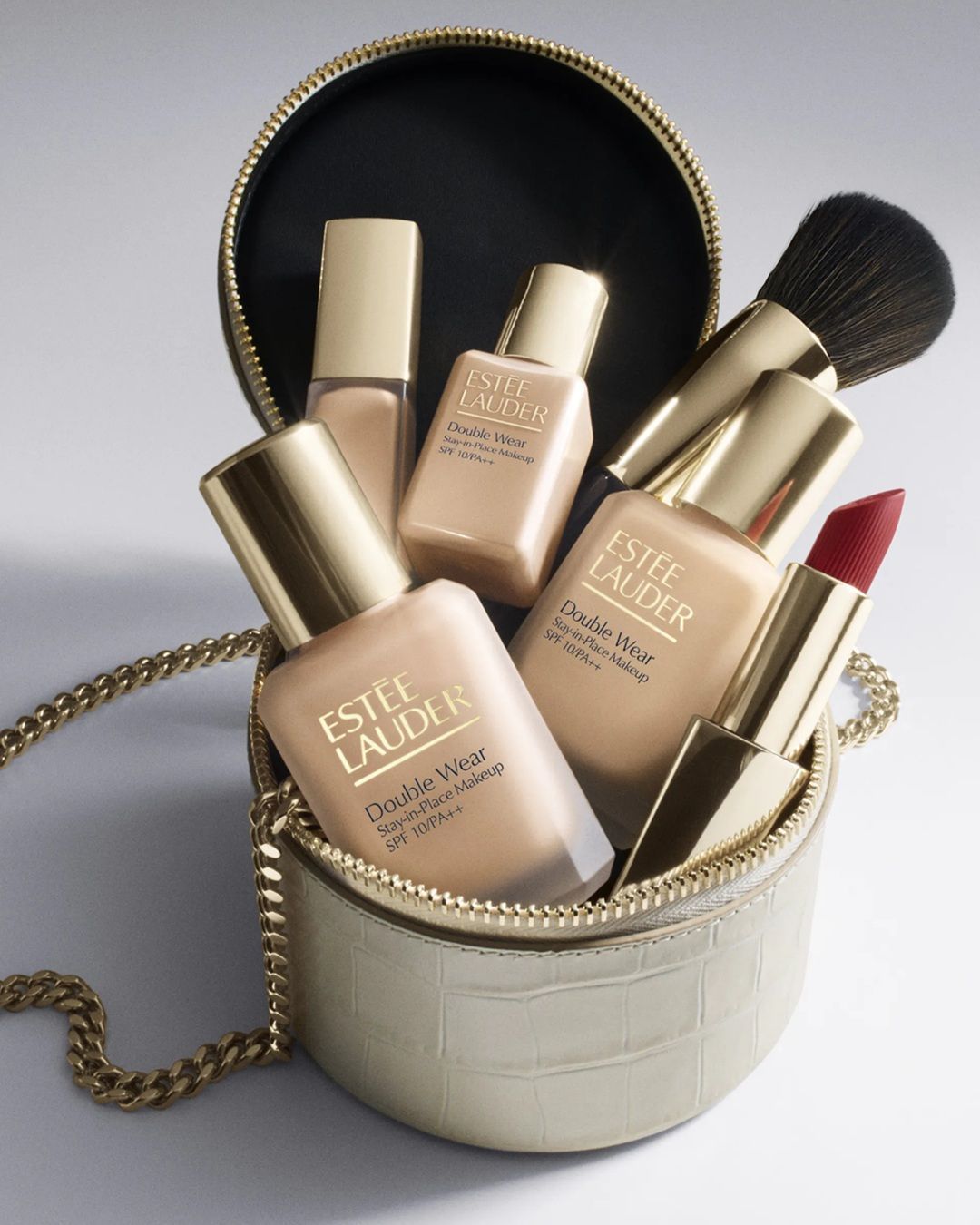
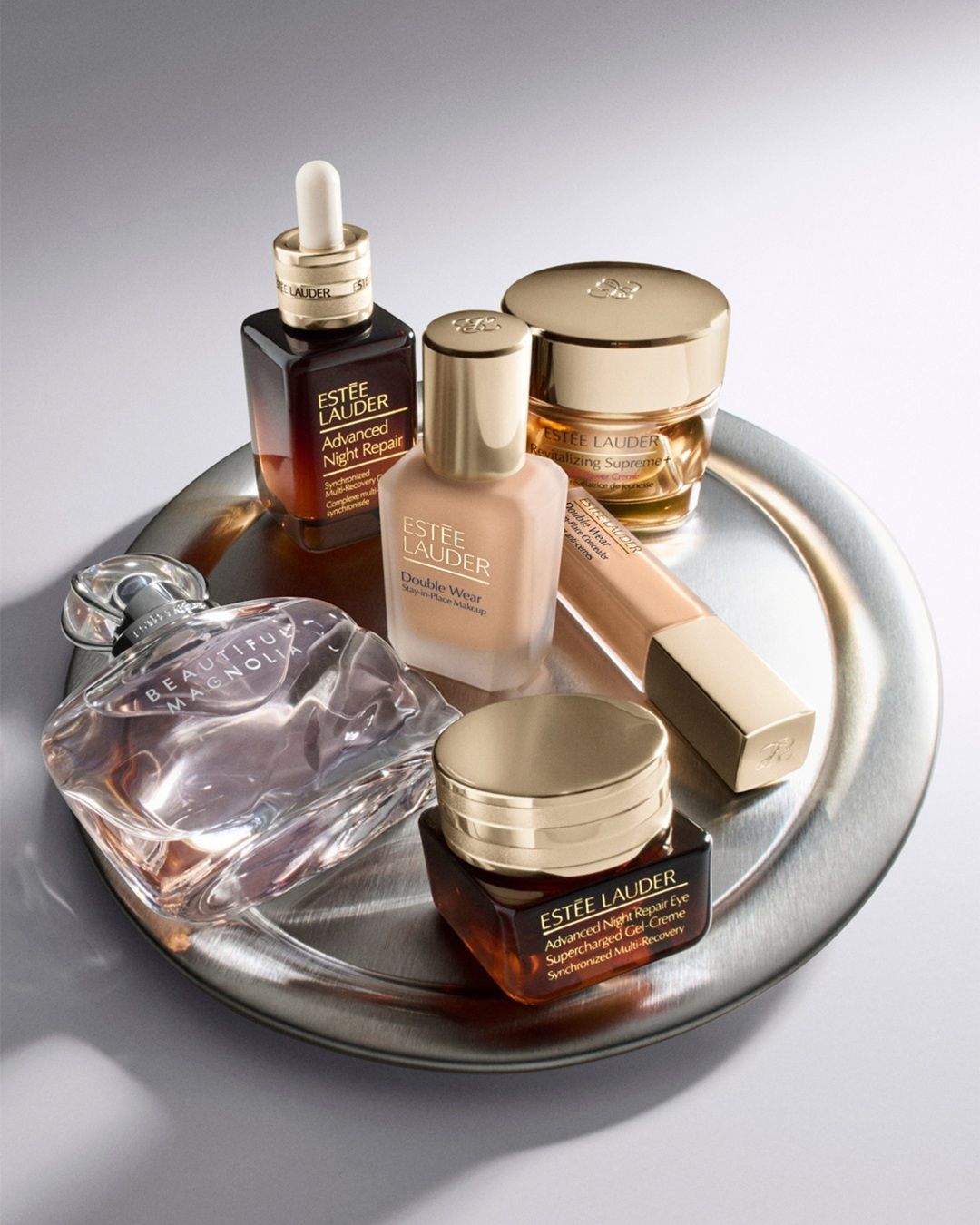
From an industrial perspective, the deal made sense and would have created a beauty group worth around $40 billion, large enough to compete more structurally with L'Oréal, currently the undisputed leader of the sector. On one side, The Estée Lauder Companies owns historic brands such as Clinique, MAC Cosmetics, La Mer, and Tom Ford. On the other, Puig controls highly influential names in fragrance, luxury cosmetics, and contemporary beauty such as Rabanne, Carolina Herrera, Byredo, and of course Charlotte Tilbury. The two companies could have complemented each other without excessive overlap. Estée Lauder is extremely strong in prestige skincare and luxury makeup, while Puig dominates the world of designer fragrances and culturally driven beauty brands closely connected to fashion and social media. And yet, despite the strong strategic rationale, investors viewed the merger more as a risk than a solution from the very beginning. When rumors about the negotiations became public in March, Estée Lauder’s stock fell sharply. After the official announcement that talks had collapsed, however, shares quickly rebounded. In recent years, The Estée Lauder Companies has gone through a difficult period marked by slowing sales, the crisis in travel retail, and challenges in the Chinese market. For this reason, the group is already pursuing a turnaround plan called Beauty Reimagined, designed to make the company faster, more modern, and more competitive. Integrating another multinational corporation would likely have slowed everything down. Mega-mergers of this scale require years, cost enormous amounts of money, and risk distracting management precisely when the company is trying to recover. Experienced investors understand this very well.
Estée Lauder wants to focus on its own turnaround
After negotiations ended, The Estée Lauder Companies reiterated its intention to continue investing in its internal strategy. As reported by WWD, the company recently recorded positive signals, organic sales in the third quarter increased by 2%, particularly in the fragrance segment (+10%), and now aims to strengthen the business without depending on a massive external deal. In the official statement, Stéphane de La Faverie reaffirmed confidence in the Beauty Reimagined strategy, although this does not mean the company will stop pursuing acquisitions altogether. More likely, it will focus on smaller and more targeted operations. Today’s market appears to reward companies capable of growing with greater discipline while avoiding overly complex mergers that are difficult to manage.
Puig loses an opportunity but preserves its identity
For Puig, the situation is more complex. A merger with The Estée Lauder Companies would have given the Spanish group an even stronger global dimension, accelerating its international expansion. At the same time, however, Puig retains flexibility, speed, and a strong creative identity, all qualities that today represent its real competitive advantage. In recent years, the company has established itself as one of the most interesting groups in the global beauty market thanks to its ability to transform niche beauty brands into global phenomena without stripping them of their aura or making them excessively corporate. This happened with Byredo, with Rabanne, and especially with Charlotte Tilbury, currently one of the most influential beauty labels among millennials and Gen Z consumers. The downside of the failed negotiations with The Estée Lauder Companies? Finding a strategic partner as strong as Estée Lauder could prove extremely difficult.
Today, identity matters more than size in beauty
The failed merger between The Estée Lauder Companies and Puig reflects a profound shift within the luxury beauty industry. For years, conglomerates focused on accumulating increasingly large brands. Today, however, the beauty business works differently. The brands that truly grow are those with a strong cultural identity, a clearly defined community, and a recognizable online language. Brands such as Charlotte Tilbury and Byredo are so valuable precisely because they do not simply sell products, they sell imagery, aesthetics, and a sense of belonging. These are elements that are extremely difficult to integrate into massive corporate structures without diluting their identity. The merger between The Estée Lauder Companies and Puig could have created a global cosmetics giant, but also a much slower, more complex, and more difficult machine to manage. And perhaps this is exactly why the market today no longer seems willing to automatically believe that “bigger” necessarily means “stronger.”
What to read next
Estée Lauder x Puig: the merger that could redefine the global beauty industry
Will the alliance between skincare and perfumery give rise to a new giant in the global cosmetics market?

José Manuel Albesa is the new CEO of Puig
For the first time in twenty years, someone from outside the family will lead the Spanish group
Estée Lauder Companies vende Too Faced, Smashbox e Dr. Jart
Why the beauty giant is streamlining its portfolio