









































Estée Lauder Companies vende Too Faced, Smashbox e Dr. Jart Why the beauty giant is streamlining its portfolio
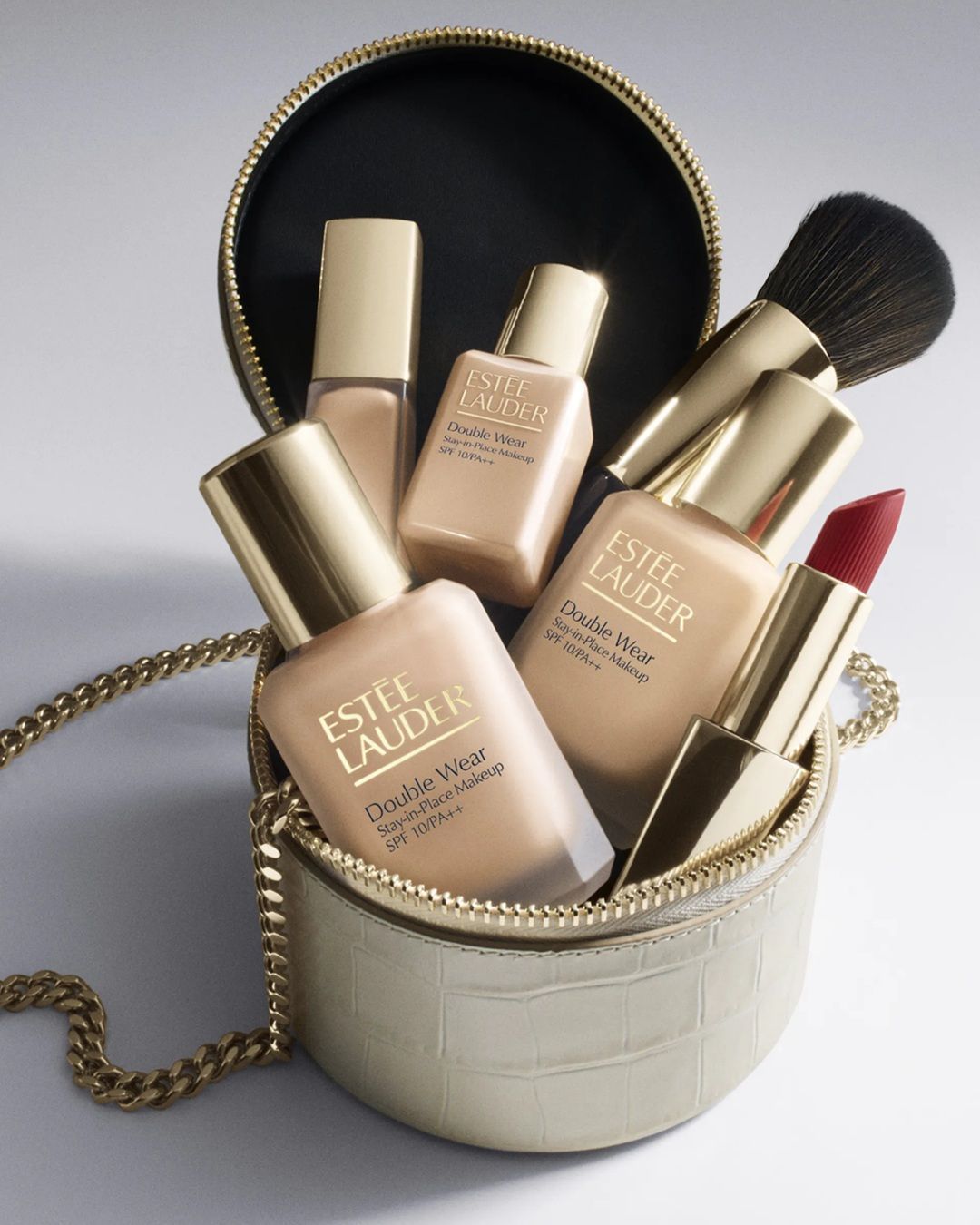
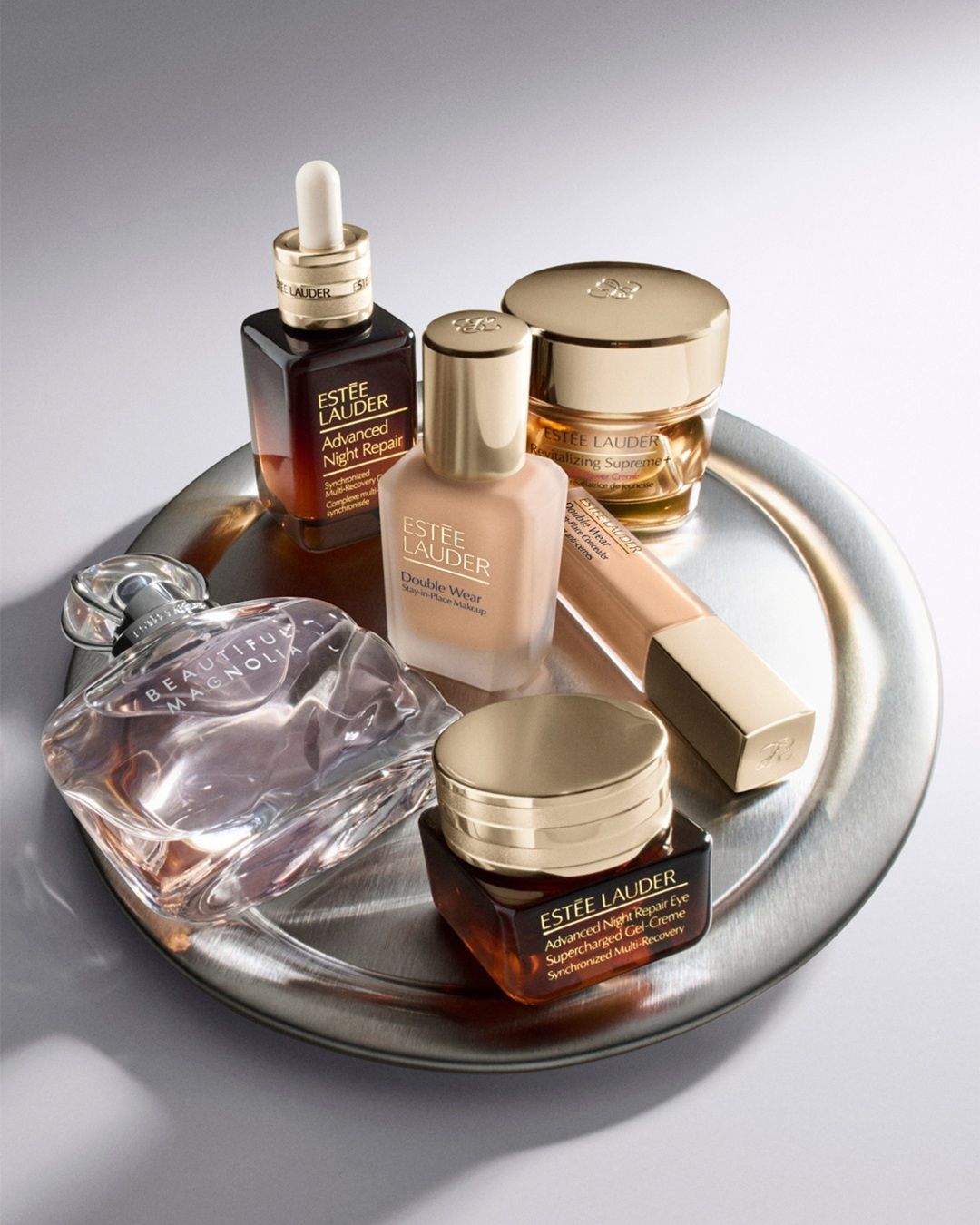
Estée Lauder Companies is cleaning out its beauty closet. And no, this is not the usual New Year decluttering. We’re talking about a nine-figure sale involving Too Faced, Smashbox and Dr. Jart, three brands that were once the “cool kids” of the portfolio and have now become the American giant’s Achilles’ heel. According to Business of Fashion, the transaction has been entrusted to Evercore and JP Morgan, a move that marks a crucial turning point in the strategy of the group led by Stéphane de La Faverie, who is in the midst of a deep restructuring under the Beauty Reimagined plan. The goal? To make the conglomerate more agile, free up capital and focus energy on core brands (much like Kering did when it sold its beauty division to L’Oréal), at a time when the market shows no mercy for slow execution or ambiguous positioning. Translation: less ballast, more focus, more agility. And, above all, more cash.
From cool acquisitions to struggling brands: what's happening in Estée Lauder
Throughout the 2010s, Estée Lauder Companies went on a compulsive shopping spree, snapping up young, digital-friendly brands with strong millennial and Gen Z appeal, becoming one of the most aggressive players in the acquisition race. The purchase of Too Faced in 2016 for $1.45 billion set a benchmark, as did the integration of Smashbox and, later, Dr. Jart, acquired in 2019 for around $680 million to strengthen the group’s presence in K-beauty. At the time, these brands embodied everything the group was looking for, starting with their ability to generate social media buzz. Today, however, what were supposed to be growth engines require heavy investment, relaunches and, above all, patience, a quality not exactly abundant among luxury managers. The problem is that the context has radically changed. Consumer tastes move faster, makeup cyclically loses centrality, and Korean skincare is no longer a disruptive niche but a hyper-competitive category. In this scenario, Too Faced and Smashbox struggle to remain relevant, while Dr. Jart has failed to carve out a distinctive position in the “second wave” of K-beauty.
The numbers that don’t add up (and that trigger a sale)
Behind the decision to sell lie, above all, the numbers. Dr. Jart has become the most emblematic case: against revenue expectations of around $500 million, the brand stalls at roughly $150 million, with operating losses of $16 million. The slowdown of Asian duty-free channels, particularly in China, has weighed heavily, as has the growing shift of Chinese consumers toward domestic brands. Too Faced and Smashbox also show signs of structural fatigue. While some iconic products continue to perform, the competitive landscape has become ruthless, with digitally native brands such as Rhode, Rare Beauty and Makeup by Mario able to tap into trends and communities much prove quickly, eroding market share with surgical precision. The write-downs already recorded in Estée Lauder Companies’ financial report for the July 2024 – June 2025 period confirm that the perceived value of these assets is no longer what it once was.
A bundled sale: why this way (and why now)
The decision to offer Too Faced, Smashbox and Dr. Jart as a single package is no coincidence. In a market where there are more sellers than buyers, a bundled sale increases the attractiveness of the deal, allowing a potential buyer to work on operational, distribution and marketing synergies. It’s a logic already seen in the sector. As BoF notes, Shiseido set the precedent in 2017 when it sold Laura Mercier, Buxom and BareMinerals to Advent. Timing, however, remains challenging. Today, everyone wants to sell. Coty, L’Oréal, and other conglomerates are rationalizing their portfolios. Even next-generation independent brands are looking for exits. The result? Few buyers, abundant supply, and valuations under pressure. In this context, the sale of Too Faced, Smashbox and Dr. Jart is not just a financial transaction, but a systemic signal that the era of indiscriminate brand accumulation is over.
Beauty Reimagined: fewer brands, more focus
The potential divestment of the trio fits perfectly within the Beauty Reimagined plan launched by CEO Stéphane de La Faverie. The idea is not to shrink the group, but to strengthen it. Shedding activities deemed no longer strategic allows Estée Lauder Companies to concentrate resources on heritage brands such as MAC Cosmetics, Clinique and Estée Lauder, as well as on high-growth categories like luxury fragrances. Early signs are encouraging: a return to organic sales growth, strong performance in fragrances, a relaunch of direct-to-consumer channels, and greater presence on Amazon and Sephora. Makeup remains a complex battlefield, but the direction is clear: concentrate resources on heritage brands with global equity and on categories where the group still has a credible right to win.
A lesson for the entire beauty industry
The sale of Too Faced, Smashbox and Dr. Jart should be read as a broader signal for the sector. The era of expansion driven by brand accumulation appears to be giving way to a more selective phase, where strategic coherence and the ability to create long-term value matter most. In short: less unicorn storytelling, more industrial discipline. Fewer “cute” brands, more relevant brands. Less hype, more profitability. Because in today’s beauty industry, the winner is not the one who owns the most logos, but the one who knows how to make them truly work. And sometimes, the smartest move is not to add, but to subtract.
What to read next

LVMH Q3 2026: beauty saves the day
LVMH's quarterly results highlight strong performance in fragrances and retail, with Dior and Guerlain holding steady, while Sephora surges

What's going on with Isamaya Ffrench and her brand?
The British makeup artist is reportedly set to leave the brand as early as 2025

Bottega Veneta launches Alta, a new fragrance collection
Composed of ten original Eau de Parfum