


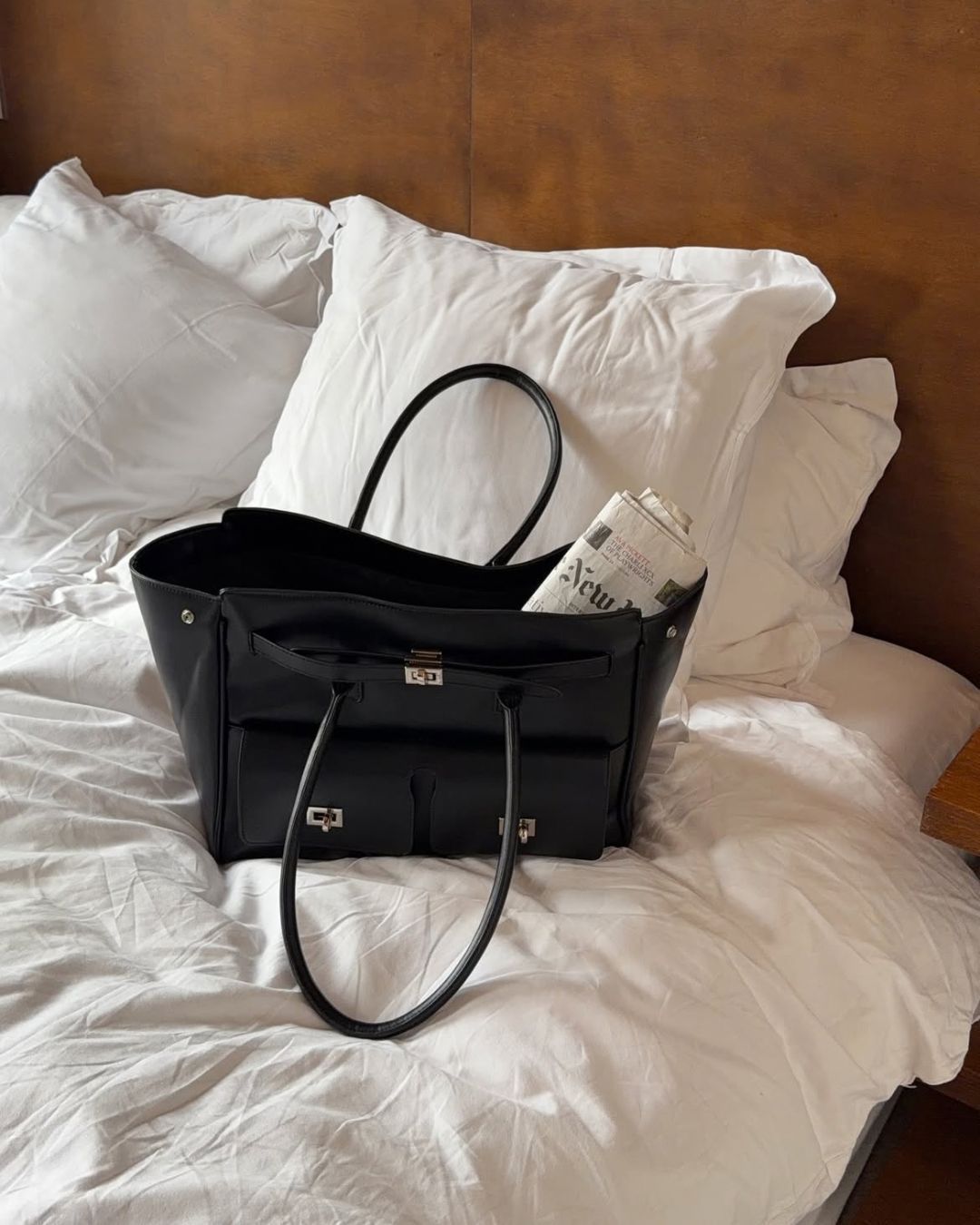
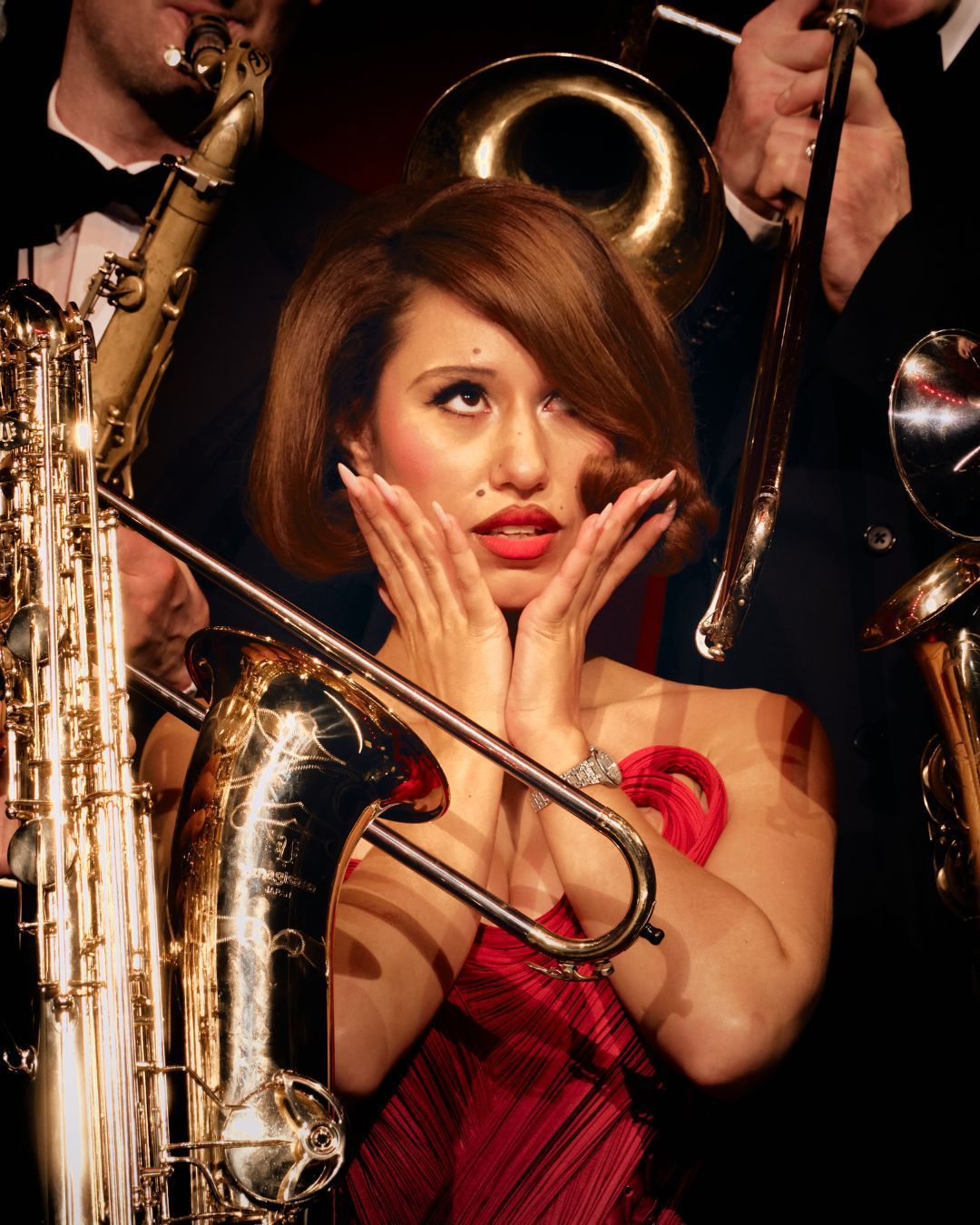
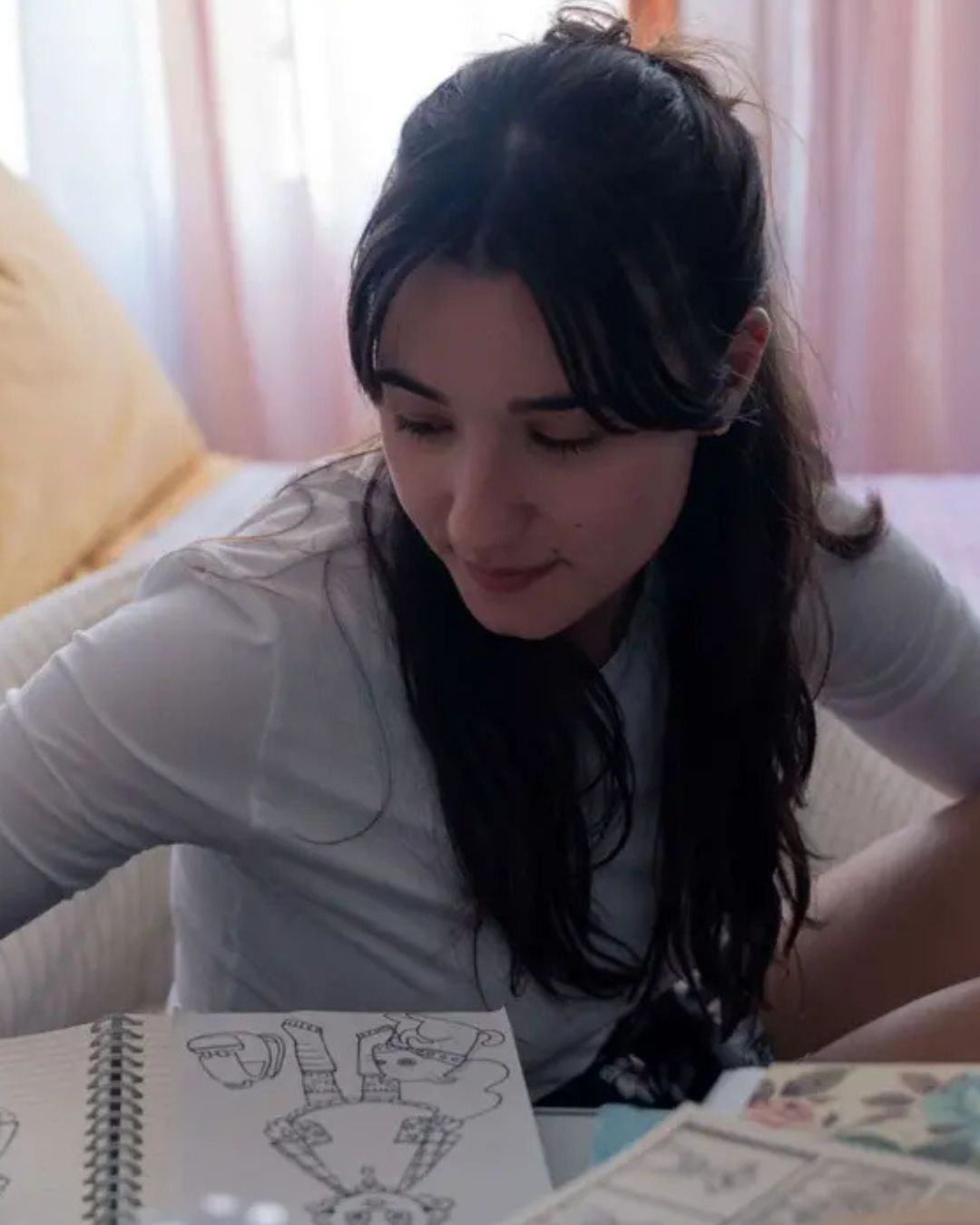




Will messy beauty save us from AI? Beauty brands and influencers are already thinking about how to exploit the trend
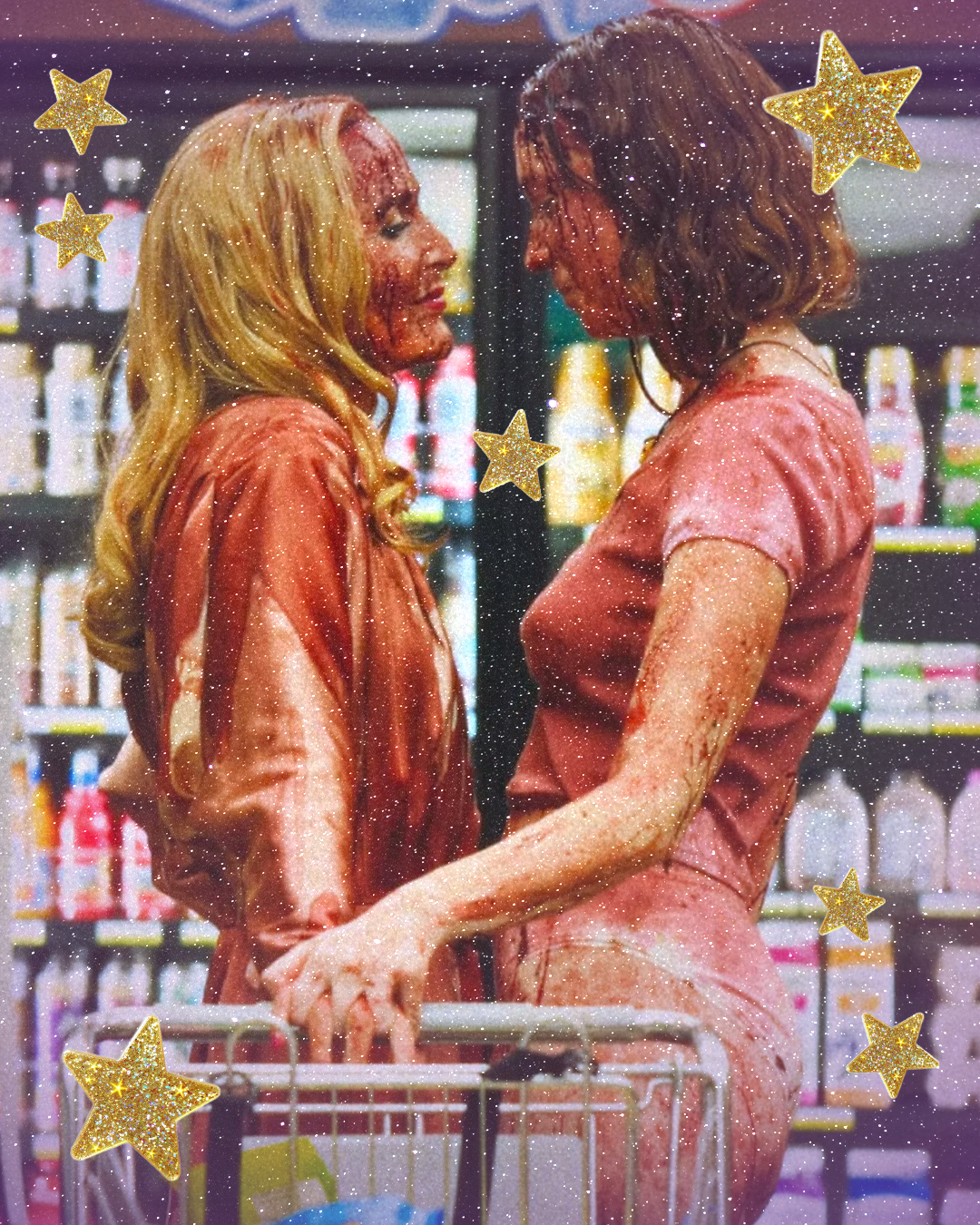
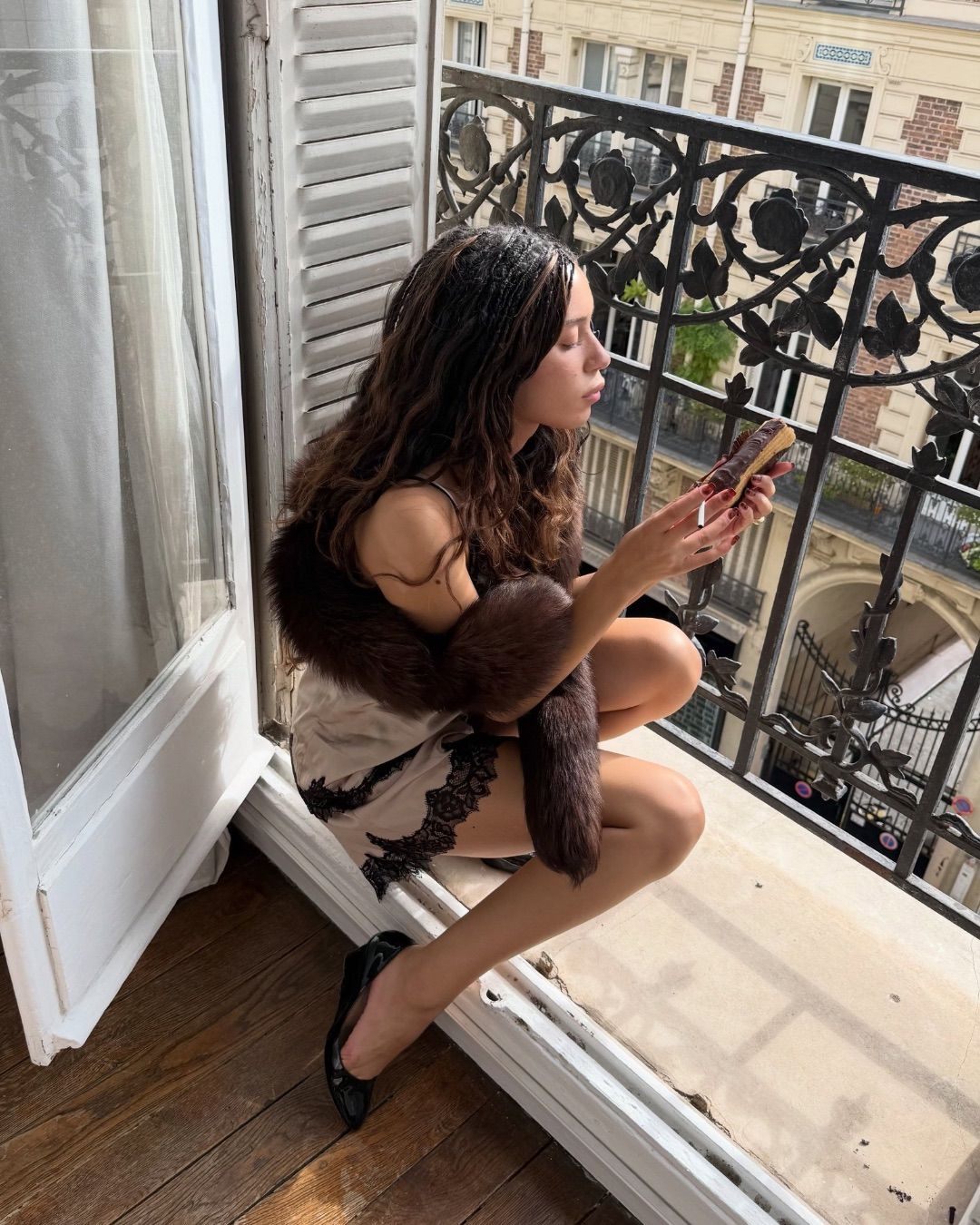
There is a problem with perfection today. In fact, there are at least three. The first is that it no longer surprises. The second is that it no longer convinces. The third, and most serious, is that it looks too much like itself. In a feed saturated with synthetic images, polished avatars, and content optimized down to the last comma, the visual perfection we long called luxury, aspiration, control has now become a mere algorithmic signature that signals absence. Absence of body, of time, of friction, of soul. Skin without pores, surfaces without dust, bathrooms that look like sets, certainly not lived-in, inhabited places. Everything correct. Everything clean. Everything interchangeable. Artificial intelligence did not invent this imaginary, but it pushed it to collapse, showing us how fragile it was, how artificial it already was even before truly becoming so. And so, if AI is flawless at replicating perfection, perhaps the only way to unmask it is to stop chasing it. In beauty (but the argument applies to all visual culture), messy aesthetics are becoming desirable again, credible, and, surprisingly, are starting to look like luxury. Not because they are “beautiful” in the classical sense, but because they represent a proof of humanity to be displayed.
When perfection becomes algorithmic (and therefore suspicious)
For years we believed that order and value were synonyms. That a clean surface was automatically a better surface. That less meant more, as long as everything was perfectly aligned. The Clean Girl aesthetic, with its glass-skin complexion, disciplined hair, palettes oscillating between beige and boredom, chromatically perfect shelves, was the apex of this visual ideology. A well-mannered, composed, reassuring beauty, almost moral. It worked because it promised control. And control, in a chaotic world, has always been a strong currency. Then something cracked. Those images began to feel not ugly or wrong, but suspicious. When an aesthetic loses friction with reality, it also loses its symbolic power. The real downfall? A loss of trust. People (and consumers in particular) increasingly associate extreme visual cleanliness with artifice and respond with disinterest. The result? On TikTok and other social platforms, content embracing chaos, error, and smudges is multiplying, categorized under hashtags like #messygirl, #messyaesthetics, #girlmessy, or #cluttercore.
Messy vs. clean: more than an aesthetic question
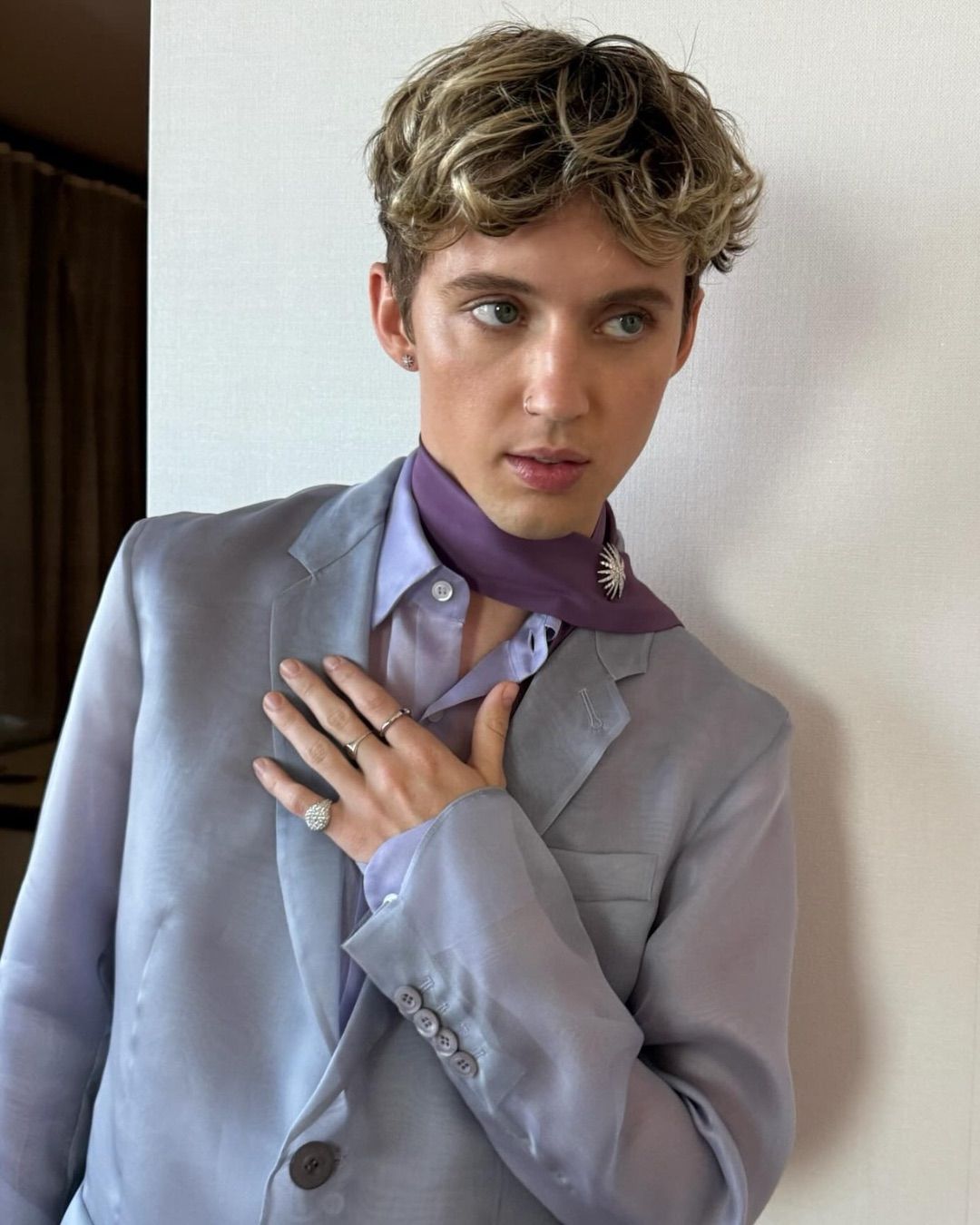
The clean girl promises control, stability, a version of oneself that is always presentable. The messy girl admits the opposite: misalignment, exhaustion, inconsistency. She embraces failure. She doesn’t perform for the algorithm, doesn’t shop for the post, doesn’t dress to be “brand safe.” And in a world marked by climate crises, economic precarity, and saturation of the influencer economy, this admission feels paradoxically more reassuring because it adheres more closely to reality. Celebrities like Billie Eilish, Charli XCX or Julia Fox, with maximalist makeup and apartments inhabited by stacked shoe boxes in the kitchen, clothes and toys scattered everywhere, embody this more rock, more analog, more human aesthetic. Even Marie Kondo, after the birth of her third child, declared she had made peace with disorder. If the priestess of decluttering gives in, something is truly changing.
Chaos as antidote: why messy aesthetics appeal (and sell)
This kind of collective reaction, driven by Gen Z, to filtered beauty and the pressure to appear flawless was quickly intercepted by brands. This is where messy branding’s market appeal comes into play, with its imperfect images, chaotic compositions, and mistakes left intentionally visible. Not out of sloppiness, but strategy. In beauty as in fashion, disorder works because it is an emotional shortcut to trust. In an era of algorithmic flattening, it communicates originality; it signals that behind that content there is a human hand, not an optimizing algorithm. And humanity, today, is a rare asset.
Empties: when the finished product is worth more than the launch
One of the clearest signals of this paradigm shift is the rise of so-called empties. Not launches, not hauls, not yet another choreographed unboxing, but finished products. Loved to the last drop. Lipsticks worn down to the base, crushed tubes, foundations scraped obsessively. In an industry that has thrived on abundance and constant relaunching, showing a completely used product is almost a subversive act. And it is also incredibly effective. Empties speak of value, not status. They tell a story of trust repaid, of habits built over time. Merit Beauty demonstrated the impact of messy branding in striking fashion by launching a campaign featuring half-empty tubes that generated 40,000 Black Friday waiting-list sign-ups in three days. A figure that captures a new consumer response, far from accumulation and overconsumption. Finishing something today is more aspirational than owning ten different but interchangeable products.
The sink is the new shelf
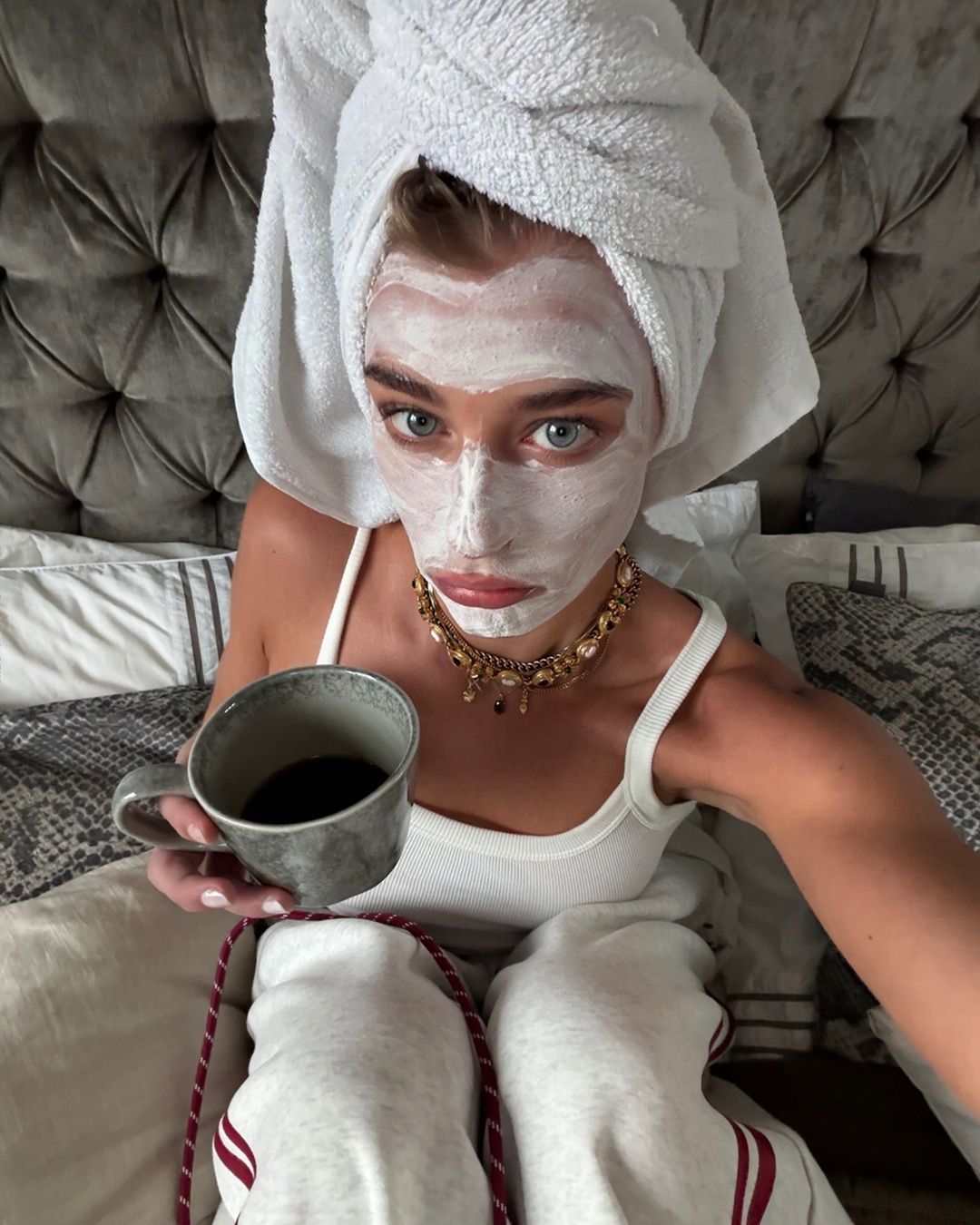
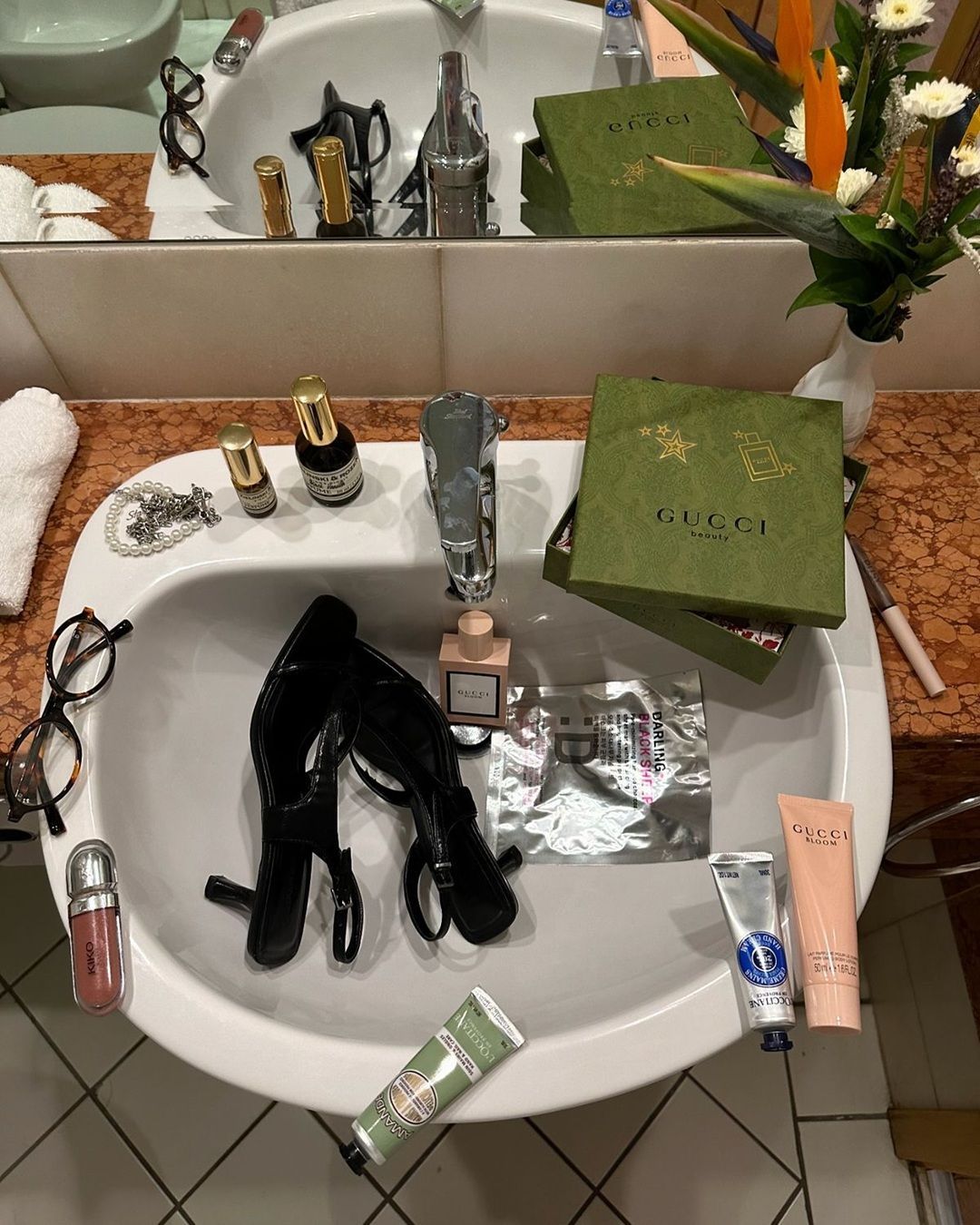
Once upon a time, there was the Instagram shelf, an object of desire and digital voyeurism. Then it became too curated, too studied, too… fake. Today, the gravitational center of beauty has shifted a few feet, and the sink has become the new shelf. Small, chaotic, intimate. It’s the place of rushed mornings and evening routines, of real life, where products pile up out of necessity, not aesthetics. Messy girl marketing has crowned it the new perfect set to show products while they live, not while they pose. Influencers like Vanna Jimenez have empirically demonstrated the effectiveness of this strategy, building communities by showing real routines in tiny, messy bathrooms. As noted by The Business of Fashion and other industry experts, Fara Homidi, Merit, Dieux, or Makeup by Mario regularly post images of half-used products, stored chaotically next to toothpaste, brushes, shower caps, espresso cups. Even scrolling through the feeds of major brands like Chanel Beauty, Haus Labs, or Glossier, it’s clear that perfect shelves have given way to chaotic, stained, real surfaces.
When even chaos becomes a format
The elephant in the room is, of course, AI. In recent years it has colonized beauty marketing at an astonishing speed, through generated images, virtual influencers, and synthetic reviews. Everything faster, cheaper, more scalable, but also more uniform. The result has been growing distrust. According to Dentsu, in 2025, 81% of marketing directors believe consumers are willing to pay more for content created by human beings. In this scenario, disorder becomes an analog signature. The problem is that imperfection, too, can be commodified. Like any powerful language, it risks being recuperated, stylized, monetized. In the hands of marketing, messy aesthetics can turn into formula, cliché, just another trend rather than a true space of freedom, a new perfection disguised as chaos. And yet, for now at least, audiences continue to distinguish between sincere chaos and performative chaos. So will chaos and imperfection save us from AI? Probably not. But they are already helping renegotiate the concept of authenticity, rebuild trust, and distinguish what is human from what is merely well simulated. In a feed saturated with synthetic images, disorder becomes a trace. A signal. And today, in beauty as in pop culture, nothing is more powerful, or more luxurious, than something that doesn’t look too perfect to be true. A smudged lipstick that doesn’t apologize.
What to read next
What's going on with Isamaya Ffrench and her brand?
The British makeup artist is reportedly set to leave the brand as early as 2025
Are we nostalgic for our own faces?
And what if imperfection became precisely what makes us recognizable?
After Haus Labs, Lady Gaga enters biotech with Outer Biosciences
The popstar's new startup uses artificial intelligence and living human skin to search for the next ingredients in skincare