













Why have they all become Rhode models? Spoiler: artificial intelligence is involved
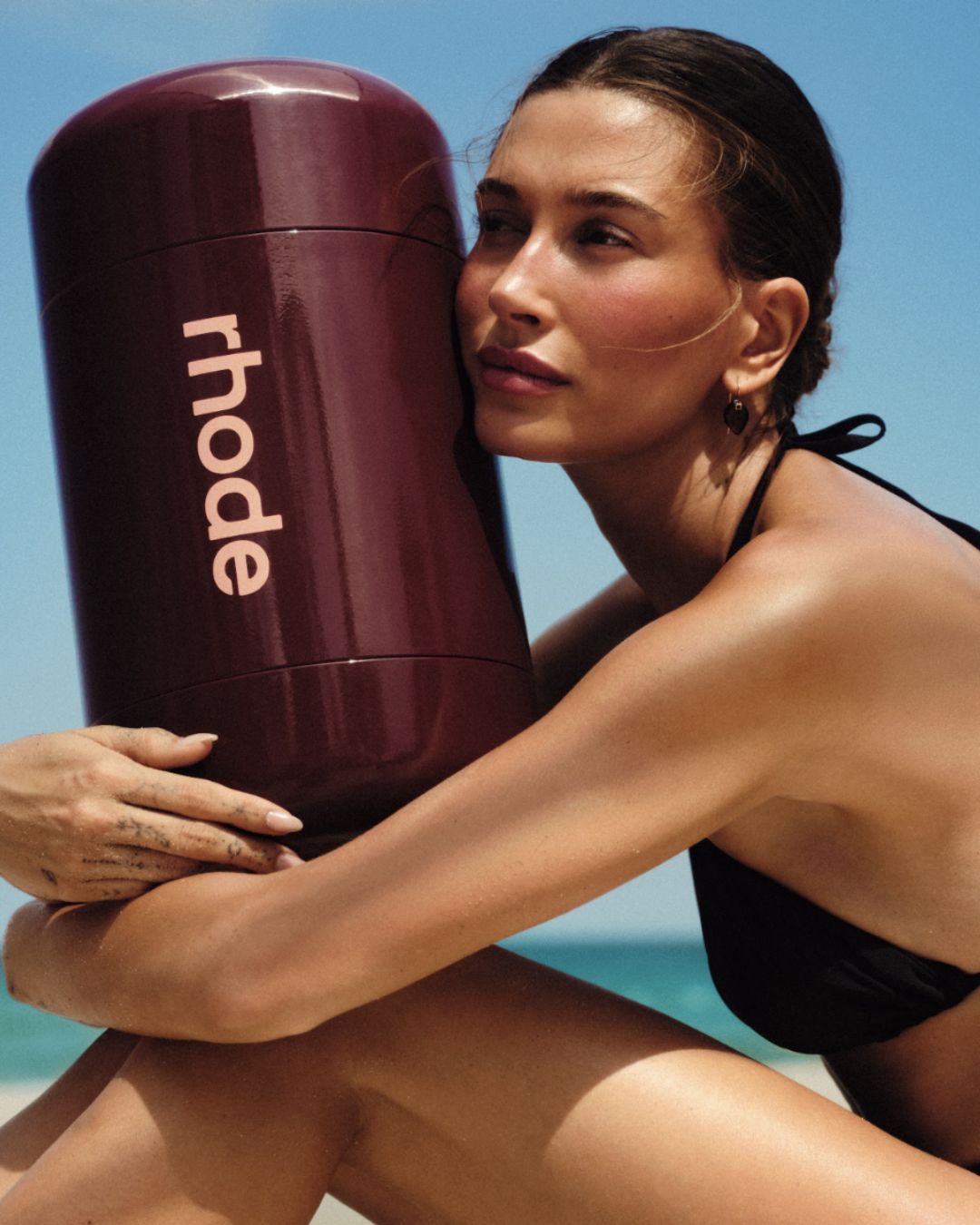
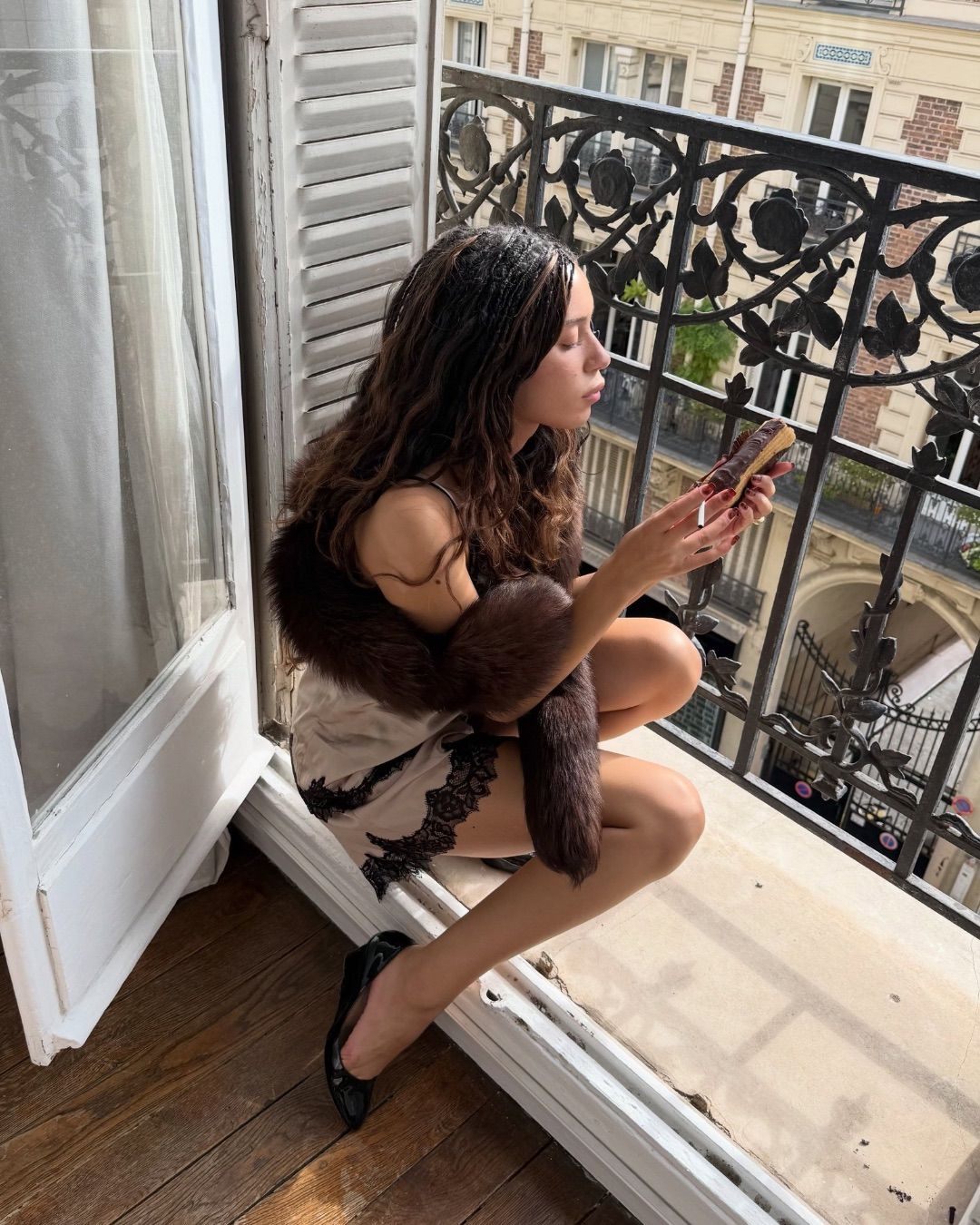
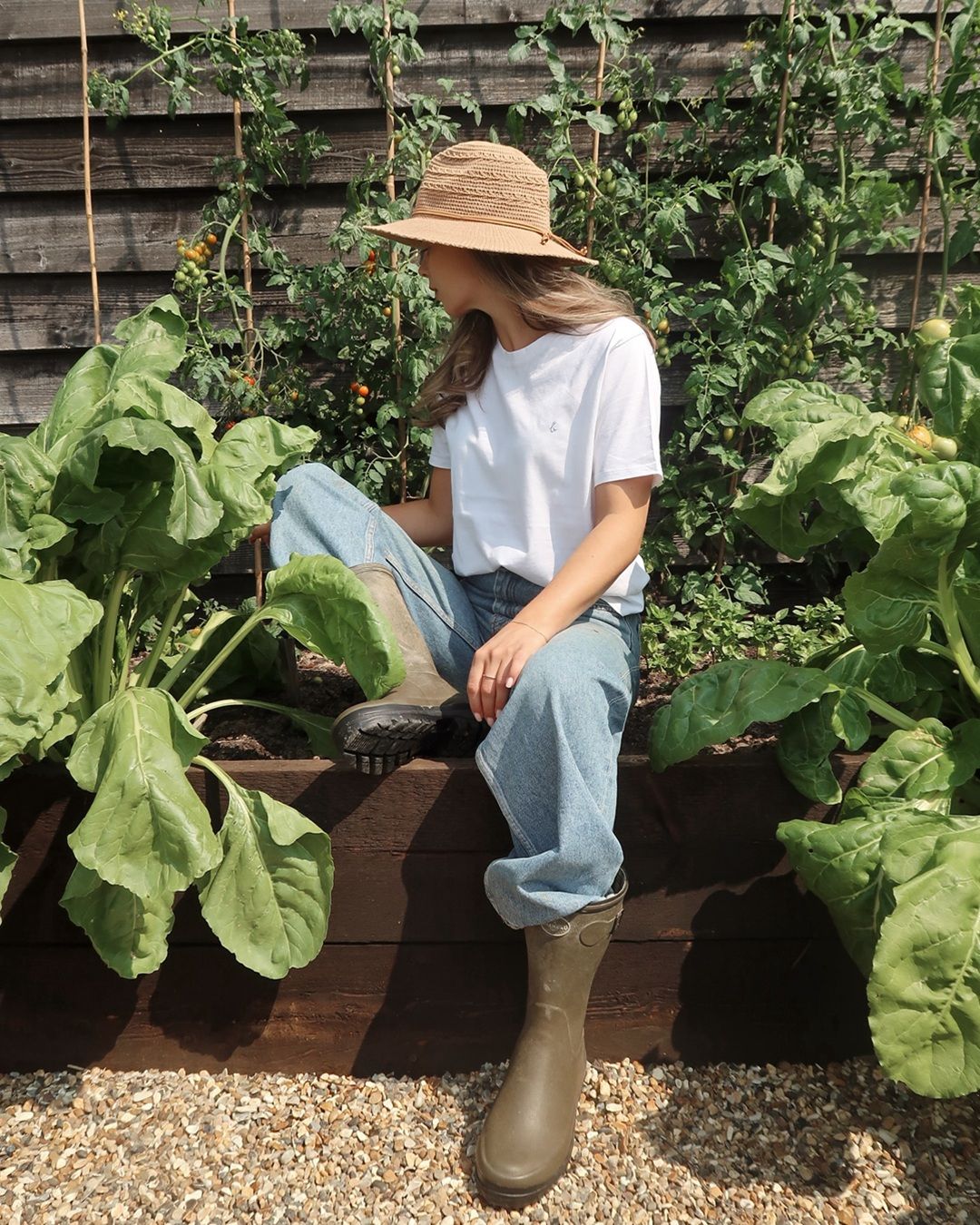
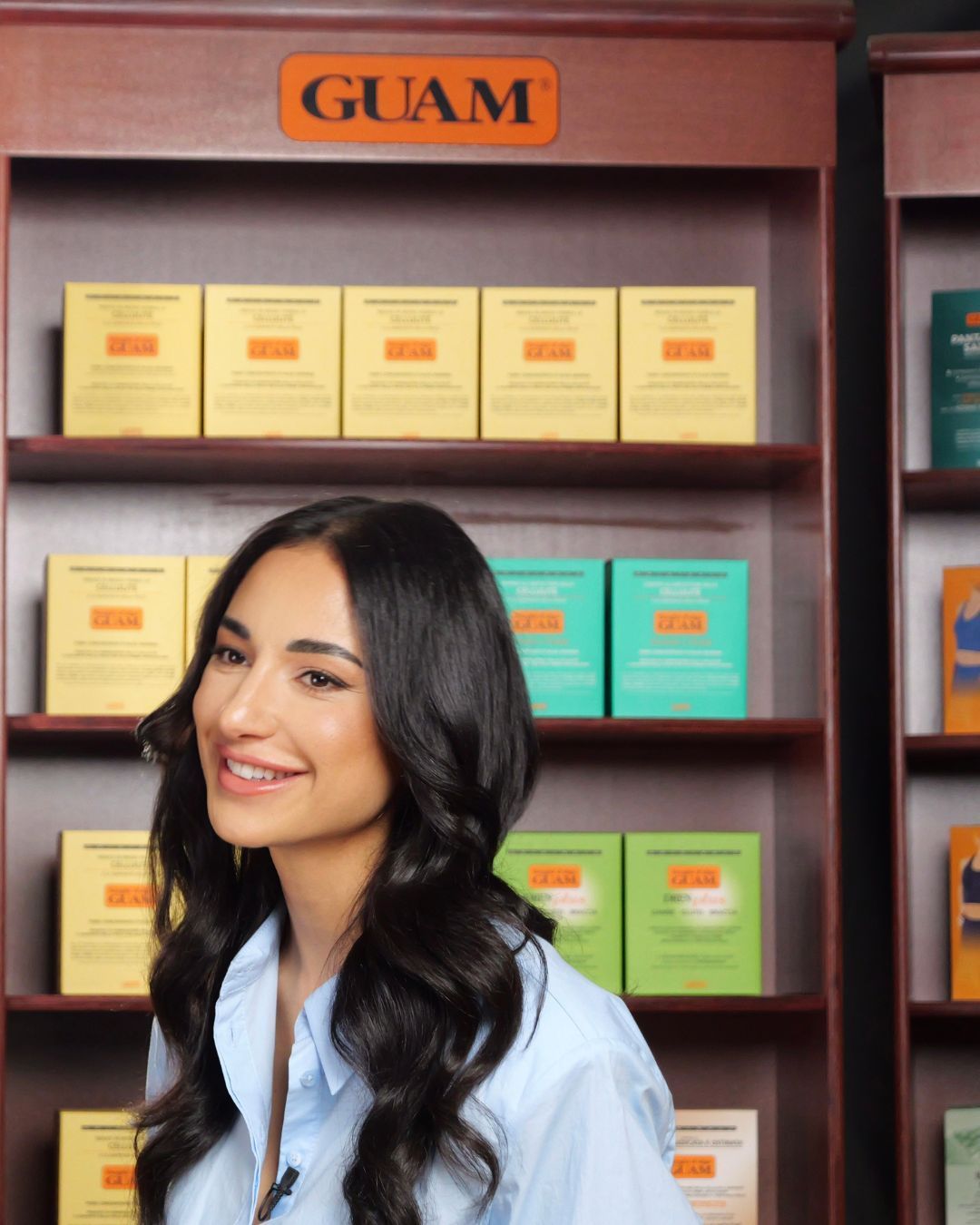
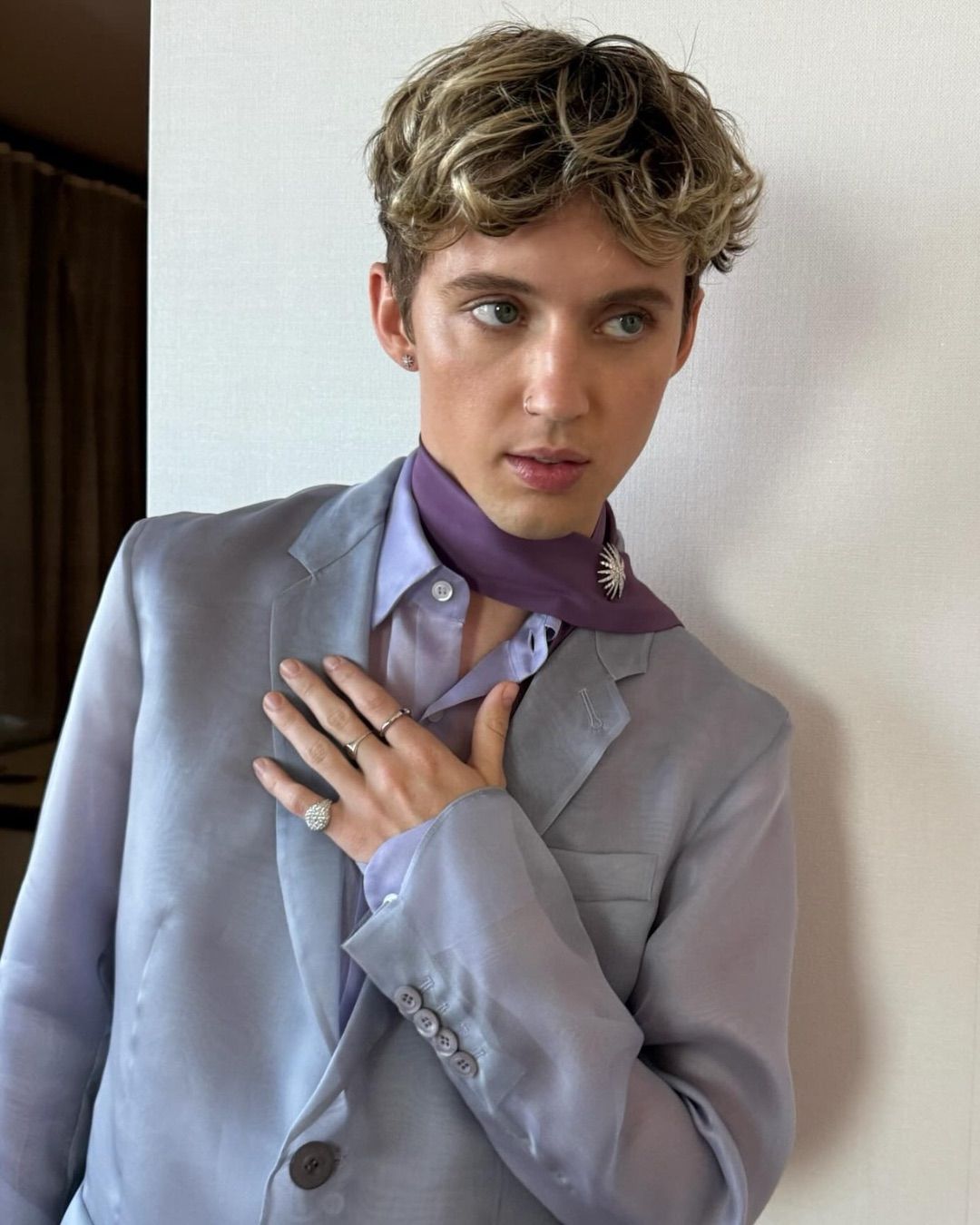
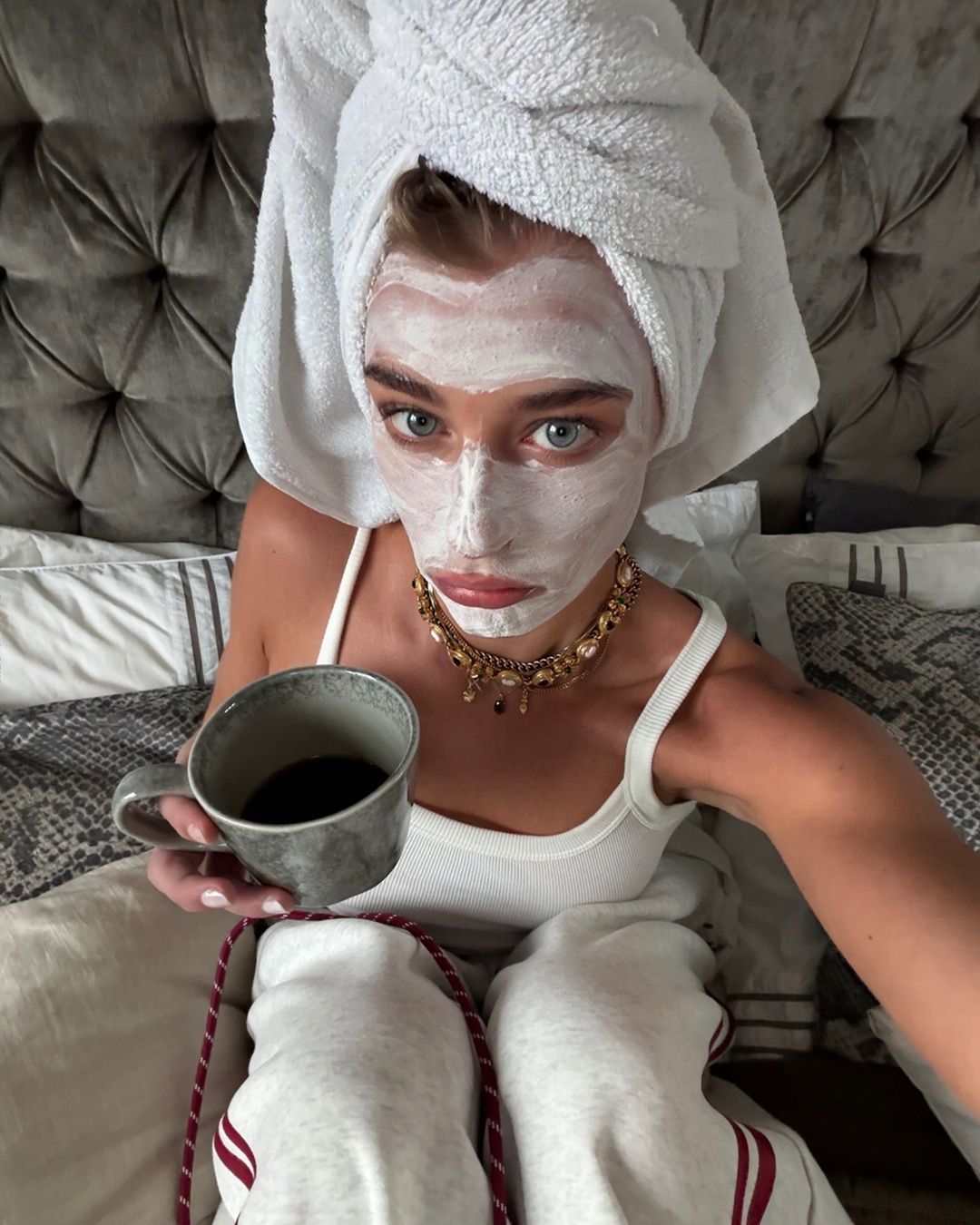
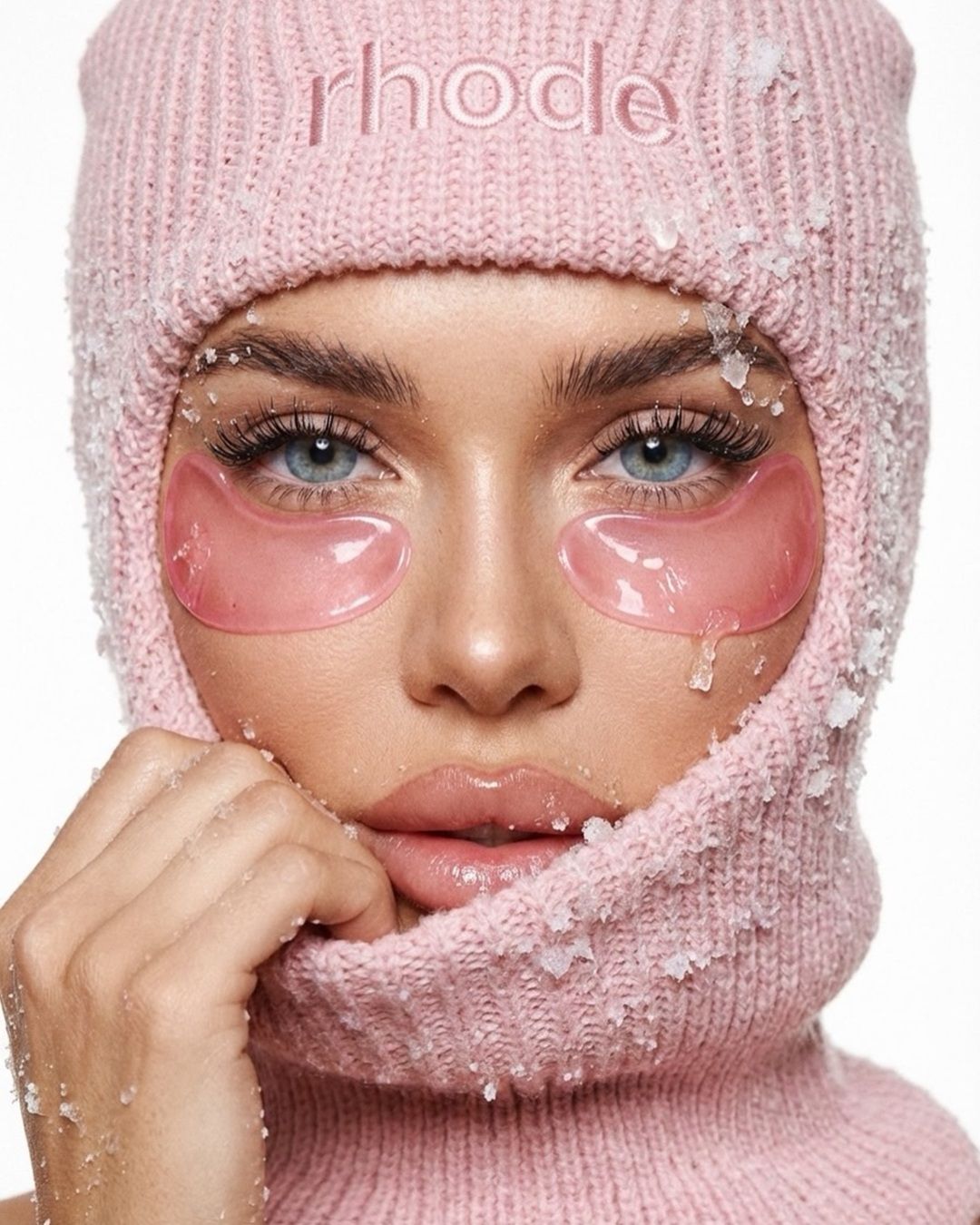
If you have an Instagram profile and even the slightest interest in the beauty world, over the past few days you’ve almost certainly come across dozens of practically identical photos in your feed. Hard not to notice them, given that the elements are always the same: a strictly pink helmet or balaclava, matching under-eye patches, and the Rhode logo, the beauty brand founded by Hailey Bieber in 2022, clearly visible. The first time, you might have thought your favorite influencer had done a really cool shoot, only to realize, after the umpteenth identical post, that these images have nothing to do with creativity. That’s right, because there’s nothing original here: all of these photos are generated by artificial intelligence.
Standardization to the edge of the uncanny
What made this alienating copy-and-paste possible is an app that allows users to obtain images worthy of a professional shoot in just a few clicks. Creators (and not only them) immediately seized the opportunity, so much so that in just a few days Instagram turned into a gigantic photo set, complete with video tutorials explaining how to join the trend. But why are these posts causing so much debate? The first reason is quite obvious: even though the app tries to preserve each person’s distinctive features, the polished AI effect makes faces inevitably standardized, gifting extremely long lashes, perfect noses, and extra-plump lips that verge on the uncanny. Full-body portraits are perhaps even worse: same pose, same smoothed skin, and above all the same body, without the slightest imperfection. If we thought the era of filters was over, here we are back at square one: the images bombarding us once again conform to unattainable beauty standards, ready to create new insecurities we didn’t have before. The cherry on top? To see your own image standardized, you have to pay. The app in question costs at least €22.99, a price that millions of girls are willing to pay just to post the perfect shot on their Instagram profile.
Rhode and the image issue
On top of all this comes another problem, no less important: Rhode has nothing to do with this wave of aspiring testimonials. The app does not appear to be associated with the brand, which has not yet commented on the matter, but in the meantime hundreds of influencers are pairing their names with Hailey Bieber’s brand, leading less informed users to believe the shoot is real. Not all of them, in fact, disclose that the photos are AI-generated, pushing followers to think it’s an actual collaboration. Moreover, if at first glance this free publicity might seem like an advantage, the reality is quite different. Rhode has always stood out in the beauty landscape for its recognizable, meticulously curated style, as well as for its carefully selected ambassadors, from Claudia Schiffer to Hailey herself. This boom of “Rhode girls” confuses the brand’s fans, who suddenly find themselves faced with an aesthetic that’s different from the usual one and with a number of supposed brand models they don’t recognize.
Does it still make sense to talk about creativity?
The last point, not to be underestimated, is creativity. For some time now we’ve been used to scrolling through feeds and seeing the same outfits and the same trends over and over again, but the Rhode case takes the issue to another level. Here we’re no longer dealing with similar content, but identical content. If Instagram, and social media in general, once represented the cradle of inventiveness, today, with the advent of artificial intelligence, almost nothing original remains. It makes you wonder whether it still makes sense to keep using platforms where, in the attempt to distinguish what is fake from what isn’t, very little of what’s left is real.
What to read next
Are we nostalgic for our own faces?
And what if imperfection became precisely what makes us recognizable?
After Haus Labs, Lady Gaga enters biotech with Outer Biosciences
The popstar's new startup uses artificial intelligence and living human skin to search for the next ingredients in skincare