



















































How to prepare your skin for spring All steps: from exfoliation to sun protection
Spring isn’t the most stable season for your skin. It’s a transition, and transitions (in skincare as in life) always bring a bit of chaos. The light changes, the weather shifts, temperatures rise, and we feel more tired. And as the body reacts, so does the skin. That super-rich winter routine that saved you from the freezing cold in January gradually starts to feel excessive. Too dense. Too heavy. In short: too much. So the skin becomes more shiny, with a few more imperfections, and a less even texture. Meanwhile, UV rays increase, even if your mind is still far from the beach. So, how do you best prepare your skin during this period?
How to prepare your skin for Spring
Step One: reevaluate your cleansing choice
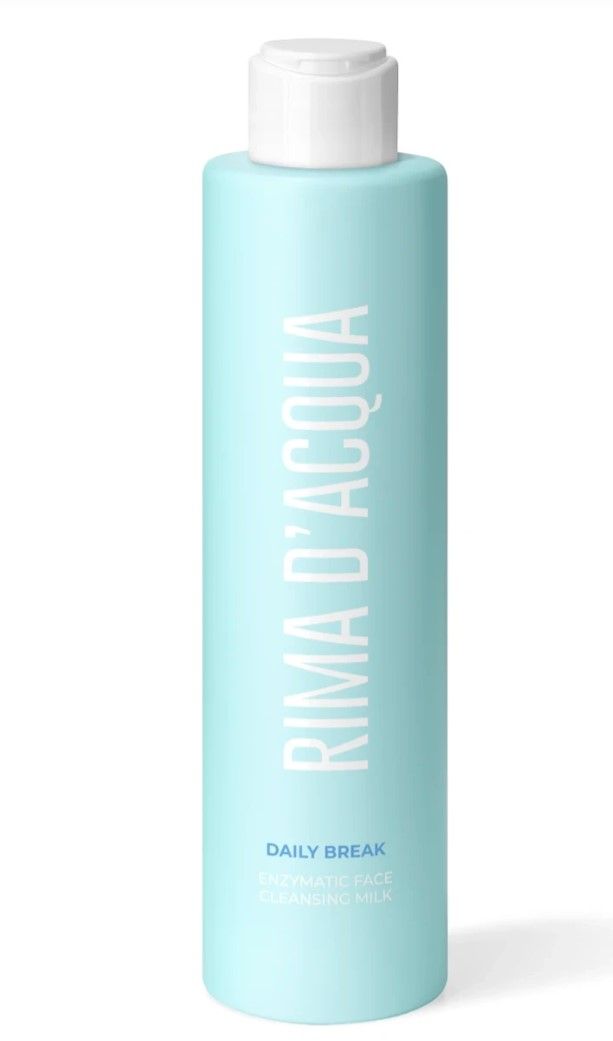
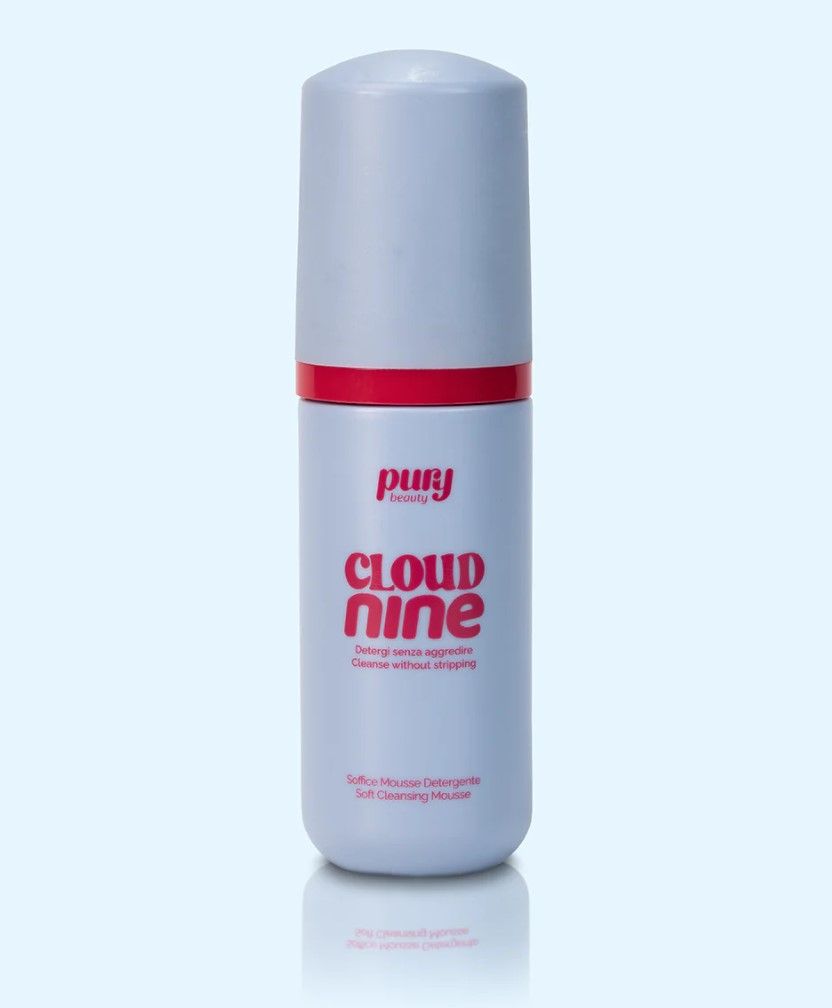
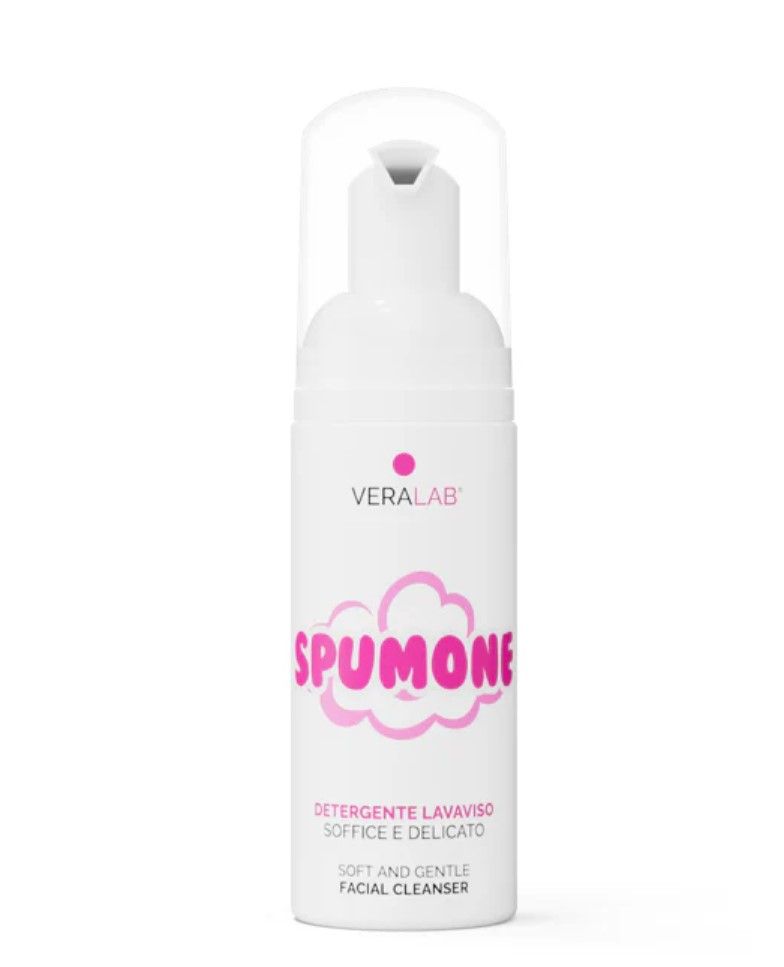
As temperatures rise, skin tends to produce more sebum, but that doesn’t mean you need to strip it like a frying pan. In spring, it’s best to use gentle, pH-balanced cleansers that remove impurities and residue without weakening the skin barrier. In practice: avoid harsh formulas that leave your skin tight or dry, as this can increase irritation and shine. It’s better to switch to light gels or soft mousses, which clean deeply without stressing the skin. This keeps it fresh, clean, and ready for subsequent treatments without overloading or irritating it.
Step Two: exfoliation
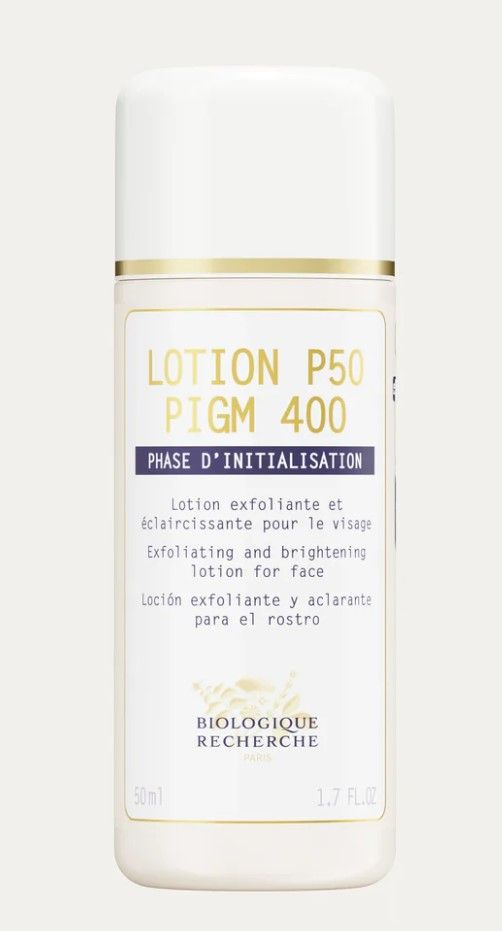
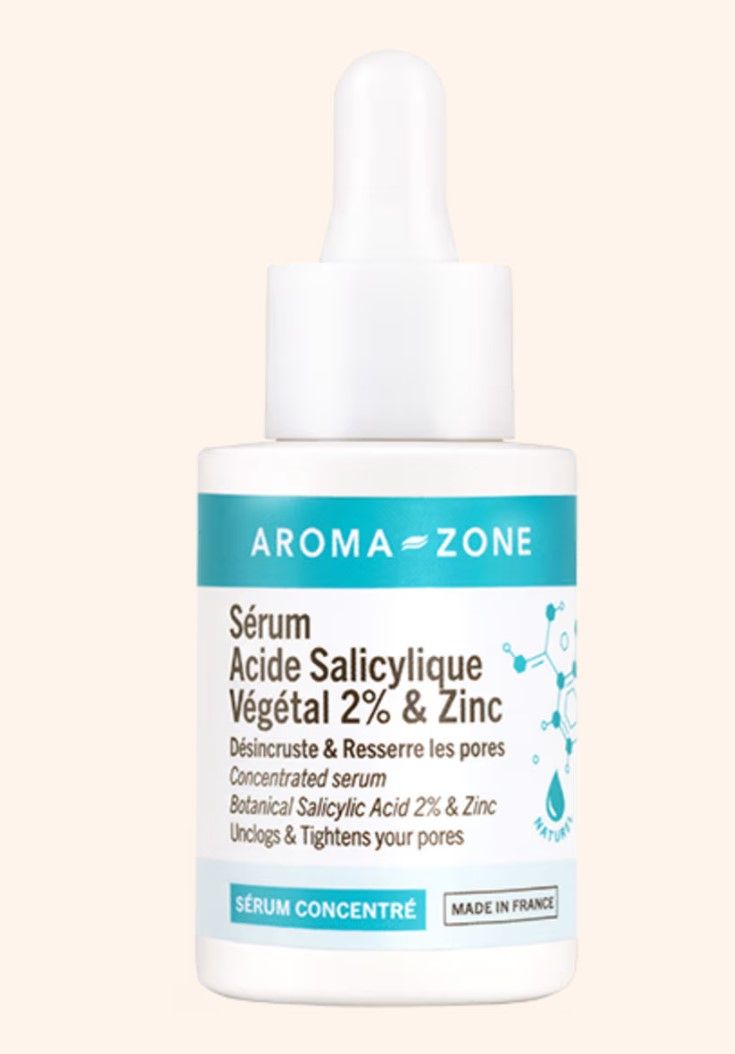
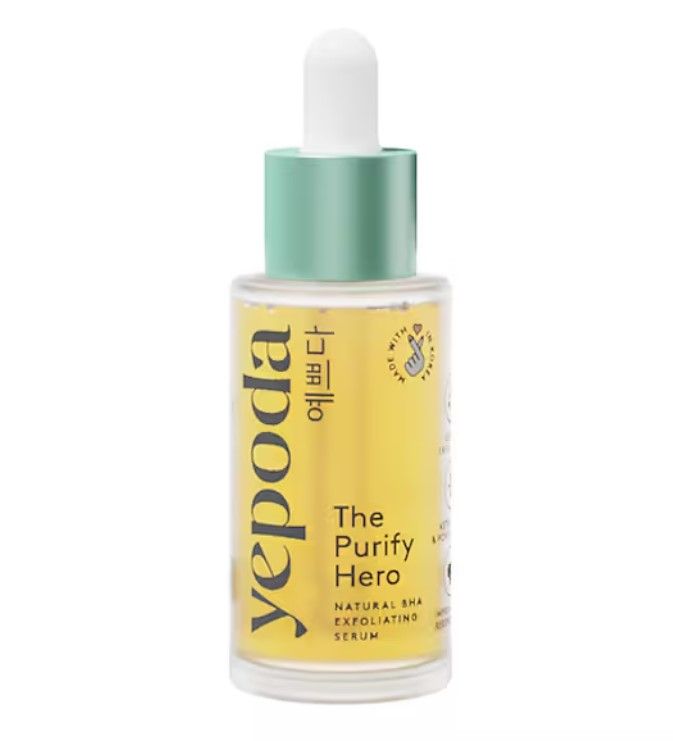
After winter, the skin is a bit clogged with dead cells, and products no longer penetrate as they should. Spring is the perfect time for a refresh: just a light exfoliation once or twice a week. Opt for gentle chemical exfoliants: AHAs for brightness, BHAs like salicylic acid if imperfections appear, and avoid harsh scrubs. Also, be careful not to mix acids with each other or with vitamin C serums and creams, as this can disrupt the skin barrier.
Step Three: hydration + skin barrier
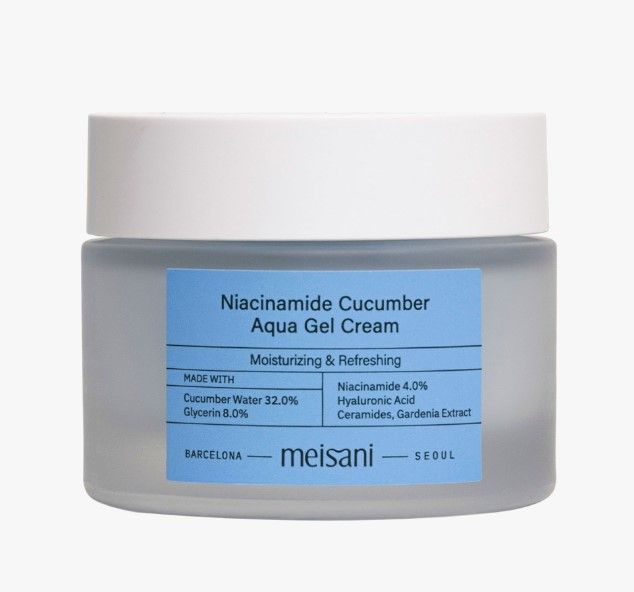
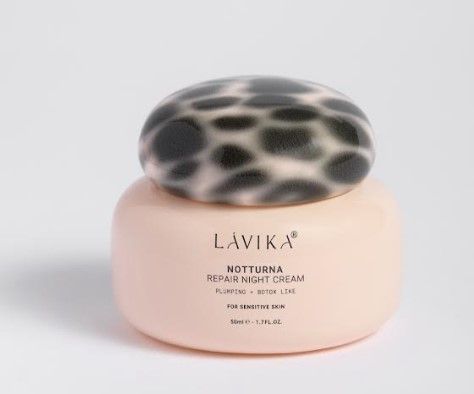
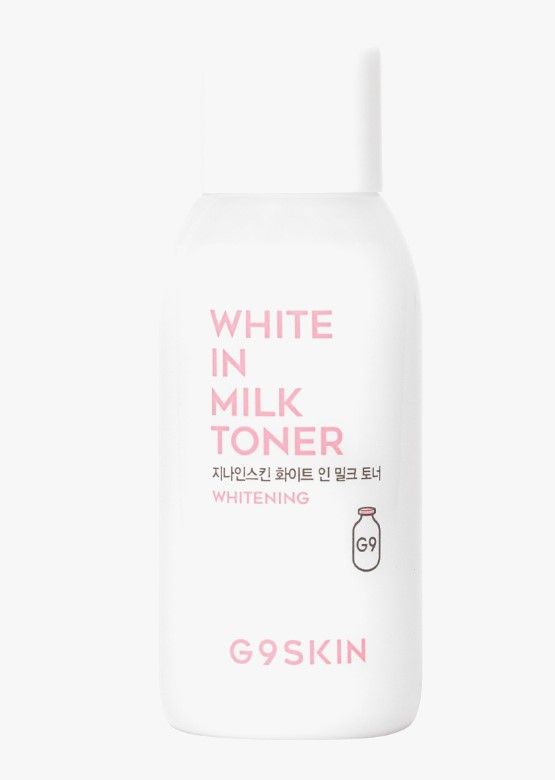
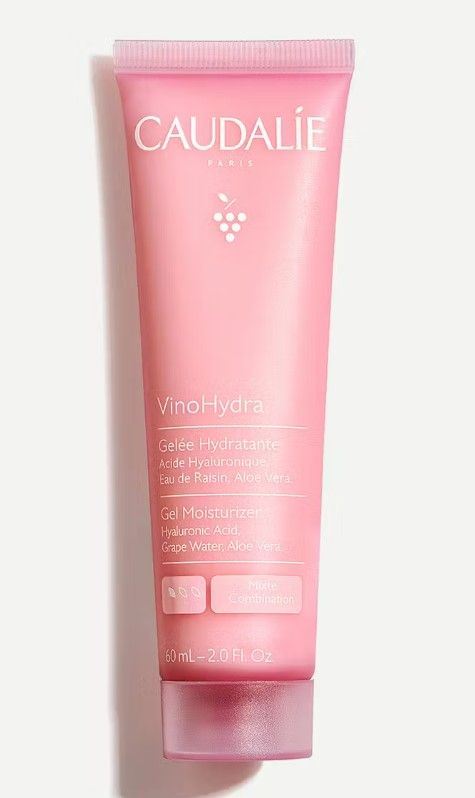
With spring’s arrival, rich winter creams start to feel heavy. They make you sweat, skin produces more sebum, and they can weigh it down. The solution is to switch to lighter textures: gel creams or water-based creams, paired with serums or milky toners with more body. Hydration is still essential, just in a more balanced form to match the gradually warmer climate. As we’ve said, seasonal changes are real stress for the skin: temperature fluctuations, wind, allergens, and pollen. That’s why, especially at night, it’s crucial to support the skin barrier using products with targeted ingredients. Niacinamide, ceramides, panthenol, and other soothing components calm potential irritations. So, no, this is not the time to experiment with five new active ingredients at once, but rather to keep the skin balanced.
Step Four: sun protection
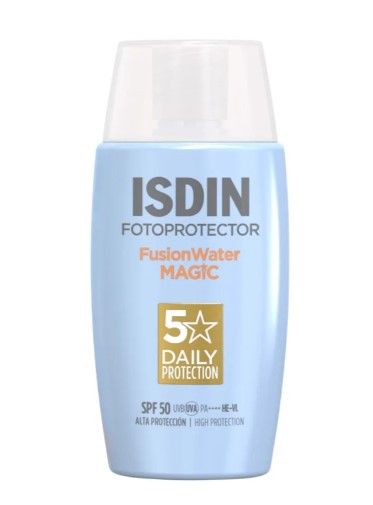
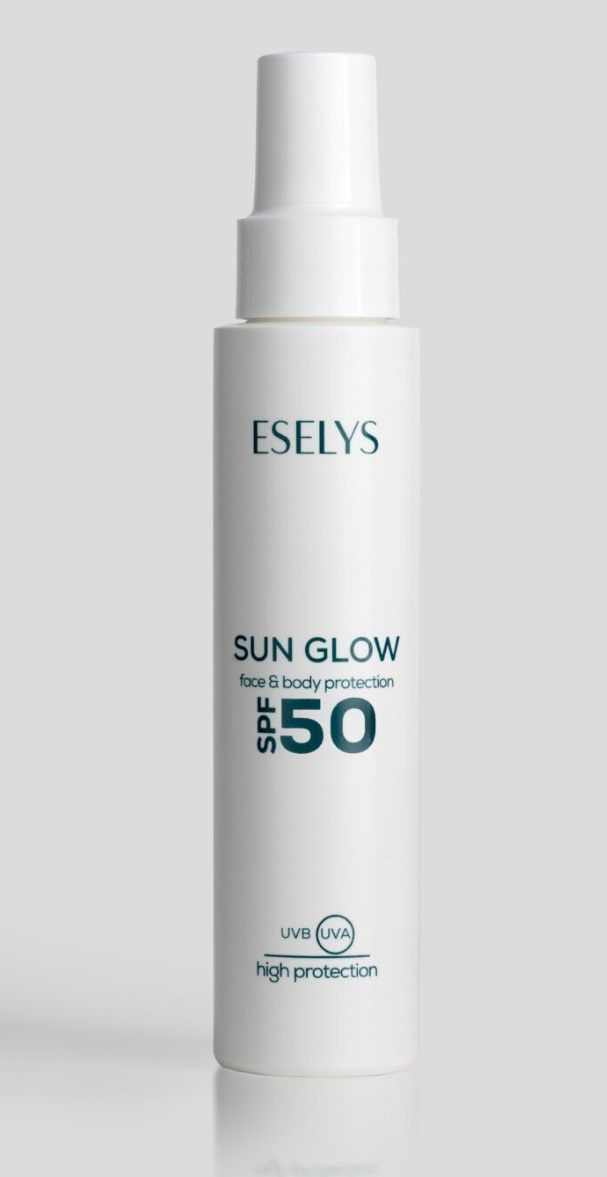
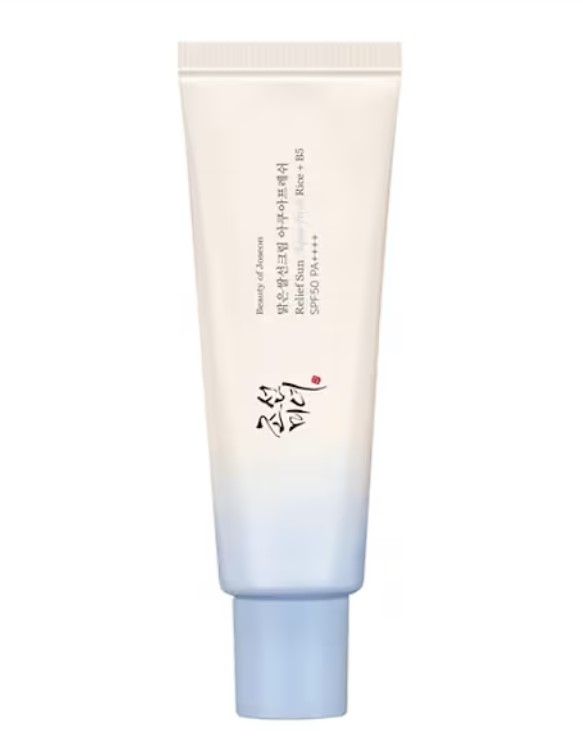
Sun protection is non-negotiable. In spring, UV rays start to intensify. This is the time to make SPF a serious step, not optional like in winter. Choose a sunscreen that suits your skin type: fluid, stick, or powder. There’s something for everyone. The key is to apply it every morning.
