

















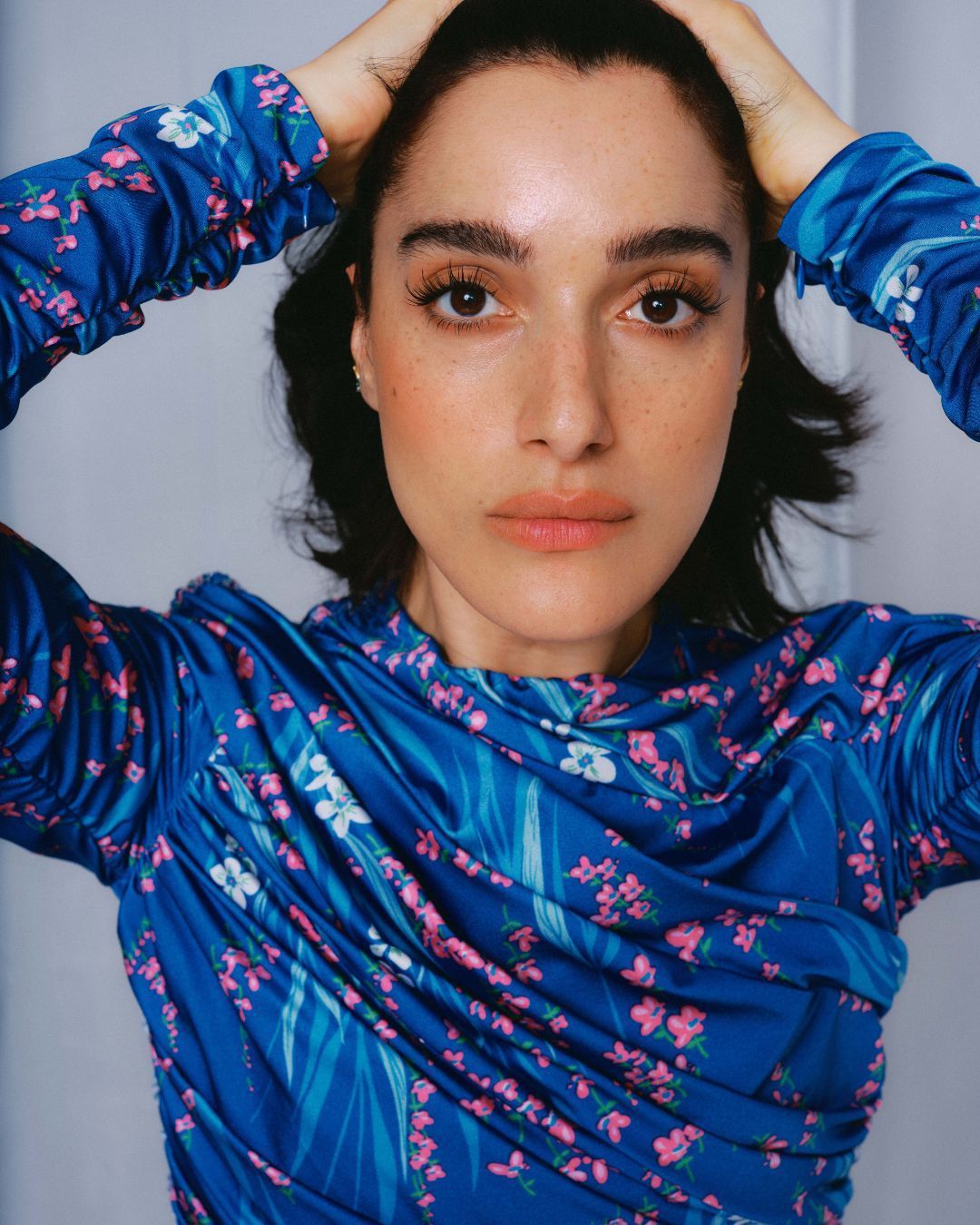
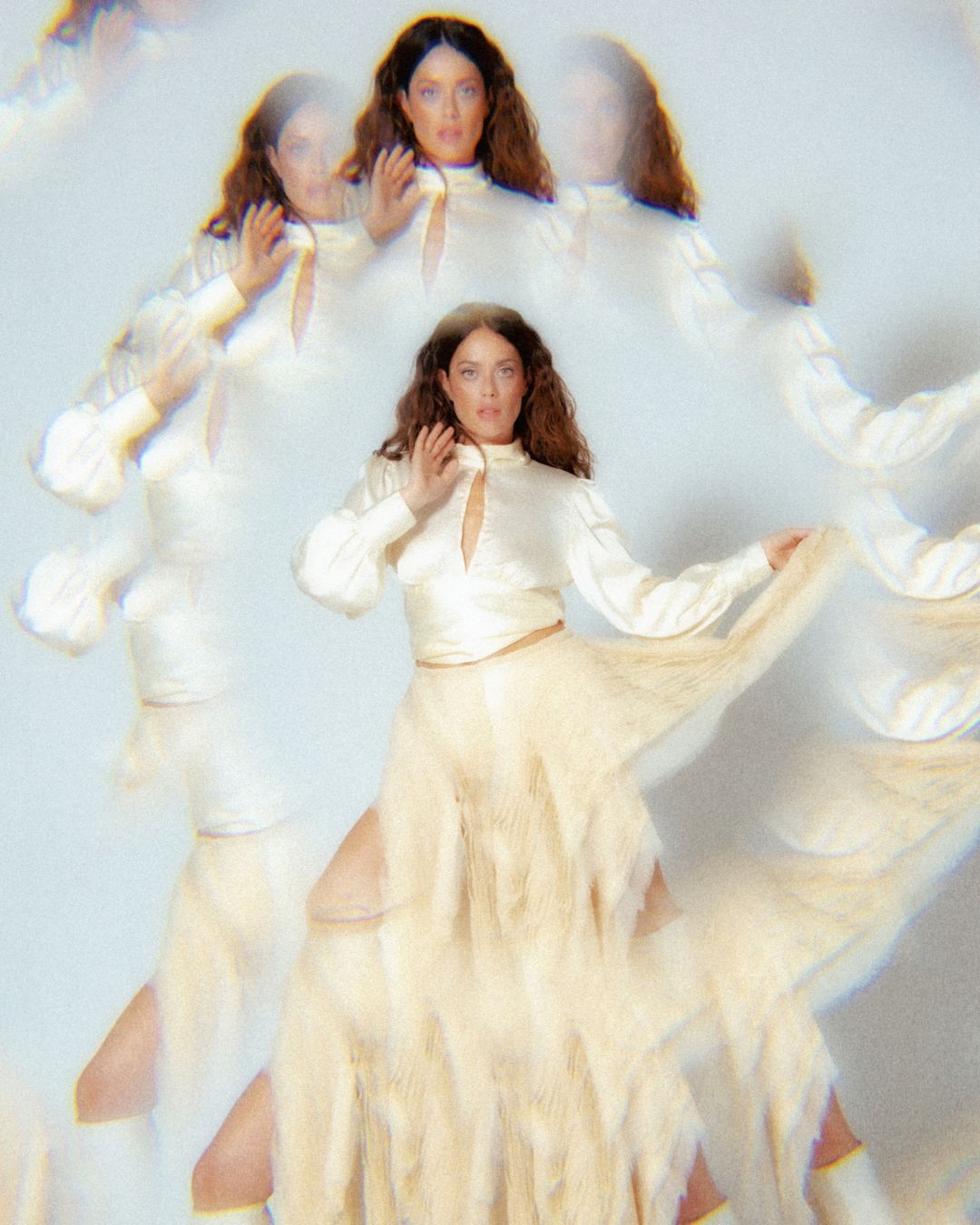
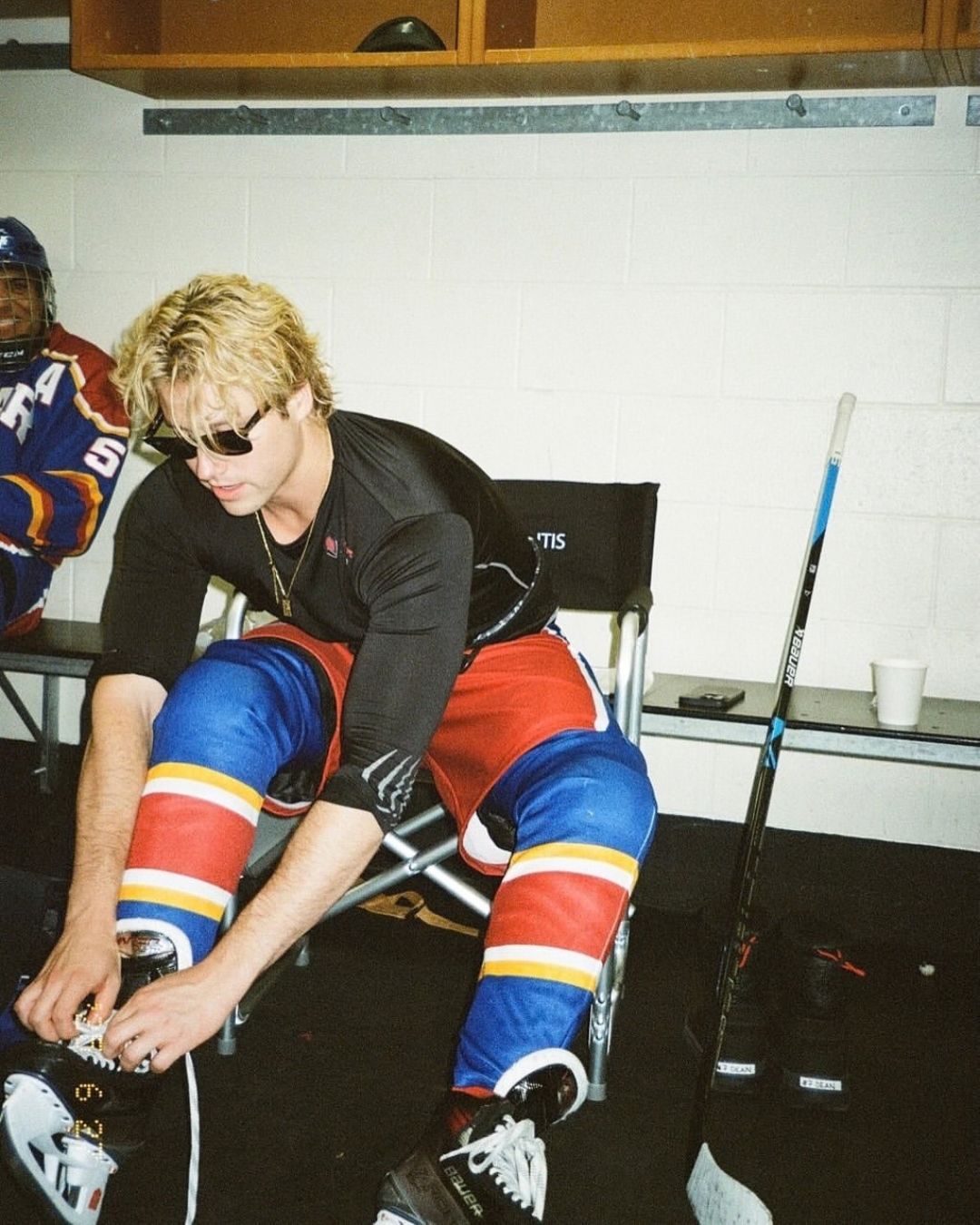
Rebecca Baglini: "Sanremo is a collective ritual" Interview with the creative director of Arisa, Malika Ayane and Dargen D'Amico
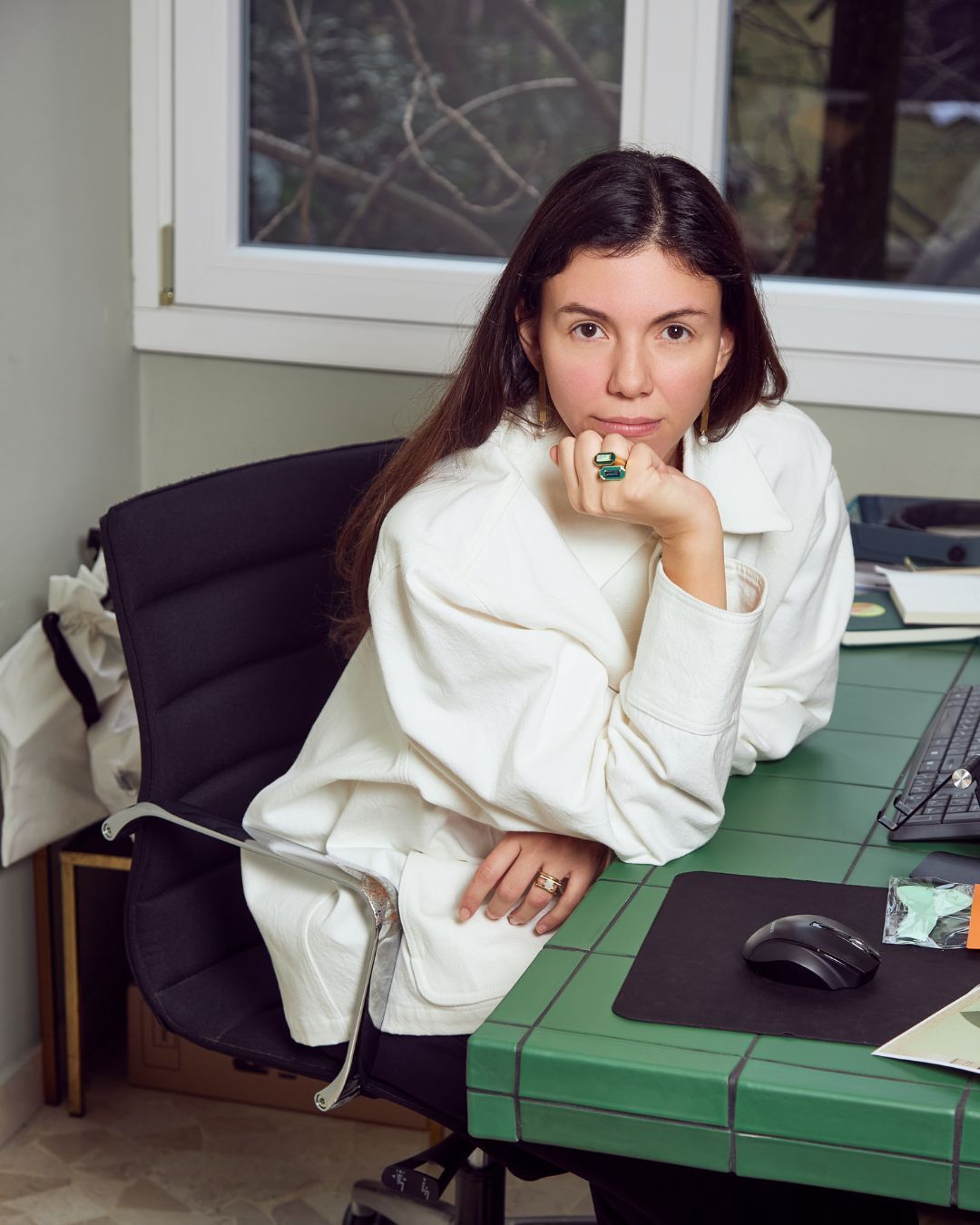
The Sanremo Festival is many, many things. It is music, image, economy, a music fair that involves a huge number of industry professionals, from press offices to makeup artists, from managers to florists, including creative directors. Rebecca Baglini is one of them. Founder & Executive Creative Director of StyledByMe, Rebecca works in styling and much more. We asked her directly, and she told us all about it.
Interview with Rebecca Baglini, stylist and creative director of Sanremo 2026
What does it mean for you to return to the Sanremo Festival as a creative director as well as a stylist?
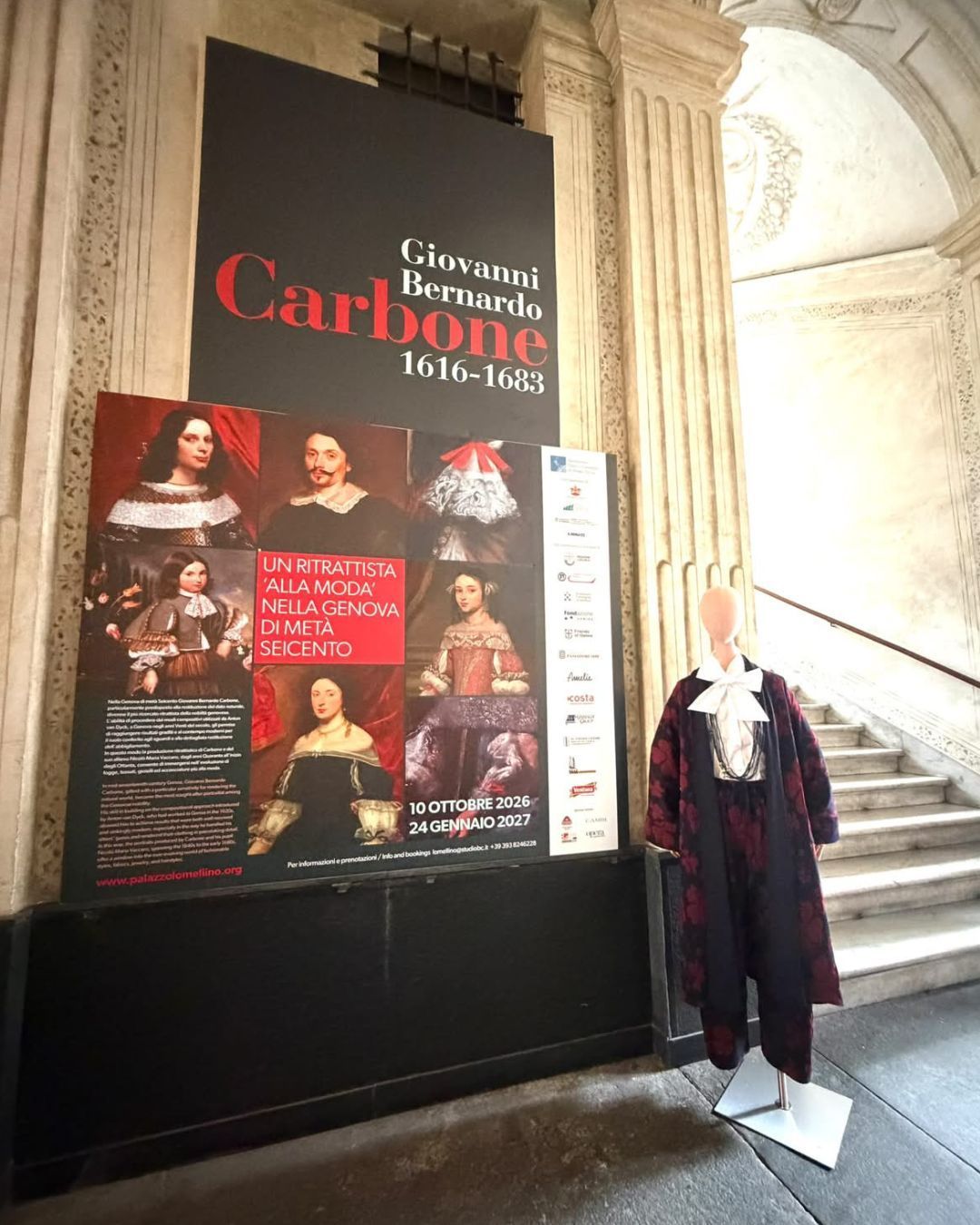
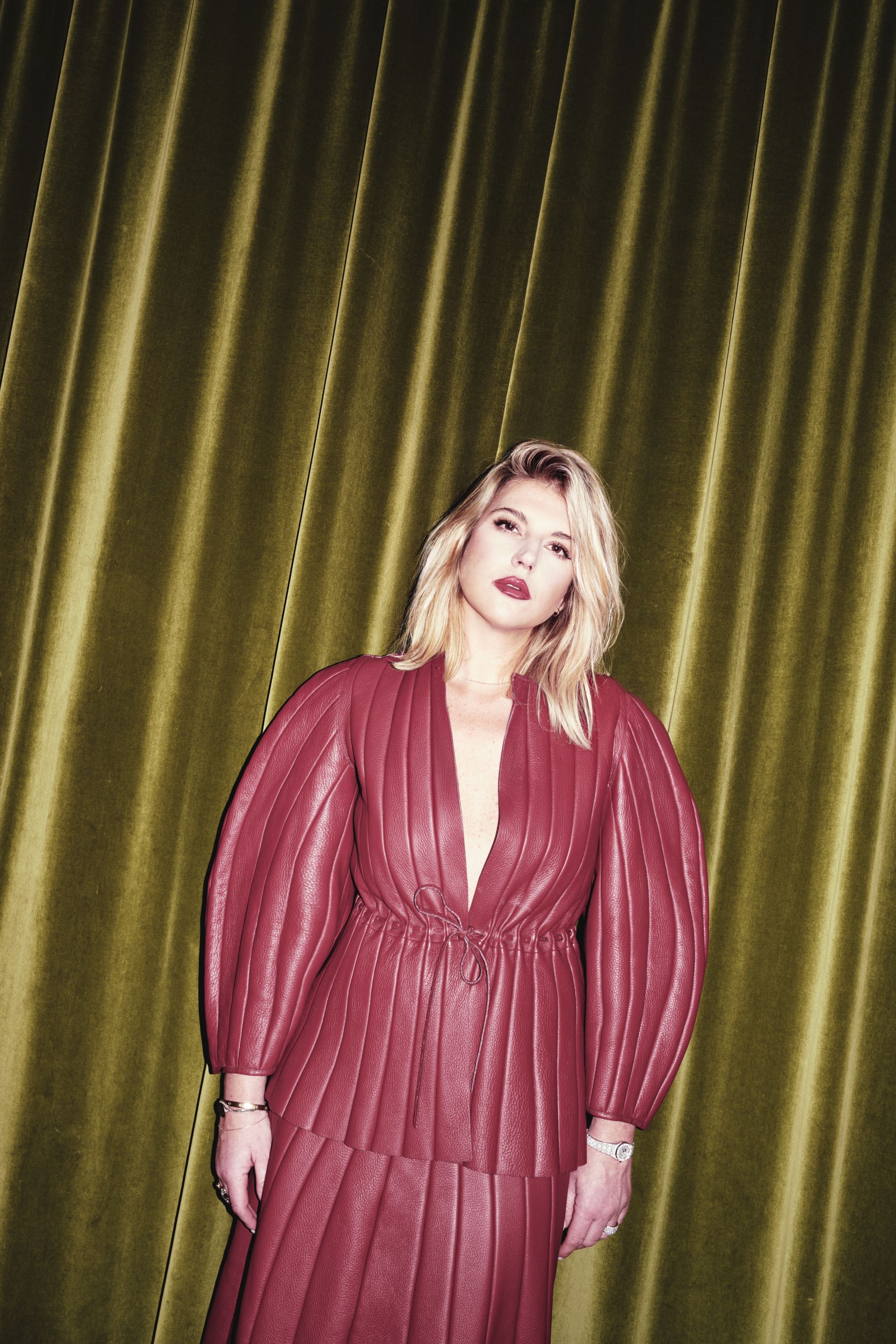
More than a return, I see it as a natural evolution. Creative director is a role I’ve developed over the years: today, and honestly, always, it’s not just about dressing an artist, but about building a system of identity and creative image. A few years ago, we created a creative company, StyledByMe, made up of people, project managers, collaborators who develop concepts and engage with brands, press offices, and all those often invisible but fundamental figures within such a large project. Coming back to the Sanremo Festival in this capacity means working on the collective imagination in a deeper and more responsible way. I’m not just creating an image, but a visual message placed within a context. Music and image are two powerful forces: sometimes a dress can make a song even more memorable. There’s no hierarchy — they must exist together, on the same level. Costume is culture, and culture passes through images and historical memory. When everything aligns, then the work is successful.
How does this project differ from your previous experiences at Sanremo or with other artists?
Today the work is much more layered. We don’t stop at the outfit, we build a narrative that includes cultural content, artistic references, symbols, storytelling. Every project is conceived as a coherent system, not as a sequence of looks. There’s more listening, more time devoted to meaning. And a strong awareness: what happens at Sanremo remains in the collective memory.
How would you describe your vision for Sanremo 2026 in a few words?
I would call it human, cultural, and necessary. A vision that holds together past, present, and future. Sanremo is a collective ritual spanning at least three generations: it must be respected, but also interpreted with contemporary clarity.
The creative direction you oversee goes beyond image. How do you build a coherent aesthetic narrative for each artist?
I always start with listening. With the person, even before the artist. Behind every artist there is a human being, and those two dimensions don’t always coexist easily. The narrative comes from what I feel when I meet someone, from their story, from the moment they’re living through. The message isn’t imposed; it’s built together. Image serves to amplify content, not to mask it.
How important is the connection between fashion, music, and culture when telling an artist’s story on the Ariston stage?
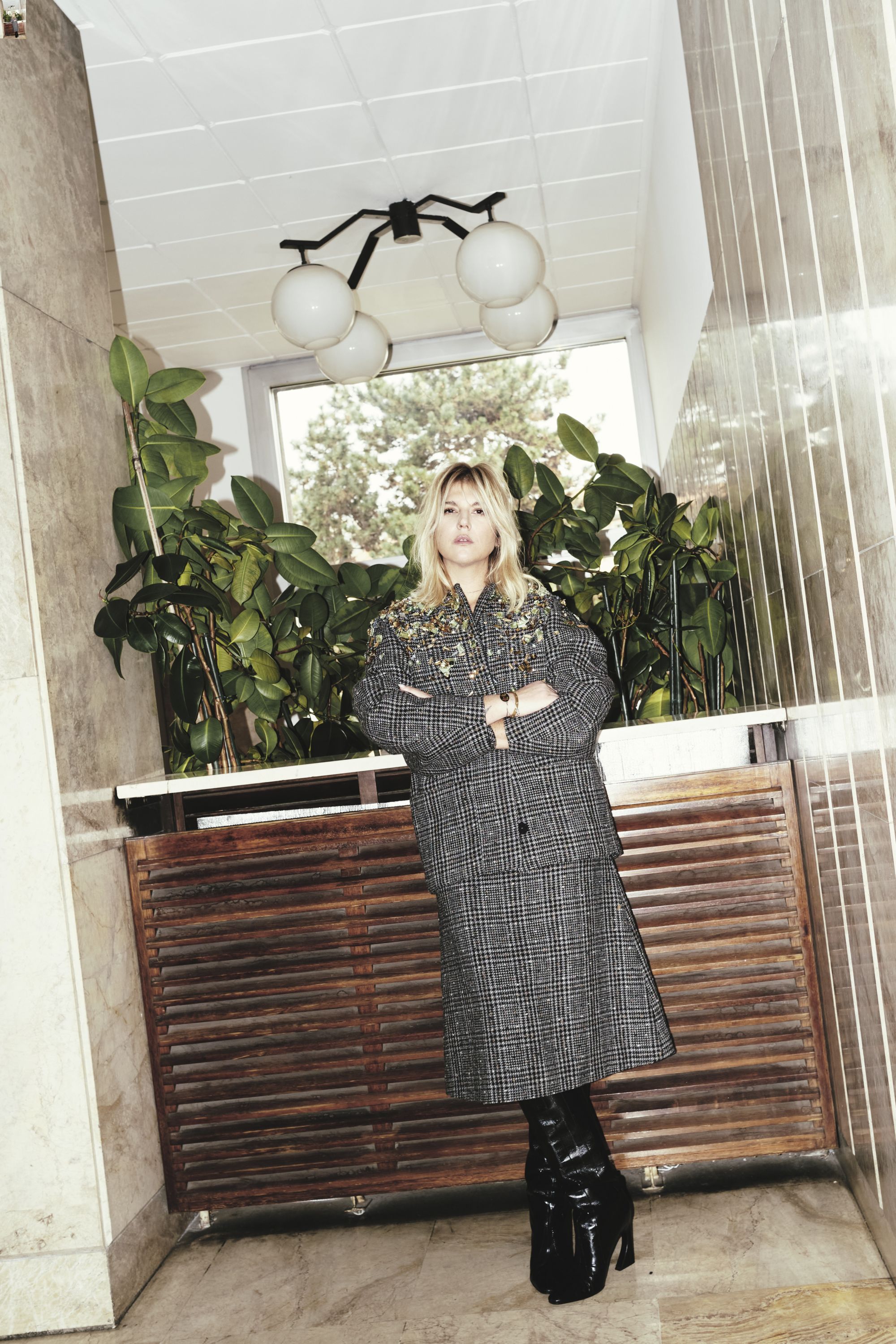
It means everything, but not in the sense of fashion as a status symbol. Television has taught us about communication, and stylistic choices made on TV have had, over time, a social impact. They’ve changed imaginaries, mentalities, ways of seeing people. That’s what interests me: not fashion in the narrow sense, but the history of costume, what an image represents in real life. Fashion is communication, and communication becomes culture when done properly. I’m not talking about expensive things, but about language.
How do you balance an artist’s personal identity with stylistic and symbolic choices?
There’s no such thing as an absolutely “right” look. There’s the time we live in, society, art, culture, all constantly changing. A look is right only when you see it on stage: with the music, the lights, the movement, and the fabric reacting. When everything aligns and moves you - when I’m the first to feel moved - then the work is successful. Sanremo amplifies everything, including inconsistencies. That’s why the artist’s identity always comes first.
How do you approach your creative work with Dargen D’Amico, Malika Ayane, and Arisa?
Every relationship is different. With Dargen D’Amico there’s a daily, continuous exchange of thoughts, irony, and vision. With Malika Ayane the work is more introspective, tied to sensitivity and elegance as a form of awareness. The project with Arisa, instead, positively swept us away from the start, with total attention to detail. Arisa is a voice, she is light. And for me, the most important thing about any artist is precisely that: light. Everything else comes after.
The project includes collaborations with major fashion houses and custom-made looks. How do you choose them?
Collaborations always stem from an alignment of values, not just aesthetics. I only work with brands that know how to be human, where there is dialogue and respect. I’m not interested in the old approach based on superiority or demands. Custom-made becomes essential when a garment must respond to a precise idea, a symbol, a gesture. Everything must integrate into the overall narrative, without forcing it.
Does working with young talents like Mattia Stanga require a different approach?
Working with young talents like Mattia Stanga is very stimulating. Mattia is a talent of a new generation, speaking through channels and languages that don’t belong to my generation. For me, that’s an enormous enrichment: it allows me to experiment, to learn, to question myself. But I relate to everyone in the same way: I step into their world, I dive into it, while always bringing with me my values, my ideas, my journey.
What does your future hold?
In the future, there’s the desire to change the system. A fashion system that often remains closed off, not very human, still driven by outdated dynamics. I only work with people and brands that know how to engage in dialogue, that respect the work, that have moved beyond the ’80s model of distance and entitlement. There’s the desire to change the approach, to give proper value to a job that often isn’t fully understood: that of the stylist, the creative director, those working behind the scenes triangulating ideas, people, emotions. And then there’s the launch of StyledByMe, the company of which I am founder and CEO. A project I’ve been working on for some time and that will soon be officially presented, designed to structure and enhance creative work across styling, creative direction, and brand relations. We’re only at the beginning, but what’s coming is just the start of a broader journey. For me, the future means continuing to build projects that have meaning, that speak about culture, communication, and humanity. Because communication, when done well, is culture.
