



















































What is epigenetic skincare? That's why (maybe) it's not just another beauty trend, but a real breakthrough
For years, skincare has focused only on hydrating, smoothing, and plumping. All valid, of course, but always concentrating on how the skin looks on the surface. But what if we tried to understand what’s really happening inside? This is where epigenetic skincare comes into play, inspired by epigenetics, the science that studies how factors like sun exposure, stress, pollution, and lifestyle influence the way our cells behave. The skin responds to everything around it, and these responses over time affect how it ages. Epigenetic skincare was born from the idea of intervening more deeply and purposefully, helping the skin function better instead of merely fixing superficial issues.
Epigenetics applied to skincare
According to an article by the Skincare Institute, epigenetic skincare doesn’t just hydrate or smooth the skin, there are already other treatments for that. Your skin already has all the potential to function well: it can produce collagen, repair itself, and defend against stress. The problem is that over time, and with everything we put it through (unprotected sun exposure, pollution, stress, lack of sleep), some of these functions become a little lazy. This is where epigenetic skincare steps in: it acts as an alarm clock, reminding the skin of all the functions that have gone on standby over time. It stimulates cellular regeneration, promotes a more efficient turnover, maintains collagen and elastin production, and strengthens the skin’s antioxidant defenses, protecting it from sun damage, pollution, and free radicals.
Is it just another trend?
A fair question. In beauty, trends rise and fall at lightning speed. However, as Dr. Tiziana Lazzari points out, epigenetic skincare is different: it’s entering the language of aesthetic medicine because it changes the way we think about skin aging. It’s no longer just about fixing or filling in those small wrinkles you see in the mirror before bedtime, but about intervening earlier and more deeply, helping the skin maintain active mechanisms that naturally slow down over time.
What treatments are available?
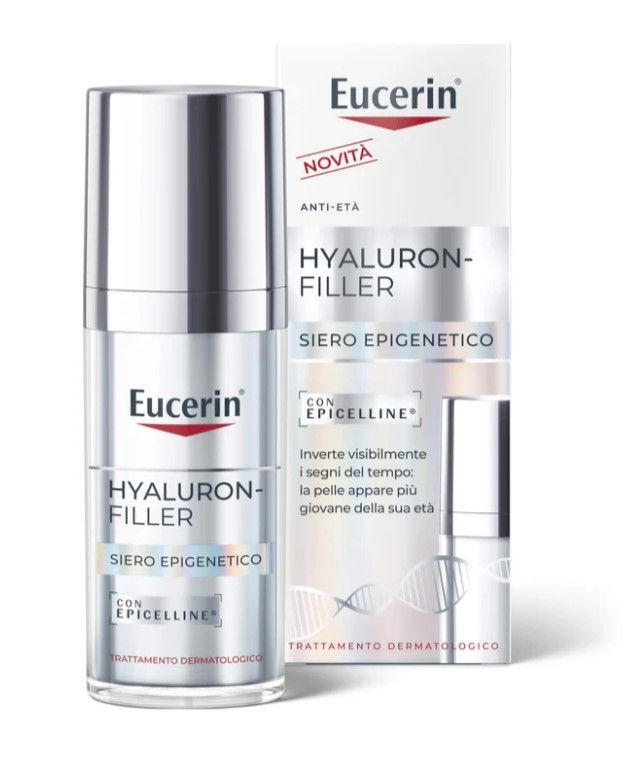
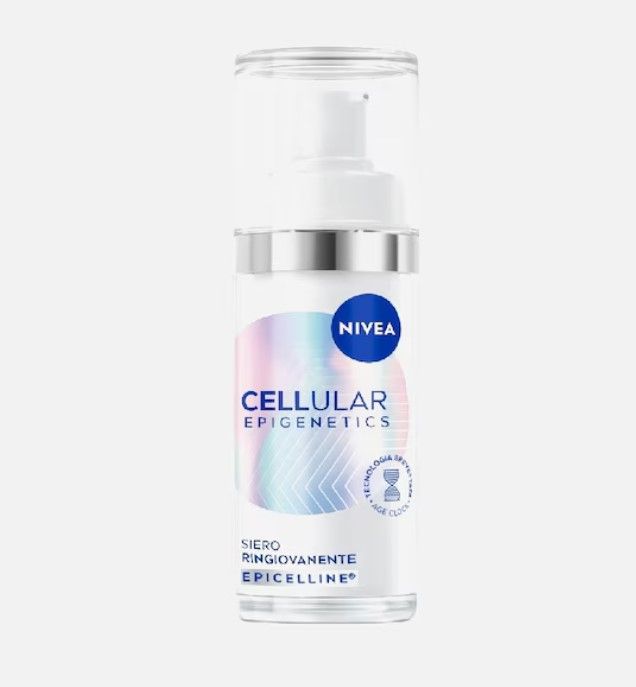
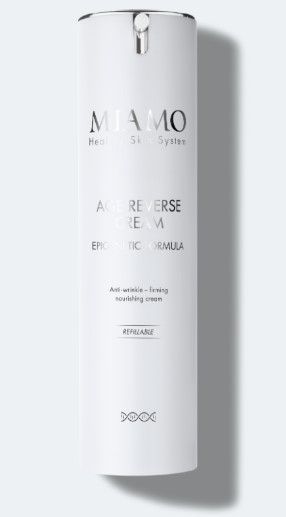
It’s important to remember that, like any skincare treatment, epigenetic products do not provide immediate results: it’s a gradual process aimed at helping the skin function at its best, but with the advantage of being deeper and longer-lasting. Many epigenetic serums and creams contain ingredients that support cellular performance, such as: peptides, which stimulate collagen production; plant stem cells, which support cell longevity and resilience; polyphenols and niacinamide, which reduce oxidative stress. Alongside these products, professional regenerative technologies such as fractional lasers and biorevitalizing treatments awaken the skin’s dormant molecules, helping it reactivate its natural processes rather than merely masking the signs of aging.
